Friday, May 1, 2026
DEA Opens Federal Registration Portal as Rescheduling Chaos Deepens
DSS Genetics News Desk · Friday, May 1, 2026
Editor's Brief
May 1, 2026 is shaping up as one of the most consequential — and confusing — days in American cannabis policy history. The DEA launched its long-awaited federal registration portal for state-licensed medical dispensaries, even as that same registration process is drawing fire for requiring businesses to admit to drug trafficking as a condition of enrollment. Meanwhile, the House passed a Farm Bill that protects hemp producers on some fronts but leaves a looming THC product ban untouched.
On the science front, a pharmacist-turned-researcher just published findings that could change how we think about minor cannabinoids — and their role in fighting antibiotic-resistant superbugs. Growers and consumers alike have plenty to digest today.
Top Story
DEA's Registration Portal Is Open — But It Comes With a Catch
The DEA officially launched its online portal Wednesday, allowing state-licensed medical cannabis dispensaries to register with the federal government under the proposed Schedule III framework. On the surface, this looks like a historic milestone — the first formal federal acknowledgment of legal cannabis businesses as legitimate entities.
There's a significant problem, however. The registration form reportedly requires applicants to acknowledge prior drug trafficking activity — a legal minefield that could expose businesses and their principals to criminal liability. Cannabis Business Times broke the story, and legal observers are already sounding alarms about the implications for operators who sign on the dotted line.
This is the rescheduling paradox in full view. The federal government is trying to extend an olive branch to an industry that has operated in a legal gray zone for decades, while simultaneously asking that industry to formally confess to federal crimes. The Guardian described the broader reclassification push as sparking widespread "confusion" — and that may be an understatement.
For home growers and consumers, the takeaway is this: rescheduling is not the same as legalization, and the path from Schedule I to Schedule III is proving messier than advocates hoped. Watch this portal story closely — the legal challenges it generates could reshape the rescheduling timeline entirely.
Policy & Legalization
Farm Bill Passes House, But Hemp THC Ban Still Looms
The House passed a new Farm Bill that includes provisions easing regulatory burdens for industrial hemp producers. However, the bill notably does not delay the federal recriminalization of hemp-derived THC products — a ban still scheduled to take effect this year.
Consumers who rely on delta-8, delta-9 hemp gummies, or other hemp THC products should pay close attention. If the Senate doesn't act, a wide swath of currently legal products could vanish from shelves before year's end.
Anti-Rescheduling Bill Advances; Surgeon General Pick Raises Eyebrows
In a sign of just how fractured Washington's cannabis politics remain, an anti-rescheduling bill is advancing in Congress even as the DEA opens its registration portal. Trump's newly nominated surgeon general has also weighed in — claiming cannabis use is linked to enlarged breast tissue in men, while hedging by acknowledging "potential benefits" of medical cannabis.
The nominee's comments underscore a familiar pattern: stigma-driven rhetoric colliding with mainstream medical evidence. Expect her confirmation hearings to become a flashpoint for the broader rescheduling debate.
DOJ Rethinks Cannabis & Gun Prosecutions
The Department of Justice is reportedly reconsidering how it approaches prosecutions involving cannabis and firearms — a policy area that has ensnared thousands of Americans, particularly in states where cannabis is legal. This shift, if formalized, could have major civil liberties implications for legal cannabis consumers who also own firearms.
Business & Markets
DEA Portal Sparks IPO Interest Among Cannabis Pharma Companies
Reuters reports that companies developing cannabis-based pharmaceutical drugs are eyeing IPOs and private funding rounds following the U.S. reclassification move. Investors appear more willing to back ventures that can operate under a clearer federal framework, even an imperfect one.
This is the capital formation story the broader cannabis industry has been waiting years to tell. Whether that momentum survives the legal turbulence around the registration portal remains to be seen.
Missouri Cannabis 'Cartel' Lawsuit and Indiana's $1.8B Black Market
A class action lawsuit in Missouri alleges that the state's largest cannabis retail chain operates as a price-fixing cartel, illegally controlling dispensary licenses and manipulating market prices. Meanwhile, a RAND study commissioned in Indiana found that residents spend a staggering $1.8 billion annually on illegal cannabis — despite the state having no legal market whatsoever.
Both stories point to the same structural problem: poorly designed legal markets don't eliminate illicit ones — they just coexist with them. Indiana's numbers alone make a compelling economic case for legalization.
Maryland Protects Off-Duty Cannabis Use for First Responders
Maryland Gov. Wes Moore signed legislation shielding fire and rescue employees who hold medical cannabis cards from workplace discipline for off-duty use. This is a meaningful workplace protection milestone — and a model other states are likely to follow.
Science & Cultivation
Minor Cannabinoids CBC and CBG Could Be MRSA's Worst Enemy
A study published by Oxford University Press — driven by pharmacist-turned-researcher Dr. Dana Lambert — found that two minor cannabinoids, CBC and CBG, make silver 64 times more effective against MRSA, E. coli, and Pseudomonas. Big Pharma largely abandoned antibiotic superbug research as unprofitable; Lambert went to the cannabis plant instead.
For home growers, this is a powerful reminder that the minor cannabinoid profile of your plants matters — not just THC percentages. Cultivars rich in CBG and CBC may have far more value than their current market prices suggest. Expect pharmaceutical interest in these cannabinoids to accelerate rapidly.
Cannabis Makes Chores More Enjoyable — Science Confirms What You Already Knew
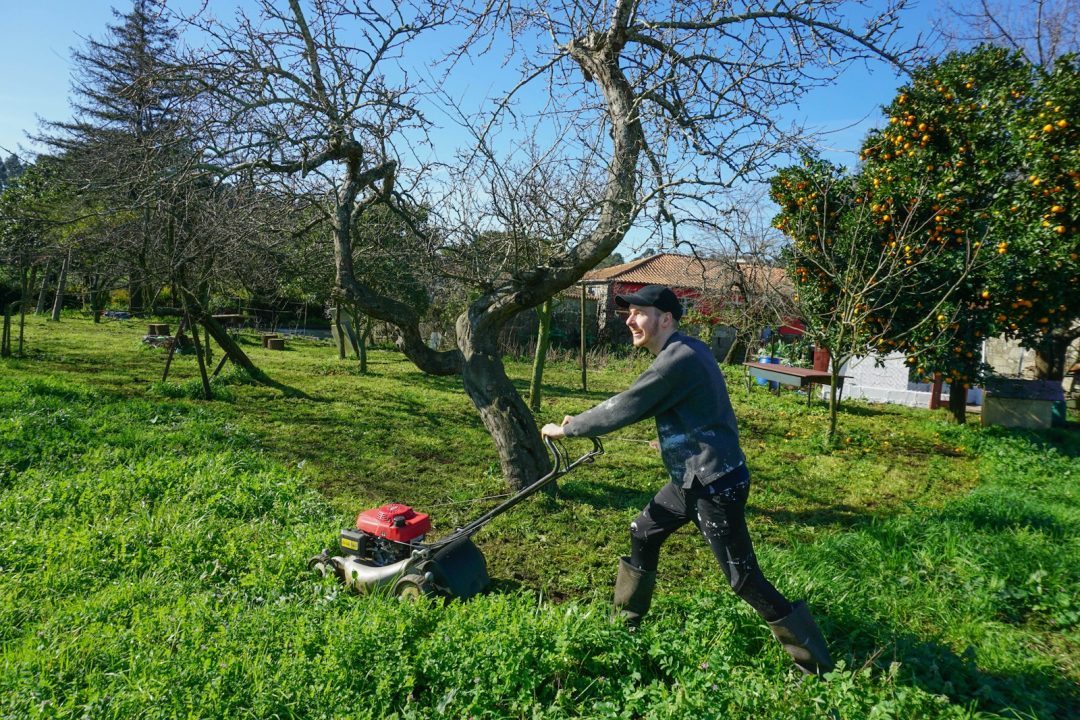
A new study covered by The Fresh Toast found that low-dose cannabis consumption can improve focus and enjoyment of repetitive tasks like household chores. It's not groundbreaking neuroscience, but it adds to a growing body of research on cannabis and task motivation.
World's Oldest Cannabis Fossil Found in Berlin Museum
Researchers believe they've identified a 56-million-year-old cannabis plant fossil hiding in Berlin's Museum für Naturkunde — first described in 1883 but never properly identified. If confirmed, this would be the oldest known cannabis specimen ever discovered, rewriting our understanding of the plant's evolutionary origins.
Crime & Enforcement
Bulgaria Discovers Cannabis Farm Inside Former Zinc Mine
Bulgarian authorities uncovered a large-scale cannabis growing operation hidden inside a decommissioned zinc mine, according to Reuters. The case is a striking example of the lengths illicit operators go to exploit industrial infrastructure for cultivation.
The discovery highlights how global prohibition continues to push cultivation underground — literally — while legal markets struggle to capture demand.
Culture & Community
Jadakiss, Biggie, and the Long Road to Legal Weed in Harlem
Rapper Jadakiss sat down with High Times to reflect on New York cannabis history — from smoking with Biggie and dodging cops for Sour Diesel, to now co-founding Dynasty Commodities with a legal dispensary in Harlem. It's a story about risk, perseverance, and what it means when a community finally gets to participate legally in the industry built on its culture.
Cannabis as Geopolitical Tool in 2026
High Times published a sweeping analysis of how cannabis is quietly reshaping global trade and diplomacy — from U.S. rescheduling to Ukraine's post-war reconstruction plans, Costa Rica's European export push, and Morocco's legal pivot. The plant is emerging as a surprisingly potent soft-power instrument.
What This Means for Growers
- The hemp THC ban is real and coming. If you rely on hemp-derived cannabinoid products as part of your routine, the Farm Bill's passage without a delay provision means the clock is ticking. Stock up or seek alternatives now.
- Minor cannabinoids are the next frontier. The CBC/CBG superbug study is a signal: consider diversifying your home garden with cultivars that express higher levels of these minor cannabinoids. Their value is about to rise significantly.
- Federal registration is not automatically safe. If you operate in a medical cannabis state and are considering DEA registration, consult a cannabis attorney before submitting anything. The trafficking admission language is a serious legal trap.
- Legal markets that ignore price fairness fuel black markets. The Missouri cartel lawsuit and Indiana's $1.8B illicit spend are reminders that access and affordability drive consumer choices. Home cultivation remains the most inflation-proof option in most states.
- Firearms and cannabis ownership remain legally precarious. The DOJ review of gun-cannabis prosecutions is encouraging, but no policy change is final yet. Legal cannabis consumers who own firearms should monitor this story closely and consult legal counsel.
Quick Links
Full source links are listed below this article.
All Sources — 30 articles





Images are credited to their respective sources. All linked content belongs to the original publishers.