Medical Disclaimer: This information is for educational purposes only and should not be considered medical advice. Always consult a healthcare professional before using cannabis for medical purposes. Individual results may vary.

Key Terpenes for Pain Relief
CB2 receptor agonist — the most potent anti-inflammatory terpene, directly analgesic
Muscle relaxant, enhances THC absorption, addresses musculoskeletal pain
Local anesthetic properties, blocks pain signal transmission in peripheral nerves
Anti-inflammatory — synergizes with Caryophyllene for enhanced pain relief
Dosing Guidance
For chronic pain, consistency matters more than intensity. A regular low-to-moderate dose schedule (5-10mg THC every 6-8 hours) often works better than intermittent high doses. For breakthrough pain, keep an inhaled option for rapid relief. Many pain patients benefit from combining THC during evenings with CBD during the day for non-impairing baseline relief. Start at 2.5-5mg THC and increase slowly.
How We Selected These Strains
Every strain below has been selected for documented pain-relieving properties. Selection criteria: (1) Pain listed in its medical use profile, (2) terpene profile includes Caryophyllene (CB2 anti-inflammatory) or Myrcene (muscle relaxant), and (3) cannabinoid levels suitable for analgesic effects. Strains are sorted by THC from highest to lowest.
24 Recommended Strains for Pain
Sorted by THC content (highest first). If you are new to cannabis, start from the bottom.
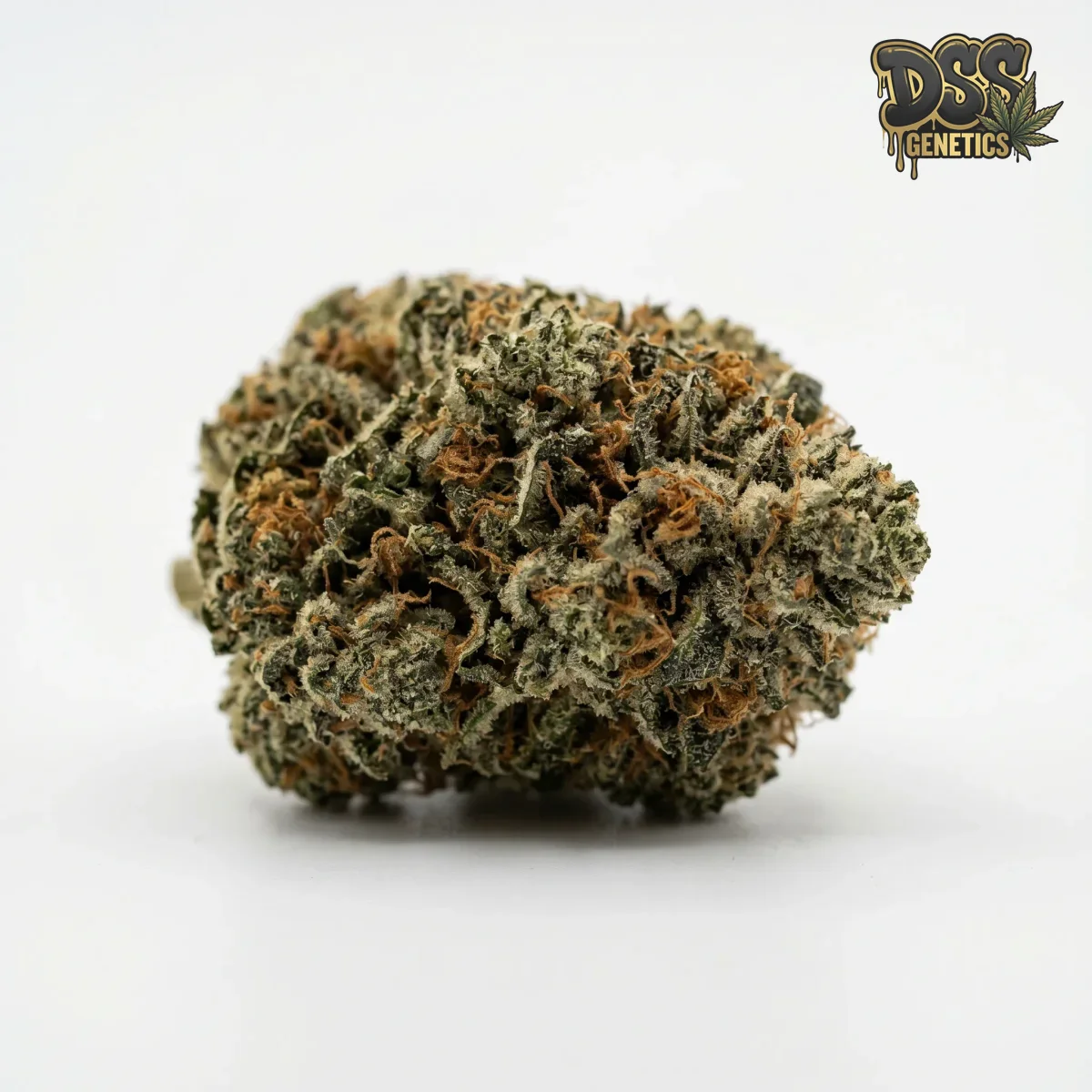 #1
#1Nova OG Feminized Seeds
THC 30–35% · 80% Indica / 20% Sativa
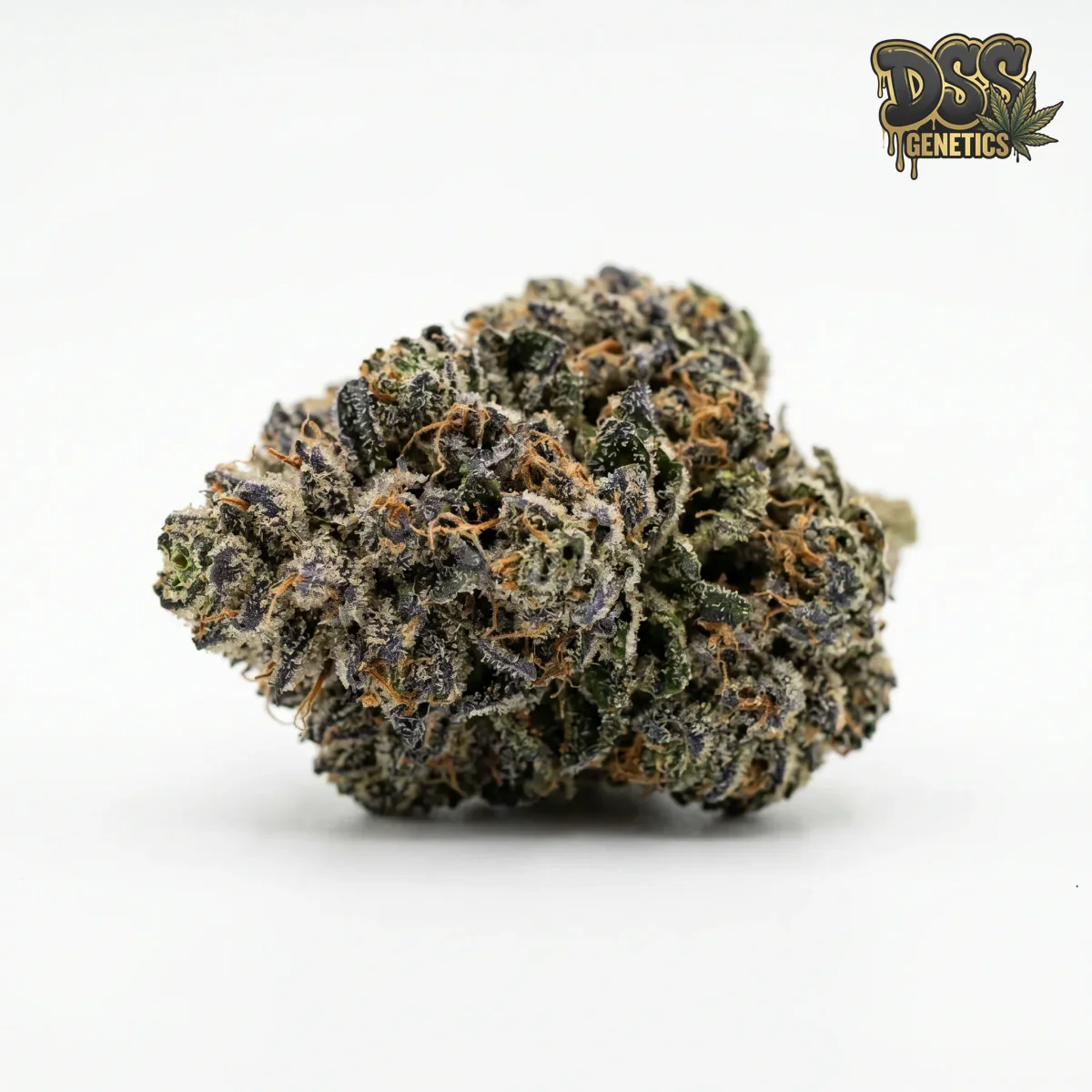 #2
#2Mazar x Blueberry Feminized Seeds
THC 23–29% · 75% Indica / 25% Sativa
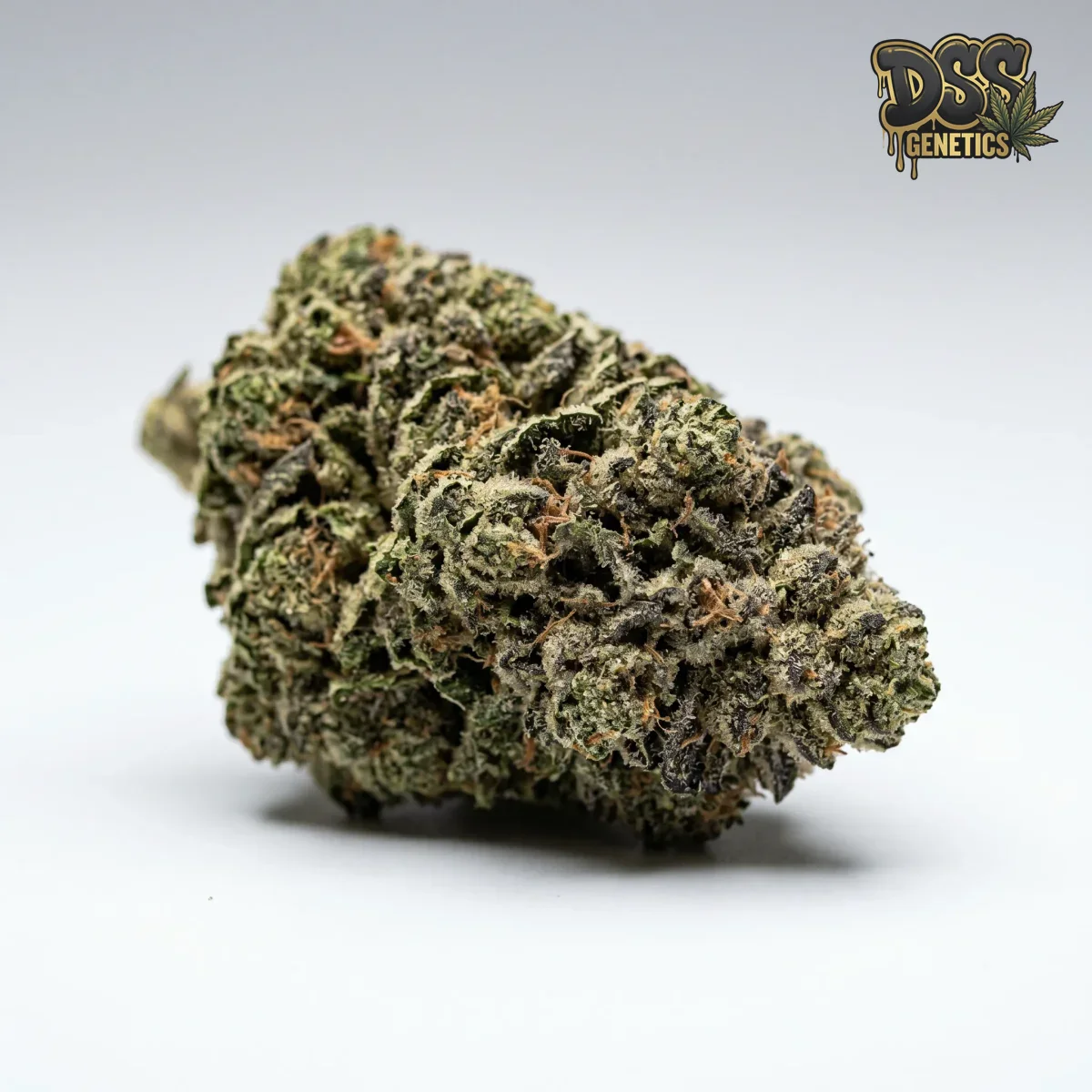 #3
#3Gorilla Glue Feminized Seeds
THC 26–28% · 50% Sativa / 50% Indica
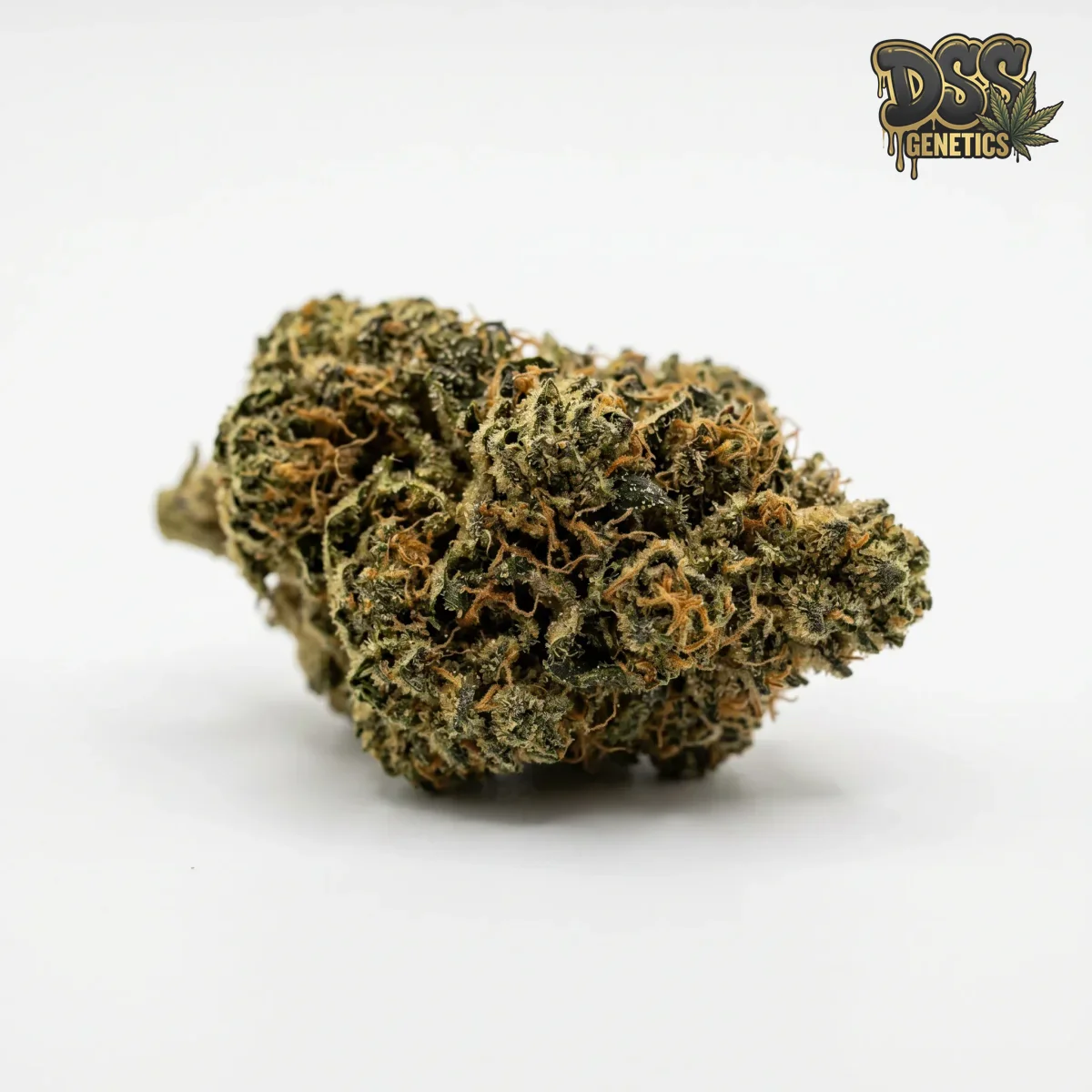 #4
#4Chemdog #4 Feminized Seeds
THC 17–28% · 60% Indica / 40% Sativa
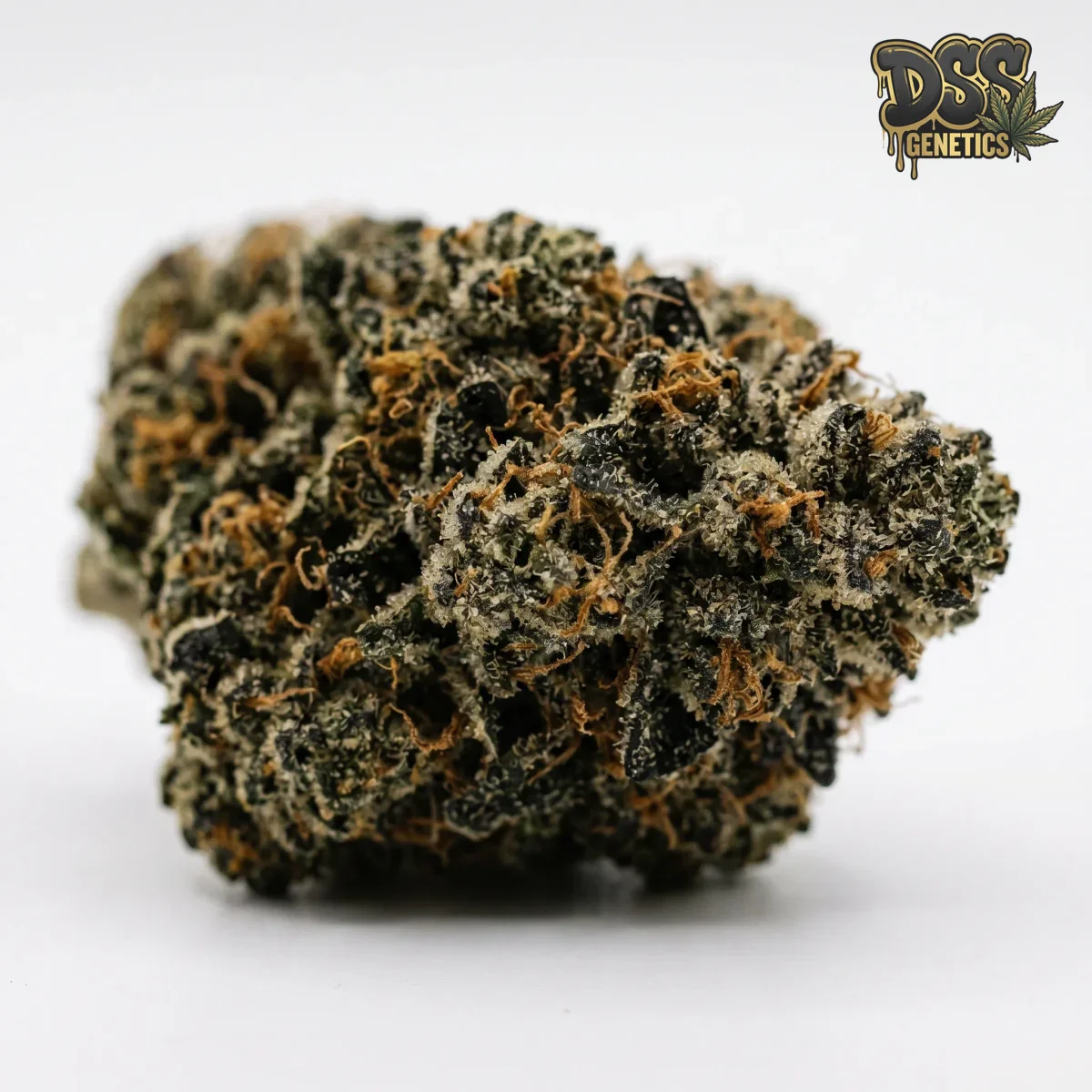 #5
#5Godfather OG Feminized Seeds
THC 22–28% · 60% Indica / 40% Sativa
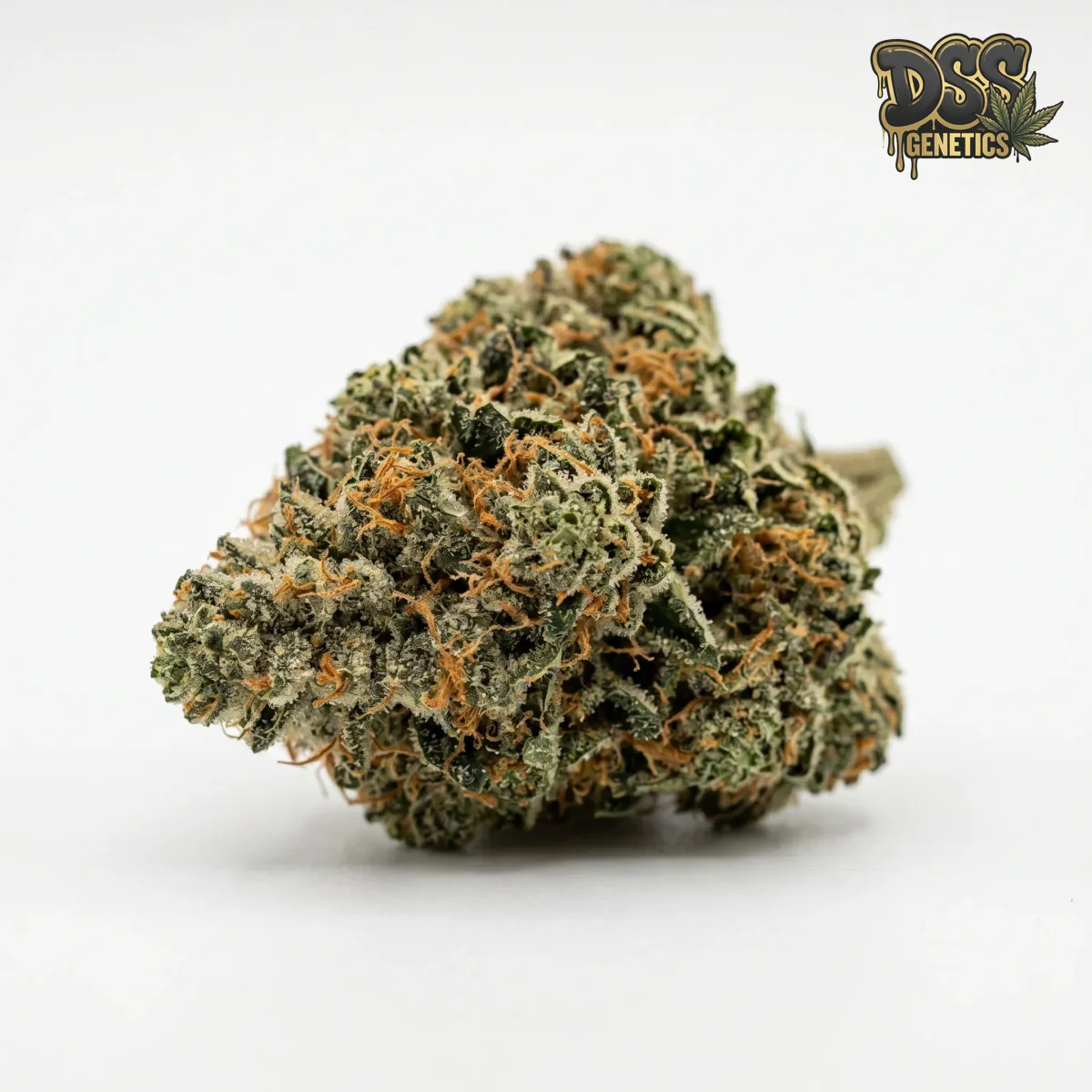 #6
#6Alien OG Feminized Seeds
THC 22–28% · 60% Indica / 40% Sativa
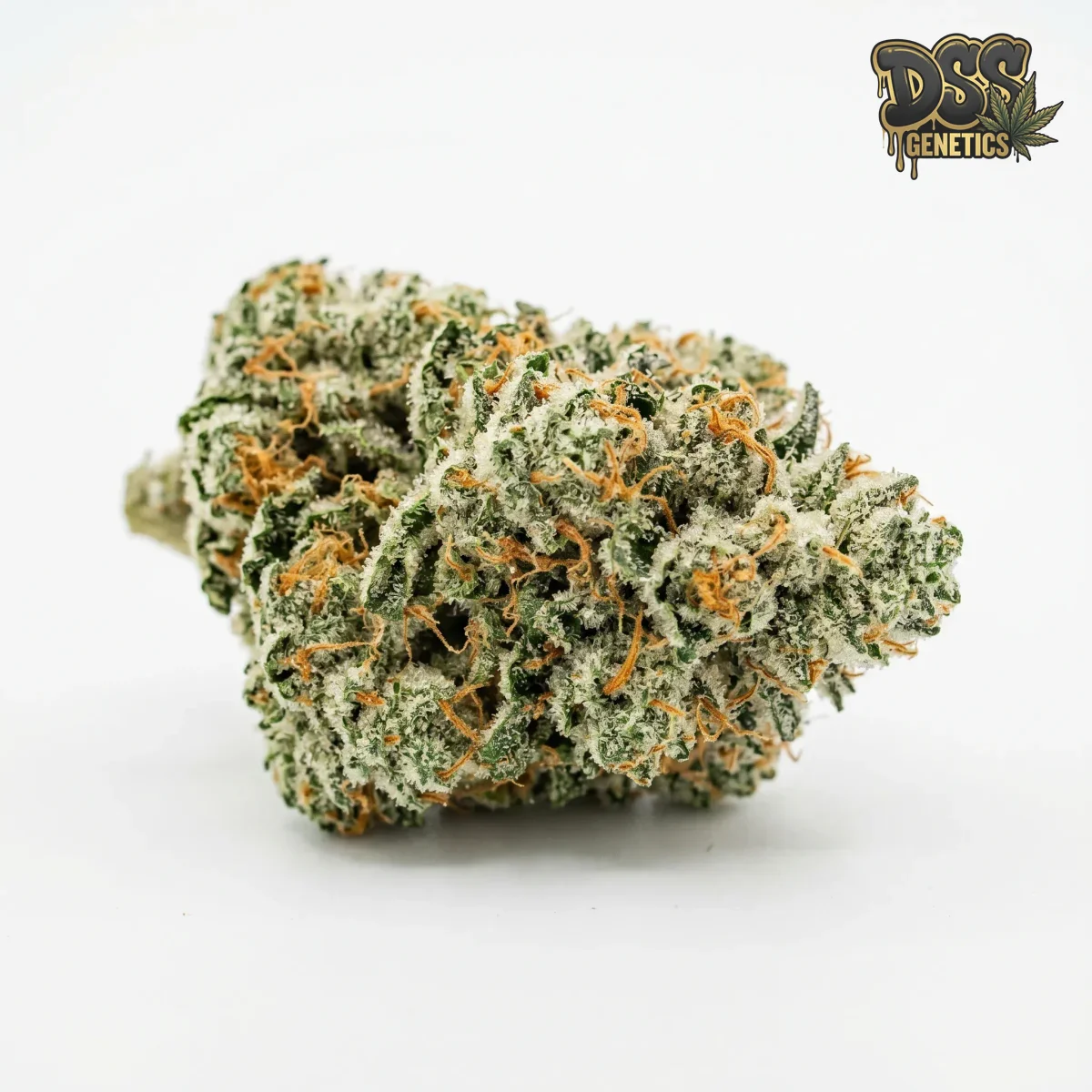 #7
#7White Fire OG Feminized Seeds
THC 24–28% · 60% Indica / 40% Sativa
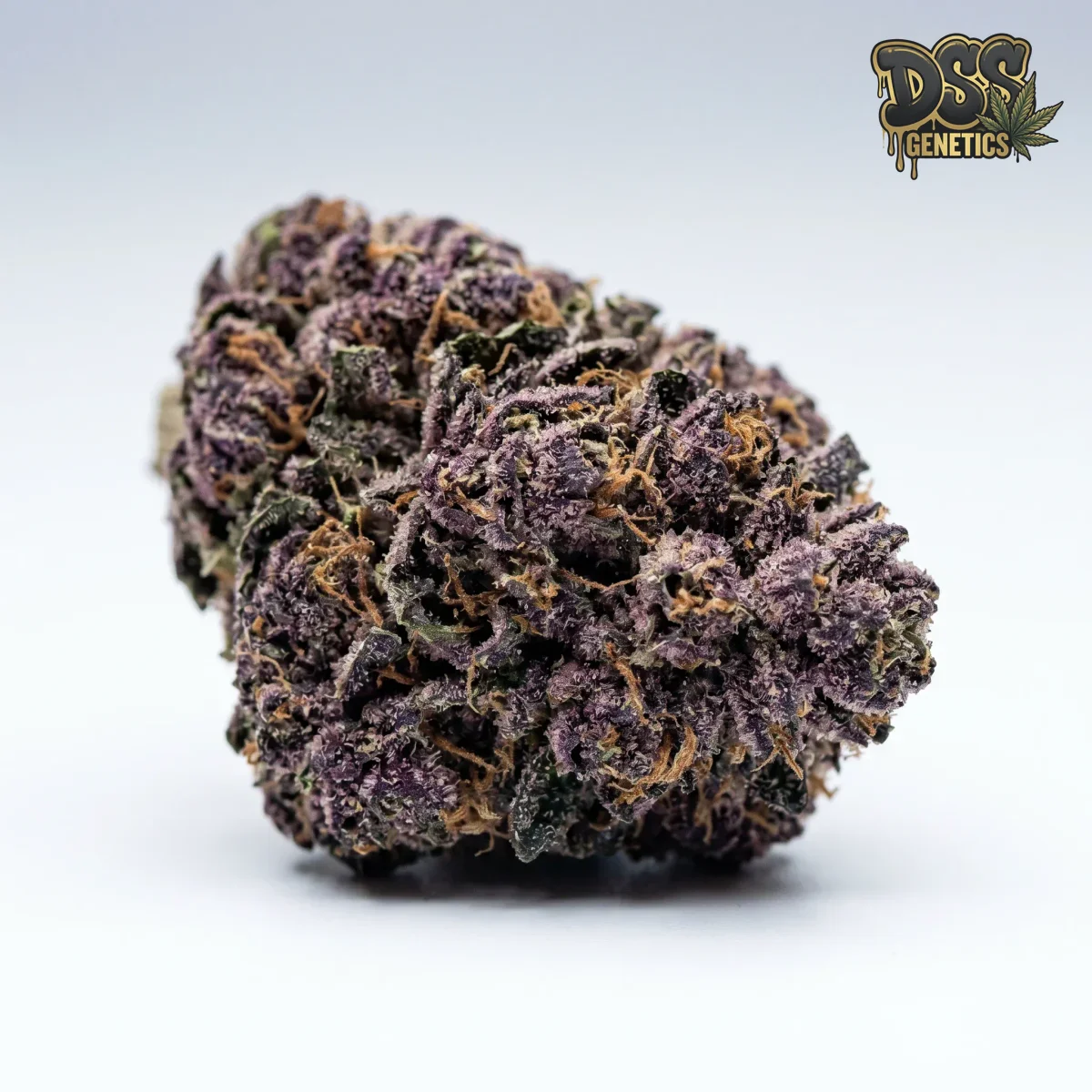 #8
#8Purple Kush Feminized Seeds
THC 20–27% · 90% Indica / 10% Sativa
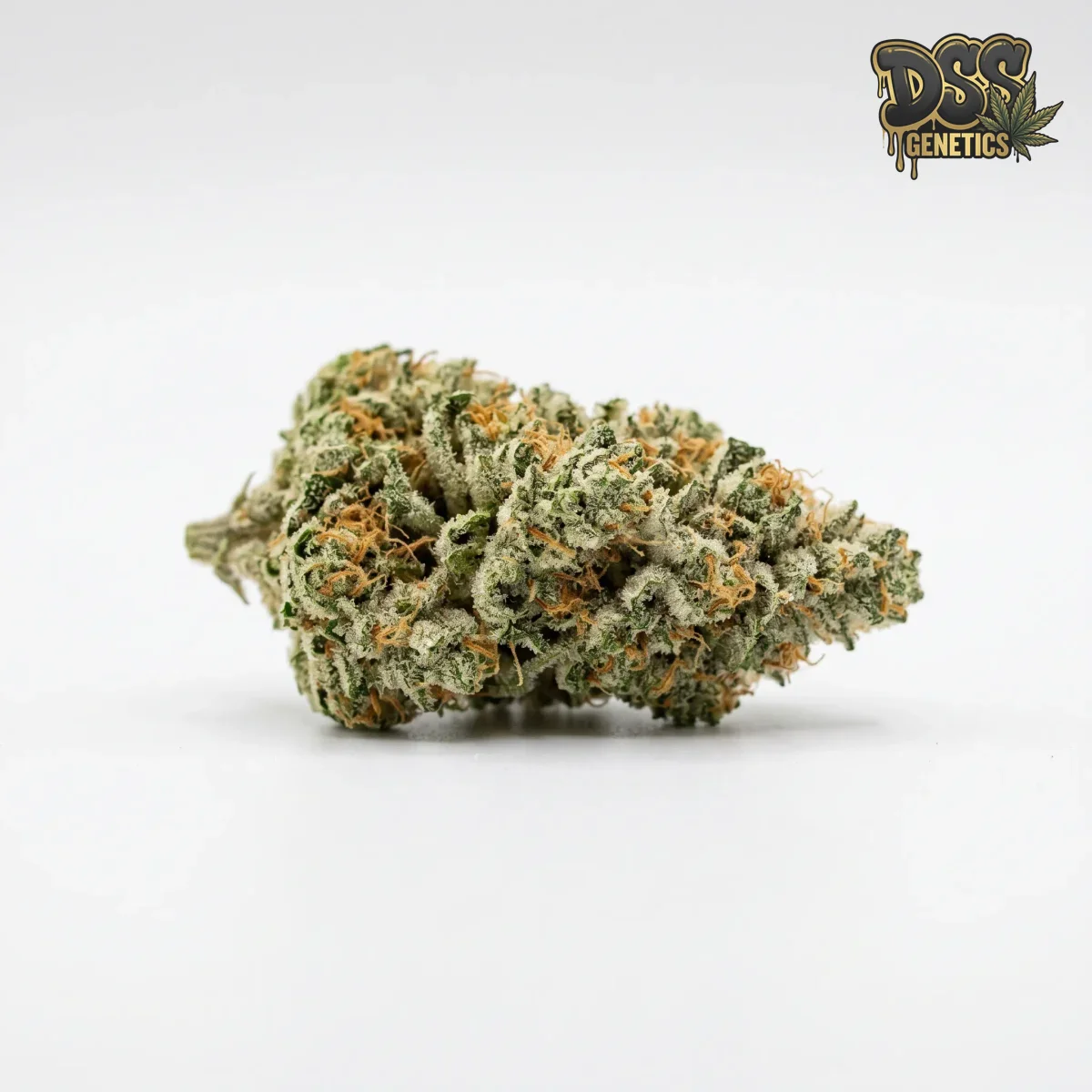 #9
#9Moby Dick Feminized Seeds
THC 24–27% · 75% Sativa / 25% Indica
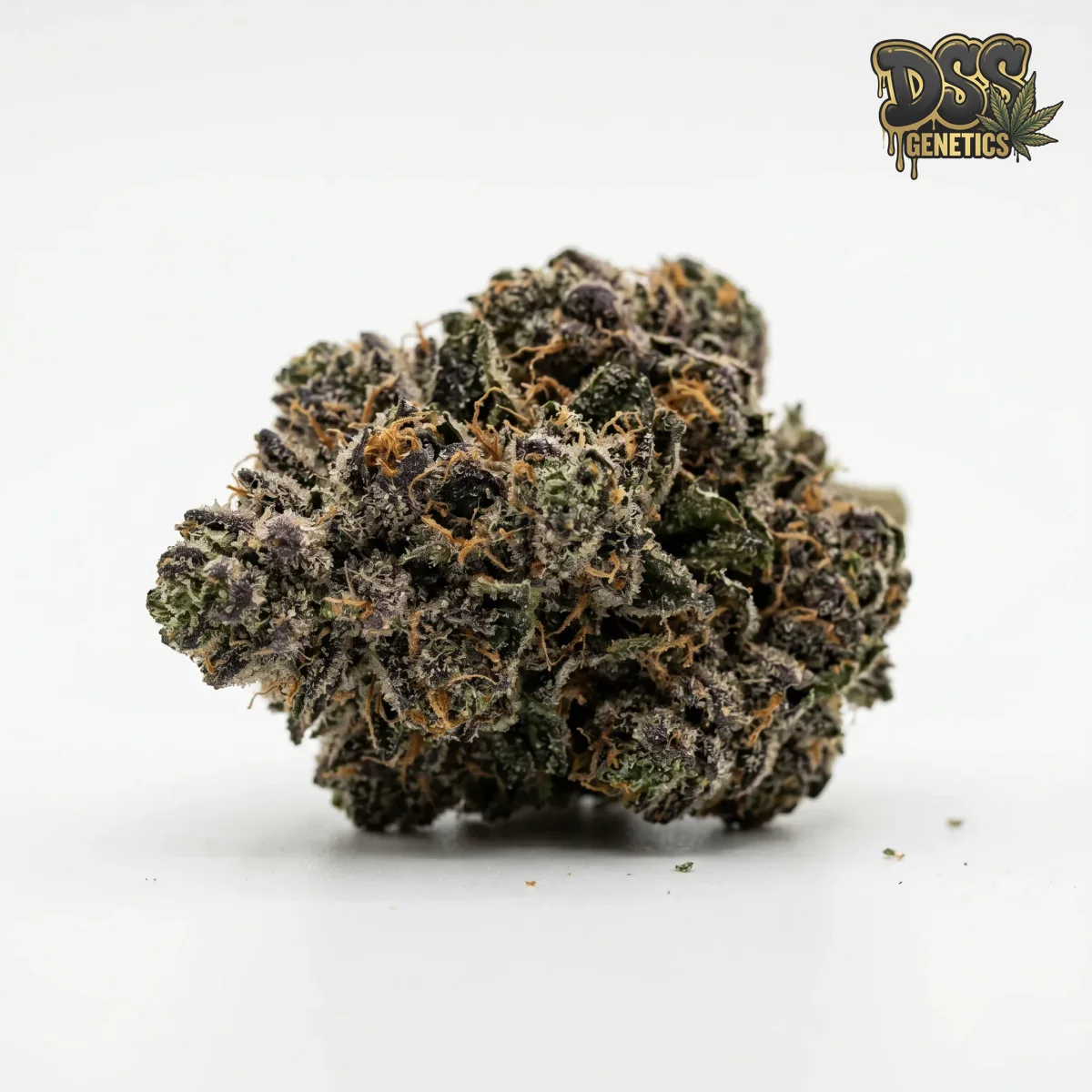 #10
#10Girl Scout Cookies X Chemdog #4 Feminized Seeds
THC 20–27% · 60% Indica / 40% Sativa
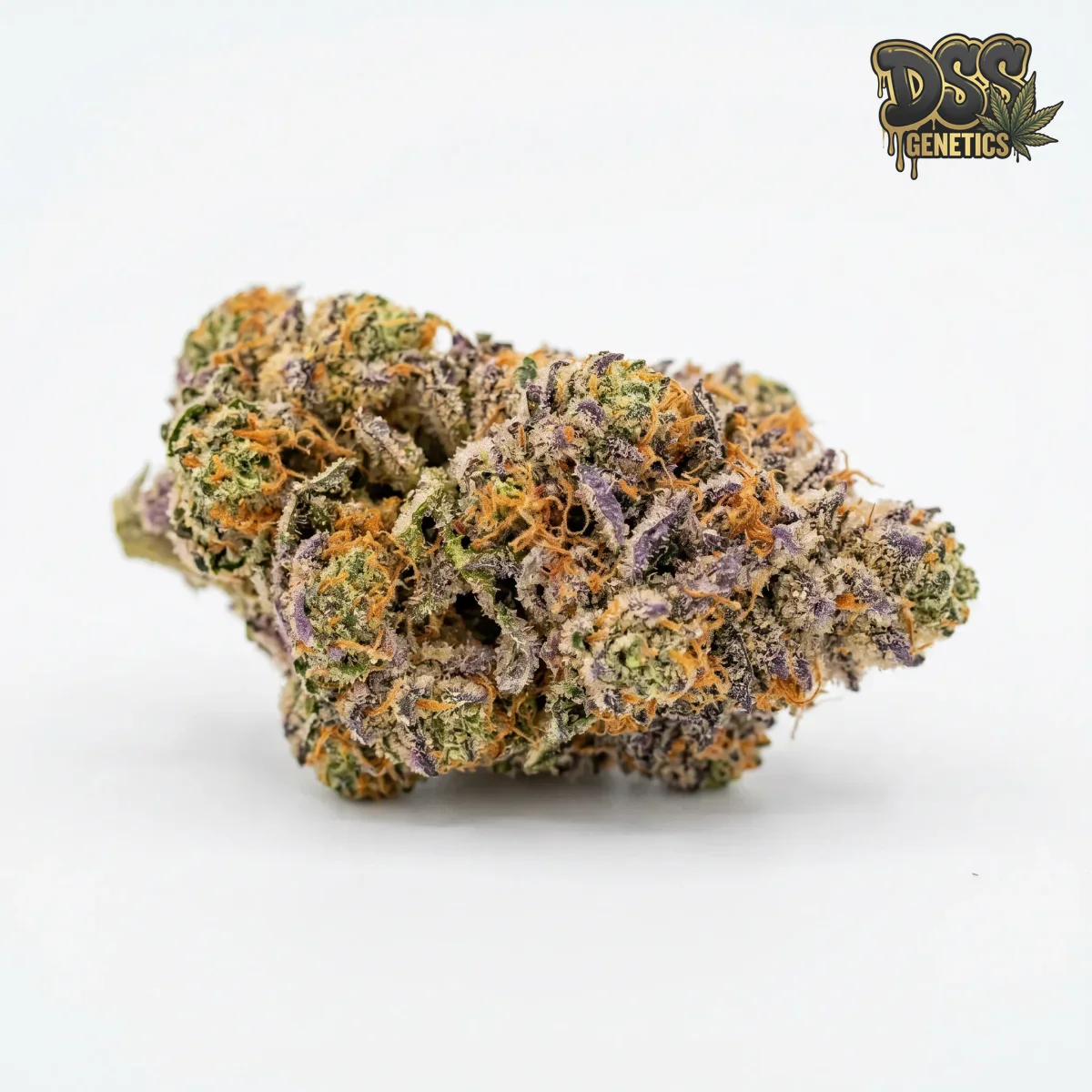 #11
#11Mimosa Feminized Seeds
THC 22–27% · 70% Sativa / 30% Indica
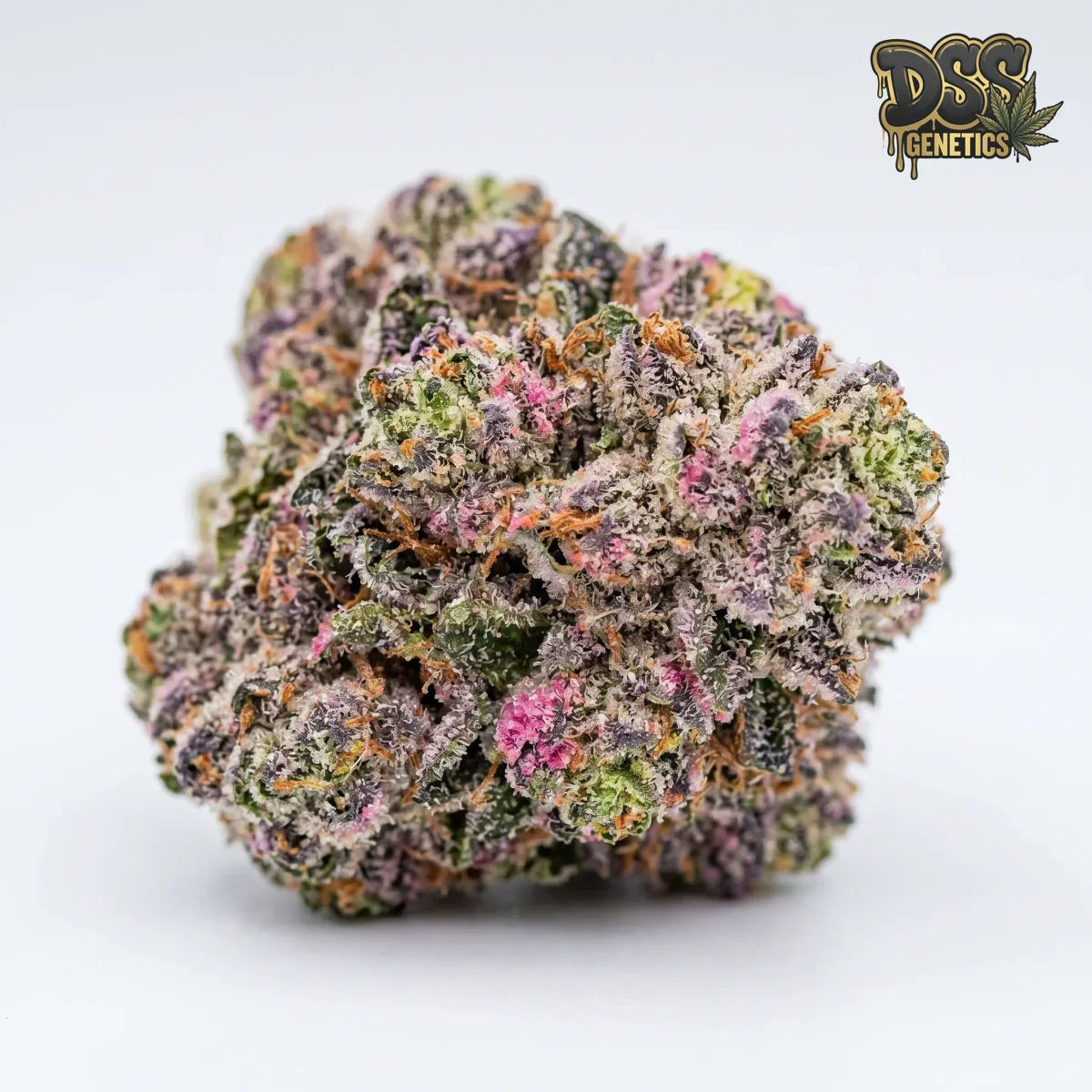 #12
#12Runtz Feminized Seeds
THC 20–27% · 50% Sativa / 50% Indica
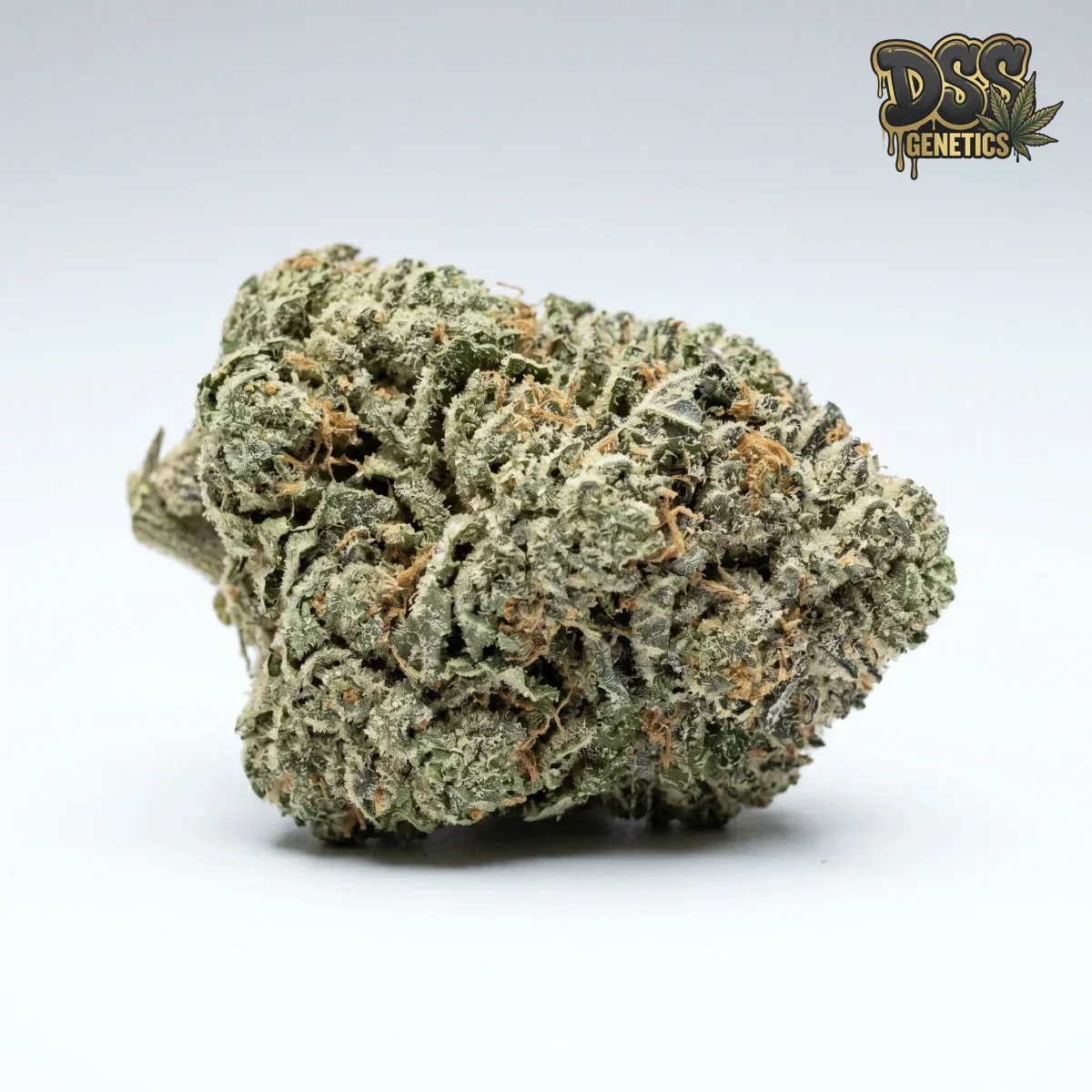 #13
#13OG Kush Feminized Seeds
THC 19–26% · 75% Indica / 25% Sativa
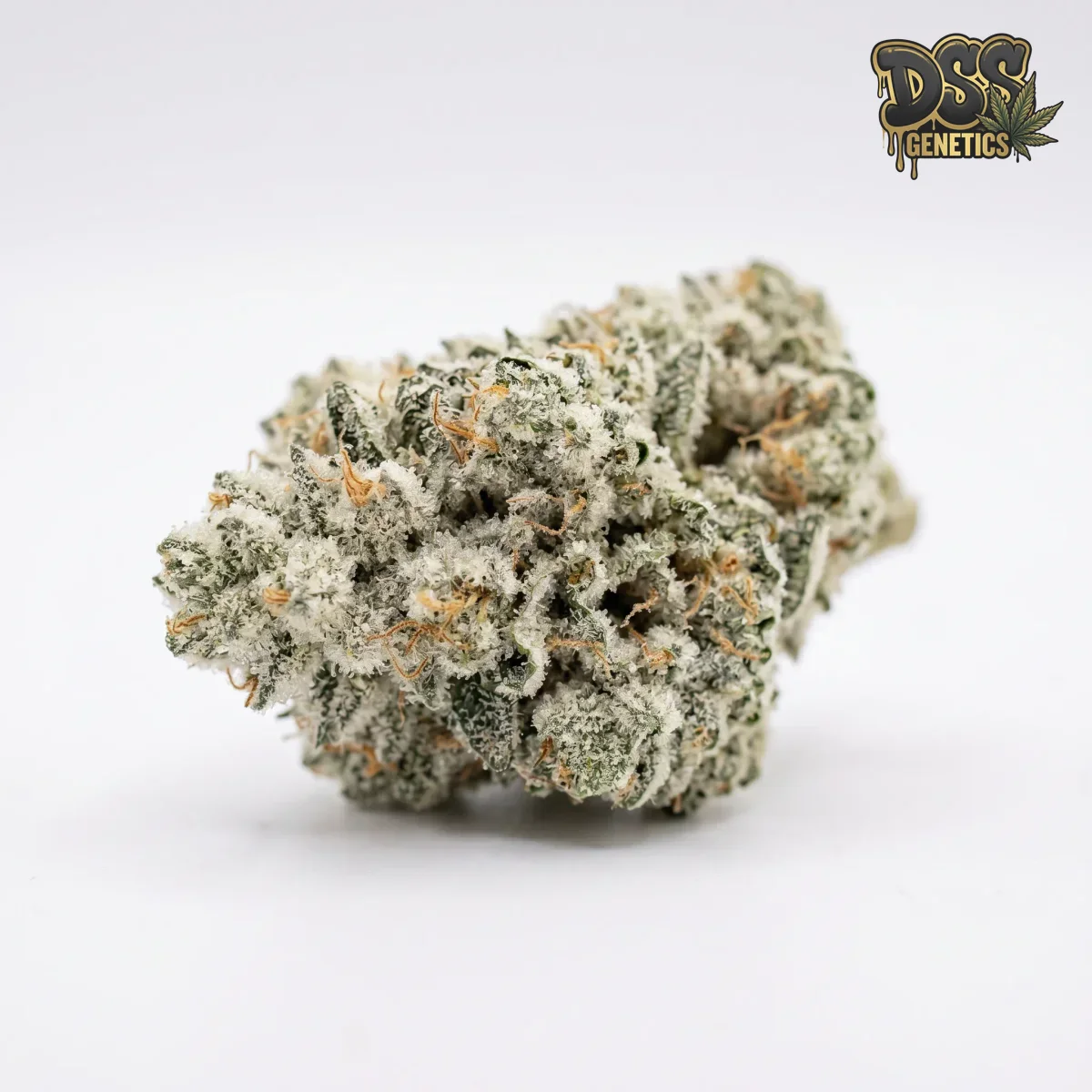 #14
#14Black Widow Feminized Seeds
THC 18–26% · 65% Sativa / 35% Indica
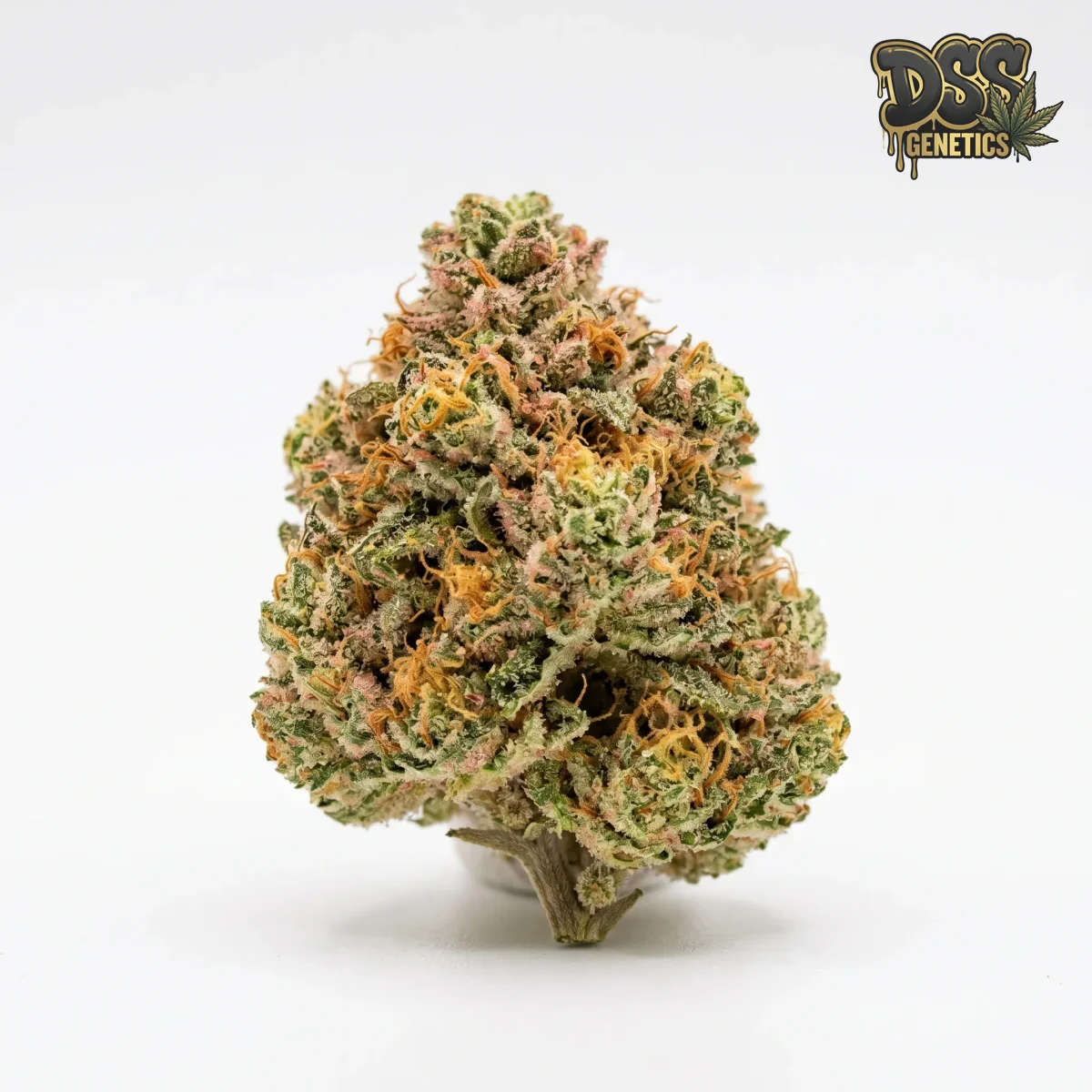 #15
#15Strawberry Banana Feminized Seeds
THC 22–26% · 70% Indica / 30% Sativa
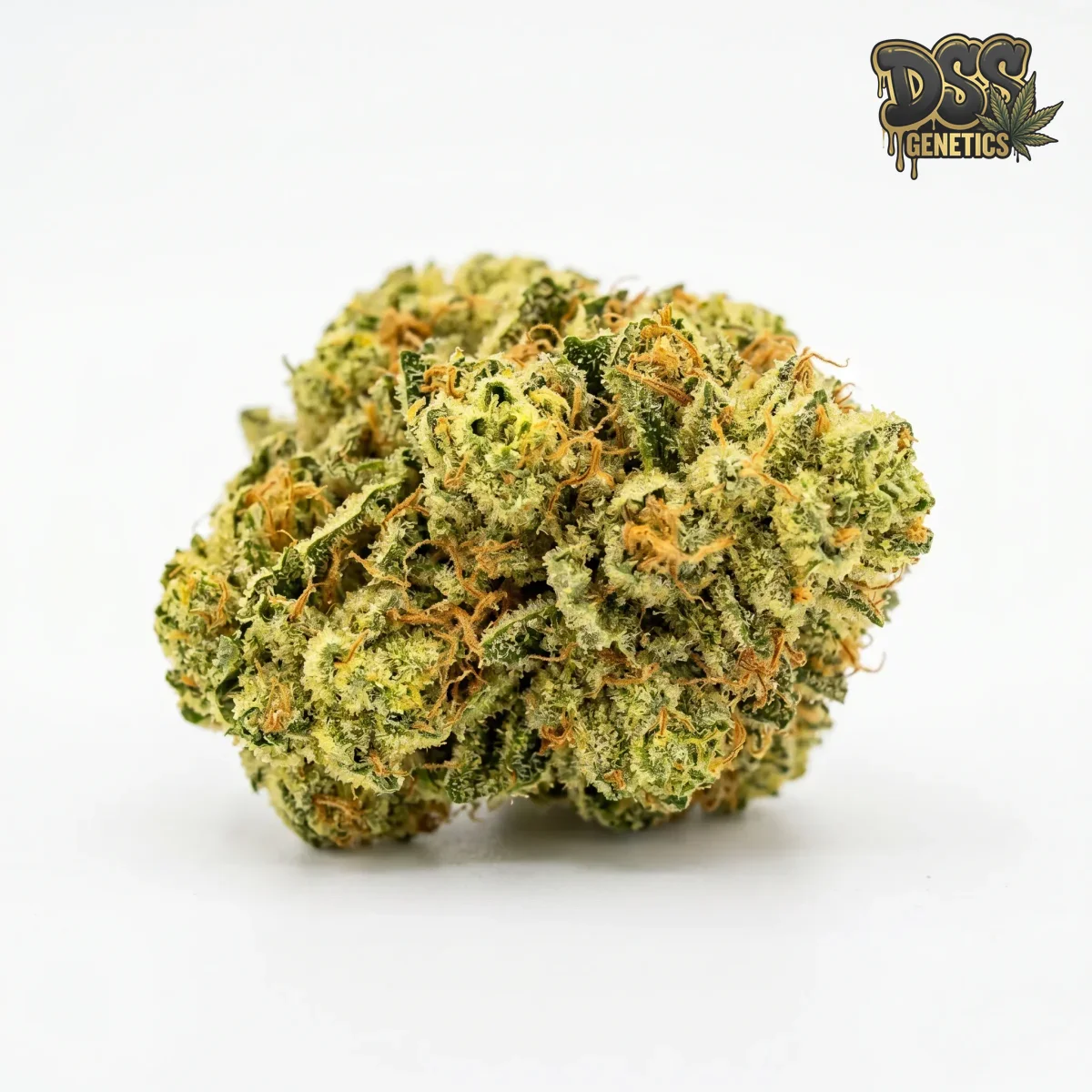 #16
#16Lemon Kush Feminized Seeds
THC 20–26% · 50% Sativa / 50% Indica
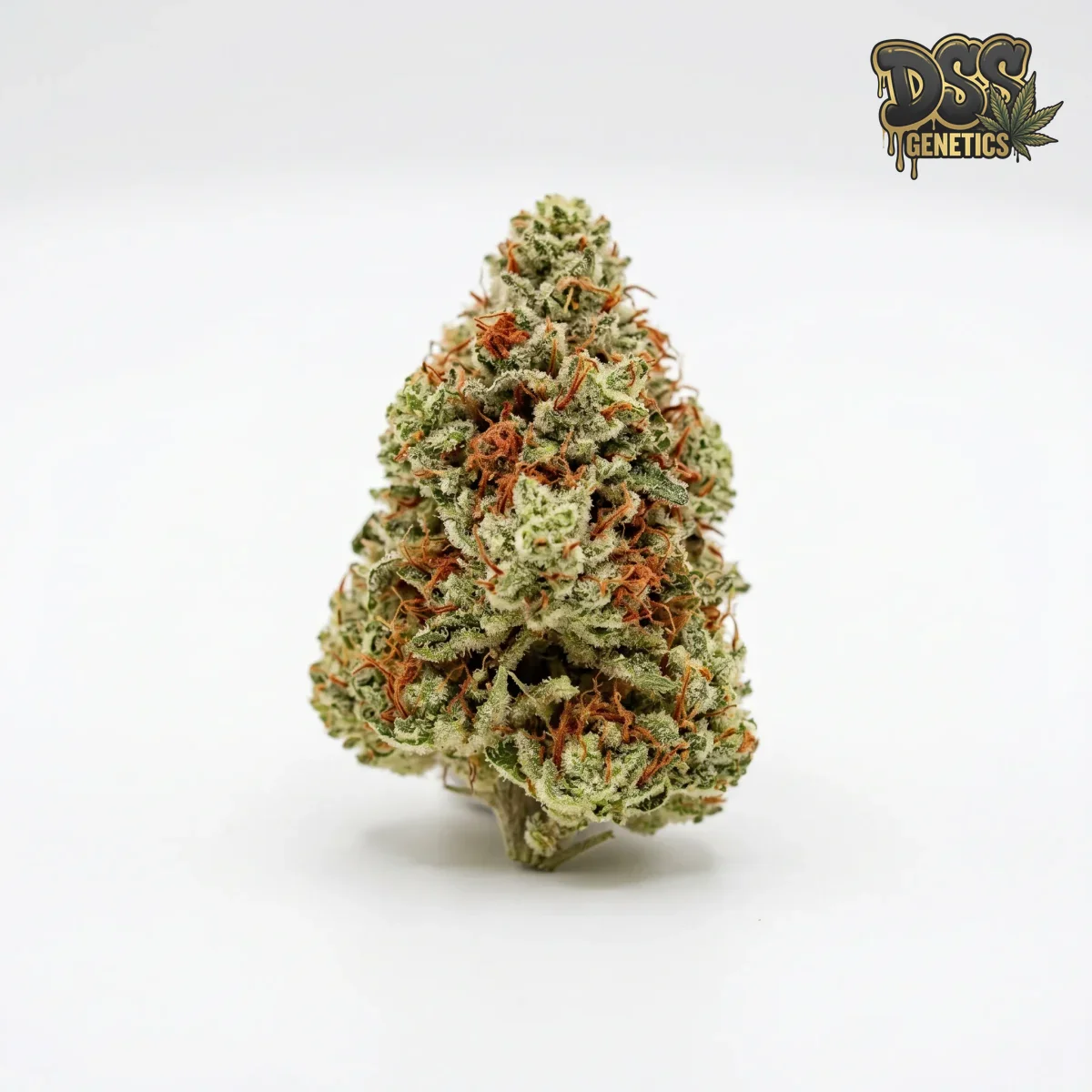 #17
#17Goji OG Feminized Seeds
THC 20–26% · 80% Sativa / 20% Indica
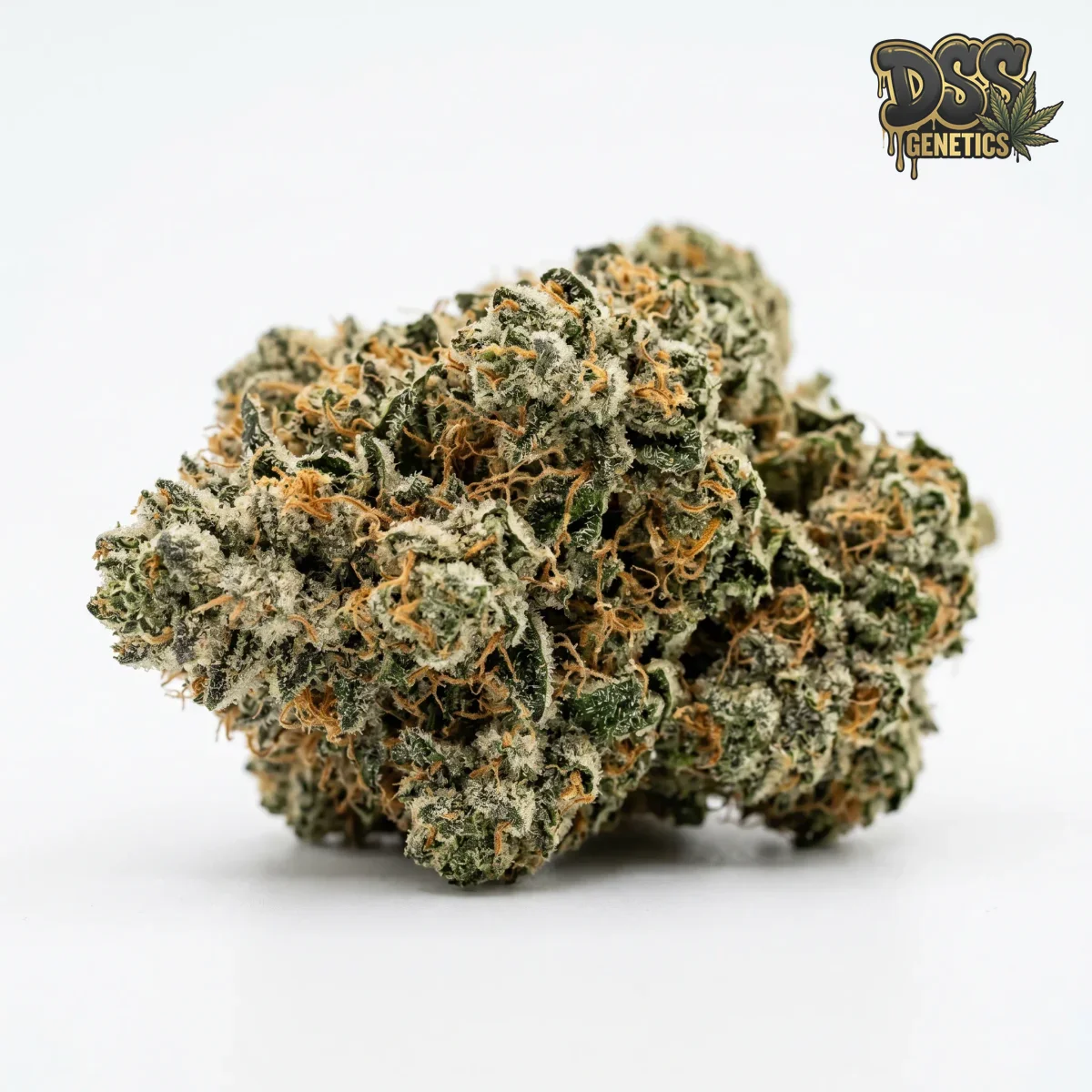 #18
#18Monster Feminized Seeds
THC 20–26% · 50% Sativa / 50% Indica
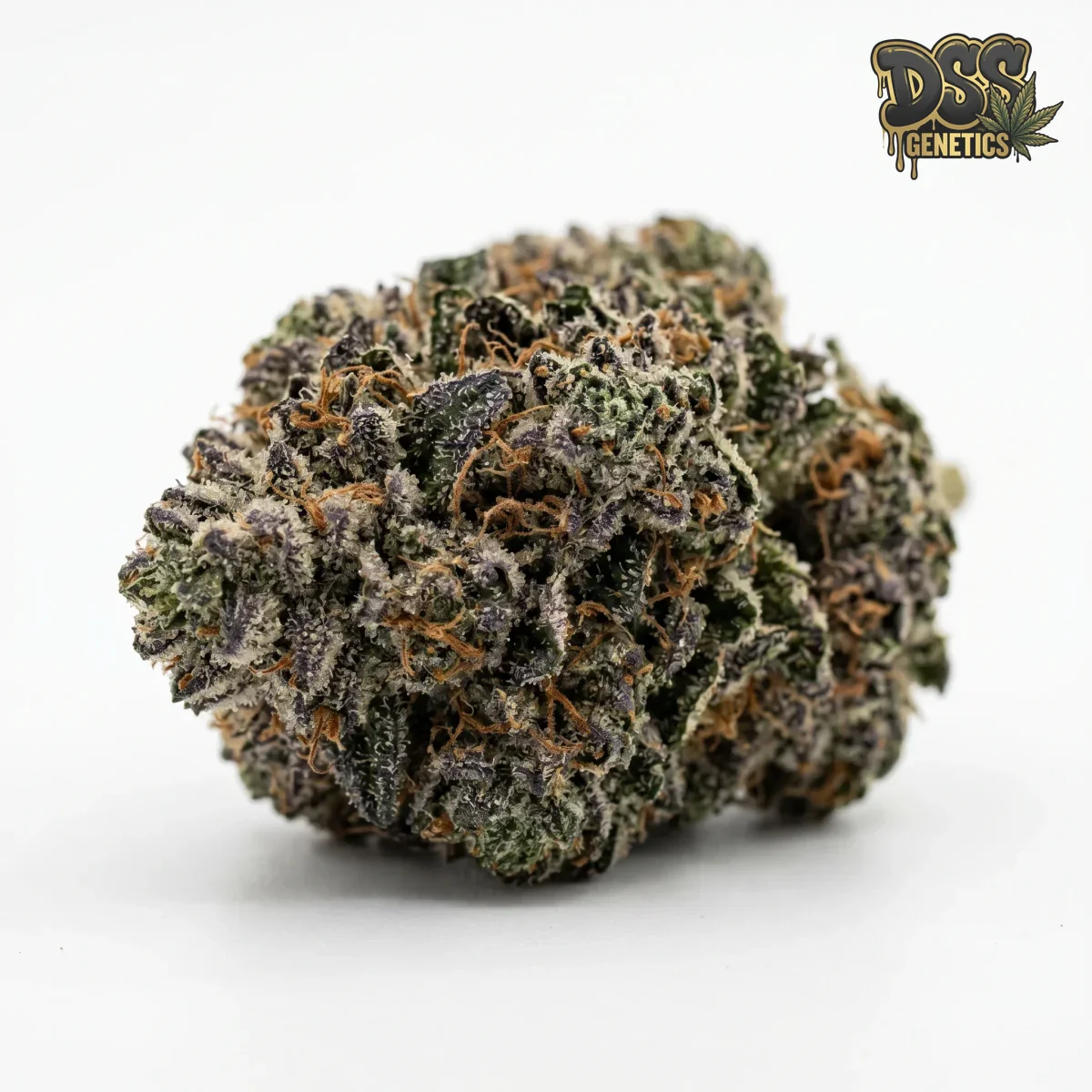 #19
#19Shishkaberry Feminized Seeds
THC 16–26% · 80% Indica / 20% Sativa
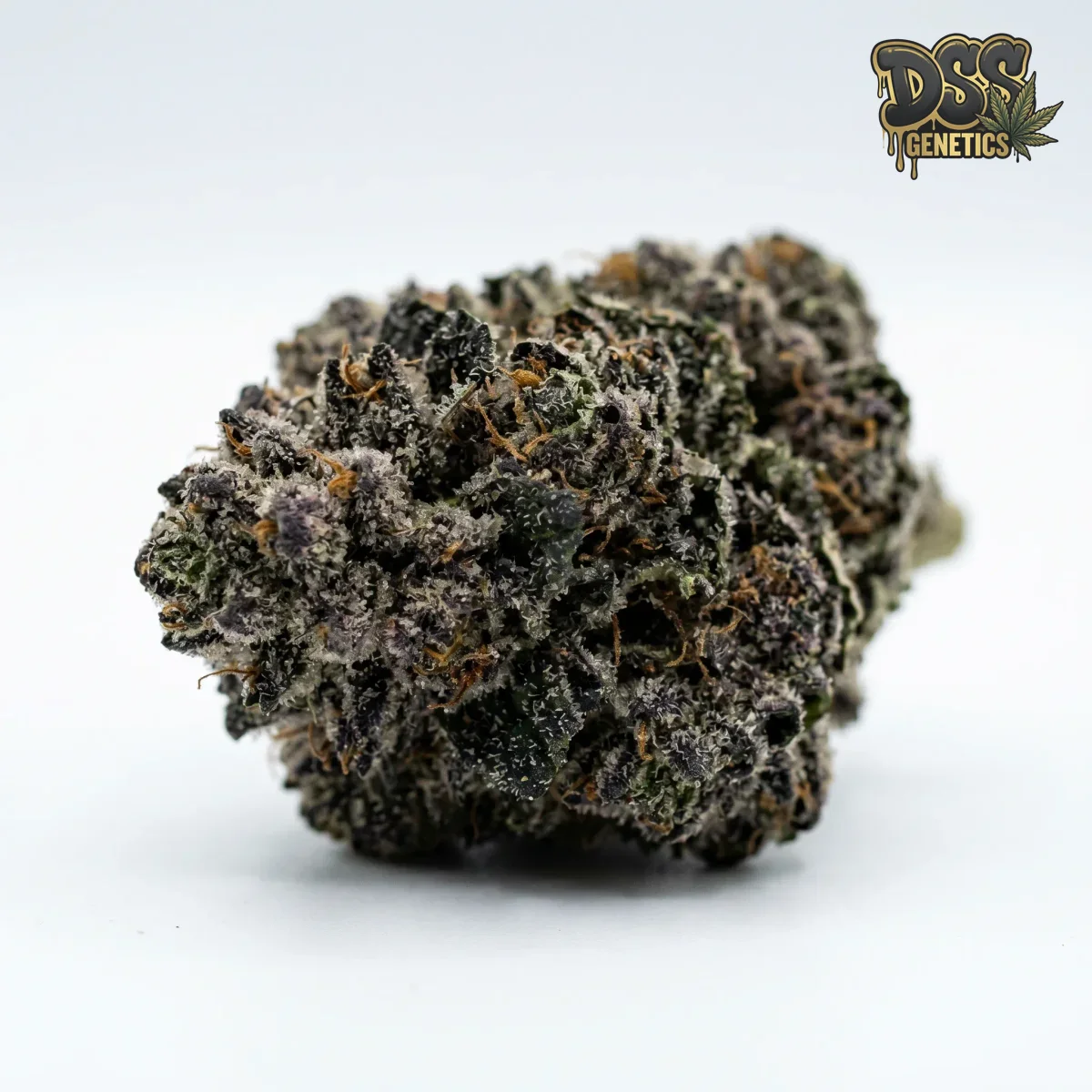 #20
#20LA Confidential Feminized Seeds
THC 20–26% · 80% Indica / 20% Sativa
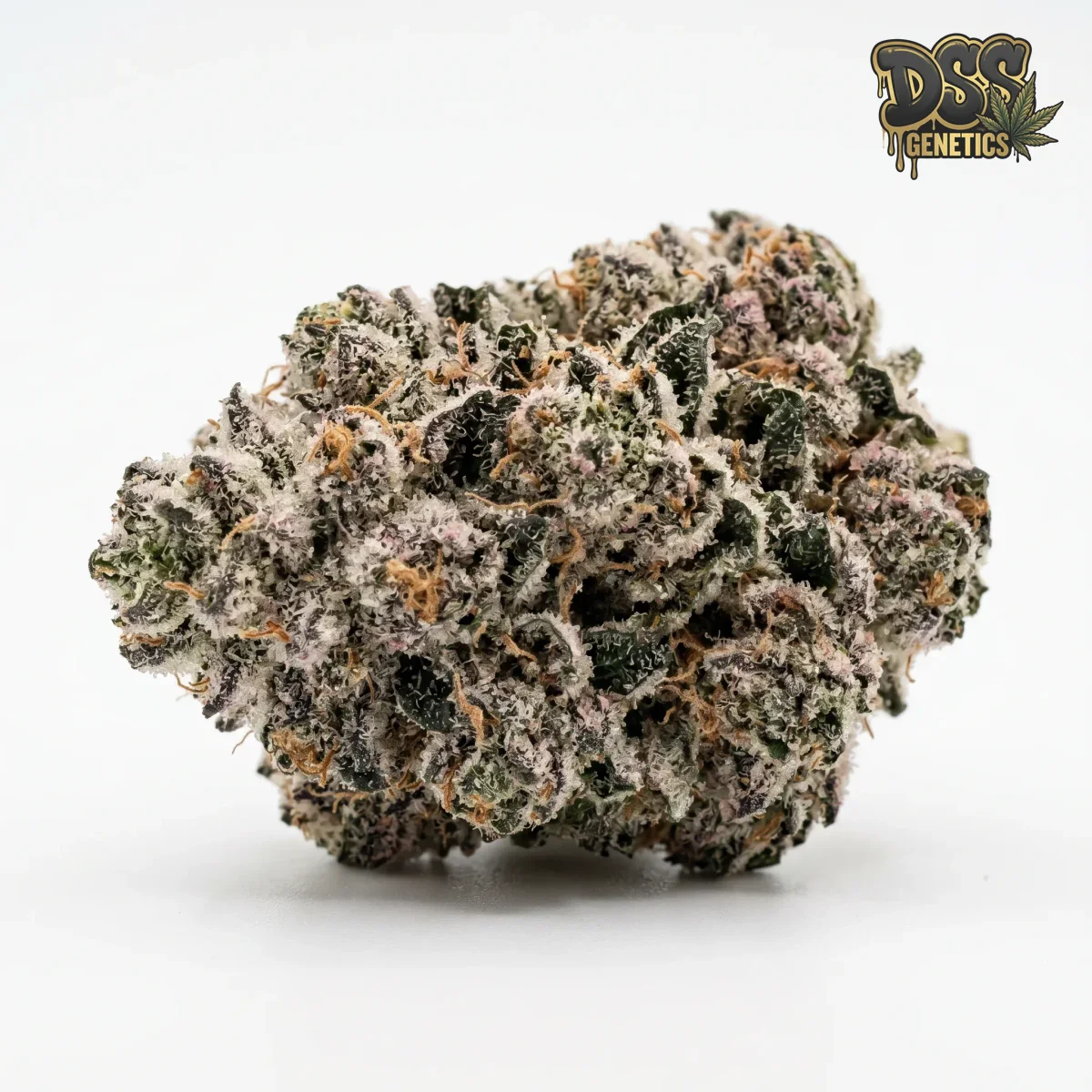 #21
#21Wedding Cake Feminized Seeds
THC 23–26% · 60% Indica / 40% Sativa
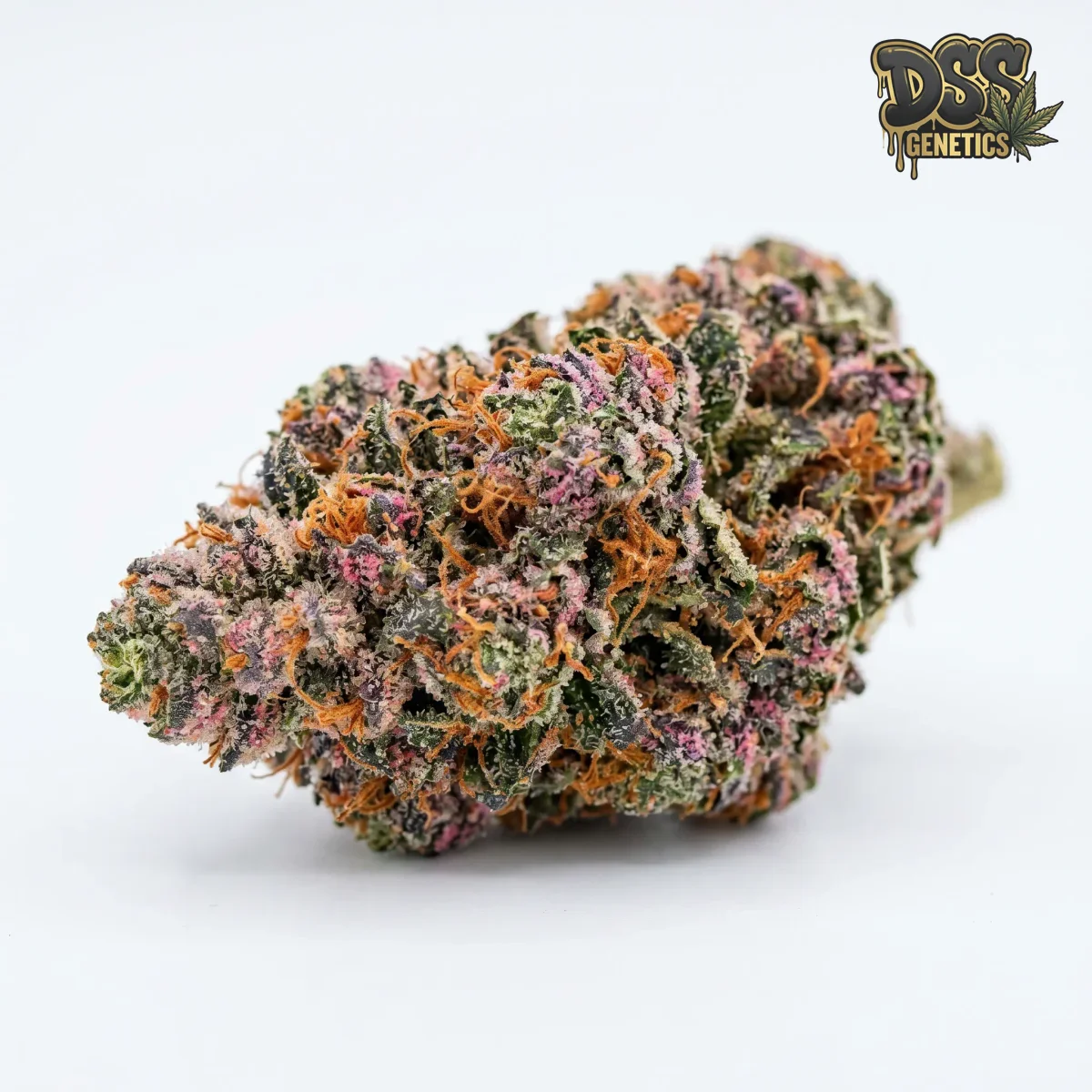 #22
#22Candyland Peyote Feminized Seeds
THC 22–26% · 75% Sativa / 25% Indica
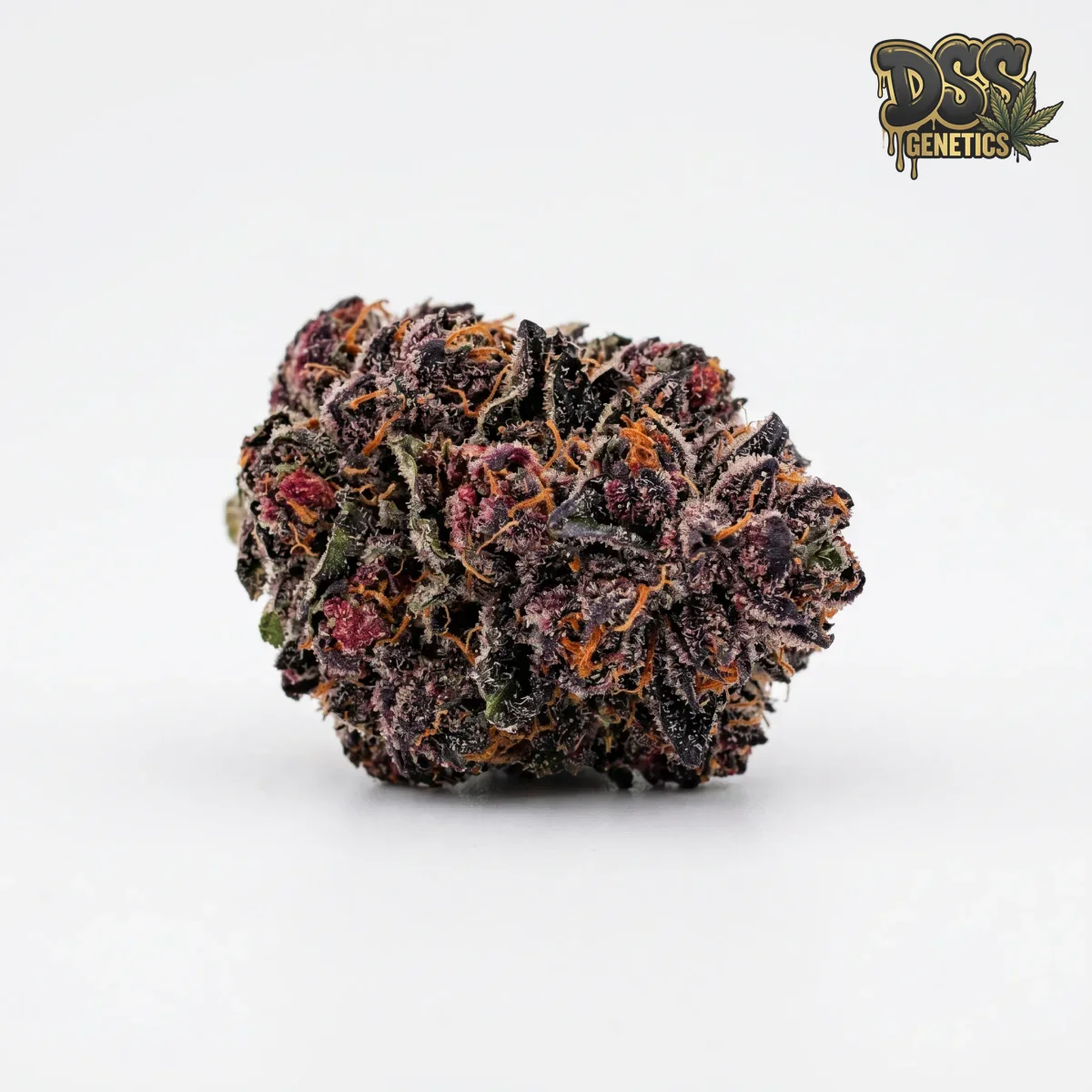 #23
#23Forbidden Fruit Feminized Seeds
THC 23–26% · 70% Indica / 30% Sativa
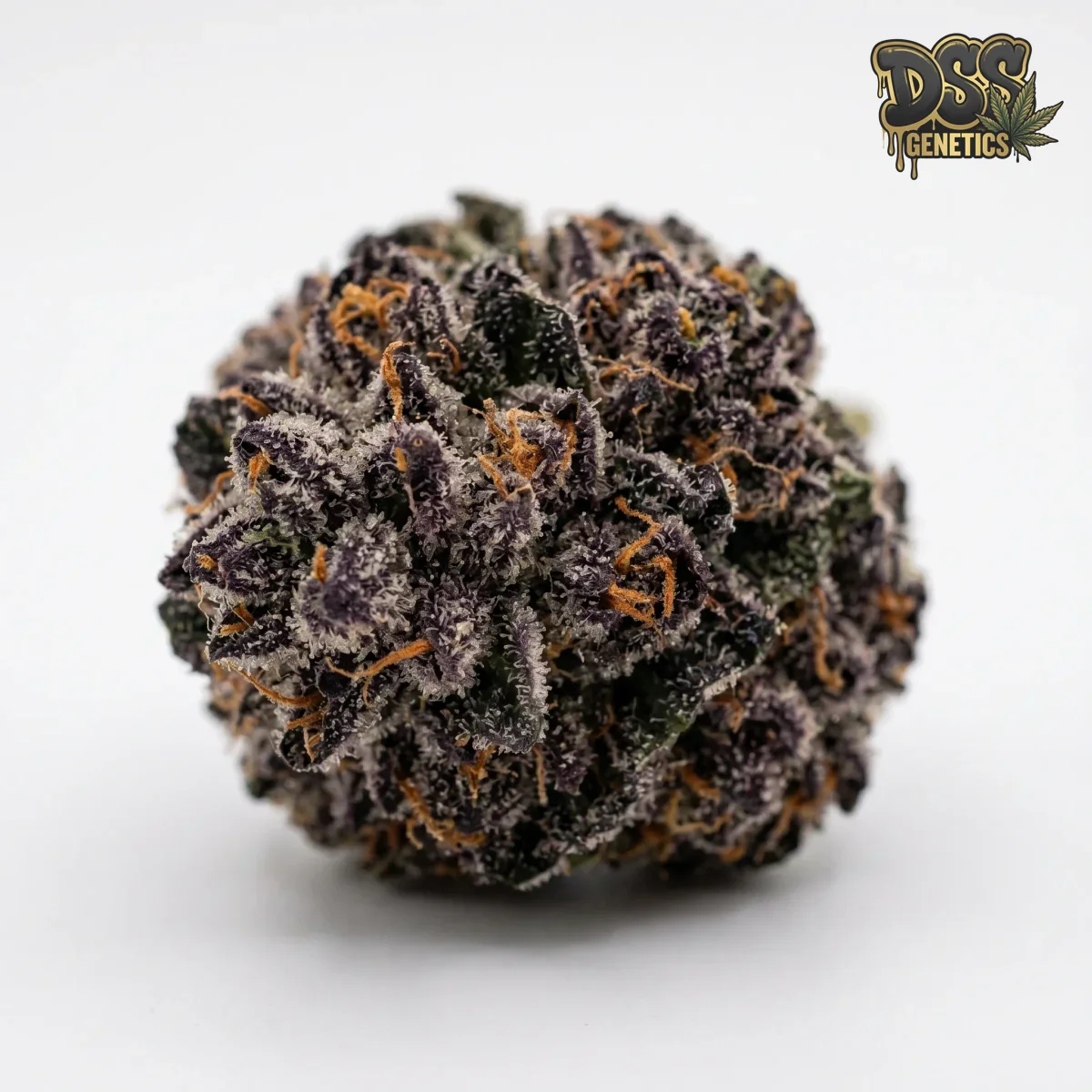 #24
#24God's Gift Feminized Seeds
THC 20–26% · 90% Indica / 10% Sativa
Frequently Asked Questions
Is THC or CBD better for pain?
It depends on the type of pain. THC is more effective for acute pain, muscle spasms, and severe pain through direct CB1 receptor activation. CBD is better for chronic inflammatory pain through anti-inflammatory pathways. For most chronic pain patients, a combination of both produces better results than either alone.
Can cannabis replace opioids for pain?
Some patients have successfully reduced or eliminated opioid use with cannabis under medical supervision. States with medical cannabis programs have seen reduced opioid prescription rates. However, cannabis should not be considered a direct opioid replacement — discuss any medication changes with your doctor.
What is the best consumption method for pain?
Inhalation for breakthrough pain (fastest onset), edibles for baseline chronic pain management (longest duration), topicals for localized joint/muscle pain, and tinctures for precise, flexible dosing. Many chronic pain patients combine multiple methods for comprehensive coverage.
Will I build tolerance to the pain-relieving effects?
Yes, THC tolerance builds with regular use. Manage it through strain rotation, periodic dose reductions, incorporating CBD-only days, and keeping doses at the minimum effective level. CBD tolerance builds much more slowly and is less of a concern for daily use.
Do topicals actually work for pain?
Yes — cannabis topicals deliver cannabinoids to local CB1 and CB2 receptors in skin, muscle, and joint tissue. They are most effective for arthritis, muscle pain, tendinitis, and localized inflammation. Topicals do not produce psychoactive effects because the cannabinoids do not reach the bloodstream in significant amounts.
Medical Disclaimer: This information is for educational purposes only and should not be considered medical advice. Always consult a healthcare professional before using cannabis for medical purposes. Individual results may vary.