Candyland Peyote Feminized Seeds
By Ivan K., DSS Genetics · Updated April 2026

Candyland Peyote Feminized Seeds
SKU: DSS-CAPE-FEM-5PK
Pack Size
Quantity
Disclaimer: For informational purposes only — not medical advice. Consult a healthcare professional before use.
About This Strain
Candyland Peyote Feminized Seeds — Complete Strain Profile
Candyland Peyote Feminized Seeds – Strain Overview
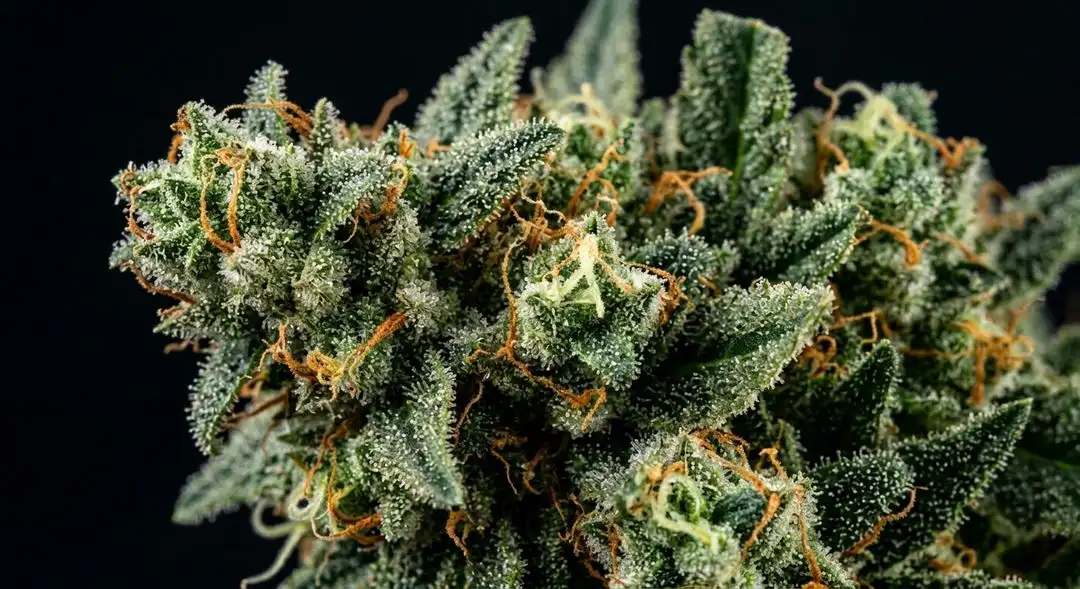
Candyland Peyote is a 75% sativa-dominant hybrid built from one of the most ambitious three-way crosses in modern cannabis breeding: Granddaddy Purple × Platinum Cookies × Peyote Purple. That lineage reads like a who's-who of elite genetics — GDP's legendary grape-and-berry resin, Platinum Cookies' cerebral punch, and Peyote Purple's ancient, earthy depth all colliding in a single seed. The result is a strain that tests at 22–26% THC with a terpene stack dominated by Terpinolene, Limonene, Pinene, and Ocimene — a quartet that delivers as much complexity in the jar as it does in the grow room.
What separates Candyland Peyote from the crowded sativa shelf is the rare balance it strikes between cognitive lift and physical ease. Most high-sativa strains sacrifice body comfort for head effect. This one doesn't. If you're searching for something genuinely different in the best sativa collection, Candyland Peyote earns its place at the top of the list — assuming you're ready to meet its demands as a grower.
Effects and Medical Benefits
The high opens fast and bright — within the first five minutes, a wave of mental clarity sweeps through that feels less like intoxication and more like your brain shifting into a higher gear. Creative thoughts connect more freely, attention sharpens rather than scatters, and there's an unmistakable sense of optimism that doesn't feel forced or manic. This is the Platinum Cookies and Peyote Purple lineage doing exactly what it was bred to do.
By the 20-minute mark, the sativa energy softens into something more sustainable. The Granddaddy Purple heritage begins to surface — not as sedation, but as a calming undercurrent that keeps the experience grounded. You stay functional, engaged, and genuinely relaxed at the same time, which is a harder combination to achieve than most people realize.
Users consistently report these four defining effect qualities:
- Euphoric mental lift — clean, immediate cerebral elevation that clears mental fog without triggering anxiety
- Sustained creative energy — ideas flow with unusual ease; excellent for writing, art, music, or problem-solving sessions
- Focused calm — attention narrows productively rather than racing, a rare trait in high-THC sativas
- Gentle physical relaxation — muscles soften gradually without pulling you toward the couch
On the medical side, Candyland Peyote has developed a strong reputation among patients managing:
- Chronic pain — the combined THC potency and terpene profile provide meaningful analgesic relief without heavy sedation
- Anxiety — the focused calm effect makes this uniquely tolerable for anxiety-prone users at controlled doses
- PTSD — the euphoric lift paired with physical ease creates a therapeutic window that many PTSD patients describe as rare in high-potency strains
The 0.1–1% CBD range is modest, but Terpinolene and Limonene both carry documented mood-modulating properties that contribute meaningfully to the therapeutic experience through the entourage effect. It's not the CBD doing the heavy lifting here — it's the terpene profile working in concert with 22–26% THC to shape how that potency actually feels in the body.
Aroma, Flavor and Terpene Profile
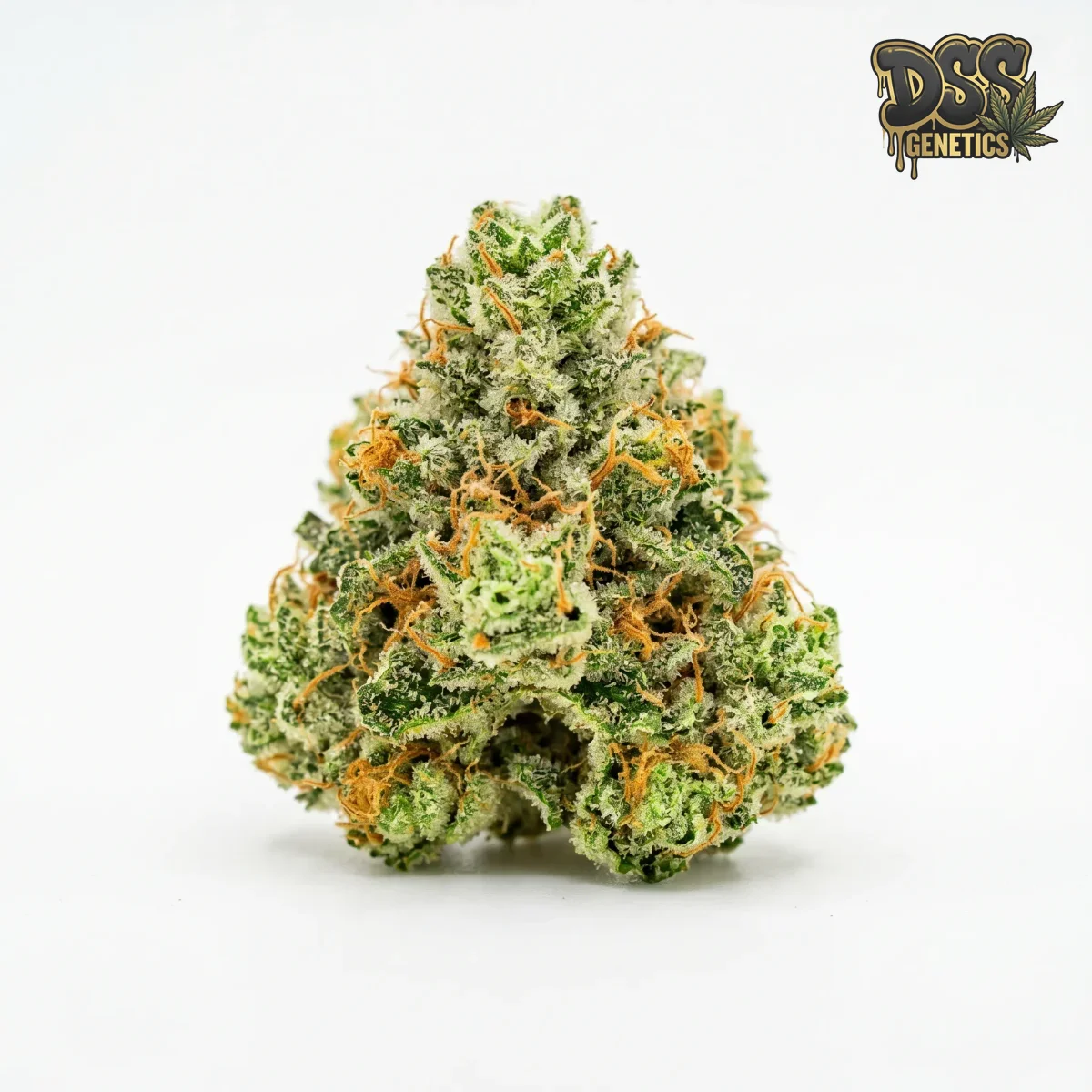
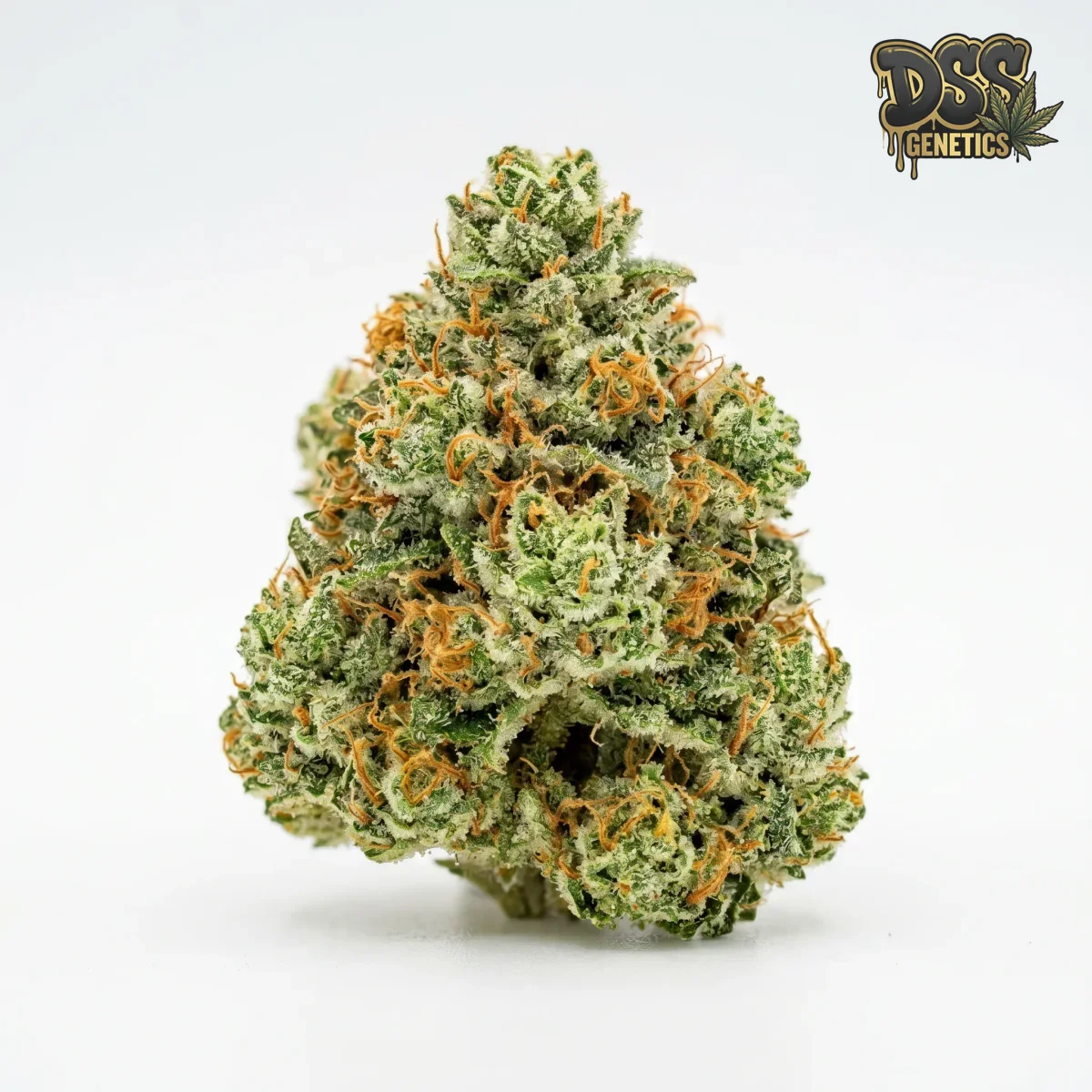
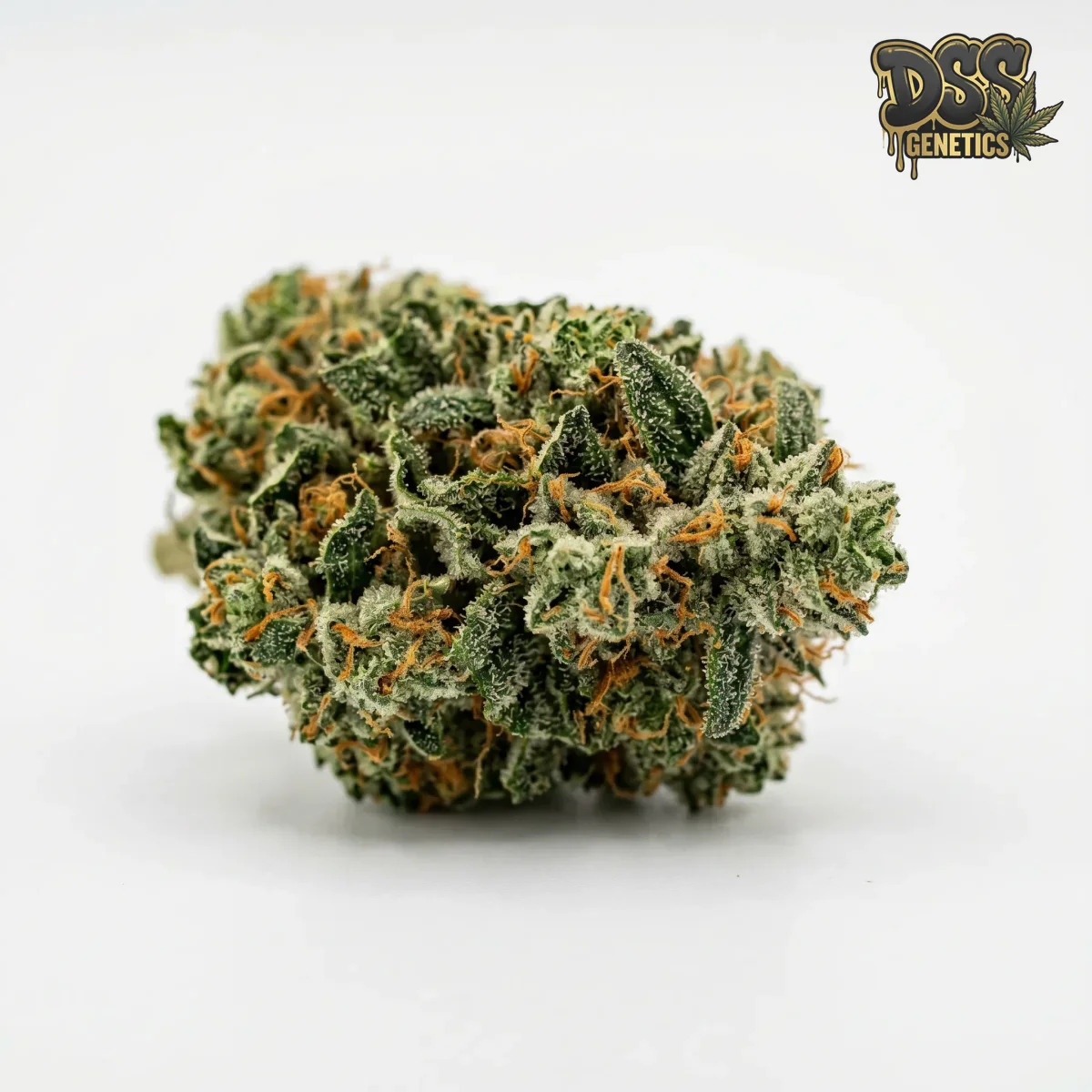
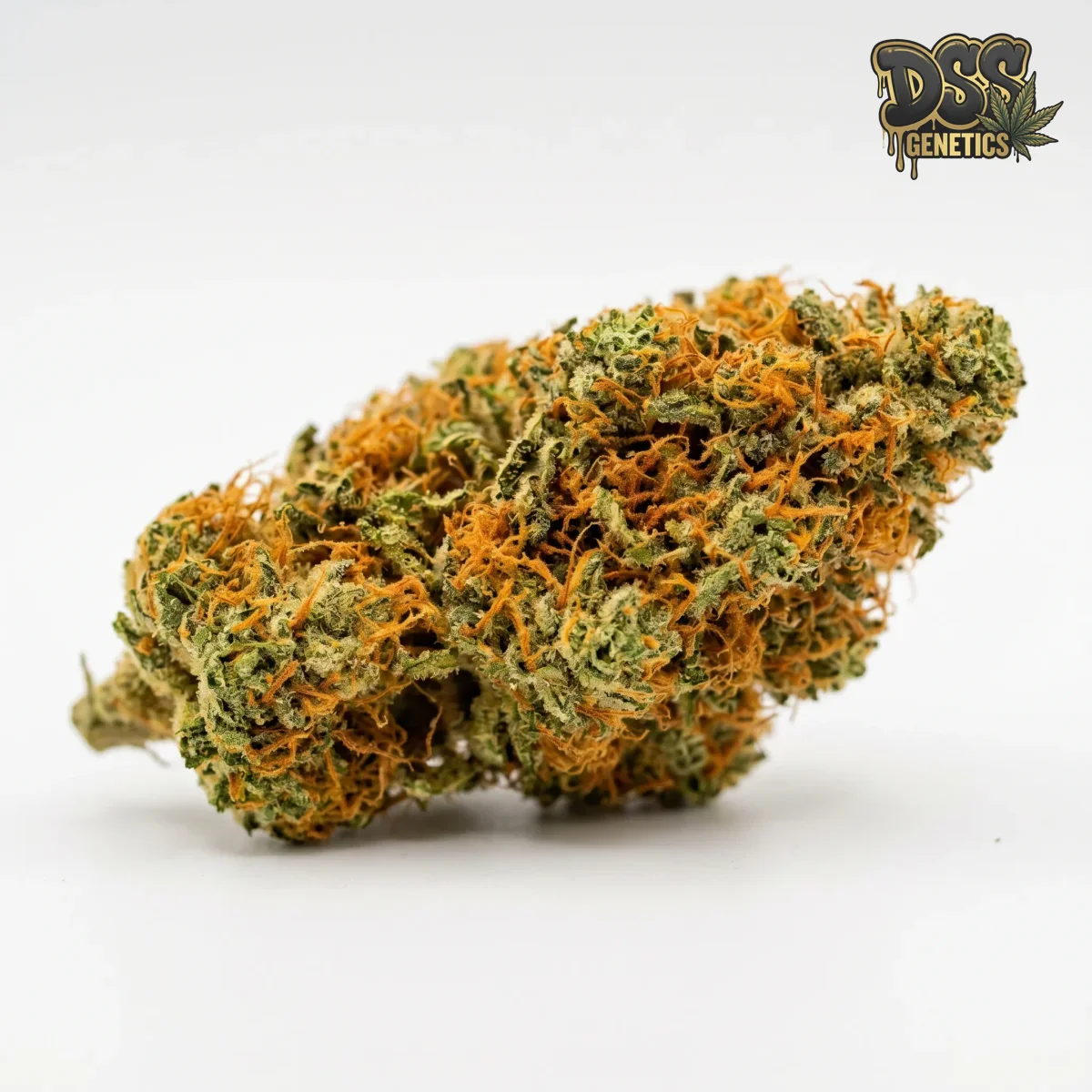
Crack a jar of properly cured Candyland Peyote and the first thing that hits you is pine — sharp, resinous, alpine pine, like snapping a branch off a fir tree in cold air. Then the sweetness arrives underneath it: not candy-artificial sweetness, but the kind of ripe tropical-fruit sweetness you get from a mango left in the sun. These two elements shouldn't coexist as naturally as they do, but that's the signature magic of this terpene stack.
On the inhale, the flavor leans into the earthy citrus dimension — a zesty lemon-peel brightness riding over damp soil and dry wood. The exhale opens up completely, bringing berry and tropical fruit notes that linger long after the smoke clears. There's an almost floral quality to the finish, delicate enough that you'll catch it more clearly in the second breath than the first.
Terpinolene sits at the top of this profile and defines its character more than any single compound. It's the terpene responsible for the pine-and-floral duality — at once woodsy and fresh, resinous and clean. Terpinolene appears at high concentrations in very few cannabis strains, which is part of why Candyland Peyote's aroma reads as genuinely distinctive rather than familiar. Research also points to Terpinolene's antioxidant and mild sedative properties, which likely contribute to the calming physical quality of the experience.
Limonene drives the citrus brightness and does double duty as a mood-elevator. It's the same compound that makes citrus rind smell energizing, and here it amplifies the euphoric, anxiety-reducing character of the high. Limonene also enhances the absorption of other terpenes through skin and mucous membranes, meaning it quietly boosts the effectiveness of every other compound in this profile.
Pinene locks in the alpine sharpness and brings something genuinely useful for the high-THC user: it's one of the few terpenes with documented evidence of counteracting short-term memory impairment associated with THC. For a 22–26% THC strain, that's not a minor footnote. Pinene is also a bronchodilator, which may explain why many users report Candyland Peyote feeling unusually smooth on the inhale despite its potency.
Ocimene is the terpene most people can't name but immediately respond to. It carries a sweet, herbal, almost tropical softness that rounds out the sharp edges of the pine and citrus. In this profile, Ocimene is the reason the overall aroma feels lush rather than harsh — it's the tropical-fruit and berry character that emerges most clearly in properly dried and cured flower.
Growing Candyland Peyote Seeds
Candyland Peyote is rated difficult, and that rating is honest. This is not a strain for your first or second grow — it demands environmental precision, attentive feeding, and a willingness to intervene early when the plant signals stress. What we've found over dozens of runs with sativa-heavy three-way crosses is that the difficulty almost always comes down to environmental consistency rather than any single catastrophic failure point. Candyland Peyote is sensitive to temperature swings, responds strongly to humidity fluctuations in late flower, and needs a more sophisticated nutrient approach than most beginner guides describe.
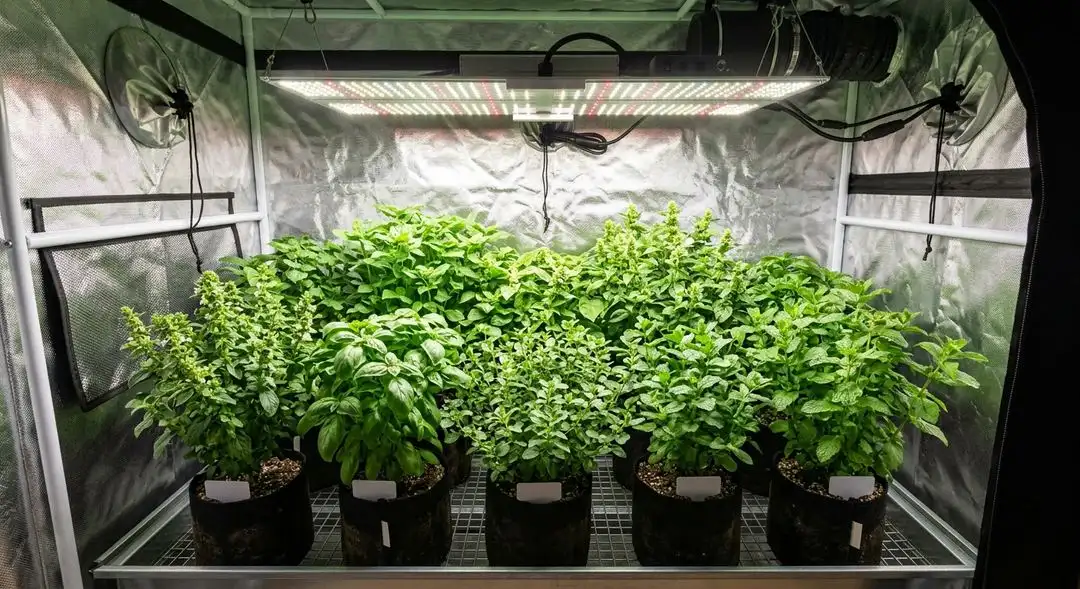
Indoor cultivation is the preferred path for most growers because it gives you control over the variables this strain is most sensitive to. Target daytime temperatures between 72–80°F during vegetative growth, and bring that range down to 68–76°F once flowering begins. Night temperatures should stay within 8–10°F of daytime temps — larger swings stress the plant and slow trichome development. Humidity management is equally critical: 55–65% RH during veg, dropping to 45–50% in early flower, and pulling down to 38–42% in the final two weeks before harvest. The dense bud structure inherited from Granddaddy Purple and Platinum Cookies is beautiful at harvest but genuinely vulnerable to botrytis if late-flower humidity climbs above 50%.
Outdoors, Candyland Peyote performs best in warm, dry climates with long summers. The extended 56–70 day flowering window means outdoor growers in northern latitudes need to start early and watch the calendar carefully. Mediterranean-style climates — warm days, cool nights, low late-season humidity — suit this strain's needs almost perfectly. Consult the outdoor growing guide before committing to an outdoor run if your climate involves significant autumn rain.
Key growing tips for Candyland Peyote:
- Training is mandatory, not optional: The sativa structure means this plant will stretch aggressively in early flower. Apply LST, topping, or SCROG during veg to control height and build a flat, even canopy that maximizes light penetration across all bud sites.
- Feeding requires precision: Candyland Peyote is a moderate-to-heavy feeder that doesn't tolerate overfeeding well. Follow a graduated nutrient schedule — push nitrogen moderately during veg, then shift decisively toward phosphorus and potassium at the flip to 12/12. Watch leaf color closely; this strain shows nutrient stress quickly.
- Indoor environment: Airflow inside the canopy is as important as temperature and humidity. The dense, resinous buds need active air circulation to prevent moisture pockets from forming — oscillating fans pointed through and under the canopy, not just over the top. Review the indoor growing guide for ventilation setup specifics.
- Manage the stretch: Expect 50–80% height increase in the first three weeks of flower. If you're running in a tent, flip to 12/12 when the plant is at roughly 40–45% of your tent's maximum height. Failing to account for the stretch is the most common mistake with this genetics.
- Hydro considerations: Candyland Peyote responds exceptionally well to deep water culture and recirculating systems where root zone oxygen and nutrient delivery can be precisely controlled. Hydro growers regularly report faster flowering times and higher trichome density compared to soil runs with this strain.
Yield and Flowering Time
Candyland Peyote flowers in 56–70 days — a range that reflects real-world variation in phenotype expression across this three-way cross. Most phenotypes finish closer to 63–65 days under dialed-in indoor conditions. Indoors, well-trained plants produce 1.3–2.1 oz/ft², with the higher end achievable in SCROG setups where canopy penetration is maximized. Outdoors in suitable climates, plants reach 22–28 oz per plant — numbers that put this strain solidly in the high-yield category for experienced outdoor cultivators.
It's worth noting that yield potential in Candyland Peyote is more training-dependent than genetics-dependent. Two grows from the same seed pack can produce dramatically different results based on how aggressively the grower managed canopy structure during veg. Plants that received thorough topping and LST consistently outperform those grown untrained, often by 30–40% in total dried weight. For those who want to push flowering speed without sacrificing yield, compare the timeline against strains in the fast-flowering collection to set realistic expectations.
To maximize your harvest:
- Trichome timing: Pull at 70–80% milky white trichomes with 10–20% amber for peak THC and the characteristic focused-euphoric effect. Waiting for more amber shifts the experience toward heavier sedation — useful to know if that's your preference.
- Late-flower humidity: Drop to 38–42% RH in the final two weeks. This protects dense buds from botrytis and encourages terpene concentration as the plant stresses slightly toward maturity.
- Flush timing: In soil, begin flushing 10–14 days before harvest. The Terpinolene-forward terpene profile becomes noticeably cleaner and more vibrant in properly flushed flower.
- Drying and curing: Slow-dry for 10–14 days at 60–62°F and 58–62% RH, then cure in sealed glass jars for a minimum of 3–4 weeks. The Ocimene and Limonene components that give this strain its tropical-fruit character are highly volatile — rushing the drying and curing process will cost you half the flavor profile.
Why Buy Candyland Peyote Seeds from DSS Genetics?
Every Candyland Peyote seed ships with our full germination guarantee — if a seed fails to sprout under proper germination conditions, we replace it, no questions asked. Orders are fulfilled in discreet, unmarked packaging. These seeds are stored at controlled temperature and humidity from the moment they leave the breeding room to the moment they reach your door, because viability isn't something we're willing to gamble with.
- Germination guaranteed — every seed backed by our replacement promise
- Discreet shipping — plain, unmarked packaging on every order
- Spend $100 or more — receive complimentary premium seeds added to your order
- Verified genetics — Granddaddy Purple × Platinum Cookies × Peyote Purple, sourced and tested for phenotype consistency
Frequently Asked Questions
Is Candyland Peyote a good strain for beginner growers?
Candyland Peyote is rated difficult and is genuinely better suited to growers who have completed at least two or three successful grows. The combination of sativa stretch management, late-flower humidity sensitivity, and precise nutrient requirements creates a challenge that tends to overwhelm first-time cultivators. If you're newer to growing, we recommend building your skills with a strain from the easy-to-grow collection first. Once you're comfortable with environmental control and training techniques, Candyland Peyote rewards that experience significantly.
What THC percentage does Candyland Peyote reach?
Candyland Peyote tests at 22–26% THC, placing it firmly in the highest-THC tier of sativa-dominant hybrids. Phenotype variation across the three-way cross means some individual plants will express toward the lower end of that range and others toward the top — environmental factors like late-flower temperatures, light intensity, and nutrient management all influence where a specific grow lands within that window.
What does Candyland Peyote smell and taste like?
The aroma leads with sharp alpine pine from Pin
Medical Disclaimer: This information is for educational purposes only and should not be considered medical advice. Always consult a healthcare professional before using cannabis for medical purposes. Individual results may vary.
Frequently Asked Questions
Candyland Peyote — Common Questions Answered
What is Candyland Peyote?
Candyland Peyote is a sativa-dominant cannabis strain (75% Sativa / 25% Indica) bred from Granddaddy Purple x Platinum Cookies x Peyote Purple. It produces THC levels of 22–26% and CBD levels of 0.1–1%. Known for its relaxing, euphoric, creative effects and pine, sweet, earthy flavor profile.
Is Candyland Peyote easy to grow?
Candyland Peyote is considered an advanced-level strain that requires experience with training techniques, environmental control, and nutrient management for best results. Growing difficulty: Difficult. It thrives in temperate climates and reaches a medium plant size.
How long does Candyland Peyote take to flower?
Candyland Peyote has a flowering time of 56–70 days. Switch to a 12/12 light cycle to initiate flowering. Expected yields are 1.3 to 2.1 oz/ft² indoors and 22 to 28 oz/plant outdoors.
What are the effects of Candyland Peyote?
Candyland Peyote delivers relaxing, euphoric, creative, energetic, focused, calming effects. Many growers report it helps with pain, anxiety, ptsd. With THC levels of 22–26%, it is a potent strain — start with a low dose if you have low tolerance.
What does Candyland Peyote smell and taste like?
Candyland Peyote's dominant terpenes are Terpinolene, Limonene, Pinene, Ocimene, which give it a pine, sweet, earthy, citrus, berry, tropical flavor and aroma profile. Limonene adds citrusy brightness and may elevate mood.
Can I grow Candyland Peyote indoors and outdoors?
Yes, Candyland Peyote performs well both indoors and outdoors. Indoor yields average 1.3 to 2.1 oz/ft², while outdoor grows can produce 22 to 28 oz/plant. It prefers temperate conditions. Its medium height is manageable in most indoor setups.
What does "feminized" mean for Candyland Peyote seeds?
Feminized Candyland Peyote seeds are bred to produce only female plants, which are the ones that develop smokable buds. This eliminates the need to identify and remove male plants, saving time and maximizing your grow space. Over 99% of feminized seeds will produce female plants.
Grower Reviews
Real grow experiences from our community
Get 10% Off Your First Order
Join our newsletter for exclusive deals, growing tips, and new strain drops.