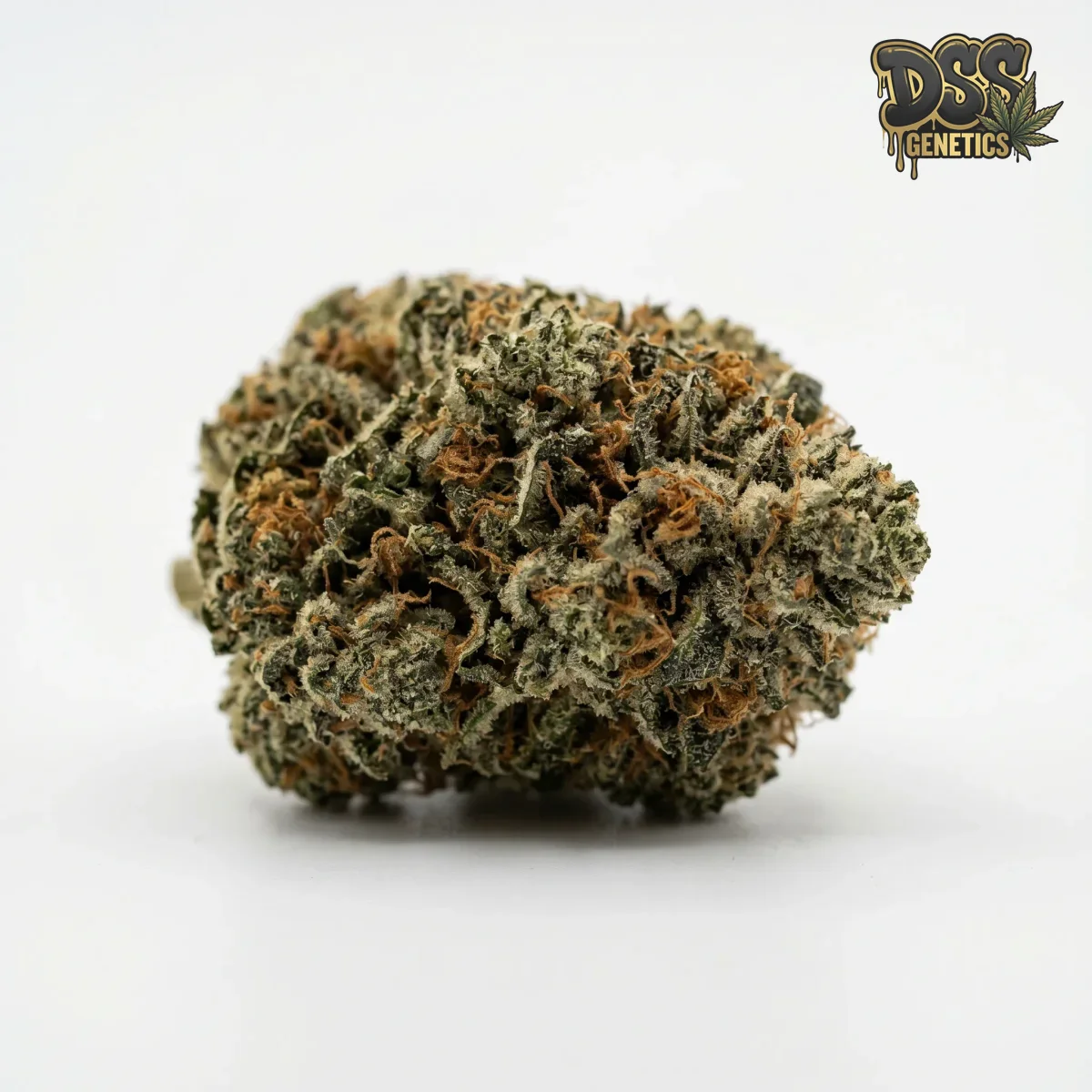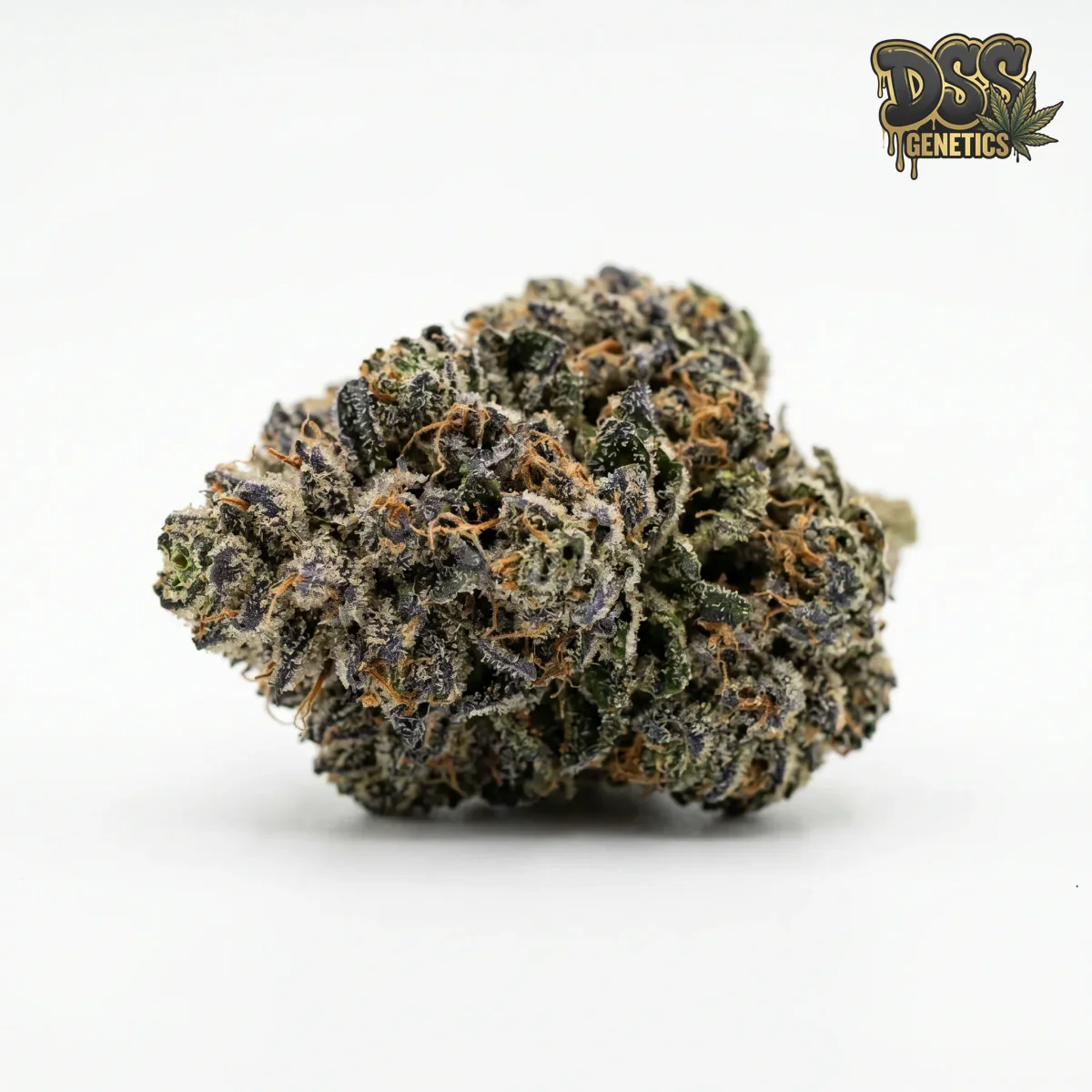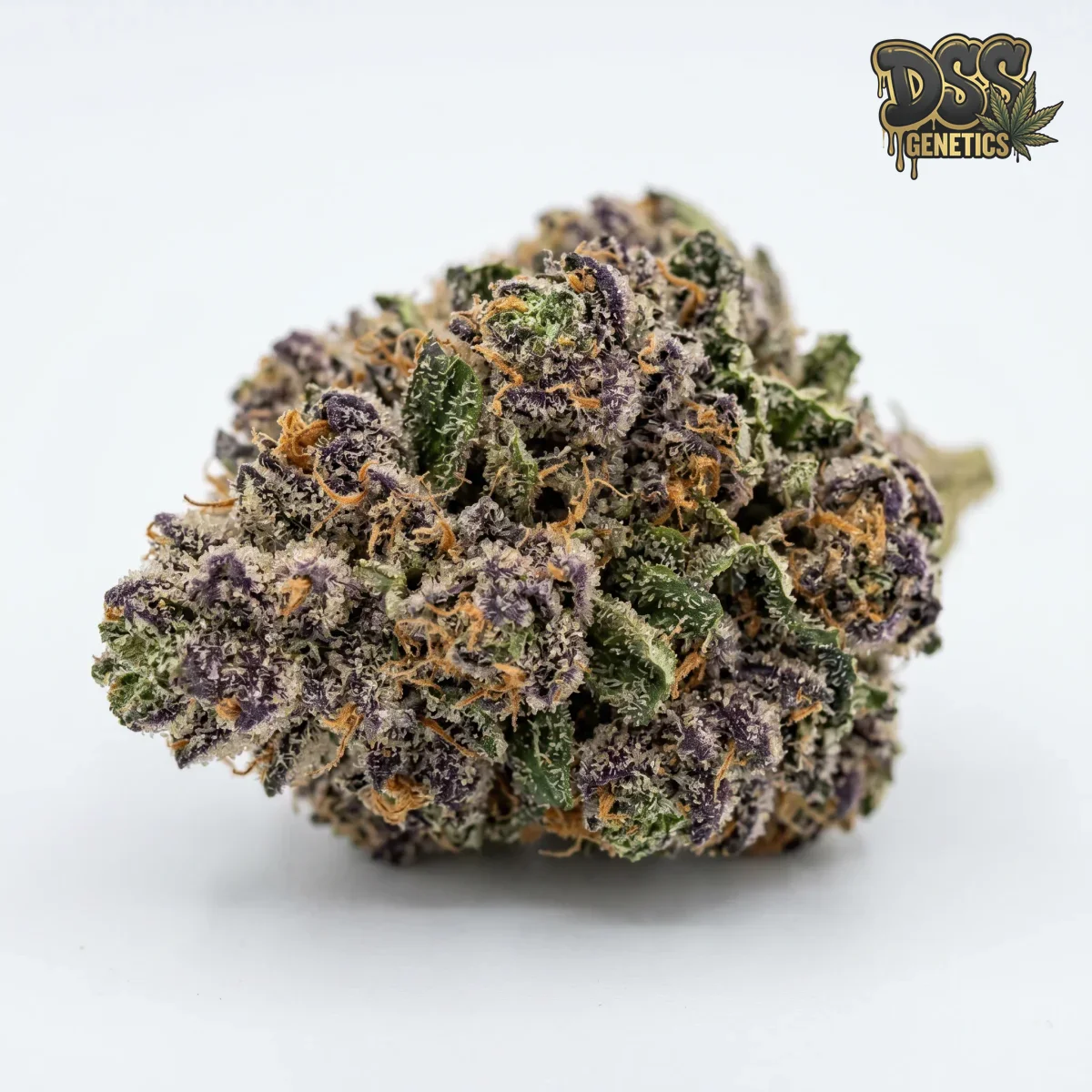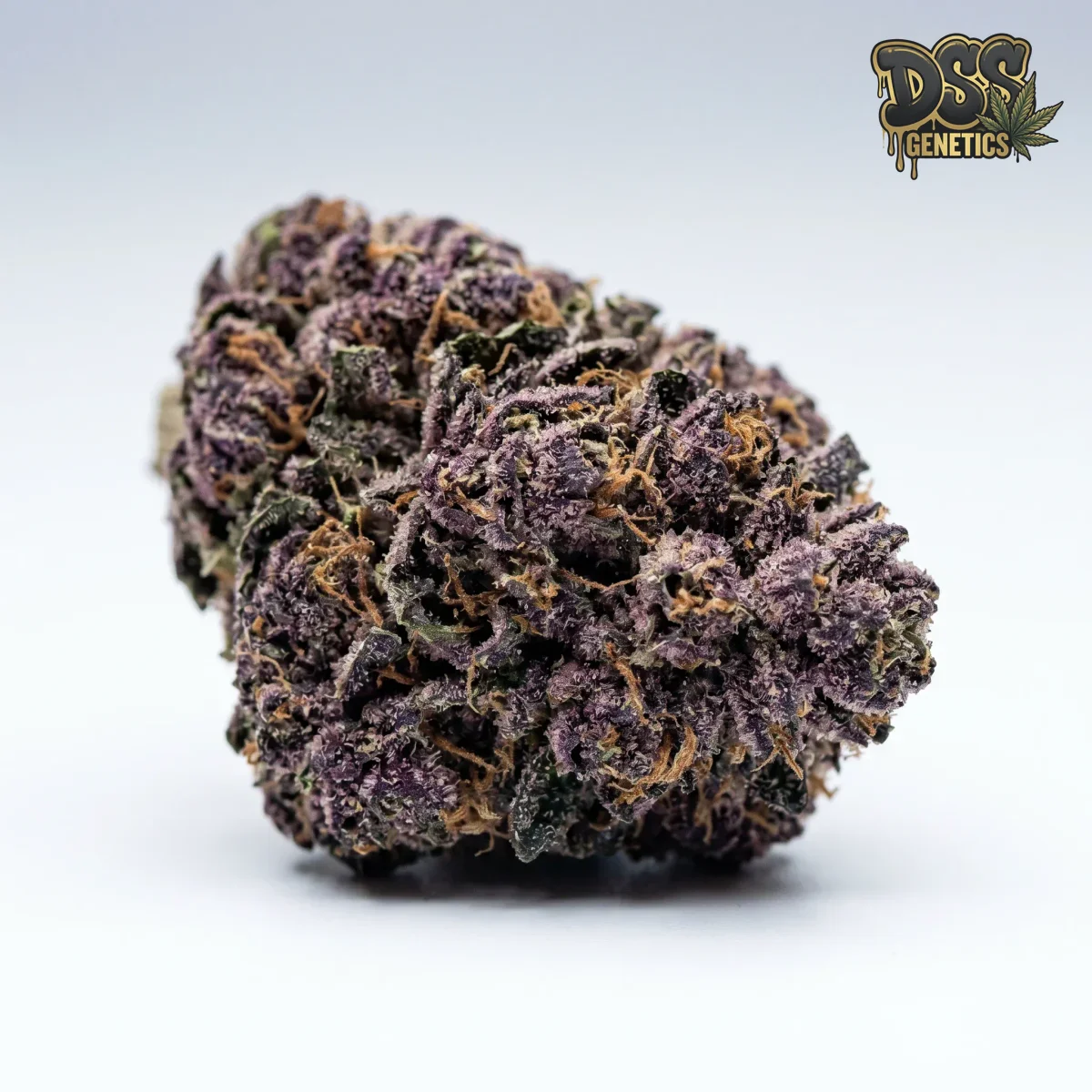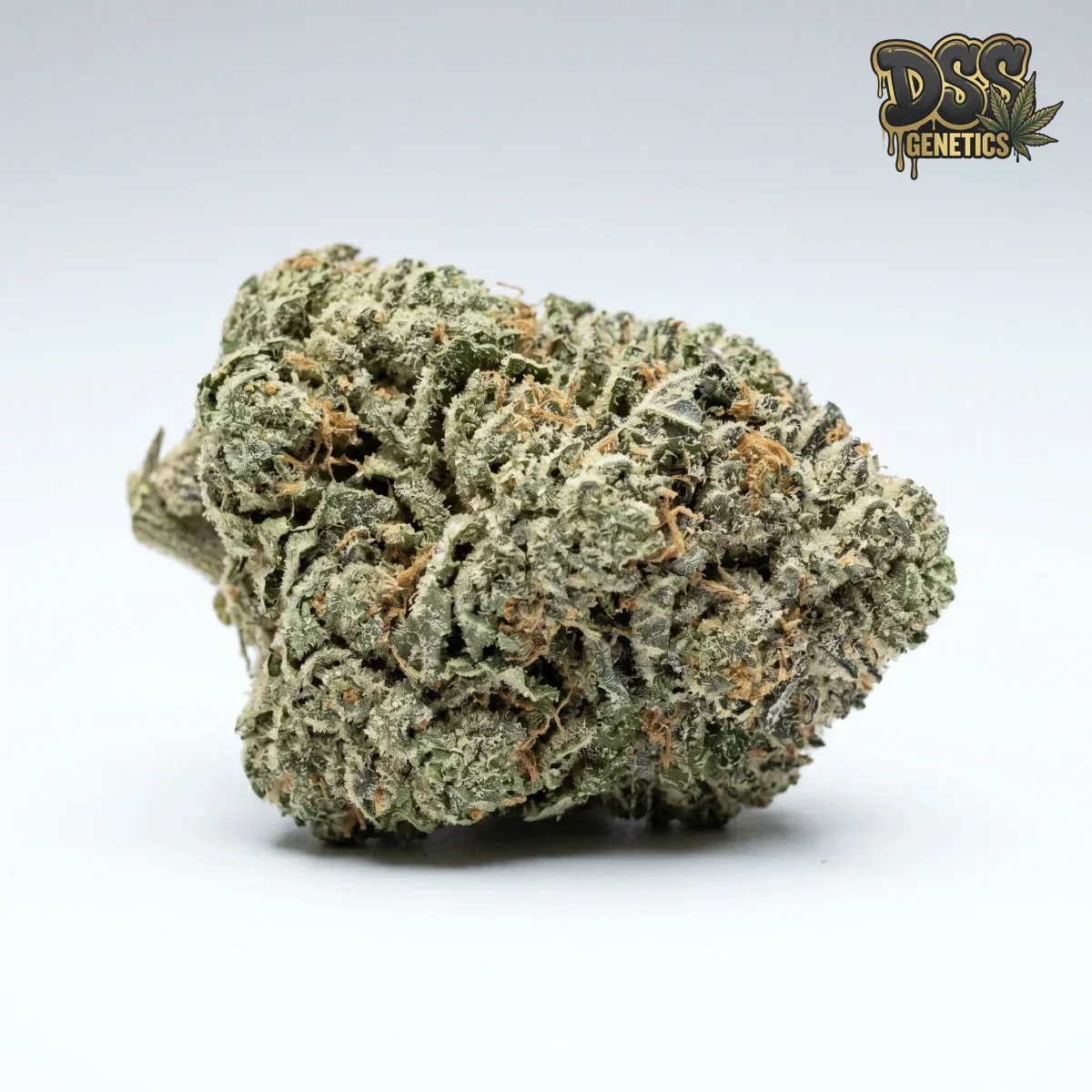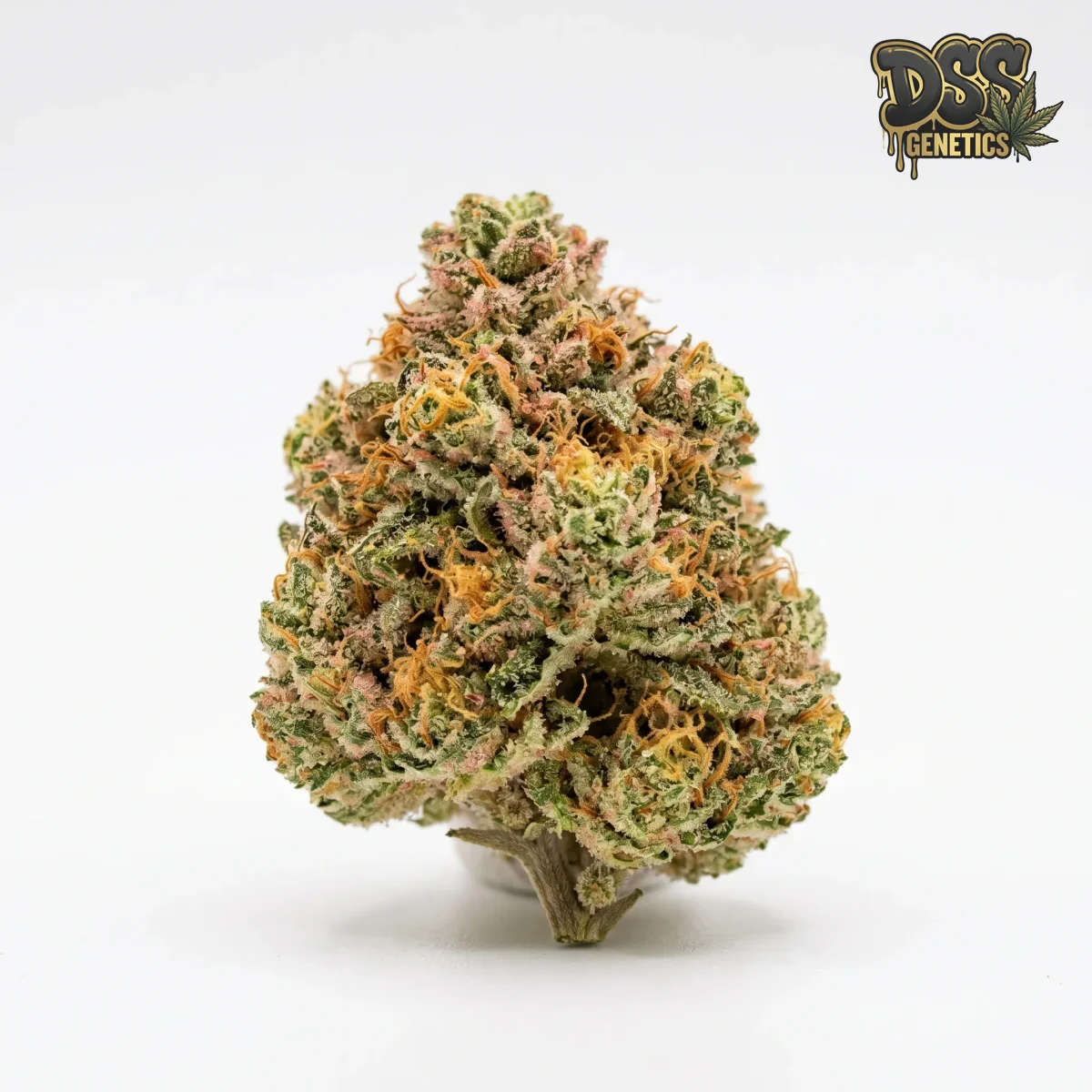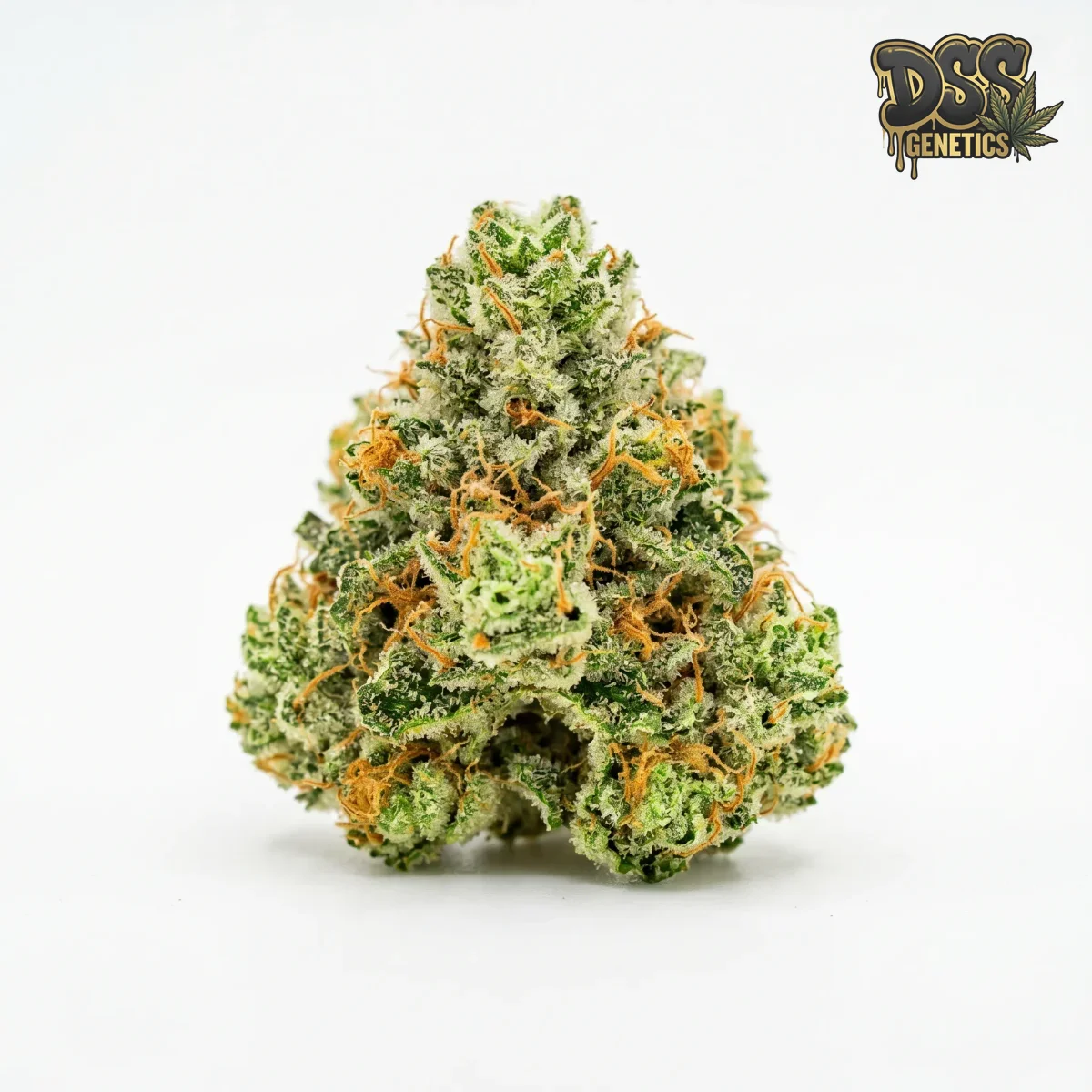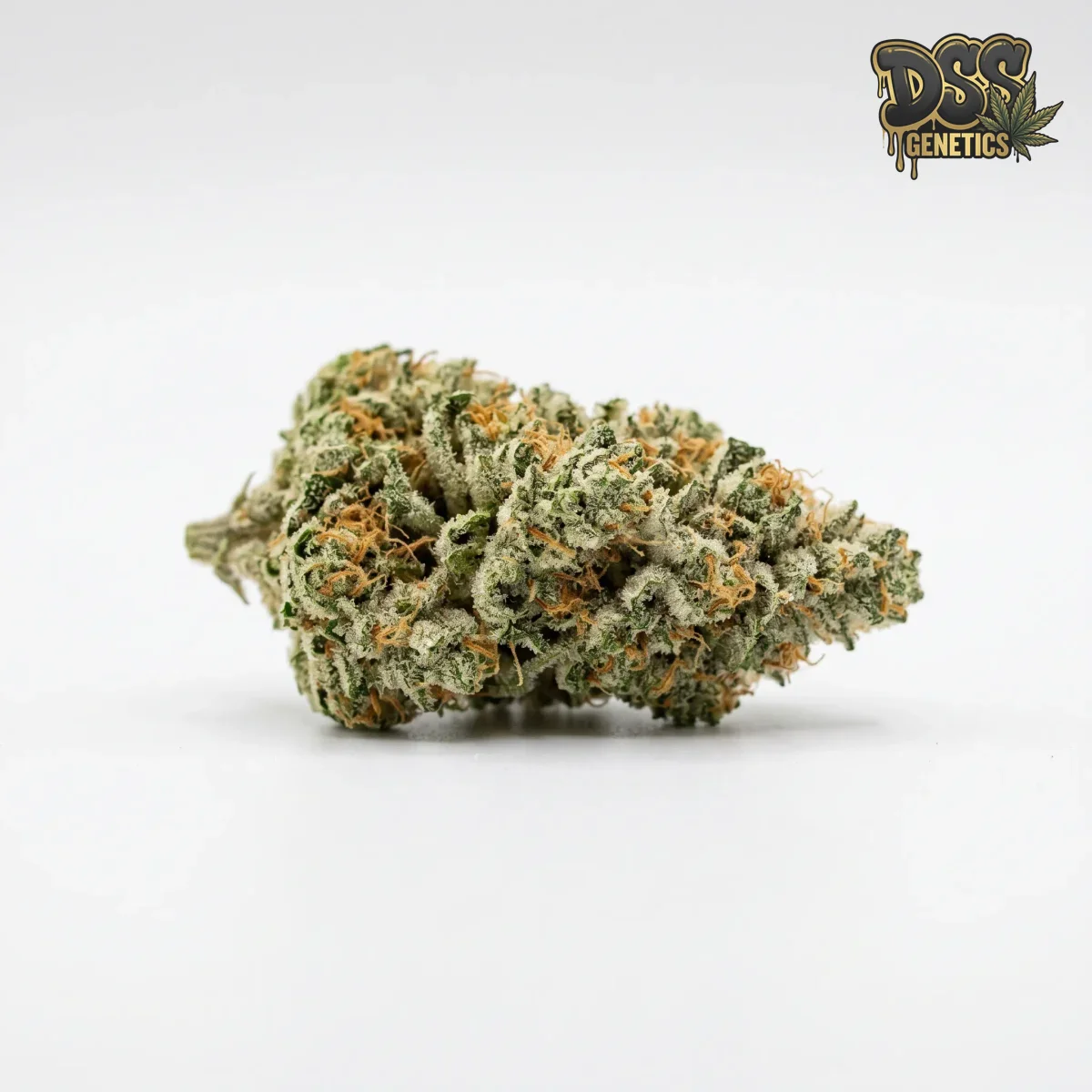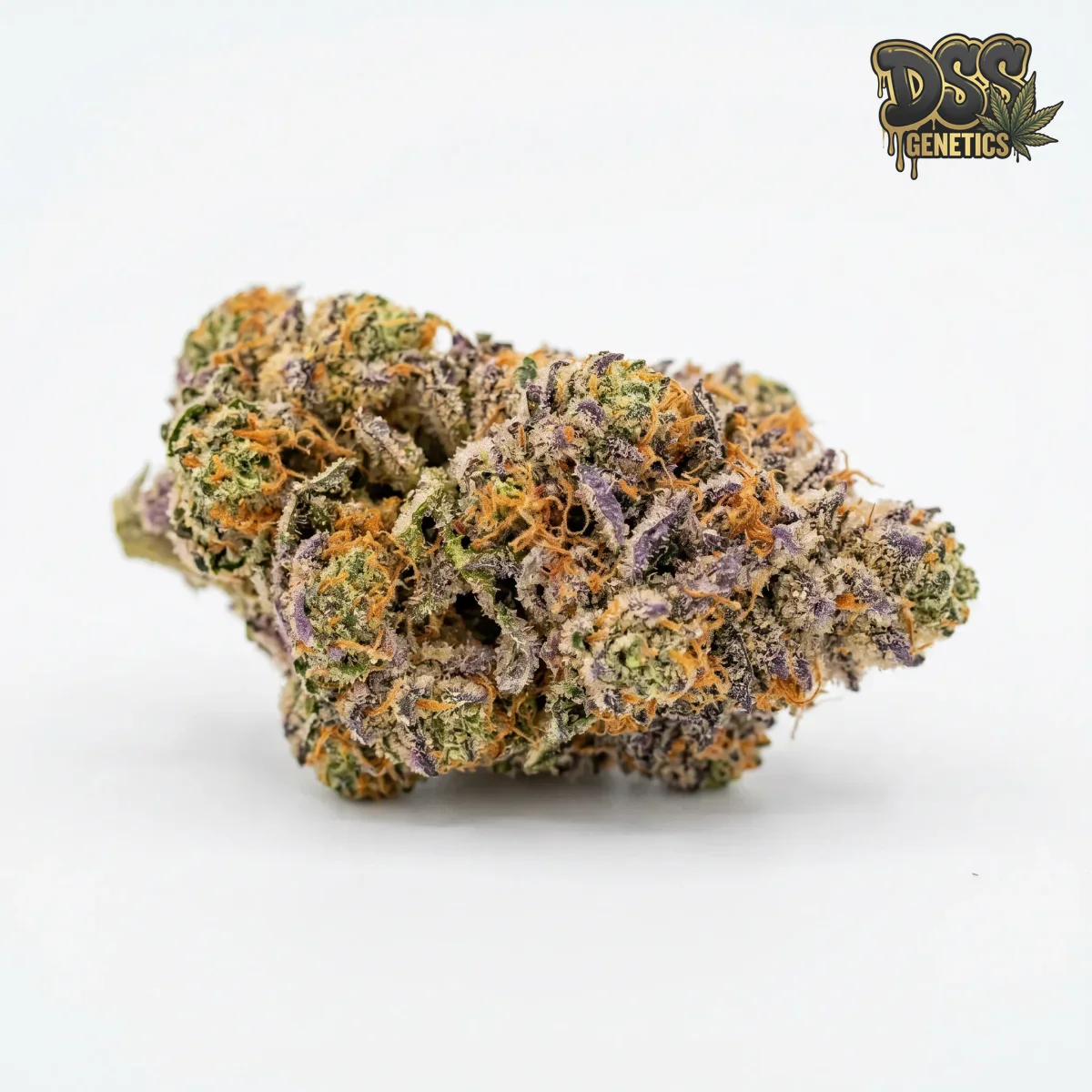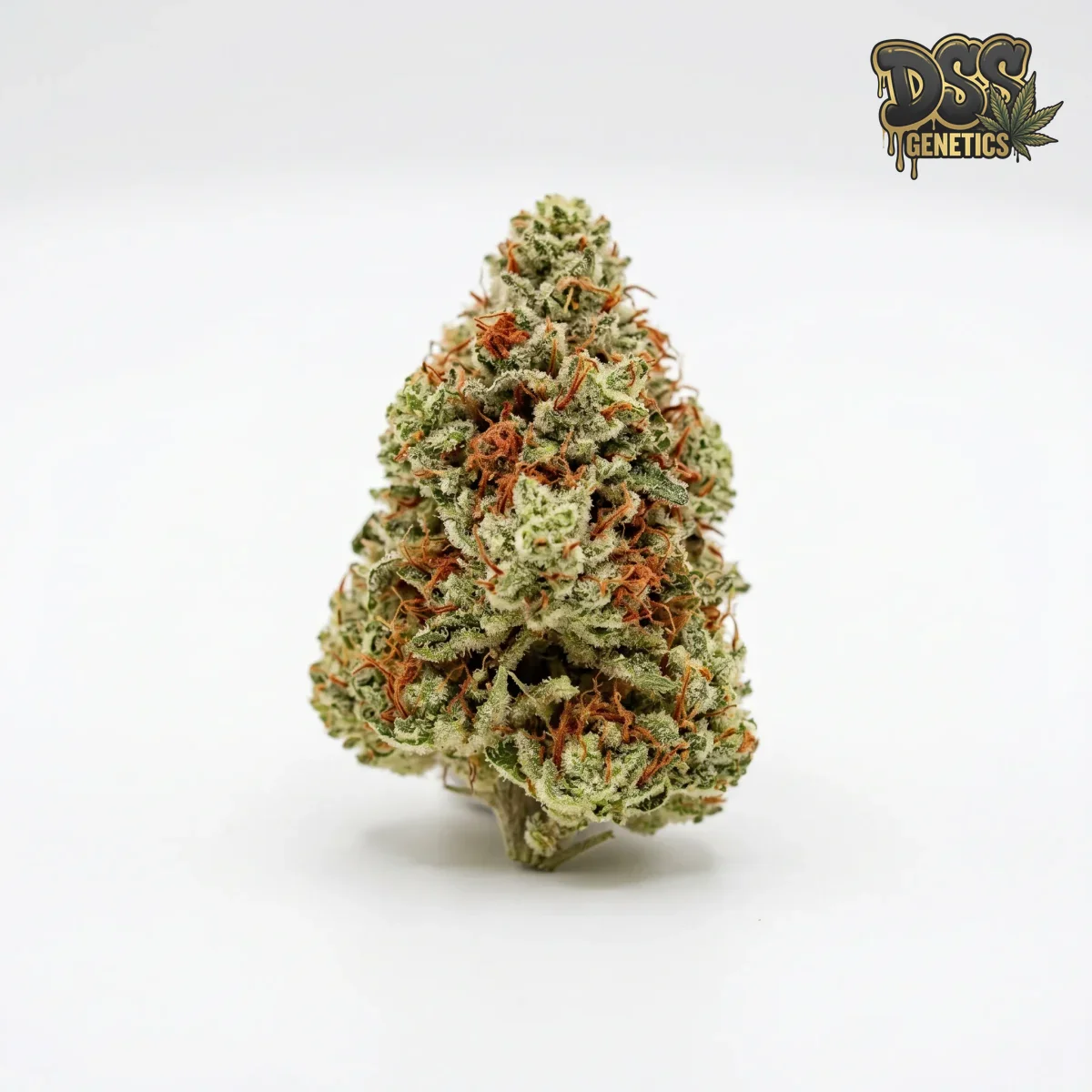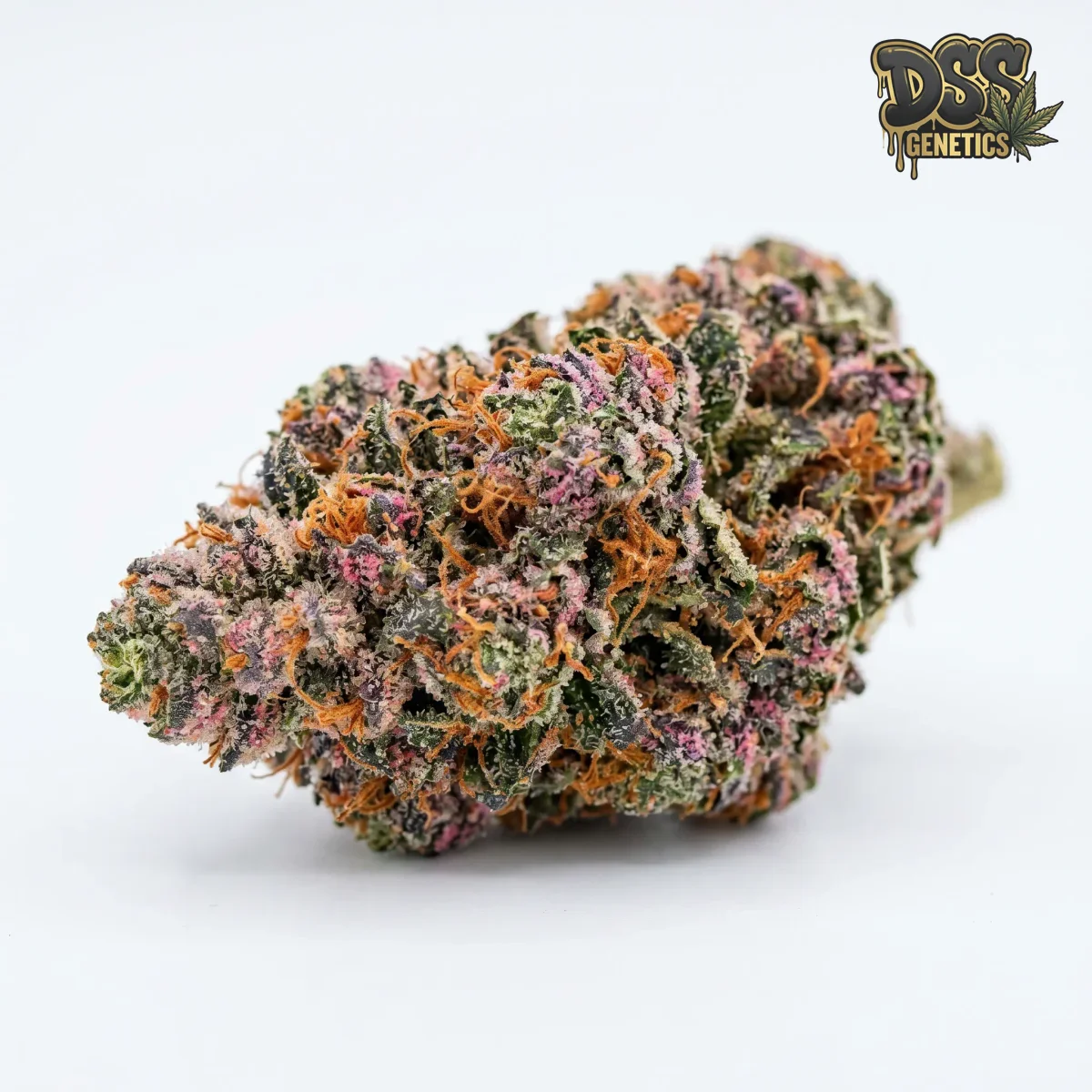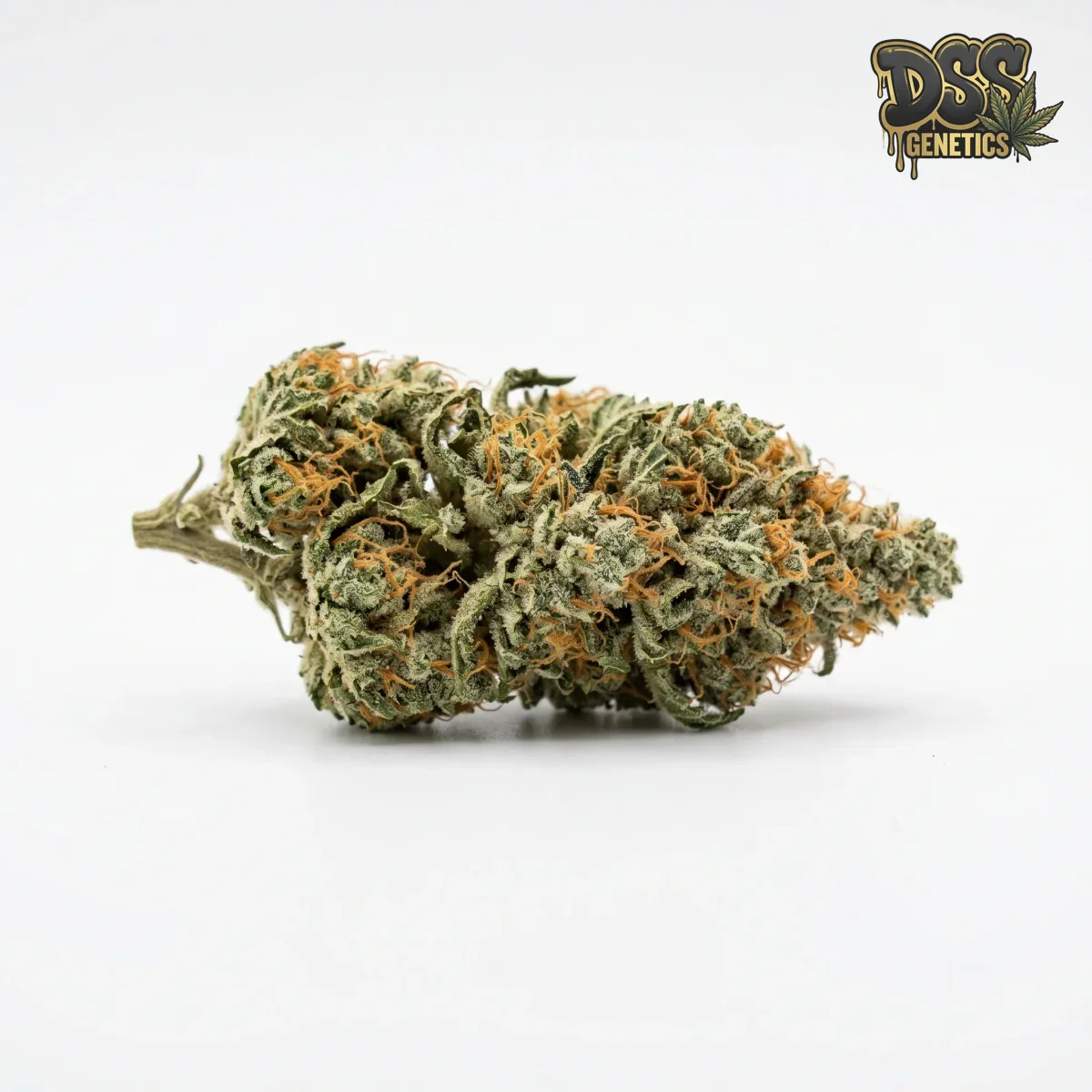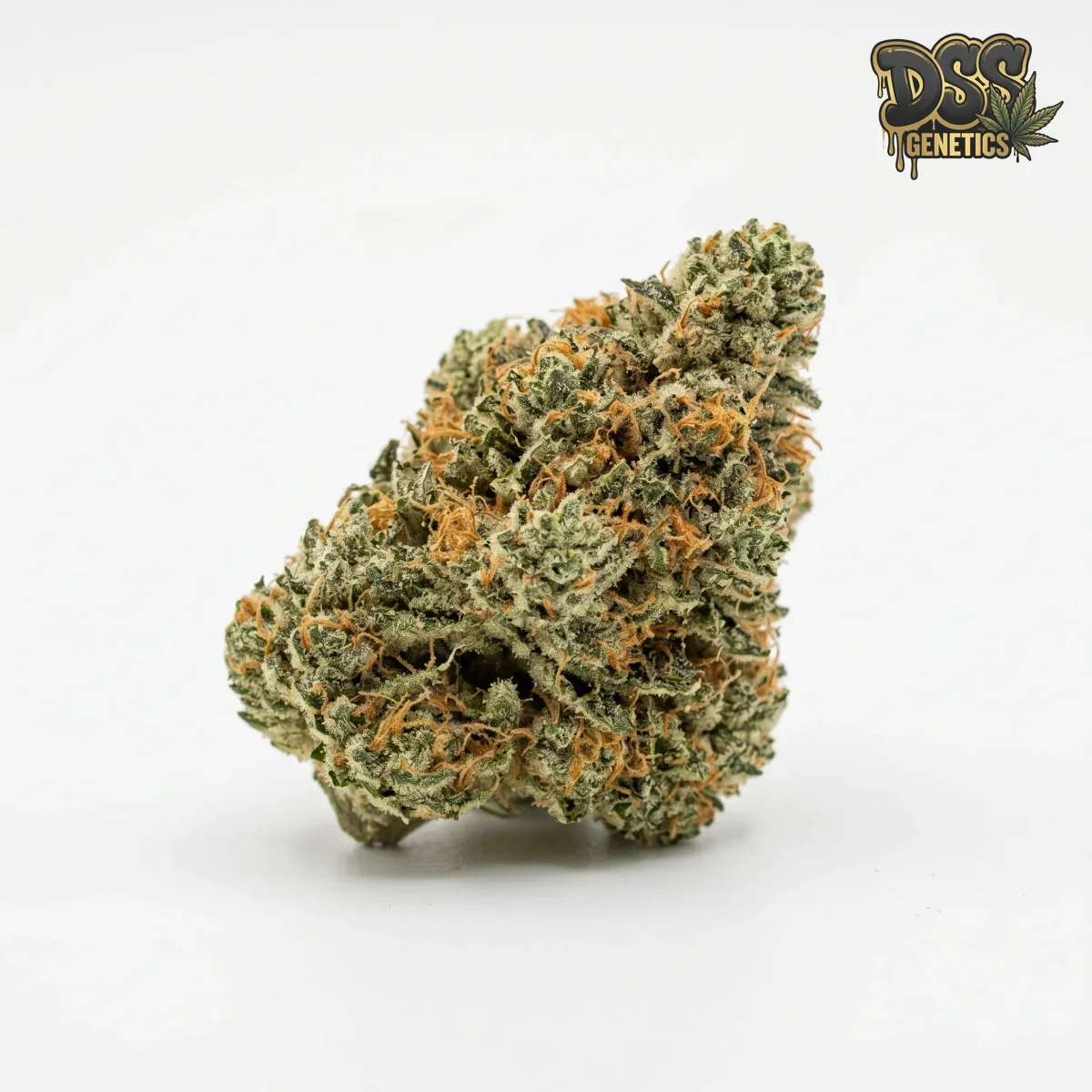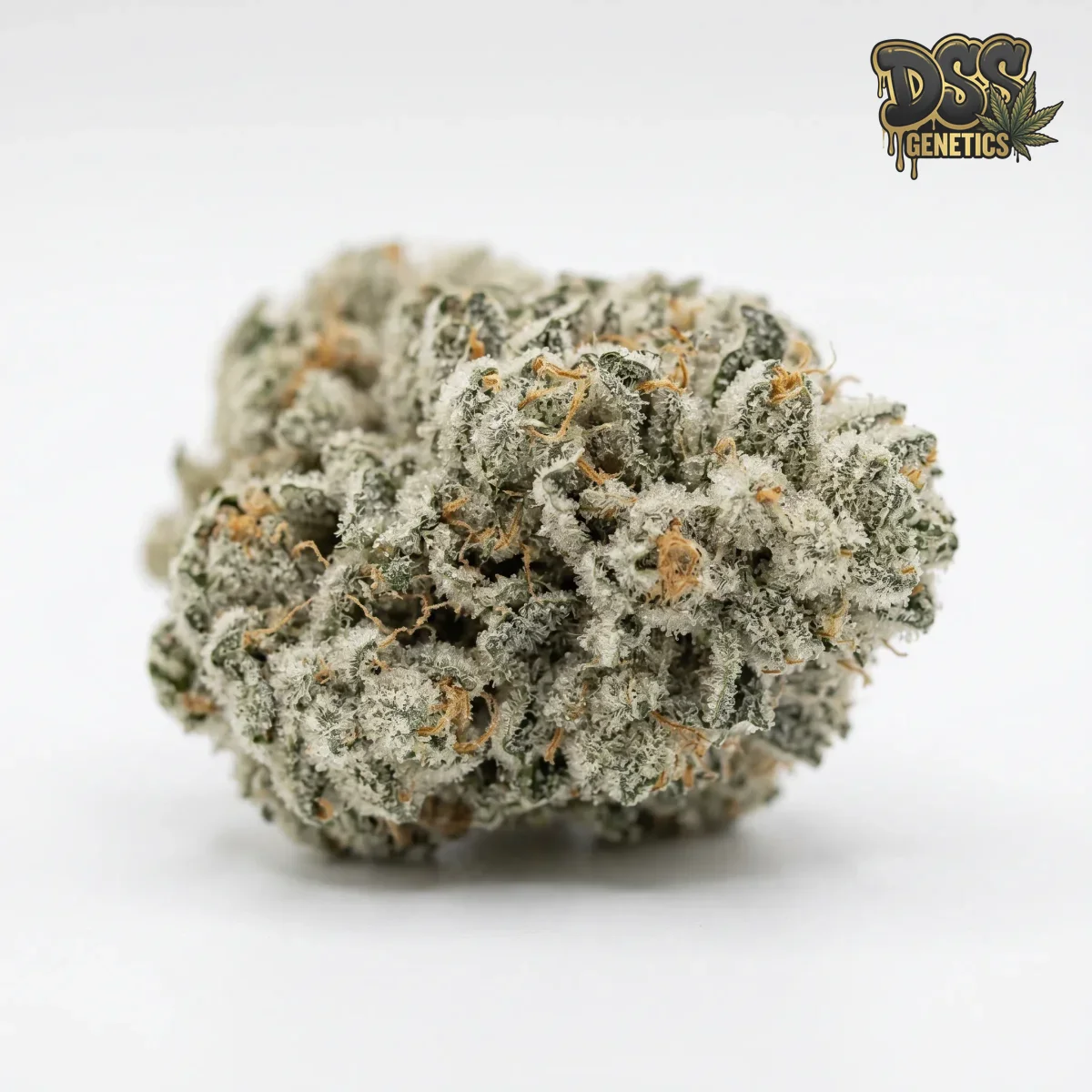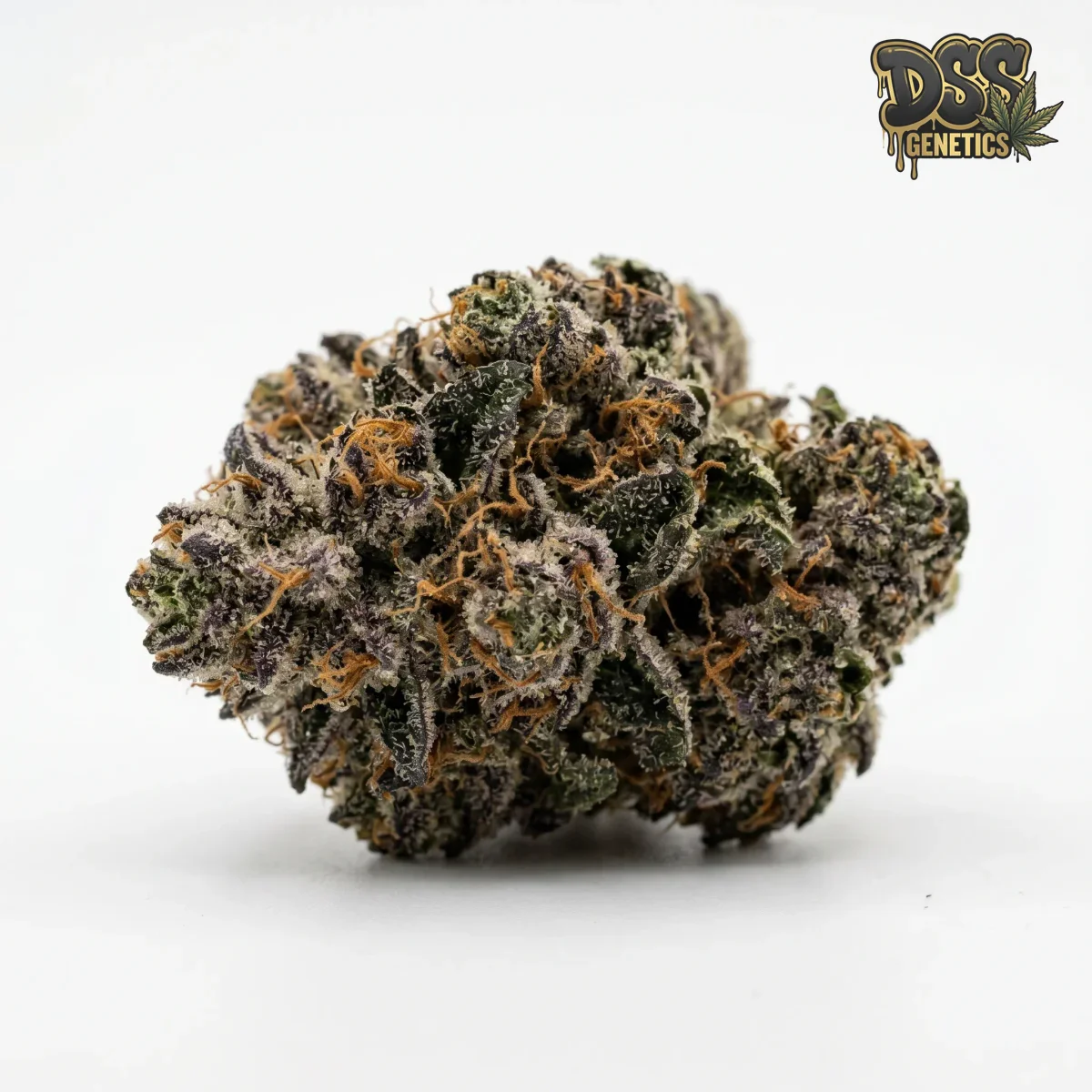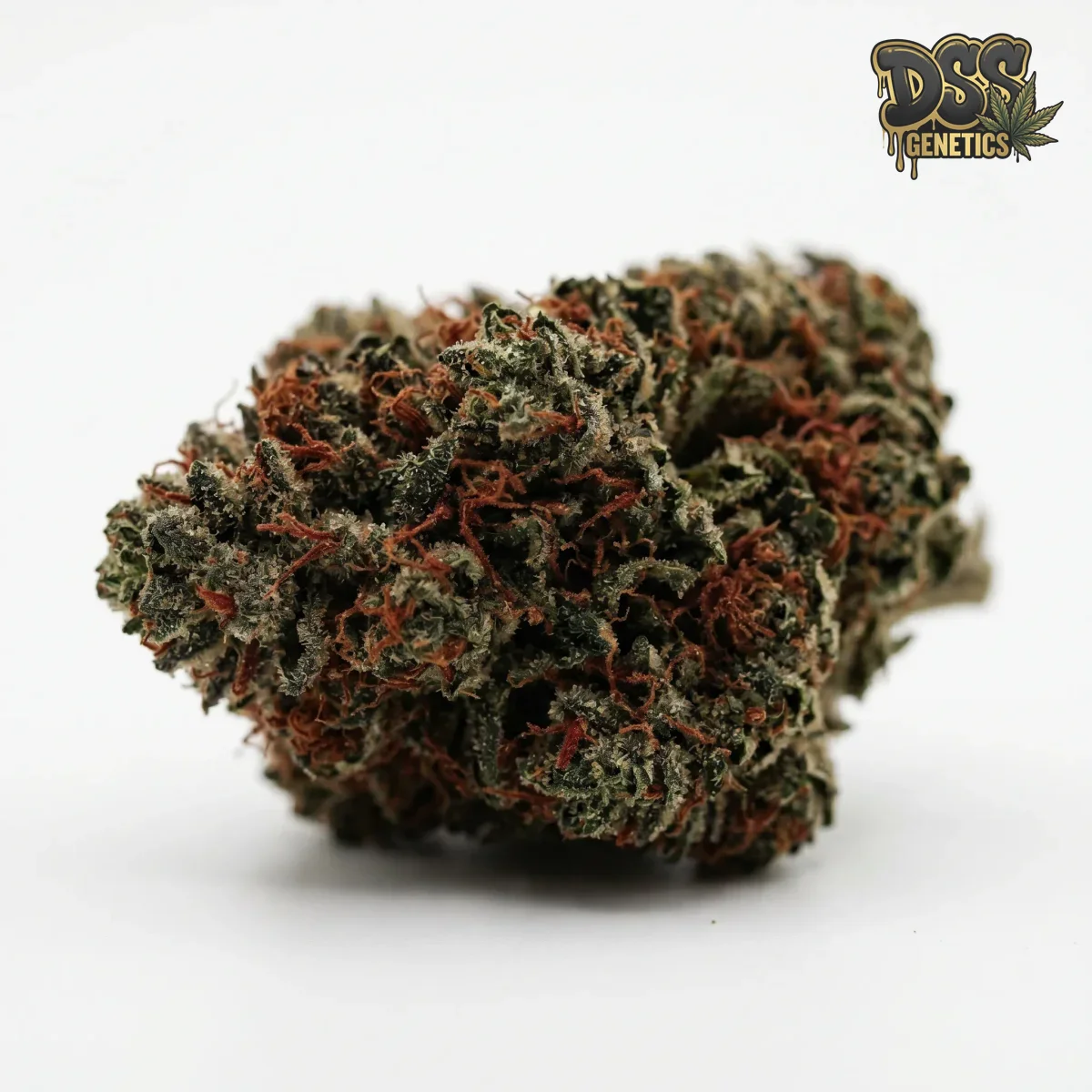
Indica vs Sativa vs Hybrid cannabis strains comparison

Cannabis Education

Indica vs Sativa vs Hybrid

The complete guide to cannabis types — real data from 284 strains, not myths. Understand the effects, growing traits, and terpene profiles that actually matter when choosing your next seed.

103
Indica Strains
65
Sativa Strains
116
Hybrid Strains

The Truth About Indica, Sativa, and Hybrid

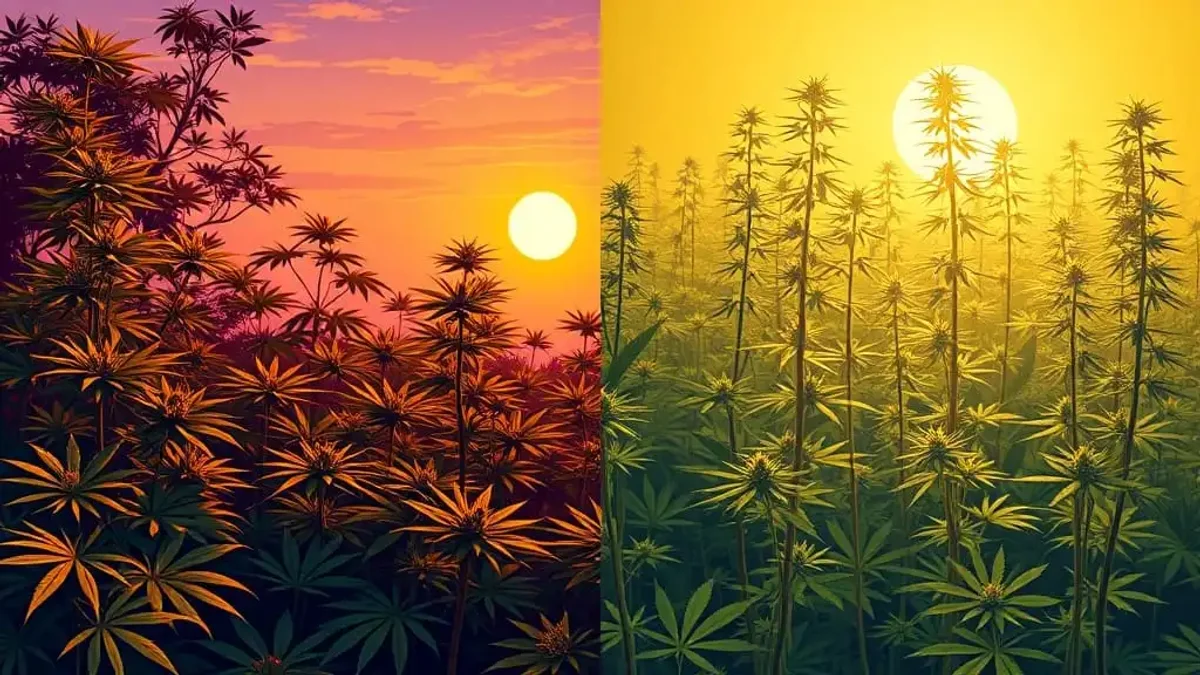
The traditional indica/sativa classification dates back to the 18th century and was originally based on plant morphology — how the plants look and grow. Over time, the industry adopted these terms to describe effects: "indica = body high, sativa = head high." While this simplification has some truth, modern cannabis science tells a more nuanced story.

Research now shows that terpene profiles and cannabinoid ratios are better predictors of effects than indica/sativa classification alone. A high-myrcene sativa can be more sedating than a low-myrcene indica. That said, indica and sativa genetics do correlate strongly with specific terpene tendencies, flowering patterns, and growth characteristics — making the classification still useful, especially for growers.

Below, we break down each type using real data from our catalog of 284 strains — average THC, dominant effects, terpene profiles, and growing characteristics. No myths, just data.

Complete Guide

The Science: Why Indica and Sativa Feel Different

Terpene Prevalence by Cannabis Type (% of strains containing as dominant terpene)

Myrcene
Indica
85%
Sativa
40%
Hybrid
65%
Limonene
Indica
35%
Sativa
80%
Hybrid
60%
Pinene
Indica
30%
Sativa
75%
Hybrid
55%
Caryophyllene
Indica
70%
Sativa
55%
Hybrid
65%
Linalool
Indica
65%
Sativa
30%
Hybrid
50%

The traditional explanation — "indica relaxes, sativa energizes" — is a useful shorthand but scientifically incomplete. Modern research reveals that the effects of cannabis depend on a complex interplay of cannabinoids, terpenes, and individual biology rather than indica/sativa classification alone.

The terpene hypothesis: Dr. Ethan Russo, one of the leading cannabis researchers, argues that terpene profiles are more predictive of effects than indica/sativa genetics. Myrcene — the most common terpene in cannabis — is found in higher concentrations in indica-dominant strains and is known for sedating, muscle-relaxing effects. Limonene and Pinene, which tend to be more prevalent in sativa-dominant strains, are associated with mood elevation and mental clarity. This terpene correlation is likely why the indica/sativa distinction "works" in practice even if the genetics are not the direct cause.

The entourage effect: Cannabis contains over 100 cannabinoids and 200+ terpenes. These compounds work synergistically — THC plus myrcene produces stronger sedation than THC alone, while THC plus limonene produces a more uplifting experience. This "entourage effect" means that two strains with identical THC percentages can feel completely different based on their terpene and minor cannabinoid profiles.

Individual variation: Your endocannabinoid system is unique. Genetic differences in CB1 and CB2 receptor density, enzyme production (FAAH, MAGL), and baseline endocannabinoid levels mean that the same strain can affect different people differently. This is why strain recommendations are starting points, not guarantees. The best approach is to track which specific strains work for you and look for patterns in their terpene profiles.

The bottom line: Indica and sativa genetics correlate with specific terpene tendencies, which correlate with effects. The classification is useful — especially for growers (morphology is consistent) and as a rough effect guide — but it is not the whole story. For the most accurate predictions, look at the specific terpene profile of each strain.

Quick Comparison

TraitIndicaSativaHybrid
Strains in Catalog10365116
Avg. Max THC21.6%20.9%21.6%
Avg. Flowering Time62.8 days70.3 days64.3 days
Primary EffectBody relaxationCerebral upliftBalanced
Plant HeightShort (2-4 ft)Tall (5-12 ft)Medium (3-6 ft)
Leaf ShapeWide, broad leavesNarrow, thin leavesVariable
Bud StructureDense, compactAiry, elongatedVariable
Best Time of DayEvening / NightMorning / DayAny time
Growing DifficultyEasierMore challengingModerate
103 Strains

Indica Cannabis Strains

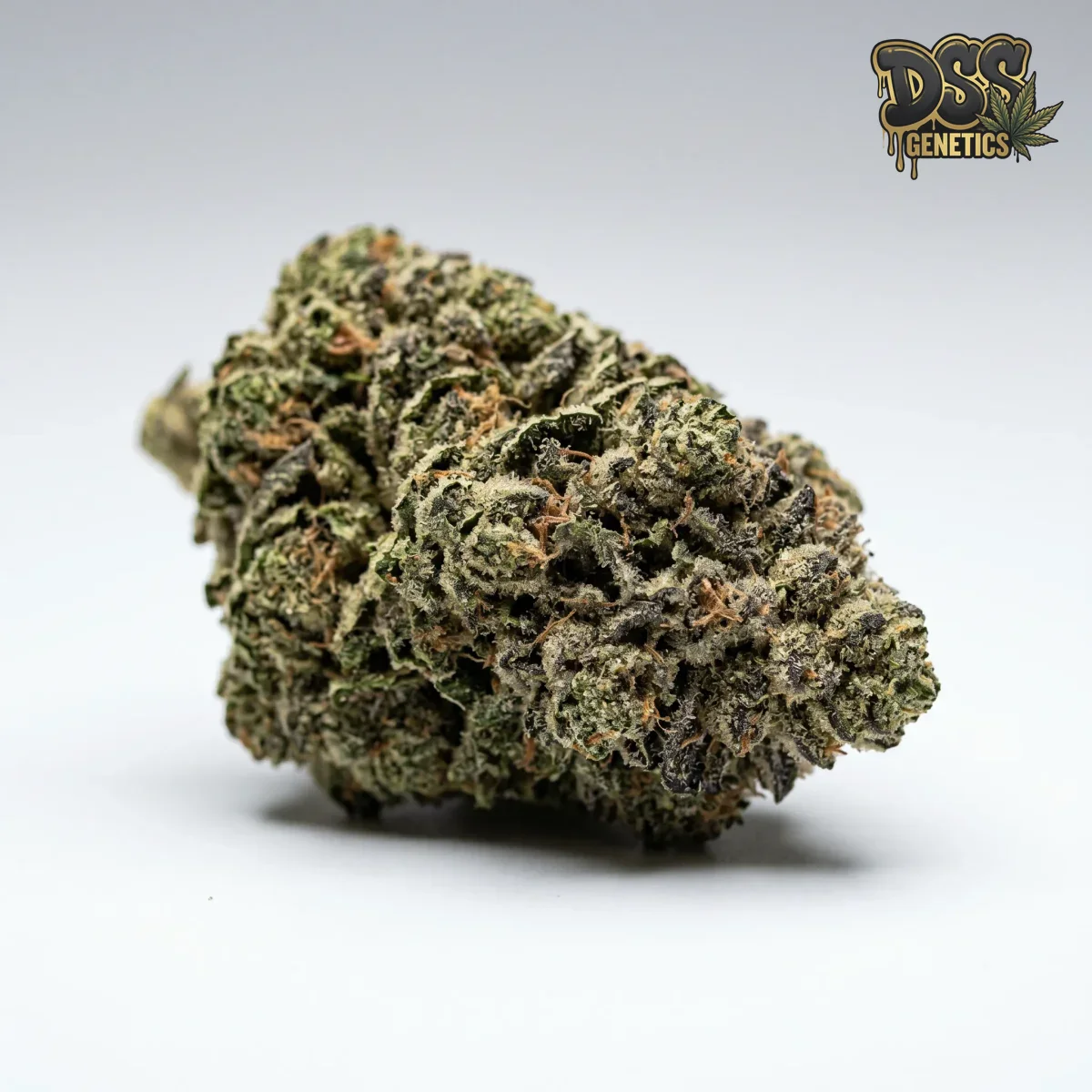
Indica-dominant strains are known for deep physical relaxation, body-heavy effects, and sedating qualities. They typically grow shorter and bushier with wider leaves, flower faster, and produce dense, resinous buds. Indicas are the classic evening and nighttime choice — ideal for pain relief, sleep, appetite stimulation, and winding down after a long day.

Top Effects

Relaxing100%
Euphoric85%
Happy64%
Uplifting55%
Energetic42%

Best For

  • Evening & nighttime use
  • Pain & inflammation relief
  • Sleep & insomnia
  • Appetite stimulation
  • Muscle relaxation
  • Anxiety & stress relief

Growing Characteristics

Shorter plants (2-4 ft), bushier structure, faster flowering (7-9 weeks), more resistant to cold and mold. Ideal for indoor grows with limited vertical space.

Avg. Max THC
21.6%
Avg. Flowering
62.8 days
Catalog Count
103

Top Indica Strains

65 Strains

Sativa Cannabis Strains

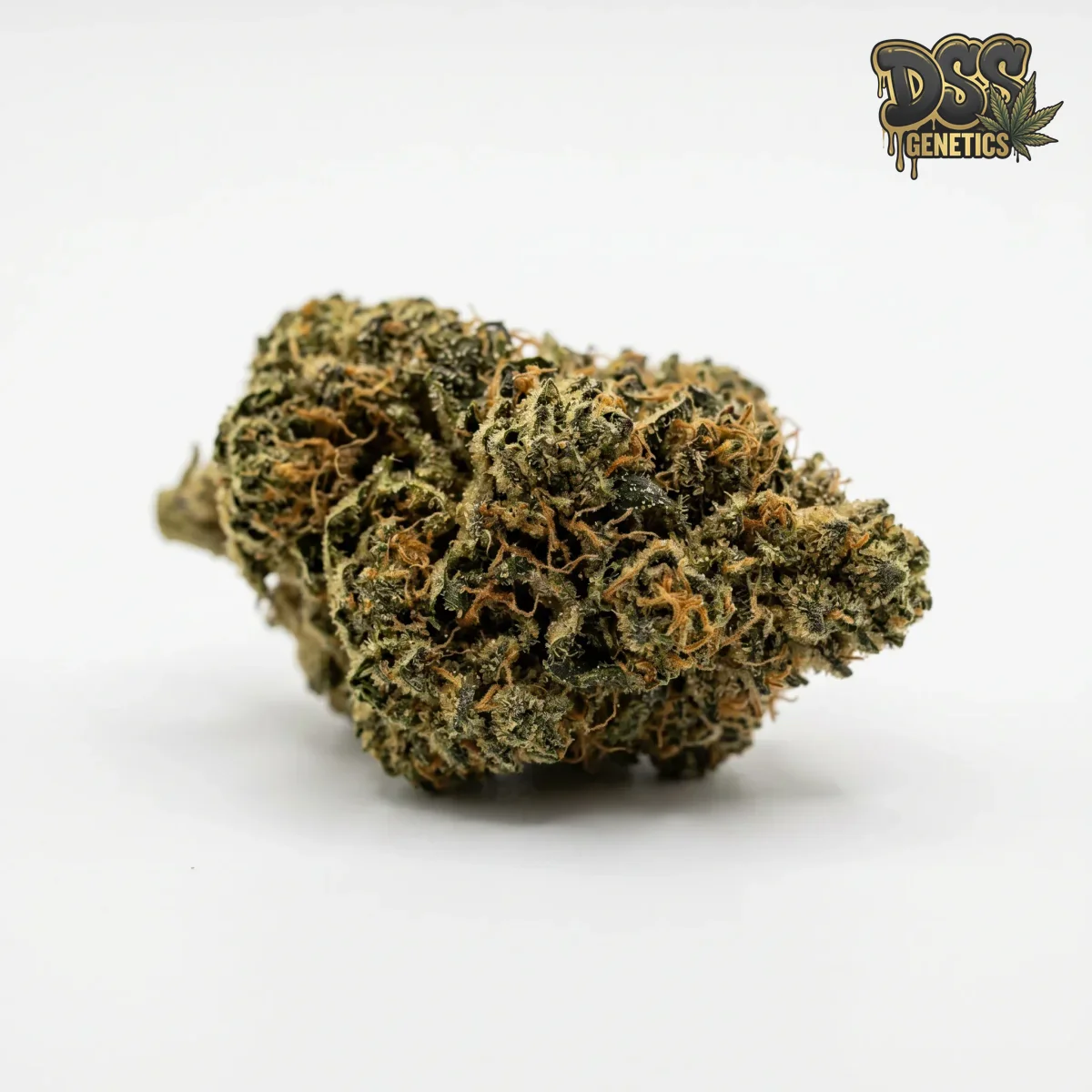
Sativa-dominant strains deliver uplifting, cerebral effects that fuel creativity, focus, and social energy. They grow taller with narrow leaves, take longer to flower, and produce airy, elongated buds. Sativas are the go-to daytime choice — perfect for creative projects, socializing, outdoor activities, and staying productive without the couch-lock.

Top Effects

Relaxing86%
Euphoric80%
Uplifting78%
Energetic75%
Creative68%

Best For

  • Daytime use & productivity
  • Creative projects & focus
  • Social situations & conversation
  • Depression & mood elevation
  • Fatigue & energy boost
  • Exercise & outdoor activities

Growing Characteristics

Taller plants (5-12 ft), lanky structure, longer flowering (10-14 weeks), prefers warm climates. Needs training techniques (LST, topping) indoors to manage height.

Avg. Max THC
20.9%
Avg. Flowering
70.3 days
Catalog Count
65

Top Sativa Strains

116 Strains

Hybrid Cannabis Strains

Hybrid strains combine indica and sativa genetics to create balanced effects that blend the best of both worlds. Modern breeding has made hybrids the most common type of cannabis — they offer flexible effects, moderate growing difficulty, and the widest range of flavors and terpene profiles. Whether you want relaxation with a creative edge or energy with a calm body, there is a hybrid for that.

Top Effects

Relaxing94%
Euphoric88%
Uplifting66%
Happy66%
Energetic56%

Best For

  • Versatile day-to-night use
  • Balanced mind + body effects
  • Users who find pure indica too heavy
  • Users who find pure sativa too racy
  • Medical patients needing customized relief
  • First-time growers (many are forgiving)

Growing Characteristics

Medium height (3-6 ft), variable structure, moderate flowering (8-10 weeks). Growing traits depend on which parent dominates — check individual strain profiles for details.

Avg. Max THC
21.6%
Avg. Flowering
64.3 days
Catalog Count
116

Top Hybrid Strains

Myths vs Reality

Myth: "Indica always makes you sleepy"
Reality: Not all indicas are sedating. The sedating effect comes primarily from the terpene myrcene combined with THC, not from indica genetics alone. An indica with low myrcene and high limonene can feel uplifting. Always check the terpene profile — we include this data on every product page.
Myth: "Sativa gives you energy like caffeine"
Reality: Sativas don't add energy — they provide a different type of high that feels more cerebral and less body-heavy, which users interpret as "energizing." The stimulating sensation often correlates with terpenes like limonene and pinene rather than sativa genetics specifically.
Myth: "Hybrid means 50/50 balanced effects"
Reality: Most hybrids lean one way or another. A 60/40 indica-dominant hybrid will feel different from a 60/40 sativa-dominant one. The term "hybrid" simply means it has mixed genetics — it does not guarantee a balanced experience. Check the indica/sativa percentages on each strain page.
Myth: "Indica and sativa are different species"
Reality: Botanically, there is debate about whether indica and sativa are separate species, subspecies, or simply varieties of Cannabis sativa L. Centuries of cross-breeding mean that virtually all modern cannabis is genetically hybrid. The labels persist because they remain useful shorthand for growth patterns and general effect tendencies.

How to Choose: Indica, Sativa, or Hybrid?

Rather than choosing based on the indica/sativa label alone, consider these factors in order of importance:

01

Desired Effect

Relaxation? Energy? Pain relief? Start with what you want to feel, then filter by effects on our strain pages.

02

Terpene Profile

Myrcene for sedation, limonene for mood, pinene for focus. Our terpene chart helps you match terpenes to effects.

03

THC/CBD Ratio

Higher THC = stronger psychoactive effects. Higher CBD = more therapeutic, less intense. Check ratios on each strain page.

04

Growing Conditions

Indicas for small spaces and fast harvests. Sativas for outdoor grows with room. Hybrids for flexibility.

Frequently Asked Questions

What is the main difference between indica and sativa?

Indica strains tend to produce body-heavy, relaxing effects and grow as short, bushy plants with faster flowering times. Sativa strains tend to produce cerebral, uplifting effects and grow as tall, lanky plants with longer flowering periods. However, terpene profiles are a more reliable predictor of effects than the indica/sativa label alone.

Are hybrid strains better for beginners?

Many hybrids are excellent for beginners because they combine forgiving growth traits from both parents. However, "beginner-friendly" depends more on growing difficulty rating than on hybrid status. Check our Easy to Grow collection for strains specifically rated for beginners, regardless of type.

Can an indica strain give you energy?

Yes. Some indica-dominant strains with high limonene or pinene terpene content can feel more uplifting than expected. The indica/sativa classification correlates with effects but does not guarantee them. Always check the specific terpene profile and user-reported effects on each strain page.

Do indica and sativa plants really look different?

Yes — growth morphology is the most reliable difference. Indica plants grow shorter (2-4 ft) with wide, broad leaves and dense buds. Sativa plants grow taller (5-12 ft) with narrow leaves and airy buds. This distinction is important for growers planning their space and training techniques.

Which type has higher THC?

Based on our catalog data, the average max THC is: Indica 21.6%, Sativa 20.9%, Hybrid 21.6%. The differences are minimal — potency depends on the specific strain genetics and growing conditions, not on whether it is indica or sativa.

🌙

Shop Indica Seeds

103 strains — relaxing, body-heavy, fast flowering

☀️

Shop Sativa Seeds

65 strains — uplifting, cerebral, tall growers

🔍

Not Sure Which Type?

Take our Strain Finder Quiz — 5 questions, personalized results