
CBD Explained — Benefits & Science
How cannabidiol works in the body — non-psychoactive effects, receptor interactions, and why CBD strains matter.
Key Takeaways
How cannabidiol works in the body — non-psychoactive effects, receptor interactions, and why CBD strains matter.
- What Is CBD?
- How CBD Differs from THC
- CBD Receptor Interactions
- Reported Benefits: Anxiety, Inflammation & Pain
Medical Disclaimer: This information is for educational purposes only and should not be considered medical advice. Always consult a healthcare professional before using cannabis for medical purposes. Individual results may vary.
1. What Is CBD?
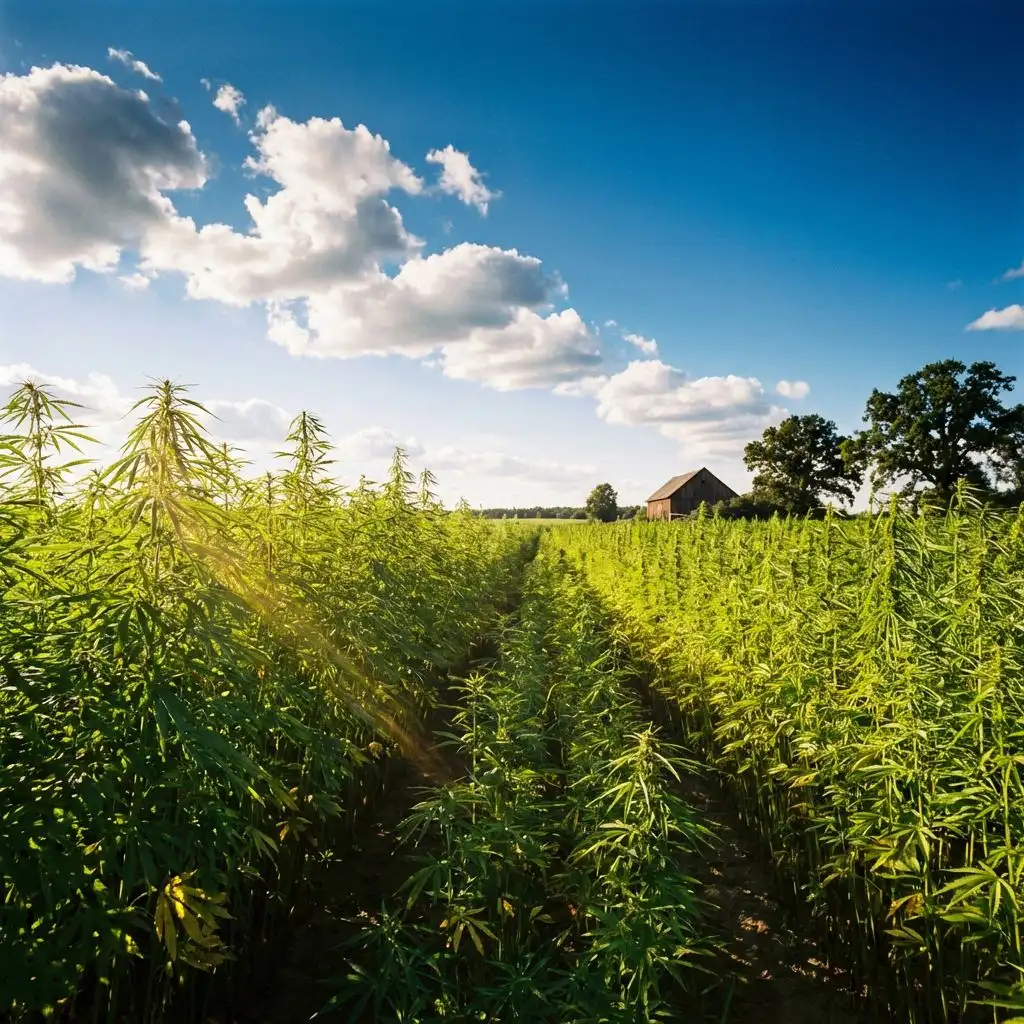
Cannabidiol (CBD) is the second most abundant cannabinoid in cannabis, typically comprising 1–25% of the plant's dry weight depending on the cultivar. Unlike THC, CBD does not produce intoxication or euphoria — you cannot get "high" from CBD alone, regardless of the dose.
CBD was first isolated from cannabis in 1940 by Roger Adams at the University of Illinois, but its structure wasn't fully described until 1963 by Raphael Mechoulam — one year before he isolated THC. Despite being discovered first, CBD received far less research attention for decades because it lacked the obvious psychoactive effects that made THC scientifically interesting.
That changed dramatically in the 2010s when CBD's therapeutic potential became widely recognized. The FDA approval of Epidiolex (pharmaceutical-grade CBD) in 2018 for treatment of Dravet and Lennox-Gastaut syndromes — rare, severe forms of epilepsy — marked the first time a cannabis-derived compound received federal regulatory approval. This event legitimized CBD research and catalyzed the explosion of CBD products in the consumer market.
2. How CBD Differs from THC
Despite sharing the same molecular formula (C₂₁H₃₀O₂) and being derived from the same precursor molecule (CBGA), CBD and THC have fundamentally different three-dimensional structures. THC has a cyclic ring that allows it to fit snugly into the CB1 receptor binding pocket. CBD's ring is open, which prevents it from activating CB1 in the same way — this single structural difference is why THC gets you high and CBD does not.
Pharmacologically, CBD actually acts as a negative allosteric modulator of CB1. This means CBD changes the shape of the CB1 receptor in a way that reduces THC's ability to bind to it. In practical terms, CBD can dampen or modulate THC's psychoactive effects — reducing anxiety, paranoia, and cognitive impairment while preserving some of THC's therapeutic benefits. This is why many medical patients and recreational users prefer strains with balanced CBD:THC ratios.
The two cannabinoids also differ in their legal status. While THC remains a controlled substance in most jurisdictions, the 2018 U.S. Farm Bill legalized hemp-derived CBD (from plants containing less than 0.3% THC), opening the door for widespread commercial availability. However, regulation varies significantly by country, and CBD products remain in a regulatory gray area in many markets.
3. CBD Receptor Interactions

CBD's pharmacology is remarkably complex — it interacts with over 65 known molecular targets in the body, far more than THC. Rather than directly activating CB1 or CB2 like THC does, CBD works through multiple indirect mechanisms simultaneously.
- CB1 negative allosteric modulation: CBD alters the CB1 receptor's shape, reducing THC's binding efficiency by approximately 50%. This is the mechanism behind CBD's ability to "take the edge off" a THC high.
- CB2 inverse agonism: CBD has weak inverse agonist activity at CB2 receptors, meaning it partially suppresses baseline CB2 signaling. This may contribute to its anti-inflammatory properties.
- 5-HT1A activation: CBD directly activates serotonin 5-HT1A receptors at concentrations achievable with standard dosing. This is the same receptor targeted by the anti-anxiety drug buspirone, and is considered the primary mechanism behind CBD's anxiolytic effects.
- TRPV1 activation: CBD activates the vanilloid receptor TRPV1 (the capsaicin receptor), which is involved in pain perception and inflammation. This desensitizes the receptor over time, potentially reducing chronic pain signaling.
- FAAH inhibition: CBD inhibits the enzyme fatty acid amide hydrolase (FAAH), which breaks down anandamide. By slowing anandamide degradation, CBD indirectly raises endocannabinoid tone — essentially boosting your body's own cannabis-like molecules.
This multi-target pharmacology is sometimes called a "shotgun" approach, in contrast to THC's more focused CB1 agonism. It makes CBD harder to study in controlled research but may explain its broad range of reported benefits.
4. Reported Benefits: Anxiety, Inflammation & Pain
CBD has been studied for a wide range of conditions, though the quality of evidence varies significantly. The strongest clinical evidence supports CBD for epilepsy (FDA-approved), with growing evidence for anxiety, chronic pain, and inflammatory conditions.
Anxiety: A 2019 study in The Permanente Journal found that 79.2% of patients reported decreased anxiety scores within the first month of CBD use, with sustained improvement over the study period. The anxiolytic effects are dose-dependent, with most clinical trials using doses of 150–600 mg/day — significantly higher than what most consumer products provide. CBD's effects on anxiety are primarily mediated through 5-HT1A serotonin receptor activation and modulation of the amygdala's threat response circuitry.
Inflammation & pain: Preclinical studies show CBD reduces inflammatory markers including TNF-alpha, IL-6, and IL-1beta through multiple pathways. A 2020 review in the Journal of Clinical Medicine found moderate evidence for CBD's efficacy in chronic pain conditions, particularly neuropathic pain and inflammatory pain. CBD's activation of TRPV1 receptors and its anti-inflammatory action through adenosine A2A receptor modulation are considered key mechanisms. However, pain research is complicated by the fact that many of the most effective pain protocols combine CBD with THC rather than using CBD in isolation.
5. CBD:THC Ratios Explained
The ratio of CBD to THC in a cannabis product fundamentally changes the experience. Understanding ratios is more useful than knowing either cannabinoid's percentage in isolation, because the two compounds modulate each other's effects in predictable ways.
| Ratio (CBD:THC) | Experience | Best For |
|---|---|---|
| 20:1 or higher | No psychoactive effect, purely therapeutic | Anxiety, epilepsy, daily wellness, people who avoid any high |
| 8:1 | Very mild, barely perceptible THC effect | Inflammation, mild pain, first-time users |
| 4:1 | Subtle calming effect, slight THC presence | Moderate pain, stress relief, functional use |
| 2:1 | Noticeable but gentle THC effect, strong CBD modulation | Pain management, sleep, moderate anxiety |
| 1:1 | Balanced — clear psychoactive effect with CBD buffer | Medical patients, recreational users prone to anxiety |
| 1:2 or lower | THC-dominant with some CBD modulation | Recreational with reduced paranoia risk |
6. Full-Spectrum vs Isolate

CBD products are categorized by their chemical composition beyond just CBD content. This distinction matters because research increasingly shows that whole-plant extracts outperform isolated CBD in many therapeutic applications.
Full-spectrum CBD contains CBD plus all other naturally occurring cannabinoids (including trace THC up to 0.3%), terpenes, flavonoids, and plant lipids. A landmark 2015 study from the Lautenberg Center for Immunology and Cancer Research in Israel found that full-spectrum CBD extract had a wider effective dose range and produced stronger anti-inflammatory effects than pure CBD isolate. The researchers described this as a "bell-shaped dose-response" for isolate (effective only in a narrow dose window) versus a linear dose-response for full-spectrum (increasing benefit with increasing dose).
Broad-spectrum CBD is a middle ground — it contains multiple cannabinoids and terpenes but with THC specifically removed. This is designed for users who want some entourage effect benefits but cannot or do not want any THC exposure (drug testing concerns, legal reasons, or personal preference).
CBD isolate is 99%+ pure CBD in crystalline form. While it provides precise dosing and zero risk of THC exposure, it lacks the synergistic compounds that enhance CBD's therapeutic effects. Isolate may still be appropriate for specific applications — particularly high-dose epilepsy protocols where precise CBD dosing is critical and other cannabinoids could introduce variables.
7. High-CBD Cannabis Strains
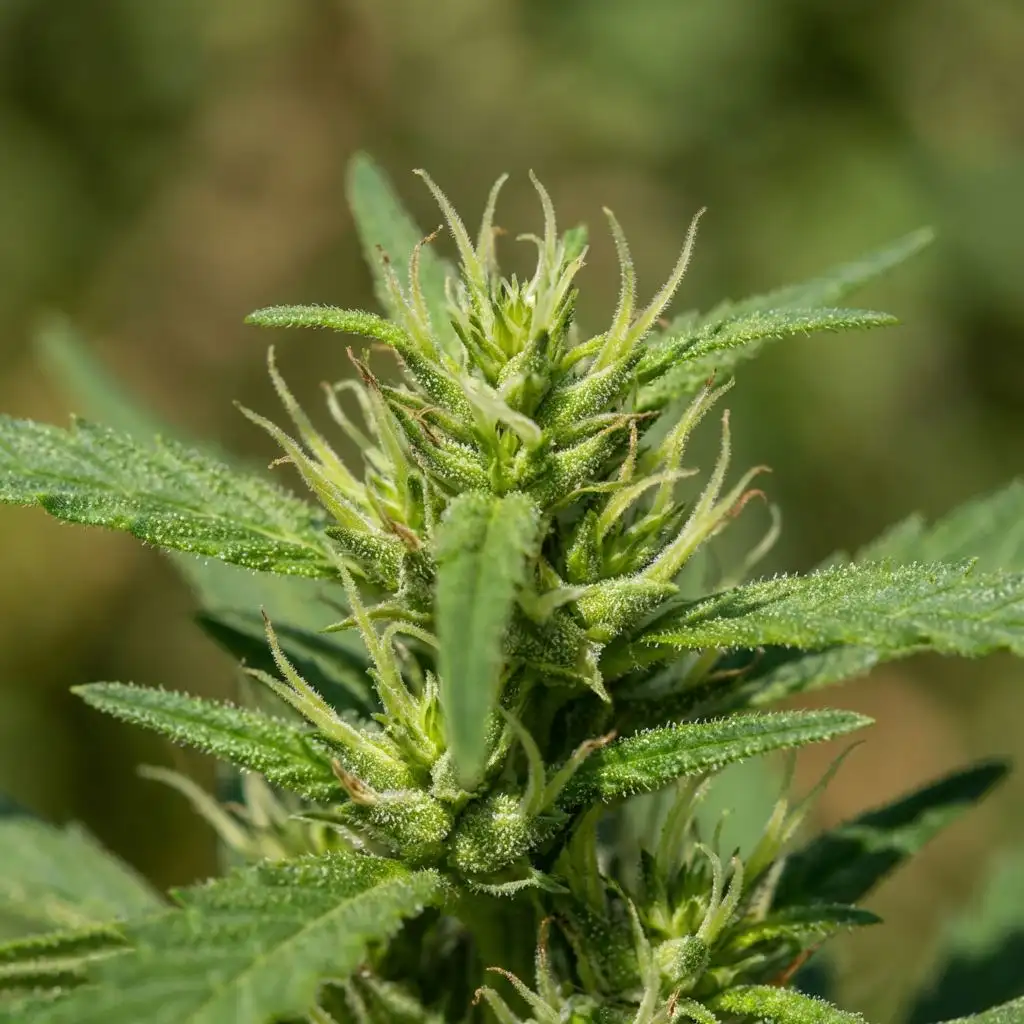
The genetics of a cannabis plant determine whether it produces primarily THC, CBD, or a balanced ratio of both. This is controlled by a single genetic locus with two alleles: BT (encoding THCA synthase) and BD (encoding CBDA synthase). Plants with two BD alleles produce high CBD and minimal THC; plants with one of each produce roughly balanced ratios.
True high-CBD strains have been selectively bred to express the BD allele and typically contain 10–20% CBD with less than 1% THC. Popular high-CBD cultivars include Charlotte's Web (originally bred for pediatric epilepsy), ACDC (20:1 CBD:THC), Harlequin (5:2 CBD:THC), and Cannatonic (variable ratios, often 1:1 to 3:1). These strains represent a growing segment of the market as more consumers seek therapeutic benefits without intoxication.
For growers, high-CBD strains are cultivated using the same techniques as THC-dominant varieties — the plants look, smell, and grow similarly. The key difference is in lab testing: because CBD and THC share the same precursor (CBGA), a plant's total cannabinoid percentage stays roughly the same, but the ratio shifts. A high-CBD strain at 18% total cannabinoids might test at 15% CBD and 0.5% THC, while a THC-dominant strain at the same total might test at 17% THC and 0.1% CBD.
🌱 Recommended Strains
Frequently Asked Questions
What Is CBD?
Cannabidiol (CBD) is the second most abundant cannabinoid in cannabis, typically comprising 1–25% of the plant's dry weight depending on the cultivar. Unlike THC, CBD does not produce intoxication or euphoria — you cannot get "high" from CBD alone, regardless of the dose. CBD was first isolated from...
How CBD Differs from THC?
Despite sharing the same molecular formula (C₂₁H₃₀O₂) and being derived from the same precursor molecule (CBGA), CBD and THC have fundamentally different three-dimensional structures. THC has a cyclic ring that allows it to fit snugly into the CB1 receptor binding pocket. CBD's ring is open, which p...
What is CBD Receptor Interactions?
CBD's pharmacology is remarkably complex — it interacts with over 65 known molecular targets in the body, far more than THC. Rather than directly activating CB1 or CB2 like THC does, CBD works through multiple indirect mechanisms simultaneously. CB1 negative allosteric modulation: CBD alters the CB...
What is Reported Benefits: Anxiety, Inflammation & Pain?
CBD has been studied for a wide range of conditions, though the quality of evidence varies significantly. The strongest clinical evidence supports CBD for epilepsy (FDA-approved), with growing evidence for anxiety, chronic pain, and inflammatory conditions. Anxiety: A 2019 study in The Permanente Jo...
What is CBD:THC Ratios Explained?
The ratio of CBD to THC in a cannabis product fundamentally changes the experience. Understanding ratios is more useful than knowing either cannabinoid's percentage in isolation, because the two compounds modulate each other's effects in predictable ways.
Medical Disclaimer: This information is for educational purposes only and should not be considered medical advice. Always consult a healthcare professional before using cannabis for medical purposes. Individual results may vary.