Harlequin Feminized Seeds
By Ivan K., DSS Genetics · Updated April 2026

Harlequin Feminized Seeds
SKU: DSS-HARLE-FEM-5PK
Pack Size
Quantity
Disclaimer: For informational purposes only — not medical advice. Consult a healthcare professional before use.
About This Strain
Harlequin Feminized Seeds — Complete Strain Profile
Harlequin Feminized Seeds – Strain Overview
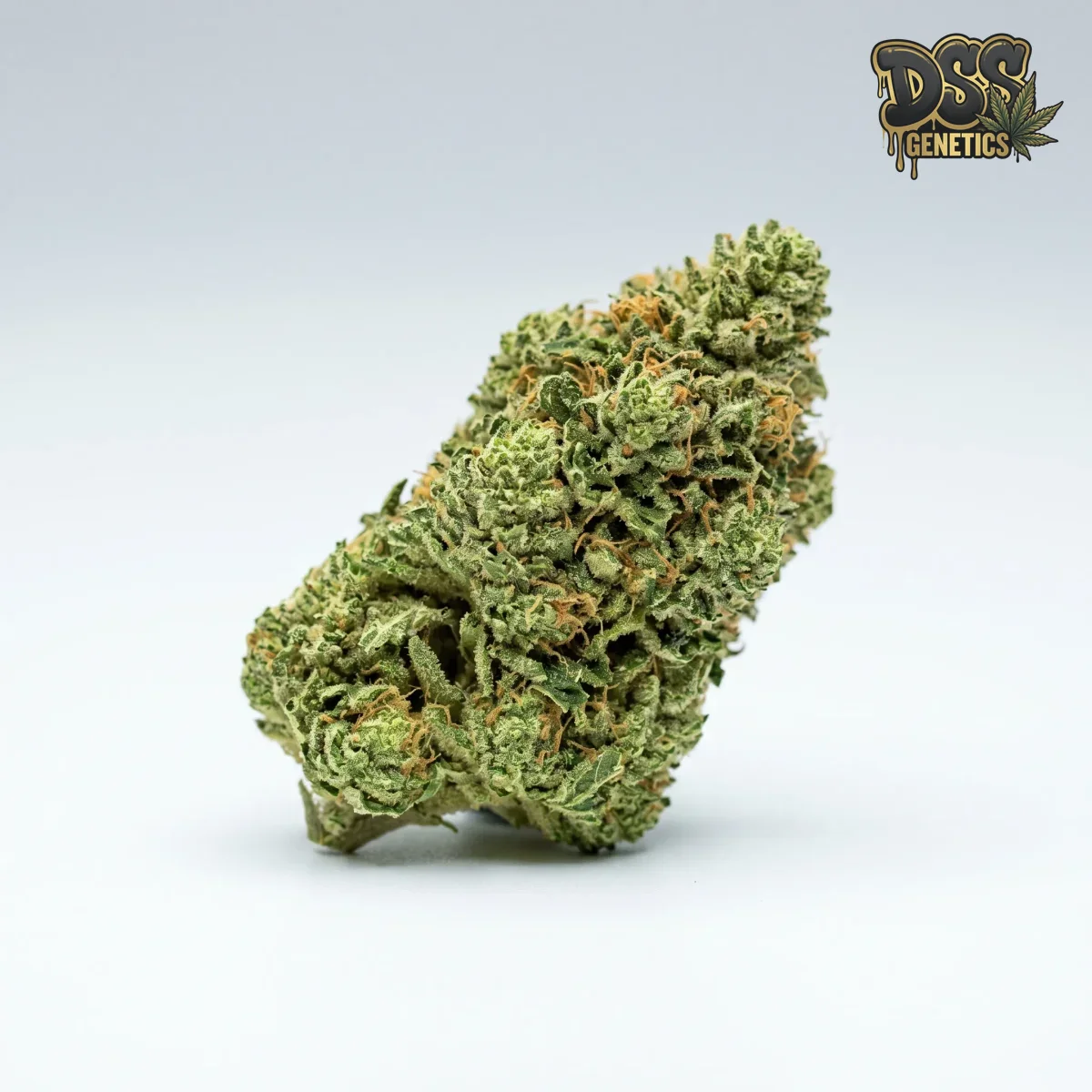
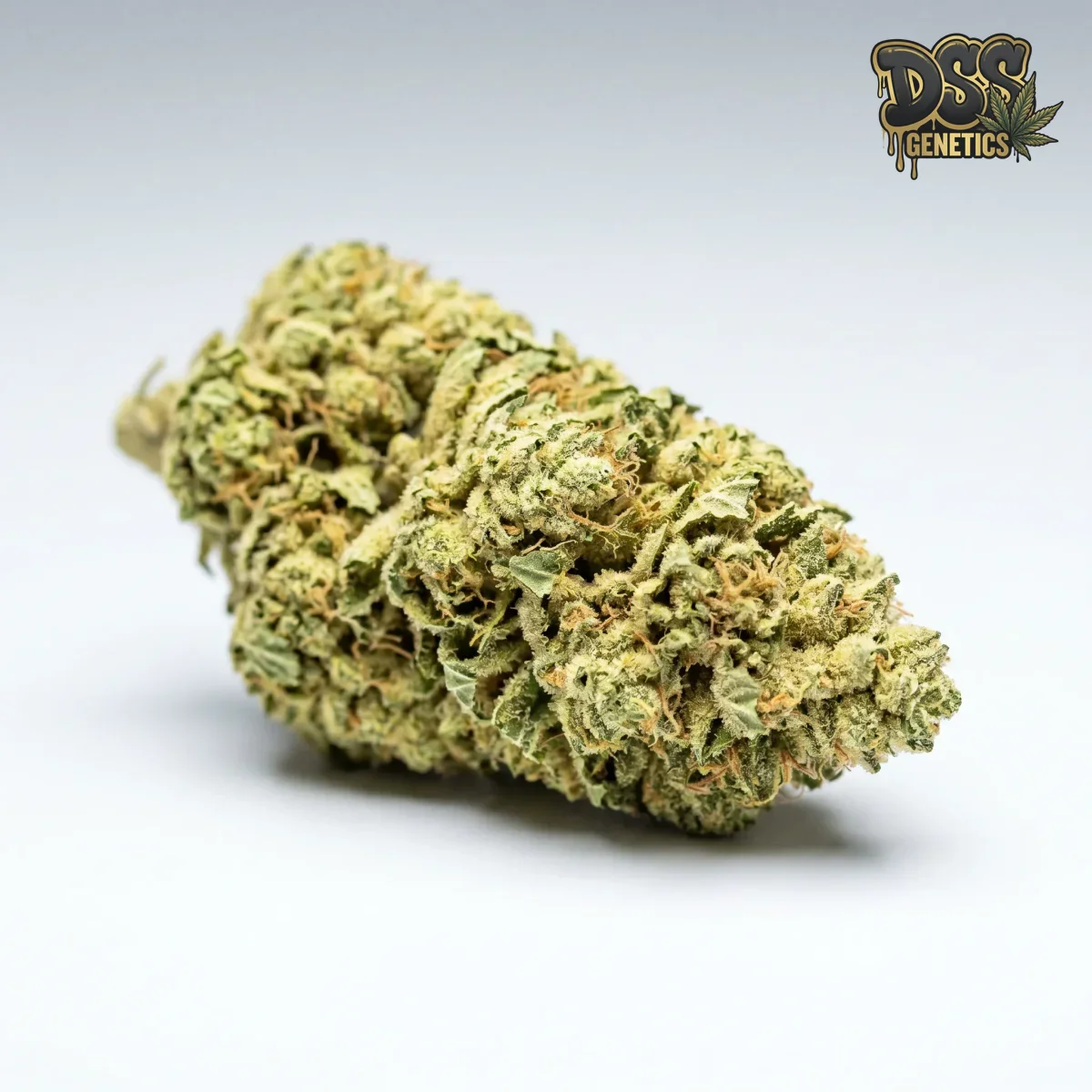
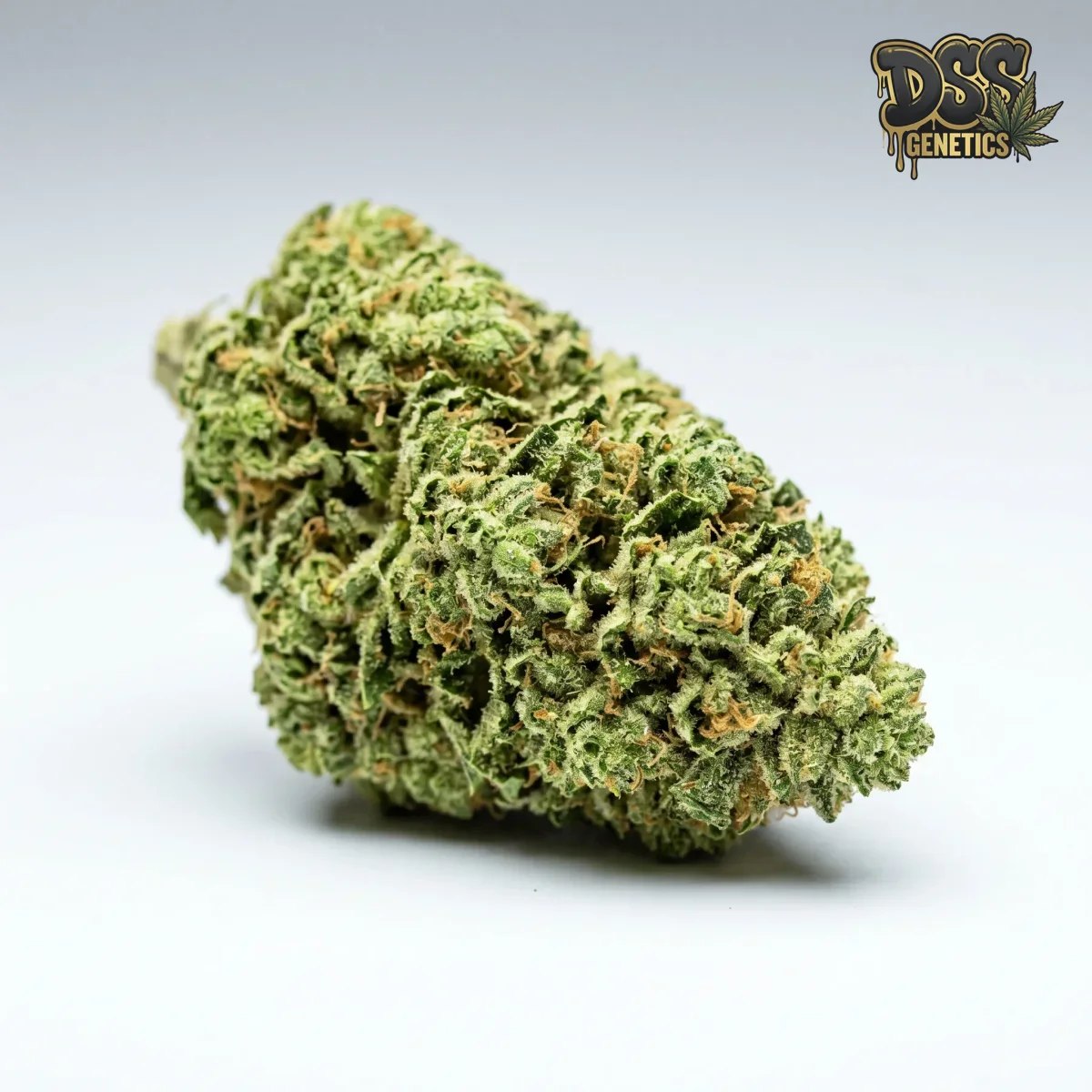
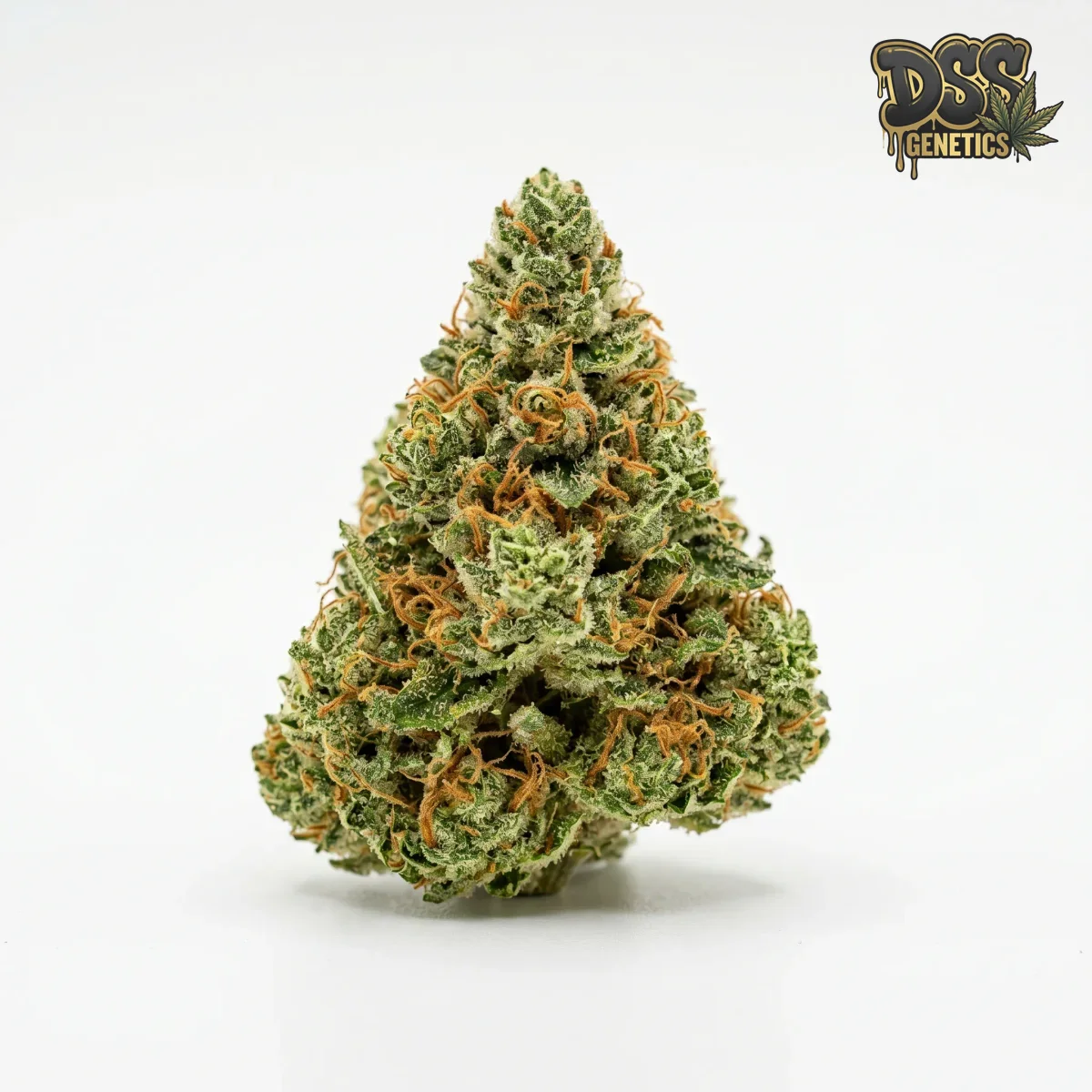
Harlequin is a landmark strain in the world of high-CBD cannabis — a 70% sativa-dominant hybrid built from four legendary landrace lineages: Colombian Gold, Nepalese, Thai, and Swiss landrace strains. That rare combination of four distinct genetic pillars gives Harlequin a complexity that single-cross hybrids simply can't replicate. With THC sitting at just 4–6% and CBD climbing to 8–10%, this strain flips the conventional potency script entirely, delivering a CBD-to-THC ratio that consistently runs 2:1 or higher.
What makes Harlequin genuinely exceptional is the clarity it produces — functional, sober-feeling relief without sedation or impairment. This is a strain built for daytime living, and it belongs in any serious high-CBD collection alongside the most therapeutic varieties available today. Whether you're growing for personal wellness or serving a medical patient community, Harlequin is one of the most important strains you can put in your garden.
Effects and Medical Benefits
Harlequin doesn't hit — it lifts. The onset is gentle and gradual, arriving within minutes as a soft brightness behind the eyes and a loosening of tension across the shoulders. There's no intoxicating wall, no cognitive fog. Instead, you get a smooth, clear-headed uplift that keeps you present and functional. The sativa genetics from Thai and Colombian Gold push the experience forward, while the indica contribution from the Nepalese lineage settles the body just enough to feel genuinely at ease.
What's remarkable is how consistent this experience is across different people and situations. Where high-THC strains can swing unpredictably, Harlequin's high-CBD chemistry acts as a natural buffer — smoothing the effects into something reliable and repeatable. Most users describe it as feeling like their best self: calm, capable, and quietly uplifted.
Users consistently report these effects:
- Calming without sedation — tension melts away while mental sharpness stays fully intact
- Euphoric clarity — a gentle mood lift that feels earned rather than chemically imposed
- Focused presence — tasks feel manageable, distractions fall away, and concentration deepens naturally
- Uplifting warmth — a physical and emotional sense of ease that doesn't tip into couch-lock
On the medical side, Harlequin is one of the most requested strains for:
- Stress — CBD's interaction with the endocannabinoid system down-regulates the stress response without blunting cognition
- Anxiety — the high CBD-to-THC ratio actively reduces anxiety rather than risking the THC-induced anxiety common in stronger strains
- Pain — particularly effective for mild-to-moderate chronic pain, inflammation-related discomfort, and muscular tension
- Depression — the uplifting sativa character combined with CBD's mood-stabilizing properties creates a genuinely functional antidepressant effect
The relationship between Harlequin's 4–6% THC and 8–10% CBD is a textbook example of the entourage effect at work. The small amount of THC present isn't enough to produce psychoactive impairment — but it appears to amplify CBD's therapeutic reach, particularly around pain modulation and anxiolytic activity. The terpene matrix layered on top of that cannabinoid foundation adds another dimension of therapeutic synergy that pure CBD isolates simply can't replicate.
Aroma, Flavor and Terpene Profile
Breaking open a dried Harlequin bud is one of those small sensory moments that sticks with you. The first wave is sweet and fruity — ripe mango and blueberry with a softness that almost smells edible. Then the diesel note arrives underneath it, not harsh or abrasive, but grounding. It anchors the sweetness and gives the whole profile something to lean against. By the time the earthy base comes through, you're holding something that smells genuinely layered and alive.
On the exhale, the flavor follows through with honesty. The smoke is smooth — a consequence of the moderate THC content — and what you taste is a soft fruit sweetness with herbal earthiness and just enough diesel sharpness to remind you this is cannabis, not dessert. The mango and blueberry notes linger after the exhale in a way that's surprisingly pleasant for a strain that isn't bred for recreational flavor above all else.
Four terpenes define this profile, and each one earns its place:
Terpinolene sits at the front of Harlequin's aromatic identity, bringing a fresh, multi-dimensional character that shifts between floral, herbaceous, and faintly citrusy depending on how you encounter it. Terpinolene is far less common as a primary terpene than myrcene or caryophyllene, which is part of what makes Harlequin's nose so distinctive. Research suggests terpinolene carries antioxidant and mild sedative properties, which complements CBD's calming effects without deepening sedation to the point of impairment.
Limonene pushes the bright, citrus-adjacent sweetness that threads through the mango and fruity notes. As one of the most mood-elevating terpenes in the cannabis genome, limonene's presence in Harlequin helps explain the strain's reliable uplifting quality. It's also been studied for its anxiolytic properties — a perfect pairing with a strain specifically grown for anxiety relief.
Pinene adds a clean, resinous sharpness beneath the sweetness — the kind of herbal freshness you associate with pine sap and open air. What makes pinene particularly valuable in a CBD-dominant strain is its documented ability to support bronchodilation and mental alertness. There's a reason Harlequin users report exceptional cognitive clarity: pinene is actively working to counteract any haziness that trace THC might introduce.
Ocimene rounds out the terpene picture with its soft, waxy sweetness and subtle tropical character. It's the terpene most responsible for the faint blueberry-candy note that appears on both the nose and the palate. Ocimene is relatively rare in cannabis, and its presence in Harlequin contributes meaningfully to the strain's unique aromatic fingerprint — one you won't mistake for any other variety.
Growing Harlequin Seeds
Harlequin is rated moderate difficulty, and that rating is honest. It's not a strain that punishes minor mistakes with catastrophic failures — but it does have specific preferences that reward attentive growers and frustrate those who ignore them. The sativa-dominant structure means you're working with a plant that wants to stretch, and managing that vertical energy is the central challenge of every Harlequin grow.
Indoor growers need to account for significant canopy stretch during the first two weeks of flowering. Plants that enter the flip at 18–24 inches can easily reach 36–48 inches before stretch slows. That's manageable — but it has to be planned for. Topping or LST during the vegetative stage is not optional; it's the difference between a productive canopy and a tangled mess that blocks its own light.
Outdoors, Harlequin thrives in warm, Mediterranean-style climates with long summers and low late-season humidity. The Thai and Colombian Gold genetics have made this plant genuinely heat-tolerant, but they've also left it vulnerable to mold in cool, wet autumns. If your region sees early fall rains, plan your grow timeline so harvest lands before the weather turns.
Temperature management indoors should target 72–80°F during the vegetative stage and 68–76°F during flowering. Overnight drops of 5–8°F are acceptable and can actually enhance terpene density in the final weeks. Relative humidity should stay at 50–60% through veg and drop to 40–50% once flowering begins in earnest. Dropping below 45% RH in the final two weeks before harvest stresses the plant in a productive way — it pushes resin production and terpene concentration in the buds.
Harlequin is not a heavy feeder compared to high-THC commercial strains, and overfeeding is one of the most common grower mistakes with this variety. Nutrient burn shows up quickly and sets the plant back in ways that take weeks to recover from. During vegetative growth, moderate nitrogen with conservative phosphorus and potassium works well. At the flip into flower, begin transitioning toward a bloom formula — but gently. By weeks 4–5 of flowering, a standard bloom nutrient profile with reduced nitrogen is appropriate. The final 10–14 days should be a clean flush with pH-balanced water.
The moderate THC content in Harlequin means trichome development looks different than it does on high-THC strains. Don't expect the same thick resin coating you'd see on a 25%+ THC variety. Instead, watch the pistils and the subtle shift in bud density. Trichomes will be present and they will cloud — but judging harvest timing by color alone on this strain can mislead you. Combine trichome observation with pistil color (70–80% orange/red) and overall bud swell for the most accurate harvest window assessment.
Key growing tips for Harlequin:
- Manage the stretch early: Apply low-stress training or topping before the flip to control height and open up the canopy for even light penetration
- Don't overfeed: Follow the nutrient guide conservatively — Harlequin is more sensitive to salt buildup than high-THC strains, and a mid-cycle flush may be necessary if leaves show tip burn
- Humidity is critical: Drop RH to 40–45% in the final two weeks of flowering to protect the buds and stimulate resin production
- Outdoor timing matters: Follow the outdoor growing guide and time your harvest before early fall rains — the Colombian Gold and Thai genetics give heat tolerance but not mold resistance
- Indoor light intensity: Harlequin's sativa structure means lower canopy leaves get shaded fast — defoliate selectively during flower and consider a vertical lighting setup or supplemental side lighting for indoor grows
Yield and Flowering Time
Harlequin finishes flowering in 56–63 days — a window of 8 to 9 weeks that rewards patient growers who let the plant fully mature before chopping. Rushing harvest costs you CBD density. The cannabinoid profile hasn't fully expressed until the plant is genuinely done, and harvesting even a week early can meaningfully reduce the therapeutic potency of the finished flower.
Indoor yields land at 1.5–1.8 oz/ft², which is respectable for a strain with this cannabinoid profile. Outdoor plants in a warm, full-season climate produce 20–25 oz per plant — exceptional numbers for a CBD-dominant variety. For growers specifically building a high-CBD garden, those outdoor yields make Harlequin one of the most productive options available.
To maximize your harvest:
- Watch trichomes and pistils together: Target 70–80% cloudy trichomes with no more than 5–10% amber, combined with 75–80% orange pistils — on a CBD strain, excess amber signals CBD degradation into CBN, not a potency peak
- Final-week humidity drop: Bring RH down to 40–45% in the last 10–14 days to stimulate late resin production and protect dense buds from mold
- Flush thoroughly: Two full weeks of clean water before harvest clears residual salts and allows the plant to consume stored nutrients, which improves the smoothness of the final smoke
- Dry and cure with care: Slow dry for 10–14 days at 60–65°F and 55–60% RH, then cure in sealed glass jars for a minimum of 4 weeks — Harlequin's terpene profile deepens considerably with a proper cure, and the mango-blueberry character becomes far more pronounced after 6+ weeks in the jar
Why Buy Harlequin Seeds from DSS Genetics?
Every Harlequin seed comes backed by our full germination guarantee — if it doesn't sprout under standard germination conditions, we replace it without hassle. Orders ship discreetly in discreet, unmarked packaging that gives no indication of the contents. We store all seeds under climate-controlled conditions to preserve viability from the moment of packaging to the moment they reach your hands.
- Germination guaranteed — every seed is covered, and we stand fully behind that promise
- Discreet shipping — plain, unmarked packaging on every order
- Spend $100+ — receive complimentary premium seeds added to your order automatically
- Seed viability protected — climate-controlled storage and careful handling from warehouse to your door
Frequently Asked Questions
Will Harlequin get me high?
Not in the traditional sense. With only 4–6% THC against 8–10% CBD, Harlequin produces little to no intoxicating effect for most users. The CBD actively modulates the THC, which is why so many people describe the experience as clear-headed and functional rather than impaired. If you're sensitive to THC or specifically seeking a non-intoxicating option, Harlequin is one of the most reliable choices in any high-CBD strain catalog. First-time users should still start with a modest amount to understand their personal response.
Is Harlequin difficult to grow indoors?
Harlequin is rated moderate difficulty, primarily because of its sativa-dominant stretch and specific humidity requirements during flowering. It's not the right choice for a first-ever grow — but intermediate growers who've completed a cycle or two will find it very manageable. The most important skills are canopy management using training techniques and dialing in your indoor environment to keep humidity in the 40–50% range once flowering begins. Follow those two priorities and Harlequin rewards you well.
What conditions is Harlequin best suited for medically?
Harlequin is most frequently used for stress, anxiety, and chronic pain. Its high-CBD, low-THC ratio makes it one of the only strains that addresses anxiety without the risk of THC-induced anxiety exacerbation — a real problem with higher-potency strains. The sativa uplift makes it particularly useful for daytime depression management where sedation
Medical Disclaimer: This information is for educational purposes only and should not be considered medical advice. Always consult a healthcare professional before using cannabis for medical purposes. Individual results may vary.
Frequently Asked Questions
Harlequin — Common Questions Answered
What is Harlequin?
Harlequin is a sativa-dominant cannabis strain (70% Sativa / 30% Indica) bred from Colombian Gold x Nepalese x Thai x Swiss Landrace strains. It produces THC levels of 4–6% and CBD levels of 8–10%. Known for its relaxing, euphoric, uplifting effects and sweet, earthy, blueberry flavor profile.
Is Harlequin easy to grow?
Harlequin is moderately challenging to grow. Beginners can succeed with some research, but it benefits from basic knowledge of pH management and nutrient schedules. Growing difficulty: Moderate. It thrives in temperate climates and reaches a medium plant size.
How long does Harlequin take to flower?
Harlequin has a flowering time of 56–63 days. Switch to a 12/12 light cycle to initiate flowering. Expected yields are 1.5 to 1.8 oz/ft² indoors and 20 to 25 oz/plant outdoors.
What are the effects of Harlequin?
Harlequin delivers relaxing, euphoric, uplifting, focused, calming effects. Many growers report it helps with stress, anxiety, pain. With THC levels of 4–6%, it offers a mild, manageable experience suitable for all tolerance levels.
What does Harlequin smell and taste like?
Harlequin's dominant terpenes are Terpinolene, Limonene, Pinene, Ocimene, which give it a sweet, earthy, blueberry, diesel, fruity, mango flavor and aroma profile. Limonene adds citrusy brightness and may elevate mood.
Can I grow Harlequin indoors and outdoors?
Yes, Harlequin performs well both indoors and outdoors. Indoor yields average 1.5 to 1.8 oz/ft², while outdoor grows can produce 20 to 25 oz/plant. It prefers temperate conditions. Its medium height is manageable in most indoor setups.
What does "feminized" mean for Harlequin seeds?
Feminized Harlequin seeds are bred to produce only female plants, which are the ones that develop smokable buds. This eliminates the need to identify and remove male plants, saving time and maximizing your grow space. Over 99% of feminized seeds will produce female plants.
Grower Reviews
Real grow experiences from our community
Get 10% Off Your First Order
Join our newsletter for exclusive deals, growing tips, and new strain drops.