Medical Disclaimer: This information is for educational purposes only and should not be considered medical advice. Always consult a healthcare professional before using cannabis for medical purposes. Individual results may vary.

Key Terpenes for Depression Relief
Elevates serotonin and dopamine — the primary antidepressant terpene with rapid onset
Mental clarity and alertness — counteracts THC cognitive fog, supports focus
Uplifting, creative stimulation — combats the flatness of depression
Anti-neuroinflammatory — addresses the inflammation component of depression
Dosing Guidance
For depression, strain timing matters as much as dose. Use sativa-dominant strains with Limonene in the morning (2.5-5mg THC for activation), balanced hybrids midday for sustained mood, and indica hybrids in the evening for relaxation and sleep. Start low — depression can make you more sensitive to THC side effects. If you are on antidepressant medication, consult your doctor before adding cannabis.
How We Selected These Strains
Every strain below has been selected for mood-elevating properties. Selection criteria: (1) Depression listed in its medical use profile, (2) terpene profile includes Limonene (serotonin/dopamine elevation) or uplifting terpenes, and (3) a balanced cannabinoid profile that supports mood without excessive sedation. Sorted by THC content.
24 Recommended Strains for Depression
Sorted by THC content (highest first). If you are new to cannabis, start from the bottom.
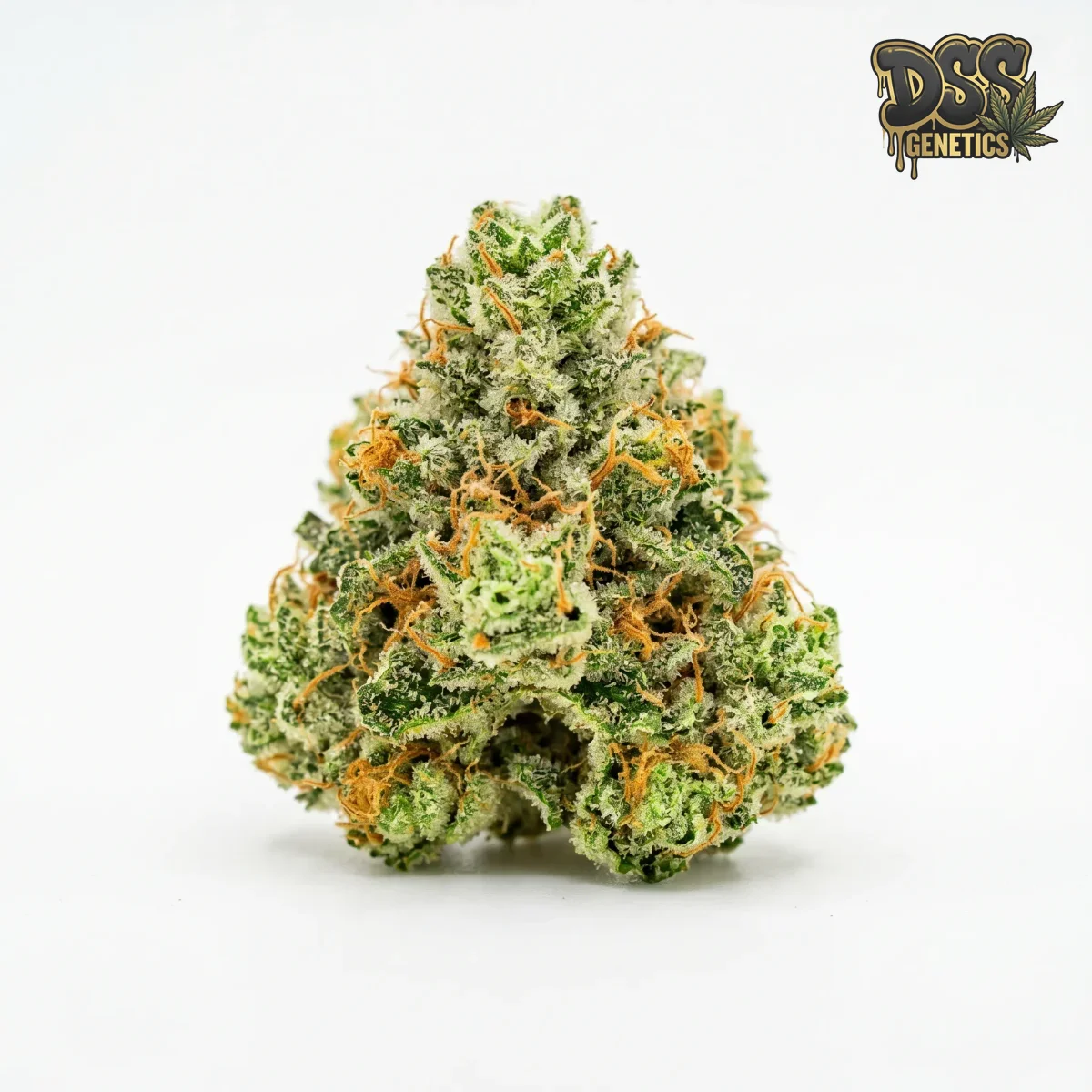 #1
#1Quantum Kush Feminized Seeds
THC 25–30% · 75% Sativa / 25% Indica
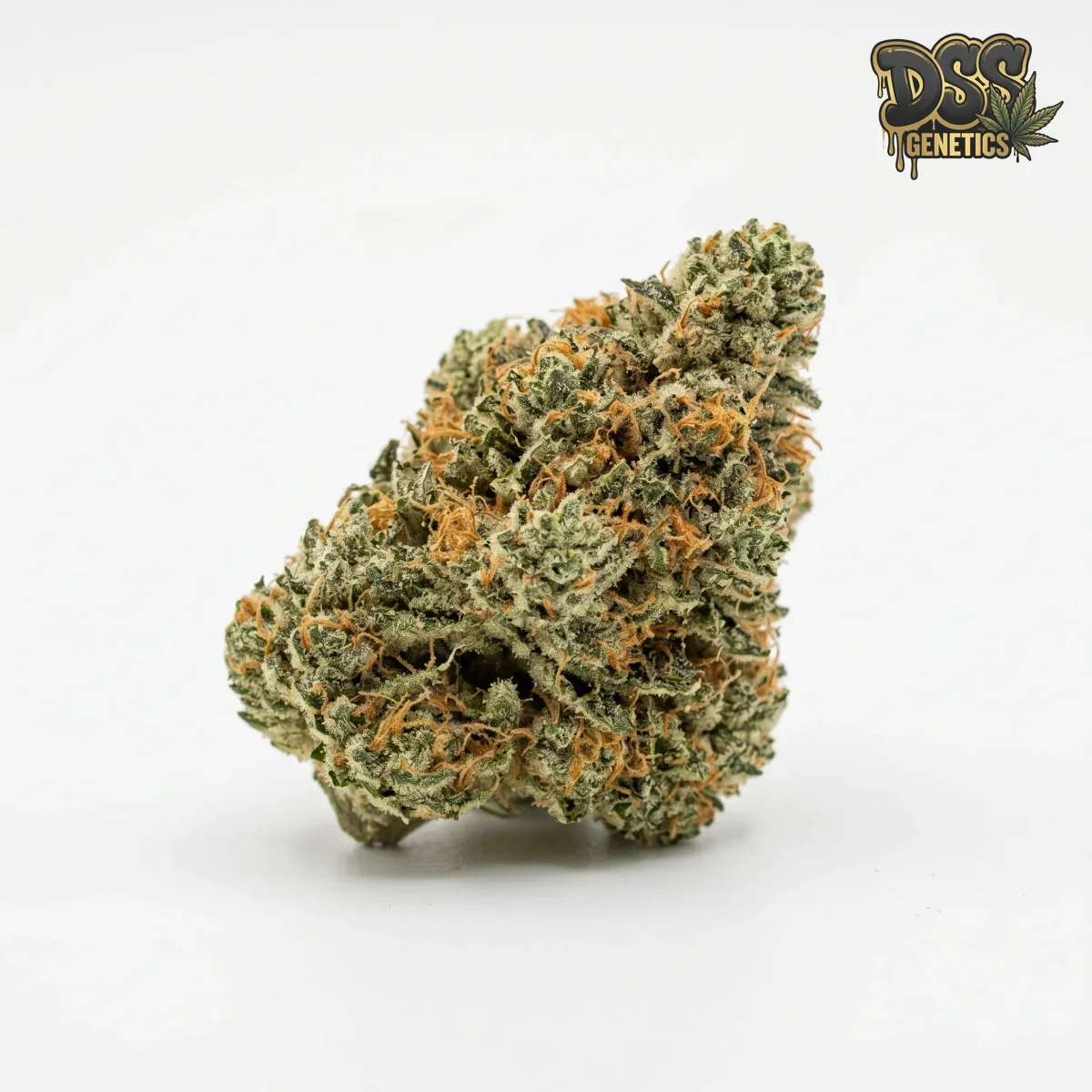 #2
#2Borderliner XTRM Feminized Seeds
THC 20–30% · 50% Sativa / 50% Indica
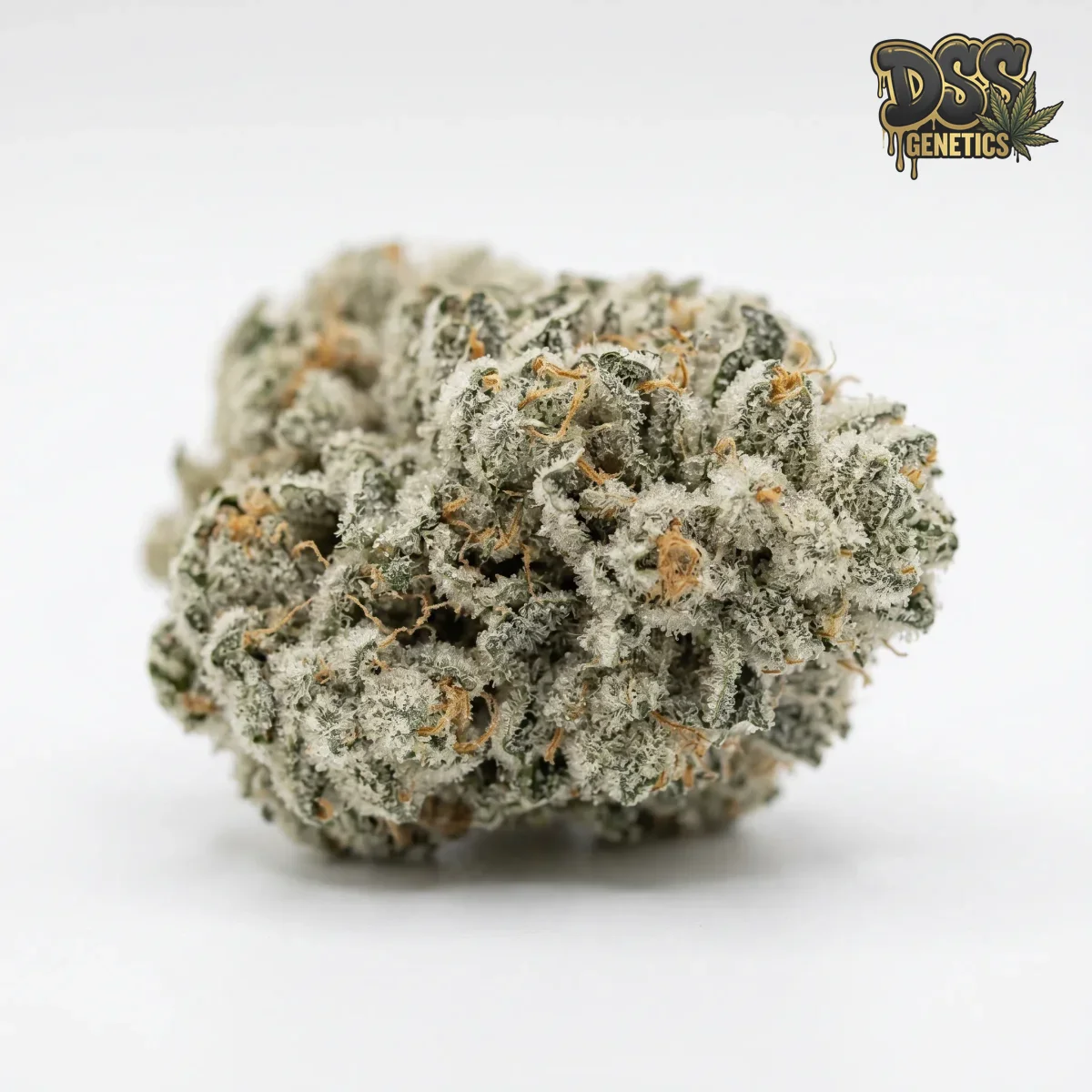 #3
#3White Widow XTRM Feminized Seeds
THC 20–30% · 60% Indica / 40% Sativa
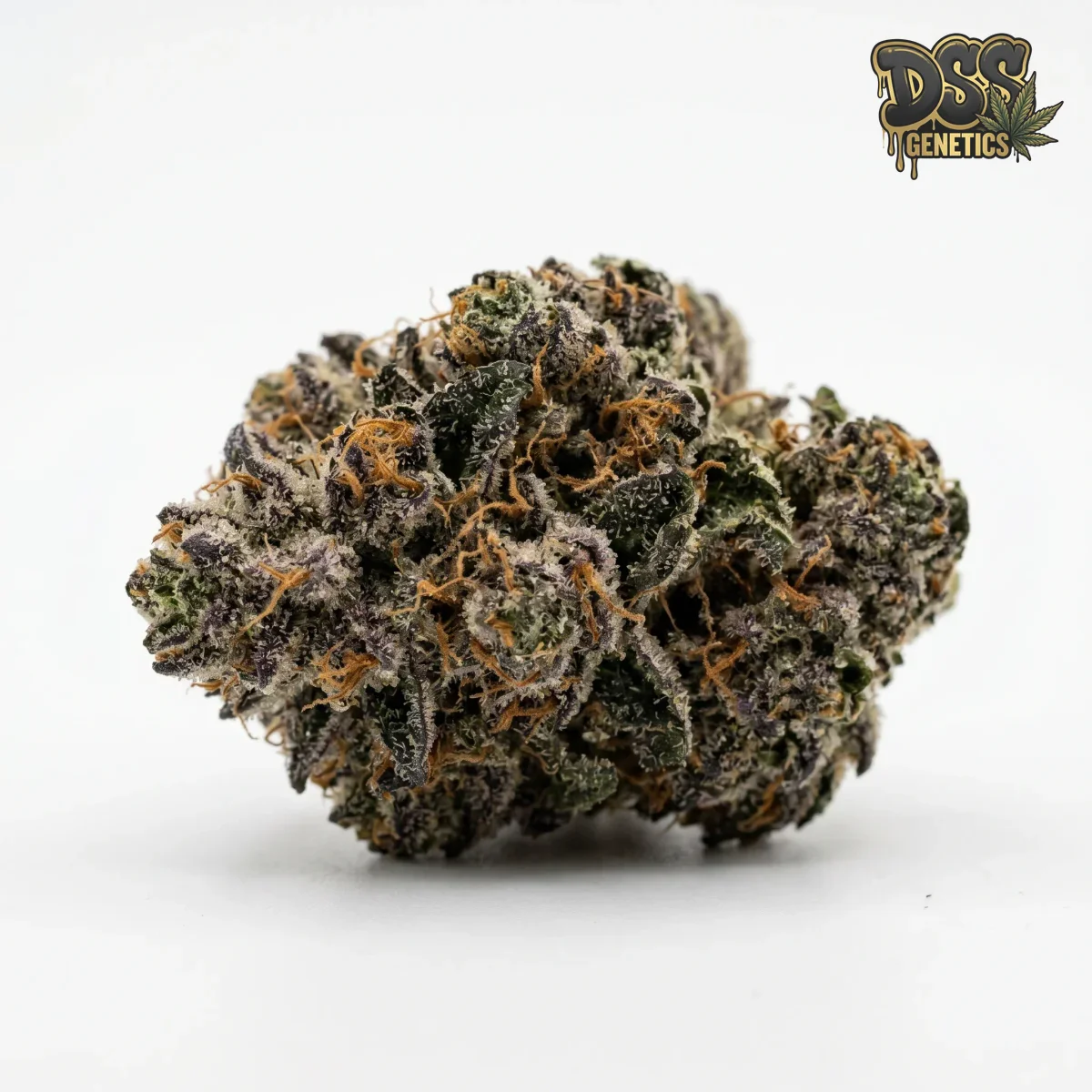 #4
#4Do Si Dos Feminized Seeds
THC 26–30% · 65% Indica / 35% Sativa
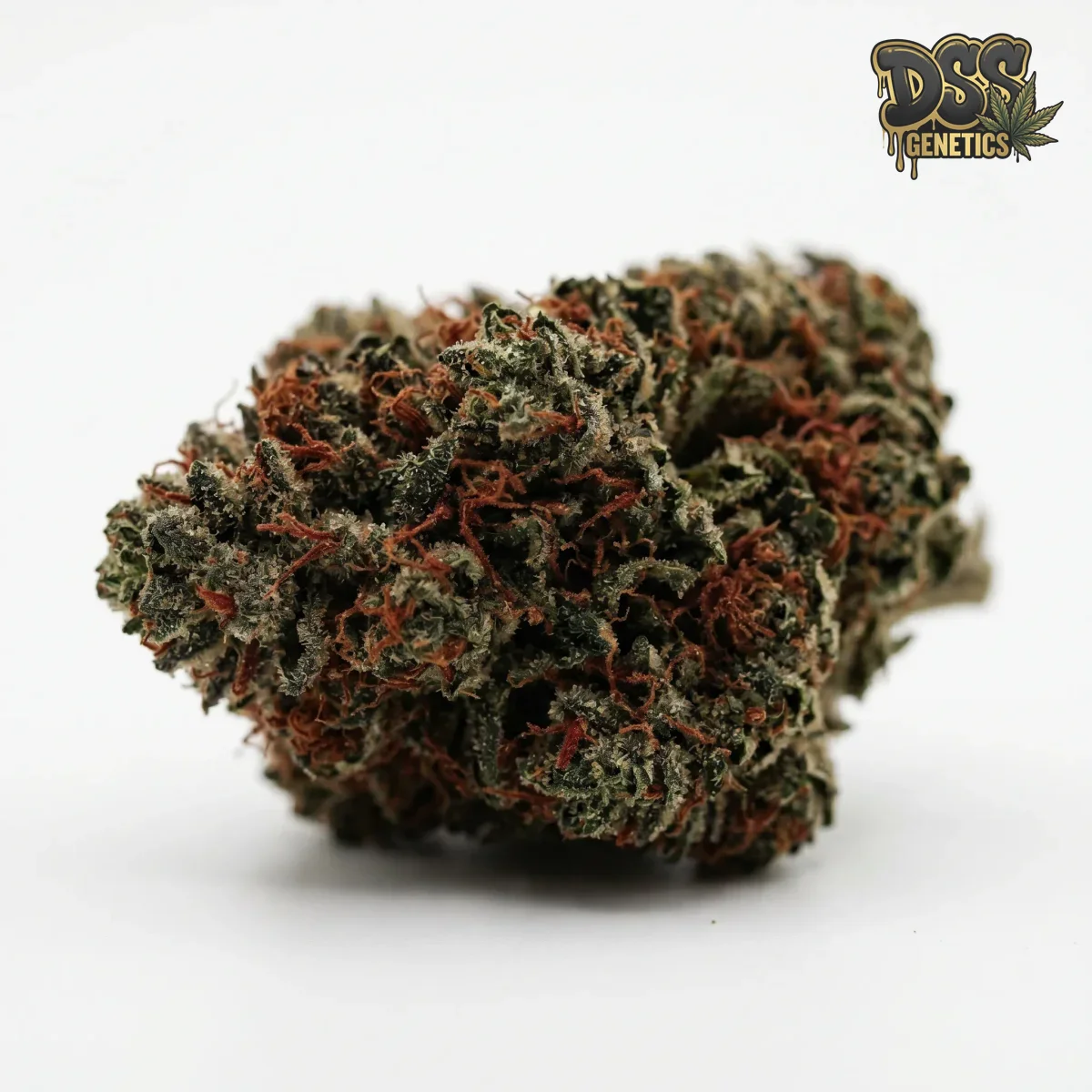 #5
#5Hellfire OG Feminized Seeds
THC 25–30% · 50% Sativa / 50% Indica
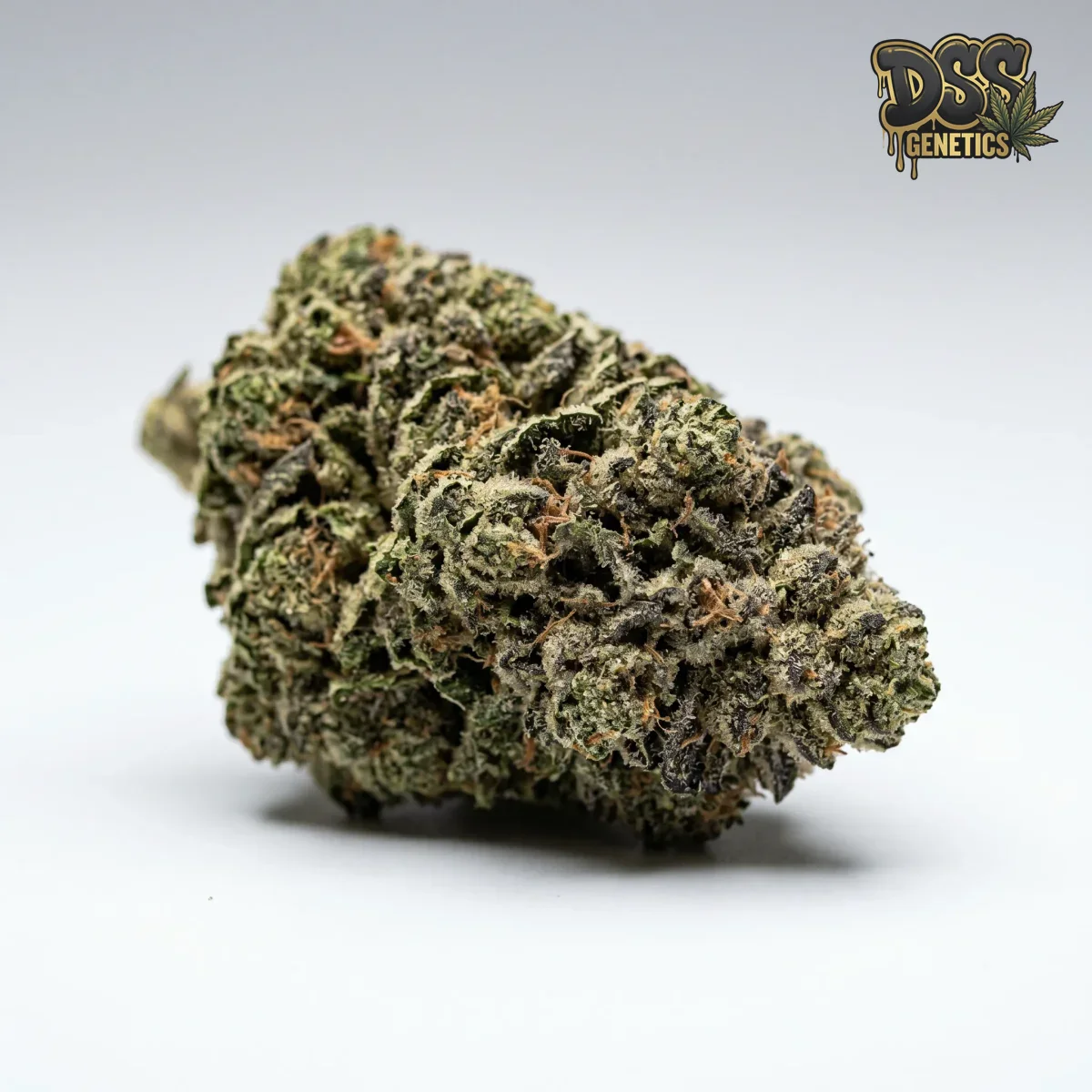 #6
#6Gorilla Glue Feminized Seeds
THC 26–28% · 50% Sativa / 50% Indica
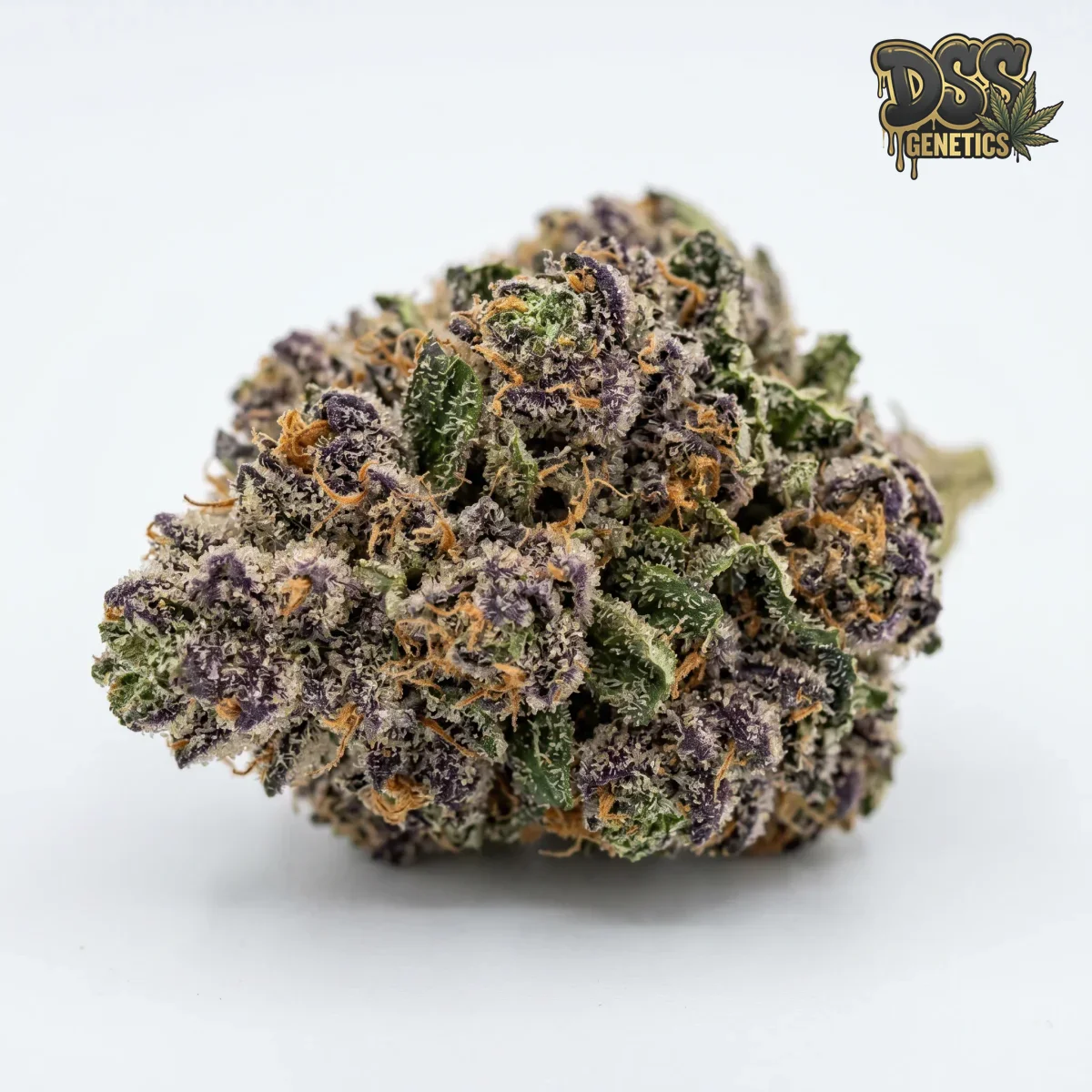 #7
#7Grandaddy X Bruce Banner Feminized Seeds
THC 24–28% · 80% Indica / 20% Sativa
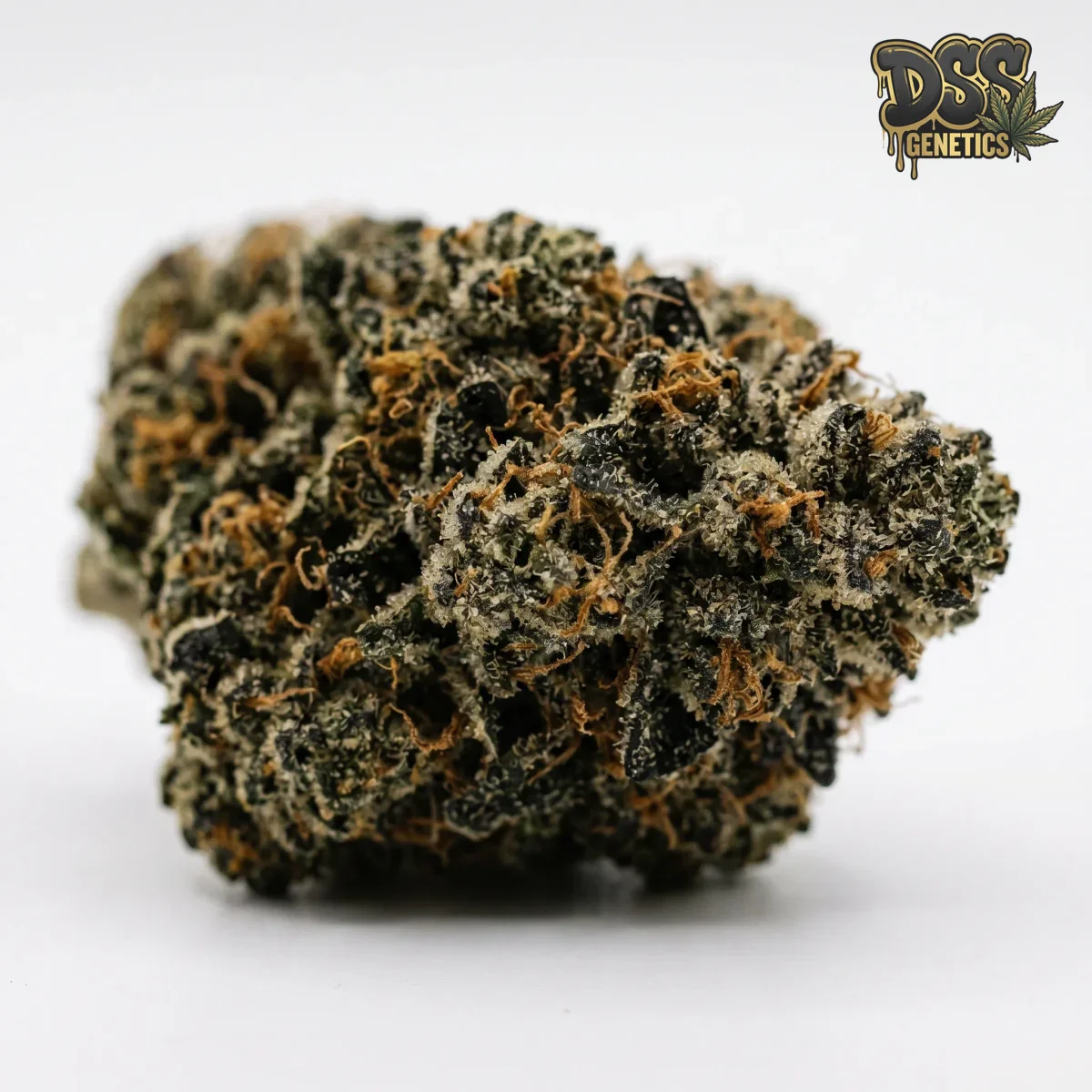 #8
#8Godfather OG Feminized Seeds
THC 22–28% · 60% Indica / 40% Sativa
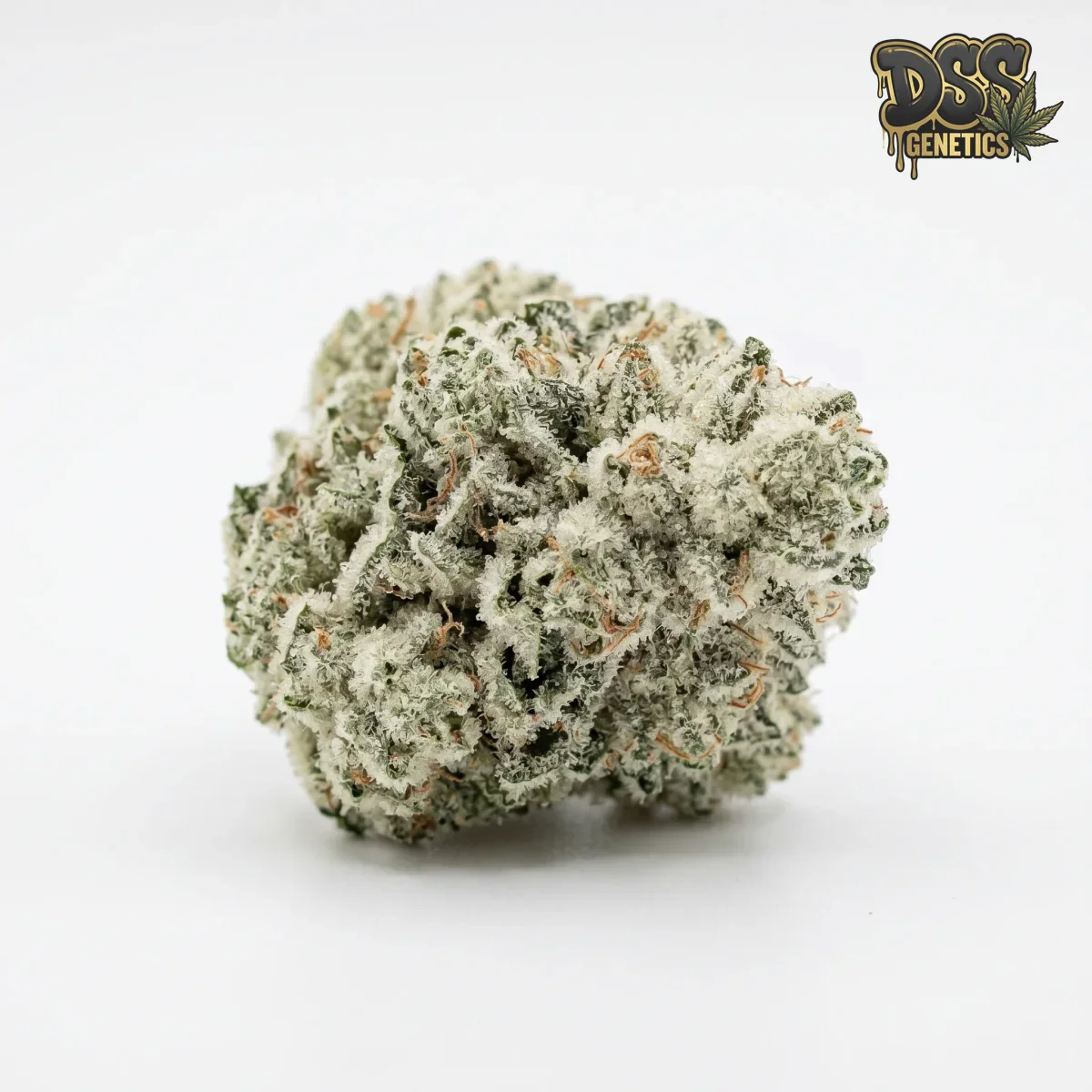 #9
#9Miracle Alien Cookies Feminized Seeds
THC 24–28% · 50% Sativa / 50% Indica
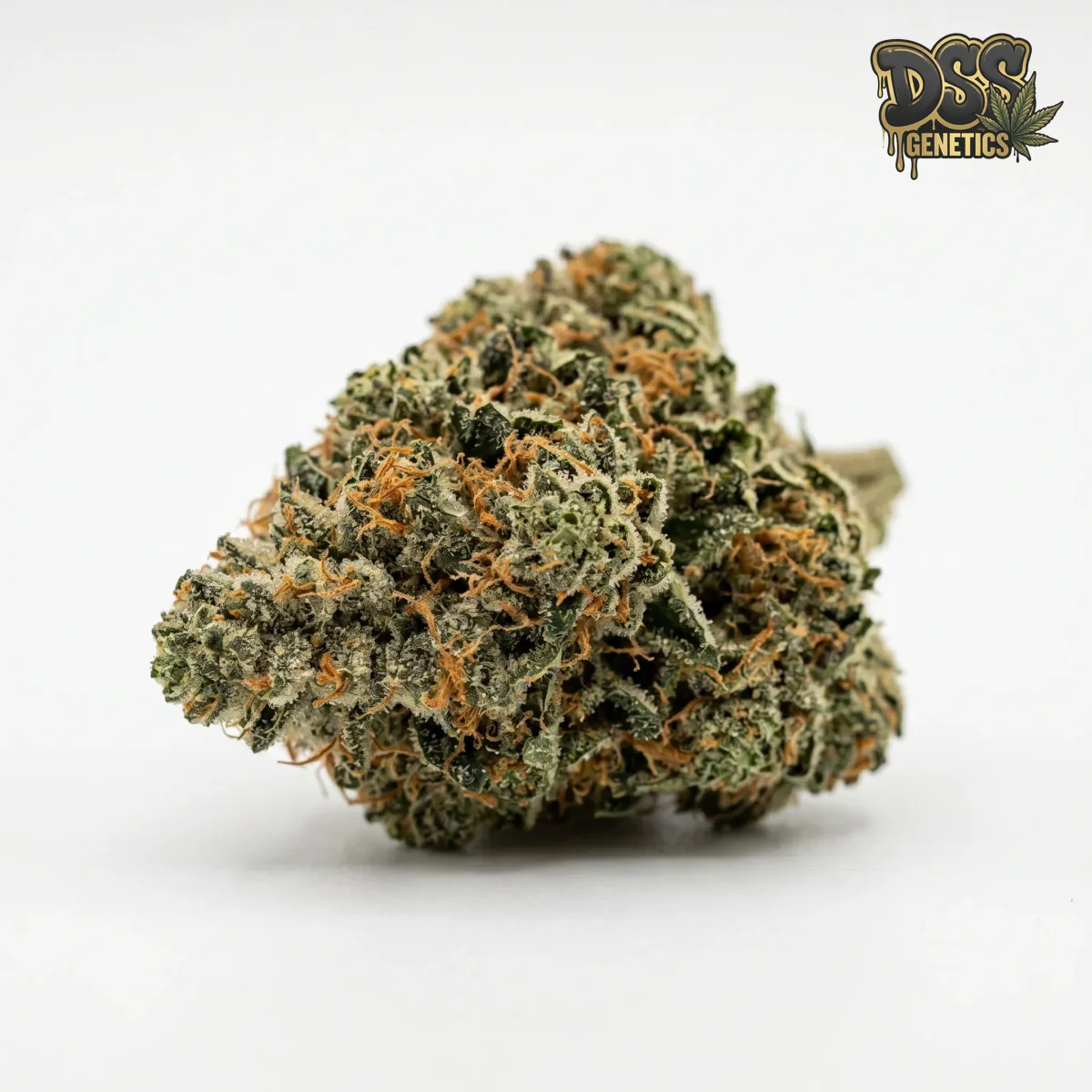 #10
#10Alien OG Feminized Seeds
THC 22–28% · 60% Indica / 40% Sativa
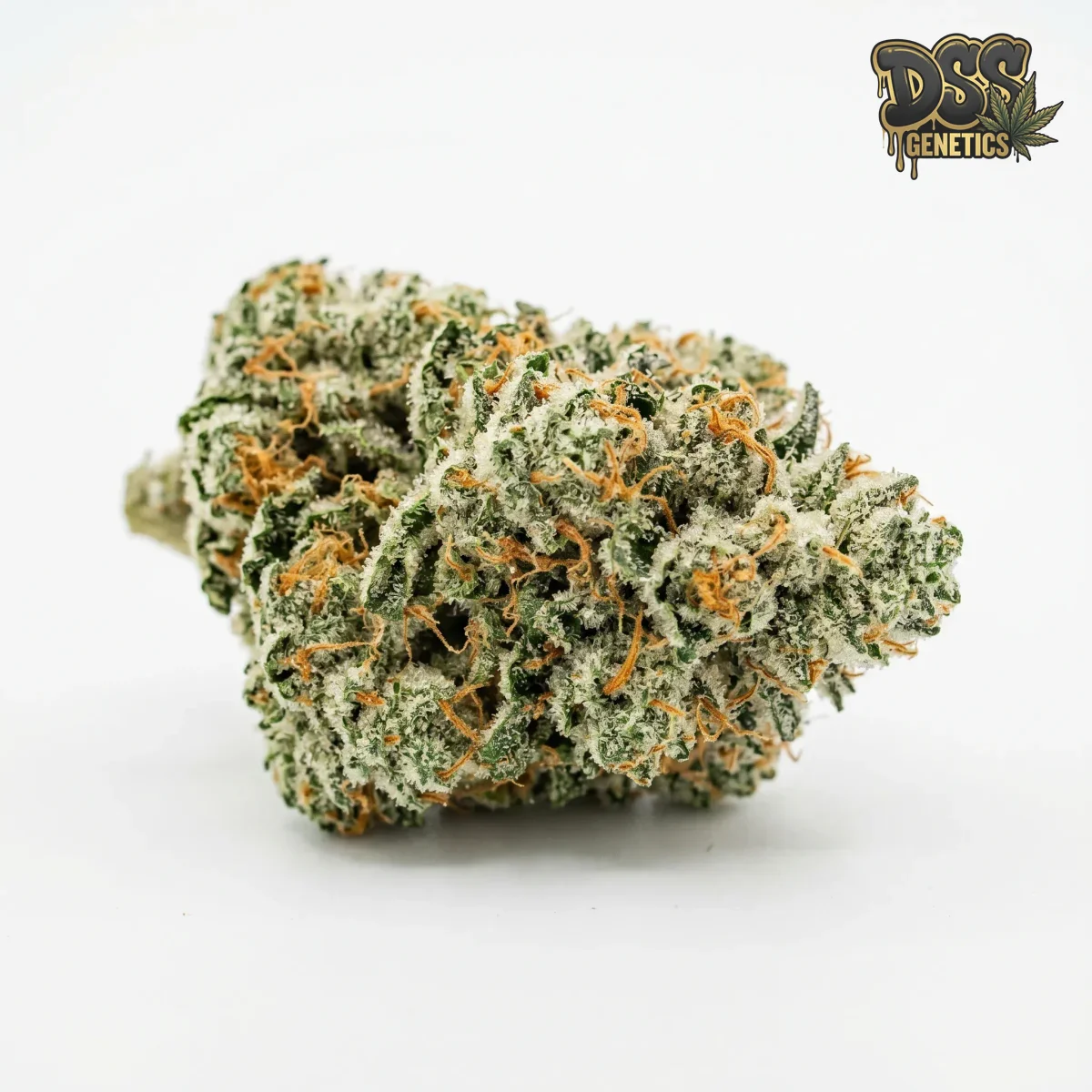 #11
#11White Fire OG Feminized Seeds
THC 24–28% · 60% Indica / 40% Sativa
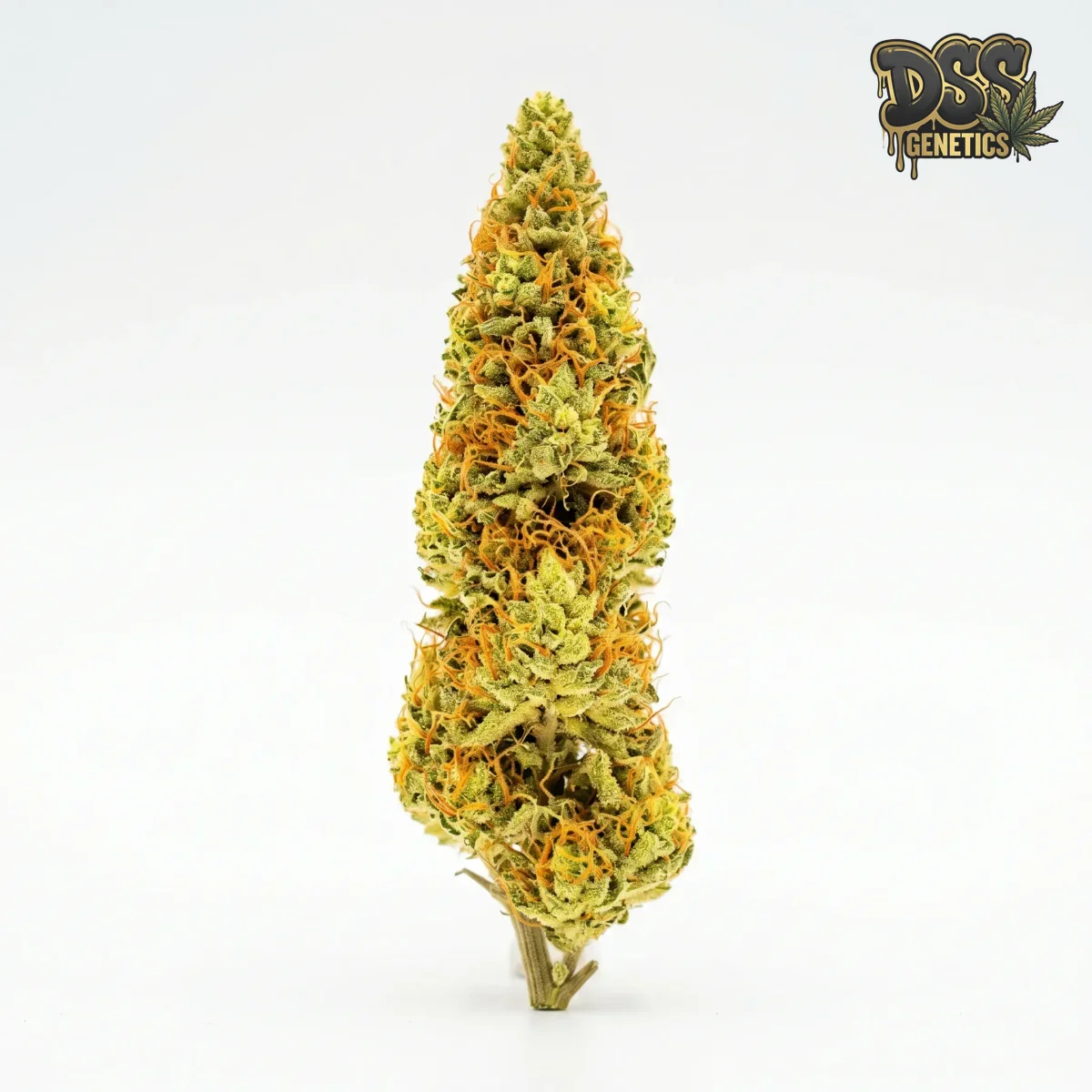 #12
#12Amnesia Trance Feminized Seeds
THC 22–27% · 65% Sativa / 35% Indica
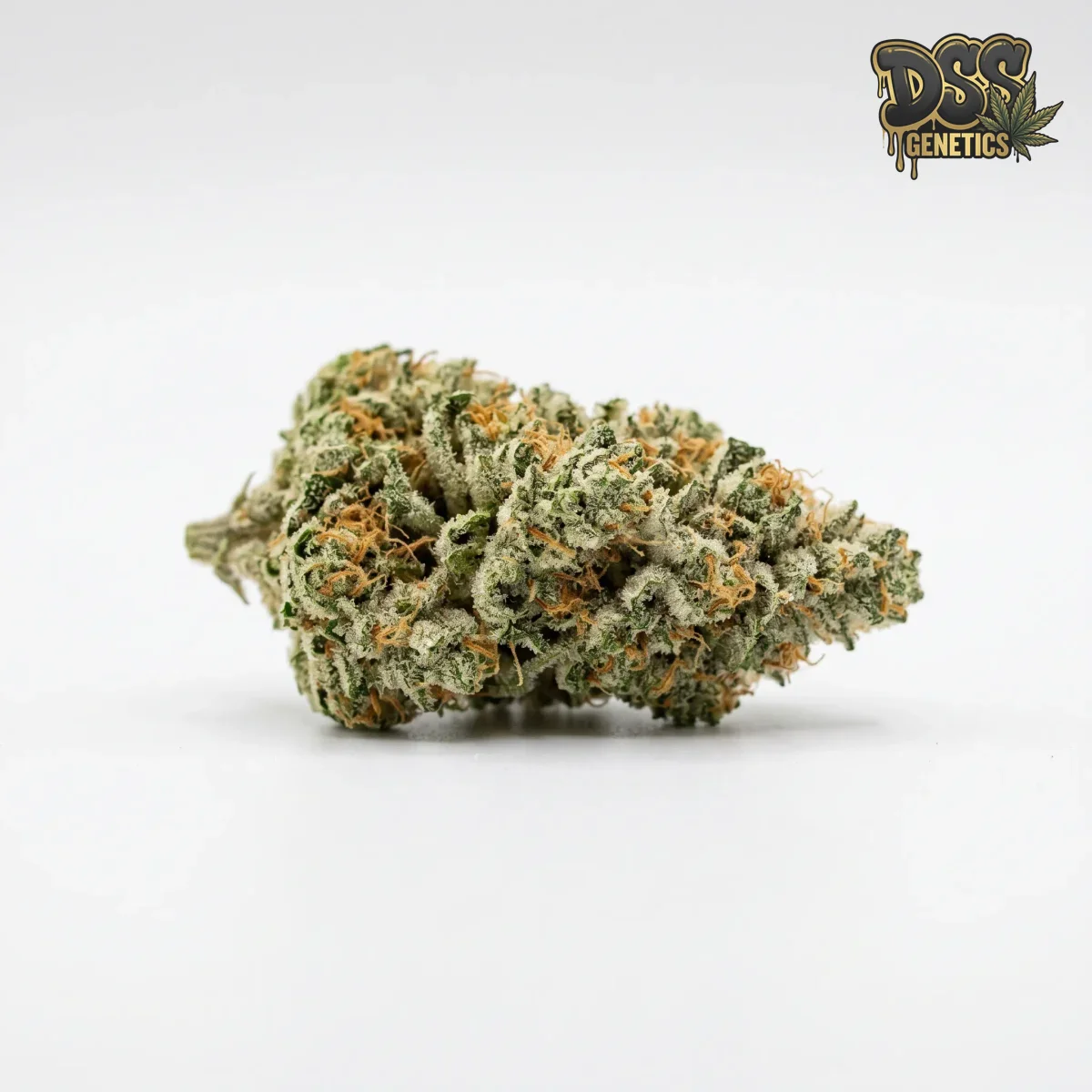 #13
#13Moby Dick Feminized Seeds
THC 24–27% · 75% Sativa / 25% Indica
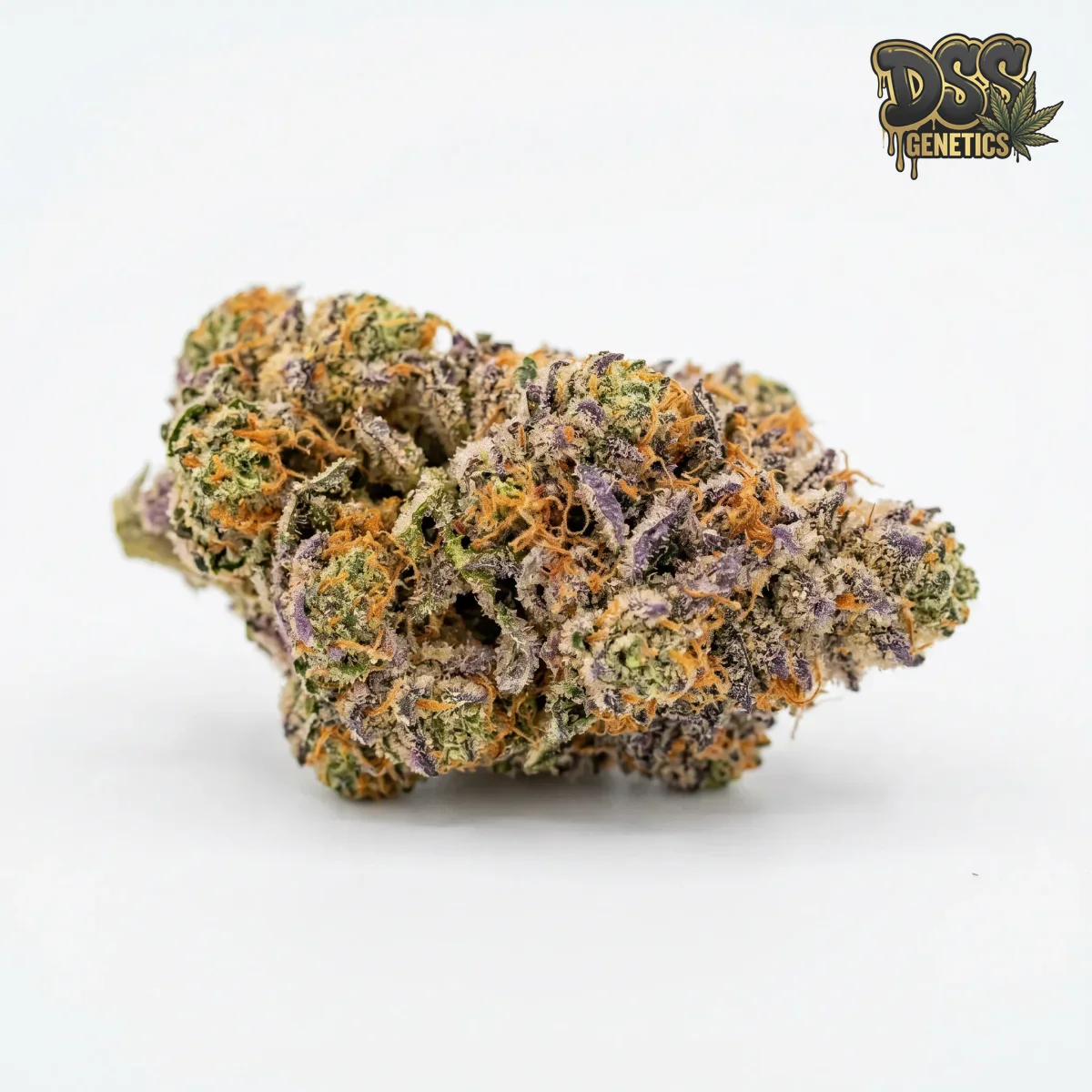 #14
#14Mimosa Feminized Seeds
THC 22–27% · 70% Sativa / 30% Indica
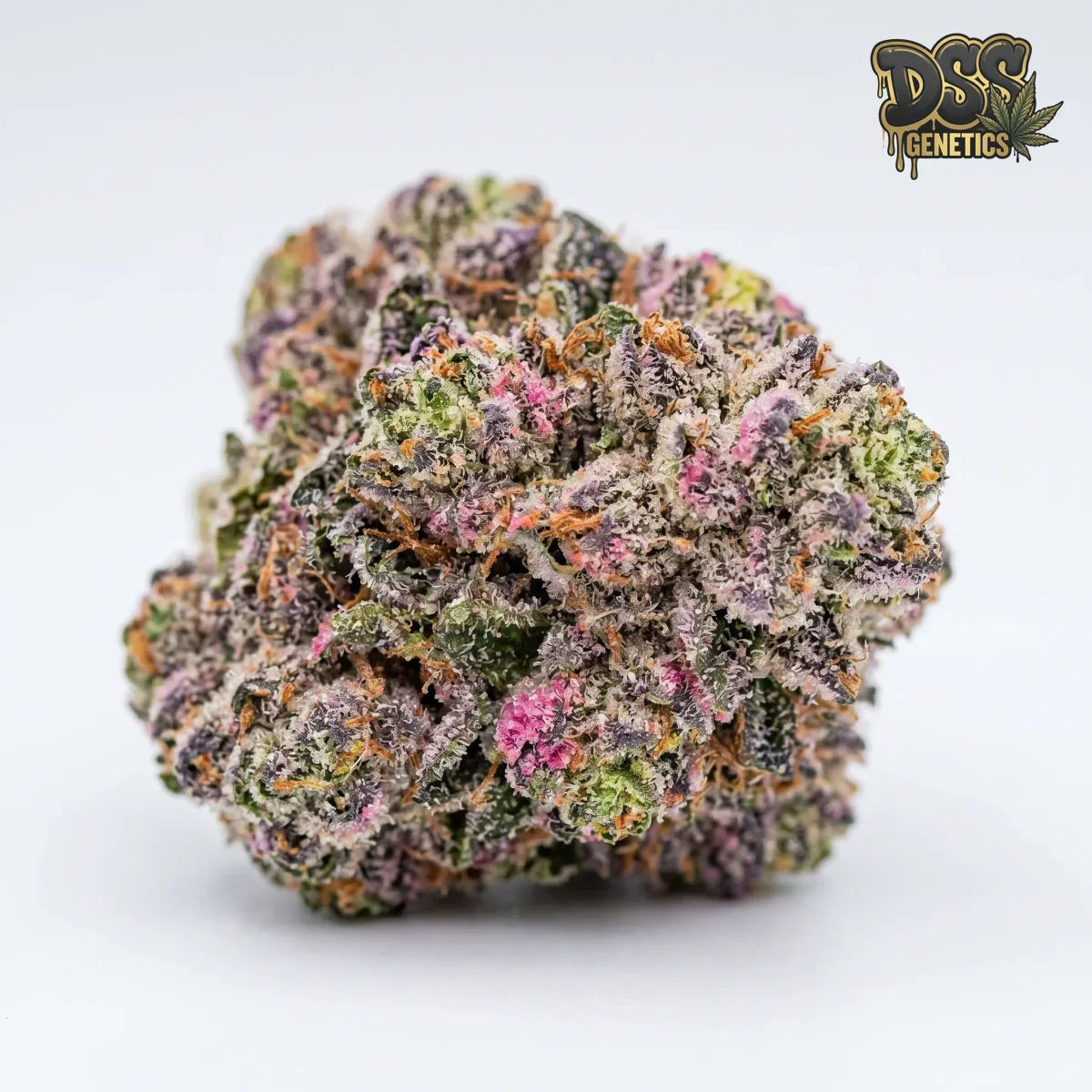 #15
#15Runtz Feminized Seeds
THC 20–27% · 50% Sativa / 50% Indica
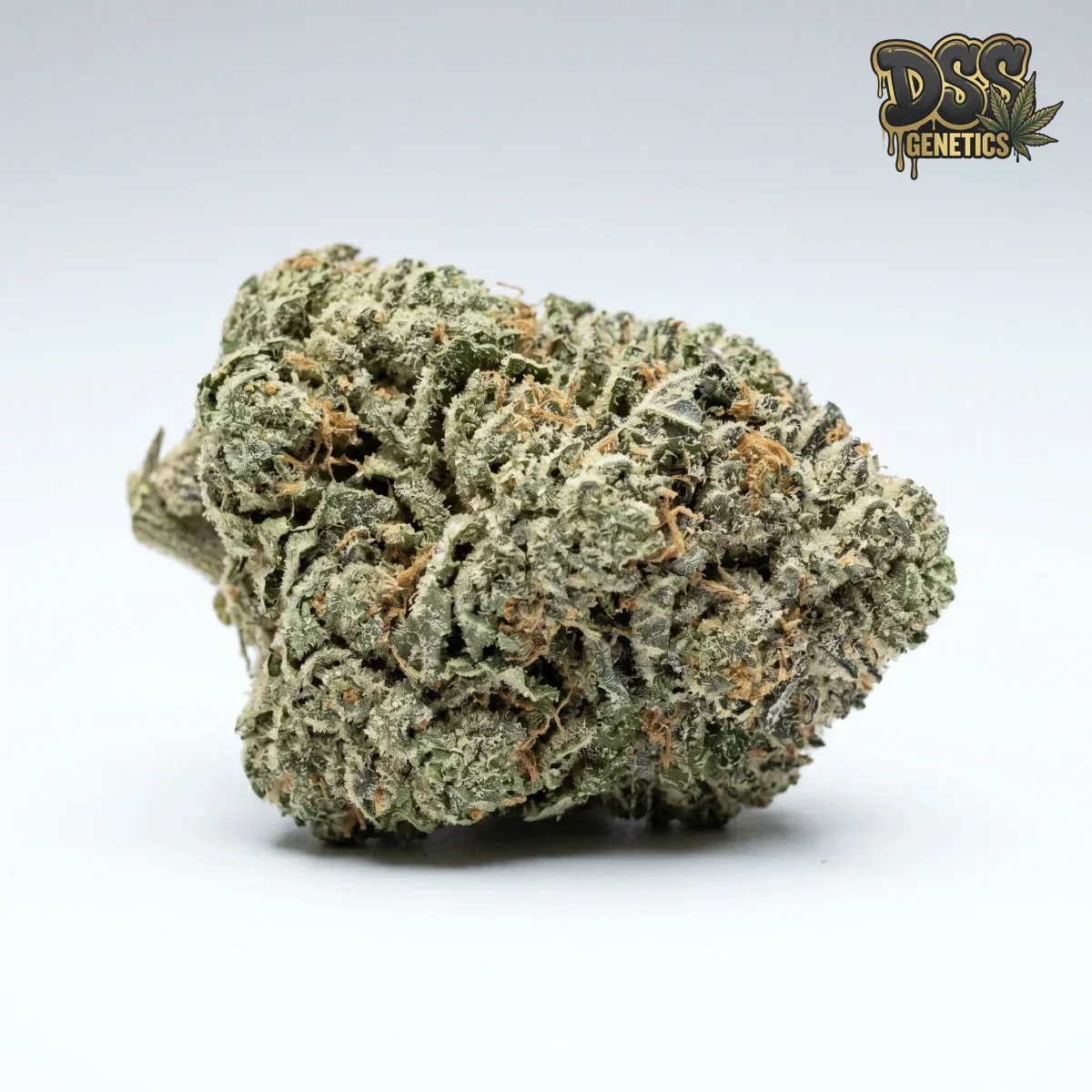 #16
#16OG Kush Feminized Seeds
THC 19–26% · 75% Indica / 25% Sativa
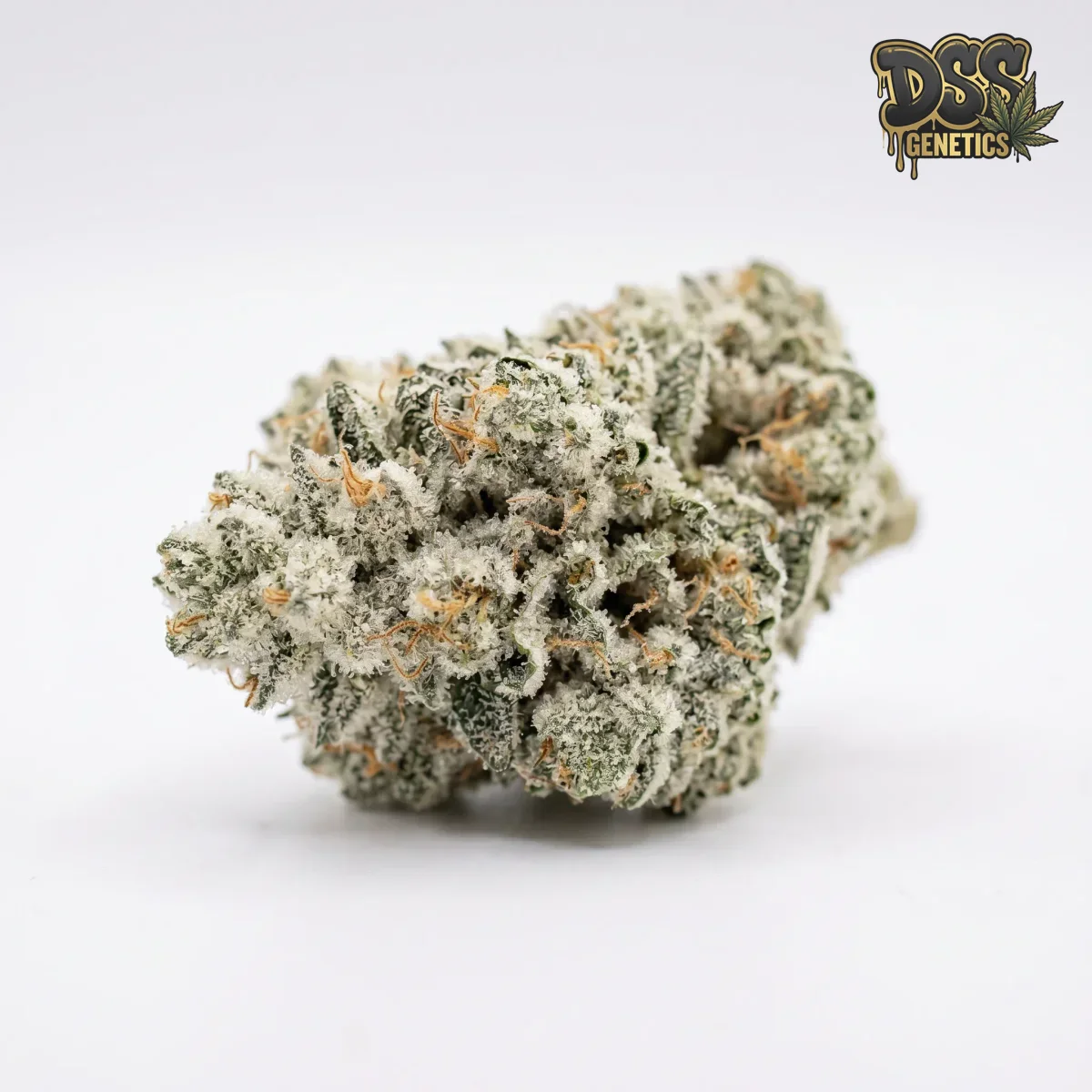 #17
#17Black Widow Feminized Seeds
THC 18–26% · 65% Sativa / 35% Indica
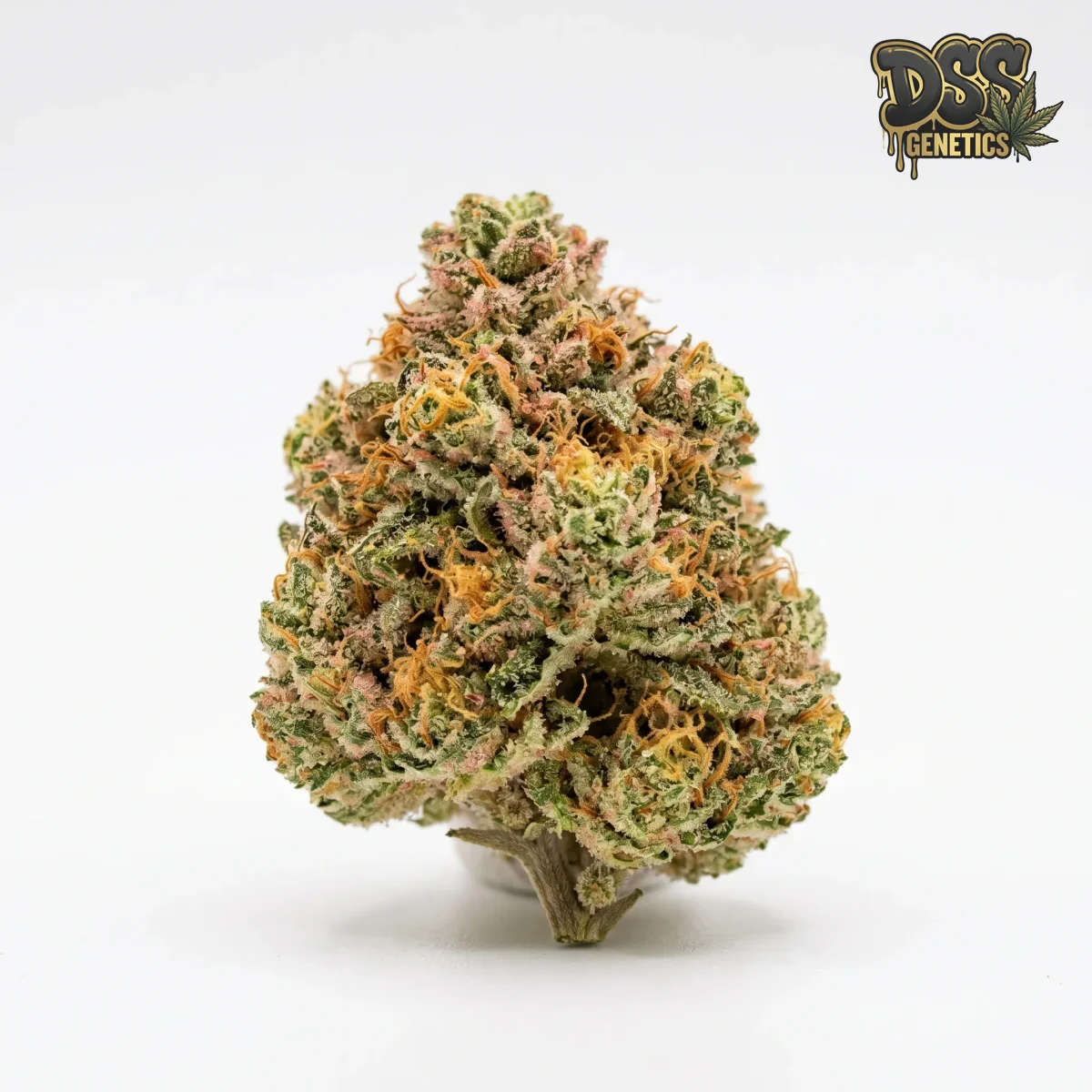 #18
#18Strawberry Banana Feminized Seeds
THC 22–26% · 70% Indica / 30% Sativa
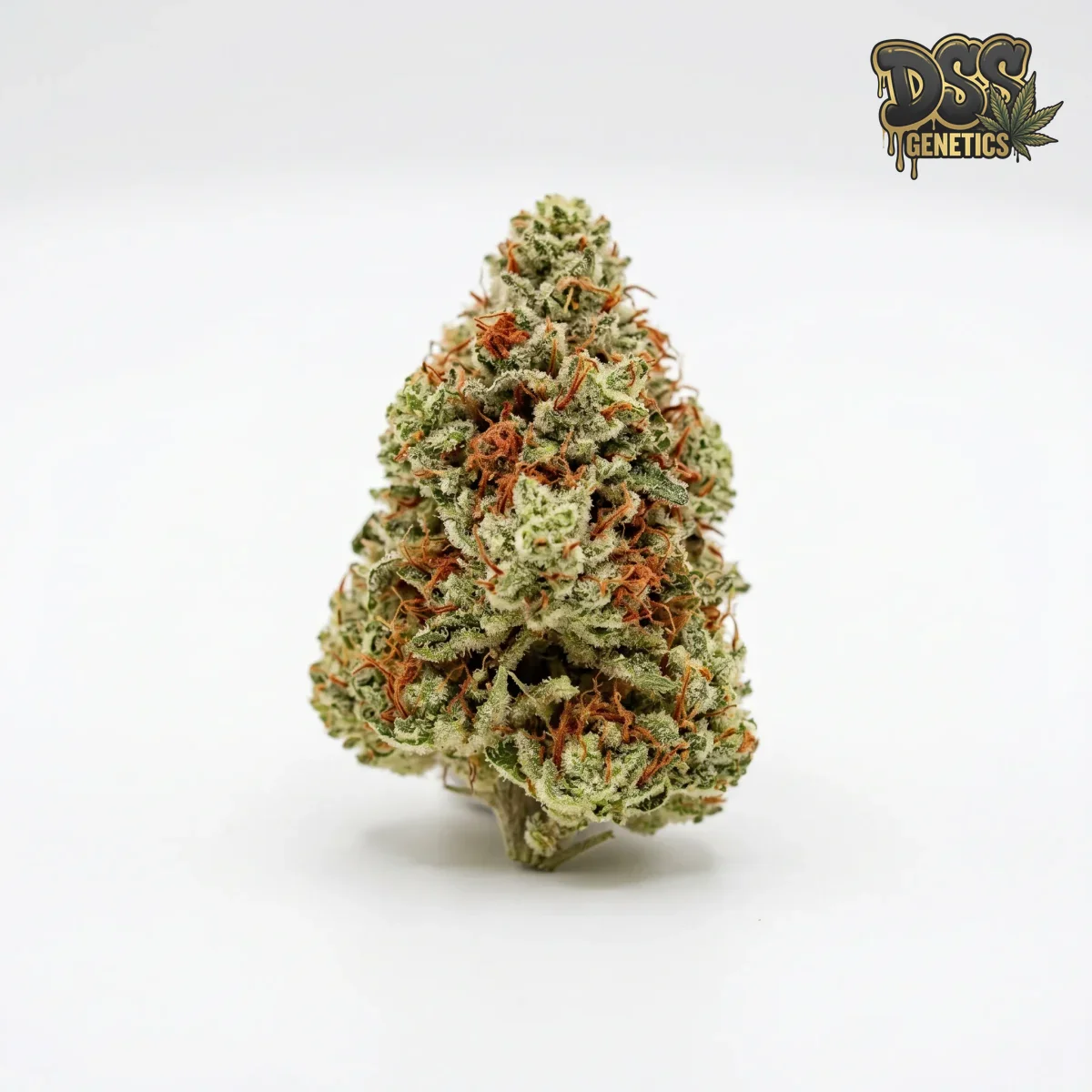 #19
#19Goji OG Feminized Seeds
THC 20–26% · 80% Sativa / 20% Indica
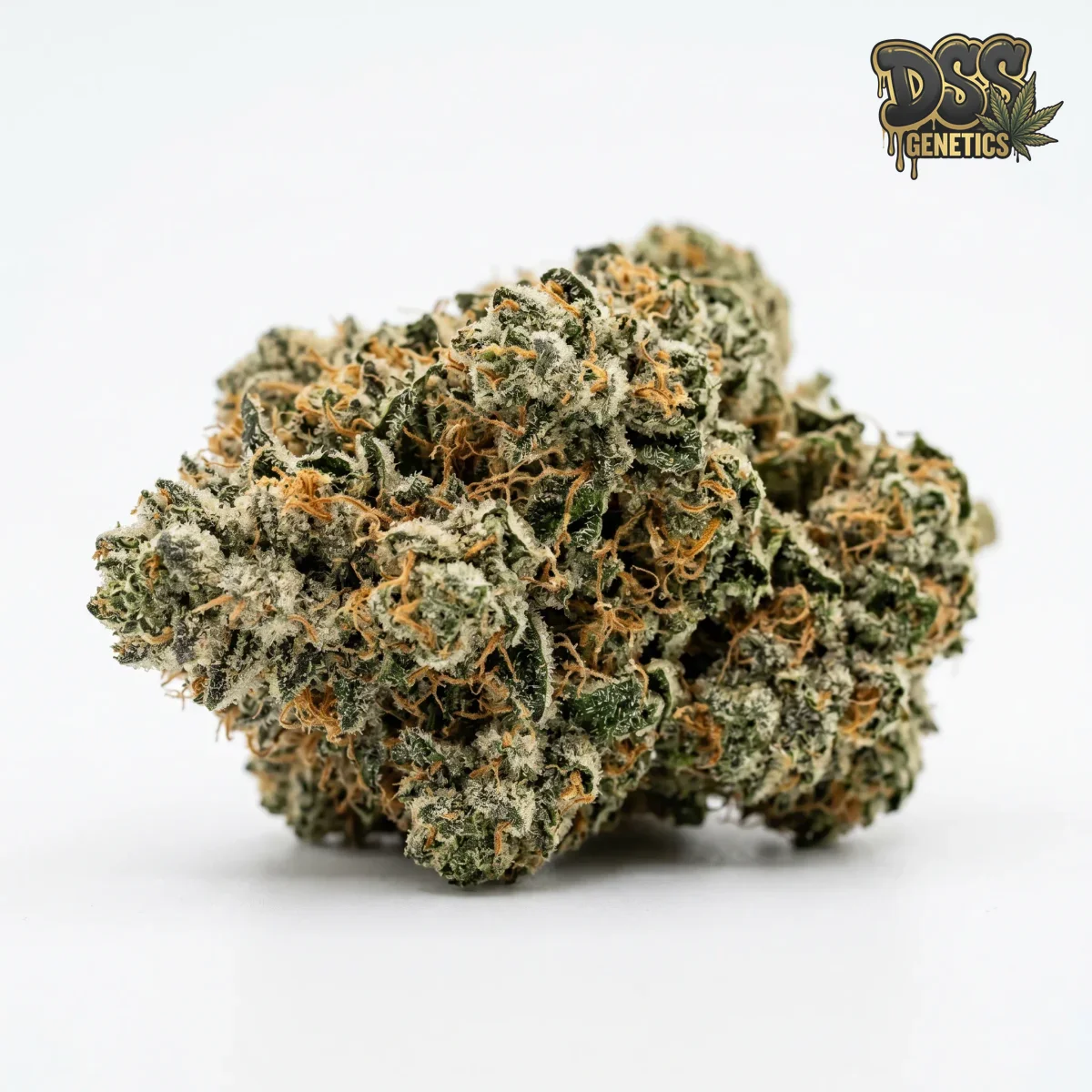 #20
#20Monster Feminized Seeds
THC 20–26% · 50% Sativa / 50% Indica
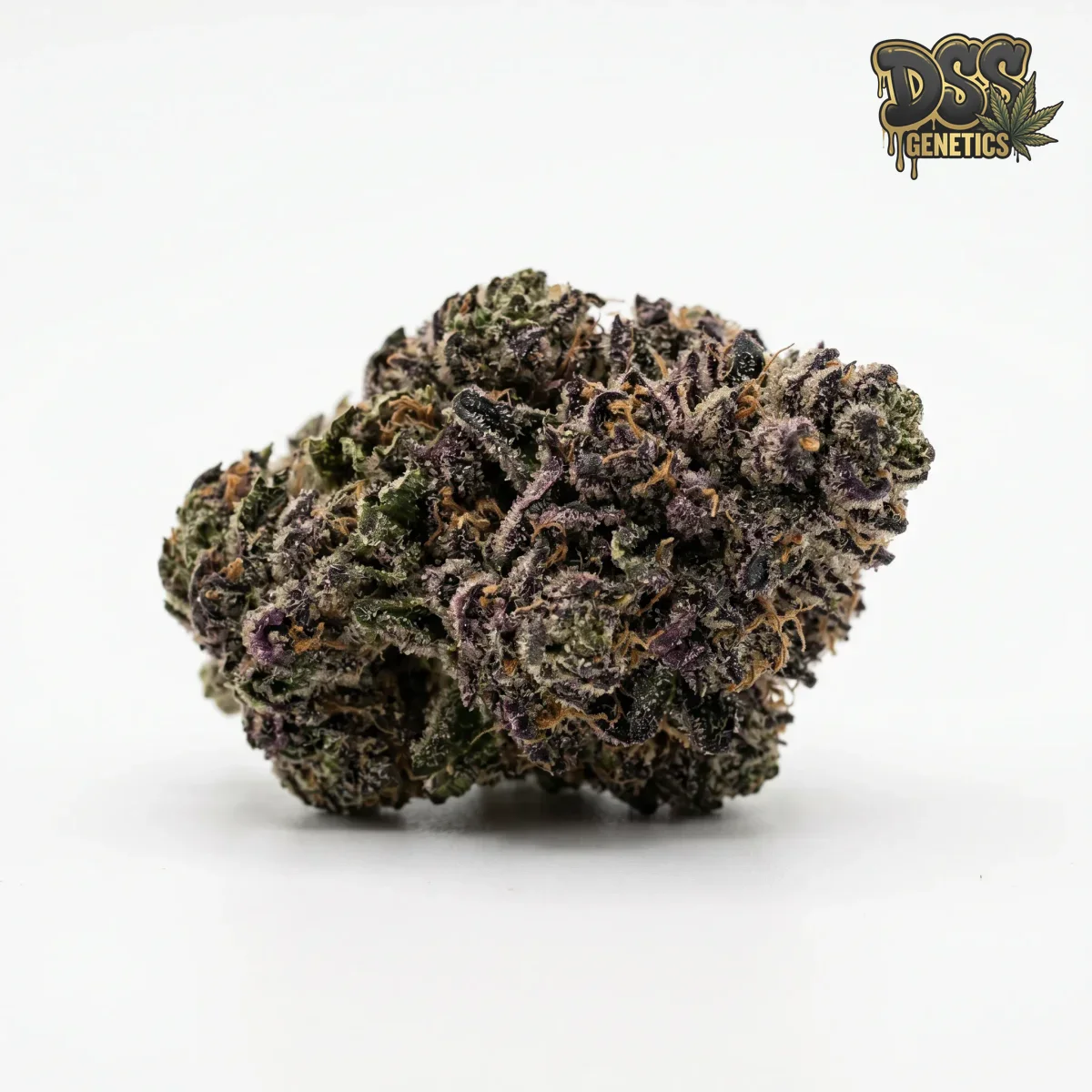 #21
#21Girl Scout Cookies Feminized Seeds
THC 22–26% · 60% Indica / 40% Sativa
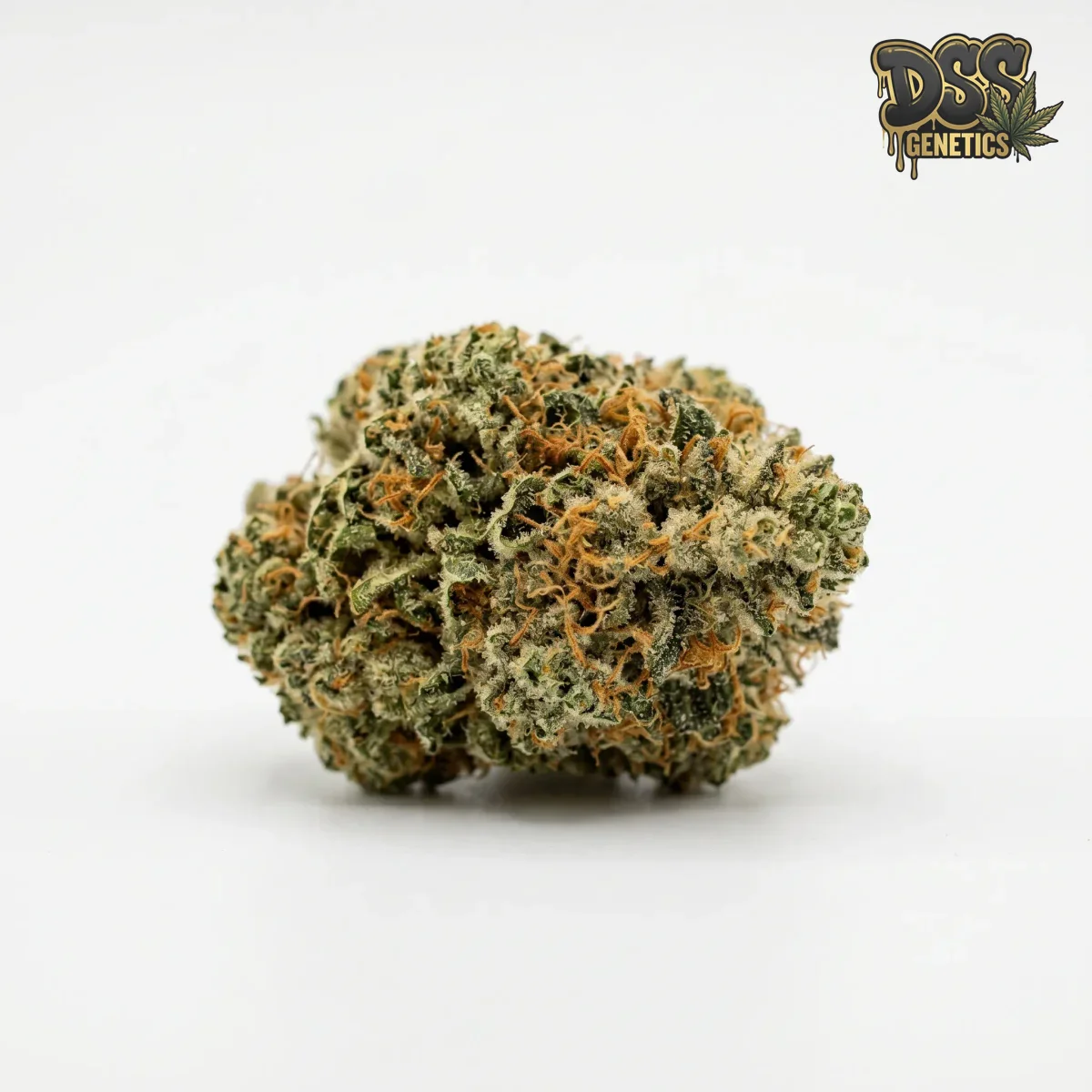 #22
#22Freezeland Feminized Seeds
THC 22–26% · 50% Sativa / 50% Indica
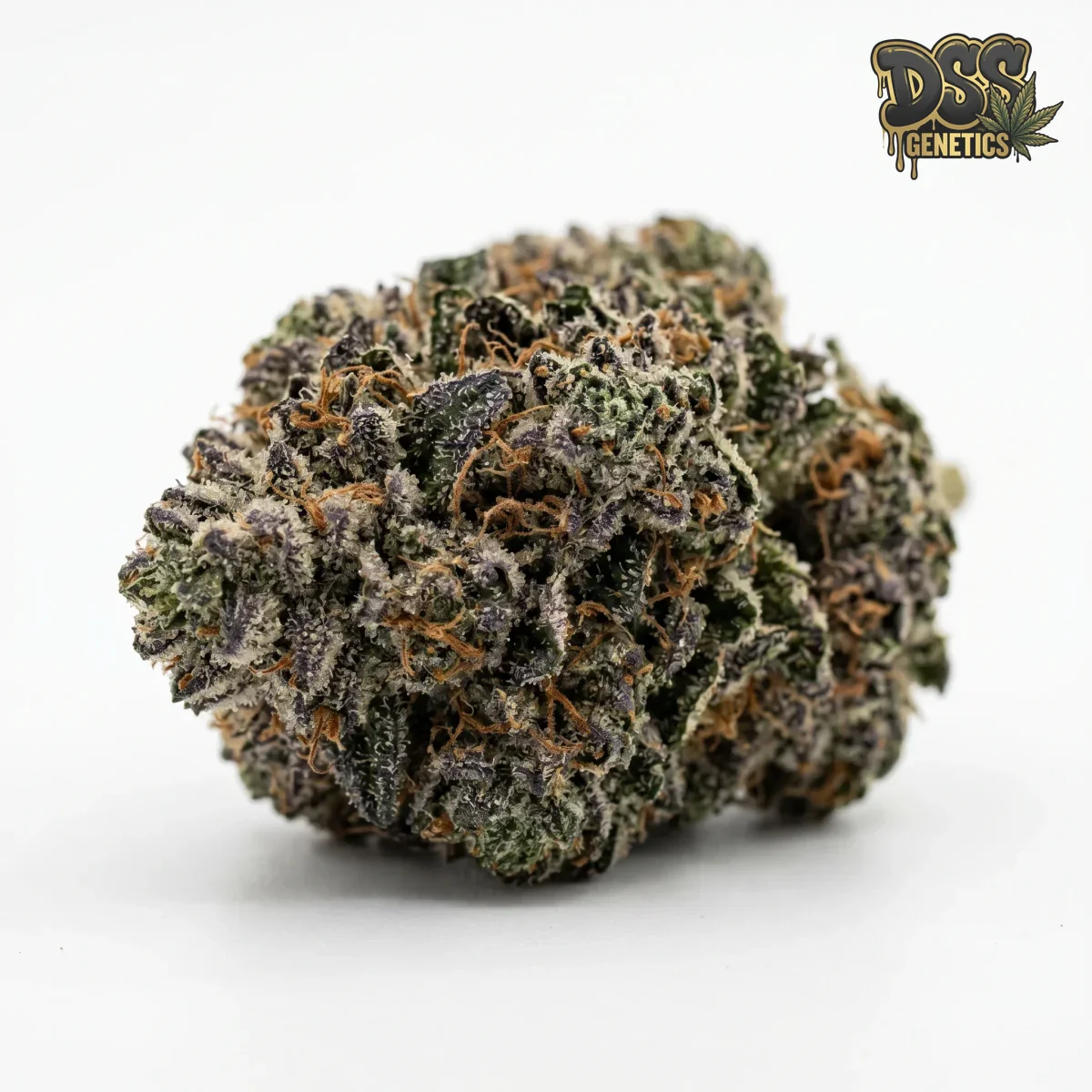 #23
#23Shishkaberry Feminized Seeds
THC 16–26% · 80% Indica / 20% Sativa
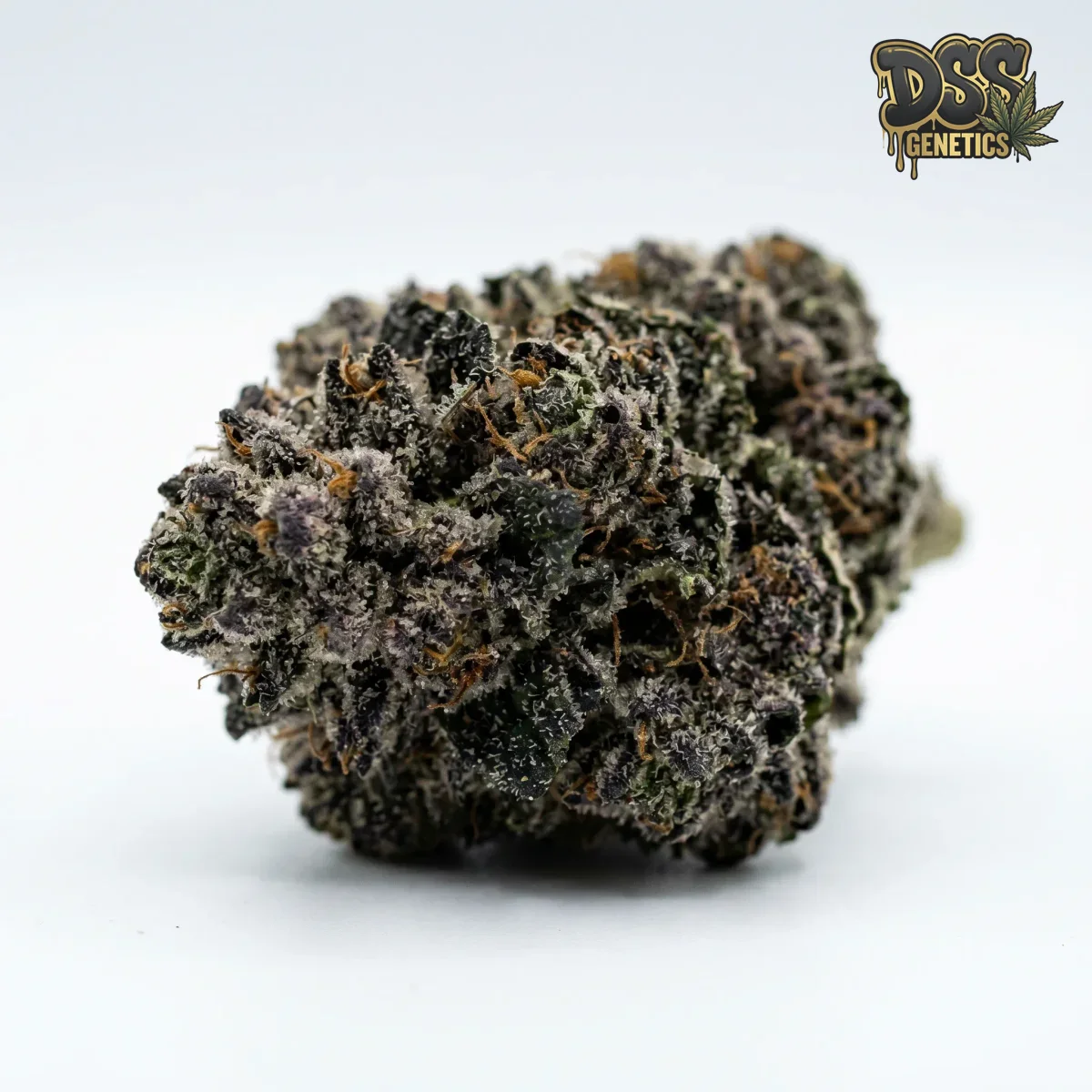 #24
#24LA Confidential Feminized Seeds
THC 20–26% · 80% Indica / 20% Sativa
Frequently Asked Questions
Can cannabis help with depression?
Research shows mixed results. Low-dose, Limonene-rich sativa strains can provide meaningful mood elevation for mild to moderate depression. However, high-THC strains and heavy indicas can worsen depression symptoms in some patients. Cannabis works best as part of an integrated approach that includes therapy, exercise, and social connection.
Should I use sativa or indica for depression?
It depends on your symptoms. For low-energy depression (fatigue, anhedonia, withdrawal), sativa-dominant strains with Limonene provide activating mood elevation. For depression with anxiety or agitation, indica-leaning hybrids provide calming mood support. Many patients use sativas during the day and indicas at night.
Can cannabis interact with antidepressants?
Yes. CBD can inhibit CYP450 enzymes that metabolize many antidepressants, potentially increasing their blood levels. THC combined with SSRIs may increase sedation. MAOIs have more significant interaction potential. Never stop or adjust antidepressant medication without medical supervision, and inform your doctor about cannabis use.
Is cannabis a replacement for therapy?
No. Cannabis can complement therapy by reducing emotional barriers, improving sleep, and providing mood support, but it does not address the cognitive patterns, behavioral habits, and environmental factors that contribute to depression. The combination of cannabis + therapy + lifestyle changes produces better outcomes than any single intervention.
Can cannabis make depression worse?
Yes, in certain scenarios: heavy daily use of high-THC strains can reduce motivation and emotional range over time; indica-dominant strains used during the day can amplify fatigue and withdrawal; and abrupt cessation after heavy use can trigger temporary mood worsening. Responsible use — moderate doses, appropriate strains, regular breaks — minimizes these risks.
Medical Disclaimer: This information is for educational purposes only and should not be considered medical advice. Always consult a healthcare professional before using cannabis for medical purposes. Individual results may vary.