Medical Disclaimer: This information is for educational purposes only and should not be considered medical advice. Always consult a healthcare professional before using cannabis for medical purposes. Individual results may vary.
Key Terpenes for Sleepy Relief
Primary sedating terpene — the single strongest predictor of a strain's sleep-inducing potential
GABAergic — enhances the same inhibitory neurotransmitter system targeted by prescription sleep aids like Ambien
Deeply sedating terpene that works synergistically with Myrcene to accelerate sleep onset
Reduces the inflammation and pain that prevent comfortable sleep, anti-anxiety properties quiet a racing mind
Dosing Guidance
For sleep, consume 30-60 minutes before your target bedtime. Moderate to high THC doses (10-20mg) from indica-dominant strains are most effective for sleep induction. Edibles are often preferred because their longer duration (6-8 hours) sustains sedation through the night, preventing middle-of-the-night wakeups. If using edibles, take them 90 minutes before bed. CBN (cannabinol), found in aged cannabis, adds additional sedative effects — look for products with CBN content. Start with 10mg THC and adjust upward if needed.
How We Selected These Strains
Every strain below has "Sleepy" listed as a primary effect by users and breeders. These strains are selected for their pronounced sedating qualities — heavily indica-dominant genetics with Myrcene-dominant terpene profiles that enhance GABA activity, suppress cortisol, and guide the body naturally toward sleep onset.
24 Recommended Strains for Sleepy
Sorted by THC content (highest first). If you are new to cannabis, start from the bottom.
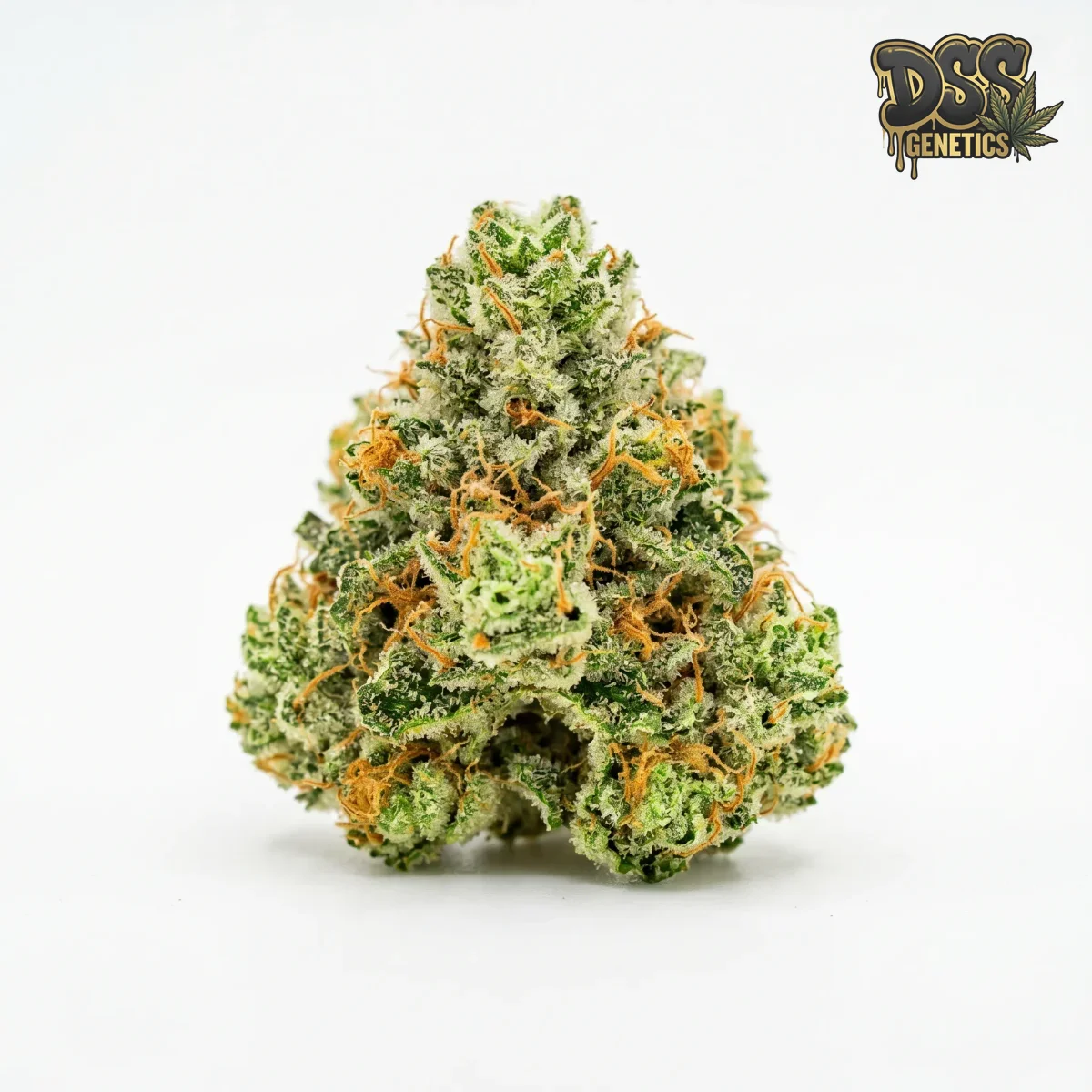 #1
#1Quantum Kush Feminized Seeds
THC 25–30% · 75% Sativa / 25% Indica
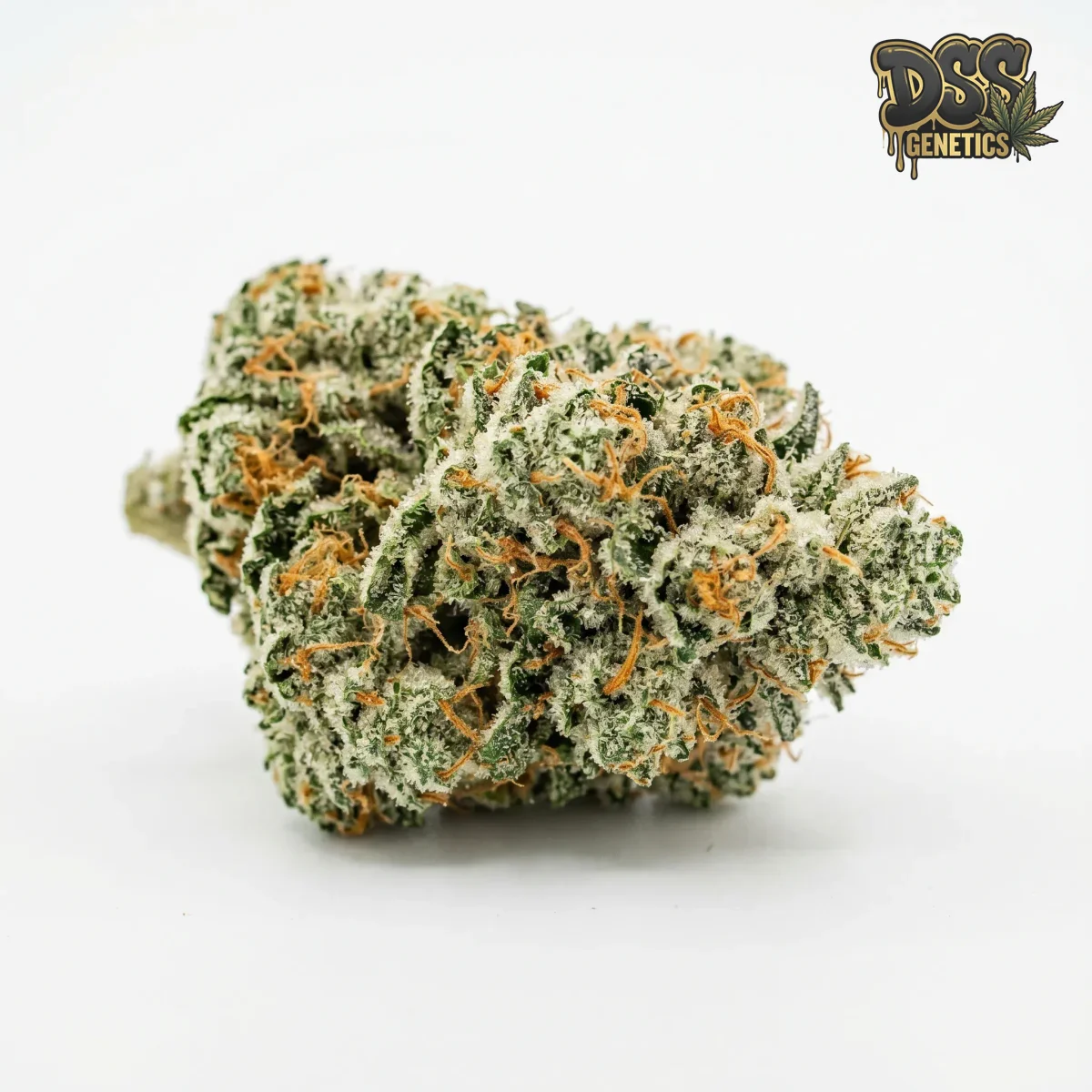 #2
#2White Fire OG Feminized Seeds
THC 24–28% · 60% Indica / 40% Sativa
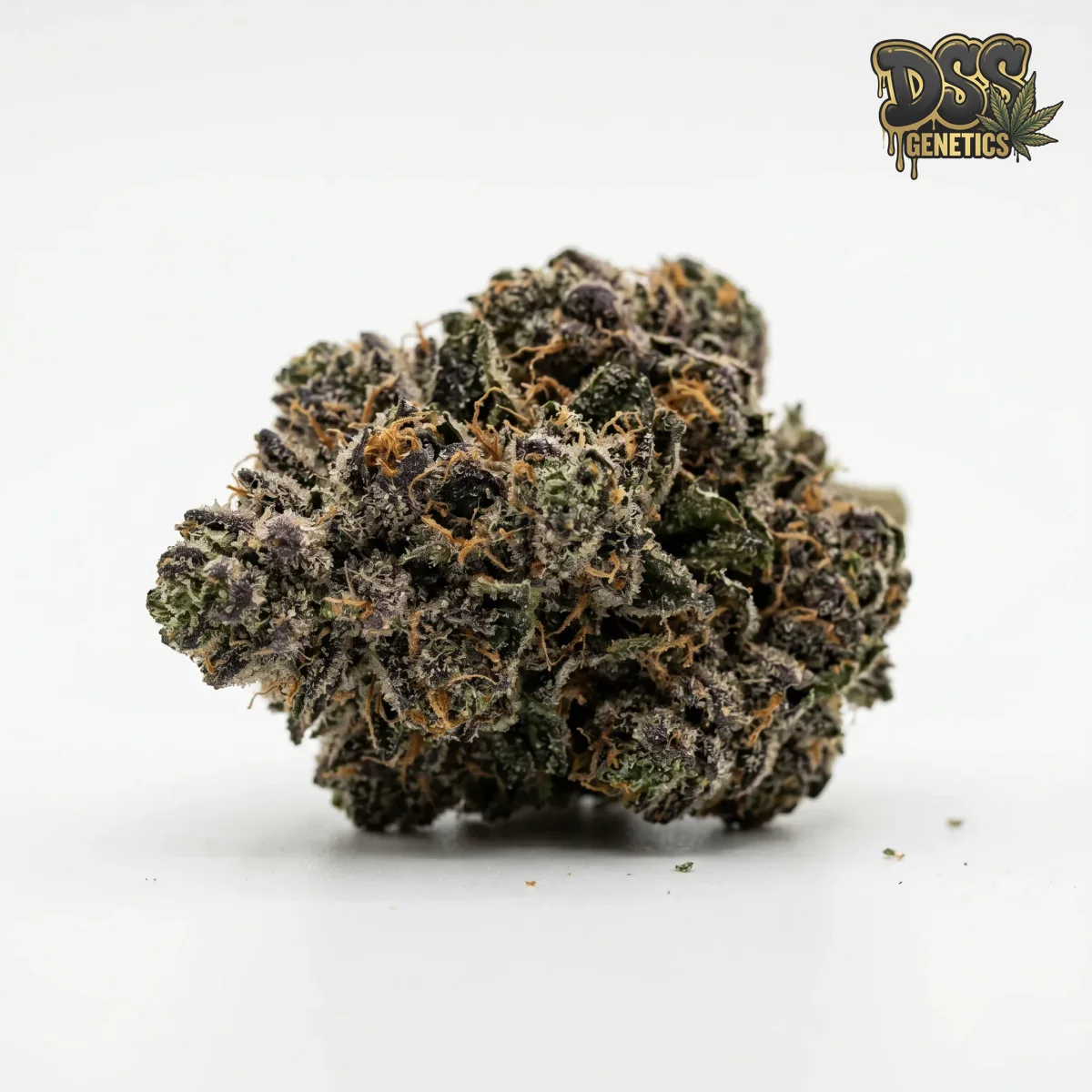 #3
#3Girl Scout Cookies X Chemdog #4 Feminized Seeds
THC 20–27% · 60% Indica / 40% Sativa
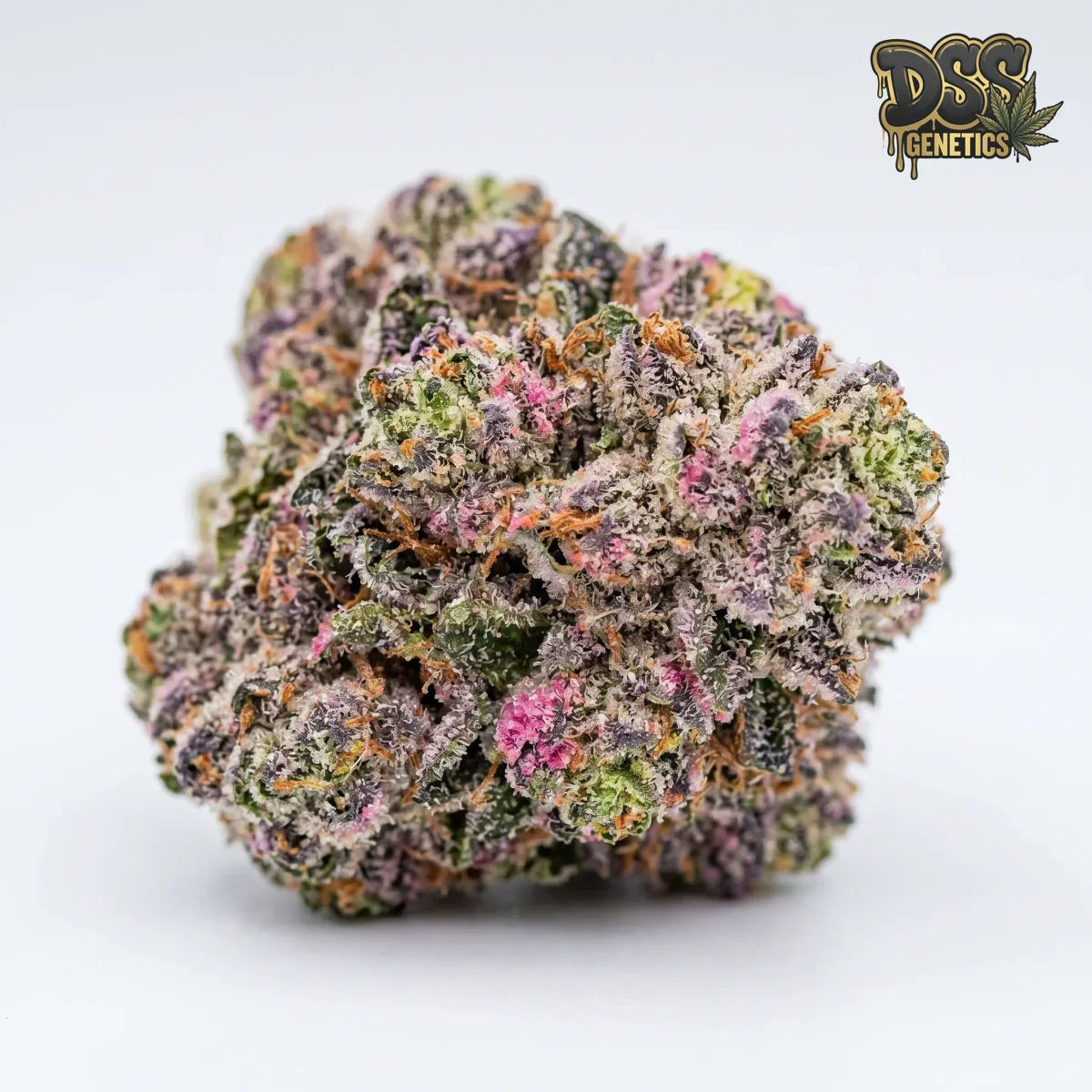 #4
#4Runtz Feminized Seeds
THC 20–27% · 50% Sativa / 50% Indica
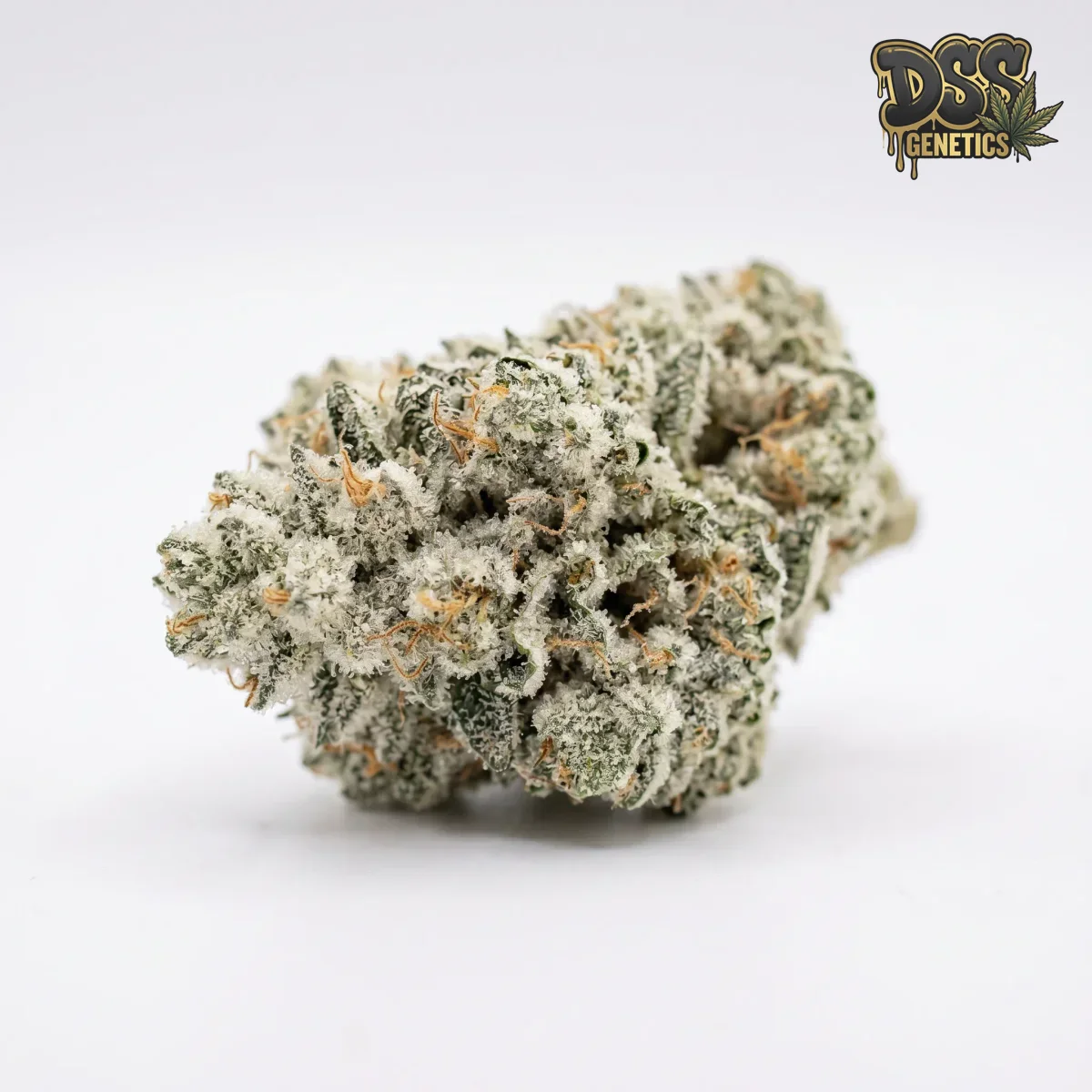 #5
#5Black Widow Feminized Seeds
THC 18–26% · 65% Sativa / 35% Indica
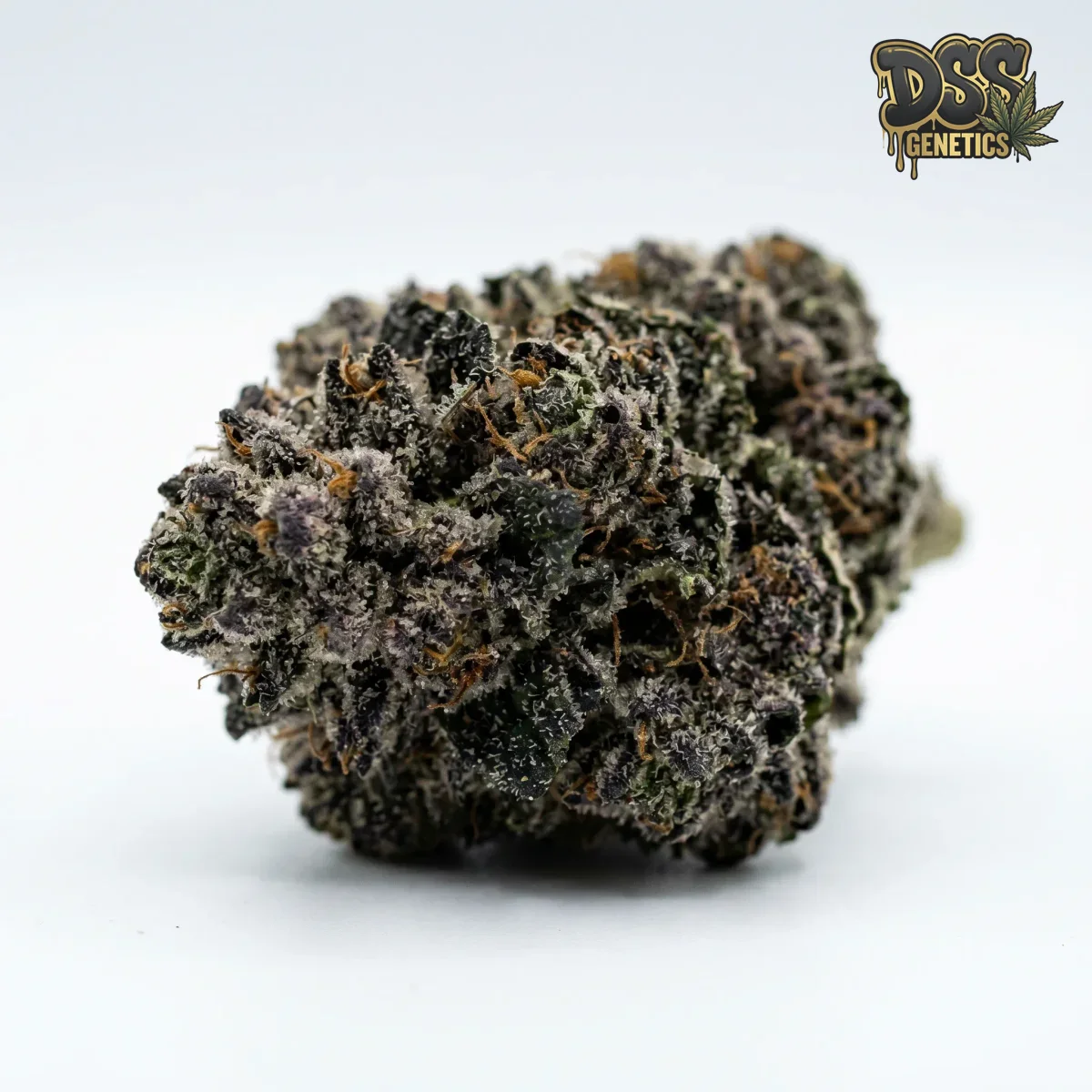 #6
#6LA Confidential Feminized Seeds
THC 20–26% · 80% Indica / 20% Sativa
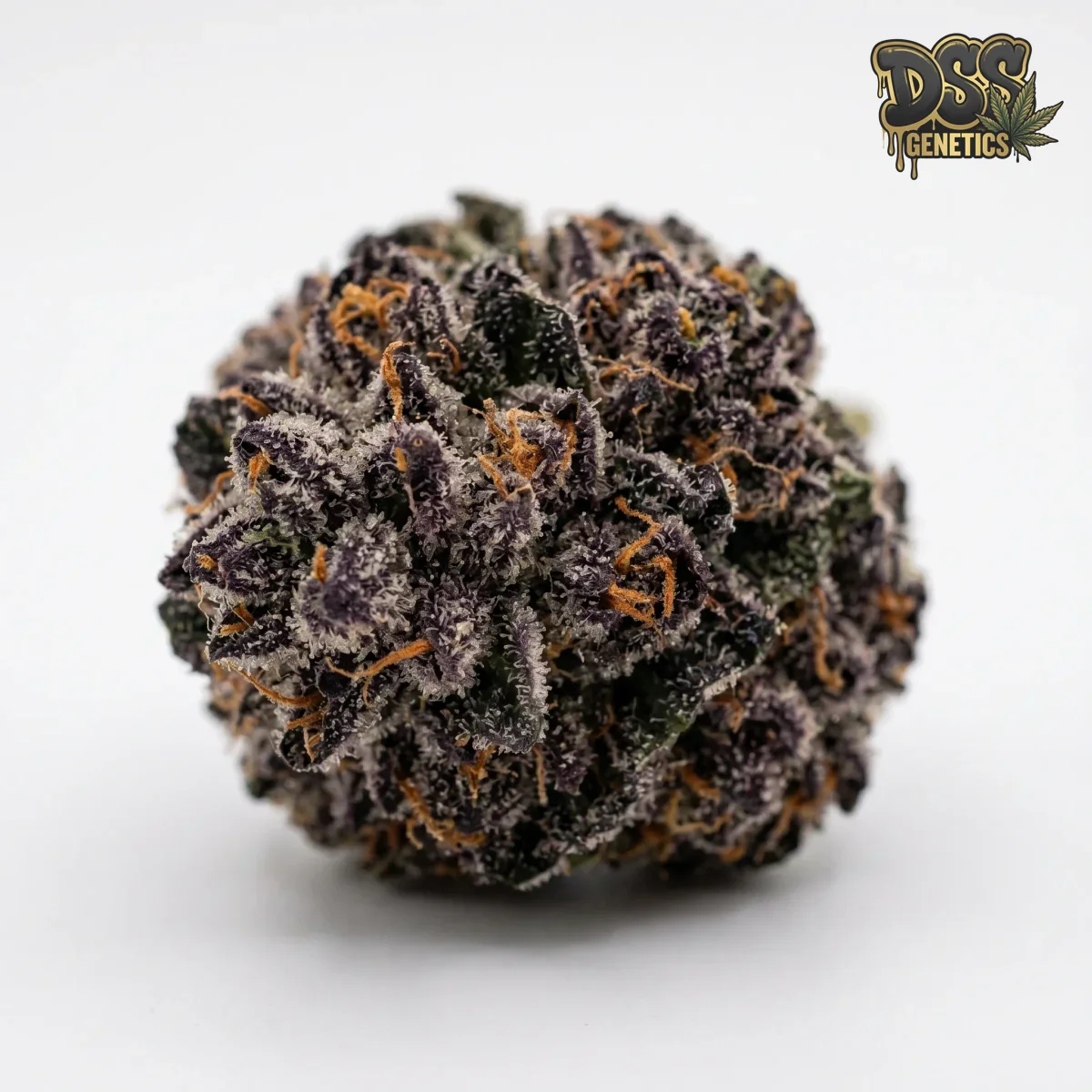 #7
#7God's Gift Feminized Seeds
THC 20–26% · 90% Indica / 10% Sativa
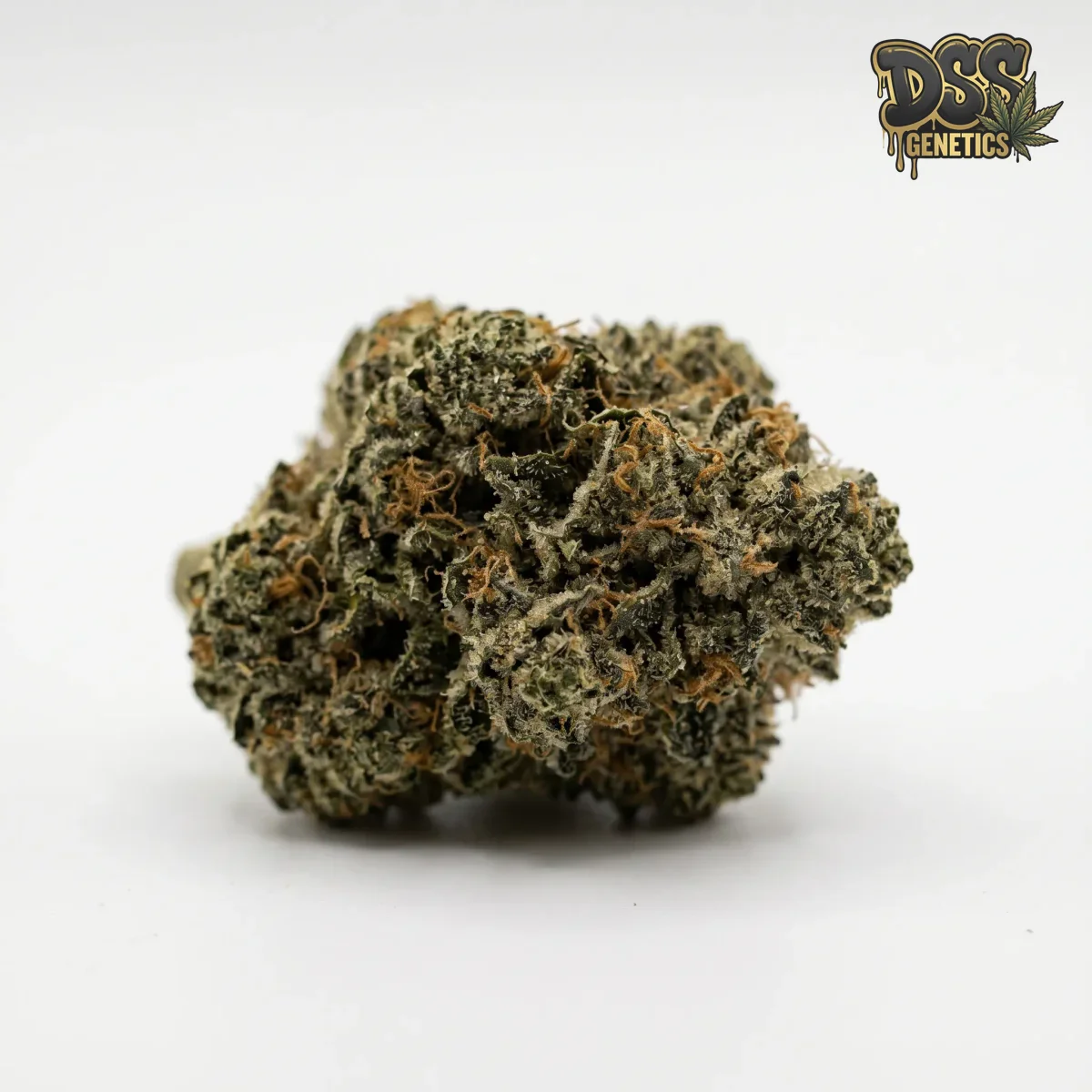 #8
#8Triangle Kush Feminized Seeds
THC 20–26% · 85% Indica / 15% Sativa
 #9
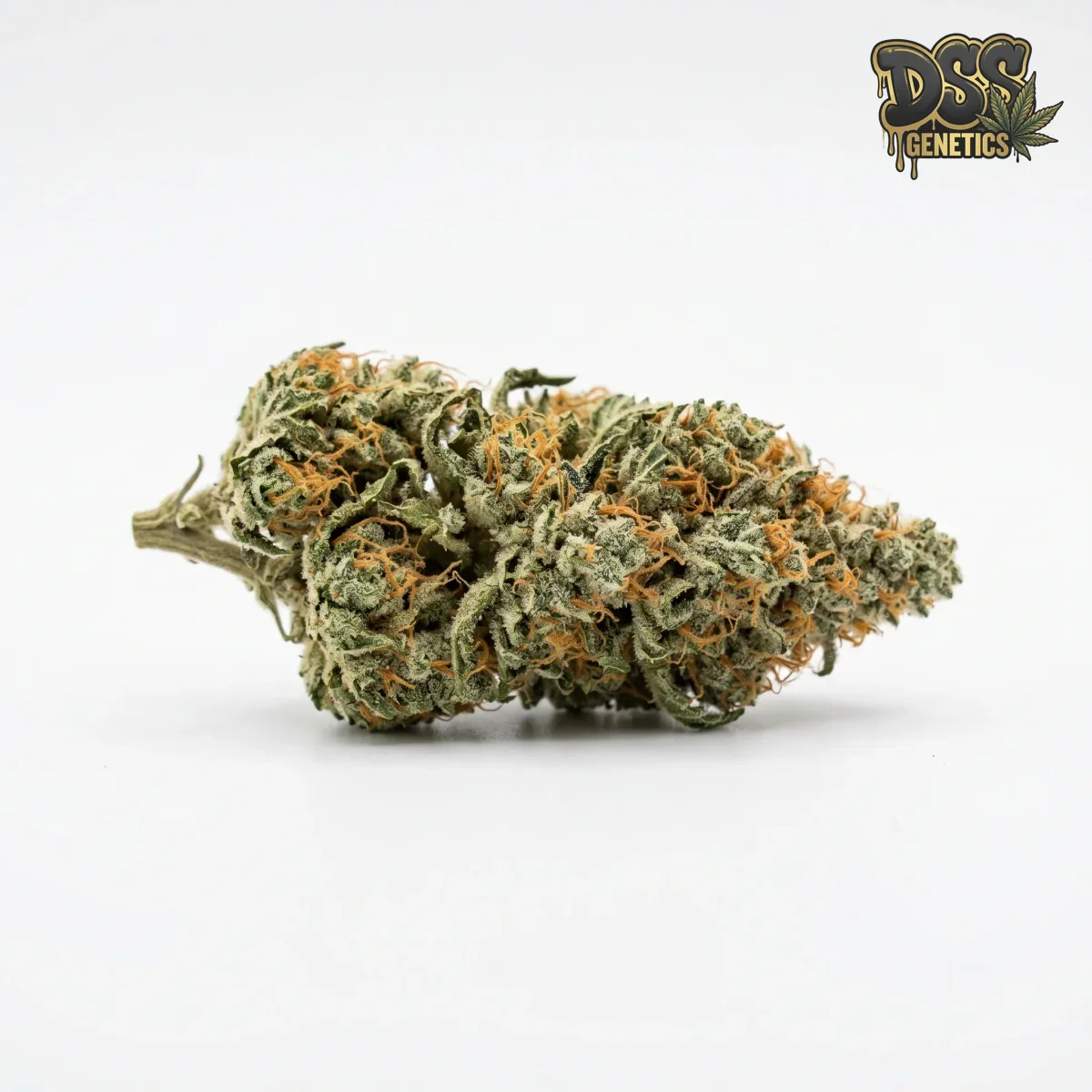
#9Bay Dream Feminized Seeds
THC 18–26% · 80% Sativa / 20% Indica
 #10
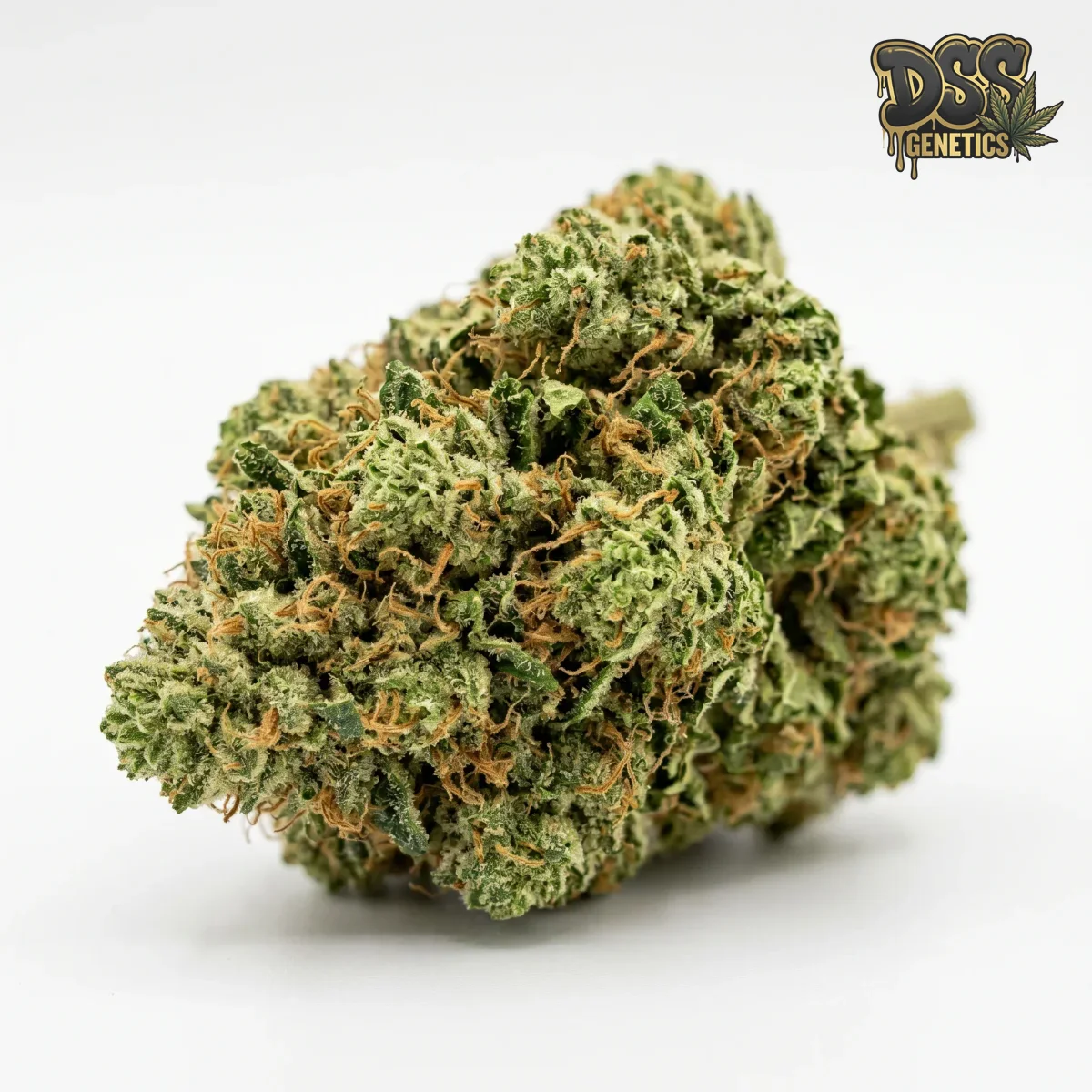
#10Big Bud Feminized Seeds
THC 23–26% · 85% Indica / 15% Sativa
 #11
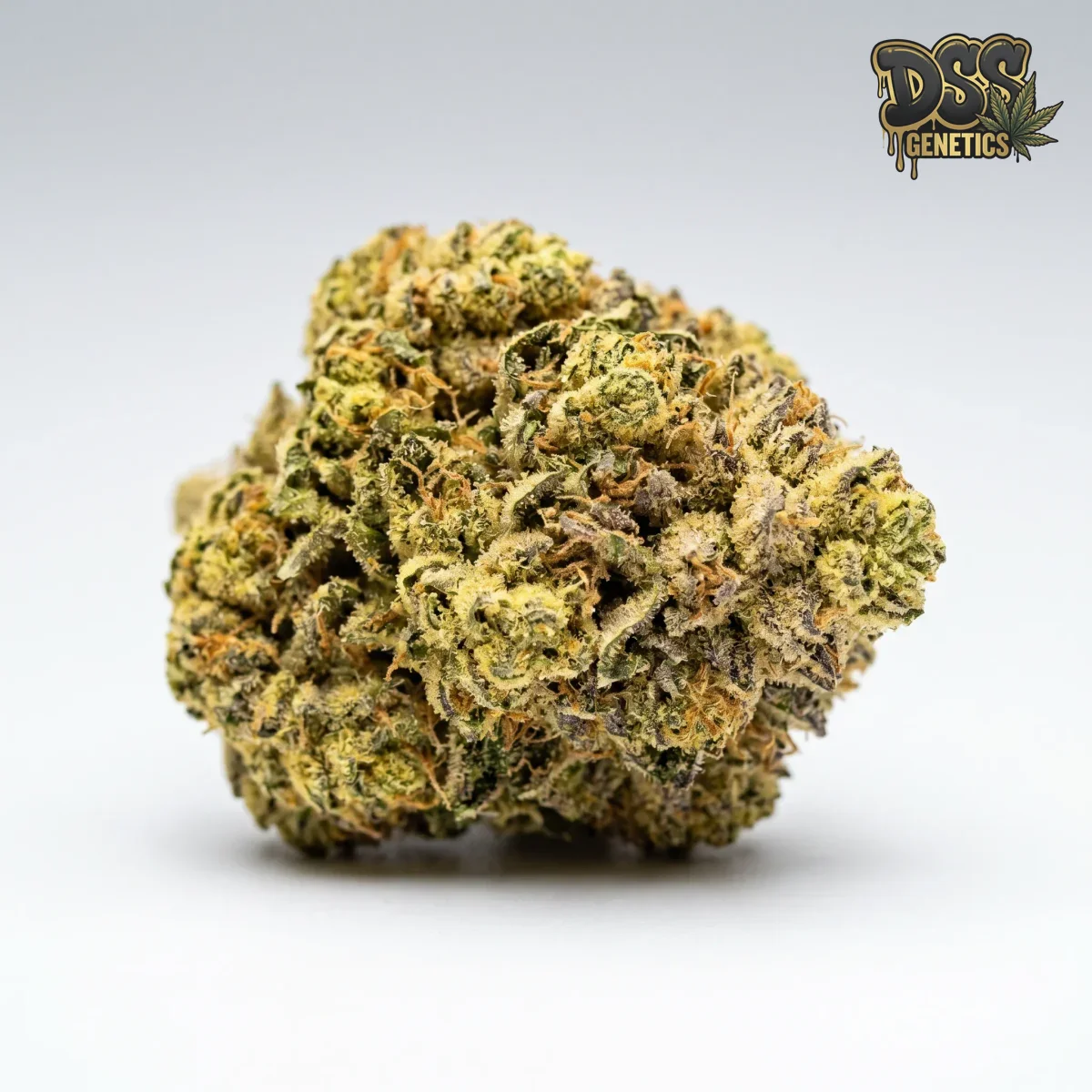
#11Papaya Feminized Seeds
THC 15–25% · 80% Indica / 20% Sativa
 #12
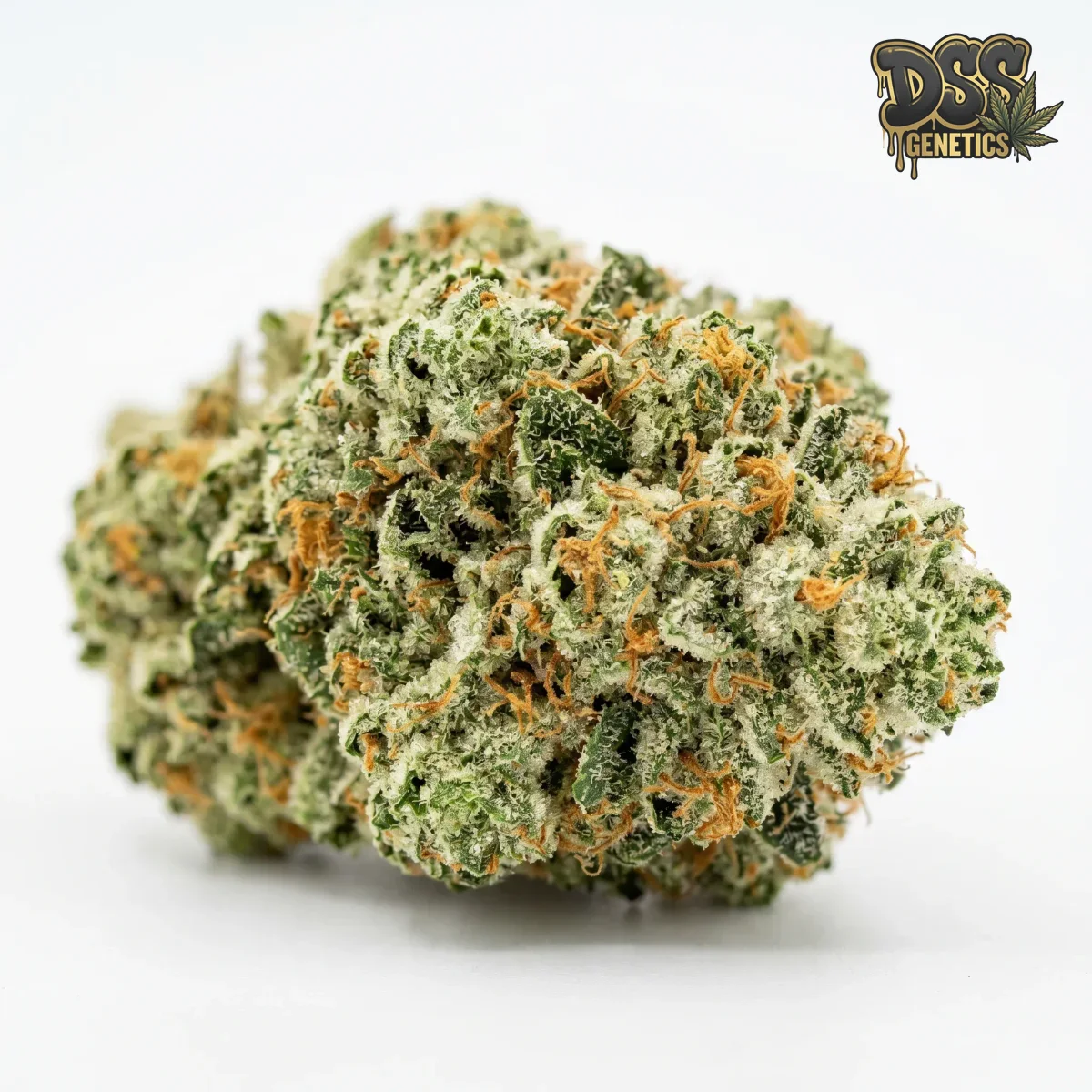
#12THC Bomb Feminized Seeds
THC 20–25% · 65% Indica / 35% Sativa
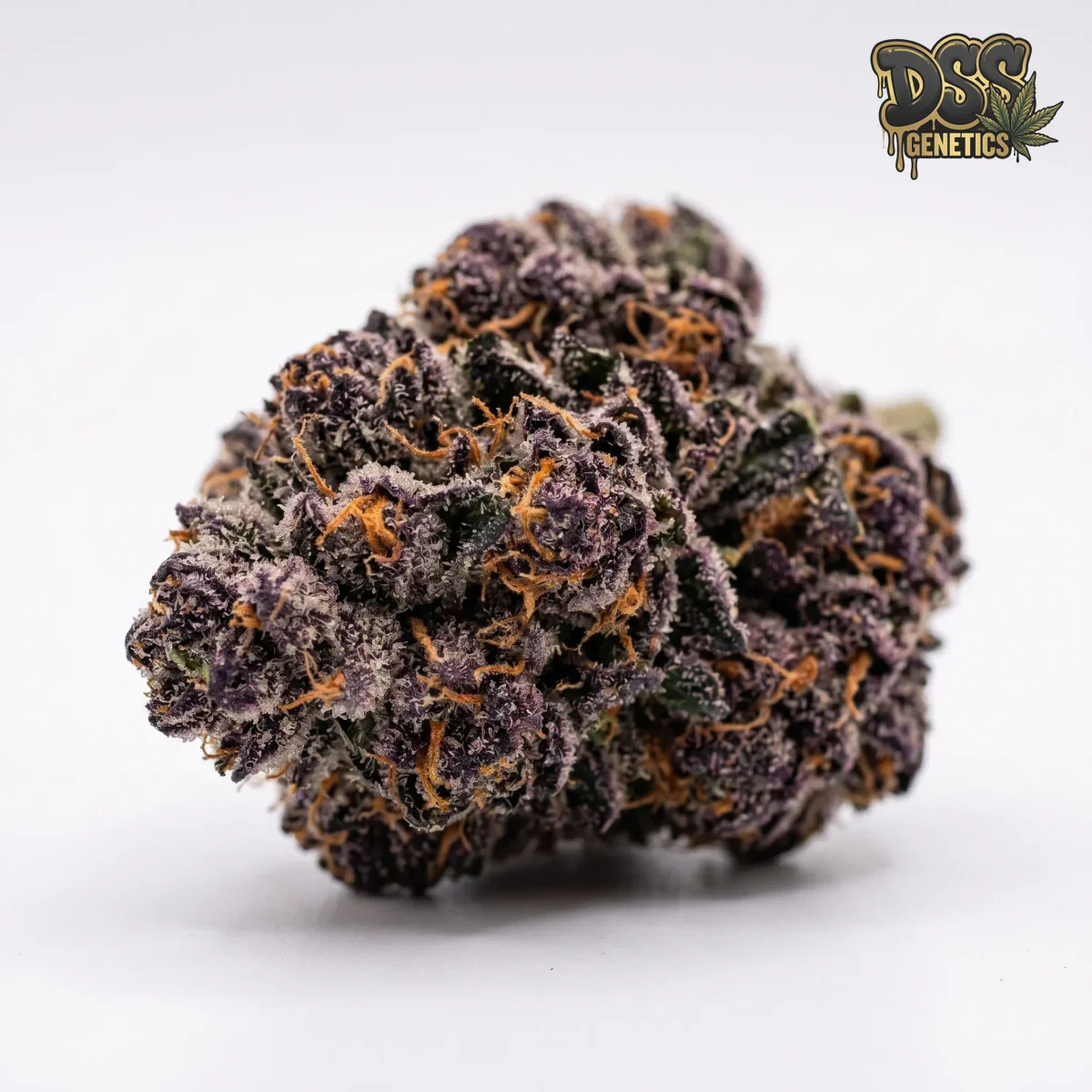 #13
#13Grape Ape Feminized Seeds
THC 20–25% · 90% Indica / 10% Sativa
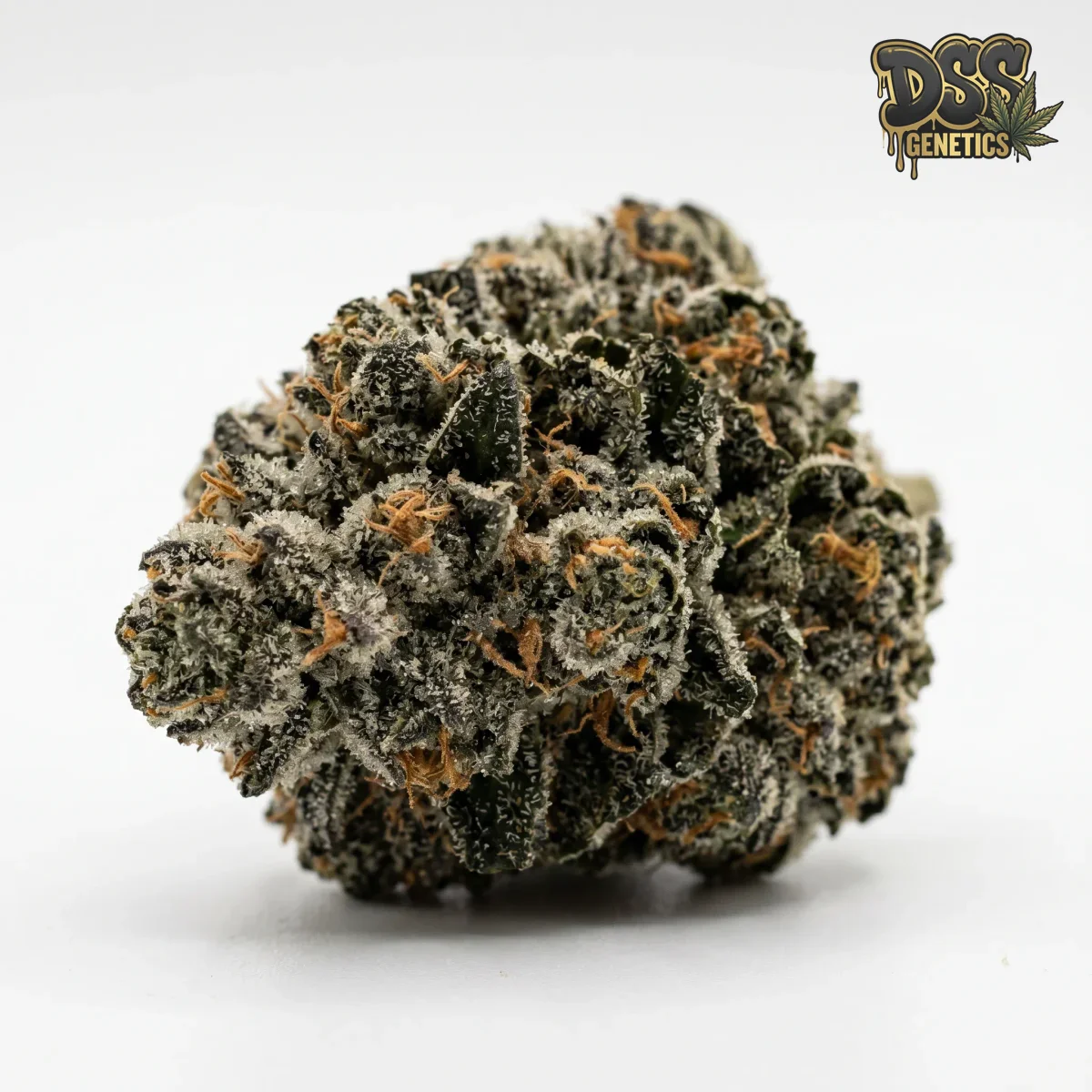 #14
#14Kosher Kush Feminized Seeds
THC 22–25% · 100% Indica / 0% Sativa
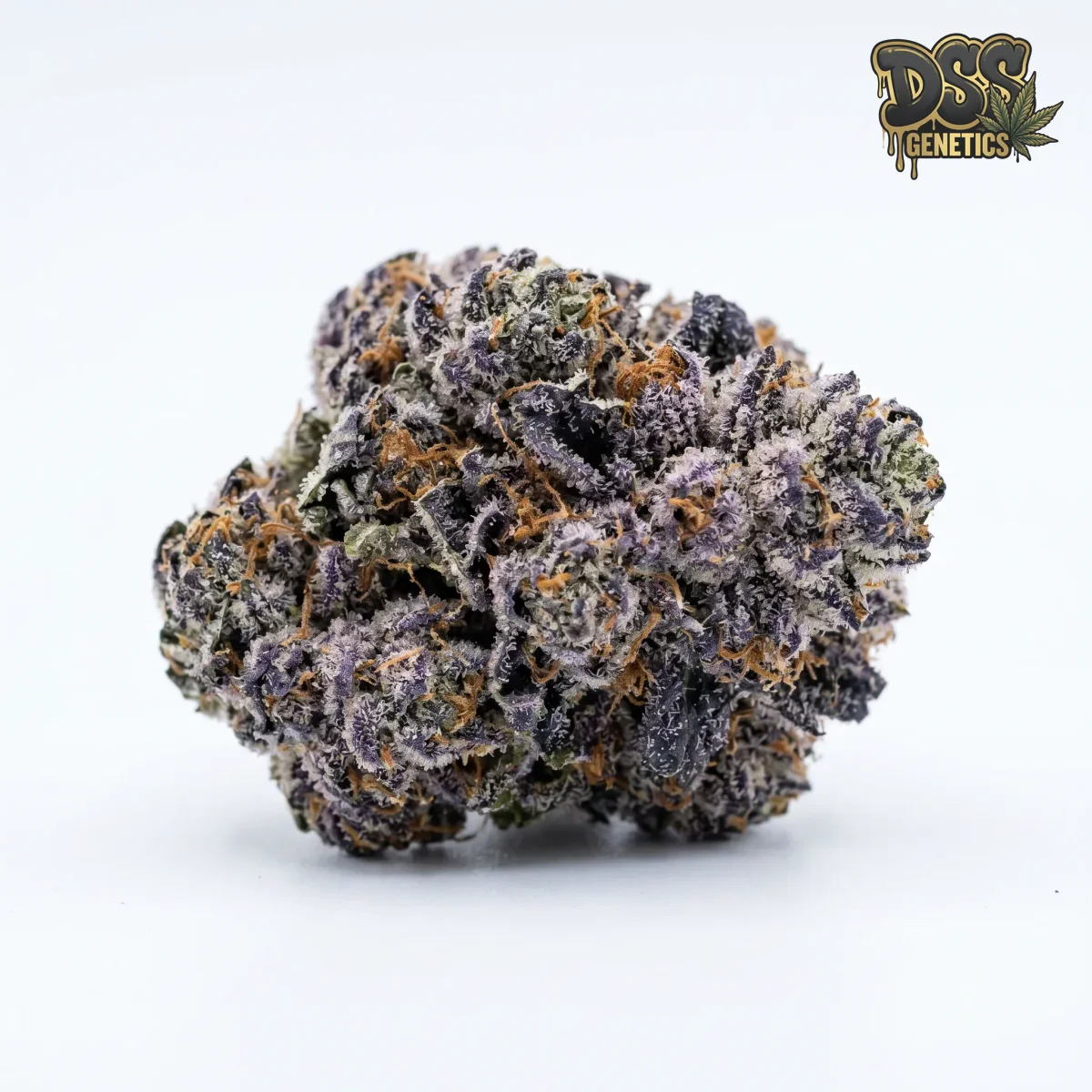 #15
#15Blue Cookies Feminized Seeds
THC 20–25% · 90% Indica / 10% Sativa
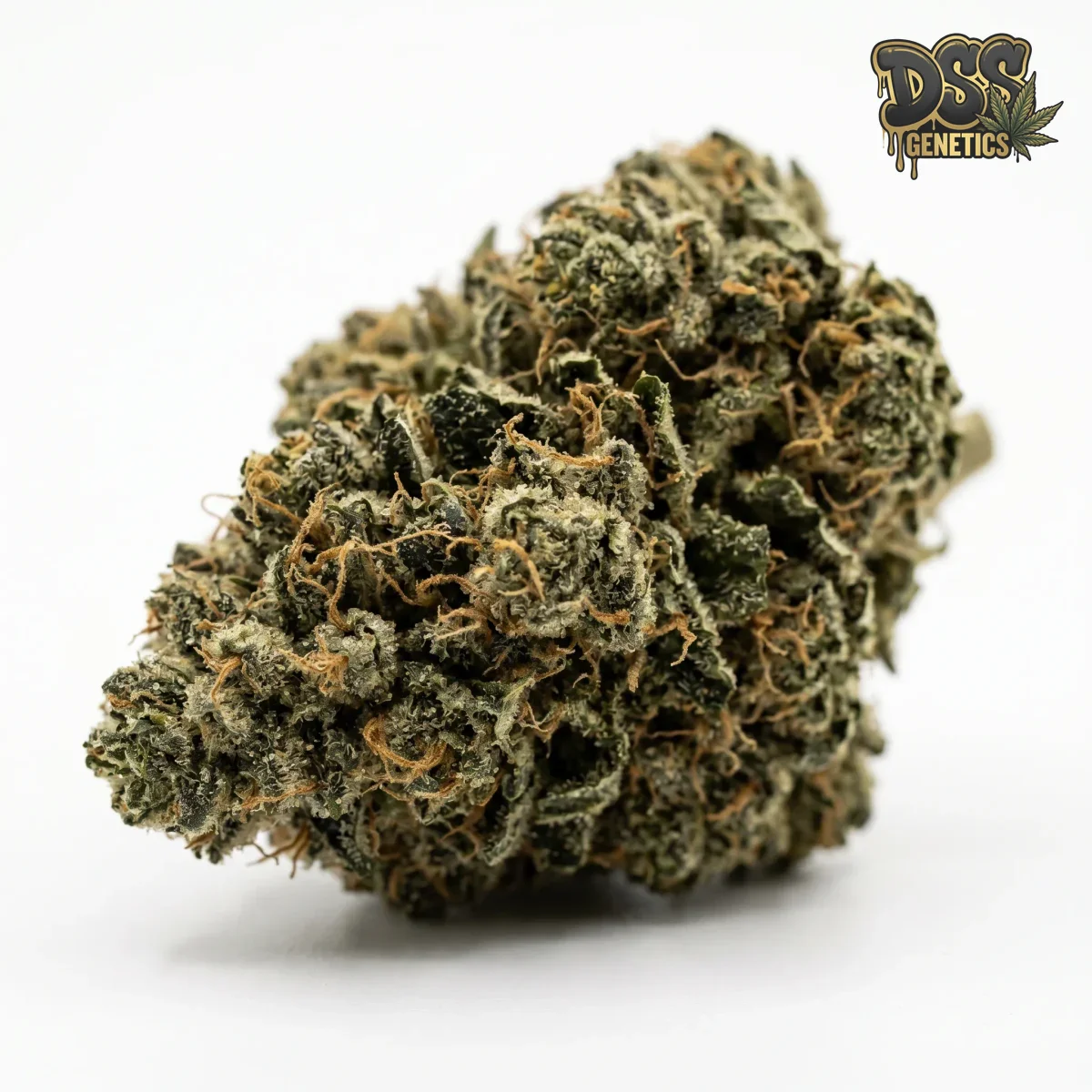 #16
#16Legend OG Feminized Seeds
THC 22–25% · 70% Indica / 30% Sativa
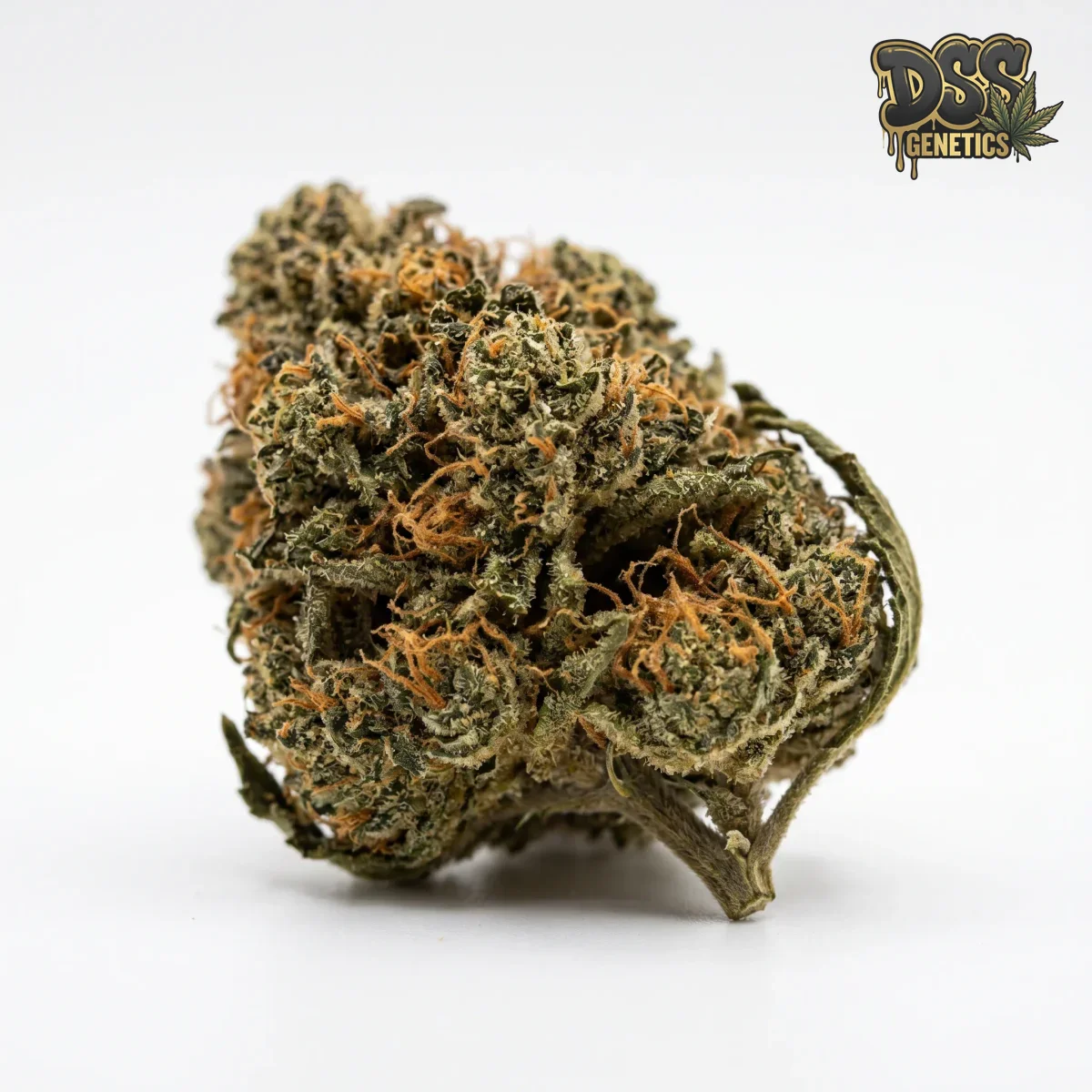 #17
#17Critical Kush Feminized Seeds
THC 19–25% · 90% Indica / 10% Sativa
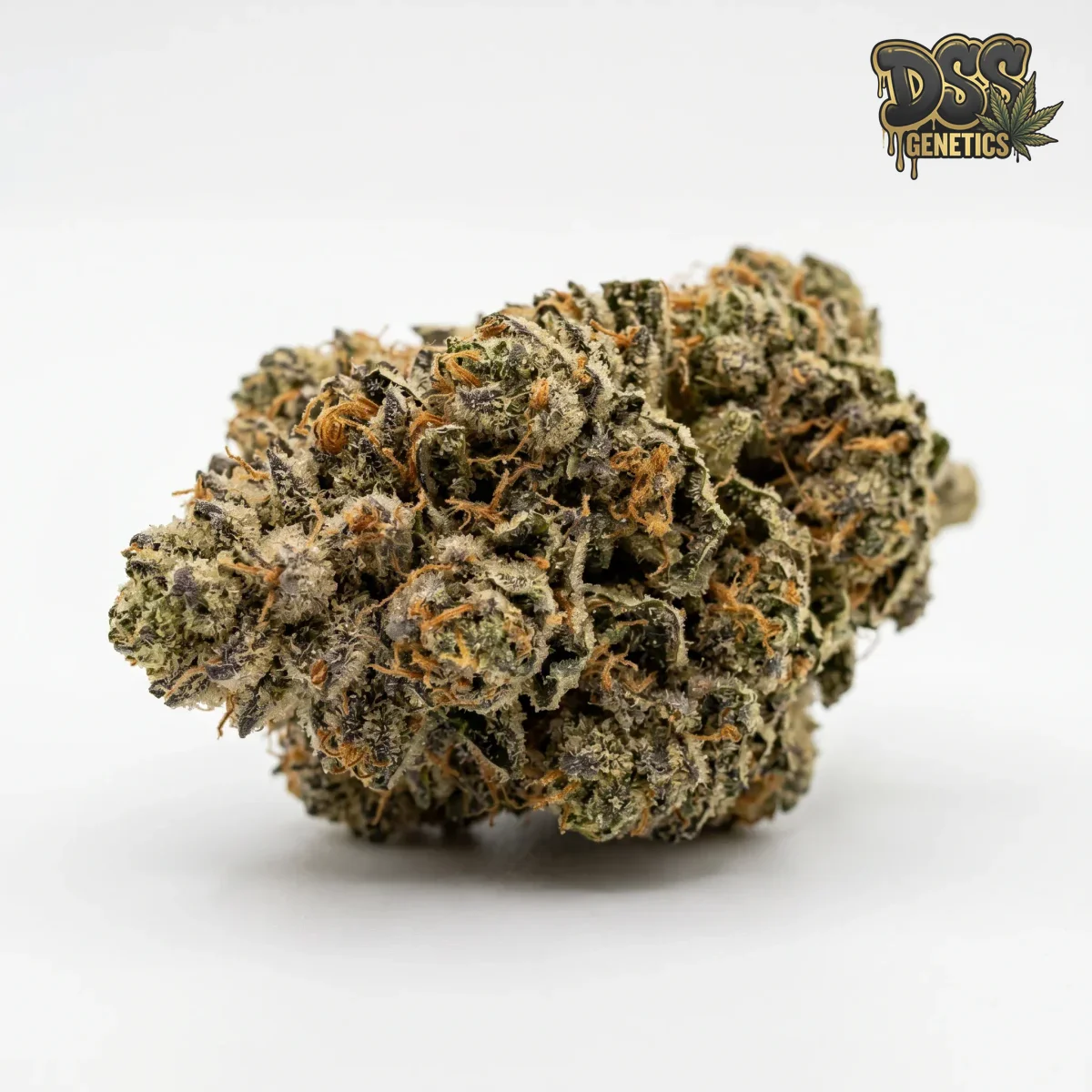 #18
#18Alien Gorilla Glue Feminized Seeds
THC 20–24% · 70% Indica / 30% Sativa
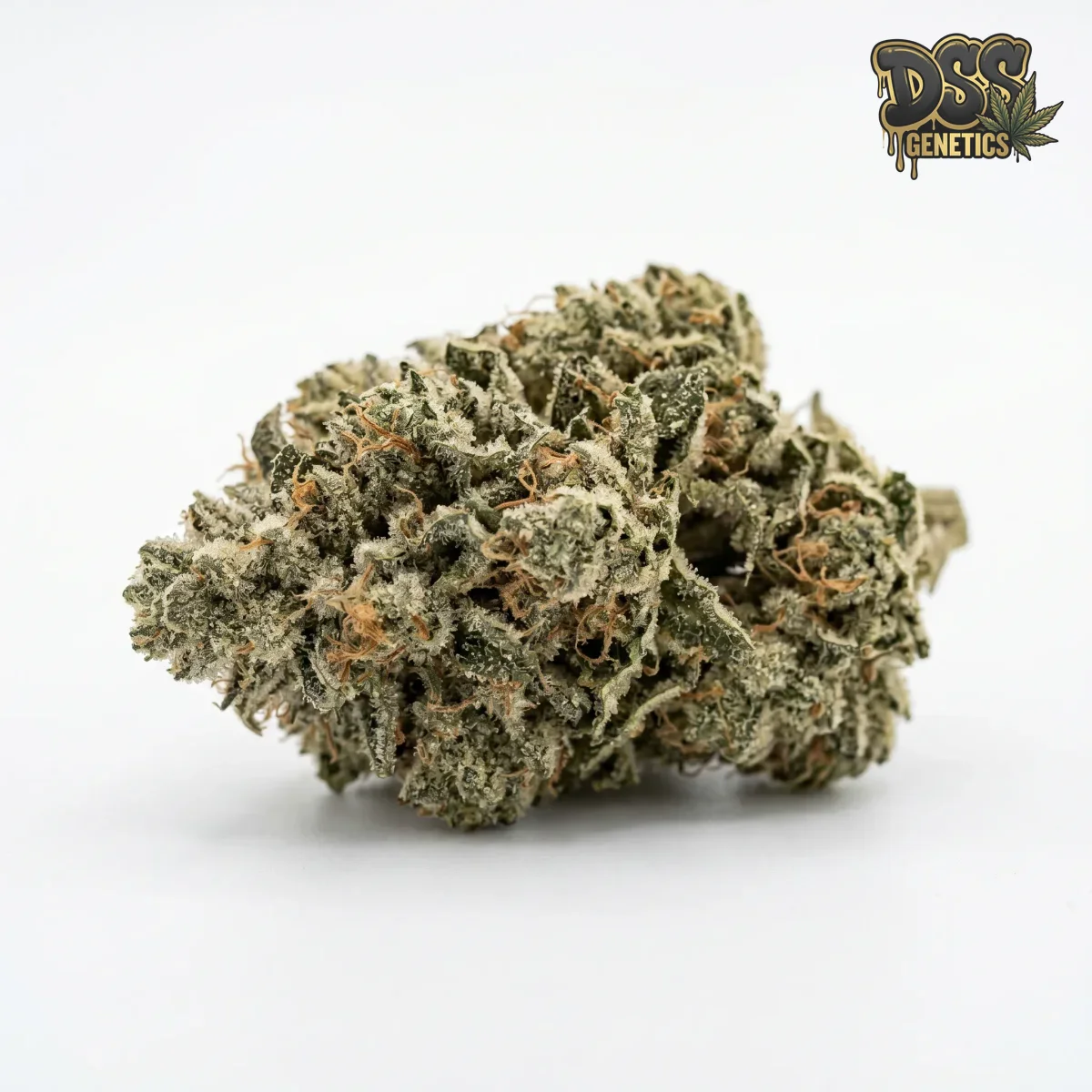 #19
#19Gorilla Glue 4 Autoflower Seeds
THC 19–24% · 50% Sativa / 50% Indica
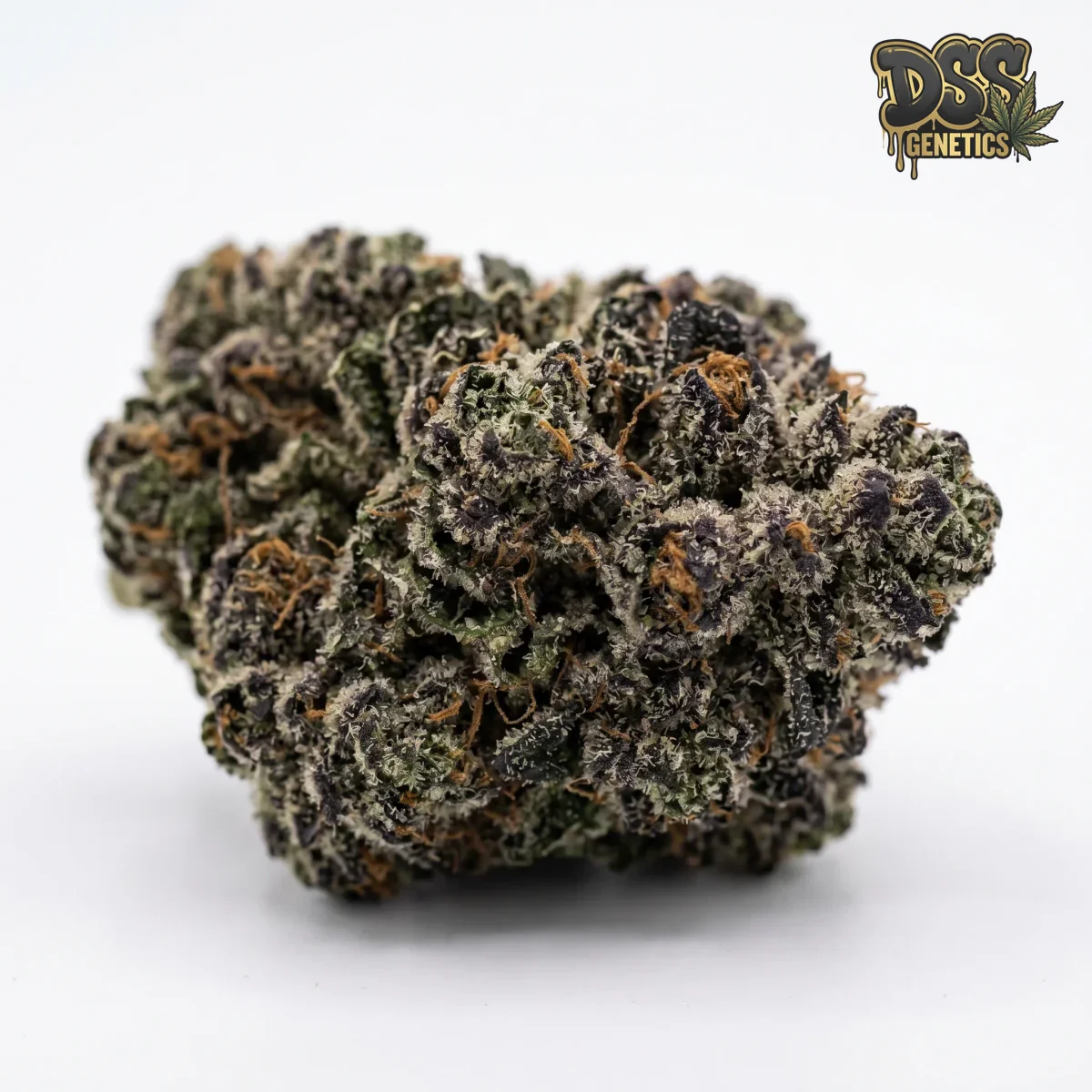 #20
#20Bubba Kush Feminized Seeds
THC 18–24% · 90% Indica / 10% Sativa
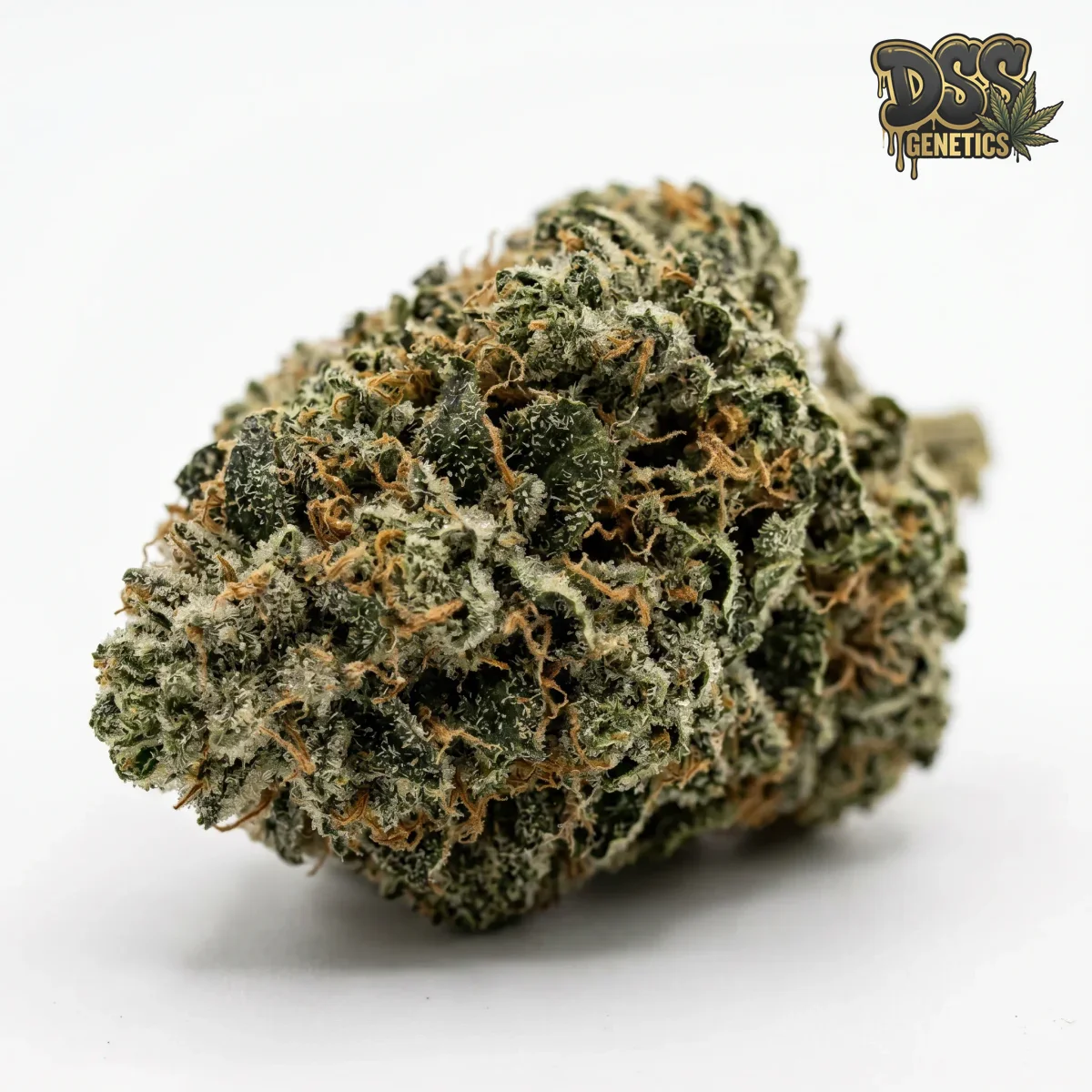 #21
#21Master Kush Feminized Seeds
THC 20–24% · 90% Indica / 10% Sativa
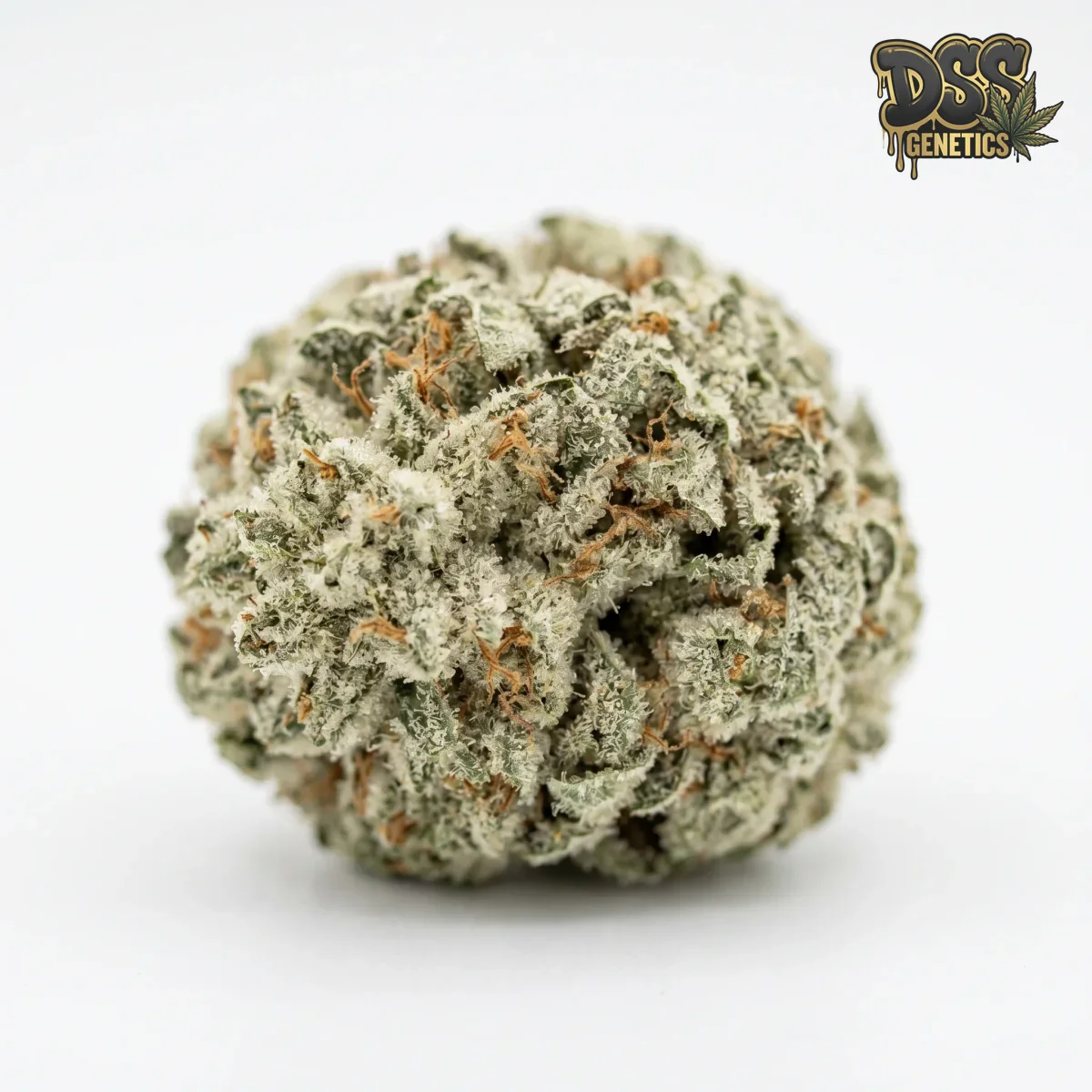 #22
#22Edelweiss Feminized Seeds
THC 19–23% · 80% Indica / 20% Sativa
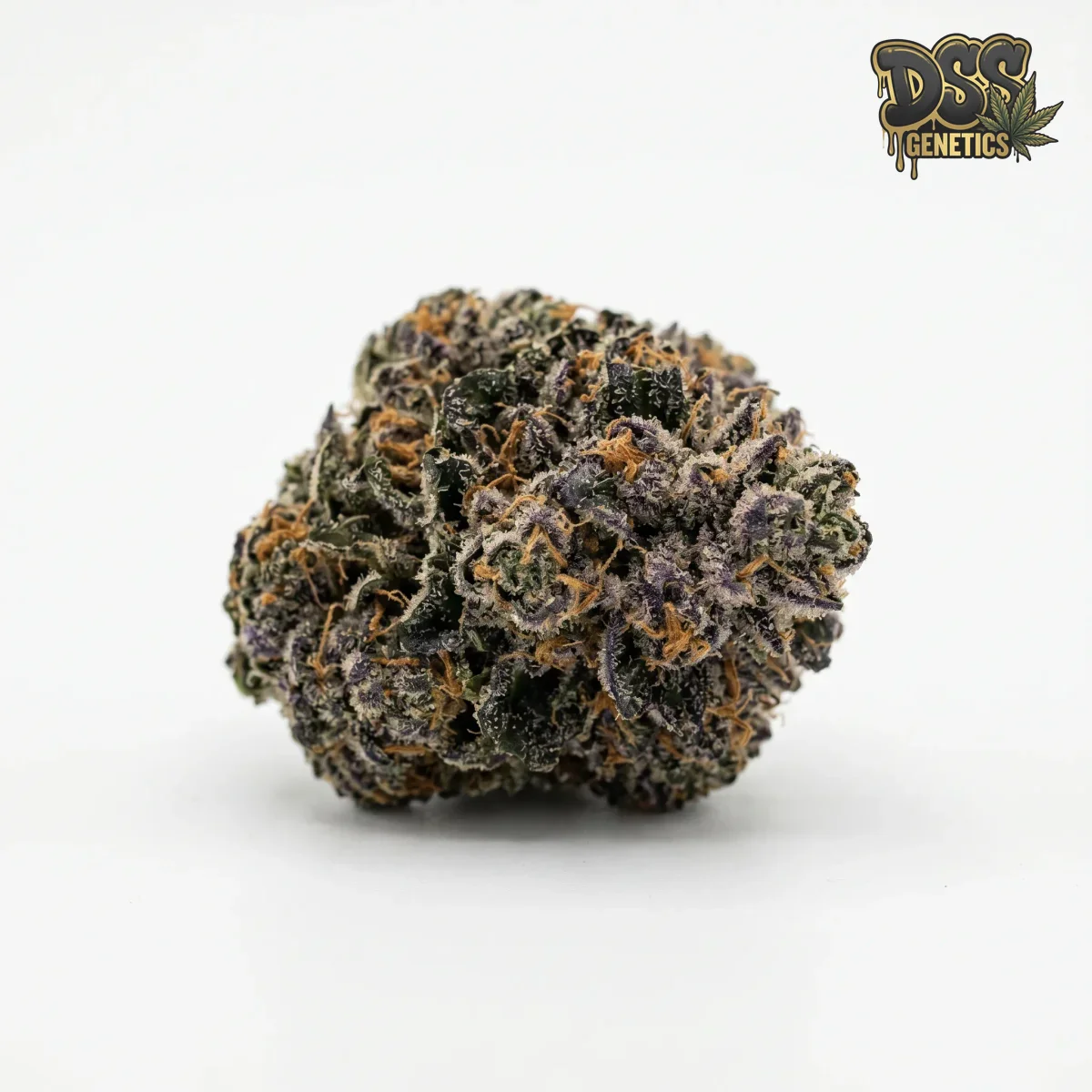 #23
#23Kushberry Feminized Seeds
THC 20–23% · 70% Indica / 30% Sativa
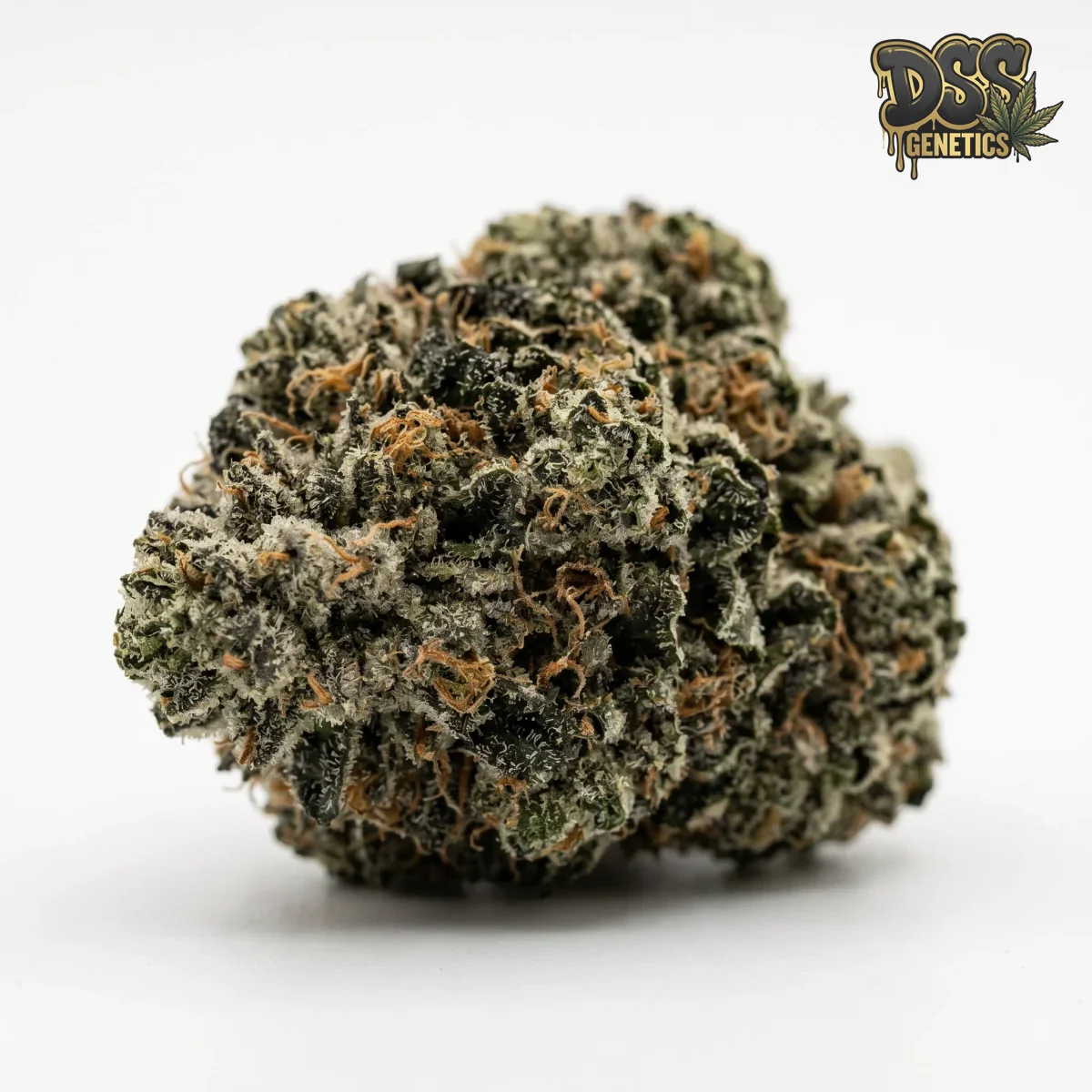 #24
#24Afghan Kush Feminized Seeds
THC 20–23% · 100% Indica / 0% Sativa
Frequently Asked Questions
How does cannabis help with sleep?
Cannabis promotes sleep through multiple mechanisms. THC reduces sleep onset latency (time to fall asleep) and suppresses REM sleep — reducing dreams and nightmares. CBD at moderate doses (25-50mg) reduces anxiety that prevents sleep. Myrcene and Linalool terpenes enhance GABAergic signaling, the primary inhibitory system that regulates sleep. The combined effect is faster sleep onset, fewer nighttime awakenings, and increased deep sleep duration.
Does cannabis affect sleep quality?
Cannabis changes sleep architecture. THC increases deep sleep (stages 3-4) while reducing REM sleep. This means more physically restorative sleep but less dream activity. For most sleep-deprived people, the trade-off is beneficial. Long-term nightly use may reduce the sleep-quality benefits over time as tolerance develops. Cycling (5 nights on, 2 nights off) helps maintain effectiveness.
Is THC or CBD better for sleep?
THC is more directly sedating and is the primary sleep-inducing cannabinoid. CBD helps indirectly by reducing the anxiety and pain that prevent sleep. The most effective sleep formulations combine THC (10-20mg) with CBD (10-25mg) and CBN (2.5-5mg). For those who cannot use THC, high-dose CBD (50-100mg) provides mild sleep benefits, though less pronounced than THC-containing products.
Can cannabis replace sleep medications?
Many chronic insomnia patients successfully transition from prescription sleep aids (benzodiazepines, Z-drugs) to cannabis under medical supervision. Cannabis has a better safety profile, lower addiction potential, and fewer next-day hangover effects than most prescription sleep medications. However, this transition should be gradual and medically supervised — abruptly stopping prescription sleep medications can cause rebound insomnia and other withdrawal effects.
Will I build tolerance to cannabis sleep effects?
Yes — nightly cannabis use for sleep will produce some tolerance over weeks to months, requiring higher doses for the same effect. Strategies to manage tolerance include: cycling use (5 on, 2 off), rotating between different strains, keeping doses as low as effective, and taking periodic tolerance breaks (3-7 days). Combining cannabis with good sleep hygiene (consistent schedule, cool room, no screens) reduces the dose needed.
Medical Disclaimer: This information is for educational purposes only and should not be considered medical advice. Always consult a healthcare professional before using cannabis for medical purposes. Individual results may vary.