Big Bud Feminized Seeds
By Ivan K., DSS Genetics · Updated April 2026

Big Bud Feminized Seeds
SKU: DSS-BIBU-FEM-5PK
Pack Size
Quantity
Disclaimer: For informational purposes only — not medical advice. Consult a healthcare professional before use.
About This Strain
Big Bud Feminized Seeds — Complete Strain Profile
Big Bud Feminized Seeds – Strain Overview
Big Bud is a legendary 85% indica powerhouse bred from three of cannabis history's most celebrated genetics: Afghani, Northern Lights, and Skunk #1. This lineage traces back to the 1980s Amsterdam cannabis scene, where breeders deliberately crossed these heavyweights to chase one goal — the largest, densest buds ever grown. The result was a strain so prolific it won the High Times Cannabis Cup in 1989 and has never left the upper tier of commercial cultivation since.
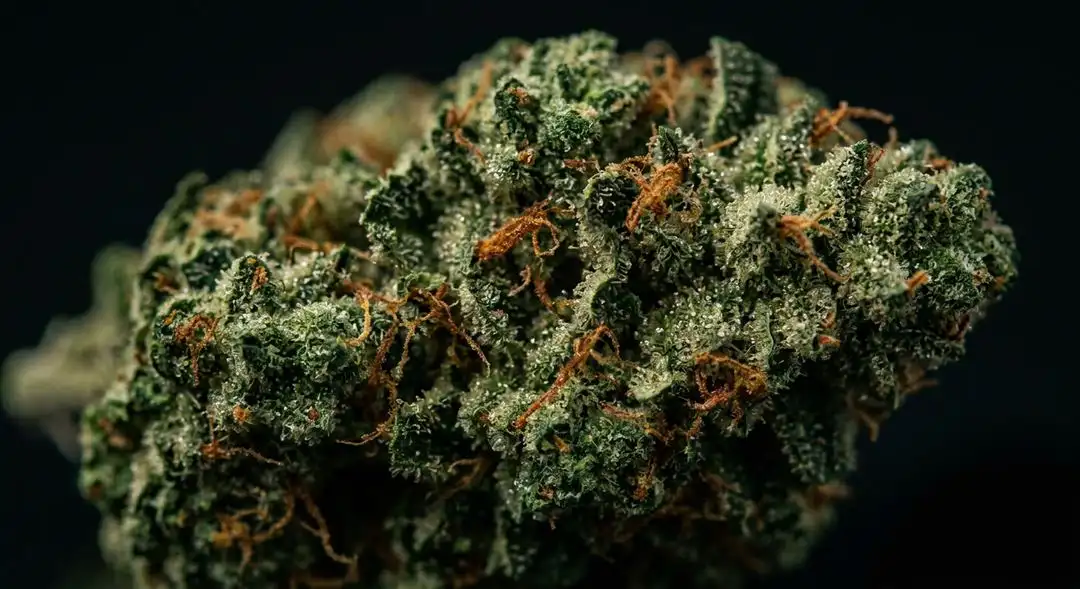
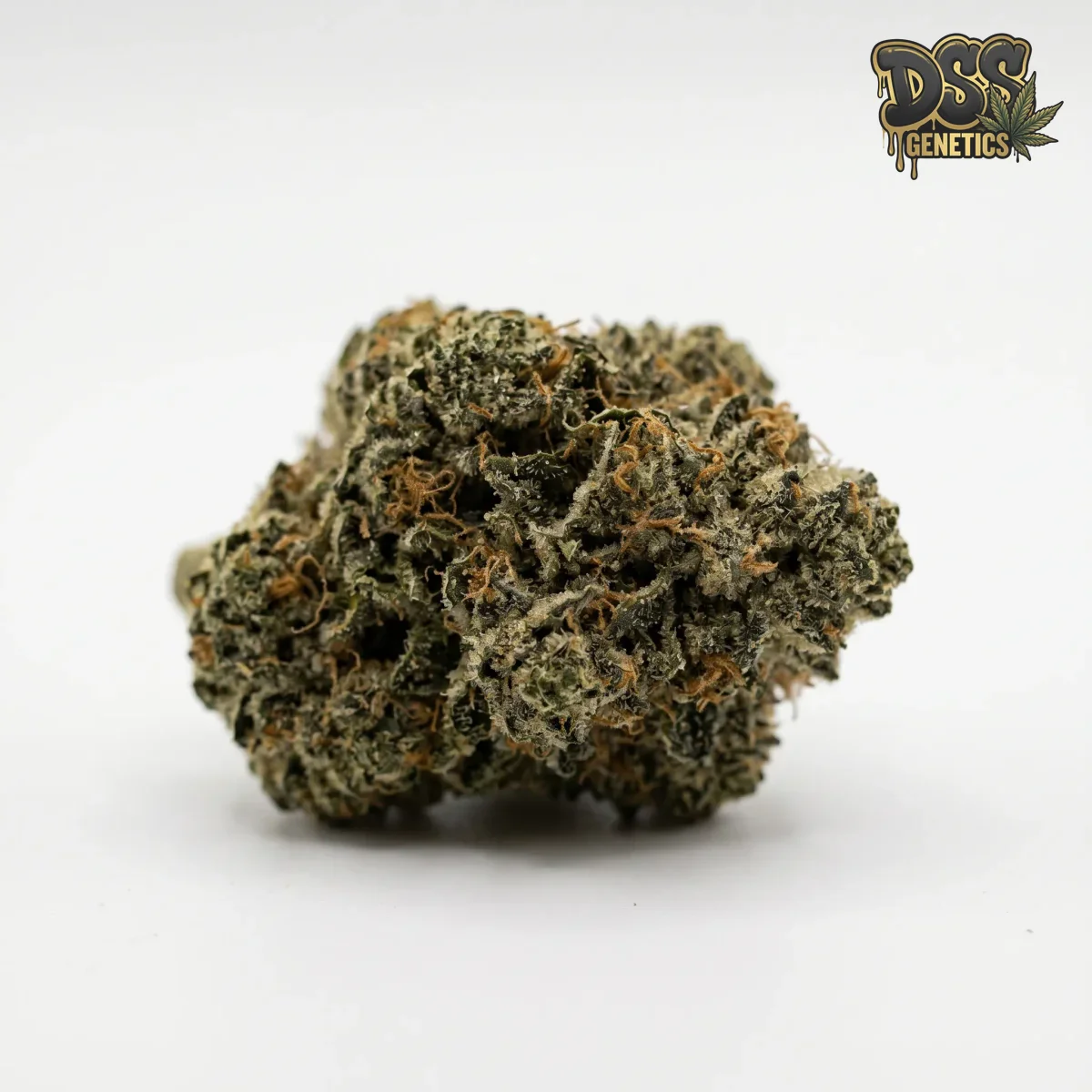
With THC levels pushing 23–26% and a growth structure engineered for weight, Big Bud is one of the most compelling options in the high-yield strain category. The enormous cola clusters that define this strain aren't just visually impressive — they're dense, frost-covered, and loaded with resin that matches the potency numbers on paper.
Effects and Medical Benefits
Big Bud opens with a warm, enveloping euphoria that settles behind the eyes first — a gentle cerebral lift that feels more like exhaling than elevating. Within 20–30 minutes, the Afghani and Northern Lights heritage takes full control, rolling a wave of physical relaxation down through the shoulders, chest, and limbs that few indica strains can match in depth or consistency.
At 23–26% THC, this isn't a strain you underestimate on a worknight. What begins as happy and sociable gradually deepens into genuine sedation, pulling most users toward the couch and then toward the pillow. The hunger that arrives mid-session is notable — full and persistent, not a passing craving.
Users consistently report these effects:
- Deep physical relaxation — full-body calm that releases muscle tension from the first exhale
- Euphoric happiness — a bright, warm mood lift that softens stress without racing the mind
- Progressive sedation — builds steadily over 60–90 minutes into genuine sleepiness at higher doses
- Intense appetite stimulation — reliable and strong, arriving in the middle of the session
On the medical side, Big Bud is a consistent choice for patients managing:
- Chronic stress — the indica body load physically unwinds tension that mental techniques can't reach
- Anxiety — the calming progression reduces racing thoughts without the disorientation of stronger sativas
- Insomnia — the sedative endpoint makes it a dependable sleep aid, especially at doses above 0.3g
- Pain management — the Afghani genetics carry well-documented body-numbing properties effective for muscle aches and tension headaches
The 0.1–1% CBD range contributes modest but real therapeutic support. Even at lower CBD concentrations, the interaction between CBD and Big Bud's dense terpene matrix creates measurable synergy through the entourage effect — particularly relevant for users targeting inflammation and physical discomfort.
Aroma, Flavor and Terpene Profile
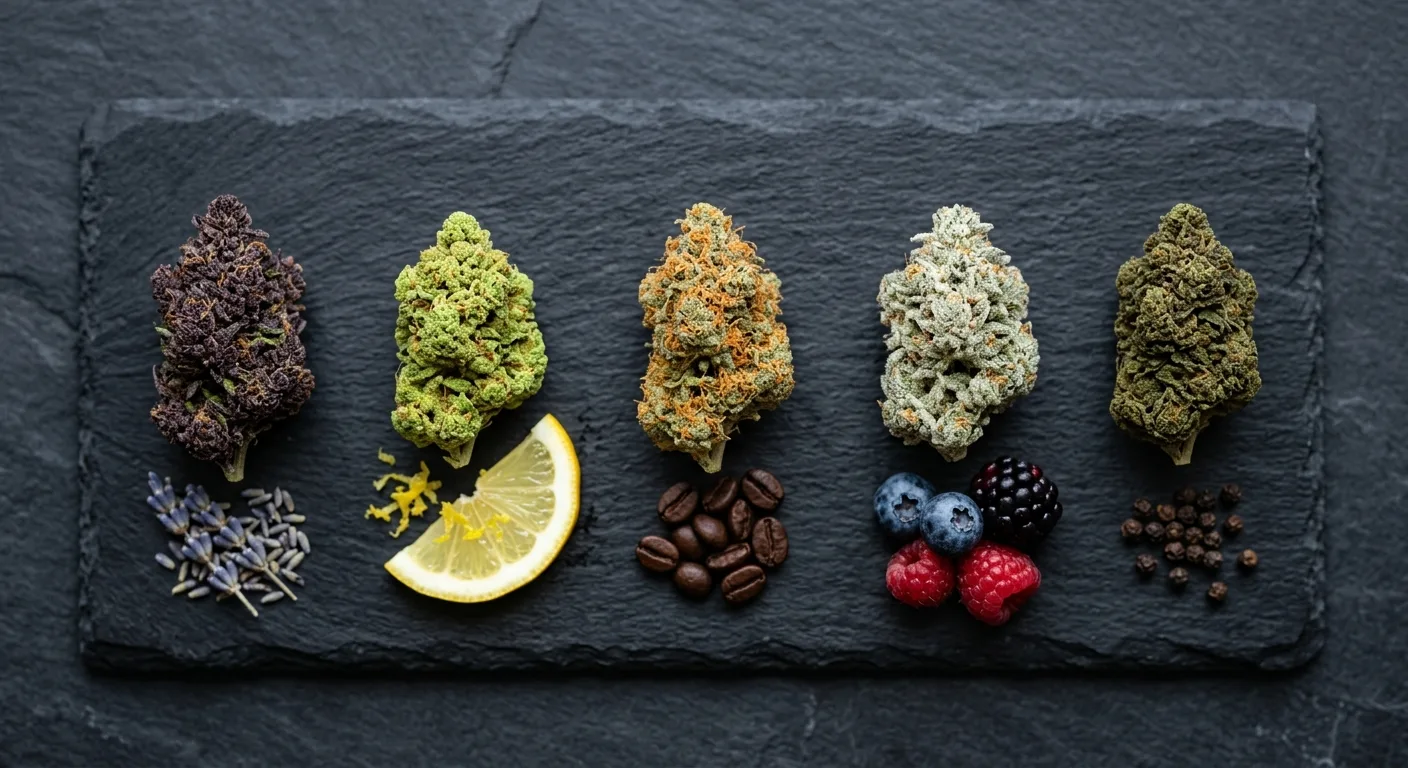
Breaking open a cured Big Bud flower releases a smell that's both familiar and complex — the kind of aroma that fills a room and announces itself. There's a thick sweetness upfront, like brown sugar and overripe fruit, sitting on top of a base of damp soil and aged wood. Then the Skunk #1 lineage announces itself: a sharp, skunky edge that cuts through the sweetness and grounds the whole profile in something unmistakably cannabis.
On the inhale, the flavor leads with earthy sweetness — smooth and rounded, with a faint tropical quality reminiscent of mango or papaya skin rather than concentrated fruit juice. The mid-palate brings the woody, spicy character inherited from the Afghani parent, warm and slightly resinous. The exhale is where the skunky and earthy notes linger longest, leaving a pleasant, spicy aftertaste that stays on the tongue for several minutes after the session.
Without formal terpene lab data attached to this batch, the flavor and effect profile strongly suggest a myrcene-dominant terpene foundation. Myrcene is the backbone of nearly every indica-leaning Afghani descendant, responsible for the heavy, musky earthiness and the sedative body effect that defines Big Bud's finish. It's likely the single most abundant terpene in this strain.
The skunky sharpness and tropical fruit brightness point clearly to terpinolene — a terpene that shows up consistently in Skunk-derived genetics and contributes floral, piney, and herbal complexity alongside the sweeter aromatic notes. Terpinolene also carries mild uplifting properties that explain Big Bud's initial euphoric phase before the indica sedation takes over.
The spicy, woody heat on the exhale carries the signature of caryophyllene. As the only terpene known to bind directly to CB2 receptors in the endocannabinoid system, caryophyllene adds genuine anti-inflammatory activity to the profile — not just aroma. This makes it particularly relevant for users targeting pain and physical tension rather than purely recreational use.
Rounding out the profile, the earthy forest depth and faint piney quality suggest the presence of humulene, a terpene with documented appetite-suppressing properties in isolation that — interestingly — appears to work differently in combination with myrcene, where the appetite-stimulating effects dominate. This terpene interaction is one of the clearer examples of the entourage effect in action within a single strain profile.
Growing Big Bud Seeds
Big Bud is genuinely easy to grow — not in the marketing sense of 'straightforward for experts,' but in the practical sense that first-time indoor growers regularly pull impressive harvests from it. The Afghani and Northern Lights genetics contribute a robustness that tolerates minor nutrient errors, humidity fluctuations, and the inevitable beginner mistakes without catastrophic consequences. This makes it one of the best easy-to-grow strains for new cultivators who want a rewarding first yield.
What experienced growers quickly discover is that the primary challenge with Big Bud isn't growth complexity — it's structural management. The buds get heavy. Genuinely, surprisingly heavy for a medium-sized plant. Without support, main colas will bend or snap in the final two weeks of flowering. Plan for bamboo stakes or a SCROG net before you enter the flowering stage, not during it.
Indoors, Big Bud performs best in a temperature range of 68–78°F (20–26°C) during lights-on, dropping no lower than 62°F (17°C) during the dark cycle. Humidity management matters most in weeks 6–9 of flower, when the density of the buds creates microclimates inside each cola where moisture can accumulate. Keep relative humidity at or below 45% during late flower and maintain strong lateral airflow through the canopy — not just over the tops. Outdoors, Big Bud suits temperate climates with warm summers and dry autumns. Plants in Mediterranean-style climates routinely hit the upper end of that 18–25 oz/plant outdoor yield range.
During the vegetative stage, Big Bud responds particularly well to low-stress training. The natural growth structure is wide and bushy with strong lateral branching — LST works with the plant's architecture rather than against it, spreading the canopy without the recovery time that more aggressive topping requires. Feeding during veg should emphasize nitrogen with balanced phosphorus and potassium; once you flip to flower, drop nitrogen sharply and push phosphorus and potassium aggressively from week 3 of flower through week 7.
Key growing tips for Big Bud:
- Support those colas early: Install a SCROG net or bamboo stakes before buds start to swell — week 3 of flower at the latest. The weight load in weeks 7–9 will surprise you if you're not prepared.
- Dial in late-flower humidity: The bud density that produces those massive yields also creates serious mold risk above 50% RH in late flower. Target 40–45% RH with active airflow through — not just over — the canopy.
- Push the nutrient program hard in mid-flower: Follow a phosphorus-heavy nutrient schedule from weeks 3–7 of flower. Big Bud's yield potential is directly tied to how aggressively you feed during peak bud development.
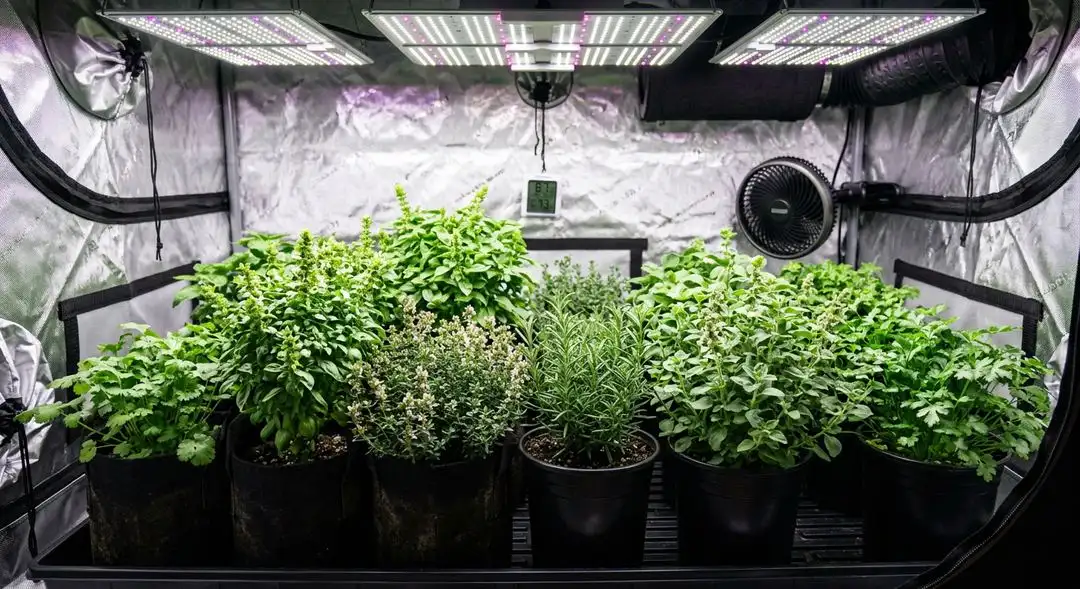
- Indoor growers: A 4×4 tent with a 600–1000W light is the sweet spot for indoor Big Bud cultivation. Running 4–6 plants under a SCROG net fills the canopy efficiently and maximizes the 1.2–1.9 oz/ft² yield range.
- Outdoor growers: Plant in full sun with well-draining, organically rich soil. In outdoor gardens, Big Bud benefits from a longer veg period — 8–10 weeks — to build the structural mass needed to support its flowering weight.
Yield and Flowering Time
Big Bud flowers in 60–65 days — a clean 9-week indoor cycle that fits neatly into most commercial and home growing schedules. Indoor yields land between 1.2 and 1.9 oz/ft², with the upper end achievable when growers combine SCROG training, aggressive mid-flower feeding, and tight environmental control. Outdoors, well-established plants in suitable climates regularly produce 18–25 oz/plant, making this one of the heaviest-yielding strains in the high-yield collection.
What separates a 1.2 oz/ft² harvest from a 1.9 oz/ft² harvest with Big Bud isn't luck — it's canopy management and nutrient timing. Growers who fill their SCROG net completely during veg and feed phosphorus aggressively from week 3 of flower consistently land in the top tier of that yield range. Those who underfeed or let buds crowd without airflow hit the lower end and deal with mold risk on top of it.
To maximize your harvest:
- Trichome timing: Harvest when 70–80% of trichomes are milky white with 10–20% amber. Big Bud harvested too early loses the deep body sedation that defines its medical value — wait for full amber development if sleep is the primary goal.
- Final flush: Run plain, pH-balanced water (6.0–6.5 for soil, 5.8–6.0 for hydro) for the final 7–10 days before harvest to clear residual nutrients and improve final flavor quality.
- Late-flower humidity: Drop to 40–45% RH in the last two weeks and increase airflow. The tight cola structure that produces Big Bud's impressive weights is also its greatest mold vulnerability.
- Drying and curing: Hang dry whole branches at 60–65°F (15–18°C) and 55–60% RH for 10–14 days, then cure in sealed jars for a minimum of 4 weeks. The woody, earthy depth of the flavor profile develops significantly with proper cure time — rushing this step costs more in quality than any other part of the process.
Why Buy Big Bud Seeds from DSS Genetics?
Every Big Bud feminized seed ships with a full germination guarantee — if it doesn't sprout under standard germination conditions, we replace it, no questions asked. Orders ship discreetly in discreet, unmarked packaging that gives no indication of contents from the outside. If you're not sure where to start, our germination guide covers every method from paper towel to direct soil in detail.
- Germination guaranteed — every seed backed by our replacement promise, no paperwork required
- Discreet shipping — plain, unmarked packaging on every order
- Spend $100+ — receive free premium seeds added to your order automatically at checkout
- Optimal seed storage — seeds are stored at controlled temperature and humidity from our facility to your hands, preserving viability and germination rates
Frequently Asked Questions
Is Big Bud a good strain for first-time growers?
Yes — Big Bud is one of the most beginner-friendly strains available, rated easy difficulty across both indoor and outdoor environments. The Afghani and Northern Lights genetics give it a natural resilience to minor mistakes in feeding and humidity. The one area beginners should prepare for is physical cola support: the buds get heavy enough in late flower to bend or break branches without stakes or a net. Read our training techniques guide before you flip to flower and you'll be well ahead of the common pitfalls.
How much can I yield from Big Bud indoors?
Indoor yields range from 1.2 to 1.9 oz/ft² over a 60–65 day flowering cycle. The difference between the low and high end comes down to three factors: canopy management (SCROG is strongly recommended), phosphorus-heavy feeding from weeks 3–7 of flower, and tight humidity control in late flower. Growers using hydroponic systems with active root oxygenation consistently hit the upper end of that range. For soil growers, an organically rich medium with mycorrhizal inoculants supports comparable results with less frequent feeding adjustments.
What does Big Bud feel like, and is it too strong for casual users?
Big Bud starts with a warm euphoric happiness that's accessible and sociable, then progressively deepens into heavy physical relaxation and eventual sedation over 60–90 minutes. At 23–26% THC it's genuinely potent — casual users or those new to high-THC strains should start with a small dose and give it a full hour before deciding to consume more. It's best suited to evening use. If you're managing anxiety or insomnia, that progression from euphoria to sedation is exactly the therapeutic arc most users are looking for.
How long does Big Bud take from seed
Medical Disclaimer: This information is for educational purposes only and should not be considered medical advice. Always consult a healthcare professional before using cannabis for medical purposes. Individual results may vary.
Frequently Asked Questions
Big Bud — Common Questions Answered
What is Big Bud?
Big Bud is a indica-dominant cannabis strain (85% Indica / 15% Sativa) bred from Afghani x Northern Lights x Skunk #1. It produces THC levels of 23–26% and CBD levels of 0.1–1%. Known for its relaxing, happy, euphoric effects and sweet, earthy, skunky flavor profile.
Is Big Bud easy to grow?
Yes, Big Bud is an excellent choice for beginners. It has a forgiving growth pattern and doesn't require advanced techniques to produce good yields. Growing difficulty: Easy. It thrives in temperate climates and reaches a medium plant size.
How long does Big Bud take to flower?
Big Bud has a flowering time of 60–65 days. Switch to a 12/12 light cycle to initiate flowering. Expected yields are 1.2 to 1.9 oz/ft² indoors and 18 to 25 oz/plant outdoors.
What are the effects of Big Bud?
Big Bud delivers relaxing, happy, euphoric, sleepy, hungry effects. Many growers report it helps with stress, anxiety, insomnia, pain. With THC levels of 23–26%, it is a potent strain — start with a low dose if you have low tolerance.
Can I grow Big Bud indoors and outdoors?
Yes, Big Bud performs well both indoors and outdoors. Indoor yields average 1.2 to 1.9 oz/ft², while outdoor grows can produce 18 to 25 oz/plant. It prefers temperate conditions. Its medium height is manageable in most indoor setups.
What does "feminized" mean for Big Bud seeds?
Feminized Big Bud seeds are bred to produce only female plants, which are the ones that develop smokable buds. This eliminates the need to identify and remove male plants, saving time and maximizing your grow space. Over 99% of feminized seeds will produce female plants.
Grower Reviews
Real grow experiences from our community
Similar Strains


Get 10% Off Your First Order
Join our newsletter for exclusive deals, growing tips, and new strain drops.