
THC Explained — How It Works
The science behind tetrahydrocannabinol — how it binds to receptors, produces effects, and varies across strains.
Key Takeaways
The science behind tetrahydrocannabinol — how it binds to receptors, produces effects, and varies across strains.
- What Is THC?
- How THC Binds to CB1 Receptors
- Psychoactive Effects Explained
- THC Percentage — What It Means
1. What Is THC?
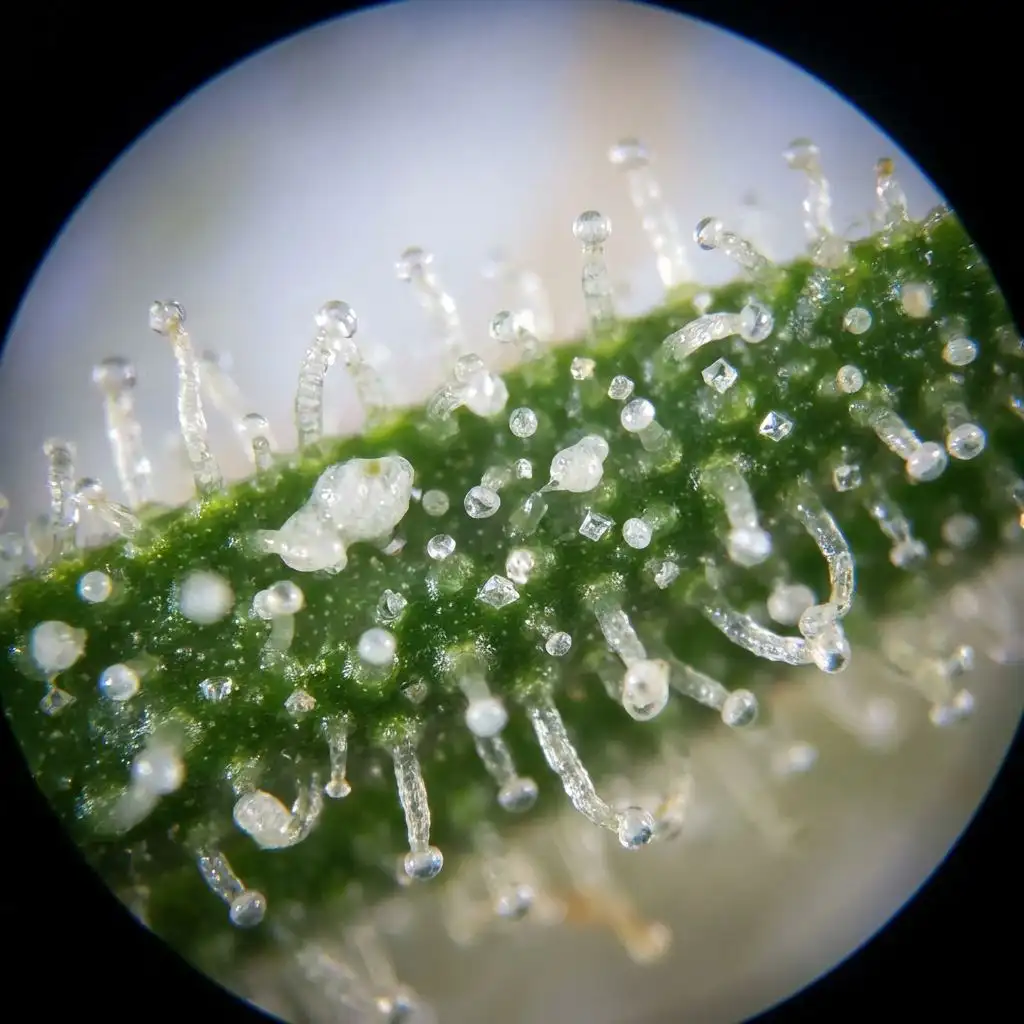
Delta-9-tetrahydrocannabinol (THC) is the primary psychoactive compound in cannabis and the molecule responsible for the "high." It was first isolated and synthesized by Israeli chemist Raphael Mechoulam and Yechiel Gaoni in 1964 at the Hebrew University of Jerusalem — a breakthrough that launched modern cannabinoid science.
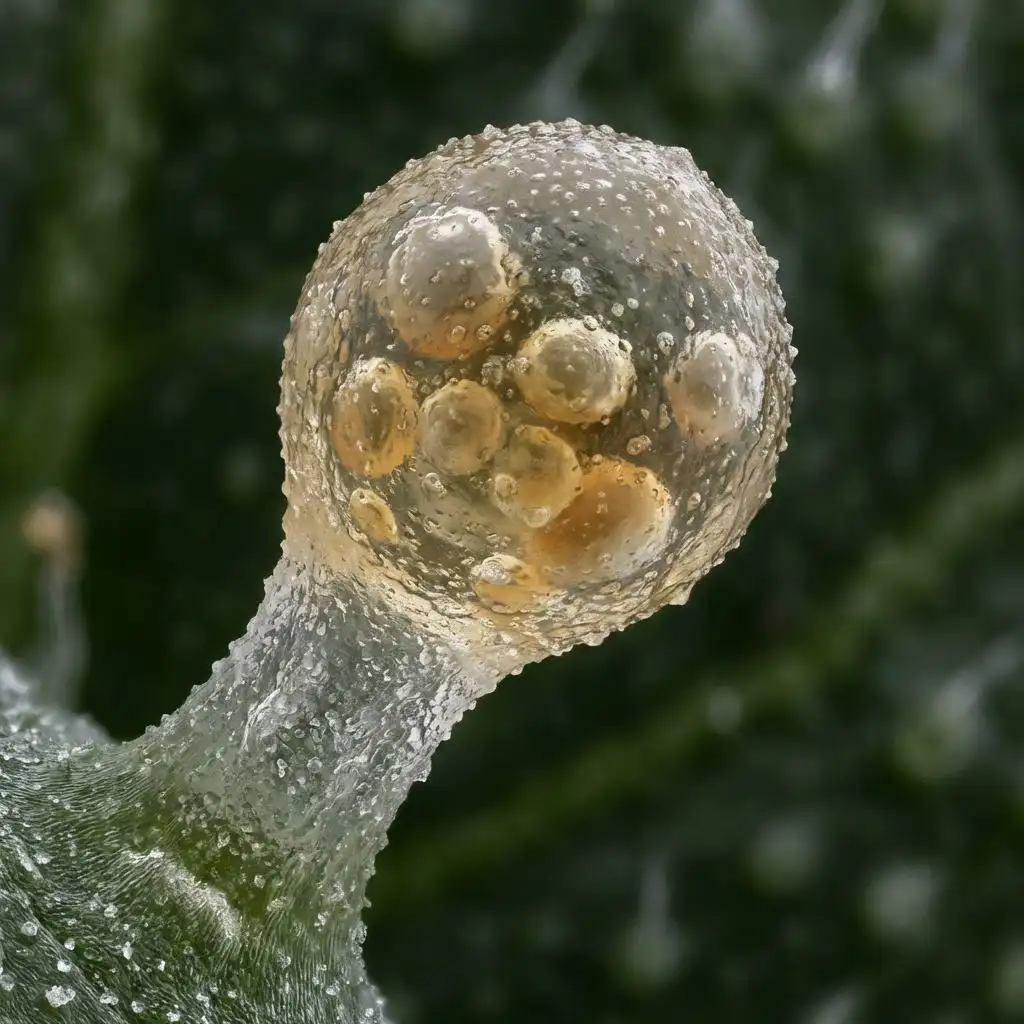
THC is one of over 100 cannabinoids produced by the cannabis plant, but it dominates most cultivars at concentrations between 15% and 30% by dry weight. The molecule is biosynthesized in the trichome glands on flower surfaces as THCA (tetrahydrocannabinolic acid), a non-psychoactive precursor. THCA only converts to active THC through decarboxylation — the application of heat during smoking, vaporizing, or cooking.
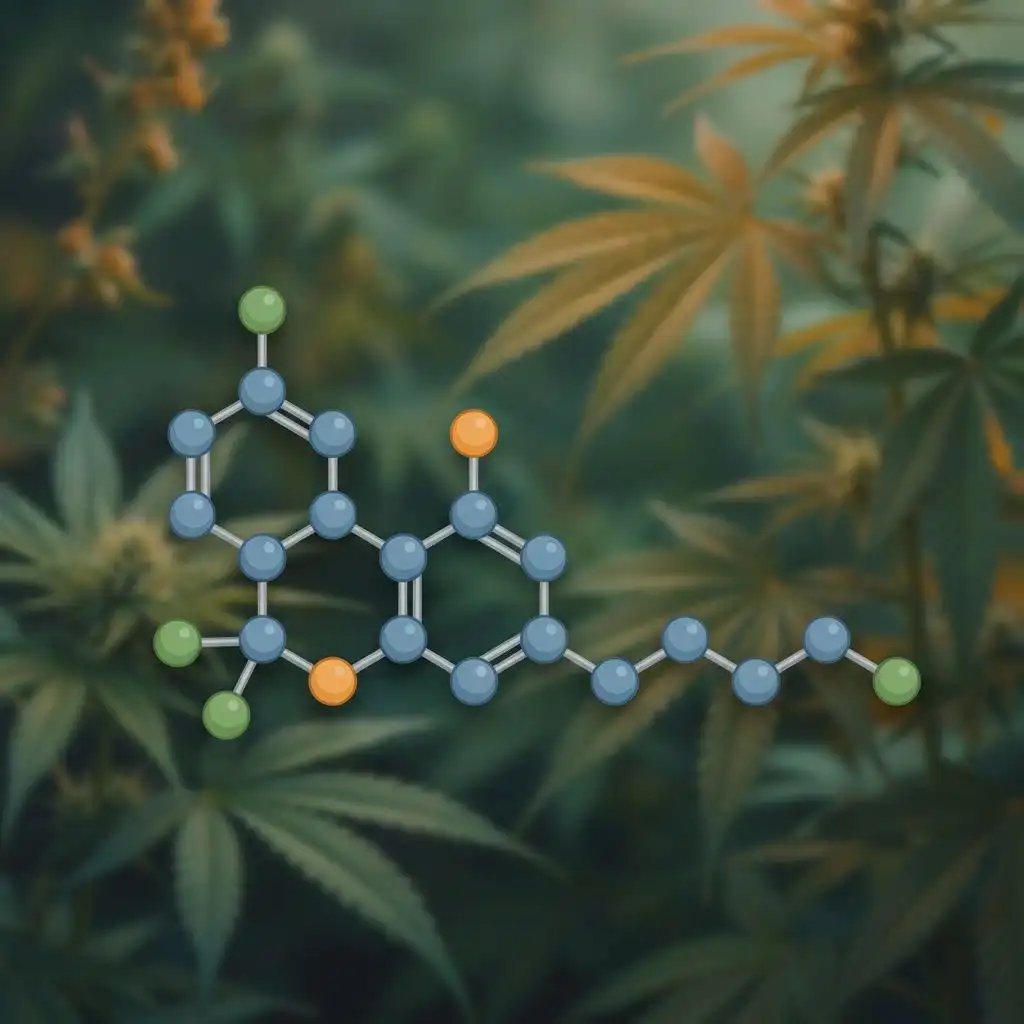
Chemically, THC belongs to the terpenophenolic family. Its molecular formula is C₂₁H₃₀O₂ with a molecular weight of 314.46 g/mol. The molecule contains a cyclohexene ring, a phenol group, and a pentyl side chain — the latter being critical for its ability to bind to cannabinoid receptors in the brain.
2. How THC Binds to CB1 Receptors
THC produces its psychoactive effects by acting as a partial agonist at the CB1 receptor (cannabinoid receptor type 1). CB1 receptors are G protein-coupled receptors concentrated heavily in the brain — particularly in the hippocampus (memory), basal ganglia (movement), cerebellum (coordination), prefrontal cortex (decision-making), and amygdala (emotion).
When THC binds to CB1, it mimics the endogenous cannabinoid anandamide — but with a critical difference. Anandamide is rapidly broken down by the enzyme FAAH (fatty acid amide hydrolase), so its effects are brief and localized. THC resists enzymatic breakdown, producing a prolonged activation of the receptor that can last 2–6 hours depending on the route of administration.
As a partial agonist, THC doesn't fully activate CB1 the way a full agonist would. This is why cannabis has a relatively high safety margin compared to synthetic cannabinoids like JWH-018 or AB-FUBINACA, which are full agonists and carry far greater overdose risk. THC's partial agonism also means its effects plateau at high doses — consuming more doesn't proportionally increase the effect, which explains why experienced users report diminishing returns from ultra-high-THC strains.
3. Psychoactive Effects Explained
THC's effects on the brain are complex and dose-dependent. At the receptor level, CB1 activation inhibits the release of other neurotransmitters — a process called retrograde signaling. When a post-synaptic neuron fires, it releases endocannabinoids that travel backward to the pre-synaptic neuron and reduce further neurotransmitter release. THC hijacks this system on a larger scale.
- Dopamine release: THC indirectly increases dopamine in the mesolimbic pathway by inhibiting GABA neurons that normally suppress dopamine release. This produces the euphoria and reward sensation associated with cannabis.
- Altered time perception: CB1 activation in the cerebellum and basal ganglia disrupts internal timing mechanisms, making minutes feel longer.
- Appetite stimulation: THC activates CB1 receptors in the hypothalamus, increasing production of the hunger hormone ghrelin and enhancing the palatability of food — the "munchies."
- Short-term memory impairment: Hippocampal CB1 activation disrupts the consolidation of short-term memories into long-term storage, which is why users may forget what they were saying mid-sentence.
- Anxiolysis vs. anxiety: Low doses (2.5–5 mg) typically reduce anxiety via amygdala CB1 activation, while high doses (>20 mg) can trigger anxiety or paranoia by overstimulating the same pathways.
The biphasic nature of THC is one of its defining characteristics — low and high doses often produce opposite effects. This is why "start low and go slow" is not just advice but a pharmacological reality.
4. THC Percentage — What It Means
When a lab reports a strain at "24% THC," it means 24% of the flower's dry weight is THC (technically THCA, which converts at approximately 87.7% efficiency during decarboxylation). So a gram of 24% flower contains roughly 210 mg of bioavailable THC when smoked.
However, THC percentage alone is a poor predictor of subjective experience. Research from the University of Colorado Boulder (2020) found that users of high-potency concentrates (70–90% THC) were not significantly more impaired than users of moderate-potency flower (16–24% THC). The study suggests a ceiling effect: beyond a certain concentration, additional THC doesn't translate to a proportionally stronger experience.
What matters more than raw THC percentage is the full chemical profile — the combination of terpenes, minor cannabinoids, and flavonoids that create what's known as the entourage effect. A 18% THC strain rich in myrcene and caryophyllene can feel more potent than a 28% strain with a thin terpene profile. This is why chasing numbers on lab reports often leads growers and consumers astray.
| THC Range | Classification | Typical User Experience |
|---|---|---|
| <10% | Low THC | Mild relaxation, suitable for beginners or microdosing |
| 10–15% | Moderate | Gentle euphoria, functional use throughout the day |
| 15–20% | Above Average | Clear psychoactive effect, standard recreational range |
| 20–25% | High | Strong effect, experienced users preferred |
| 25%+ | Very High | Intense effect, diminishing returns above ~25% for most users |
5. Delta-9 vs Delta-8 THC
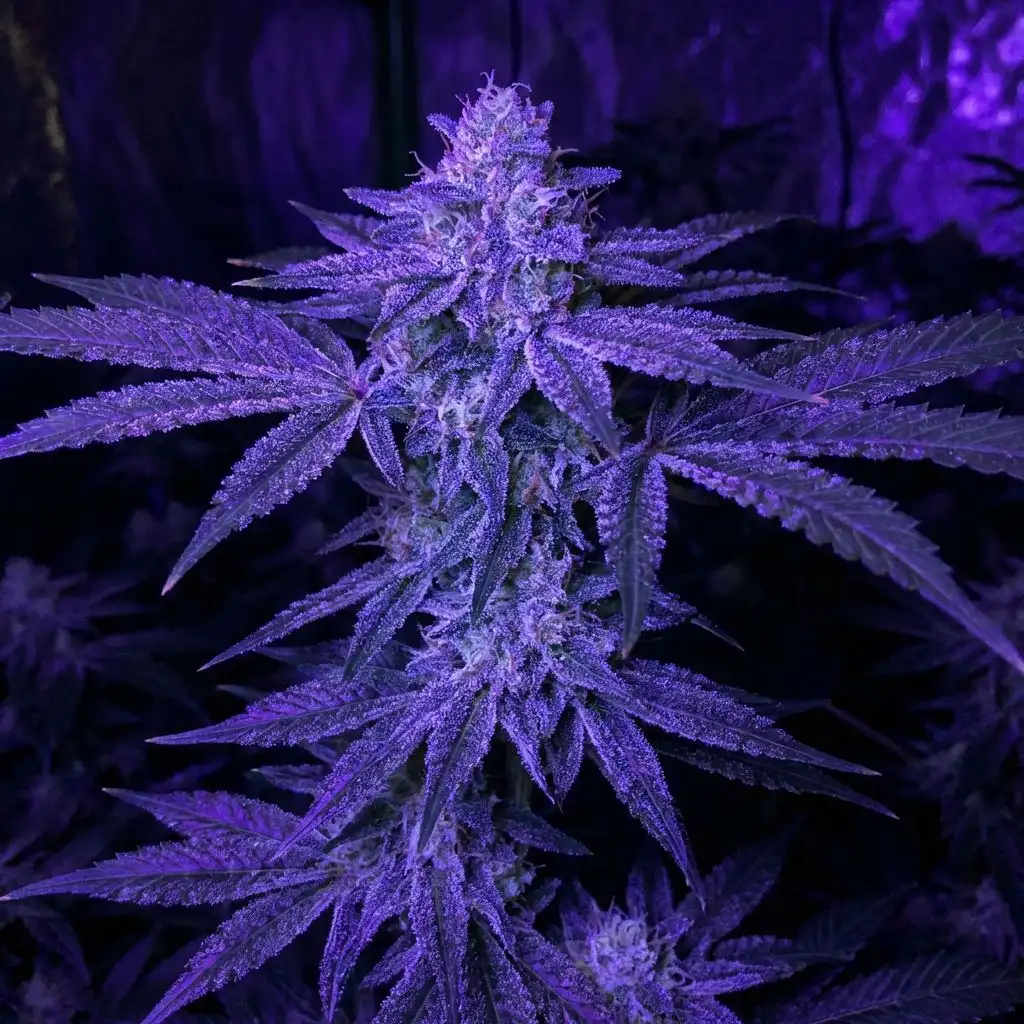
Delta-9 THC is the "standard" THC found naturally in cannabis at high concentrations. Delta-8 THC is a structural isomer — the double bond sits on the 8th carbon in the chain instead of the 9th. This seemingly minor difference has significant pharmacological consequences.
Delta-8 binds to CB1 with roughly 50–75% of the affinity of Delta-9, producing a milder, often described as "clearer" high with less anxiety and paranoia. In the National Cancer Institute's research, Delta-8 was described as having approximately two-thirds the potency of Delta-9. Users frequently report it as relaxing without the cognitive fog or paranoia that higher Delta-9 doses can trigger.
Naturally, Delta-8 occurs in cannabis at extremely low concentrations — typically less than 0.1% of the plant's cannabinoid content. The Delta-8 products on the market are almost exclusively made through chemical isomerization of CBD derived from hemp. This process uses acids or catalysts to rearrange CBD's molecular structure into Delta-8 THC, which raises questions about residual solvents, byproducts, and regulatory status. From a consumer standpoint, naturally-grown Delta-9 flower with a known terpene profile remains the most predictable and well-studied option.
6. Factors Affecting THC Potency
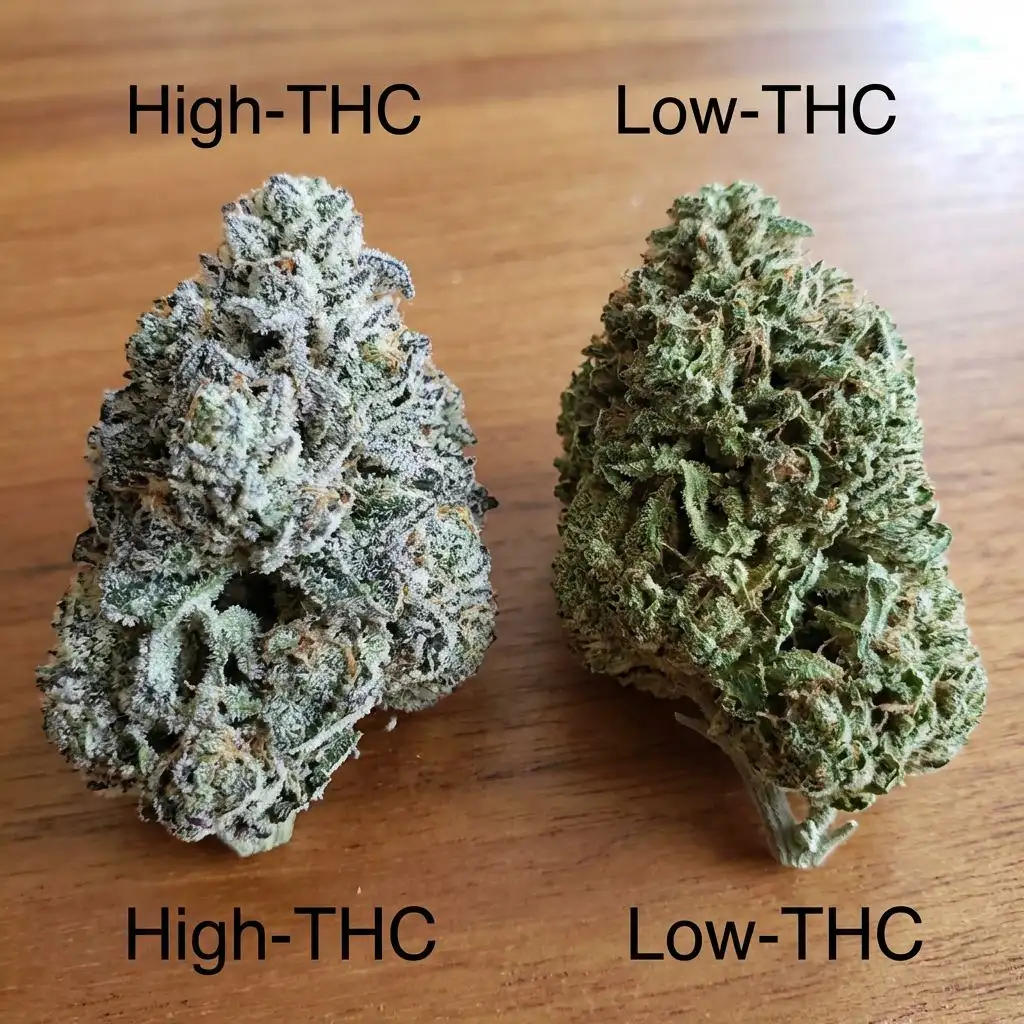
THC concentration in the final flower is determined by a combination of genetics, environment, and post-harvest handling. Genetics set the ceiling — no amount of perfect growing conditions will push a strain beyond its genetic potential for THC production.
- Genetics: The single largest factor. Strains bred for high THC (like Gorilla Glue #4 or Girl Scout Cookies) express higher levels of the THCA synthase enzyme, directing more of the CBG precursor toward THC production rather than CBD or other cannabinoids.
- Light intensity: Higher PPFD during flowering (800–1200 µmol/m²/s) drives greater trichome production and cannabinoid synthesis. UV-B supplementation (280–315 nm) in the final 2–3 weeks has been shown to increase THC by 10–30% in some studies, as the plant produces more trichomes as a UV defense mechanism.
- Harvest timing: THC peaks when trichomes transition from clear to milky/cloudy. Amber trichomes indicate THC has begun degrading to CBN — waiting too long reduces THC and increases sedative effects.
- Drying & curing: Improper drying (too fast, too hot) degrades THC and terpenes. A slow dry at 15–18°C and 55–62% humidity over 10–14 days preserves maximum potency.
- Storage: THC degrades with exposure to light, heat, and oxygen. Flower stored in airtight glass jars in a cool, dark place retains potency for 6–12 months. After that, THC oxidizes to CBN at roughly 5% per year under standard conditions.
7. THC Tolerance and Half-Life
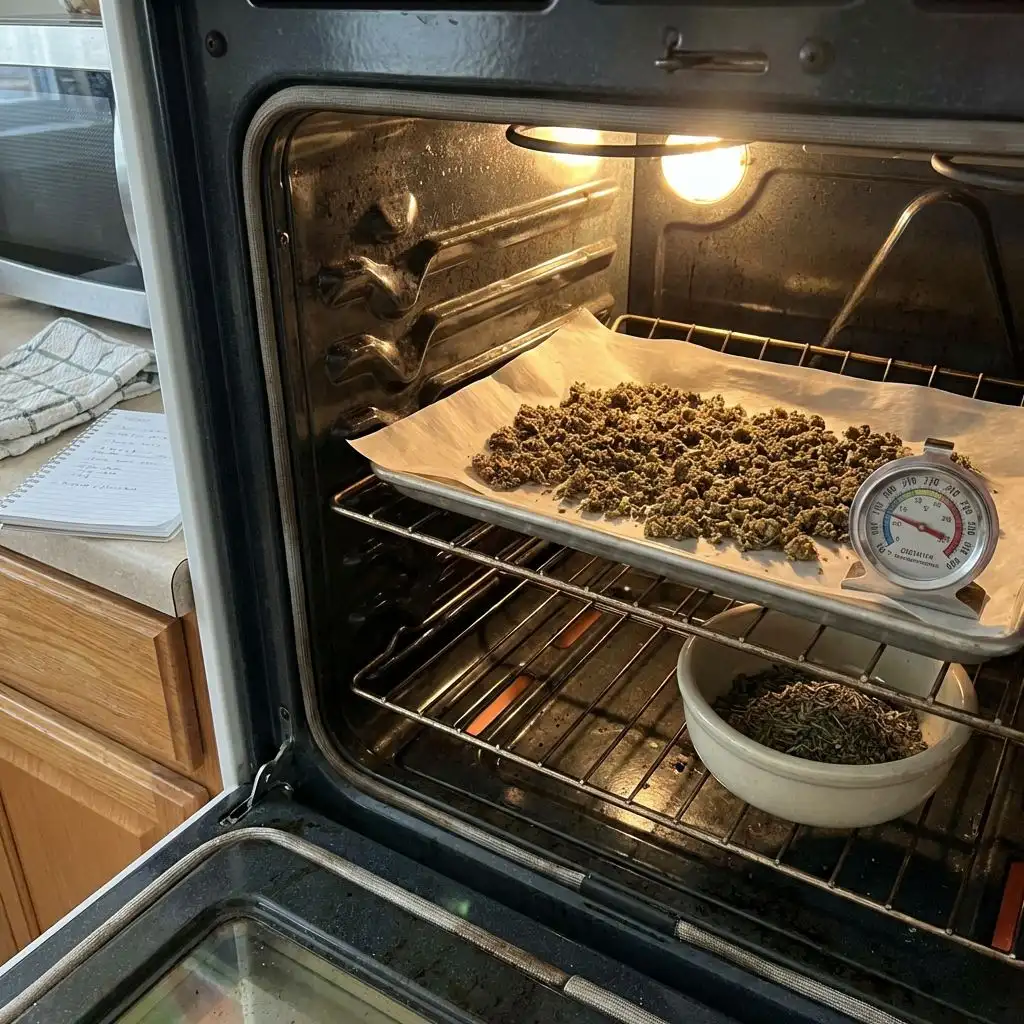
THC tolerance develops through CB1 receptor downregulation. With repeated exposure, the brain reduces the number and sensitivity of CB1 receptors on the cell surface — a process called internalization. Studies using PET imaging have shown that chronic cannabis users have 20–30% fewer available CB1 receptors than non-users, particularly in the cortex, hippocampus, and cerebellum.
The good news: this process is largely reversible. Research published in Biological Psychiatry (2012) demonstrated that after 28 days of abstinence, CB1 receptor availability in chronic users was statistically indistinguishable from never-users. Most regular consumers report noticeable tolerance reduction within just 48–72 hours of abstinence, with significant reductions at the 1–2 week mark — the basis of the popular "T-break."
THC's pharmacokinetic half-life is complex because the molecule is highly lipophilic (fat-soluble). After inhalation, THC rapidly redistributes from the blood into fatty tissues within minutes, producing a quick onset and relatively short subjective effect (2–4 hours). However, THC stored in fat slowly releases back into the blood over days to weeks. The terminal elimination half-life of THC is 1–3 days for occasional users and up to 5–13 days for heavy, chronic users. This is why urine drug tests can detect THC metabolites (THC-COOH) for 30+ days in daily consumers — the metabolites are continuously released from fat stores long after the last use.
| Usage Pattern | Detection Window (Urine) | Tolerance Reset Time |
|---|---|---|
| Single use | 3–5 days | N/A |
| 2–4x per week | 5–14 days | 3–5 days |
| Daily use | 14–30 days | 1–2 weeks |
| Heavy daily (months+) | 30–90+ days | 3–4 weeks full reset |
🌱 Recommended Strains
Frequently Asked Questions
What Is THC?
Delta-9-tetrahydrocannabinol (THC) is the primary psychoactive compound in cannabis and the molecule responsible for the "high." It was first isolated and synthesized by Israeli chemist Raphael Mechoulam and Yechiel Gaoni in 1964 at the Hebrew University of Jerusalem — a breakthrough that launched m...
How THC Binds to CB1 Receptors?
THC produces its psychoactive effects by acting as a partial agonist at the CB1 receptor (cannabinoid receptor type 1). CB1 receptors are G protein-coupled receptors concentrated heavily in the brain — particularly in the hippocampus (memory), basal ganglia (movement), cerebellum (coordination), pre...
What is Psychoactive Effects Explained?
THC's effects on the brain are complex and dose-dependent. At the receptor level, CB1 activation inhibits the release of other neurotransmitters — a process called retrograde signaling. When a post-synaptic neuron fires, it releases endocannabinoids that travel backward to the pre-synaptic neuron an...
What is THC Percentage — What It Means?
When a lab reports a strain at "24% THC," it means 24% of the flower's dry weight is THC (technically THCA, which converts at approximately 87.7% efficiency during decarboxylation). So a gram of 24% flower contains roughly 210 mg of bioavailable THC when smoked. However, THC percentage alone is a po...
What is Delta-9 vs Delta-8 THC?
Delta-9 THC is the "standard" THC found naturally in cannabis at high concentrations. Delta-8 THC is a structural isomer — the double bond sits on the 8th carbon in the chain instead of the 9th. This seemingly minor difference has significant pharmacological consequences. Delta-8 binds to CB1 with r...