
Cannabis Pest & Disease Guide
Identify, prevent, and eliminate the most common threats to your cannabis garden — before they destroy your harvest.
Key Takeaways
Identify, prevent, and eliminate the most common threats to your cannabis garden — before they destroy your harvest.
- Prevention First
- Spider Mites — Identification & Treatment
- Fungus Gnats
- Powdery Mildew
1. Prevention First
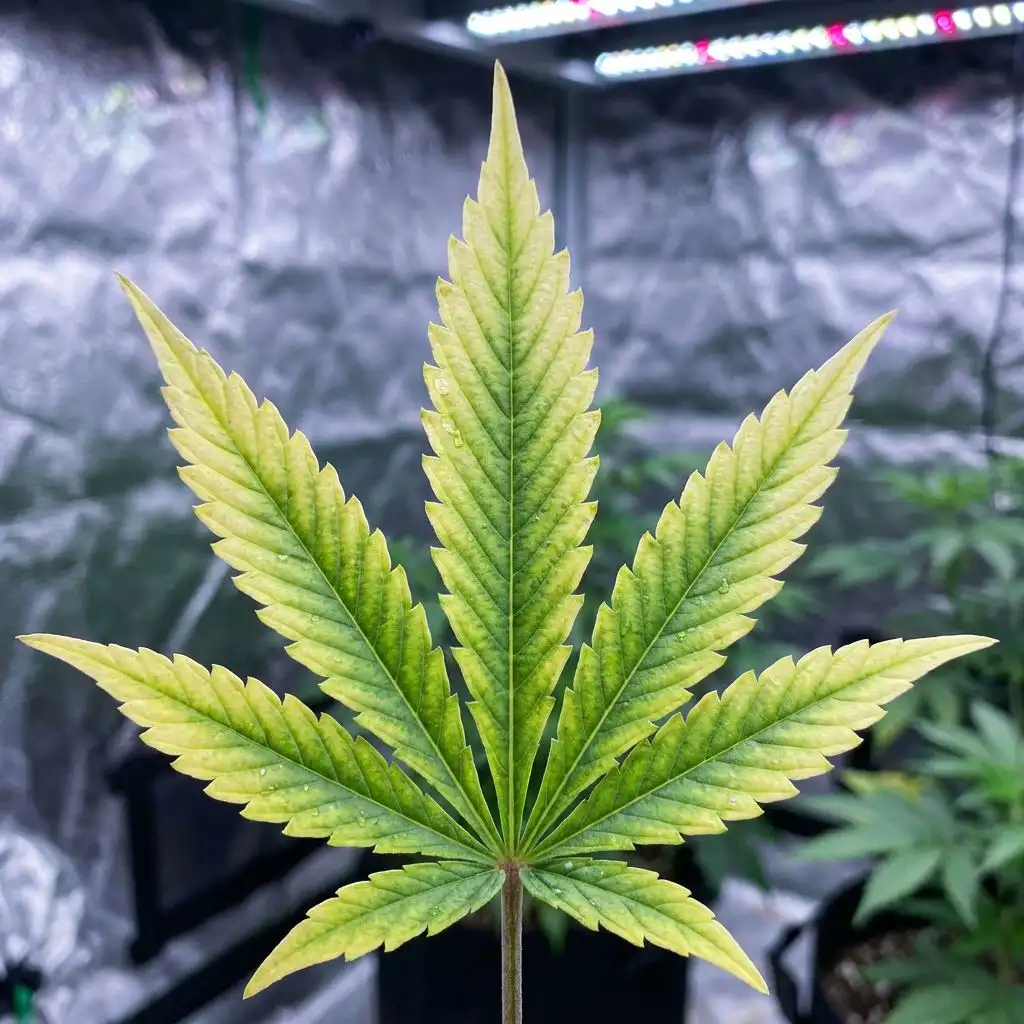
The golden rule of cannabis pest management: prevention is 90% of the battle. Once an infestation takes hold — especially during flower — your options become limited and your harvest quality is compromised regardless of treatment success. Building a robust prevention routine costs almost nothing compared to fighting an active outbreak.
Start with environmental controls. Keep your grow space clean and sealed. Never enter your grow room wearing clothes you wore outdoors. Use intake filters (HEPA or fine mesh) on all air inlets. Maintain proper temperature (70–80°F) and humidity (40–50% in flower) — most pests and molds thrive in stagnant, warm, humid conditions. Strong oscillating airflow across the canopy is one of your best defenses against both pests and fungal issues.
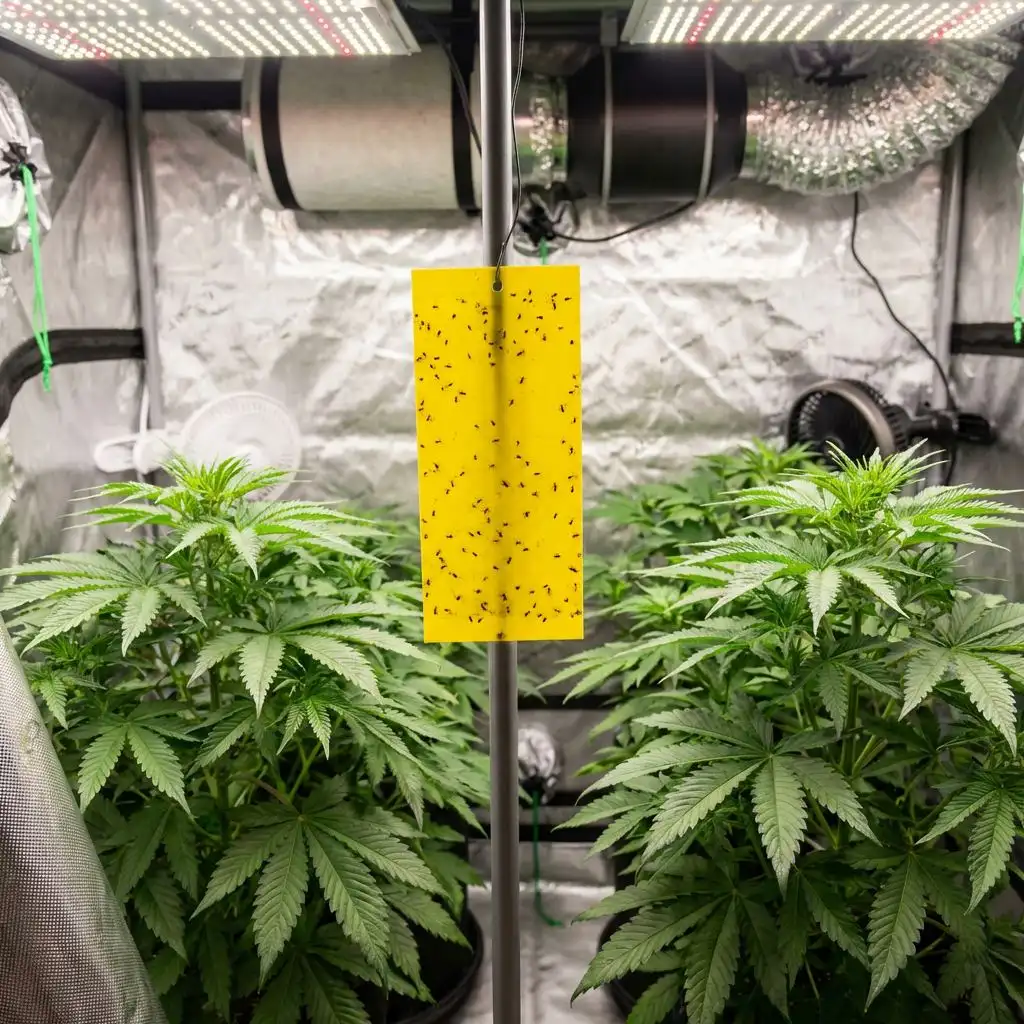
Implement Integrated Pest Management (IPM) as a preventive routine, not a reaction to problems. Weekly foliar sprays of neem oil (veg only) or potassium bicarbonate provide a baseline defense. Inspect undersides of leaves with a jeweler's loupe every 2–3 days. Yellow sticky traps placed at canopy level catch flying insects early, acting as both monitor and first line of defense. Quarantine any new plants or clones for 7–14 days before introducing them to your garden.
2. Spider Mites — Identification & Treatment
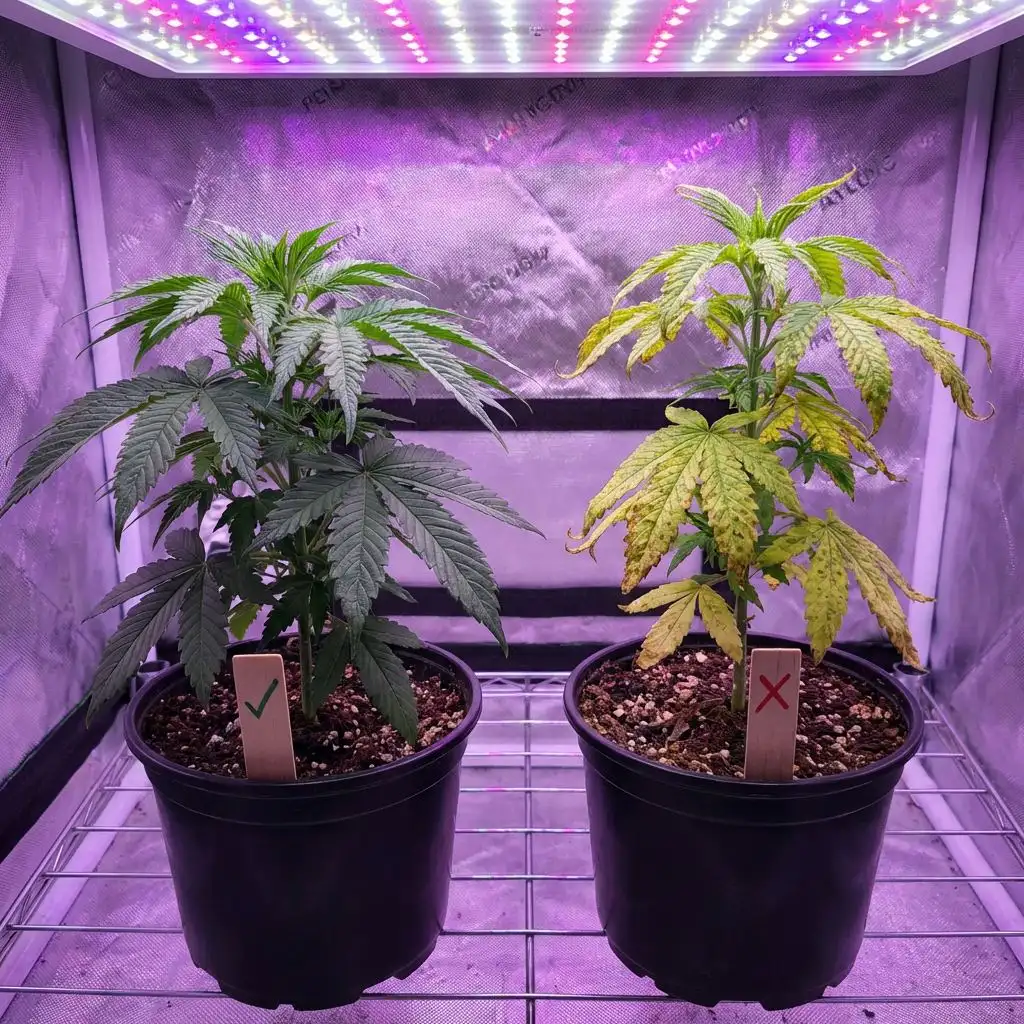
Spider mites are the most destructive and common cannabis pest. These tiny arachnids (0.5mm, barely visible to the naked eye) live on leaf undersides, piercing cells and sucking out chlorophyll. Early signs include small white or yellow speckles on leaf tops (stippling) and fine webbing between leaves and branches in advanced infestations.
Spider mites reproduce at terrifying speed: a single female lays 100–200 eggs over 2–3 weeks, and a new generation matures every 5–7 days in warm conditions (above 80°F). This means a small population can explode to millions within a month if unchecked. The two-spotted spider mite (Tetranychus urticae) is most common, but broad mites and russet mites also attack cannabis with different symptoms.
Treatment protocol:
- Light infestation: Spray undersides of all leaves with insecticidal soap or neem oil every 3 days for 2 weeks (to break the egg cycle). Reduce temperatures below 75°F if possible — mites slow down in cooler conditions.
- Moderate infestation: Apply spinosad or pyrethrin-based spray. Follow up with predatory mites (Phytoseiulus persimilis) — these natural predators consume 5–7 spider mites per day each.
- Heavy infestation (webbing visible): Remove and destroy the most affected leaves. Apply miticide (Forbid, Avid) in veg only — never use chemical miticides in flower. Consider Suffoil-X or Green Cleaner as flower-safe alternatives.
3. Fungus Gnats
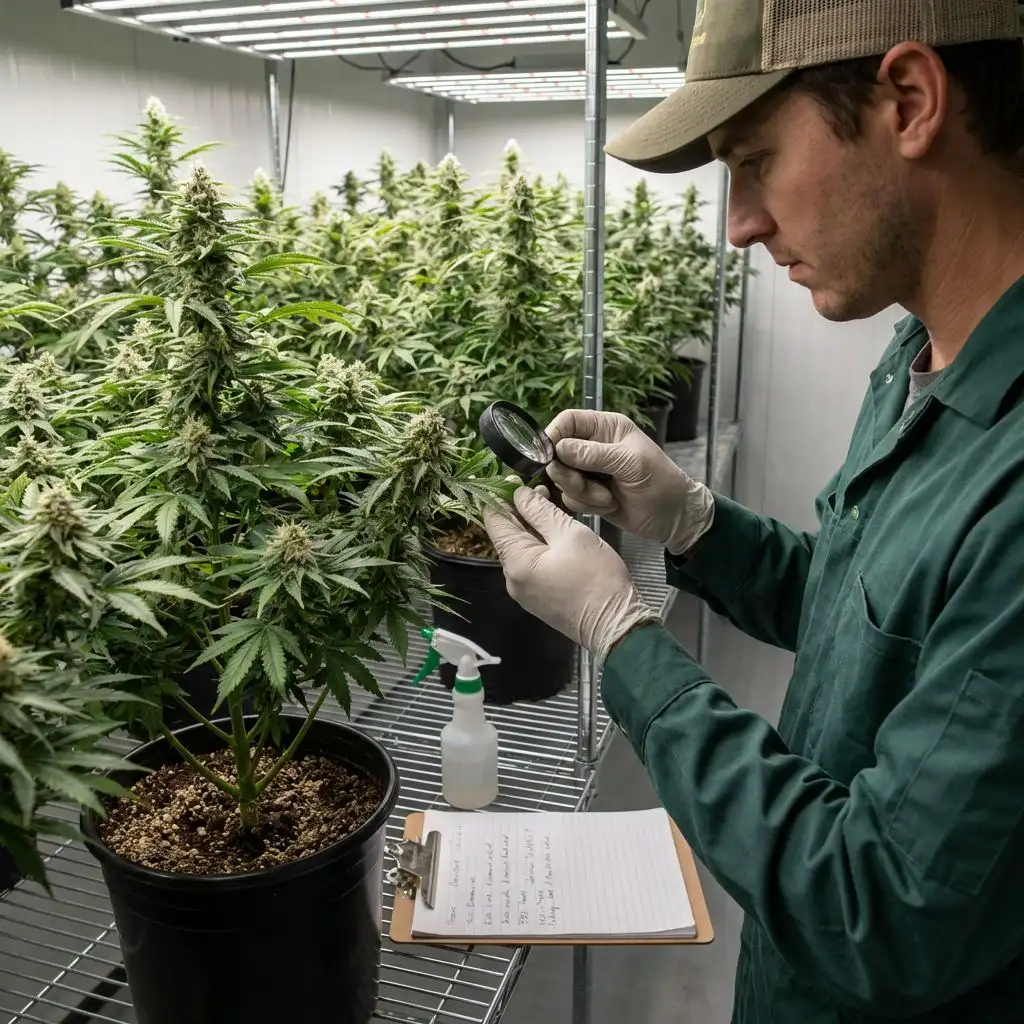
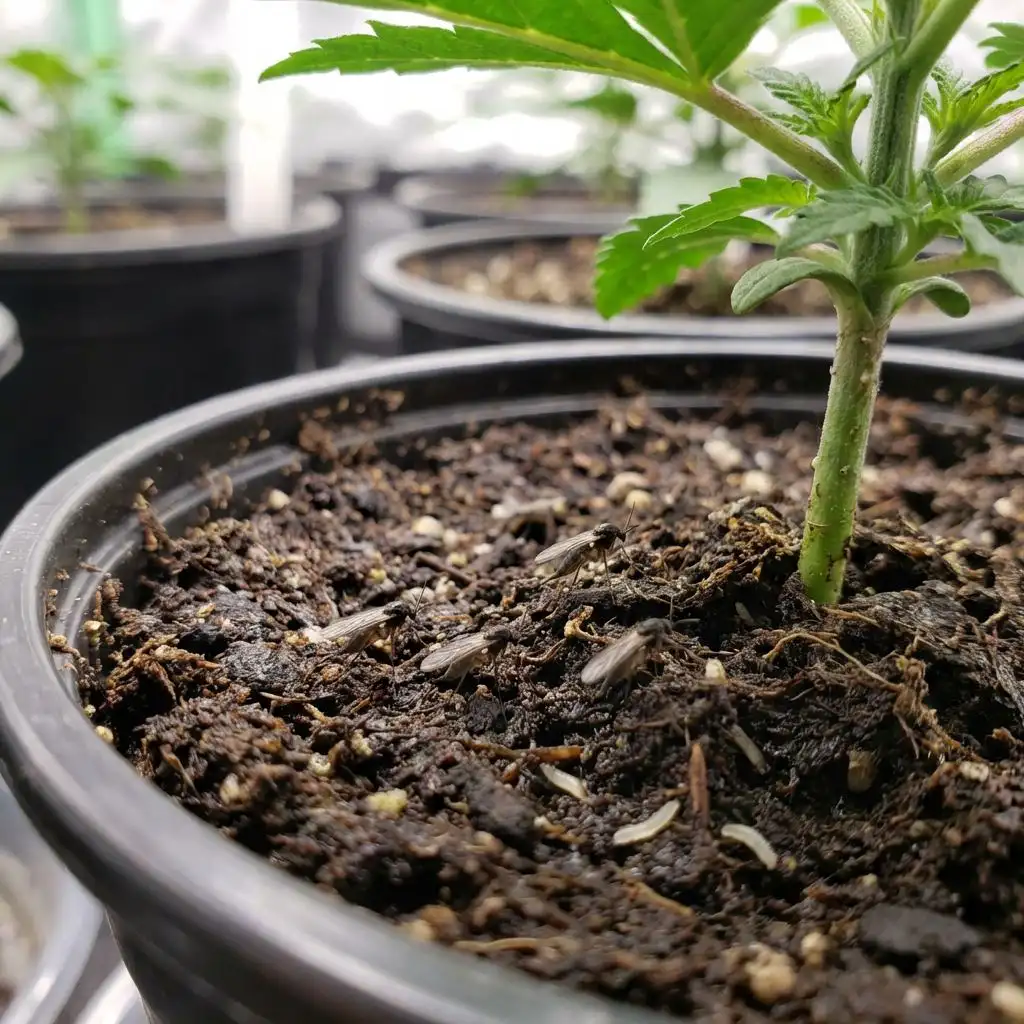
Fungus gnats are small (2–4mm) dark flies that hover around the soil surface and lay eggs in moist topsoil. The adults are mostly harmless, but their larvae feed on root hairs and organic matter in the top 1–2 inches of soil, damaging young root systems and creating entry points for soil-borne pathogens like Pythium and Fusarium.
You will notice fungus gnats as tiny black flies that scatter when you water. Larvae are translucent white worms (3–5mm) visible in the top layer of wet soil. Infestations are almost always caused by overwatering — fungus gnat eggs and larvae need consistently moist topsoil to survive. In hydroponic systems, they are rare unless organic matter is present.
Treatment:
- Let topsoil dry out completely between waterings — this kills larvae and prevents eggs from hatching. Add a 1-inch layer of perlite or diatomaceous earth on top of soil as a physical barrier.
- Yellow sticky traps placed horizontally at soil level catch adults and break the breeding cycle. Replace traps weekly.
- Bacillus thuringiensis israelensis (BTi) — sold as Mosquito Bits or Gnatrol — is a biological larvicide. Soak Mosquito Bits in water for 30 minutes and use that water to drench soil. BTi kills larvae within 24 hours and is completely safe for plants.
- Beneficial nematodes (Steinernema feltiae) applied as a soil drench attack and kill larvae underground. Combine with BTi for comprehensive control.
4. Powdery Mildew
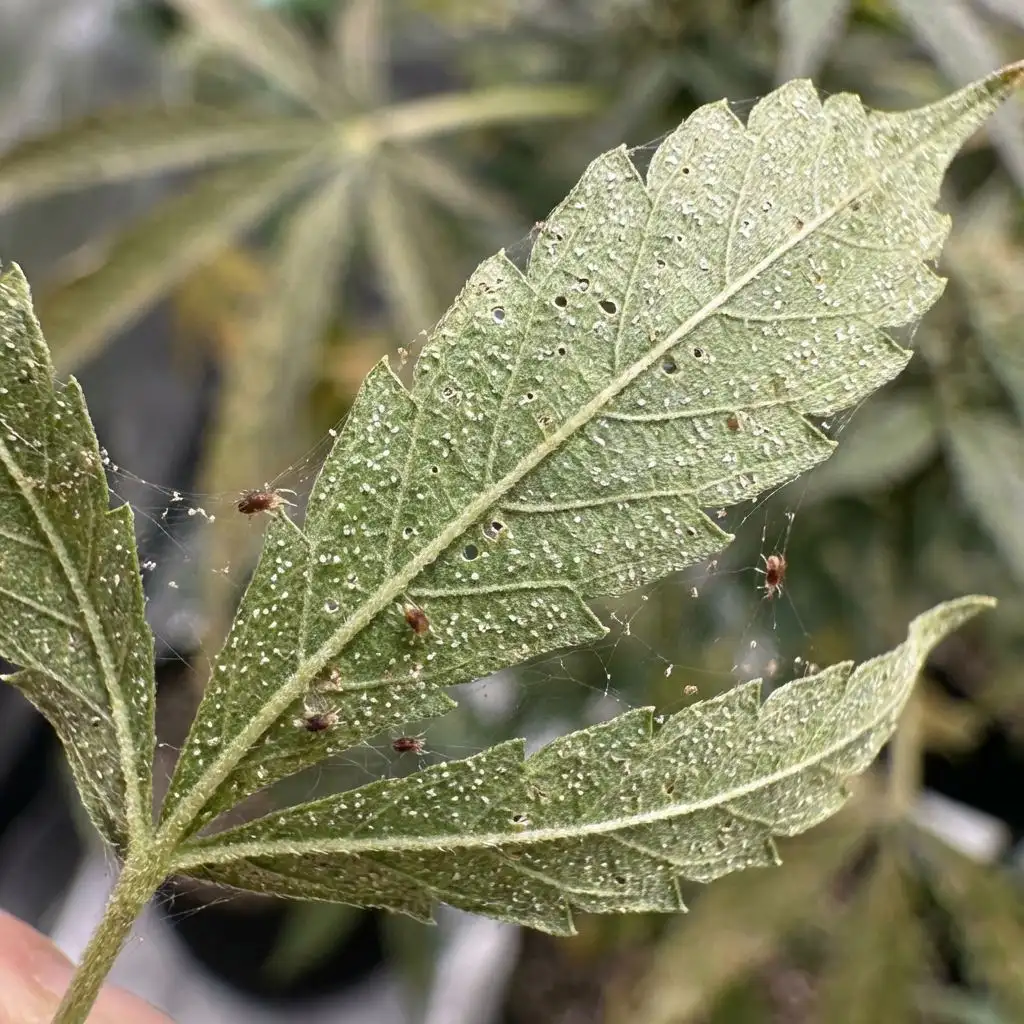
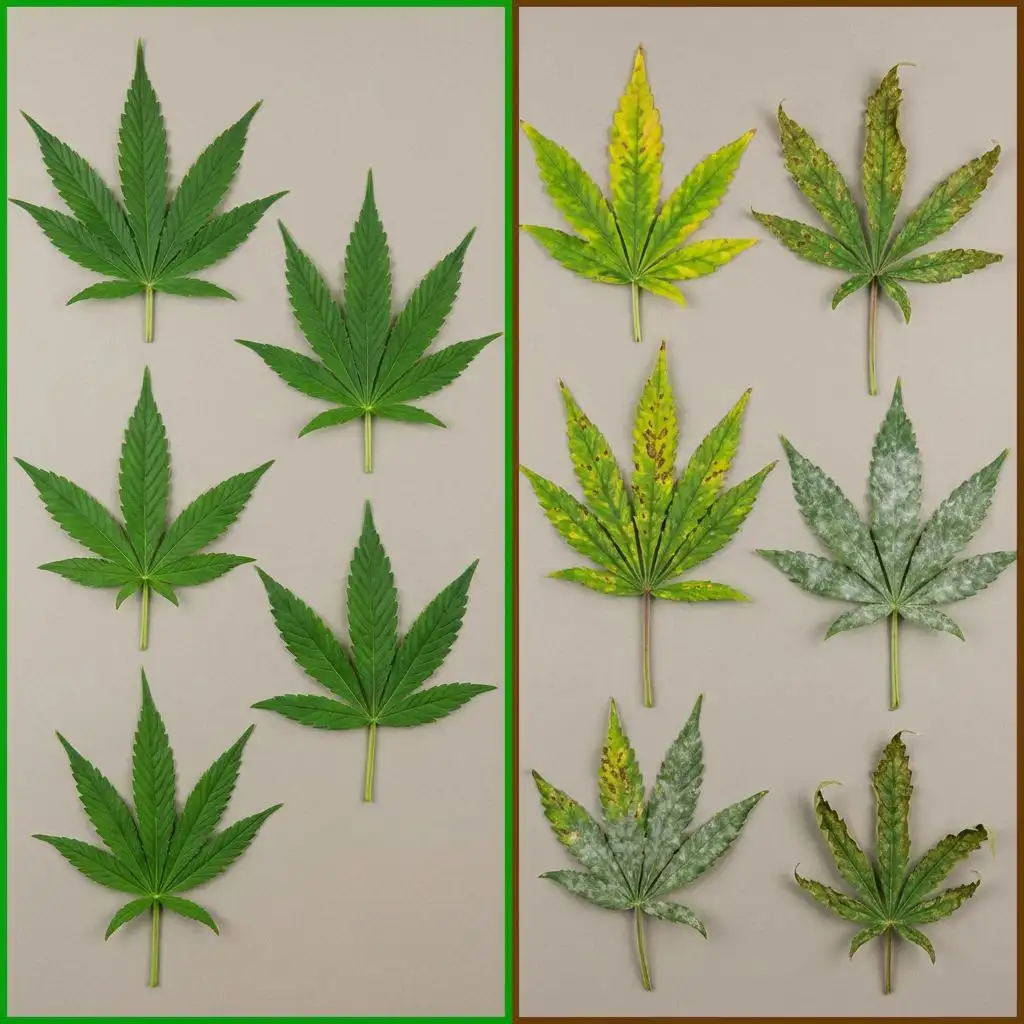
Powdery mildew (PM) appears as white or gray powdery patches on leaf surfaces, typically starting on older fan leaves and spreading to younger growth. Unlike most fungi, PM thrives in moderate humidity (40–70%) and warm temperatures (68–86°F) — conditions common in many grow rooms. It does not need wet leaf surfaces to germinate, making it harder to prevent than other fungal diseases.
PM is systemic — once you see it on leaves, the fungal mycelium has already colonized internal plant tissue. This means surface treatments kill visible spores but don't eliminate the underlying infection. Severely infected plants will show PM repeatedly no matter how many times you spray. The spores are airborne and can survive on walls, equipment, ducting, and clothing for months.
Treatment and prevention:
- Prevention: Maintain strong airflow, avoid overcrowding plants, keep humidity below 50% in flower. UV-C supplemental lighting (used carefully) kills airborne spores.
- Early treatment: Potassium bicarbonate spray (1 tablespoon per gallon + a few drops of dish soap as surfactant) changes leaf surface pH, killing PM on contact. Spray every 3–5 days.
- Biological: Bacillus subtilis (sold as Serenade) colonizes leaf surfaces and outcompetes PM. Apply weekly as a preventive.
- In flower: Avoid spraying buds if possible. Increase airflow aggressively, remove affected leaves, and consider a dilute hydrogen peroxide spray (3% H2O2, 1:3 with water) as a last resort.
5. Bud Rot (Botrytis)
Bud rot (Botrytis cinerea) is the most devastating flower-stage disease. It attacks from inside dense buds outward, turning cola centers brown and mushy before you see any external signs. By the time you notice gray fuzzy mold on the outside of a bud, the entire cola is compromised and everything it has contacted is potentially contaminated with spores.
Bud rot thrives in high humidity (above 55–60%), cool nighttime temperatures, and stagnant air. Dense, tightly-packed buds are most vulnerable because moisture gets trapped inside with no airflow to dry it. Outdoor growers face the highest risk during fall when rain, dew, and dropping temperatures create perfect Botrytis conditions.
Management:
- Prevention is everything: Keep flower-room humidity below 50% (ideally 40–45%). Ensure strong airflow through and under the canopy. Defoliate inner canopy to improve air movement.
- If detected: Immediately cut the affected bud plus 2–3 inches of healthy tissue below it using sterilized scissors. Bag the infected material before removing it from the grow space to avoid spreading spores. Do not shake or jostle infected buds.
- After removal: Lower humidity to 35–40%, increase airflow, and inspect remaining buds daily. Consider harvesting early if multiple sites are affected — losing some potency is better than losing the entire crop.
- Never smoke, sell, or process bud-rot-contaminated cannabis. Botrytis produces mycotoxins that are harmful when inhaled.
6. Root Rot
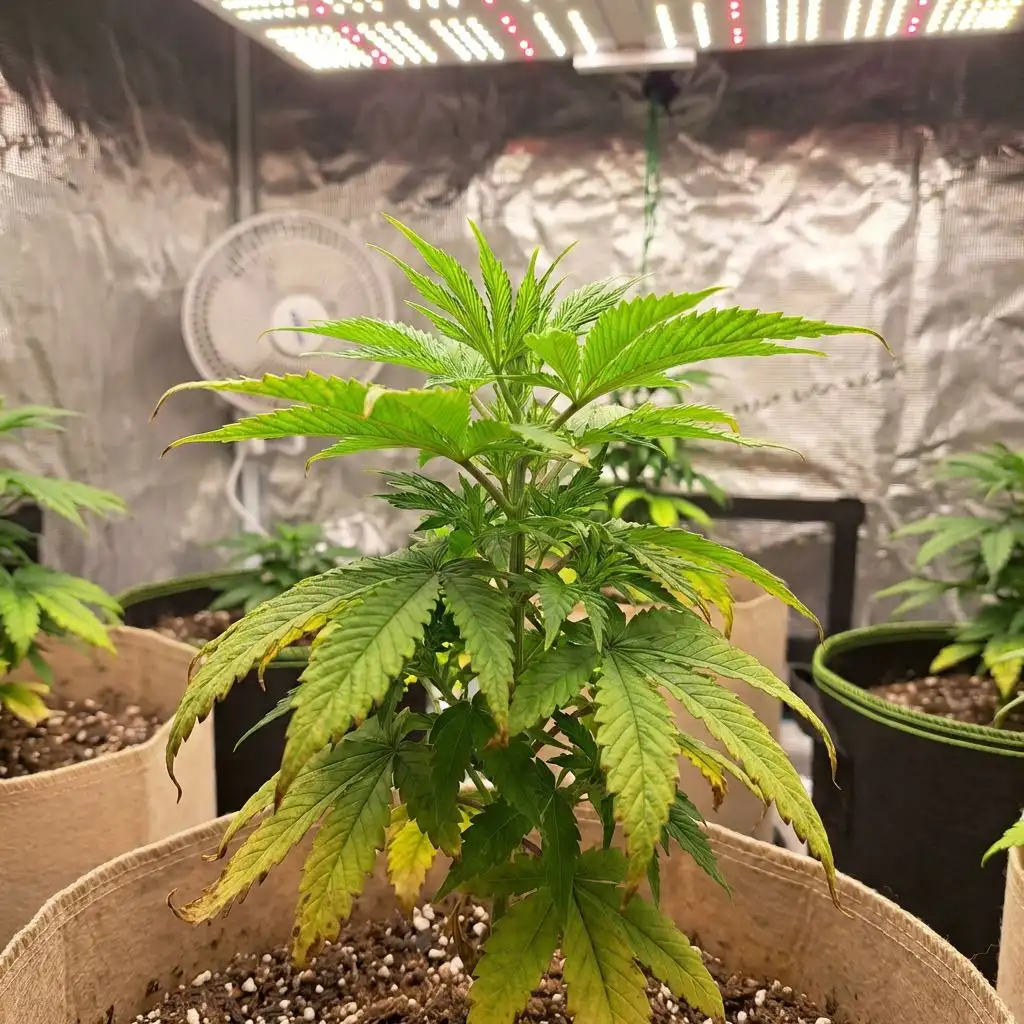
Root rot is caused by water molds — primarily Pythium and Phytophthora — that attack roots in overwatered soil or warm hydroponic reservoirs. Healthy roots are white, firm, and slightly fuzzy. Infected roots turn brown, slimy, and smell rotten. Above ground, symptoms include unexplained wilting (despite wet soil), yellowing, and stunted growth that doesn't respond to nutrient adjustments.
In hydroponic systems, root rot is almost always caused by water temperatures above 72°F (22°C) combined with low dissolved oxygen. Warm water holds less oxygen, creating the anaerobic conditions that Pythium needs to proliferate. In soil, root rot results from chronic overwatering — roots sitting in saturated, oxygen-depleted soil for extended periods.
Treatment:
- Hydro: Lower reservoir temperature to 65–68°F using a water chiller or frozen bottles. Add beneficial bacteria (Bacillus species) such as Hydroguard or Great White. Increase aeration with additional air stones. In severe cases, trim dead brown roots with sterilized scissors and run a hydrogen peroxide flush (3 mL of 3% H2O2 per liter) for 24 hours, then re-inoculate with beneficials.
- Soil: Let the medium dry out completely. Transplant to fresh soil with added perlite (30–40% by volume) for better drainage. Water with a Trichoderma-based root inoculant (RealGrowers Recharge, Great White) to establish beneficial fungi that outcompete Pythium.
- Prevention: Use fabric pots (air-prune roots), maintain proper wet/dry cycles, keep reservoir temps below 72°F, and always inoculate with beneficial microbes from the start.
7. Aphids & Thrips
Aphids are soft-bodied, pear-shaped insects (1–3mm) that cluster on new growth, stems, and leaf undersides. They feed by piercing tissue and sucking sap, causing curled, distorted new growth and leaving behind sticky "honeydew" that attracts sooty mold. Aphids reproduce asexually in warm conditions — a single female can produce 50–100 offspring without mating, and populations can double every 3–4 days.
Thrips are slender, fast-moving insects (1–2mm) that scrape leaf surfaces and feed on the released sap. Damage appears as silvery or bronze streaks and speckles on leaf tops, with tiny black dots (fecal matter) scattered nearby. Thrips can also vector viruses between plants, making them more dangerous than their small size suggests. They are particularly problematic in flower because they burrow into buds.
Treatment for both:
- Mild infestations: Blast with water to dislodge, then spray with insecticidal soap or neem oil every 3–4 days for 2 weeks. Focus on undersides of leaves and new growth.
- Moderate: Spinosad is highly effective against both aphids and thrips. Apply every 5–7 days for 2–3 applications. Blue sticky traps catch thrips more effectively than yellow ones.
- Biological control: Ladybugs and lacewing larvae devour aphids — release 1,500 ladybugs per 100 sq ft. For thrips, predatory mites (Amblyseius cucumeris) provide ongoing control when introduced early.
- In flower: Avoid spraying buds. Increase predatory insect populations and use sticky traps aggressively. Remove heavily infested leaves and buds.
| Pest | ID Signs | Damage Pattern | Best Organic Treatment | Predator |
|---|---|---|---|---|
| Spider Mites | Tiny dots on leaf underside, webbing | White speckles (stippling) | Neem oil + spinosad rotation | P. persimilis |
| Fungus Gnats | Small black flies near soil | Root damage (larvae) | BTi drench + dry soil | S. feltiae nematodes |
| Aphids | Clusters on new growth, sticky residue | Curled, distorted leaves | Insecticidal soap + neem | Ladybugs, lacewings |
| Thrips | Silver streaks, black dots on leaves | Bronzing, scarring | Spinosad spray | A. cucumeris mites |
8. Organic vs Chemical Treatment
Cannabis is unique among crops because it is often inhaled directly, making pesticide residue a serious health concern. Many chemical pesticides approved for food crops have never been tested for inhalation safety. This is why the cannabis industry overwhelmingly favors organic and biological pest management — and why most legal markets have strict banned-pesticide lists.
Organic/biological options:
- Neem oil: Broad-spectrum repellent and insecticide. Disrupts insect feeding and reproduction. Use only in veg — neem can affect flavor if applied in flower. Apply as foliar spray (1–2 tsp per liter + surfactant).
- Spinosad: Derived from soil bacteria. Extremely effective against thrips, caterpillars, and spider mites. Low toxicity to mammals. Safe through early flower.
- Bacillus thuringiensis (BT/BTi): Biological larvicide. BTk for caterpillars, BTi for fungus gnat larvae. Completely non-toxic to humans and plants.
- Predatory insects: Ladybugs, lacewings, predatory mites, parasitic wasps. Zero residue, self-sustaining populations. The gold standard for organic grows.
- Diatomaceous earth: Microscopic fossilized algae that damages insect exoskeletons. Apply to soil surface for crawling insects. Loses effectiveness when wet.
Chemical options (veg only, if at all): Pyrethrin (natural but still toxic to beneficials), Azadirachtin (concentrated neem extract), Imidacloprid (systemic — banned in most legal cannabis markets). If you must use chemical treatments, restrict them to early veg and allow at least 30+ days before harvest. Never spray chemical pesticides on buds.
🌱 Recommended Strains
Frequently Asked Questions
What is Prevention First?
The golden rule of cannabis pest management: prevention is 90% of the battle. Once an infestation takes hold — especially during flower — your options become limited and your harvest quality is compromised regardless of treatment success. Building a robust prevention routine costs almost nothing com...
What is Spider Mites — Identification & Treatment?
Spider mites are the most destructive and common cannabis pest. These tiny arachnids (0.5mm, barely visible to the naked eye) live on leaf undersides, piercing cells and sucking out chlorophyll. Early signs include small white or yellow speckles on leaf tops (stippling) and fine webbing between leav...
What is Fungus Gnats?
Fungus gnats are small (2–4mm) dark flies that hover around the soil surface and lay eggs in moist topsoil. The adults are mostly harmless, but their larvae feed on root hairs and organic matter in the top 1–2 inches of soil, damaging young root systems and creating entry points for soil-borne patho...
What is Powdery Mildew?
Powdery mildew (PM) appears as white or gray powdery patches on leaf surfaces, typically starting on older fan leaves and spreading to younger growth. Unlike most fungi, PM thrives in moderate humidity (40–70%) and warm temperatures (68–86°F) — conditions common in many grow rooms. It does not need ...
What is Bud Rot (Botrytis)?
Bud rot (Botrytis cinerea) is the most devastating flower-stage disease. It attacks from inside dense buds outward, turning cola centers brown and mushy before you see any external signs. By the time you notice gray fuzzy mold on the outside of a bud, the entire cola is compromised and everything it...