
Indoor vs Outdoor Cannabis Growing
A comprehensive side-by-side comparison to help you choose the cultivation method that fits your goals, budget, and lifestyle.
Key Takeaways
A comprehensive side-by-side comparison to help you choose the cultivation method that fits your goals, budget, and lifestyle.
- Overview Comparison
- Quality Differences
- Yield Comparison
- Cost Breakdown
1. Overview Comparison
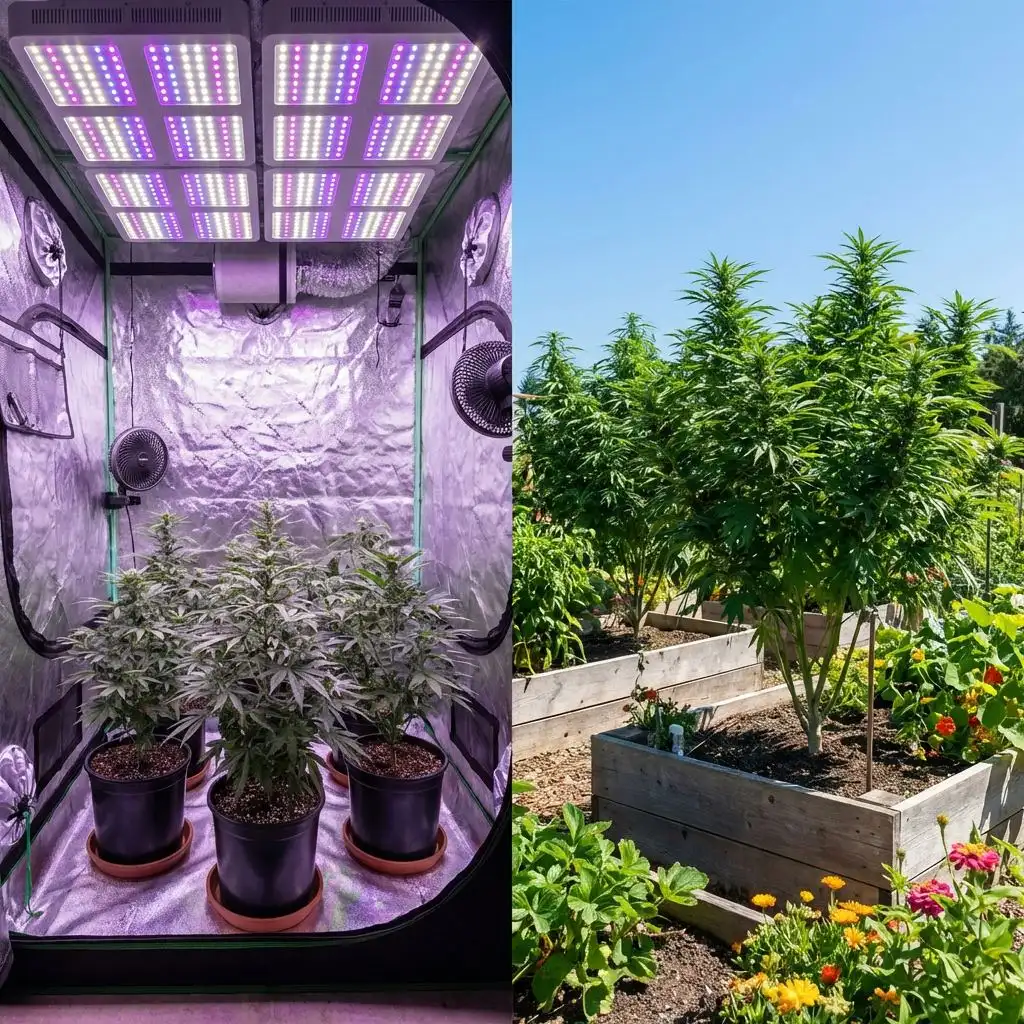
The indoor vs outdoor debate is one of the oldest in cannabis cultivation, and the honest answer is that neither is universally better — each excels in different areas. Indoor growing gives you total environmental control and year-round production in any climate. Outdoor growing harnesses free sunlight and natural growing conditions to produce massive plants at a fraction of the operating cost.
Your choice should be driven by practical factors: available space, budget, climate, legal situation, and personal goals. A medical patient growing 2–4 plants for personal use has very different needs than someone aiming to produce bulk flower at the lowest possible cost. Understanding the specific tradeoffs of each approach will help you invest your time and money where it matters most.
Many experienced growers eventually do both — running an indoor setup for year-round supply and quality control, while growing outdoor plants in summer for bulk production. This hybrid approach captures the best of both worlds.
| Factor | Indoor | Outdoor |
|---|---|---|
| Yield per plant | 1–2 oz (28–56g) | 1–5 lbs (454–2270g) |
| Quality potential | Very high (controlled) | High (sun-grown) |
| Startup cost | $500–$3,000+ | $50–$500 |
| Monthly operating cost | $50–$200 (electricity) | $10–$30 (nutrients) |
| Harvests per year | 4–6 (perpetual possible) | 1–2 (seasonal) |
| Control over environment | Complete | Limited |
| Pest/disease risk | Low (sealed room) | Higher (open air) |
| Stealth | High (contained) | Low (visible) |
| Environmental impact | Higher (energy use) | Lower (natural resources) |
| Space needed | 2x2 ft minimum | 4x4 ft minimum per plant |
2. Quality Differences
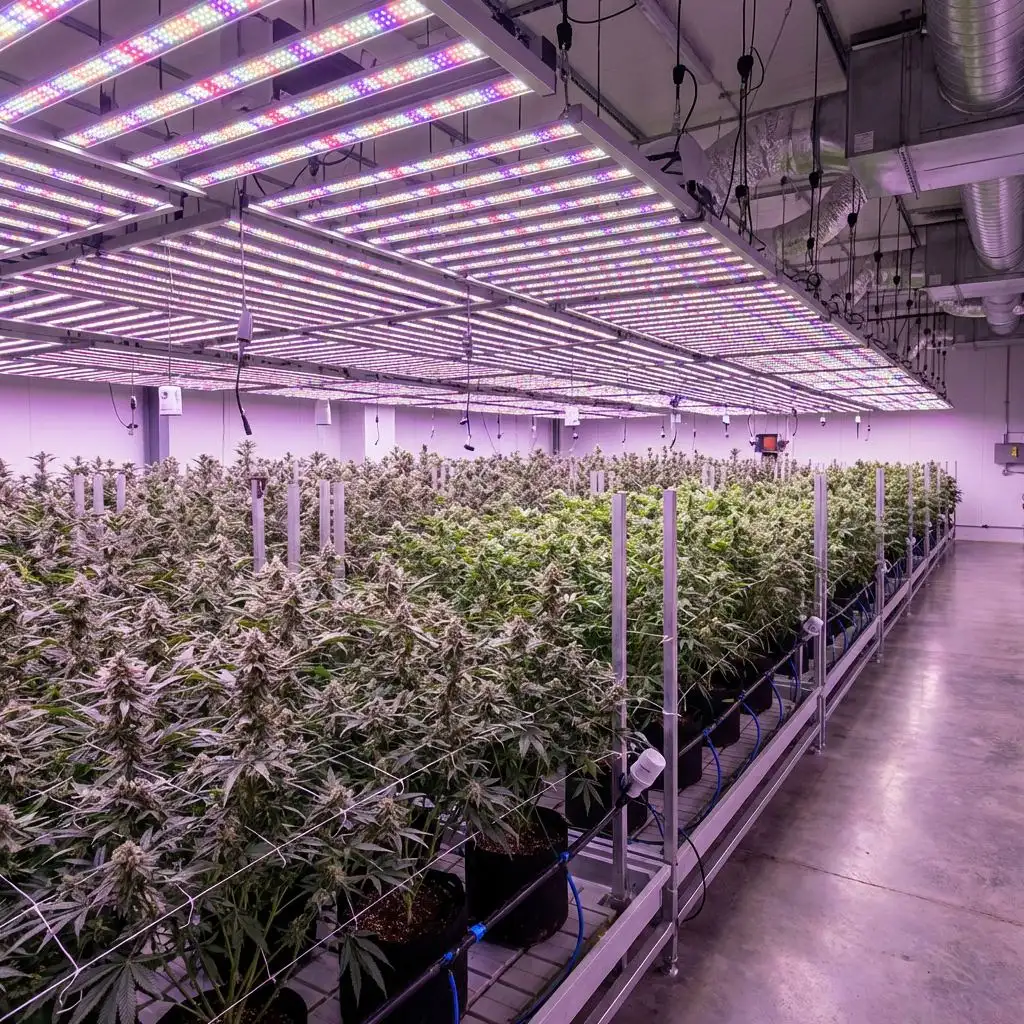
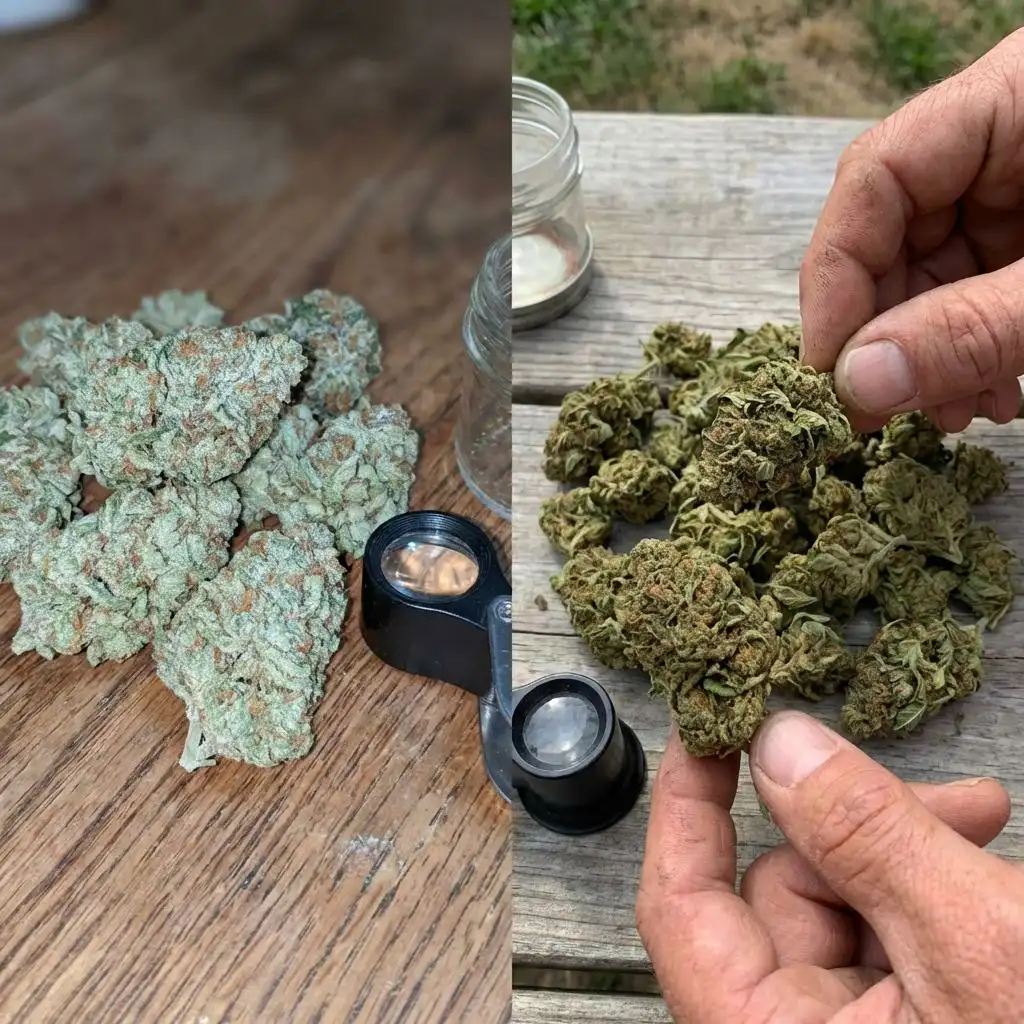
Indoor cannabis has long been considered the quality gold standard, and for good reason. Complete control over light spectrum, intensity, temperature, humidity, and CO2 levels allows growers to optimize every variable for maximum cannabinoid and terpene production. Indoor buds are typically denser, more visually appealing (tighter structure, more trichome coverage), and more consistent from harvest to harvest.
However, the quality gap has narrowed significantly as outdoor growing techniques have improved. Sun-grown cannabis benefits from the full spectrum of natural sunlight — over 1,500 PPFD at peak, with UV wavelengths that many artificial lights cannot replicate. This natural UV exposure can stimulate additional trichome production as a protective response. Many connoisseurs argue that properly grown outdoor flower has a more complex terpene profile and a "fuller" effect compared to indoor.
The real quality difference often comes down to post-harvest handling. Indoor growers typically have climate-controlled drying rooms and more consistent curing conditions. Outdoor growers must contend with variable autumn weather, potential rain on drying plants, and larger volumes of material to process. A mediocre indoor dry beats an excellent outdoor grow ruined by improper drying every time.
3. Yield Comparison
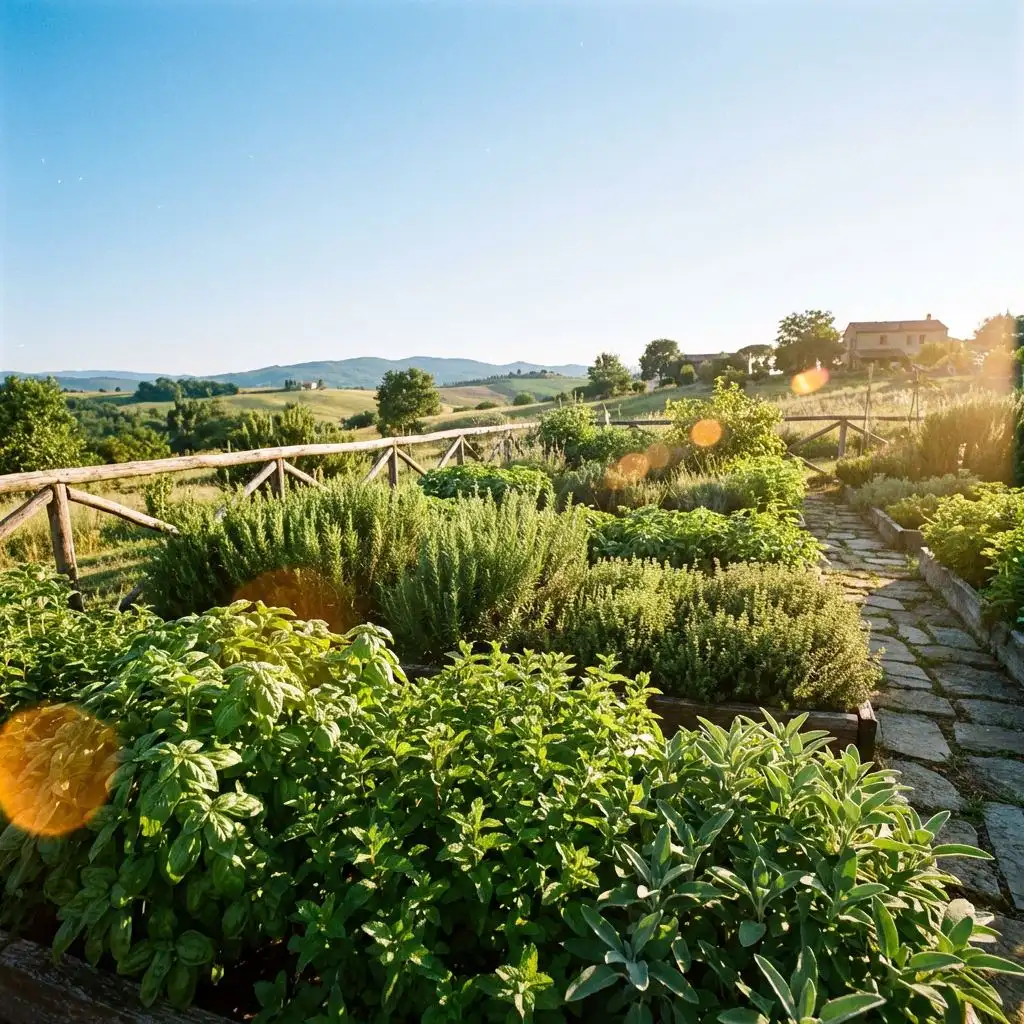
Outdoor plants produce dramatically more weight per plant — this is the single biggest advantage of outdoor growing. A healthy outdoor cannabis plant receiving direct sunlight for 10–14 hours daily can grow 6–10 feet tall with a root system the size of a small tree. Individual outdoor plants routinely produce 1–5 pounds (454–2,270g) of dried flower, with exceptional specimens exceeding 10 pounds.
Indoor plants are constrained by grow space, light intensity, and container size. A typical indoor plant in a 3–5 gallon pot under a 600W light yields 1–2 ounces (28–56g). Advanced indoor growers with optimized SCROG setups, CO2 supplementation, and high-powered LEDs can push yields to 3–4 ounces per plant, or roughly 1–2 grams per watt of light.
However, indoor growing allows multiple harvests per year. Running a perpetual cycle with separate veg and flower rooms, an indoor grower can harvest every 8–10 weeks — that is 4–6 cycles per year. Over 12 months, the total annual yield from a 4x4 indoor tent (4–6 plants per cycle, 5 cycles) can approach or exceed a single outdoor harvest, depending on plant count and skill level.
| Setup | Yield/Plant | Plants/Year | Annual Total |
|---|---|---|---|
| Indoor 4x4 tent | 1–2 oz | 20–30 (5 cycles) | 20–60 oz |
| Indoor 4x8 room | 2–3 oz | 40–60 (5 cycles) | 80–180 oz |
| Outdoor small garden | 1–3 lbs | 4–6 (1 cycle) | 4–18 lbs |
| Outdoor large plot | 2–5 lbs | 10–20 (1 cycle) | 20–100 lbs |
4. Cost Breakdown
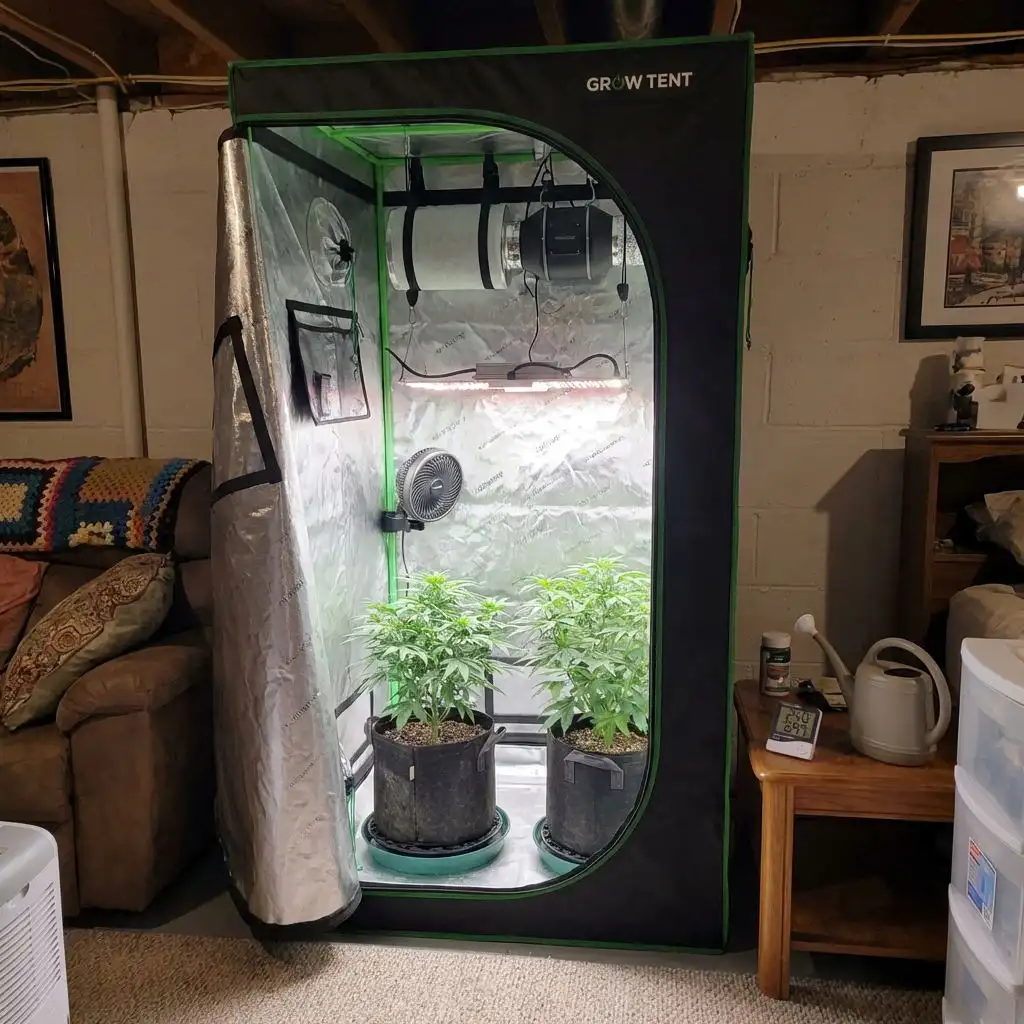
Indoor startup costs are significant. A basic 4x4 tent setup — quality LED light, tent, inline fan with carbon filter, pots, soil, nutrients, pH meter, and timers — runs $800–$1,500 for entry-level equipment or $2,000–$4,000 for premium gear. Monthly operating costs center on electricity: a 400W LED running 18 hours/day in veg costs roughly $25–$40/month; add exhaust fans, circulation fans, and potential heating/cooling, and total monthly power runs $50–$150 depending on local electricity rates.
Outdoor startup costs are minimal. Seeds, soil amendments (compost, perlite, worm castings), fabric pots or garden beds, and basic nutrients can run as low as $50–$200 per plant. Monthly costs are minimal — just nutrients ($10–$30/month) and water. The sun, wind, and rain are free. Even factoring in occasional pest treatments and trellising material, outdoor growing costs 5–10x less per gram of finished product.
The cost-per-gram math clearly favors outdoor. A single outdoor plant producing 2 pounds of flower at a total investment of $200 works out to roughly $0.22 per gram. An indoor plant producing 2 ounces at a cycle cost of $300 (including prorated equipment) runs about $5.30 per gram. However, indoor flower often commands 2–3x the price of outdoor in legal markets, partially offsetting the cost difference if selling.
5. Control & Consistency
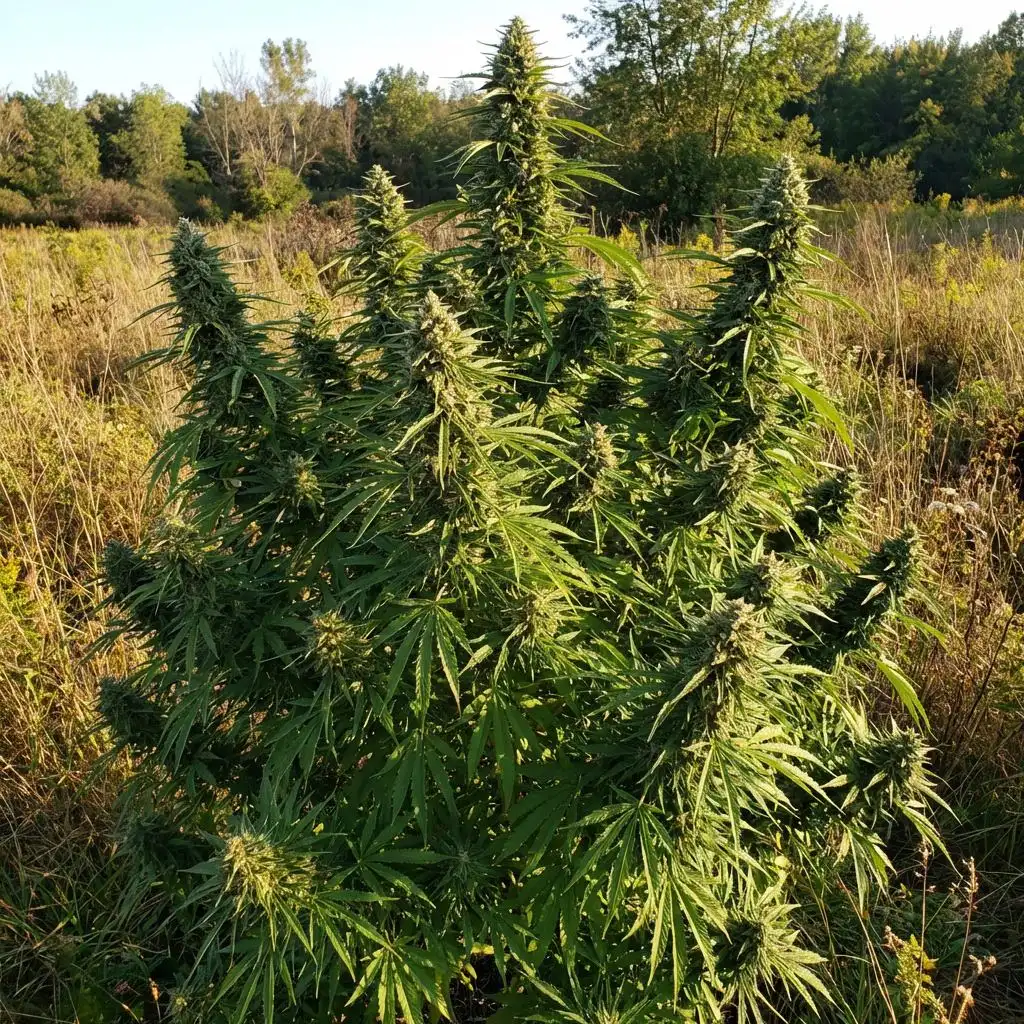
This is where indoor growing dominates. In an indoor environment, you set the temperature to exactly 78°F, humidity to 45%, light schedule to 12/12, and they stay there 24/7. You choose when to flip to flower, how much CO2 to supplement, and precisely which nutrients the plant receives at which concentration. Every variable is a dial you control.
This control translates to consistency. Indoor harvests from the same genetics, in the same room, with the same protocol, will produce nearly identical results every time. This predictability is why indoor is preferred for medical cultivation, where patients need consistent cannabinoid profiles, and for commercial operations selling branded products that must look and taste the same batch to batch.
Outdoor growing is inherently variable. You are at the mercy of weather, temperature swings, rainfall, pests, wind, and light cycles dictated by your latitude. A rainy autumn can trigger bud rot across an entire crop. An unexpected heat wave can stress plants and reduce potency. Even in ideal conditions, outdoor plants express slightly different phenotypes than the same genetics grown indoors, due to the complex interplay of natural environmental factors. This variability is the price of free sunlight.
6. Stealth & Privacy
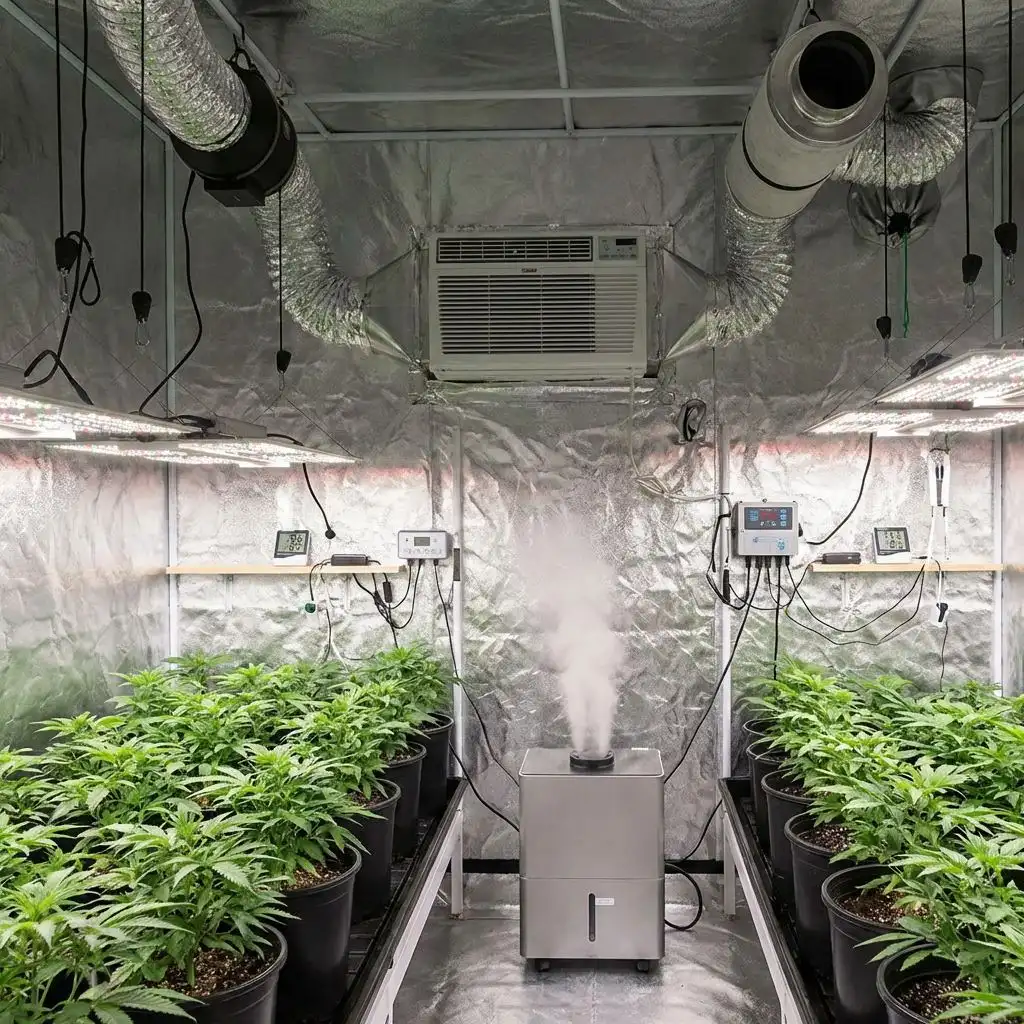
Indoor growing offers near-complete stealth when properly set up. A sealed grow tent with a carbon filter eliminates odor, contained lighting produces no visible glow outside the tent, and the entire operation fits in a closet or spare bedroom. Neighbors, landlords, and passersby have no way to detect an indoor grow unless you tell them or make basic mistakes like exhausting unfiltered air.
Outdoor cannabis is inherently visible and aromatic. A mature plant can reach 6–10 feet tall and produce an unmistakable smell detectable from 50+ feet away during late flower. While privacy fencing, companion planting (lavender, tomatoes, sunflowers), and strategic placement can reduce visibility, complete concealment is nearly impossible for full-sized outdoor plants. Autoflowers and short-stature indica genetics help, but a flowering cannabis plant in a backyard is always somewhat exposed.
Legal considerations vary enormously by jurisdiction. Even in legal markets, many regulations restrict outdoor cultivation — some requiring enclosed, locked spaces that effectively mandate indoor growing. In less permissive areas, the stealth advantage of indoor growing is often the deciding factor. Research your local laws thoroughly before choosing an approach.
7. Environmental Impact
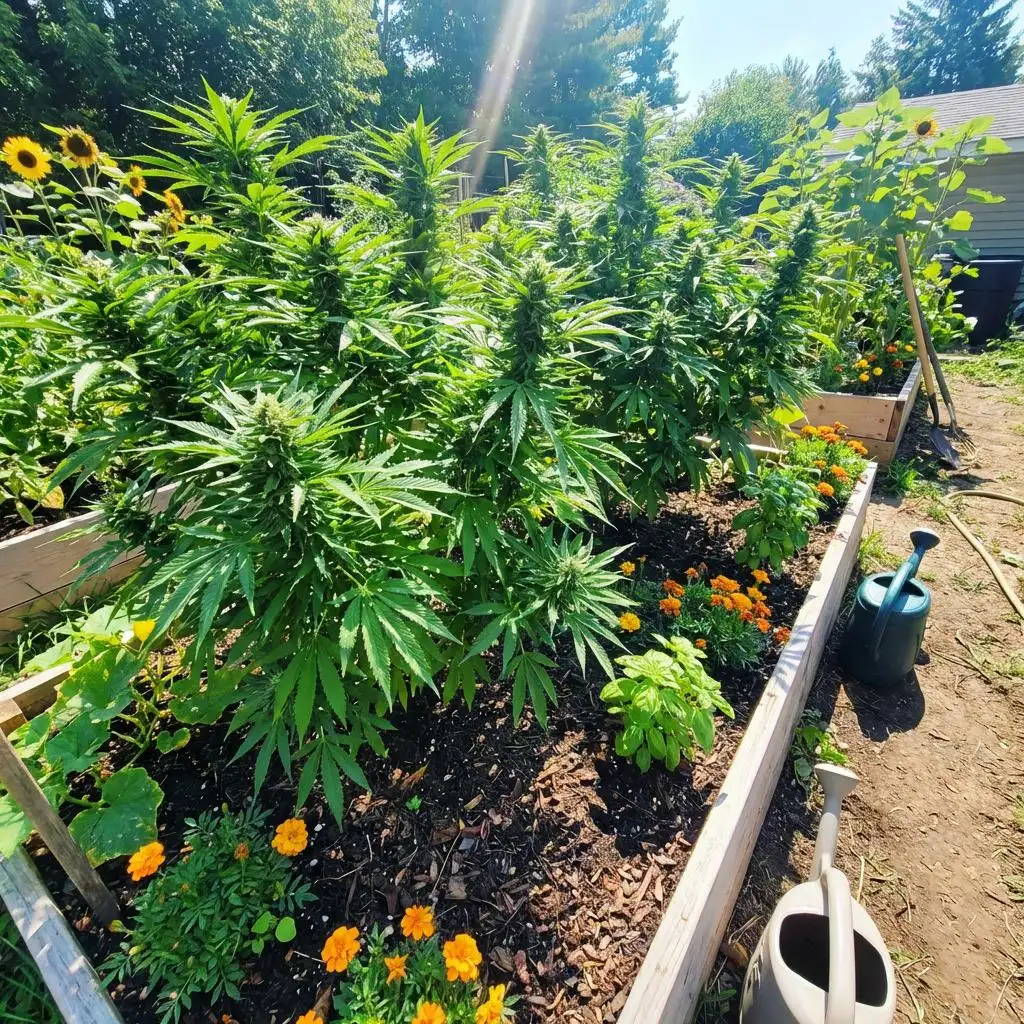
Cannabis cultivation's environmental footprint is an increasingly important consideration. Indoor growing is energy-intensive: the cannabis industry accounts for roughly 1% of total US electricity consumption, according to some estimates. A single indoor plant's lifecycle electricity use (lights, fans, pumps, HVAC) can produce 2–5 kg of CO2 emissions, depending on local power grid composition.
Outdoor growing has a dramatically lower carbon footprint. Sunlight is zero-emission, rain reduces irrigation needs, and natural airflow eliminates the need for fans and HVAC. The primary environmental concerns for outdoor growing are water usage (a large plant can consume 6–10 gallons per day in peak summer), fertilizer runoff into waterways, and potential habitat disruption from large-scale outdoor operations in sensitive areas.
Growers can reduce indoor environmental impact with high-efficiency LED lights (2.5–3.0 µmol/J), solar panels, and smart climate controllers that minimize HVAC runtime. Outdoor growers can implement drip irrigation, organic no-till soil practices, and rainwater collection to minimize their footprint. The most sustainable approach combines outdoor growing for bulk production with a small, efficient indoor space for off-season needs.
8. Which Is Right for You?
Choose indoor if:
- You need year-round production regardless of climate or season
- Quality and consistency are your top priority
- You have limited outdoor space or live in an apartment/condo
- Stealth and odor control are important (neighbors, landlords, legal concerns)
- You want to run specific environmental protocols (VPD optimization, CO2 supplementation)
- You enjoy the technical aspects of dialing in a grow room
Choose outdoor if:
- You want maximum yield at minimum cost
- You live in a climate with warm, dry autumns (Mediterranean, West Coast, Southern regions)
- You have private outdoor space with good sun exposure (6+ hours direct light)
- You are comfortable with seasonal harvests (1–2 per year)
- You prefer a more natural, lower-input growing style
- Environmental sustainability matters to you
If you are a complete beginner, outdoor growing in a favorable climate is more forgiving and less expensive to start. If you want to learn fast and grow year-round, a small indoor tent (2x4 or 4x4) offers a controlled learning environment where you can complete 4–5 grow cycles in the time it takes to do one outdoor harvest — accelerating your skill development dramatically.
🌱 Recommended Strains
Frequently Asked Questions
What is Overview Comparison?
The indoor vs outdoor debate is one of the oldest in cannabis cultivation, and the honest answer is that neither is universally better — each excels in different areas. Indoor growing gives you total environmental control and year-round production in any climate. Outdoor growing harnesses free sunli...
What is Quality Differences?
Indoor cannabis has long been considered the quality gold standard, and for good reason. Complete control over light spectrum, intensity, temperature, humidity, and CO2 levels allows growers to optimize every variable for maximum cannabinoid and terpene production. Indoor buds are typically denser, ...
What is Yield Comparison?
Outdoor plants produce dramatically more weight per plant — this is the single biggest advantage of outdoor growing. A healthy outdoor cannabis plant receiving direct sunlight for 10–14 hours daily can grow 6–10 feet tall with a root system the size of a small tree. Individual outdoor plants routine...
What is Cost Breakdown?
Indoor startup costs are significant. A basic 4x4 tent setup — quality LED light, tent, inline fan with carbon filter, pots, soil, nutrients, pH meter, and timers — runs $800–$1,500 for entry-level equipment or $2,000–$4,000 for premium gear. Monthly operating costs center on electricity: a 400W LED...
What is Control & Consistency?
This is where indoor growing dominates. In an indoor environment, you set the temperature to exactly 78°F, humidity to 45%, light schedule to 12/12, and they stay there 24/7. You choose when to flip to flower, how much CO2 to supplement, and precisely which nutrients the plant receives at which conc...