Critical Autoflower Seeds
By Ivan K., DSS Genetics · Updated April 2026

Critical Autoflower Seeds
SKU: DSS-CRITI-AUTO-5PK
Pack Size
Quantity
Disclaimer: For informational purposes only — not medical advice. Consult a healthcare professional before use.
About This Strain
Critical Autoflower Seeds — Complete Strain Profile
Critical Autoflower Seeds – Strain Overview
Critical Autoflower is a 60% indica / 40% sativa hybrid born from crossing the legendary Critical mass strain with ruderalis genetics — a pairing designed to preserve Critical's famously dense, resin-heavy yields while stripping away any dependence on light cycle changes. The result is a compact, hard-working plant that moves from seed to harvest in as little as 56 days without any scheduling intervention. With THC levels sitting at a comfortable 16–18%, it hits the sweet spot between approachable and genuinely effective.
What makes Critical Autoflower stand out in a crowded market is the rare combination of beginner-friendly cultivation and harvest numbers that rival photoperiod strains. Indoor growers can expect up to 1.8 oz/ft², while outdoor plants routinely deliver 2–7 oz under good conditions — numbers that surprised us the first time we grew this variety. If you're looking for a strain that performs without demanding expertise, this is one of the strongest entries in our best autoflower collection.
Effects and Medical Benefits
The high from Critical Autoflower opens with a gentle cerebral lift — not the wall-hitting surge you get from high-THC sativas, but a warm, mood-brightening wave that surfaces within minutes. Creativity and a sense of easy happiness follow closely, making the first 30–45 minutes ideal for light creative work, conversation, or just unwinding after a long day. As the indica side settles in, that mental energy gradually softens into a relaxed, comfortable calm — occasionally drifting toward sleepiness at higher doses.
Users commonly report these effects:
- Relaxing body calm — the indica backbone delivers full-body ease without heavy sedation at moderate doses
- Happy and uplifted mood — a reliable mood shift that clears mental fog within the first session
- Creative and energetic onset — the sativa 40% keeps early-stage effects light and mentally engaging
- Sleepy finish — higher doses push comfortably into sedation, making evening use particularly effective
On the medical side, Critical Autoflower is frequently chosen for:
- Chronic pain and muscle tension relief
- Stress and everyday nervous system overload
- Anxiety — the balanced hybrid profile avoids the paranoia risk of pure sativas
- Insomnia — especially effective when dosed generously in the evening hours
- Depression — the uplifting onset provides genuine mood support
The trace CBD content (0.1–1%) may seem minor, but it contributes meaningfully through the entourage effect — working alongside Caryophyllene's direct CB2 receptor activity and Myrcene's sedative synergy to deepen the therapeutic profile beyond what THC alone could deliver.
Aroma, Flavor and Terpene Profile
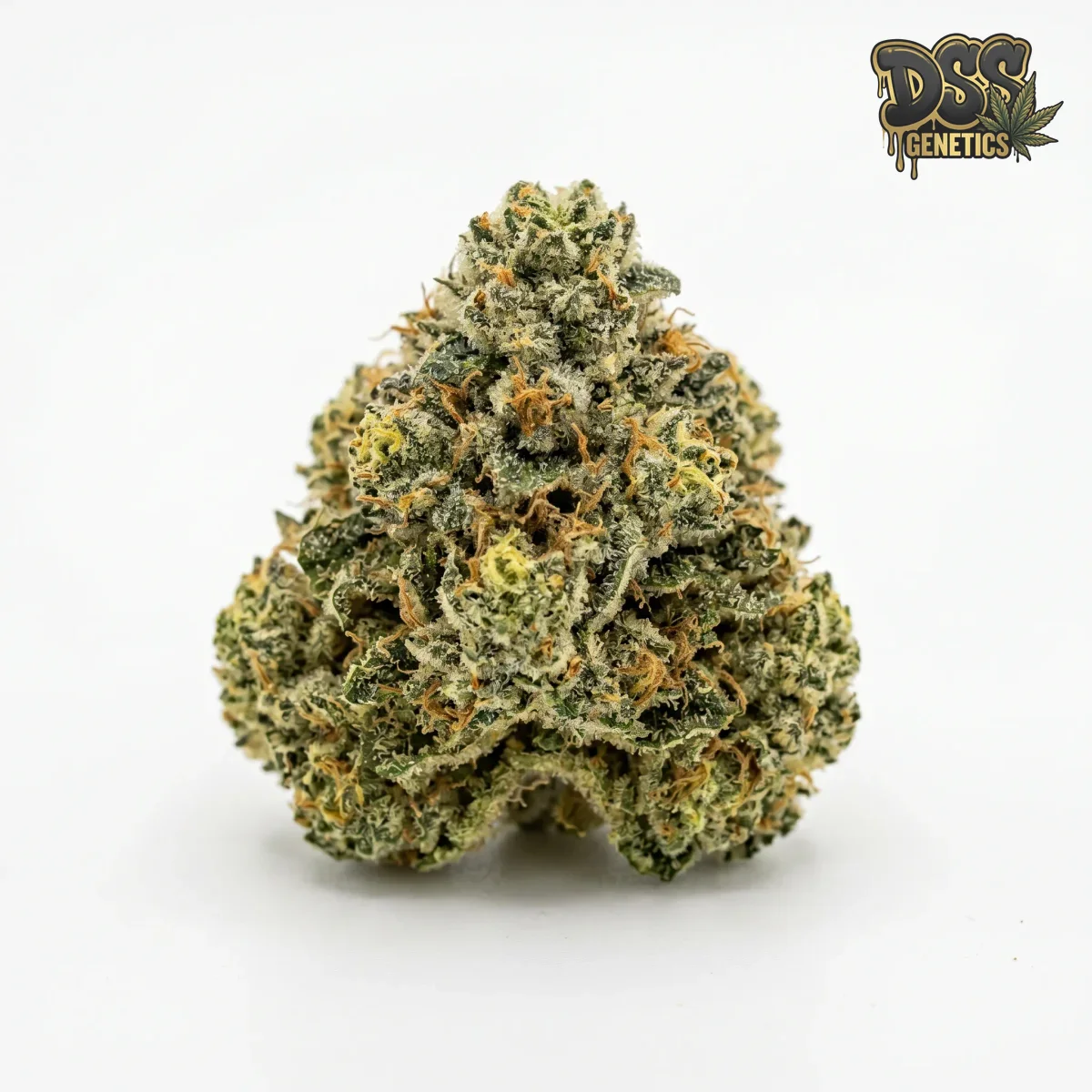
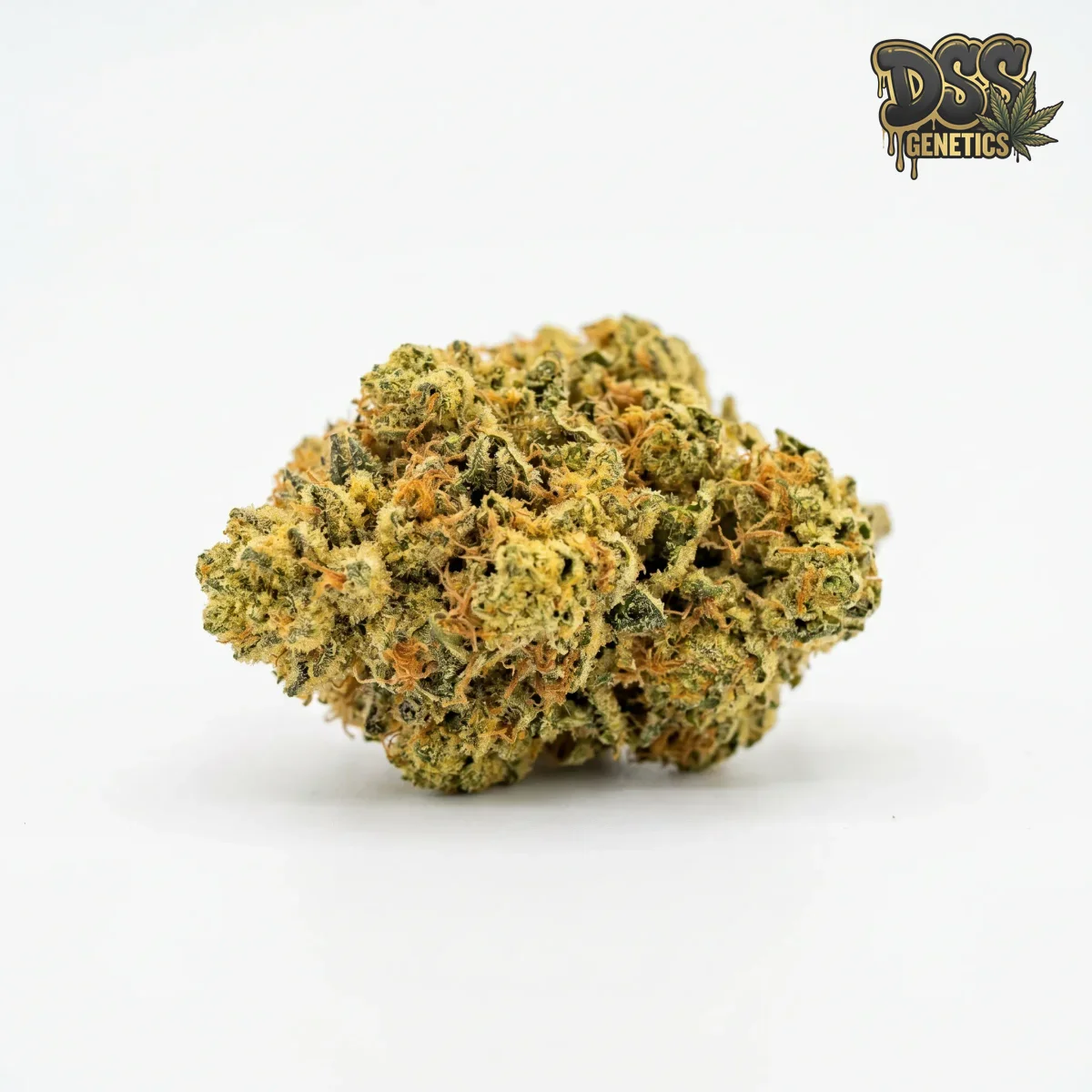
Break open a cured Critical Autoflower bud and the first thing you notice is that unmistakable sweet earthiness — dense, grounding, and faintly damp, like rich soil after rain with a squeeze of fresh lemon rind cutting through the back. On the inhale, the flavor leans into sweetness with a citrus edge, while the exhale brings forward a skunky spice that lingers on the palate longer than you'd expect from a 16–18% THC strain. It's a straightforward but deeply satisfying flavor experience — nothing flashy, just honest and full.
The terpene that sets the foundation here is Myrcene, the most abundant terpene in cannabis and the primary reason Critical Autoflower carries that earthy, musky sweetness that defines the strain's nose. Myrcene also acts as a permeability enhancer across the blood-brain barrier, which many researchers believe is why indica-dominant, myrcene-heavy strains tend to feel more physically immersive than their terpene percentages alone would predict.
Caryophyllene arrives at a notable 1.21% — the highest single-terpene figure in this profile and the source of Critical Autoflower's peppery, warm spice on the exhale. Caryophyllene is the only known terpene that directly binds to CB2 receptors in the endocannabinoid system, which gives it genuine anti-inflammatory properties independent of THC. That 1.21% concentration is a meaningful number — we've found strains with elevated Caryophyllene consistently perform better for body-focused relief, and Critical Autoflower fits that pattern well.
Pinene adds a subtle brightness to an otherwise earthy-sweet profile — a faint sharpness that keeps the aroma from feeling too heavy. Beyond scent, Pinene is worth noting for its potential to offset some short-term memory effects associated with THC, a quality that makes this strain more functional during daytime use than its indica percentage might suggest. Limonene ties directly into the citrus and lemon notes that lift the flavor profile, while Linalool contributes a soft floral undercurrent that softens the skunkier edges and adds to the strain's overall calming character.
Growing Critical Autoflower Seeds
Critical Autoflower earns its easy difficulty rating honestly — this is a strain that tolerates beginner mistakes without dramatically punishing yield or potency. The ruderalis genetics bring a natural robustness that makes it more forgiving of minor temperature swings, light schedule inconsistencies, and early-stage nutrient errors than most photoperiod strains. That said, 'easy to grow' doesn't mean it can't be grown better — with the right environment, the difference between a 1 oz/ft² harvest and a 1.8 oz/ft² harvest comes down to a few specific details.
Indoor temperatures between 70–80°F (21–27°C) keep growth rates consistent without stressing the plant. Relative humidity should sit at 50–60% during the vegetative phase and drop to 40–50% as buds develop to protect the dense indica-style colas from moisture-related issues. Because autoflowers move on their own schedule, any training should be done early and gently — this isn't a strain that benefits from aggressive topping or prolonged recovery periods. Low-stress training in the first two weeks can meaningfully open up the canopy and improve light penetration to lower bud sites.
Feeding requires some restraint. Critical Autoflower plants are smaller than photoperiod equivalents and don't need the same nutrient volumes — overfeeding nitrogen past the first three weeks is the single most common mistake we see with this strain. Transition to a phosphorus-and-potassium-forward feed around day 25–30 to support bud development through the long flowering stretch.
Key growing tips for Critical Autoflower:
- Training: Apply gentle LST techniques in weeks 1–2 only — autoflowers don't recover from heavy stress the way photoperiod plants do
- Nutrients: Keep nitrogen conservative after week 3; follow our cannabis nutrient guide for autoflower-specific feeding schedules
- Indoor environment: Maintain 70–80°F with 50–60% RH in veg, dropping to 40–50% RH in flower — see our full indoor growing guide for setup details
- Outdoor timing: Can be run in multiple cycles per season due to the 56–63 day flower window — our outdoor growing guide covers multi-run seasonal planning
- Germination: Start directly in the final container to avoid transplant stress — autoflowers have limited time to recover from root disturbance, and our germination guide walks through container-direct technique
Yield and Flowering Time
Critical Autoflower completes its flowering cycle in 56–63 days from seed — no light schedule changes required, no waiting for season shifts outdoors. Indoor growers working in optimized environments with consistent light and proper humidity management can reach 1–1.8 oz/ft², while outdoor plants given good soil and adequate sun deliver 2–7 oz per plant depending on the season and growing conditions. For a strain in the easy-to-grow category, those yield numbers represent genuine value — especially when you factor in the ability to run multiple harvests per year.
What we've found over dozens of grows with Critical Autoflower is that the difference between the lower and upper end of those yield ranges comes almost entirely from light quality and early training. Plants that received LST in week two and ran under high-output LED at 18/6 consistently hit the upper half of that indoor range. Outdoor plants in warm climates with 8+ hours of direct sun per day regularly reached the 5–7 oz end of the outdoor estimate.
To maximize your harvest:
- Trichome timing: Watch for 70–80% milky trichomes with 15–20% amber before cutting — harvesting too early is the most common yield-quality mistake with fast autoflowers
- Late flower humidity: Drop relative humidity to 40–45% in the final two weeks to protect the dense Critical-inherited buds from grey mold pressure
- Nutrient flush: Run plain pH-balanced water for the final 7–10 days to clear residual salts and improve final flavor — the sweet citrus notes come through much more clearly after a proper flush
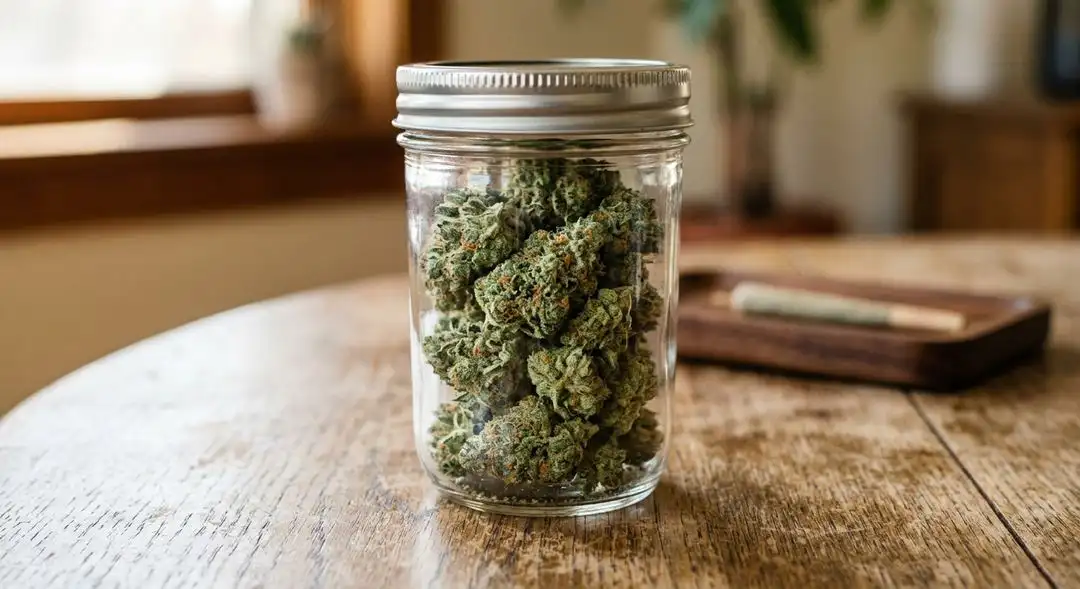
- Drying and curing: Slow dry for 7–10 days at 60°F / 60% RH, then cure in sealed jars for a minimum of 3 weeks — the lemon and earthy terpene profile opens up dramatically with adequate cure time
Why Buy Critical Autoflower Seeds from DSS Genetics?
Every Critical Autoflower seed ships with our full germination guarantee — if it doesn't sprout under proper conditions, we replace it. Orders are fulfilled in discreet, unmarked packaging, so your purchase arrives without fanfare and without hassle.
- Germination guaranteed — every seed backed by our replacement policy, no questions asked
- Discreet shipping — plain, unmarked packaging on every order
- Spend $100+ — receive complimentary premium seeds added to your order automatically
- Proper cold-chain storage — seeds are stored at controlled temperature and humidity from our facility to your door, protecting germination rates across long shipping windows
Frequently Asked Questions
Is Critical Autoflower a good strain for first-time growers?
Yes — Critical Autoflower is one of the most genuinely beginner-friendly strains available. The ruderalis genetics introduce natural stress tolerance, and the plant's compact medium size makes it manageable in small grow spaces. Our easy-to-grow collection features Critical Autoflower alongside other strains rated for new growers, and the germination guide is a good first stop before you start your grow.
How long does Critical Autoflower take from seed to harvest?
Critical Autoflower flowers in 56–63 days from seed — no light schedule adjustment needed. The autoflowering trait means the plant moves through its vegetative stage and into flower automatically, typically beginning bud development around day 21–28. Total seed-to-harvest time usually falls between 70–80 days when you account for the short pre-flower vegetative period. Visit our flowering stage guide for a week-by-week breakdown of what to expect.
What terpenes are in Critical Autoflower, and how do they affect the experience?
Critical Autoflower's terpene profile is anchored by Caryophyllene at 1.21%, which provides the peppery warmth in the flavor and contributes directly to anti-inflammatory effects through CB2 receptor binding. Myrcene drives the earthy-sweet aroma and deepens the physical relaxation, while Limonene and Pinene contribute citrus brightness and a faint piney sharpness. Linalool rounds it out with subtle floral softness. Together, these terpenes interact with cannabinoids through the entourage effect to produce a more nuanced therapeutic experience than THC percentage alone would indicate.
How does Critical Autoflower yield compare to other autoflowering strains?
Critical Autoflower sits in the upper tier for autoflower yields — 1–1.8 oz/ft² indoors and 2–7 oz/plant outdoors puts it well above many autoflowering varieties that cap out around 0.5–1 oz/ft² indoors. The Critical parentage is responsible for this — Critical was specifically bred for commercial-level bud density and weight, and those genetics carry through despite the ruderalis cross. If yield is your primary goal, explore our full high-yield strains collection for comparison, or check our best autoflower collection for other high-performing auto varieties side by side.
Medical Disclaimer: This information is for educational purposes only and should not be considered medical advice. Always consult a healthcare professional before using cannabis for medical purposes. Individual results may vary.
Frequently Asked Questions
Critical — Common Questions Answered
What is Critical?
Critical is a balanced hybrid cannabis strain (60% Indica / 40% Sativa) bred from Critical x Ruderalis. It produces THC levels of 16–18% and CBD levels of 0.1–1%. Known for its relaxing, happy, uplifting effects and sweet, earthy, citrus flavor profile.
Is Critical easy to grow?
Yes, Critical is an excellent choice for beginners. It has a forgiving growth pattern and doesn't require advanced techniques to produce good yields. Growing difficulty: Easy. It thrives in temperate climates and reaches a medium plant size.
How long does Critical take to flower?
Critical has a flowering time of 56–63 days. Switch to a 12/12 light cycle to initiate flowering. Expected yields are 1 to 1.8 oz/ft² indoors and 2 to 7 oz/plant outdoors.
What are the effects of Critical?
Critical delivers relaxing, happy, uplifting, creative, energetic, sleepy effects. Many growers report it helps with pain, stress, anxiety, insomnia, depression. With THC levels of 16–18%, it offers a mild, manageable experience suitable for all tolerance levels.
What does Critical smell and taste like?
Critical's dominant terpenes are Myrcene, Pinene, Caryophyllene (1.21%), Limonene, Linalool, which give it a sweet, earthy, citrus, lemon, skunky, spicy flavor and aroma profile. Myrcene contributes earthy, herbal notes and is associated with relaxing effects.Limonene adds citrusy brightness and may elevate mood.
Can I grow Critical indoors and outdoors?
Yes, Critical performs well both indoors and outdoors. Indoor yields average 1 to 1.8 oz/ft², while outdoor grows can produce 2 to 7 oz/plant. It prefers temperate conditions. Its medium height is manageable in most indoor setups.
Grower Reviews
Real grow experiences from our community


Get 10% Off Your First Order
Join our newsletter for exclusive deals, growing tips, and new strain drops.