Banana Kush Autoflower Seeds
By Ivan K., DSS Genetics · Updated April 2026

Banana Kush Autoflower Seeds
SKU: DSS-BAKU-AUTO-5PK
Pack Size
Quantity
Disclaimer: For informational purposes only — not medical advice. Consult a healthcare professional before use.
About This Strain
Banana Kush Autoflower Seeds — Complete Strain Profile
Banana Kush Autoflower Seeds – Strain Overview
Banana Kush Autoflower is a 60% indica / 40% sativa hybrid born from three legendary parents: Ghost OG, Skunk Haze, and Ruderalis. That lineage tells the whole story — Ghost OG brings the dense, resinous structure and deeply calming body effects, Skunk Haze layers in a bright sativa energy and tropical funk, and the Ruderalis genetics unlock an automatic flowering cycle that needs zero light manipulation to trigger bloom.
With 16–18% THC and a CBD range of 0.4–0.7%, this strain lands in a sweet spot that experienced smokers enjoy and newcomers can approach without being overwhelmed. The effects are warm, social, and genuinely pleasant — not a one-note couch-lock experience but a full-spectrum ride that earns its place among the best autoflower strains available to home growers today.
Effects and Medical Benefits
The high opens with a clean cerebral lift that feels almost citrusy in character — thoughts loosen, the jaw unclenches, and there's a genuine sense of warmth spreading across the chest and shoulders. This isn't the anxious, racey sativa buzz some hybrids deliver. It's smooth and deliberate, building in slow, even waves rather than hitting all at once.
Around fifteen to twenty minutes in, the indica side of the genetics arrives. The body softens, muscles let go of tension they were holding without you even realizing it, and the mood settles into something genuinely happy — not forced, not artificial. At moderate doses this stays functional and social. Push the dose higher and the sedating undertones become dominant, making it a solid evening choice when you want full relaxation without fighting sleep.
Users consistently report these effects across the experience:
- Euphoria and happiness — a natural mood elevation that sets in early and holds through the duration
- Full-body relaxation — progressive muscle release starting in the shoulders and moving downward
- Uplifting mental energy — moderate doses keep the mind engaged and sociable without overstimulation
- Gentle sedation — higher doses transition into deep physical calm, ideal for unwinding before sleep
On the therapeutic side, Banana Kush Autoflower has built a loyal following among medical consumers for a clear set of reasons:
- Stress — the combined Ghost OG and Skunk Haze genetics create a rapid tension-release effect that's hard to replicate
- Anxiety — the slow, predictable onset prevents the spike-and-crash that high-THC strains sometimes cause
- Depression — the euphoric, uplifting phase provides genuine mood elevation rather than simple sedation
- Pain — the indica dominance and myrcene-heavy terpene profile work together on physical discomfort
The 0.4–0.7% CBD content, while modest, contributes more than the numbers suggest. When working alongside myrcene and caryophyllene, these cannabinoids interact through the entourage effect — a synergy that may amplify anti-inflammatory and anxiolytic outcomes beyond what either compound achieves alone.
Aroma, Flavor and Terpene Profile
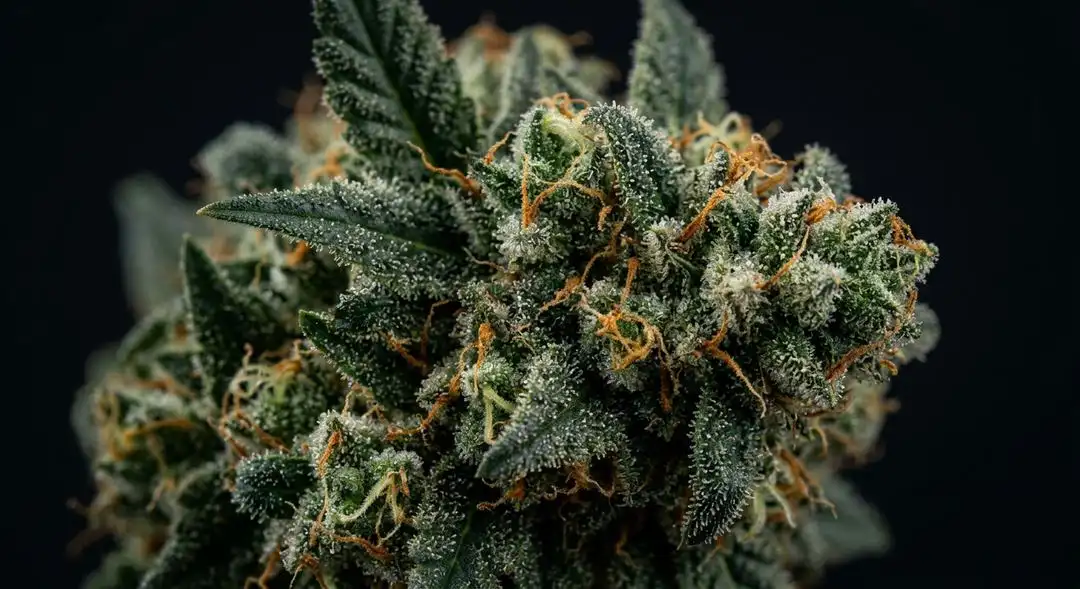
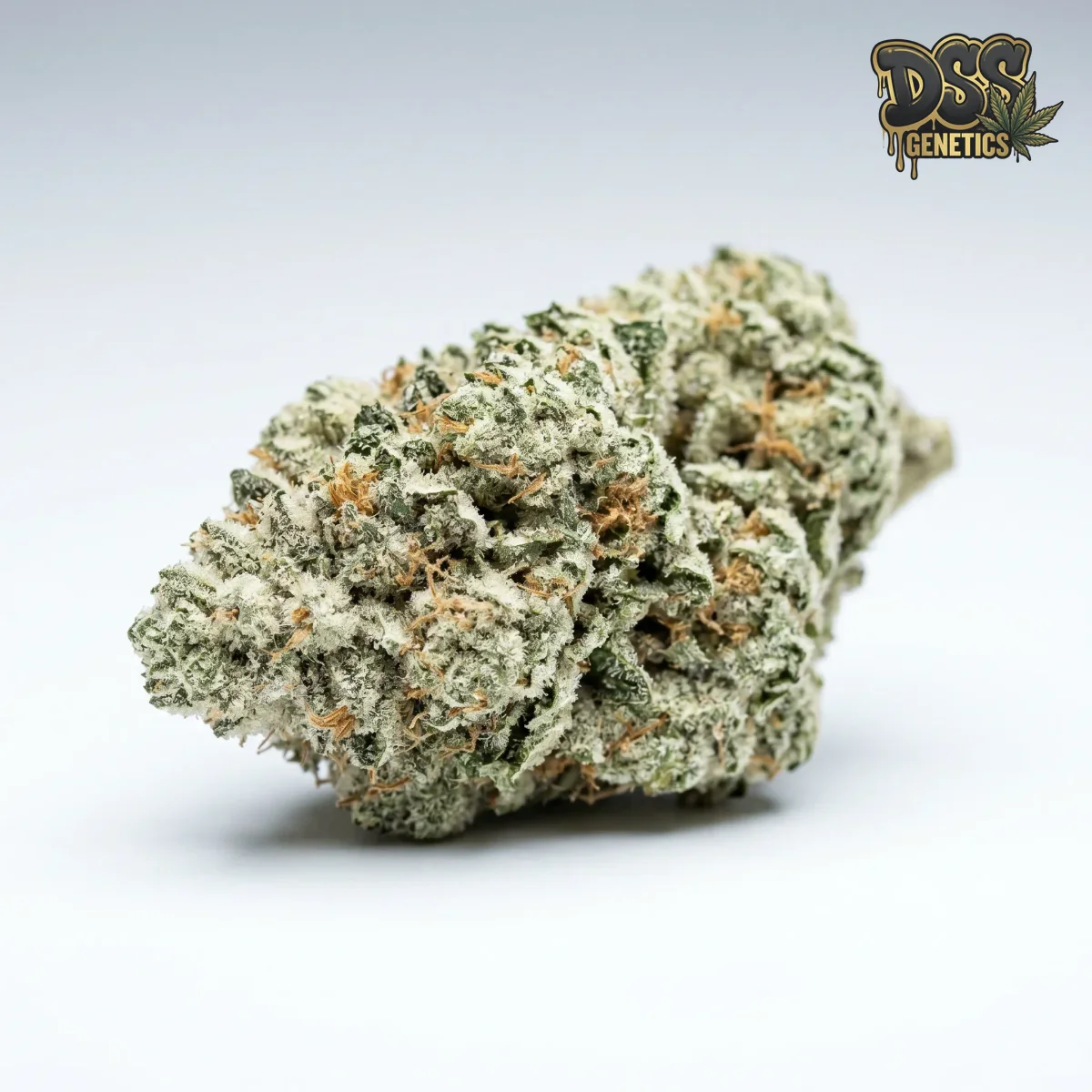
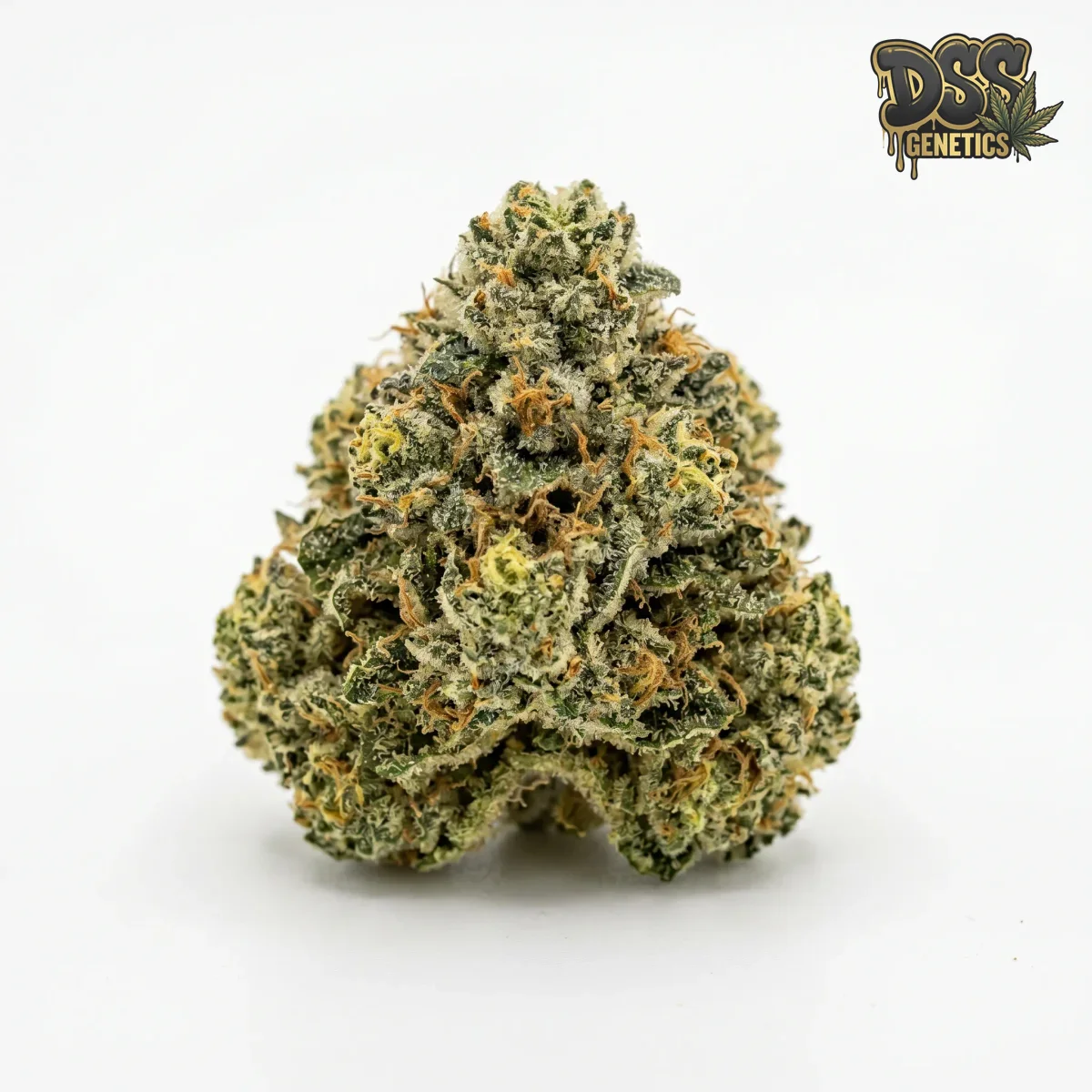
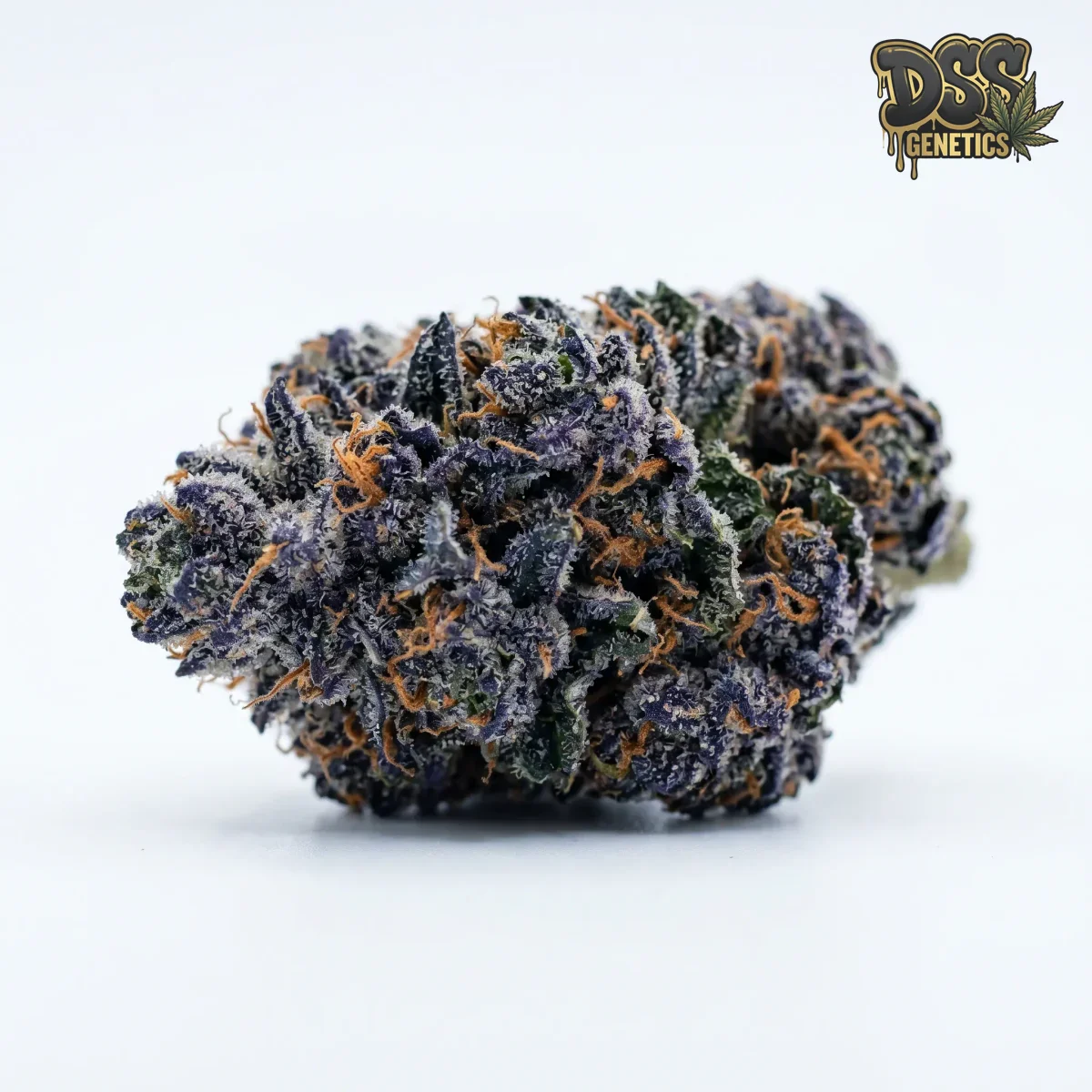
Crack a jar of properly cured Banana Kush and the first thing you notice isn't banana — it's a wave of sweet earthiness underpinned by something funky and slightly skunky that traces directly back to the Skunk Haze parent. The tropical fruit character reveals itself a moment later, emerging from behind that initial funk like sunlight through clouds. It's more ripe stone fruit and soft melon than straightforward banana, with a faint floral note at the edges that keeps the profile from feeling heavy.
On the inhale, the smoke is smooth and slightly sweet with a creamy texture that coats the palate. The exhale is where the tropical and skunky notes converge into something genuinely distinctive — earthy sweetness layered over a light herbal funk, finishing with a faint fruity brightness that lingers. The flavor doesn't fade quickly either; a well-cured batch holds its profile through the full smoke.
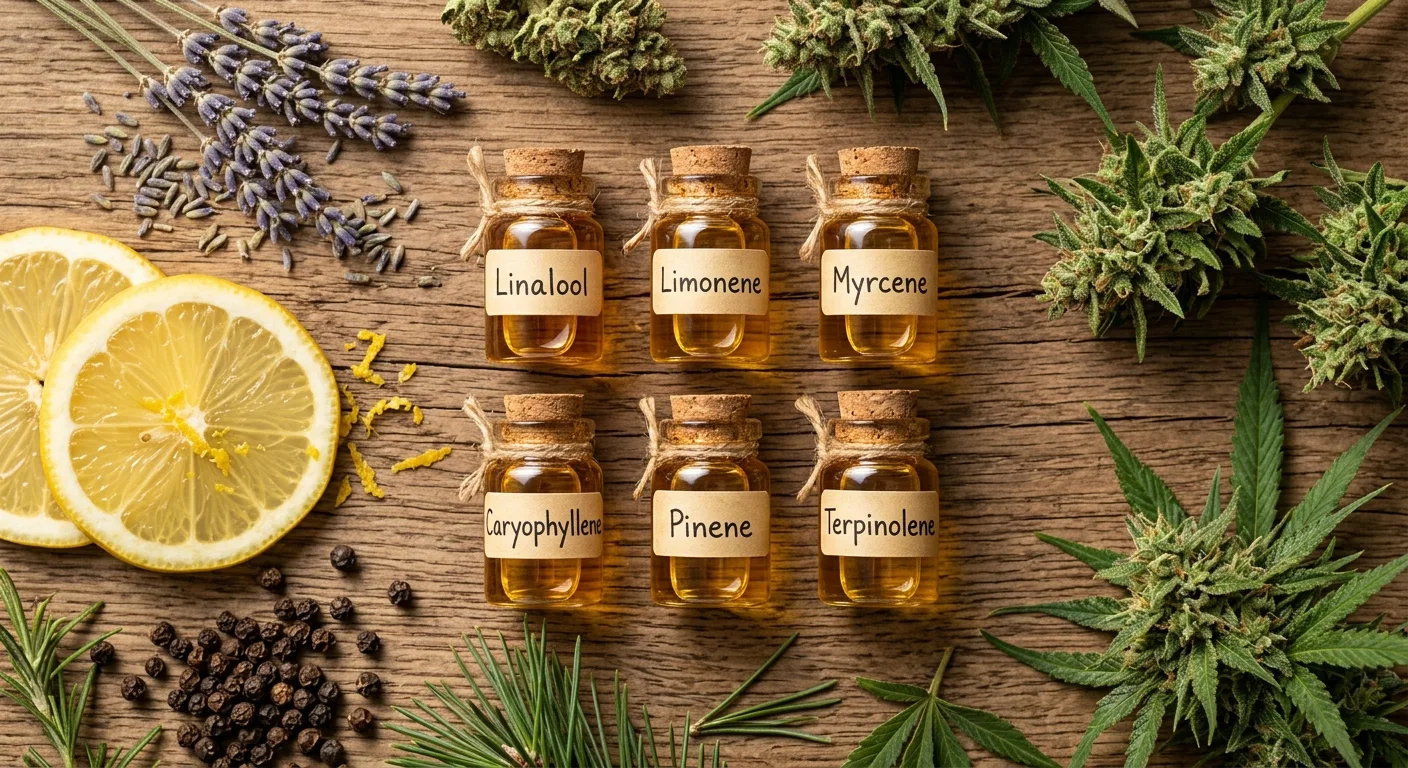
Four terpenes build this experience from the ground up:
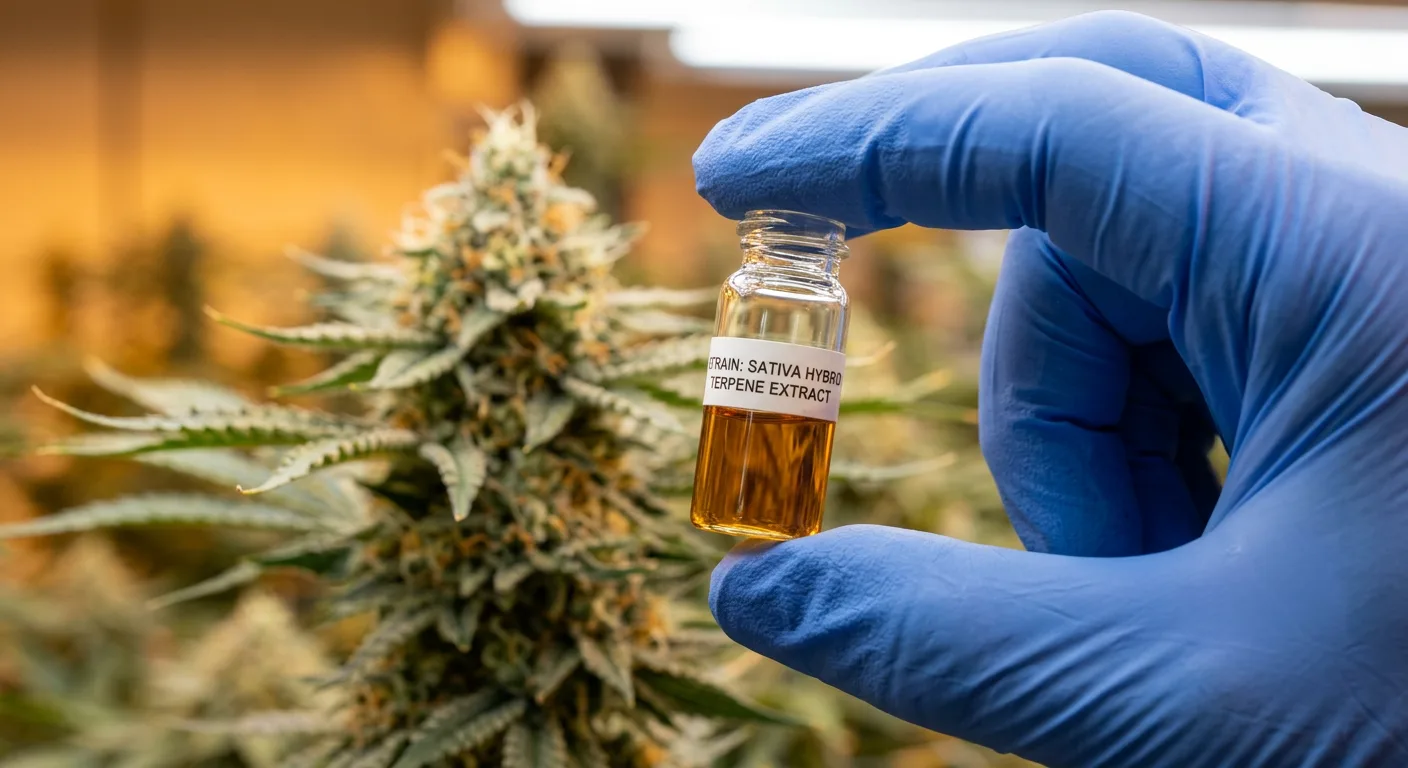
Myrcene is the backbone of the Banana Kush aroma — an earthy, musky, lightly herbal compound that also happens to be the most abundant terpene in modern cannabis genetics. Beyond its aromatic contribution, myrcene is associated with enhanced membrane permeability, which may allow cannabinoids to cross the blood-brain barrier more efficiently. That characteristic is part of why indica-dominant, myrcene-rich strains often feel so physically thorough in their effects.
Limonene is responsible for the bright, citrus-tropical lift you detect on the top notes of the aroma. More than a simple flavor additive, limonene has been studied for mood-elevating and anxiolytic properties — which aligns directly with the happy, stress-dissolving quality of this strain's effects. It's a terpene that earns its reputation in practice.
Caryophyllene adds the warm, peppery depth that keeps the profile from being one-dimensionally sweet. It's the only terpene known to act as a dietary cannabinoid by binding directly to CB2 receptors in the endocannabinoid system — meaning it contributes to anti-inflammatory and pain-relieving outcomes without adding psychoactivity. For medical users, this is a meaningful part of the profile.
Pinene shows up quietly, adding a faint herbal freshness and forest-floor quality that rounds out the earthier base notes. Research suggests pinene may help counteract some of the short-term memory effects associated with THC, and it's thought to support bronchodilation — a detail that cannabis researchers and medical users have found worth noting.
Growing Banana Kush Seeds
This is one of those strains that genuinely deserves its easy rating — not because it demands nothing from you, but because it forgives the kind of small mistakes that trip up beginners on more demanding genetics. The Ruderalis lineage shortens the overall growing window and eliminates the need for light cycle management entirely, which removes one of the most common failure points for new growers.
What we've found over dozens of grows with this strain is that the biggest gains come from environmental consistency rather than aggressive training or heavy feeding. Plants that stay in a stable 70–82°F range with relative humidity between 50–60% during vegetative growth and 40–50% during the flowering stretch consistently outperform plants that experience temperature swings or wet/dry humidity cycles, even if those other plants receive more sophisticated nutrient programs.
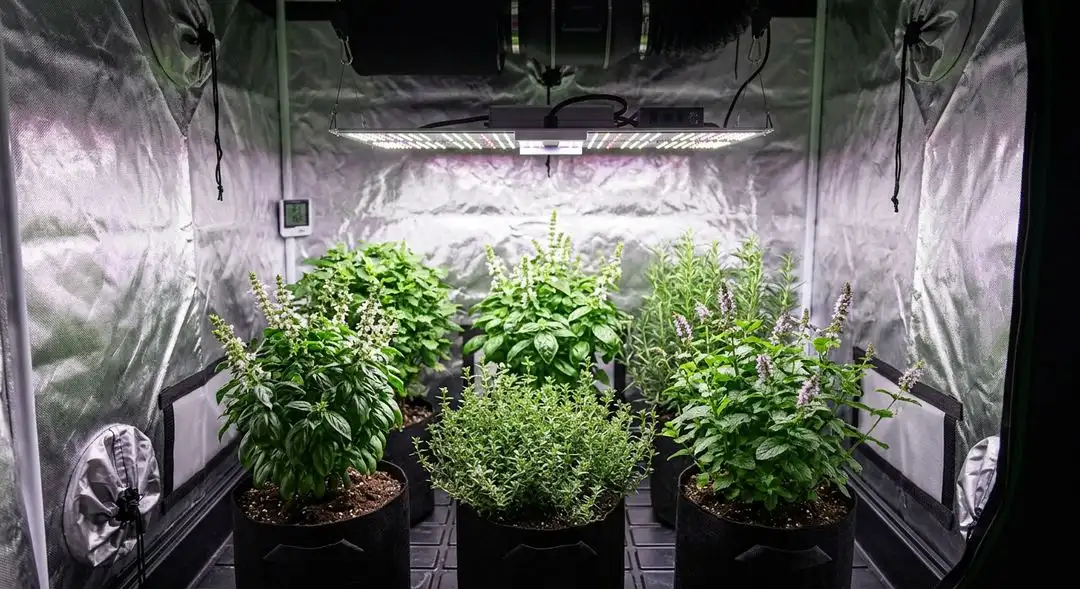
Indoor growers should note that medium plant structure means it fits comfortably in standard 4×4 or 5×5 tents without the height management issues you encounter with taller sativa-leaning autos. The branch structure is sturdy enough to support decent bud weight without staking in most cases, though heavy producers may appreciate some light support in the final two weeks before harvest.
Outdoors, Banana Kush Autoflower performs particularly well in warm temperate climates. The automatic flowering trigger means you aren't dependent on the autumn equinox to initiate bloom — plants will flower on their own genetic schedule regardless of season, making it possible to run two or even three outdoor cycles in a single warm season. Keep outdoor plants sheltered from cold snaps below 60°F; the Ruderalis genetics improve cold tolerance but don't eliminate it entirely.
Five growing tips that make a real difference with this strain:
- Light training only: Gentle LST (low-stress training) in the first three weeks opens the canopy and increases bud site exposure — avoid topping or heavy defoliation since autoflowers have limited time to recover from stress
- Dial the nutrients carefully: Banana Kush responds well to a moderate feed schedule — start at 50% of recommended doses and increase gradually; reference a solid cannabis nutrient guide and watch leaf color rather than following a fixed schedule blindly
- Indoor environment control: Maintain 70–82°F and 50–60% RH during veg, dropping to 40–50% RH at flower onset — see our complete indoor growing guide for full environmental setup advice
- Outdoor timing: Plant outdoors after the last frost when nighttime temps consistently stay above 60°F — the auto genetics handle the rest; read our outdoor growing guide for tips on maximizing yield across multiple seasonal runs
- Water management: Allow the growing medium to partially dry between waterings — this strain's Ghost OG heritage means the roots prefer a wet-dry cycle over constant moisture, which also prevents the root rot that can cut yields short in compacted or overwatered mediums
Yield and Flowering Time
Banana Kush Autoflower moves from germination to harvest in 49–56 days — among the faster timelines in the fast-flowering category, and genuinely impressive when you consider the quality and volume of bud it produces in that window. Indoor growers working in optimized environments can expect 1.4–1.7 oz/ft², which is a strong return for an autoflower of this difficulty level. Outdoor plants, given space and adequate sunlight, deliver 4–7 oz/plant per cycle.
Those outdoor numbers are worth emphasizing because they're achievable even for first-time outdoor growers. Unlike photoperiod strains that need precisely timed light exposure and a full growing season, this strain's easy-to-grow genetics mean a backyard gardener with basic soil knowledge can hit the upper end of that outdoor yield range without sophisticated infrastructure.
To maximize your harvest:
- Watch the trichomes, not the calendar: At day 49, check trichome color under a loupe — harvest when 70–80% appear milky white with 10–20% turning amber for the full balanced effect this strain is known for; premature harvest sacrifices the indica depth
- Final flush: Run plain pH-balanced water through the medium for the last 5–7 days before harvest to clear residual nutrients and let the natural terpene profile shine through in the cured product
- Late-flower humidity: Drop relative humidity to 40–45% in the final two weeks to discourage any mold development in the denser bud sites and to encourage the slight resin boost that comes with mild environmental stress
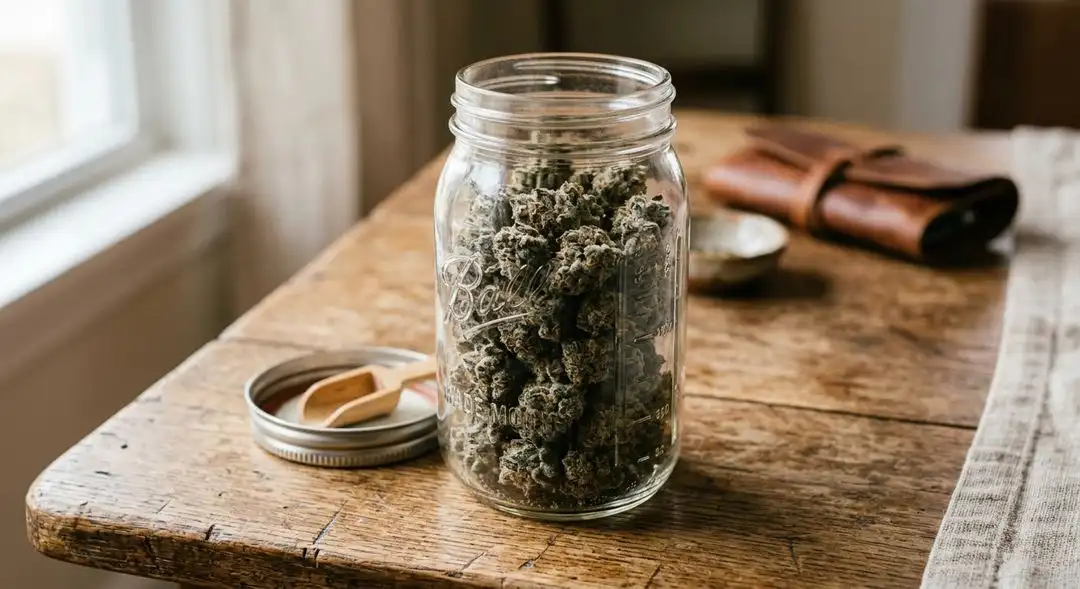
- Drying and curing: Hang dry whole branches for 7–10 days at 60–65°F and 55–60% RH before jarring — then follow a proper drying and curing protocol with daily burping for two weeks minimum; this step is what separates average Banana Kush from exceptional Banana Kush
Why Buy Banana Kush Seeds from DSS Genetics?
Every Banana Kush Autoflower seed ships with a full germination guarantee — if a seed doesn't sprout when you follow our germination guide, we replace it. Your order arrives in discreet, plain packaging with no cannabis-related branding visible anywhere on the outside.
- Germination guaranteed — every seed is backed; if it doesn't pop, we make it right without hassle
- Discreet shipping — plain, unmarked packaging on every order
- Spend $100+ — receive a complimentary selection of premium seeds added to your order automatically
- Storage-optimized seeds — temperature and humidity-controlled from our warehouse to your door, protecting viability from seed to soil
Frequently Asked Questions
How long does Banana Kush Autoflower take from seed to harvest?
Banana Kush Autoflower completes its full cycle in 49–56 days from germination — no light schedule changes required. The automatic flowering trigger from its Ruderalis genetics means it moves from seedling through vegetative growth and into full bloom on its own timeline. For a detailed breakdown of what to expect at each stage, our flowering stage guide walks through the week-by-week development you'll see from this strain.
Is Banana Kush Autoflower good for beginner growers?
Yes — this is one of the more beginner-friendly strains in the easy-to-grow collection. The autoflowering genetics eliminate light cycle management, the medium plant size fits standard grow tents without height issues, and the Ghost OG structure provides sturdy branching that supports bud weight without staking. New growers should still dial in their environment and avoid overwatering, but the genetic resilience here is genuine. If you want to compare options, browse the full easy-to-grow lineup before deciding.
What does Banana Kush Autoflower smell and taste like?
The aroma opens with sweet earthiness and a distinct skunky funk inherited from the Skunk Haze parent, then reveals tropical fruit and floral notes as it warms. The smoke is smooth and creamy with a sweet-tropical exhale. The four key terpenes driving this profile are Myrcene (earthy, musky base), Limonene (bright citrus-tropical top notes), Caryophyllene (warm peppery depth), and Pinene (herbal freshness). Together they build a profile that's more complex than the name suggests.
How does Banana Kush Autoflower compare to other indica-dominant autoflowers?
The Ghost OG lineage gives Banana Kush Autoflower a body effect quality that many indica autos lack — it's thorough and progressive rather than flat and heavy. The 60/40 indica-sativa split also keeps
Medical Disclaimer: This information is for educational purposes only and should not be considered medical advice. Always consult a healthcare professional before using cannabis for medical purposes. Individual results may vary.
Frequently Asked Questions
Banana Kush — Common Questions Answered
What is Banana Kush?
Banana Kush is a balanced hybrid cannabis strain (60% Indica / 40% Sativa) bred from Ghost OG x Skunk Haze x Ruderalis. It produces THC levels of 16–18% and CBD levels of 0.4–0.7%. Known for its relaxing, happy, euphoric effects and sweet, earthy, skunky flavor profile.
Is Banana Kush easy to grow?
Yes, Banana Kush is an excellent choice for beginners. It has a forgiving growth pattern and doesn't require advanced techniques to produce good yields. Growing difficulty: Easy. It thrives in temperate climates and reaches a medium plant size.
How long does Banana Kush take to flower?
Banana Kush has a flowering time of 49–56 days. Switch to a 12/12 light cycle to initiate flowering. Expected yields are 1.4 to 1.7 oz/ft² indoors and 4 to 7 oz/plant outdoors.
What are the effects of Banana Kush?
Banana Kush delivers relaxing, happy, euphoric, uplifting, energetic, sedating effects. Many growers report it helps with stress, anxiety, depression, pain. With THC levels of 16–18%, it offers a mild, manageable experience suitable for all tolerance levels.
What does Banana Kush smell and taste like?
Banana Kush's dominant terpenes are Myrcene, Limonene, Caryophyllene, Pinene, which give it a sweet, earthy, skunky, tropical, fruity, floral flavor and aroma profile. Myrcene contributes earthy, herbal notes and is associated with relaxing effects.Limonene adds citrusy brightness and may elevate mood.Caryophyllene provides spicy, peppery notes and may help with inflammation.
Can I grow Banana Kush indoors and outdoors?
Yes, Banana Kush performs well both indoors and outdoors. Indoor yields average 1.4 to 1.7 oz/ft², while outdoor grows can produce 4 to 7 oz/plant. It prefers temperate conditions. Its medium height is manageable in most indoor setups.
Grower Reviews
Real grow experiences from our community
Similar Strains
Get 10% Off Your First Order
Join our newsletter for exclusive deals, growing tips, and new strain drops.