Blue Moonshine Autoflower Seeds
By Ivan K., DSS Genetics · Updated April 2026

Blue Moonshine Autoflower Seeds
SKU: DSS-BLMO-AUTO-5PK
Pack Size
Quantity
Disclaimer: For informational purposes only — not medical advice. Consult a healthcare professional before use.
About This Strain
Blue Moonshine Autoflower Seeds — Complete Strain Profile
Blue Moonshine Autoflower Seeds – Strain Overview
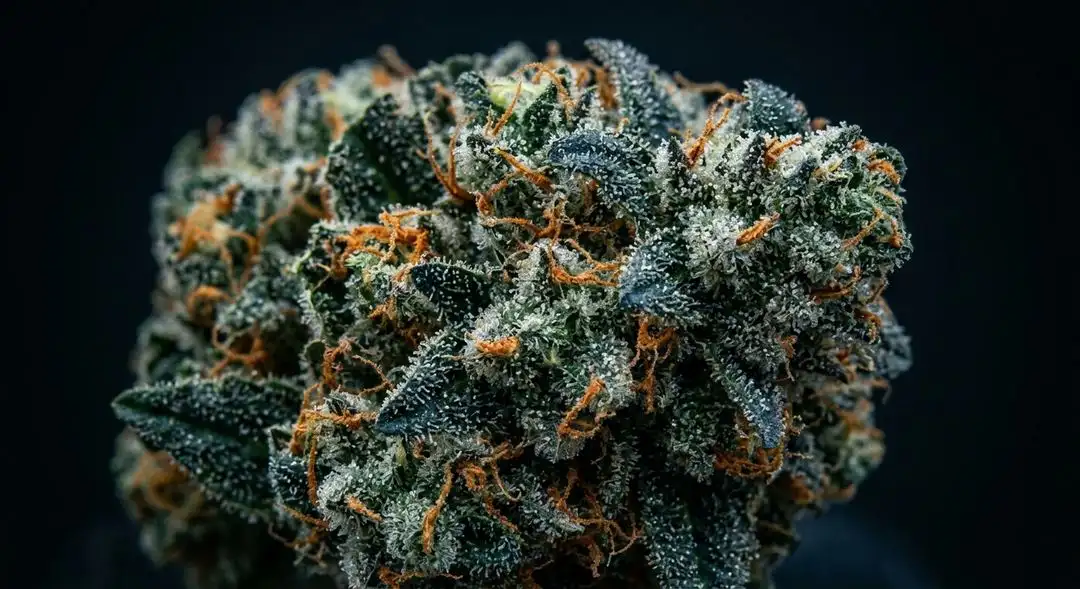
Blue Moonshine Autoflower is a carefully crafted three-way cross of Thai Sativa, Afghani Indica, and Ruderalis — a lineage that pulls the best from each corner of the cannabis family tree. The Thai genetics bring a bright cerebral lift and that signature blueberry sweetness, the Afghani backbone adds physical depth and resin production, and the Ruderalis component unlocks automatic flowering regardless of light schedule. At 60% Indica / 40% Sativa, the balance leans toward calm without ever fully shutting the lights off upstairs.
With 10–13% THC and 0.5–1% CBD, Blue Moonshine sits in a sweet spot that experienced smokers appreciate on a relaxed evening and newer consumers can explore without being overwhelmed. The modest cannabinoid ceiling makes it one of the more approachable entries in our best autoflower collection — a strain where the experience feels intentional, not accidental.
Effects and Medical Benefits
The Blue Moonshine experience opens gently — a quiet wave of happiness settles in within the first few minutes, followed by a creative spark that feels more like a warm invitation than a jolt. Over the next 20–30 minutes, the Afghani genetics begin to express themselves through a spreading physical relaxation that starts in the shoulders and works its way down. For most people, the finish is peacefully sleepy rather than knocked-out sedated.
Users commonly report these effects:
- Happy and euphoric onset — a mood lift that arrives without anxiety or racing thoughts
- Creative and energetic middle phase — a window of gentle motivation before the indica body settles in
- Full-body relaxation — the Afghani heritage delivers physical calm without complete couch-lock
- Sleepy finish — ideal for evening use when winding down is the goal
On the medical side, Blue Moonshine is frequently chosen for relief from:
- Stress and everyday tension that accumulates through the day
- Anxiety — the gentle THC range keeps the experience calming rather than amplifying
- Depression — the euphoric onset lifts mood before the body relaxes
- Chronic pain, muscle spasms, and tension headaches
- Headaches — particularly those with a stress or tension origin
The 0.5–1% CBD content plays a quiet but real supporting role here. Combined with Myrcene and Caryophyllene, this minor cannabinoid contributes to the overall anti-inflammatory and analgesic character of the experience — a textbook example of the entourage effect working through a lower-THC profile rather than a high-CBD one.
Aroma, Flavor and Terpene Profile
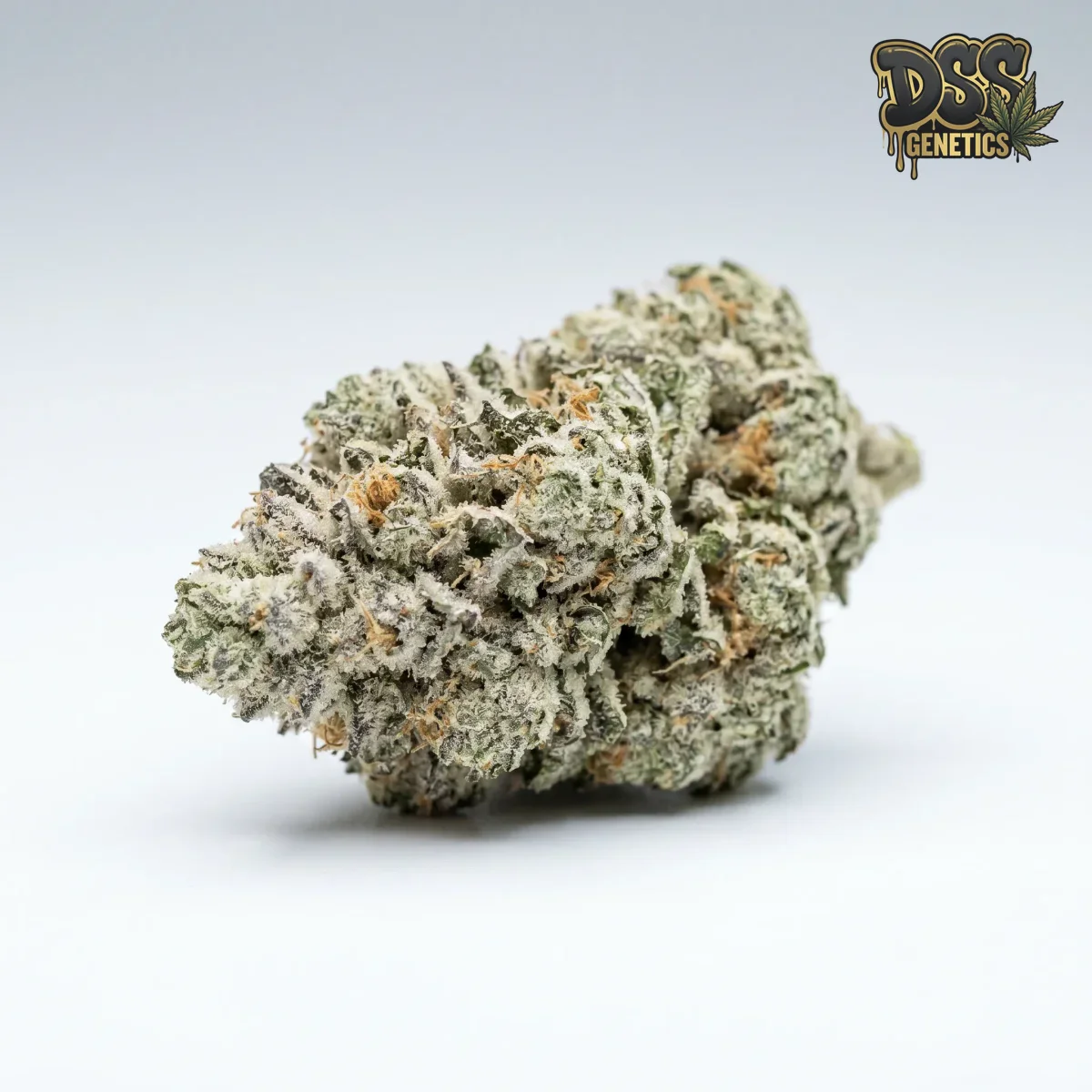
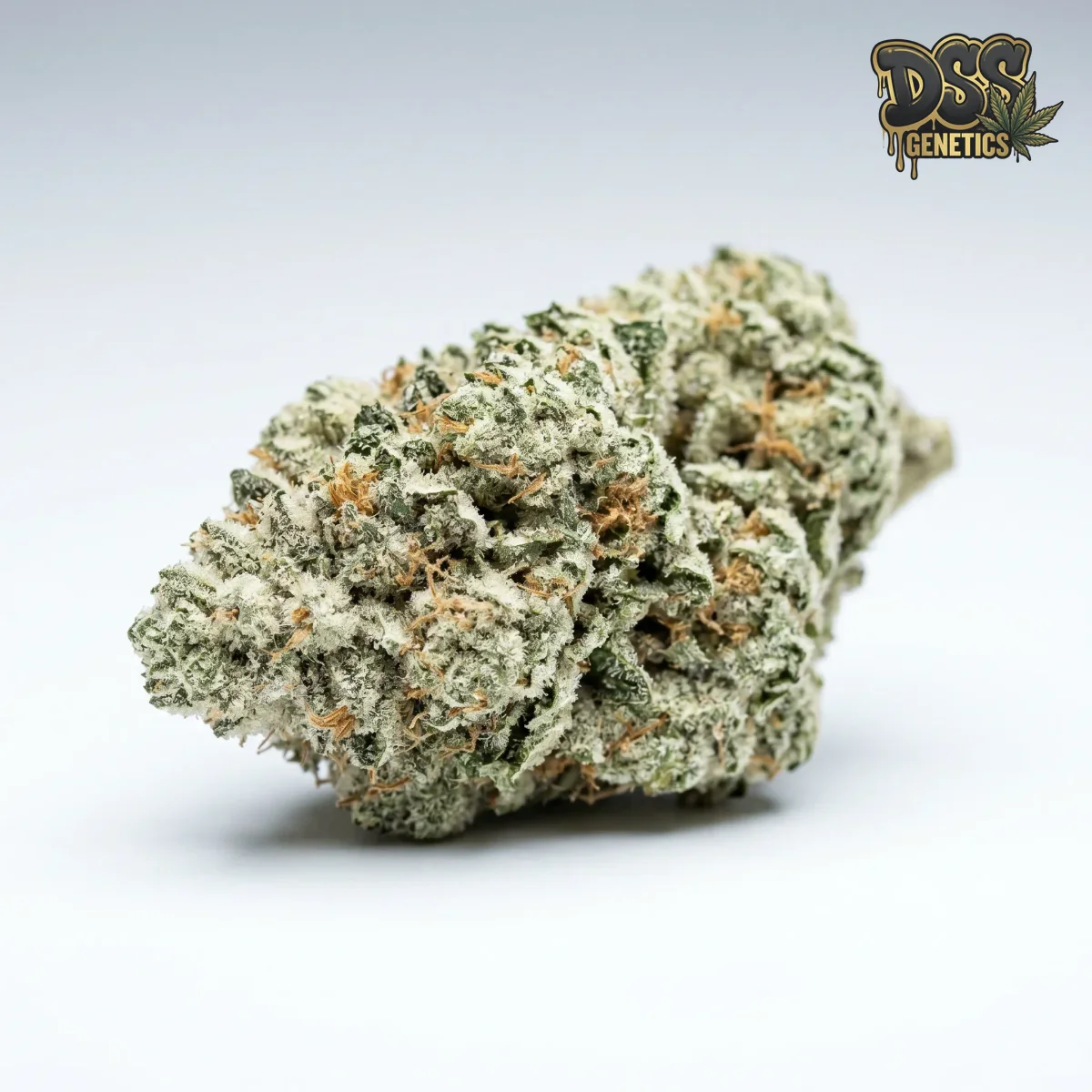
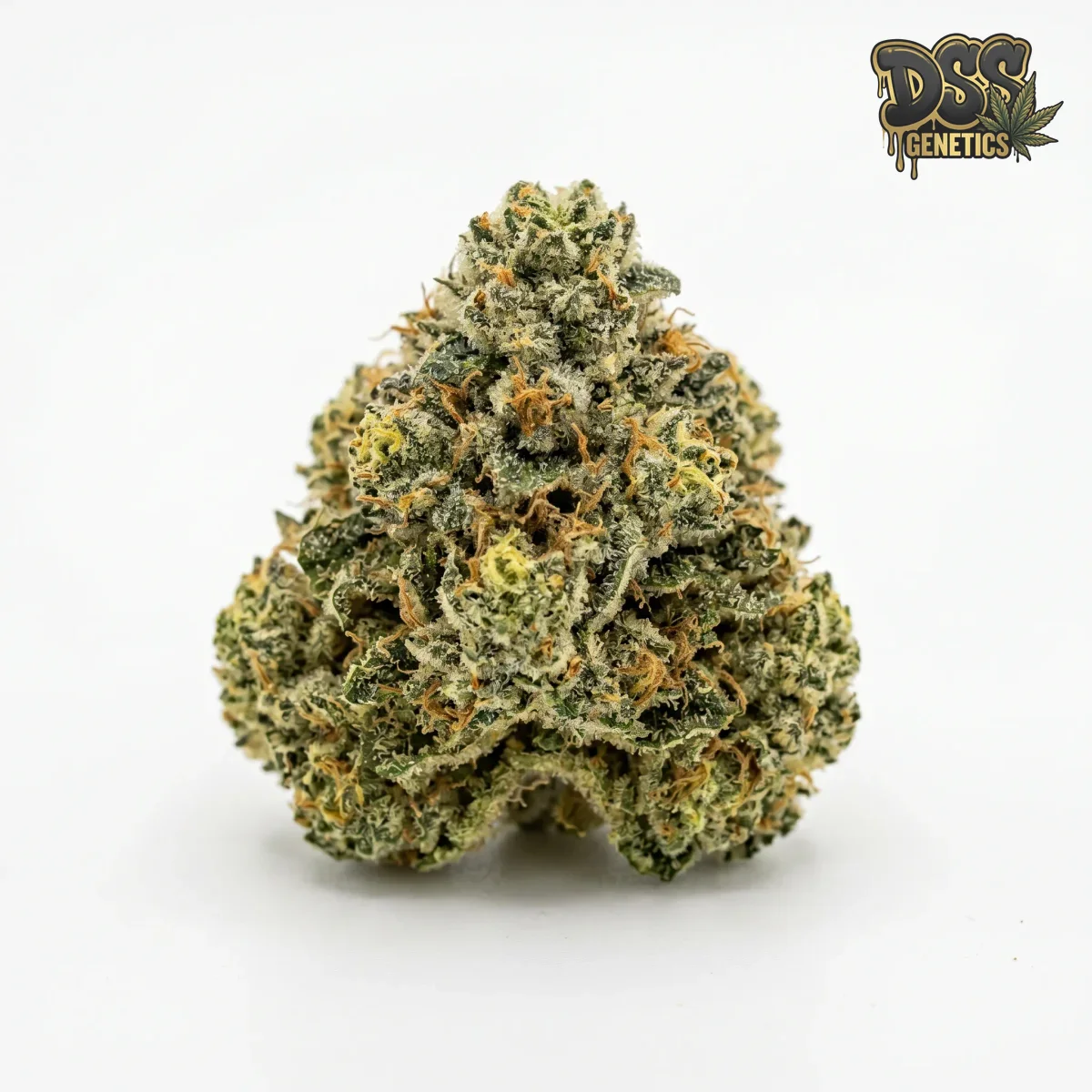
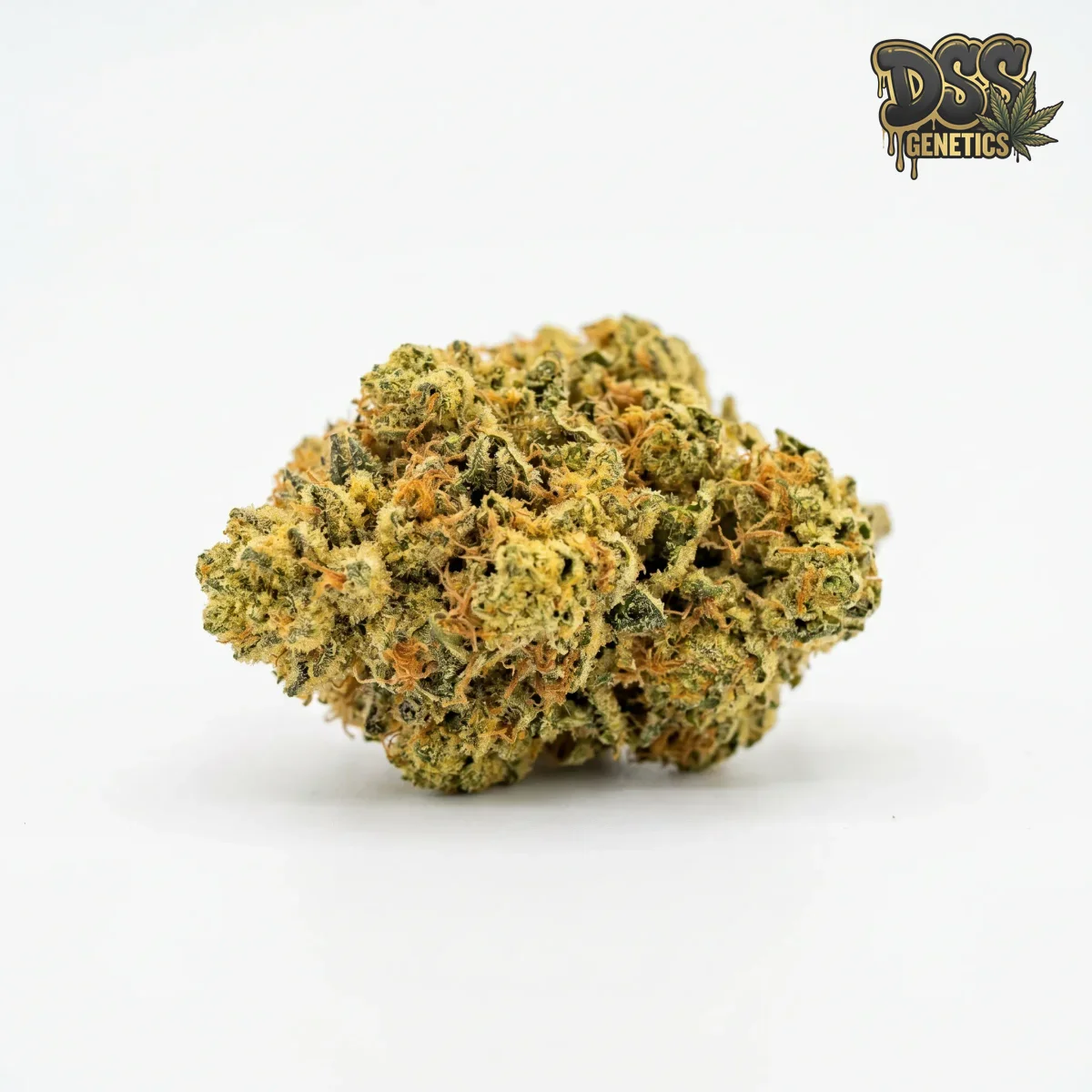
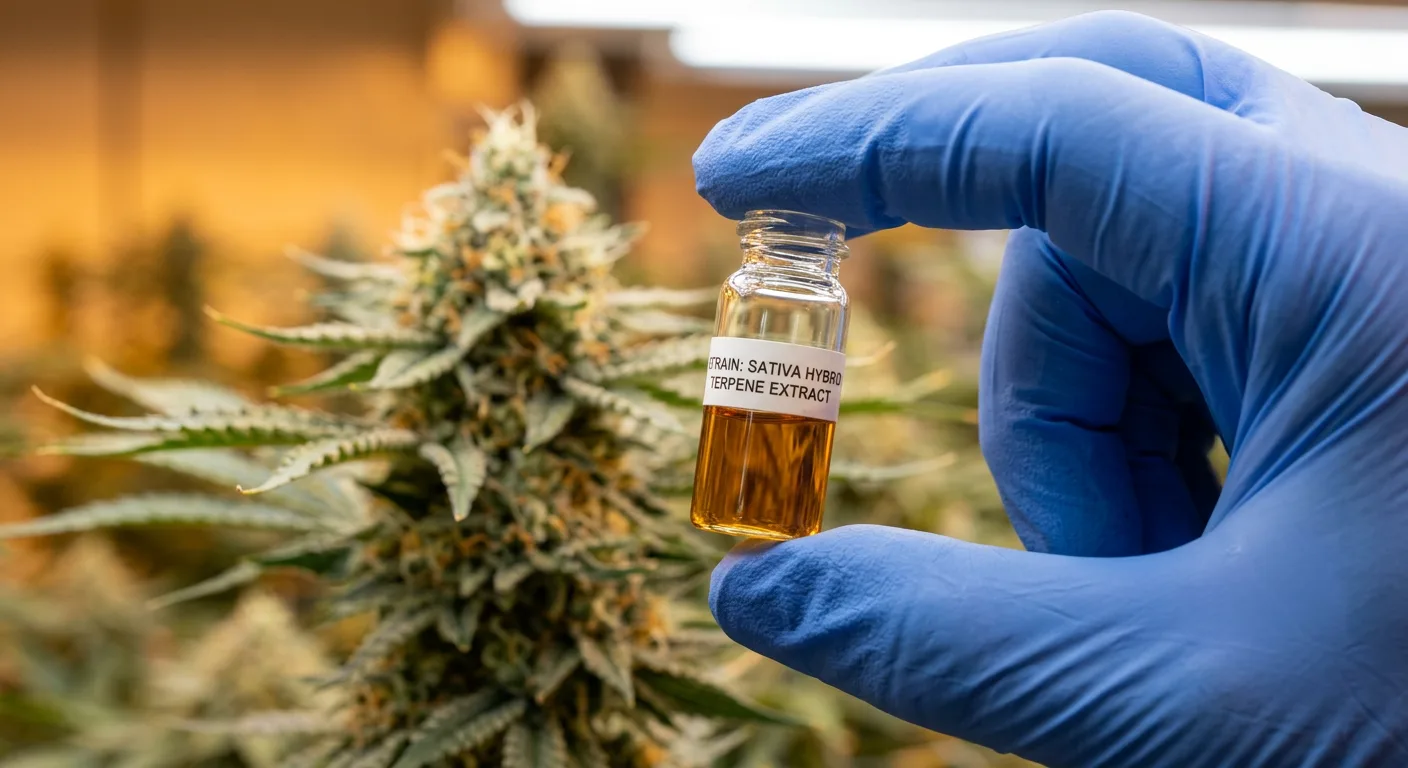
Crack open a cured Blue Moonshine bud and the first thing that hits is a sharp forest-floor pine note — clean and slightly resinous, like breathing cold air in a conifer grove. That gives way almost immediately to a ripe blueberry sweetness that feels almost jammy, rounded by a layer of damp earth underneath. On the exhale, a subtle spice emerges that lingers on the back of the palate — not quite pepper, not quite herb, but something that makes you want to take another hit just to identify it.
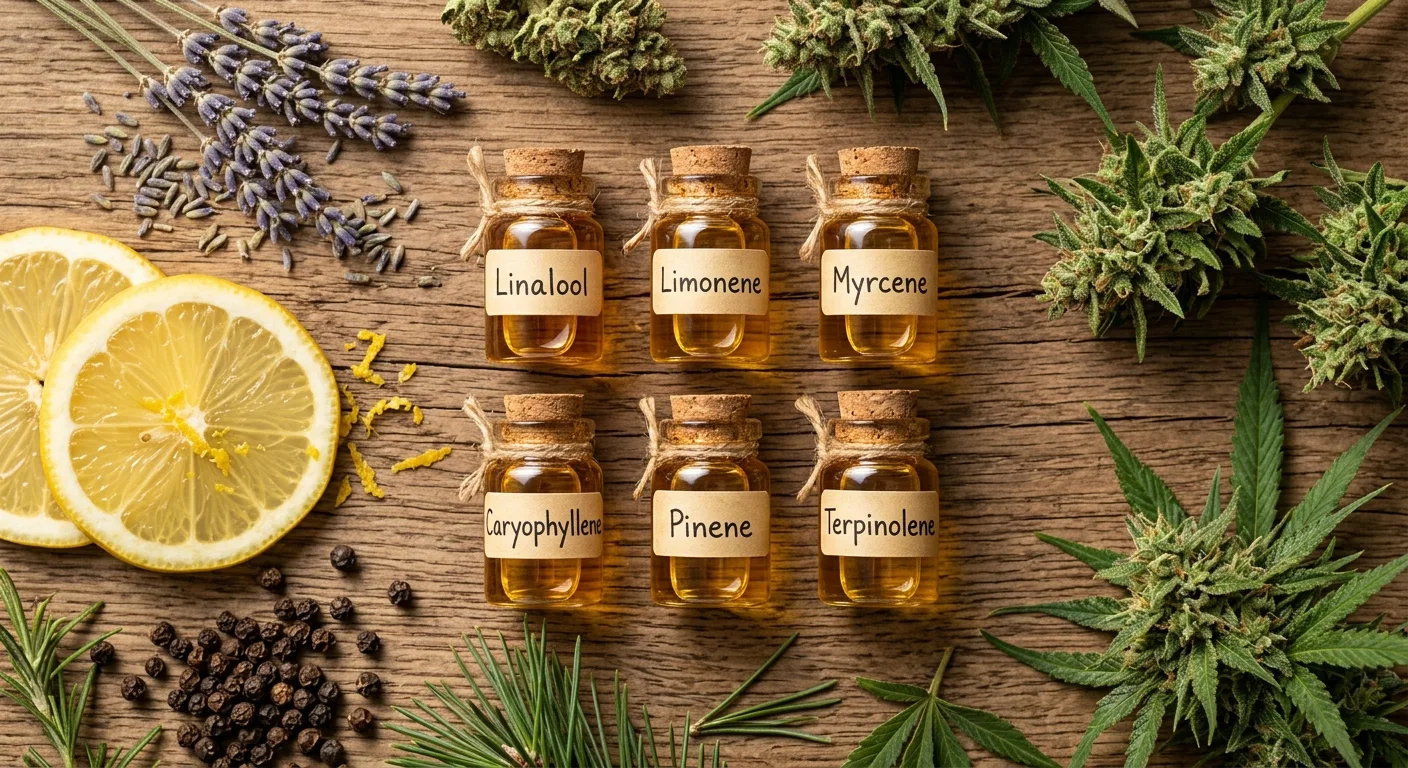
Myrcene anchors the profile with its earthy, musky foundation — the same terpene responsible for the mango-like softness in many indica-leaning strains. In Blue Moonshine, it acts as a carrier for the blueberry and berry notes while simultaneously contributing to the strain's physically relaxing character. Research suggests Myrcene may facilitate cannabinoid transport across the blood-brain barrier, which could explain why even modest THC levels produce a noticeably full-body effect here.
Pinene is what makes the aroma so immediately distinctive — that crisp, resinous pine quality comes directly from this terpene, which happens to be the most abundant terpene found in nature. Beyond aroma, Pinene may help counteract short-term memory impairment associated with THC and has been studied for bronchodilatory properties, making it particularly interesting for medical users who want a clear-headed component in their experience.
Caryophyllene delivers the spicy, peppery finish that distinguishes Blue Moonshine from sweeter blueberry strains that taste one-dimensional. What makes Caryophyllene scientifically remarkable is its ability to bind directly to CB2 receptors in the endocannabinoid system — it's technically a dietary cannabinoid as well as a terpene. This binding activity contributes to the strain's effectiveness against inflammation and muscle spasms without adding any psychoactive intensity.
Limonene weaves through the profile as a bright citrus thread — you might not immediately identify it as lemon or orange, but it's the component that makes the overall aroma feel lifted and cheerful rather than heavy. Limonene has demonstrated anxiolytic properties in preliminary research, reinforcing why Blue Moonshine tends to ease anxiety rather than provoke it despite its sativa lineage.
Growing Blue Moonshine Seeds
Blue Moonshine is genuinely easy to grow — not as marketing language, but as a practical reality of its genetics. The Ruderalis contribution does more than just trigger automatic flowering; it also adds a hardiness to the plant's constitution that makes it forgiving of beginner mistakes like minor nutrient imbalances or inconsistent watering schedules. What we've found over dozens of grows is that this strain wants to succeed — your job is mostly to stay out of its way and provide stable conditions.
Indoors, Blue Moonshine performs best at 70–80°F (21–27°C) during the light period and no lower than 60°F (15°C) during the dark cycle. Humidity should sit at 50–60% during vegetative growth and drop to 40–50% once flowering begins in earnest. Because it's an autoflower, it does not require a light schedule change — 18/6 from seed to harvest is the most common approach, though some growers report slightly better results on 20/4.
Outdoors, Blue Moonshine's compact medium size makes it genuinely discreet — suitable for balcony grows, smaller garden spaces, or anywhere that a towering plant would be impractical. The Thai Sativa genetics give the leaves a slightly narrower shape than a pure indica, and the plant maintains good airflow through its canopy naturally, reducing mold risk even in more humid outdoor environments.
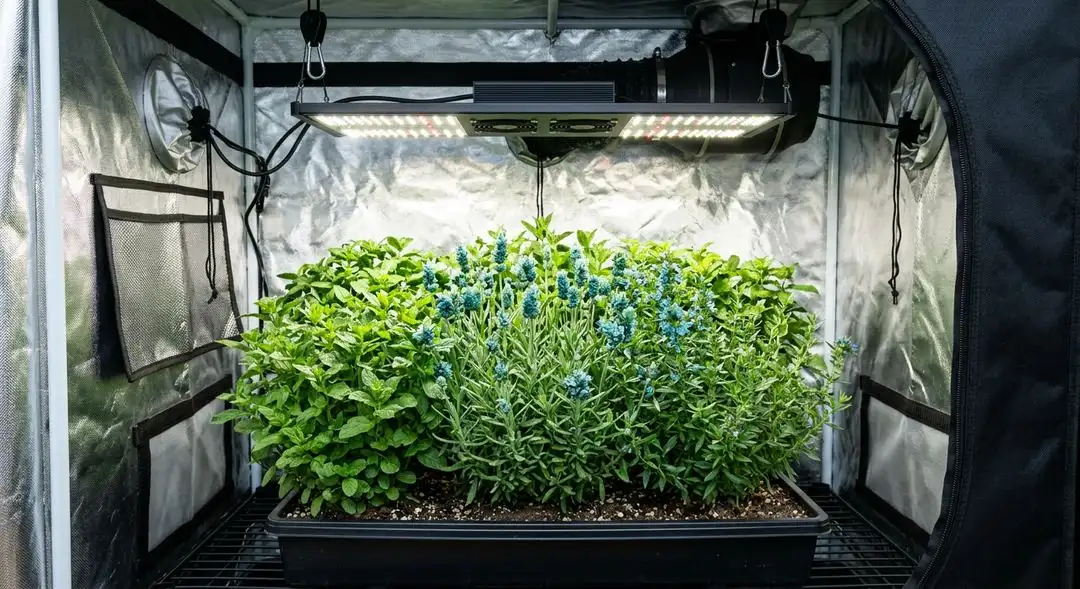
Key growing tips for Blue Moonshine Autoflower:
- Keep training light: Because autoflowers operate on a fixed internal clock, aggressive training techniques like topping can stress the plant at a critical time — LST (low-stress training) during the first 2–3 weeks is the smarter move for improving canopy spread without losing days to recovery
- Dial in your nutrient timing: Start with a light vegetative nutrient schedule at roughly 50% of recommended doses — autoflowers are more sensitive to over-feeding than photoperiod strains, and Blue Moonshine is no exception; ramp up phosphorus and potassium at the first sign of bud formation around day 21–28
- Germinate directly in the final container: Unlike photoperiod strains, autoflowers don't recover well from transplant shock — use a germination method that lets you start seeds directly in 3-gallon fabric pots to preserve the full autoflower window
- Optimize your indoor setup early: Review our indoor growing guide before your first run — getting light intensity, VPD (vapor pressure deficit), and airflow right from week one makes a measurable difference in final yield with a strain this compact
- Outdoor timing is flexible: One of Blue Moonshine's biggest advantages outdoors is season independence — consult our outdoor growing guide for region-specific timing, but in most climates you can run two or even three consecutive cycles between spring and early fall
Yield and Flowering Time
Blue Moonshine Autoflower completes its flowering cycle in 49–56 days from the onset of flower — one of the faster windows in our fast-flowering collection. From seed to harvest, most growers are done in 70–80 days total, which makes it possible to run multiple back-to-back crops in the same calendar year. Indoor yields land at 0.7–0.9 oz/ft² under proper conditions, and outdoor plants typically deliver 1–1.5 oz per plant depending on pot size and environmental factors.
In our experience, the difference between the lower and upper end of those yield numbers comes down almost entirely to light intensity and consistency. Indoors, growers using quality LED setups at the appropriate distance through the full cycle tend to hit the upper range reliably. Outdoors, plants in the ground with unrestricted root expansion outperform container grows by a meaningful margin. For growers looking to push output further, pairing this strain with the techniques in our high-yield collection context is a worthwhile exercise — even modest adjustments to the environment show up clearly in the final weight.
To maximize your harvest:
- Trichome check is non-negotiable: Target 70–80% milky white trichomes with 10–20% amber for peak potency — harvesting too early on this strain produces a more anxious, heady effect that doesn't represent its full character; a jeweler's loupe or pocket microscope is a worthwhile investment
- Late-flower humidity management: Drop relative humidity to 40–45% in the final 10–14 days to protect the dense, resinous calyxes from late-stage mold and to encourage the plant to push more resin production as a stress response
- Flush before harvest: A 7–10 day plain water flush before cutting improves the smoothness of the final smoke noticeably — Blue Moonshine's pine and berry terpenes express more cleanly when residual nutrients aren't competing with the flavor
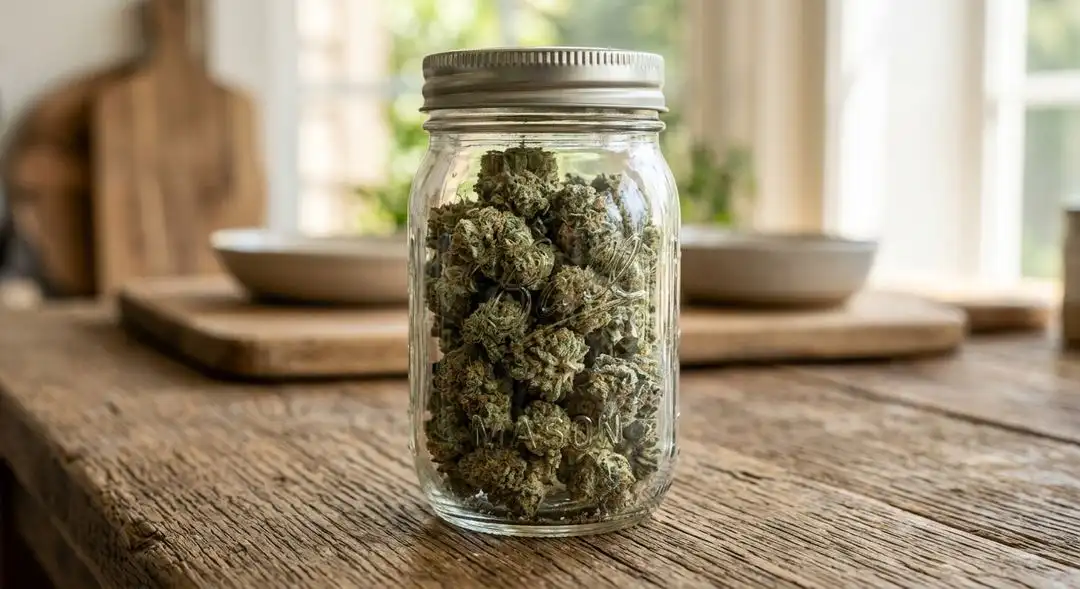
- Slow dry and cure for terpene preservation: Dry slowly over 7–10 days at 60–65°F and 55–60% RH in a dark space — rushing the dry at high temperatures is the single most common way growers undermine the aromatic complexity this strain is capable of; a proper 4–6 week cure in sealed jars elevates the blueberry notes substantially
Why Buy Blue Moonshine Seeds from DSS Genetics?
Every Blue Moonshine Autoflower seed ships with a full germination guarantee — if it doesn't sprout, we replace it without the runaround. Orders ship discreetly in discreet, completely unmarked packaging that gives nothing away about the contents.
- Germination guaranteed — every seed is backed by a no-hassle replacement policy if it fails to sprout under proper conditions
- Discreet shipping — plain, unmarked packaging on every order
- Spend $100+ — receive free premium seeds added to your order automatically
- Properly stored from the start — seeds are held at optimal temperature and humidity from our facility to your door, protecting viability from day one
Frequently Asked Questions
Is Blue Moonshine Autoflower a good strain for beginners?
Yes — Blue Moonshine Autoflower is rated easy difficulty and is one of the most forgiving autoflowers available for first-time growers. Its Ruderalis heritage adds constitutional toughness that buffers minor mistakes, and the automatic flowering trigger removes the complexity of managing light schedules. Start with our germination guide to get the first step right, and review the easy-to-grow collection if you want to compare it against other beginner-friendly options.
How long does Blue Moonshine Autoflower take from seed to harvest?
Blue Moonshine flowers in 49–56 days from the onset of flower, and most growers complete the full seed-to-harvest cycle in 70–80 days. This puts it firmly in the faster end of the autoflower spectrum — our flowering stage guide covers exactly what to watch for during each phase to time your harvest correctly. The compact cycle also makes it realistic to run multiple consecutive crops per season, particularly outdoors.
What are the dominant terpenes in Blue Moonshine, and how do they affect the experience?
The four key terpenes are Myrcene, Pinene, Caryophyllene, and Limonene. Myrcene supports the physical relaxation and contributes the earthy-berry base note. Pinene delivers the sharp forest pine aroma and may counteract some short-term memory effects. Caryophyllene binds to CB2 receptors, adding anti-inflammatory depth and the spicy finish. Limonene brightens the mood profile and likely contributes to the strain's effectiveness against anxiety and depression.
How does Blue Moonshine compare to other indica-leaning autoflowers for medical use?
Medical Disclaimer: This information is for educational purposes only and should not be considered medical advice. Always consult a healthcare professional before using cannabis for medical purposes. Individual results may vary.
Frequently Asked Questions
Blue Moonshine — Common Questions Answered
What is Blue Moonshine?
Blue Moonshine is a balanced hybrid cannabis strain (60% Indica / 40% Sativa) bred from Thai Sativa x Afghani Indica x Ruderalis. It produces THC levels of 10–13% and CBD levels of 0.5–1%. Known for its relaxing, happy, euphoric effects and pine, sweet, earthy flavor profile.
Is Blue Moonshine easy to grow?
Yes, Blue Moonshine is an excellent choice for beginners. It has a forgiving growth pattern and doesn't require advanced techniques to produce good yields. Growing difficulty: Easy. It thrives in temperate climates and reaches a medium plant size.
How long does Blue Moonshine take to flower?
Blue Moonshine has a flowering time of 49–56 days. Switch to a 12/12 light cycle to initiate flowering. Expected yields are 0.7 to 0.9 oz/ft² indoors and 1 to 1.5 oz/plant outdoors.
What are the effects of Blue Moonshine?
Blue Moonshine delivers relaxing, happy, euphoric, creative, energetic, sleepy effects. Many growers report it helps with stress, anxiety, depression, pain, headaches, muscle spasms. With THC levels of 10–13%, it offers a mild, manageable experience suitable for all tolerance levels.
What does Blue Moonshine smell and taste like?
Blue Moonshine's dominant terpenes are Myrcene, Limonene, Caryophyllene, Pinene, which give it a pine, sweet, earthy, berry, blueberry, spicy flavor and aroma profile. Myrcene contributes earthy, herbal notes and is associated with relaxing effects.Limonene adds citrusy brightness and may elevate mood.Caryophyllene provides spicy, peppery notes and may help with inflammation.
Can I grow Blue Moonshine indoors and outdoors?
Yes, Blue Moonshine performs well both indoors and outdoors. Indoor yields average 0.7 to 0.9 oz/ft², while outdoor grows can produce 1 to 1.5 oz/plant. It prefers temperate conditions. Its medium height is manageable in most indoor setups.
Grower Reviews
Real grow experiences from our community
Similar Strains
Get 10% Off Your First Order
Join our newsletter for exclusive deals, growing tips, and new strain drops.