
The Endocannabinoid System Explained
How your body's built-in cannabis system works — receptors, endocannabinoids, and homeostasis.
Key Takeaways
How your body's built-in cannabis system works — receptors, endocannabinoids, and homeostasis.
- What Is the Endocannabinoid System?
- CB1 Receptors — Brain & Nervous System
- CB2 Receptors — Immune System
- Anandamide — The Bliss Molecule
Medical Disclaimer: This information is for educational purposes only and should not be considered medical advice. Always consult a healthcare professional before using cannabis for medical purposes. Individual results may vary.
1. What Is the Endocannabinoid System?
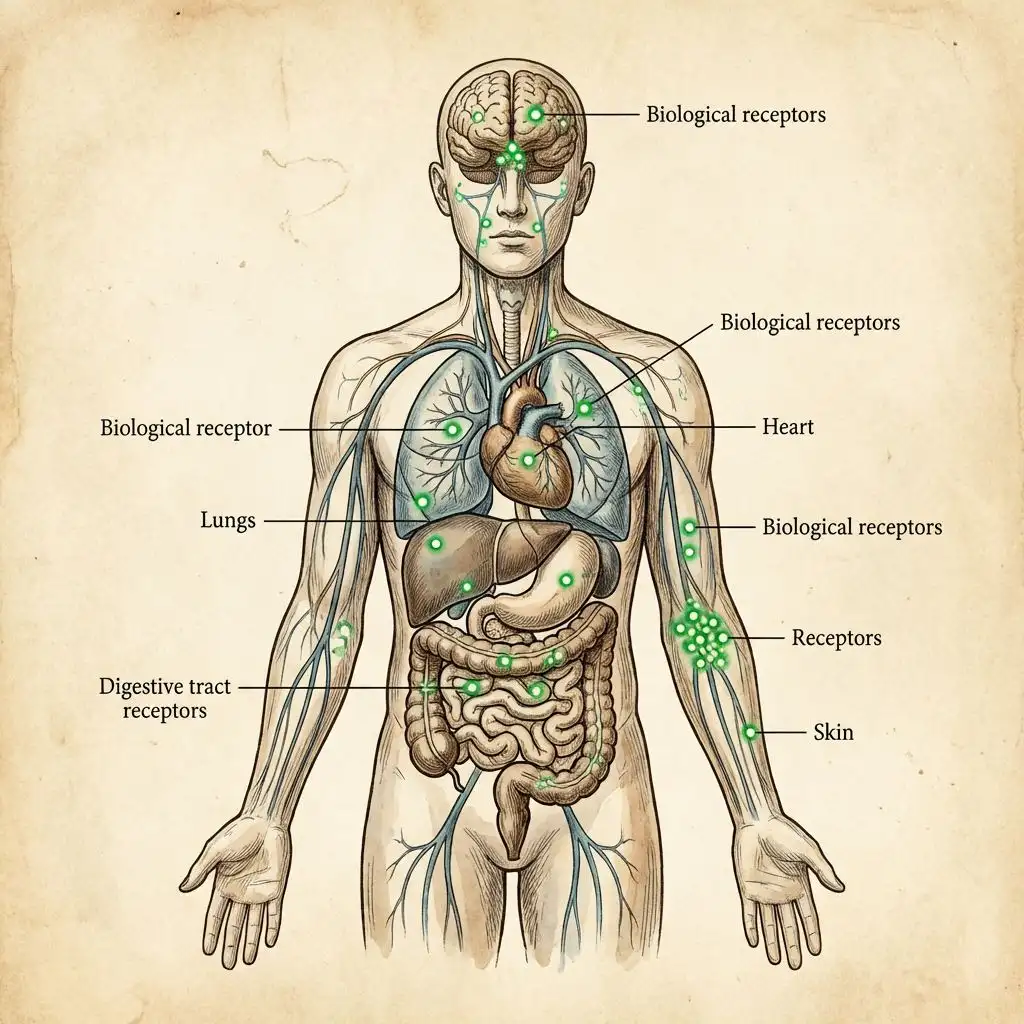
The endocannabinoid system (ECS) is a biological signaling network present in all vertebrates, responsible for maintaining internal balance — or homeostasis — across virtually every physiological system in the body. It regulates mood, appetite, pain, immune response, sleep, memory, reproduction, and temperature, among dozens of other functions.
The ECS was discovered in the early 1990s by researchers investigating how THC produces its effects. In 1988, Allyn Howlett and William Devane identified the first cannabinoid receptor (CB1) in rat brains. In 1992, Raphael Mechoulam and his team at Hebrew University discovered anandamide — the first known endogenous cannabinoid — proving that the human body produces its own cannabis-like molecules. The system was named "endocannabinoid" (endo = within) because it was found through cannabis research, though it existed in biology for approximately 600 million years before humans ever encountered the cannabis plant.
The ECS has three core components: receptors (CB1 and CB2, plus several others), endocannabinoids (anandamide and 2-AG, the molecules that bind to these receptors), and metabolic enzymes (FAAH and MAGL, which break down endocannabinoids after use). This system operates on demand — endocannabinoids are synthesized from cell membrane lipids only when needed, act locally, and are rapidly degraded. It's a fundamentally different model from neurotransmitters like serotonin or dopamine, which are pre-made, stored in vesicles, and released in bursts.
2. CB1 Receptors — Brain & Nervous System
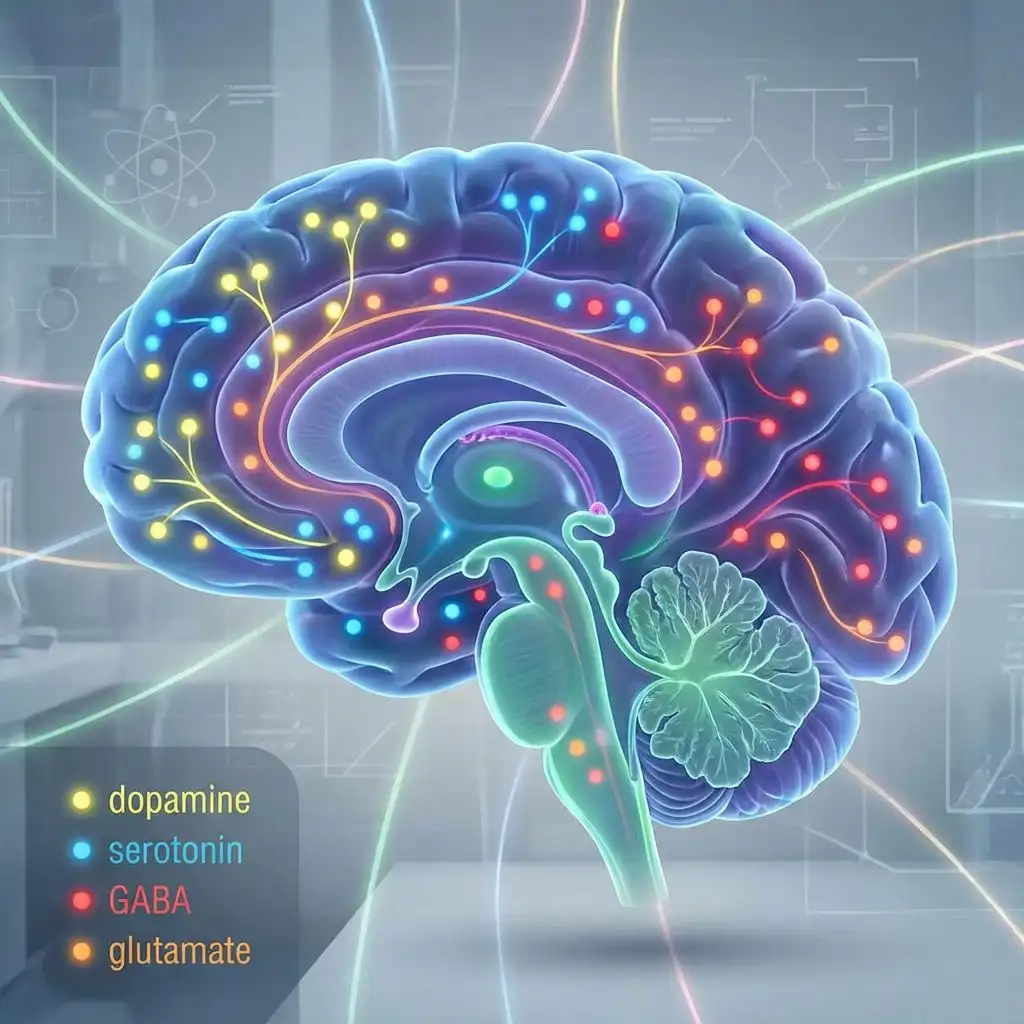
CB1 receptors are the most abundant G protein-coupled receptor (GPCR) in the human brain — more numerous than dopamine, serotonin, or opioid receptors. They are concentrated in the central nervous system but also found at lower densities in peripheral organs including the liver, lungs, kidneys, and gastrointestinal tract.
Within the brain, CB1 distribution is not uniform, and the specific regions where CB1 is densest explain cannabis's characteristic effects:
- Hippocampus: Dense CB1 expression — this is why cannabis affects short-term memory. Endocannabinoids normally modulate memory consolidation; THC overwhelms this system.
- Basal ganglia & cerebellum: High CB1 density explains cannabis's effects on movement, coordination, and motor learning.
- Prefrontal cortex: Moderate CB1 density — involved in altered decision-making, time perception, and the "philosophical" thinking state cannabis can produce.
- Amygdala: CB1 activation here modulates fear and anxiety responses. This is the double-edged sword: low-level activation reduces anxiety, while overstimulation can trigger paranoia.
- Hypothalamus: CB1 receptors here regulate appetite, body temperature, and hormonal release — the origin of the "munchies."
- Brainstem: Critically, CB1 receptor density in the brainstem is extremely low. The brainstem controls breathing and heart rate. The near-absence of CB1 here is why cannabis cannot cause fatal respiratory depression — the fundamental reason a cannabis overdose is not lethal, unlike opioid overdose.
3. CB2 Receptors — Immune System
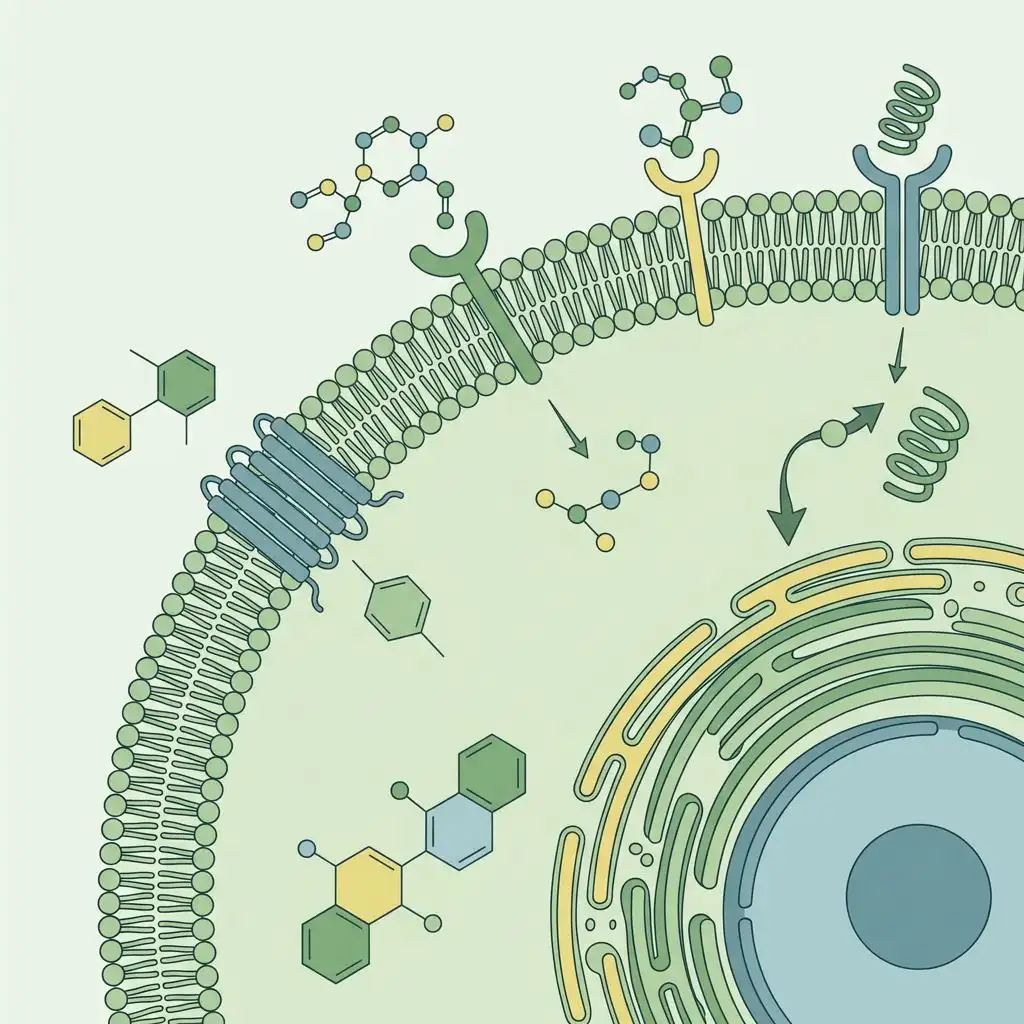
CB2 receptors were identified in 1993, one year after anandamide's discovery. Originally thought to exist only in immune tissues, CB2 is now known to be expressed throughout the body — though its highest concentrations remain in the spleen, tonsils, thymus, bone marrow, and circulating immune cells (particularly macrophages, B-cells, and T-cells).
CB2 activation generally produces anti-inflammatory and immunomodulatory effects. When endocannabinoids or plant cannabinoids activate CB2, they reduce the release of pro-inflammatory cytokines (TNF-alpha, IL-1beta, IL-6), decrease immune cell migration to sites of inflammation, and promote the shift from pro-inflammatory M1 macrophages to anti-inflammatory M2 macrophages. This makes the CB2 receptor a promising drug target for autoimmune conditions, chronic inflammatory diseases, and neurodegenerative conditions where inflammation drives tissue damage.
CB2 receptors are also present in the brain, though at much lower levels than CB1 — primarily in microglia, the brain's resident immune cells. Microglial CB2 expression increases dramatically during neuroinflammation, suggesting a protective response mechanism. Research has found elevated CB2 expression in the brains of patients with Alzheimer's disease, multiple sclerosis, and HIV-associated dementia — conditions characterized by neuroinflammation. Among cannabinoids, CBD, CBG, and especially beta-caryophyllene (a terpene that directly activates CB2) are the most relevant CB2-targeting compounds in cannabis.
| Feature | CB1 Receptor | CB2 Receptor |
|---|---|---|
| Primary location | Brain & central nervous system | Immune cells & peripheral organs |
| Most abundant in | Hippocampus, basal ganglia, cortex | Spleen, tonsils, macrophages, B-cells |
| Primary function | Mood, memory, pain, appetite, motor control | Immune modulation, inflammation |
| THC binding | Strong partial agonist — produces high | Moderate affinity — no psychoactive effect |
| CBD interaction | Negative allosteric modulator | Weak inverse agonist |
| Activated by | Anandamide, 2-AG, THC | 2-AG, CBC, beta-caryophyllene |
4. Anandamide — The Bliss Molecule
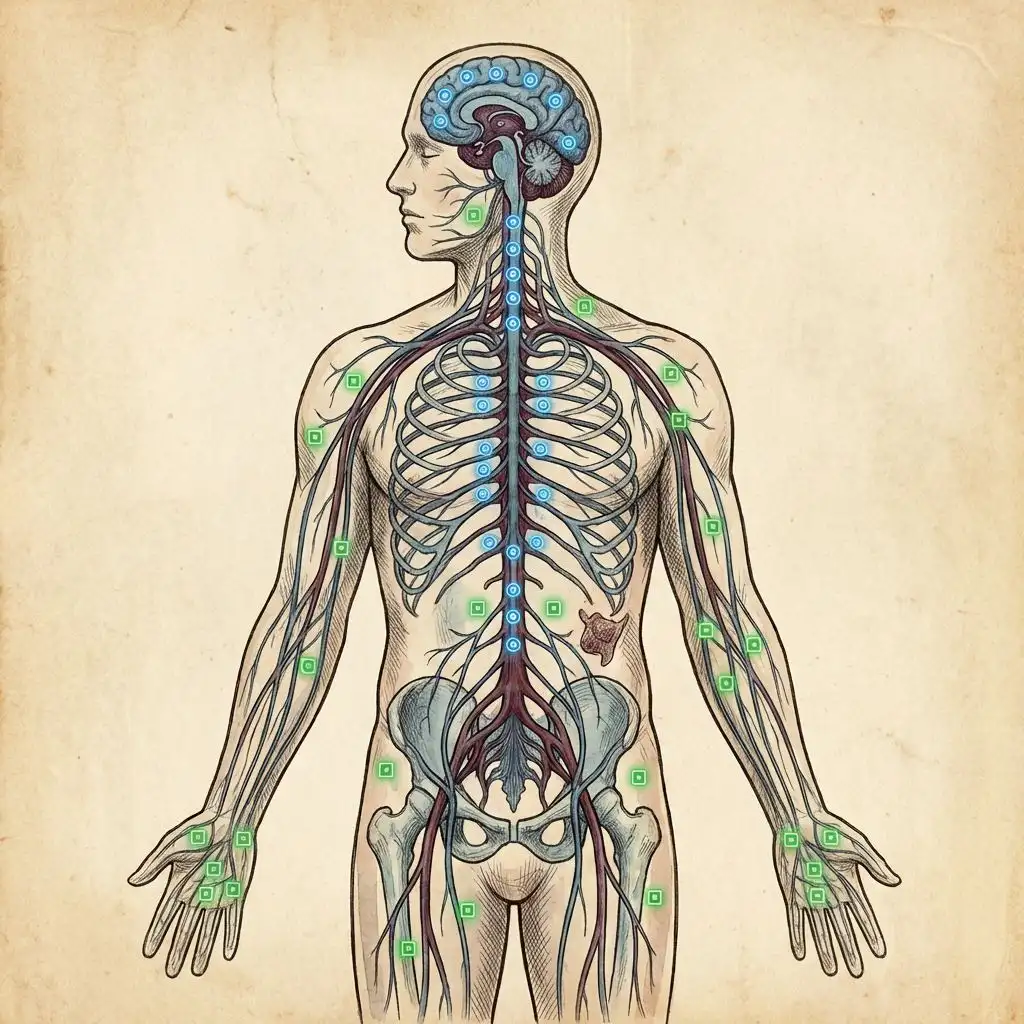
Anandamide (AEA), formally N-arachidonoylethanolamine, was the first endocannabinoid discovered. Mechoulam named it after the Sanskrit word ananda, meaning "bliss" or "joy," reflecting its role in producing feelings of happiness and well-being. Anandamide is synthesized on demand from arachidonic acid, an omega-6 fatty acid found in cell membranes.
Anandamide is a partial agonist at CB1 (like THC, but weaker and far shorter-acting) and a full agonist at TRPV1 (the vanilloid/capsaicin receptor involved in pain and heat sensation). It's also active at PPARγ receptors (involved in fat metabolism and inflammation) and GPR55 (sometimes called the "CB3" receptor). This multi-target activity means anandamide modulates pain, mood, appetite, memory, and fertility simultaneously — though each effect is brief because anandamide is rapidly degraded.
The enzyme FAAH (fatty acid amide hydrolase) breaks down anandamide within seconds to minutes of its release. This rapid degradation is what makes the endocannabinoid system so precise — effects are local and transient. Interestingly, approximately 20% of the population carries a genetic variant (FAAH C385A / rs324420) that produces a less efficient form of FAAH, resulting in higher baseline anandamide levels. People with this variant report lower anxiety, are less likely to enjoy cannabis (their natural endocannabinoid tone is already elevated), and show reduced amygdala reactivity to threatening stimuli on fMRI imaging. CBD's mechanism of action includes FAAH inhibition, which may partly explain its anxiolytic effects — it's pharmacologically mimicking what this genetic variant does naturally.
5. 2-AG — The Abundant Endocannabinoid

2-arachidonoylglycerol (2-AG) was discovered in 1995, three years after anandamide, by Mechoulam's group and independently by Sugiura's lab in Japan. While anandamide gets more attention due to its evocative name, 2-AG is actually the dominant endocannabinoid in the brain — present at concentrations roughly 170 times higher than anandamide.
Unlike anandamide's partial agonism, 2-AG is a full agonist at both CB1 and CB2 receptors. It's the primary endocannabinoid responsible for retrograde signaling — the process by which a post-synaptic neuron communicates back to the pre-synaptic neuron to reduce neurotransmitter release. When a neuron fires too rapidly, 2-AG is synthesized from cell membrane lipids by the enzyme diacylglycerol lipase (DAGL), released into the synapse, and binds to CB1 on the pre-synaptic terminal to tell it to slow down. This is the ECS's fundamental mechanism for preventing neural overexcitation.
2-AG is degraded by the enzyme monoacylglycerol lipase (MAGL), which accounts for approximately 85% of 2-AG hydrolysis in the brain. The remaining 15% is handled by ABHD6 and ABHD12 enzymes. Pharmaceutical interest in MAGL inhibitors is intense because blocking 2-AG degradation raises brain 2-AG levels, producing anti-inflammatory, analgesic, and anxiolytic effects — essentially enhancing the body's own cannabinoid signaling without introducing external compounds. However, chronic MAGL inhibition causes CB1 desensitization (tolerance), which remains a challenge for drug development.
6. How Cannabis Interacts with the ECS
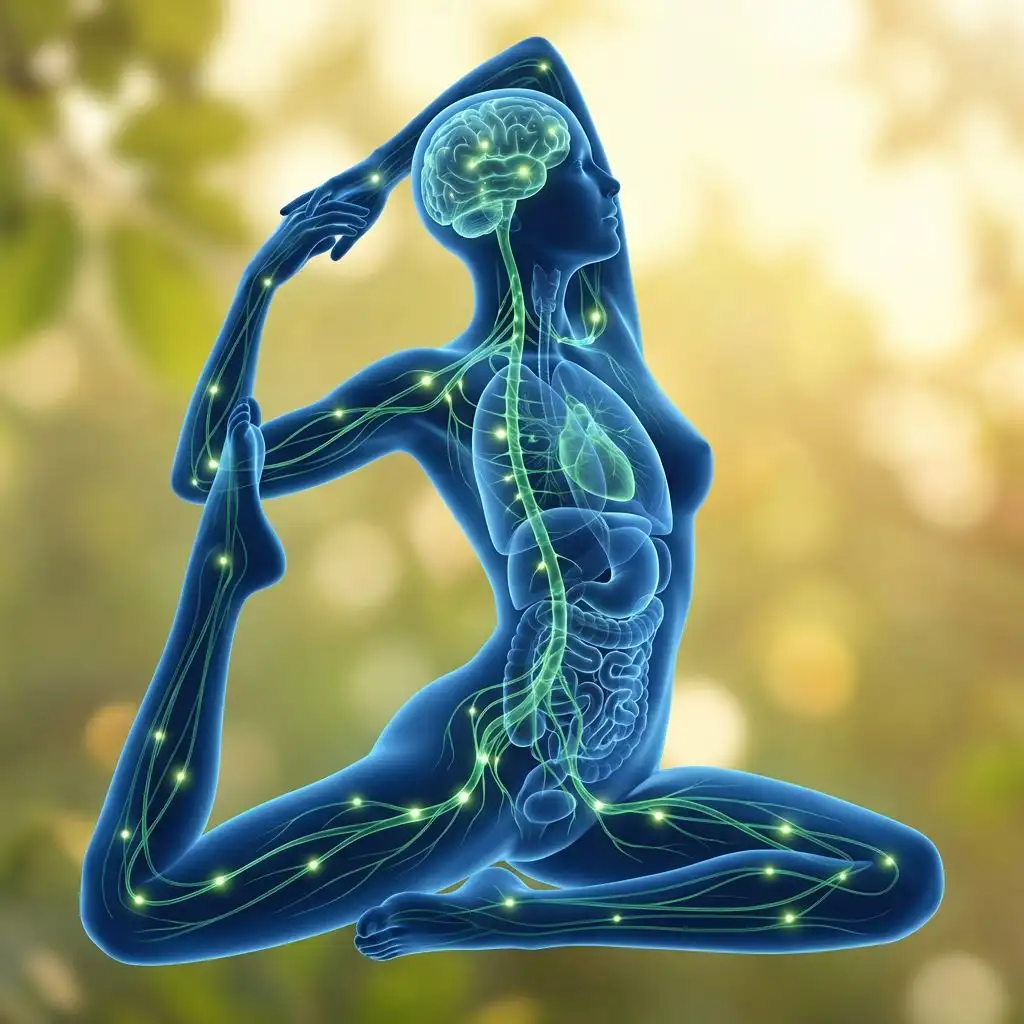
When you consume cannabis, you're introducing plant-derived cannabinoids (phytocannabinoids) into a system designed for endogenous molecules. THC and CBD interact with the ECS in fundamentally different ways, and understanding these differences explains why they produce such different effects.
THC mimics anandamide and 2-AG by directly binding to CB1 and CB2 receptors. However, THC is far more potent at CB1 than anandamide and is not subject to rapid enzymatic breakdown the way endocannabinoids are. The result is a much stronger, longer-lasting CB1 activation than the body's own signaling would ever produce. This is both the source of the "high" and the reason chronic THC exposure causes tolerance — the brain compensates for this supraphysiological stimulation by reducing CB1 receptor density through internalization.
CBD does not directly activate CB1 or CB2 at meaningful concentrations. Instead, it modulates the ECS indirectly: by inhibiting FAAH (raising anandamide levels), acting as a negative allosteric modulator at CB1 (reducing THC's effects), and activating multiple non-cannabinoid receptors (5-HT1A, TRPV1, GPR55). CBD essentially supports and fine-tunes the ECS rather than overriding it — which may explain why it has therapeutic effects without producing intoxication or tolerance.
Other phytocannabinoids each have their own interaction profiles: CBG is a partial agonist at both receptors, CBN is a weak CB1 agonist, THCV blocks CB1 at low doses but activates it at high doses, and CBC primarily works through TRPV1 and anandamide reuptake inhibition. The terpene beta-caryophyllene is the only terpene known to directly bind to CB2 — technically making it a dietary cannabinoid. These diverse interactions are the molecular basis of the entourage effect.
| Compound | CB1 Action | CB2 Action | Other Targets | Net Effect |
|---|---|---|---|---|
| THC | Partial agonist (strong) | Partial agonist | GPR55 | Psychoactive, analgesic, appetite stimulation |
| CBD | Negative allosteric modulator | Weak inverse agonist | 5-HT1A, TRPV1, FAAH inhibition | Anti-anxiety, anti-inflammatory, modulates THC |
| Anandamide | Partial agonist (weak) | Partial agonist | TRPV1, PPARγ | Mood, pain, memory (short-acting) |
| 2-AG | Full agonist | Full agonist | PPARγ | Retrograde signaling, neural balance |
| Beta-caryophyllene | None | Full agonist | PPARγ | Anti-inflammatory (non-psychoactive) |
7. Clinical Significance & Research

The discovery of the ECS has profound implications for medicine, extending far beyond cannabis therapeutics. Researchers now recognize that endocannabinoid deficiency — a state of chronically low endocannabinoid tone — may underlie several difficult-to-treat conditions.
The Clinical Endocannabinoid Deficiency (CED) theory, proposed by neurologist Ethan Russo in 2004 and updated in 2016, suggests that conditions like migraine, fibromyalgia, and irritable bowel syndrome (IBS) share a common pathophysiology: insufficient endocannabinoid signaling. All three conditions involve hypersensitivity to stimuli (light, pain, and GI distress respectively), all lack clear biomarkers or structural pathology, they frequently co-occur in the same patients, and all respond to cannabinoid-based treatments. Research supporting this theory includes findings that migraine patients have lower cerebrospinal fluid anandamide levels, IBS patients show altered CB1 expression in the gut, and fibromyalgia patients have altered endocannabinoid levels in their blood.
Beyond CED, ECS-targeted drug development is one of the most active areas in pharmaceutical research. Targets include FAAH inhibitors (to raise anandamide levels for anxiety and pain), MAGL inhibitors (to raise 2-AG for inflammation and neurodegeneration), peripheral CB1/CB2 agonists (to produce analgesic and anti-inflammatory effects without crossing the blood-brain barrier and causing psychoactive effects), and allosteric modulators of CB1 (to fine-tune rather than directly activate the receptor). The ECS is now understood as one of the most important modulatory systems in human physiology — its discovery ranks alongside the identification of the opioid system and the serotonin system as transformative moments in neuroscience.
🌱 Recommended Strains
Frequently Asked Questions
What Is the Endocannabinoid System?
The endocannabinoid system (ECS) is a biological signaling network present in all vertebrates, responsible for maintaining internal balance — or homeostasis — across virtually every physiological system in the body. It regulates mood, appetite, pain, immune response, sleep, memory, reproduction, and...
What is CB1 Receptors — Brain & Nervous System?
CB1 receptors are the most abundant G protein-coupled receptor (GPCR) in the human brain — more numerous than dopamine, serotonin, or opioid receptors. They are concentrated in the central nervous system but also found at lower densities in peripheral organs including the liver, lungs, kidneys, and ...
What is CB2 Receptors — Immune System?
CB2 receptors were identified in 1993, one year after anandamide's discovery. Originally thought to exist only in immune tissues, CB2 is now known to be expressed throughout the body — though its highest concentrations remain in the spleen, tonsils, thymus, bone marrow, and circulating immune cells ...
What is Anandamide — The Bliss Molecule?
Anandamide (AEA), formally N-arachidonoylethanolamine, was the first endocannabinoid discovered. Mechoulam named it after the Sanskrit word ananda, meaning "bliss" or "joy," reflecting its role in producing feelings of happiness and well-being. Anandamide is synthesized on demand from arachidonic ac...
What is 2-AG — The Abundant Endocannabinoid?
2-arachidonoylglycerol (2-AG) was discovered in 1995, three years after anandamide, by Mechoulam's group and independently by Sugiura's lab in Japan. While anandamide gets more attention due to its evocative name, 2-AG is actually the dominant endocannabinoid in the brain — present at concentrations...
Medical Disclaimer: This information is for educational purposes only and should not be considered medical advice. Always consult a healthcare professional before using cannabis for medical purposes. Individual results may vary.