
Minor Cannabinoids — CBN, CBG, CBC & More
Beyond THC and CBD — the lesser-known cannabinoids that shape the cannabis experience.
Key Takeaways
Beyond THC and CBD — the lesser-known cannabinoids that shape the cannabis experience.
- What Are Minor Cannabinoids?
- CBN — Sleep & Sedation
- CBG — The Stem Cell Cannabinoid
- CBC — Anti-Inflammatory Potential
Medical Disclaimer: This information is for educational purposes only and should not be considered medical advice. Always consult a healthcare professional before using cannabis for medical purposes. Individual results may vary.
1. What Are Minor Cannabinoids?
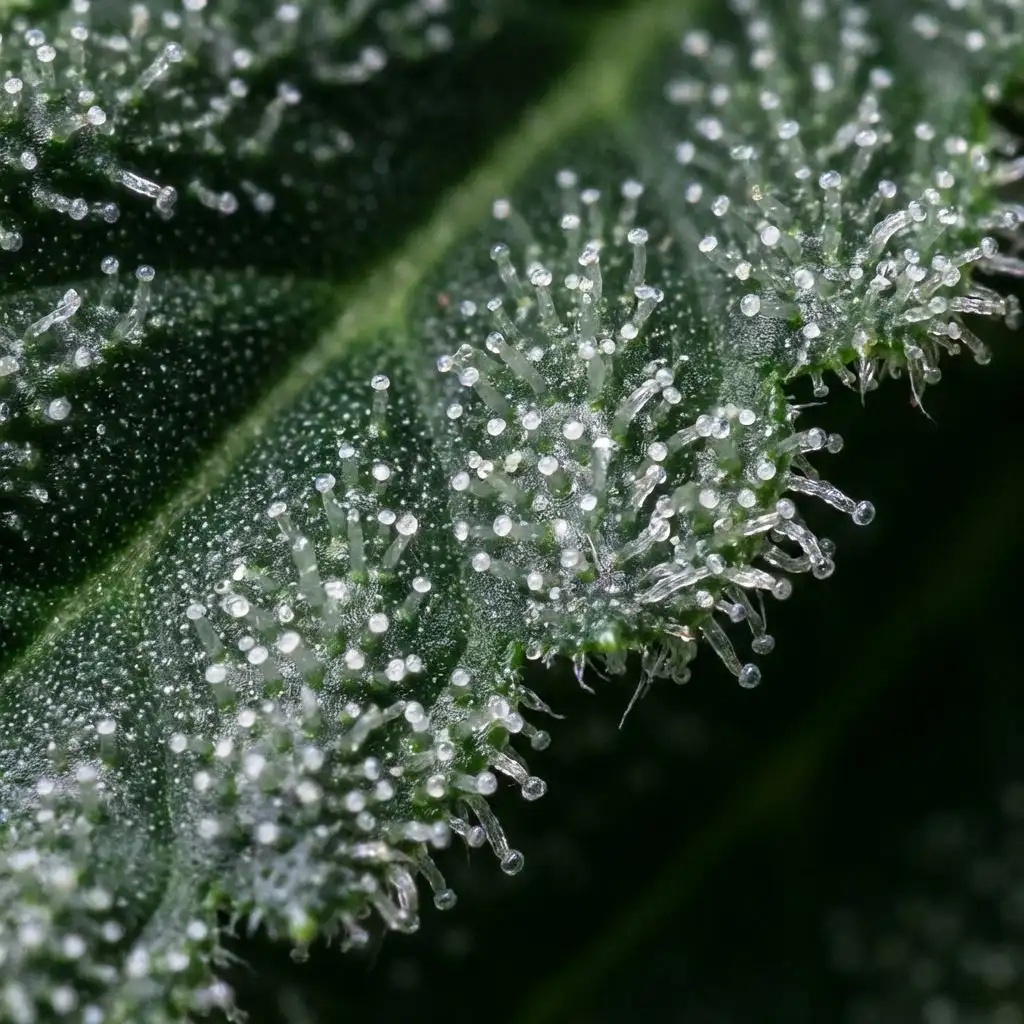
Cannabis produces over 100 identified cannabinoids, but THC and CBD dominate the conversation because they're present in the highest concentrations. Every other cannabinoid — those typically found at less than 1% of the plant's dry weight — is classified as a "minor" cannabinoid. The term "minor" refers strictly to concentration, not importance.
All cannabinoids originate from the same precursor molecule: cannabigerolic acid (CBGA), often called the "mother cannabinoid." Specific enzymes in the plant convert CBGA into THCA, CBDA, or CBCA — and from these primary acids, dozens of other cannabinoids are produced through enzymatic conversion, oxidation, UV exposure, and heat. The particular enzyme expression in a given strain's genetics determines which cannabinoids predominate.
Research into minor cannabinoids has accelerated dramatically since 2018, driven by the legalization movement and improved analytical chemistry. Scientists now understand that these trace compounds play a significant role in the entourage effect — the phenomenon where the full ensemble of cannabis compounds produces effects that no single molecule can replicate alone. This has major implications for breeding, product formulation, and medical applications.
2. CBN — Sleep & Sedation
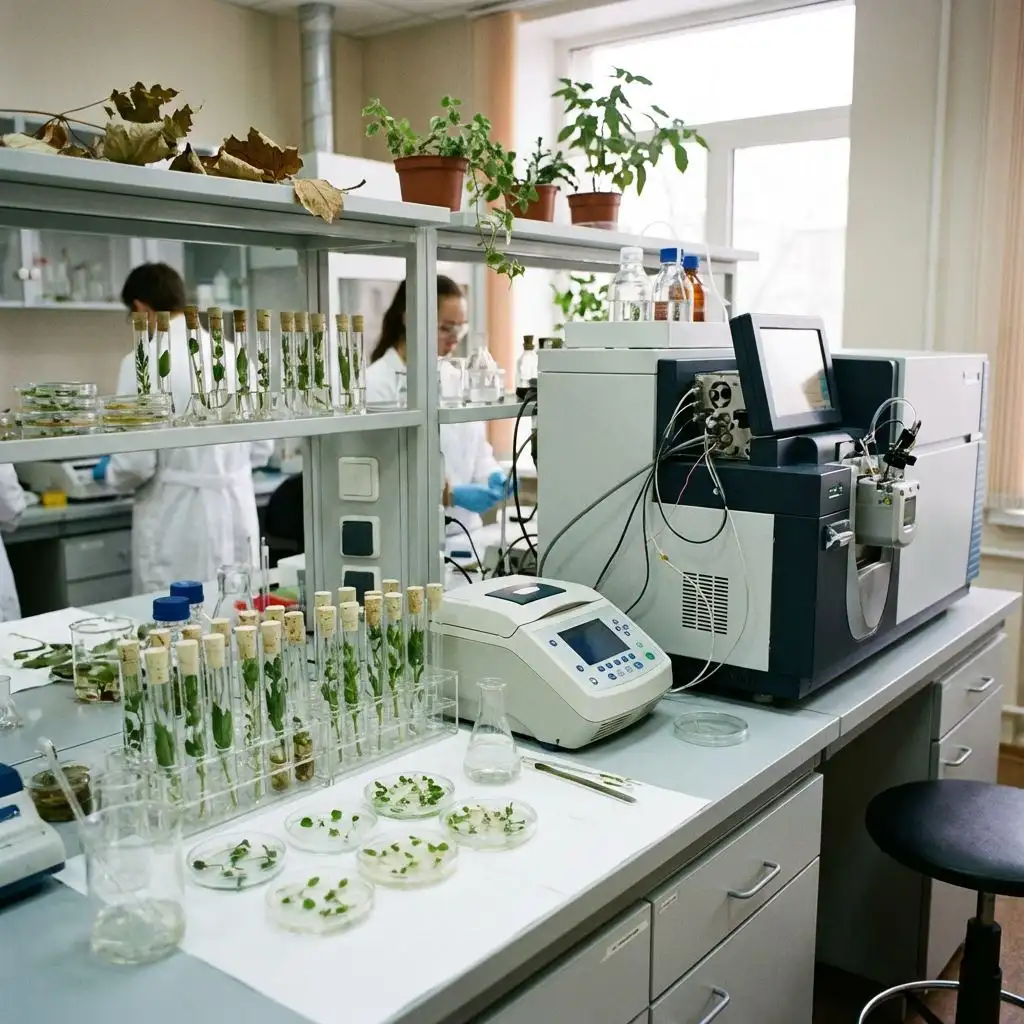
Cannabinol (CBN) is not directly produced by the cannabis plant — it forms when THC oxidizes and degrades over time. Aged cannabis, or flower stored improperly with exposure to light, heat, and air, gradually converts its THC into CBN. This is why old cannabis often feels more sedating than fresh flower of the same strain.
CBN is widely marketed as a "sleep cannabinoid," but the scientific evidence is more nuanced than the marketing suggests. A 1975 study by Musty et al. found that CBN combined with THC increased drowsiness, but CBN alone did not produce significant sedation in that study. More recent research suggests that CBN's sleep-promoting reputation may stem from its presence alongside sedating terpenes (particularly myrcene and linalool) in aged cannabis, rather than CBN acting as a sedative in isolation.
What is better established is CBN's pharmacology: it binds to CB1 as a weak partial agonist with roughly 10% of THC's affinity, and has stronger affinity for CB2 receptors. It shows antibacterial properties — a 2008 study found CBN was effective against MRSA strains resistant to conventional antibiotics. CBN also demonstrates anti-inflammatory and anticonvulsant activity in preclinical models. While CBN-specific products are booming in the wellness market, honest assessment requires acknowledging that large-scale human clinical trials are still lacking.
3. CBG — The Stem Cell Cannabinoid
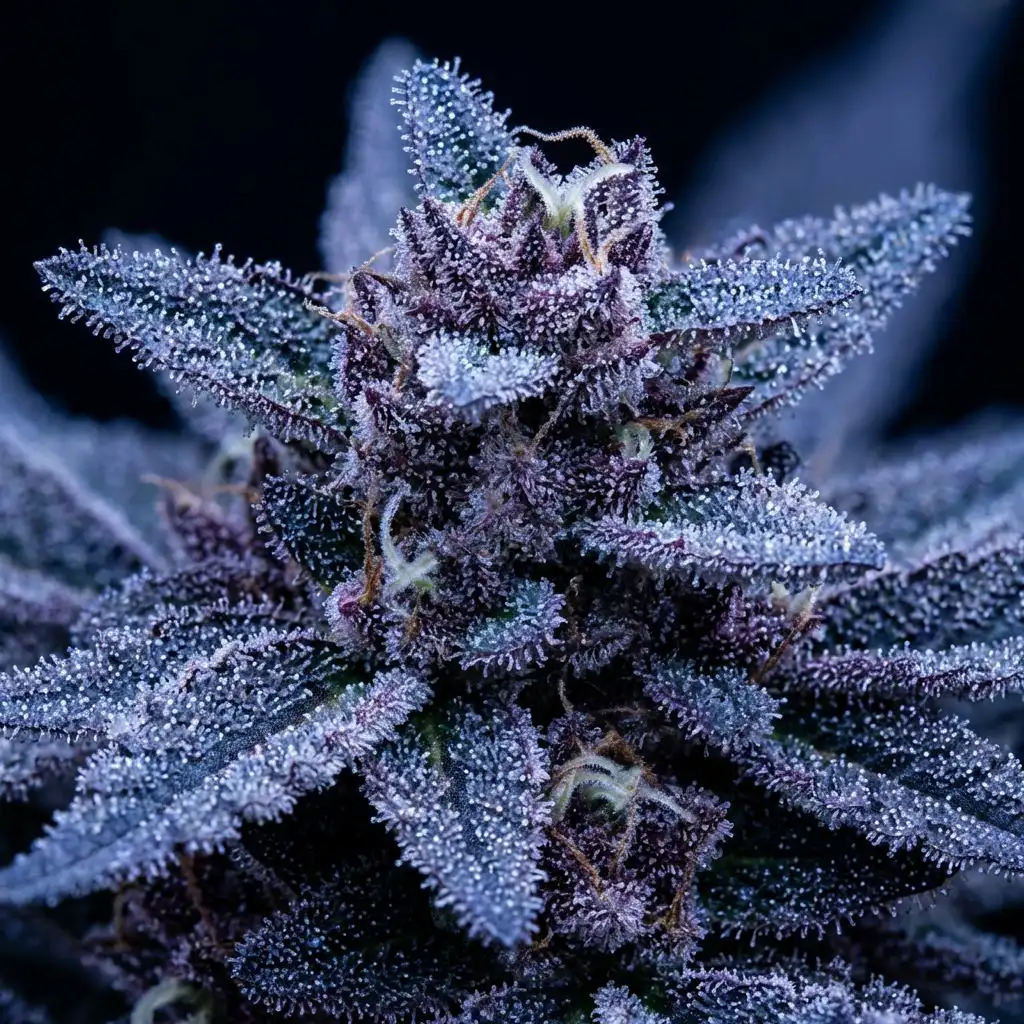
Cannabigerol (CBG) holds a unique position in cannabis biochemistry because its acidic form, CBGA, is the direct precursor to all other cannabinoids. Every molecule of THC, CBD, and CBC in a cannabis plant was once CBGA — enzymes convert it early in the plant's development. By the time a plant reaches maturity, most CBGA has been converted, leaving only 0.1–1% CBG in the final flower.
CBG interacts with the endocannabinoid system differently than either THC or CBD. It acts as a partial agonist at both CB1 and CB2 receptors, but with low enough affinity that it produces no psychoactive effects. More interesting are its non-cannabinoid receptor targets: CBG is a potent alpha-2 adrenergic agonist (which may explain reported muscle relaxation effects), a 5-HT1A antagonist (modulating serotonin signaling), and a TRPM8 agonist (involved in cold sensation and pain perception).
Preclinical research on CBG is promising. A 2015 study in Neurotherapeutics found CBG was neuroprotective in a mouse model of Huntington's disease. Research from 2020 showed antibacterial activity against MRSA comparable to vancomycin. Studies also suggest CBG may reduce intraocular pressure (relevant to glaucoma), stimulate appetite without psychoactive effects, and inhibit the growth of colorectal cancer cells. Breeders have responded to this interest by developing high-CBG cultivars that express less THCA synthase and CBDA synthase, leaving more CBGA unconverted — some of these strains now reach 15–20% CBG.
| Cannabinoid | Precursor | Key Receptors | Psychoactive | Notable Research Areas |
|---|---|---|---|---|
| CBG | CBGA (mother) | CB1/CB2 partial, α2-adrenergic | No | Antibacterial, neuroprotection, appetite |
| CBN | THC oxidation | CB1 weak, CB2 moderate | Mildly | Sleep (debated), antibacterial, anti-inflammatory |
| CBC | CBCA | TRPV1, TRPA1 | No | Anti-inflammatory, antidepressant, neurogenesis |
| THCV | THCVA | CB1 antagonist (low dose) | At high doses | Appetite suppression, blood sugar regulation |
4. CBC — Anti-Inflammatory Potential
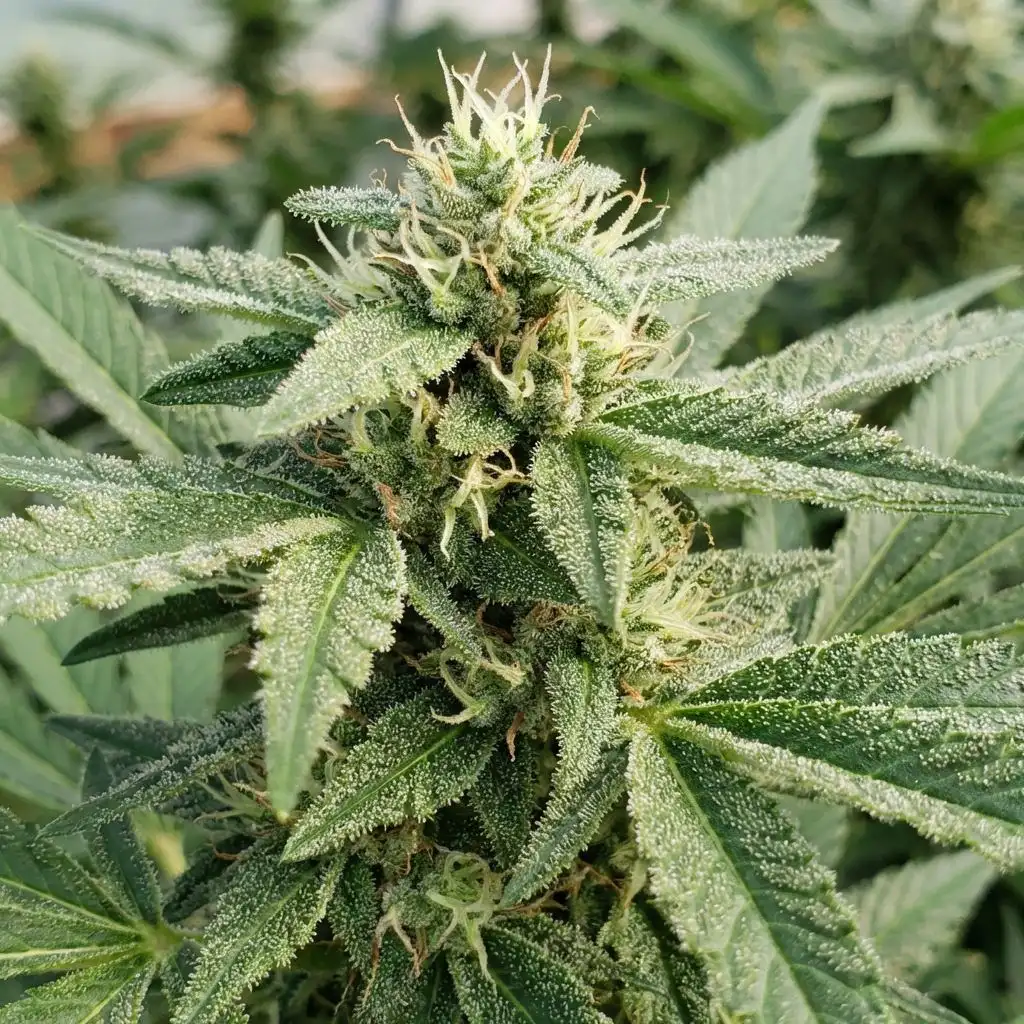
Cannabichromene (CBC) is the third most abundant cannabinoid in cannabis, though it still typically appears at concentrations below 1% in most commercial strains. Like CBD, CBC is non-psychoactive — it has negligible affinity for CB1 receptors and doesn't produce any intoxicating effect.
CBC's pharmacology is distinctive because its primary targets are TRP channels rather than cannabinoid receptors. CBC is a potent activator of TRPV1 (vanilloid receptor, involved in pain) and TRPA1 (involved in inflammatory pain and itch), and it inhibits the reuptake of the endocannabinoid anandamide. By blocking anandamide reuptake, CBC allows more anandamide to circulate and activate CB1/CB2 receptors — achieving indirect cannabinoid receptor activation without directly binding to them.
Research highlights for CBC are compelling. A 2013 study in Neurochemistry International found that CBC promoted neurogenesis — the growth of new brain cells — in the adult hippocampus, specifically by enhancing the viability of neural stem progenitor cells. A 2010 study showed CBC worked synergistically with THC to produce anti-inflammatory effects in a mouse model of colitis, with the combination being more effective than either compound alone. Additional research suggests antidepressant properties, with CBC performing comparably to established antidepressants in the forced swim test — a standard preclinical model for antidepressant activity.
5. THCV — The Appetite Suppressant
Tetrahydrocannabivarin (THCV) is the most pharmacologically unusual of the common minor cannabinoids because its effects reverse at different doses. At low doses, THCV acts as a CB1 receptor antagonist — it blocks the receptor rather than activating it. At higher doses (typically above 10 mg), it switches to partial agonist activity and can produce mild psychoactive effects described as a clear, stimulating, short-duration high lasting 30–45 minutes.
THCV's CB1 antagonism at low doses is what drives its most discussed property: appetite suppression. While THC stimulates appetite through CB1 activation in the hypothalamus, THCV does the opposite at standard doses. A 2009 clinical trial published in Nutrition & Diabetes found that THCV reduced food intake and improved glucose tolerance in obese mice. A 2016 randomized, double-blind study in Diabetes Care demonstrated that THCV significantly improved fasting plasma glucose levels and pancreatic beta-cell function in type 2 diabetic patients — effects not seen with CBD in the same study.
THCV is most concentrated in African sativa landraces, particularly strains from Durban, Malawi, and other equatorial regions. Durban Poison is the most well-known THCV-rich strain, typically testing at 0.5–1.5% THCV. Breeders are now crossing these African genetics into modern hybrids to create cultivars with higher THCV content, targeting the growing market of consumers interested in appetite control and metabolic benefits.
6. CBDA & THCA — The Raw Forms
Every cannabinoid produced by the living cannabis plant exists in its acidic (raw) form — THCA, CBDA, CBGA, and so on. The "A" denotes a carboxyl group (-COOH) attached to the molecule. These acidic cannabinoids are converted to their "active" neutral forms (THC, CBD, CBG) through decarboxylation — the removal of the carboxyl group via heat, typically at temperatures above 105°C (220°F).
THCA is completely non-psychoactive despite being THC's direct precursor. It cannot activate CB1 receptors because the bulky carboxyl group prevents it from fitting into the receptor binding site. However, THCA has its own pharmacological activity: it's a potent anti-inflammatory through PPARγ receptor activation, shows neuroprotective properties in preclinical Parkinson's disease models, and demonstrated anti-nausea effects superior to THC in animal studies. THCA is also being studied for its anti-proliferative effects on prostate cancer cells.
CBDA is similarly distinct from its decarboxylated form. Research from GW Pharmaceuticals found that CBDA is 100x more potent than CBD at activating the 5-HT1A serotonin receptor, making it potentially far more effective for nausea and anxiety at much lower doses. A 2019 study showed CBDA inhibited the migration of highly invasive breast cancer cells in vitro. These raw cannabinoids are consumed by juicing fresh cannabis leaves and flowers, using low-temperature preparations, or through specialized products that preserve the acidic forms. The growing "raw cannabis" movement is based on the recognition that decarboxylation isn't always desirable — the raw forms have therapeutic profiles that are lost when you add heat.
7. The Entourage Effect with Minor Cannabinoids
The entourage effect — first described by Mechoulam and Ben-Shabat in 1998 — proposes that cannabis compounds work synergistically, producing effects that are greater than the sum of their individual contributions. Minor cannabinoids are central players in this synergy, even at their low concentrations.
The evidence for this is increasingly robust. A 2011 review by Ethan Russo in the British Journal of Pharmacology cataloged multiple synergistic interactions: CBD reduces THC's anxiety and tachycardia; CBG and CBC enhance THC's analgesic effects; terpenes like myrcene increase cannabinoid penetration across the blood-brain barrier; and limonene enhances CBD's anti-anxiety properties through serotonin receptor modulation. The review argued that these interactions explain why whole-plant cannabis extracts consistently outperform isolated cannabinoids in clinical comparisons.
For consumers and growers, the practical implication is clear: the chemical diversity of your cannabis matters more than any single cannabinoid's concentration. A strain with 18% THC, 1% CBG, 0.5% CBC, 0.3% CBN, and a rich terpene profile will likely produce a more nuanced, effective experience than a 30% THC strain with minimal minor cannabinoid content. This understanding is driving a shift in the market toward genetics that prioritize chemical complexity over raw THC numbers — a trend that's long overdue.
🌱 Recommended Strains
Frequently Asked Questions
What Are Minor Cannabinoids?
Cannabis produces over 100 identified cannabinoids, but THC and CBD dominate the conversation because they're present in the highest concentrations. Every other cannabinoid — those typically found at less than 1% of the plant's dry weight — is classified as a "minor" cannabinoid. The term "minor" re...
What is CBN — Sleep & Sedation?
Cannabinol (CBN) is not directly produced by the cannabis plant — it forms when THC oxidizes and degrades over time. Aged cannabis, or flower stored improperly with exposure to light, heat, and air, gradually converts its THC into CBN. This is why old cannabis often feels more sedating than fresh fl...
What is CBG — The Stem Cell Cannabinoid?
Cannabigerol (CBG) holds a unique position in cannabis biochemistry because its acidic form, CBGA, is the direct precursor to all other cannabinoids. Every molecule of THC, CBD, and CBC in a cannabis plant was once CBGA — enzymes convert it early in the plant's development. By the time a plant reach...
What is CBC — Anti-Inflammatory Potential?
Cannabichromene (CBC) is the third most abundant cannabinoid in cannabis, though it still typically appears at concentrations below 1% in most commercial strains. Like CBD, CBC is non-psychoactive — it has negligible affinity for CB1 receptors and doesn't produce any intoxicating effect. CBC's pharm...
What is THCV — The Appetite Suppressant?
Tetrahydrocannabivarin (THCV) is the most pharmacologically unusual of the common minor cannabinoids because its effects reverse at different doses. At low doses, THCV acts as a CB1 receptor antagonist — it blocks the receptor rather than activating it. At higher doses (typically above 10 mg), it sw...
Medical Disclaimer: This information is for educational purposes only and should not be considered medical advice. Always consult a healthcare professional before using cannabis for medical purposes. Individual results may vary.