Grape Ape Feminized Seeds
By Ivan K., DSS Genetics · Updated April 2026

Grape Ape Feminized Seeds
SKU: DSS-GRAP-FEM-5PK
Pack Size
Quantity
Disclaimer: For informational purposes only — not medical advice. Consult a healthcare professional before use.
About This Strain
Grape Ape Feminized Seeds — Complete Strain Profile
Grape Ape Feminized Seeds – Strain Overview
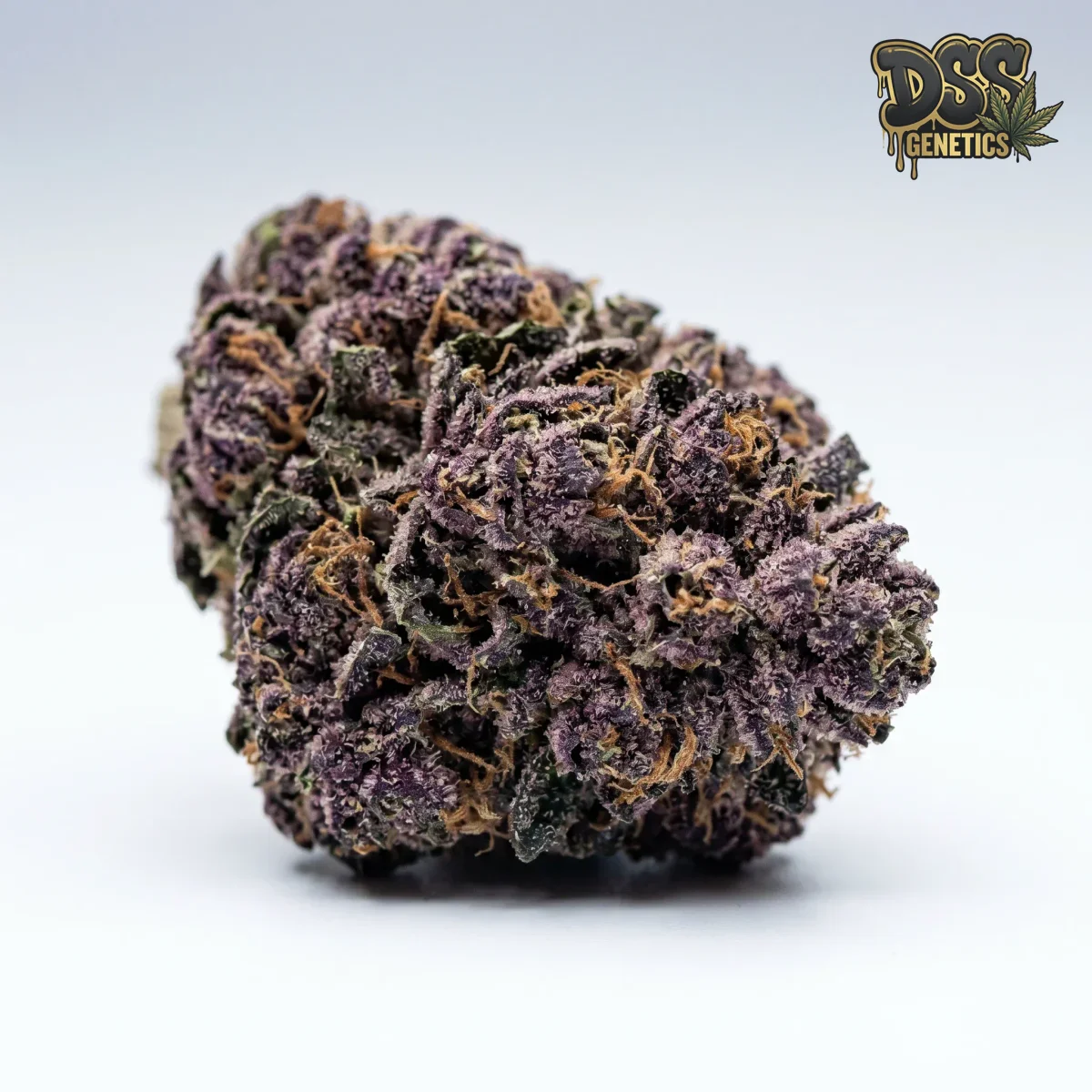
Grape Ape is a heavy indica-dominant powerhouse built from three legendary West Coast and Central Asian genetics: Afghani × Mendocino Purps × Skunk #1. That lineage isn't accidental — Afghani brings the bone-deep sedation and resin production, Mendocino Purps contributes the unmistakable purple coloring and sweet berry aromatics, and Skunk #1 adds vigor, structure, and the kind of reliable flowering performance that made it the backbone of modern cannabis breeding. The result is a 90% indica that tests between 20–25% THC, with virtually no CBD (0.01–0.1%), delivering effects that are both recreational and therapeutically serious.
What separates Grape Ape from the crowd of purple indica strains is how completely the three parent genetics integrate. You get the visual drama of Mendocino Purps, the yield reliability of Skunk #1, and the narcotic relaxation depth that only authentic Afghan landrace genetics can provide. If you're building a collection around proven indica cultivars, Grape Ape belongs alongside the best entries in our best indica strains collection — and it's one of the friendliest high-THC plants a grower can take on.
Effects and Medical Benefits
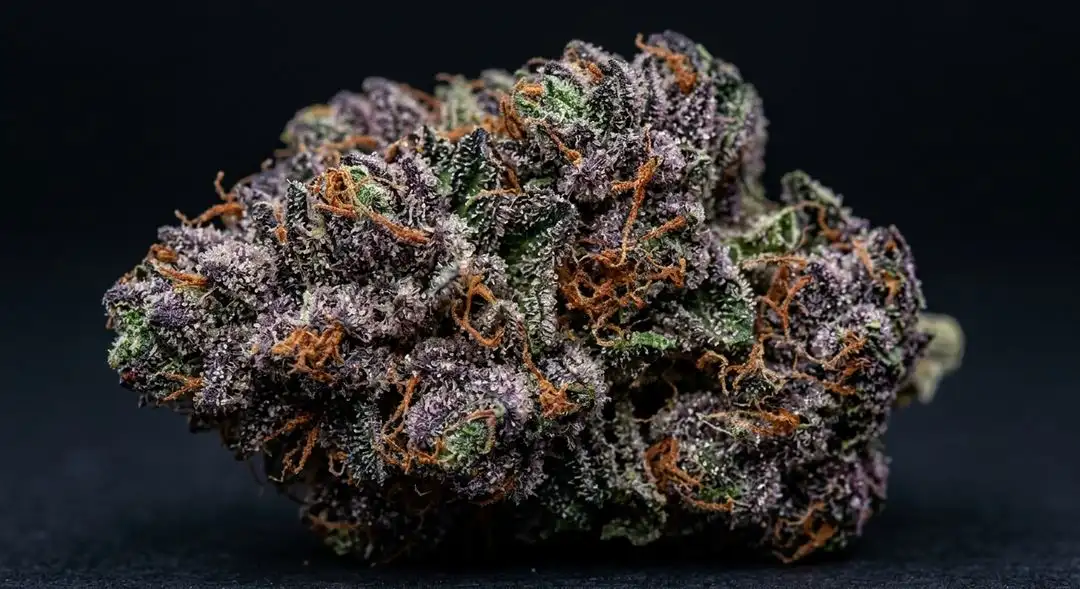
Grape Ape's high doesn't arrive all at once — it builds in layers. The first ten to fifteen minutes bring a wave of euphoria and a mood lift that feels almost sativa-like, a brief nod to the Skunk #1 lineage. Then the Afghani genetics take over. A warm, heavy calm moves down from the shoulders and spreads outward until the entire body feels settled. What started energetic and happy gradually deepens into the kind of sleepy, calming sedation you feel in your joints, your breathing, your eyelids.
Users consistently describe these effects at different points in the experience:
- Euphoria and happiness — an immediate mood elevation that opens the experience before the indica body sets in
- Relaxation and calming — a progressive full-body heaviness that builds over 20–30 minutes post-consumption
- Energetic brightness — a short-lived but genuine sativa-style uplift in the early phase, courtesy of Skunk #1
- Sleepy sedation — the final stage, making Grape Ape best suited for late evenings and pre-sleep sessions
On the medical side, Grape Ape has a strong following among patients seeking plant-based relief. Its high-THC, heavy-indica profile addresses multiple conditions:
- Insomnia — the progressive sedation makes falling and staying asleep noticeably easier
- Chronic pain and muscle spasms — the deep body relaxation interrupts pain cycles effectively
- Stress — the euphoric opening phase dismantles racing thoughts before the calm takes hold
- Anxiety and migraines — the calming, tension-releasing effects provide relief that pharmaceutical options often can't match for all users
Even at very low CBD levels (0.01–0.1%), the full-spectrum nature of Grape Ape's terpene and cannabinoid profile contributes to what researchers describe as the entourage effect — where THC, minor cannabinoids, and terpenes work together to produce effects that are more nuanced and therapeutically complete than THC alone could deliver.
Aroma, Flavor and Terpene Profile
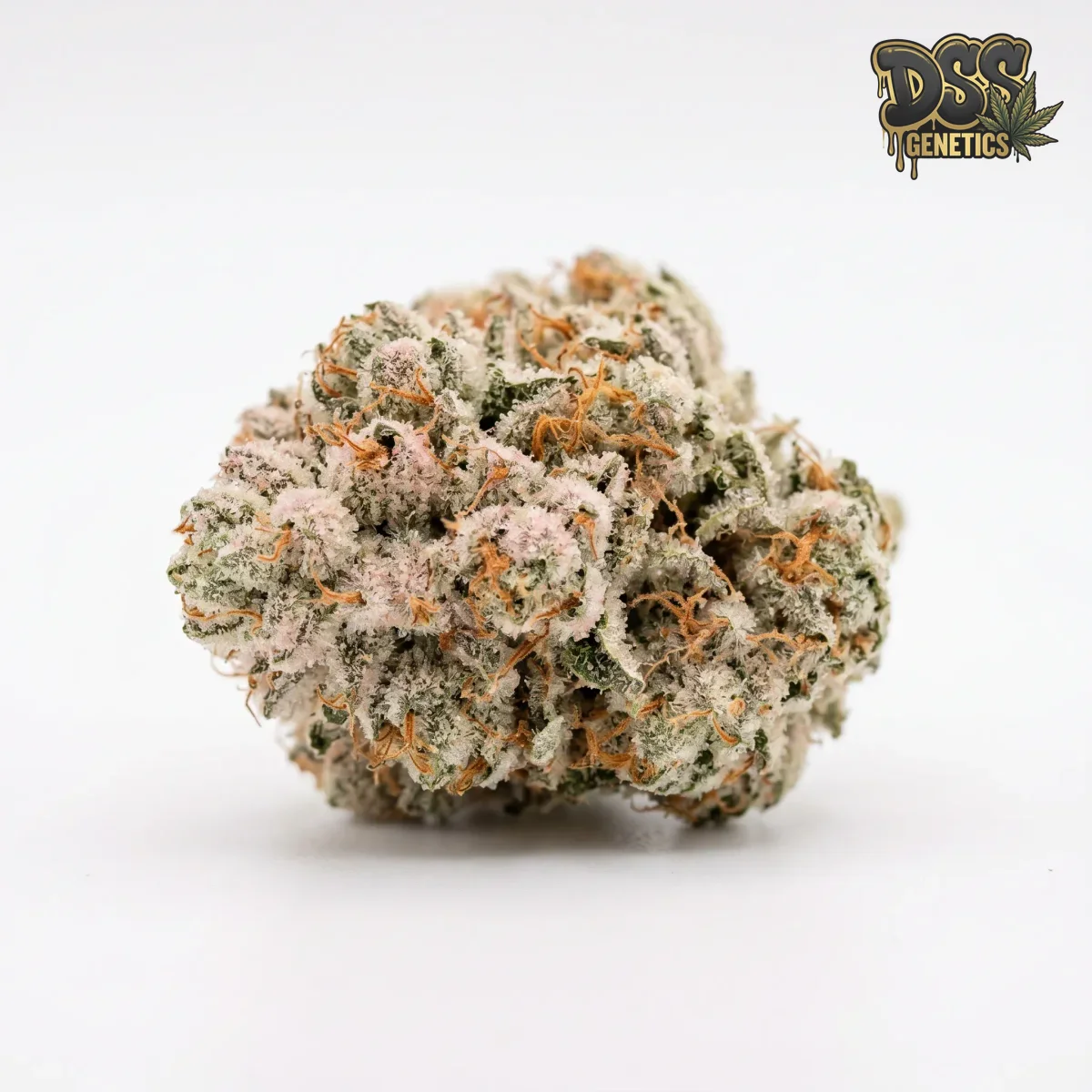
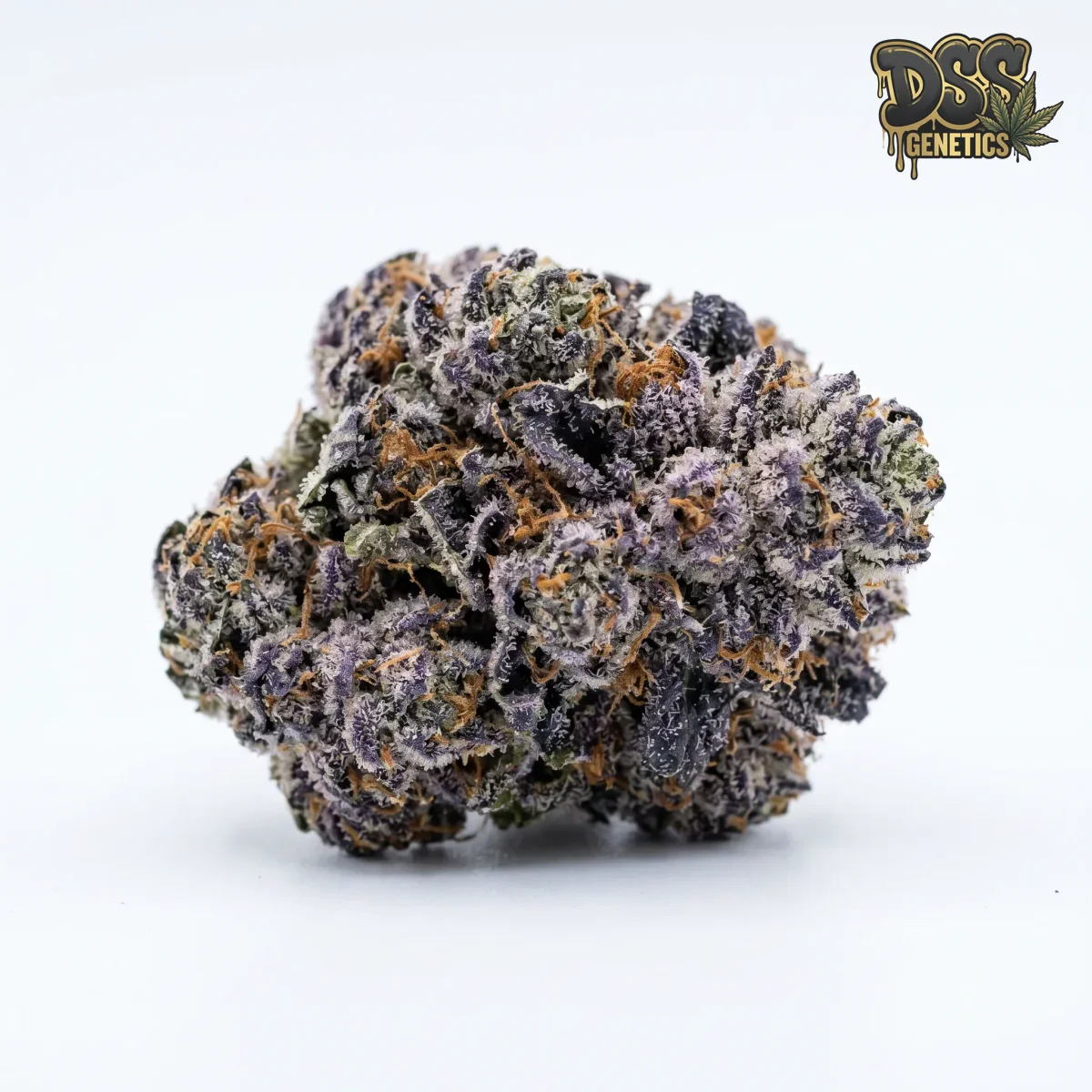
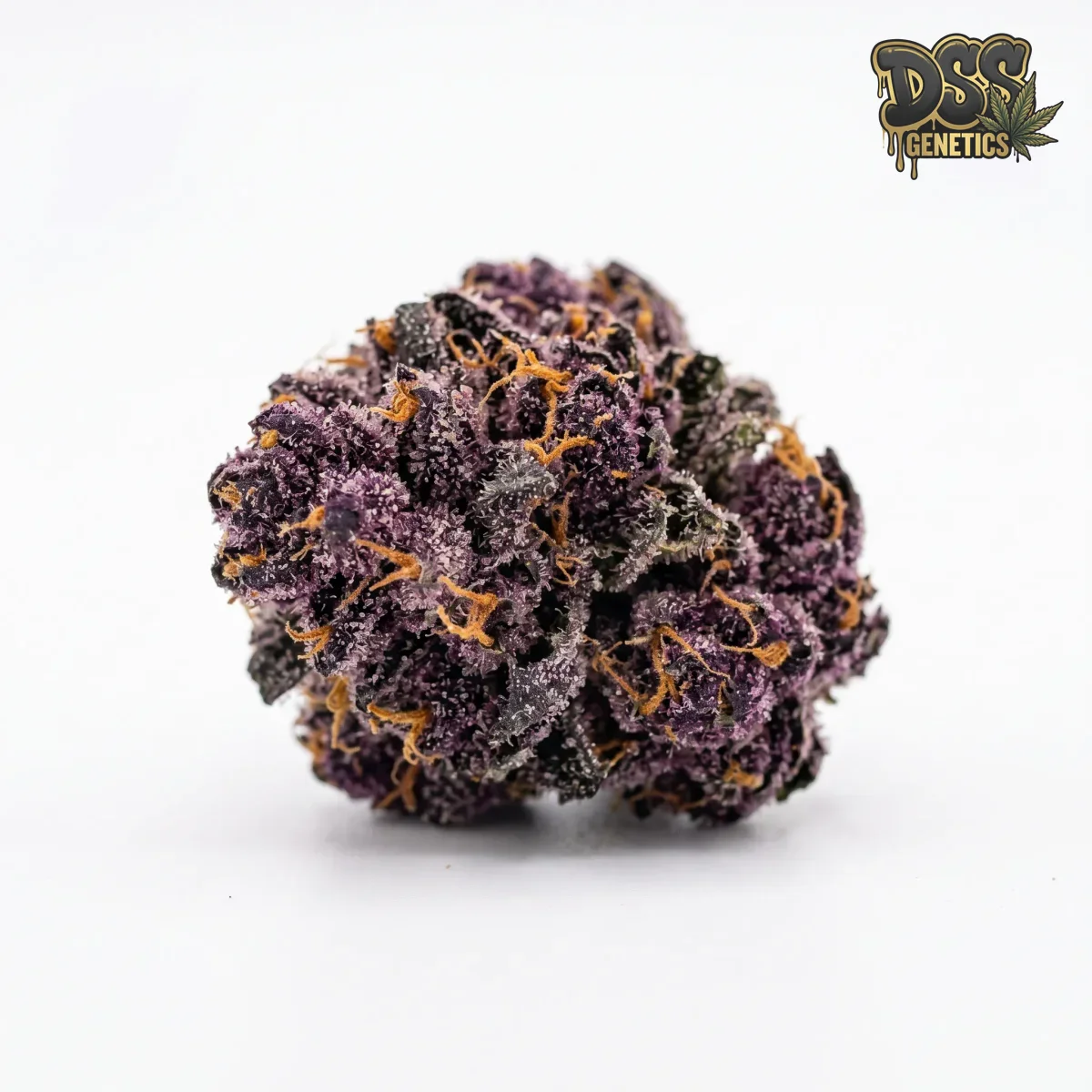
Crack open a jar of properly cured Grape Ape and the first thing that hits you is unmistakably grape — not artificial grape candy, but something closer to the inside of a wine barrel crossed with a basket of fresh-picked concord grapes on a warm afternoon. Underneath that bright fruit note sits a dense earthiness from the Afghani roots, rounded by a faintly funky skunky exhale that reminds you this strain has serious pedigree behind the pretty purple exterior.
On the inhale, the sweetness is forward and fruity, with a distinct berry character that lingers on the palate. The exhale brings out the earthy, slightly woody depth — this is where the Afghani genetics make themselves known, grounding what could otherwise be an overly sweet profile into something more complex and adult. That skunky finish is subtle but persistent, the kind of flavor note that makes the smoke feel authentic rather than perfumed.
The entire sensory experience is anchored by Myrcene, present at 0.63% — a concentration high enough to be functionally significant. Myrcene is the most abundant terpene found across cannabis cultivars globally, and in indica-dominant strains like Grape Ape, it operates as more than just an aromatic compound. It carries earthy, musky, mango-adjacent notes that amplify the grape and berry aromas rather than competing with them. Critically, Myrcene is widely studied for its potential role in facilitating THC absorption across the blood-brain barrier and enhancing sedative effects — which helps explain why 20% THC Grape Ape often hits harder than 25% strains with a different terpene fingerprint. For deeper context on how this compound shapes your experience, our Myrcene terpene profile page covers the research in full.
Complementing the dominant Myrcene presence, Grape Ape's full terpene profile likely includes supporting amounts of Myrcene-adjacent compounds that contribute to its grape and berry character. Strains from Mendocino Purps heritage commonly carry detectable Limonene, which explains the brightness that lifts the grape notes, and trace Caryophyllene, which accounts for the faint pepper warmth some users detect on the exhale. The combination makes the flavor profile genuinely multi-dimensional — it changes slightly depending on your consumption method, temperature, and cure quality.
Growing Grape Ape Seeds
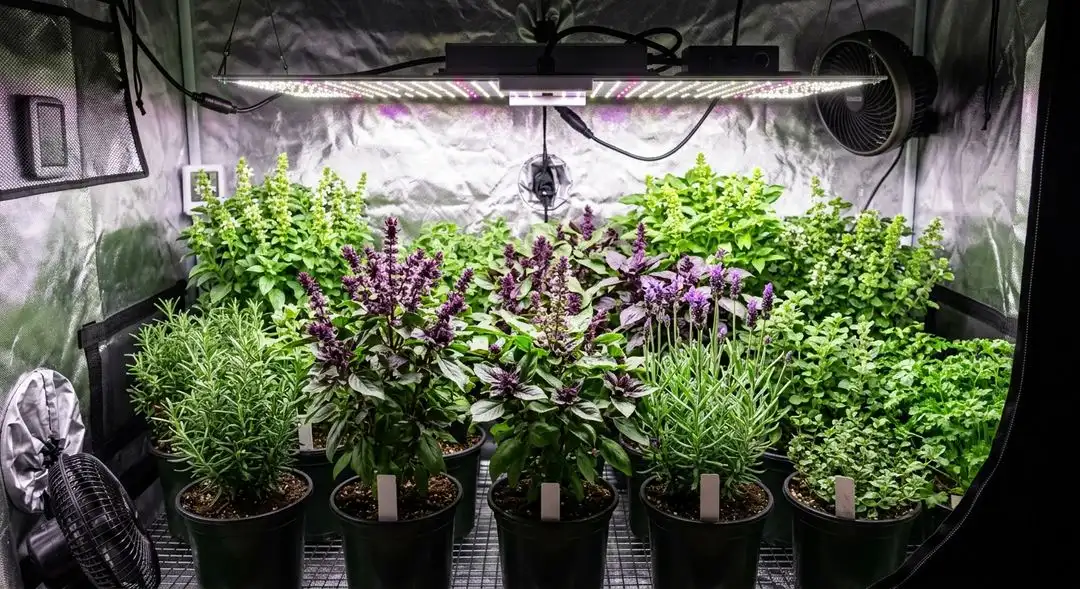
Grape Ape is rated easy — and it earns that designation honestly. The Afghani and Skunk #1 genetics in its background produce plants with a natural resilience to beginner mistakes: it tolerates minor nutrient fluctuations better than most high-THC strains, recovers from light stress faster than expected, and doesn't punish growers for small deviations in humidity or temperature. Medium-sized plants with a classic indica structure mean it fits comfortably in standard grow tents and outdoor garden spaces without requiring trellising or aggressive management.
That said, easy doesn't mean thoughtless. Grape Ape rewards growers who understand a few strain-specific tendencies. The dense, resinous bud structure it inherits from its Afghani parent means airflow is critical — stagnant air around the canopy is the fastest way to invite botrytis in the final two weeks of flowering. Keep your indoor grow environment moving, and watch late-flower humidity closely. In our experience across multiple grows, keeping daytime temps between 68–78°F with nighttime drops of 10–15°F during late flowering is what triggers the deep purple coloration that makes Grape Ape visually spectacular at harvest.
Key growing tips for Grape Ape:
- Training for yield: Grape Ape's natural branching pattern responds exceptionally well to low-stress training — apply LST early in the vegetative stage to open the canopy and push multiple bud sites to the same light level rather than a single dominant cola
- Vegetative timing: A 4–5 week vegetative period produces plants that fill the canopy perfectly without outgrowing a 4×4 tent; rushing into flower too early limits yield significantly with this strain
- Nutrient management: Grape Ape is a moderate feeder — during weeks 3–6 of flower, increase phosphorus and potassium while dialing back nitrogen, following a structured nutrient schedule to avoid the nitrogen toxicity that shows up quickly in indica-heavy genetics
- Humidity control: Keep relative humidity at 50–60% during vegetative growth, drop to 40–50% in early flower, and bring it down to 38–45% in the final 10 days before harvest to protect dense buds and maximize trichome production
- Outdoor advantages: Grape Ape thrives in temperate outdoor climates — its Afghani genetics give it better cold tolerance than most fruity strains, and the nighttime temperature drops that come naturally in late September trigger the purple expression beautifully; see our outdoor growing guide for timing recommendations by region
Yield and Flowering Time
Grape Ape flowers in 42–56 days — one of the faster-finishing high-THC indicas you'll grow, a direct contribution from its Afghani and Skunk #1 genetics. Indoors, expect yields of 1.3–1.6 oz/ft² under optimized lighting and canopy management. Outdoor plants are genuinely impressive producers, capable of delivering 20–25 oz per plant when given full-season growth and adequate root space. For growers who want potency, speed, and volume in the same plant, Grape Ape sits in rare company — it's a legitimate entry in both our fast-flowering and high-yield collections.
What we've found over dozens of grows with Afghani-heavy genetics is that the 42-day minimum is achievable, but the extra week or two toward the 56-day mark consistently produces denser, more resinous buds with better terpene development and a more complete high. Don't rush the chop — Grape Ape's trichomes tell a clear story if you're watching them, and harvesting at peak amber development is worth the patience.
To maximize your harvest:
- Trichome monitoring: Target 70–80% milky trichomes with 15–25% amber for peak sedative potency; harvesting too early skews the effect profile toward anxious rather than calm
- Late-flower humidity management: Drop relative humidity to 38–45% in the final 10–14 days to protect dense Afghani-style buds from botrytis and maximize resin gland development
- Flushing protocol: Flush with plain water for the final 7–10 days in soil grows to clear residual nutrients and let the natural grape and berry terpenes come through clean on the cure
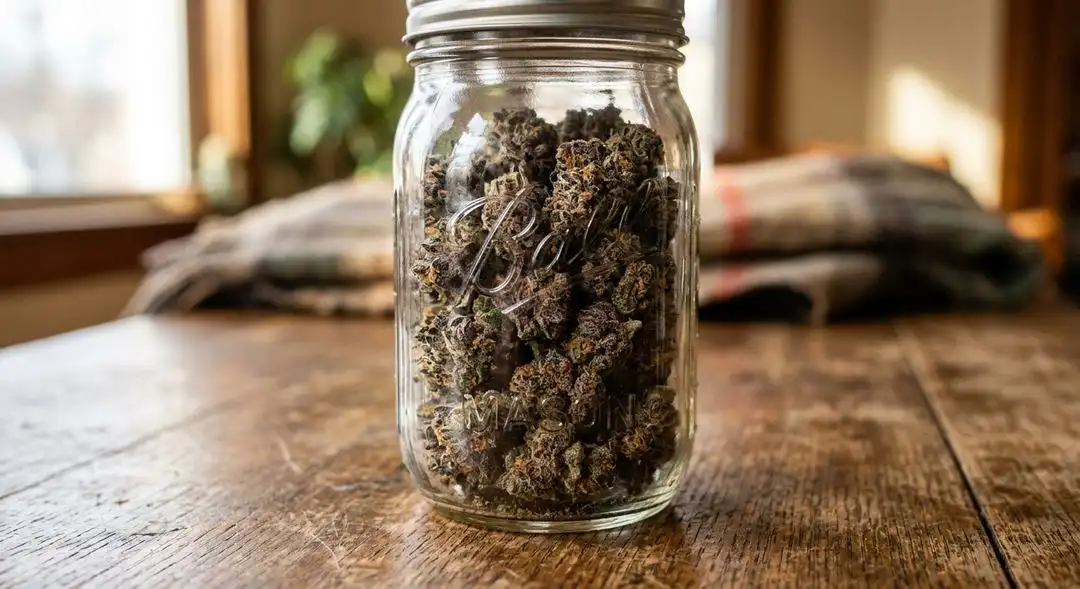
- Drying and curing: Slow-dry for 10–14 days at 60–65°F and 55–60% RH, then cure in sealed glass jars for a minimum of 3–4 weeks — Grape Ape's terpene depth genuinely improves with a longer cure, and the grape aroma becomes significantly more pronounced after week 3
Why Buy Grape Ape Seeds from DSS Genetics?
Every pack of Grape Ape feminized seeds ships with our full germination guarantee — if a seed doesn't sprout under proper conditions, we replace it, no questions asked. Your order arrives in discreet, unmarked packaging, and every seed is stored under controlled conditions from the moment it leaves production to the moment it arrives at your door.
- Germination guaranteed — every seed is backed by our replacement promise; follow our germination guide for best results
- Discreet shipping — plain, unmarked packaging on every order
- Spend $100+ — receive a free selection of premium seeds added to your order automatically
- Seed integrity maintained — proper temperature and humidity-controlled storage from our warehouse to your door preserves viability and germination rates
Frequently Asked Questions
Is Grape Ape a good strain for beginner growers?
Yes — Grape Ape is rated easy and genuinely earns it. The Afghani and Skunk #1 genetics in its background produce robust, forgiving plants that handle minor errors in feeding, temperature, and humidity better than most high-THC strains. It's one of the top picks in our easy-to-grow strains collection for growers who want 20–25% THC without a steep learning curve. The one area that requires attention is late-flower humidity control, since dense indica buds need good airflow to prevent mold — but that applies to virtually any heavy indica.
How much THC does Grape Ape contain?
Grape Ape tests at 20–25% THC, placing it firmly in the high-potency category. CBD content is minimal at 0.01–0.1%, so the experience is THC-driven. If you're new to cannabis or have a low tolerance, start with a small dose and allow 15–20 minutes before consuming more — the Afghani-dominant sedation builds over time and can be more intense than the initial onset suggests. For context on where this sits in the broader catalog, browse our highest-THC strains collection.
What does Grape Ape smell and taste like?
The aroma is dominated by fresh concord grape and sweet berry with a dense earthy foundation and a faintly skunky exhale. The flavor on the inhale is sweet and fruity; the exhale brings out the woody, earthy depth of the Afghani lineage. The entire sensory profile is shaped primarily by Myrcene at 0.63%, which carries earthy-musky-fruity aromatics and amplifies the sedative quality of the high. The grape character becomes significantly more pronounced after a proper 3–4 week cure — don't shortcut the drying and curing process with this strain.
Medical Disclaimer: This information is for educational purposes only and should not be considered medical advice. Always consult a healthcare professional before using cannabis for medical purposes. Individual results may vary.
Frequently Asked Questions
Grape Ape — Common Questions Answered
What is Grape Ape?
Grape Ape is a indica-dominant cannabis strain (90% Indica / 10% Sativa) bred from Afghani x Mendocino Purps x Skunk #1. It produces THC levels of 20–25% and CBD levels of 0.01–0.1%. Known for its relaxing, happy, euphoric effects and sweet, earthy, berry flavor profile.
Is Grape Ape easy to grow?
Yes, Grape Ape is an excellent choice for beginners. It has a forgiving growth pattern and doesn't require advanced techniques to produce good yields. Growing difficulty: Easy. It thrives in temperate climates and reaches a medium plant size.
How long does Grape Ape take to flower?
Grape Ape has a flowering time of 42–56 days. Switch to a 12/12 light cycle to initiate flowering. Expected yields are 1.3 to 1.6 oz/ft² indoors and 20 to 25 oz/plant outdoors.
What are the effects of Grape Ape?
Grape Ape delivers relaxing, happy, euphoric, energetic, sleepy, calming effects. Many growers report it helps with insomnia, muscle spasms, stress, anxiety, pain, migraines. With THC levels of 20–25%, it is a potent strain — start with a low dose if you have low tolerance.
What does Grape Ape smell and taste like?
Grape Ape's dominant terpenes are Myrcene (0.63%), which give it a sweet, earthy, berry, grape, skunky, fruity flavor and aroma profile.
Can I grow Grape Ape indoors and outdoors?
Yes, Grape Ape performs well both indoors and outdoors. Indoor yields average 1.3 to 1.6 oz/ft², while outdoor grows can produce 20 to 25 oz/plant. It prefers temperate conditions. Its medium height is manageable in most indoor setups.
What does "feminized" mean for Grape Ape seeds?
Feminized Grape Ape seeds are bred to produce only female plants, which are the ones that develop smokable buds. This eliminates the need to identify and remove male plants, saving time and maximizing your grow space. Over 99% of feminized seeds will produce female plants.
Grower Reviews
Real grow experiences from our community
Get 10% Off Your First Order
Join our newsletter for exclusive deals, growing tips, and new strain drops.