Kushberry Feminized Seeds
By Ivan K., DSS Genetics · Updated April 2026

Kushberry Feminized Seeds
SKU: DSS-KUSHB-FEM-5PK
Pack Size
Quantity
Disclaimer: For informational purposes only — not medical advice. Consult a healthcare professional before use.
About This Strain
Kushberry Feminized Seeds — Complete Strain Profile
Kushberry Feminized Seeds – Strain Overview
Kushberry is the result of crossing two legendary cannabis lineages — DJ Short's Blueberry, a strain that won the High Times Cannabis Cup in 2000 and is famous for its fruity genetics, and OG Kush, the West Coast icon that redefined what potent indica-dominant hybrids could be. The result is a 70% indica / 30% sativa hybrid that carries the best traits of both parents: Blueberry's vibrant berry aroma and euphoric warmth fused with OG Kush's deep physical weight and resin production.
With THC levels ranging from 20–23% and a terpene profile built around Caryophyllene, Myrcene, and Pinene, Kushberry delivers a well-rounded experience that's equally prized by recreational users and medical patients. If you're building a collection around powerful indica-dominant genetics, Kushberry belongs alongside the finest strains in our best indica seeds catalog.
Effects and Medical Benefits
The Kushberry high doesn't arrive all at once — it introduces itself gently, with a warm cerebral uplift that clears mental fog and softens anxious thoughts. Within 15–20 minutes, the indica weight from OG Kush begins to settle across the shoulders and lower back, deepening into a full-body calm that most users find profoundly relaxing without being immediately incapacitating.
At moderate doses, there's a creative window that many users find valuable — ideas flow freely, conversation comes easily, and the mind stays pleasantly occupied. Push into higher doses, and Blueberry's sedative depth takes over, pulling the experience toward sleepiness and couch comfort. This is a strain designed for late afternoon or evening use.
Users consistently report these effects:
- Deep relaxation — OG Kush's indica backbone delivers full-body calm that starts at the temples and works downward
- Euphoric warmth — Blueberry's sativa contribution lifts mood and softens emotional edges without racing thoughts
- Creative openness — a moderate-dose window where ideas feel accessible and music sounds richer
- Sleepy sedation — at higher doses, the Myrcene-heavy terpene profile guides users toward rest
Medical cannabis patients reach for Kushberry across a wide range of conditions:
- Insomnia — the sedative progression makes this one of the more reliable evening strains for sleep onset
- Chronic pain — Caryophyllene's direct action on CB2 receptors adds anti-inflammatory depth to the physical relaxation
- Stress and tension — the euphoric opening phase works quickly to quiet a racing mind
- Depression — Blueberry's mood-brightening genetics contribute to emotional lift that many patients find genuinely therapeutic
Kushberry's 0.1–1% CBD content, while modest, contributes meaningfully to its therapeutic character when considered alongside its terpene stack. The combination of Myrcene, Caryophyllene, and Pinene working in concert with 20–23% THC is a textbook example of the entourage effect — where the whole plant chemistry produces results that THC alone cannot replicate.
Aroma, Flavor and Terpene Profile
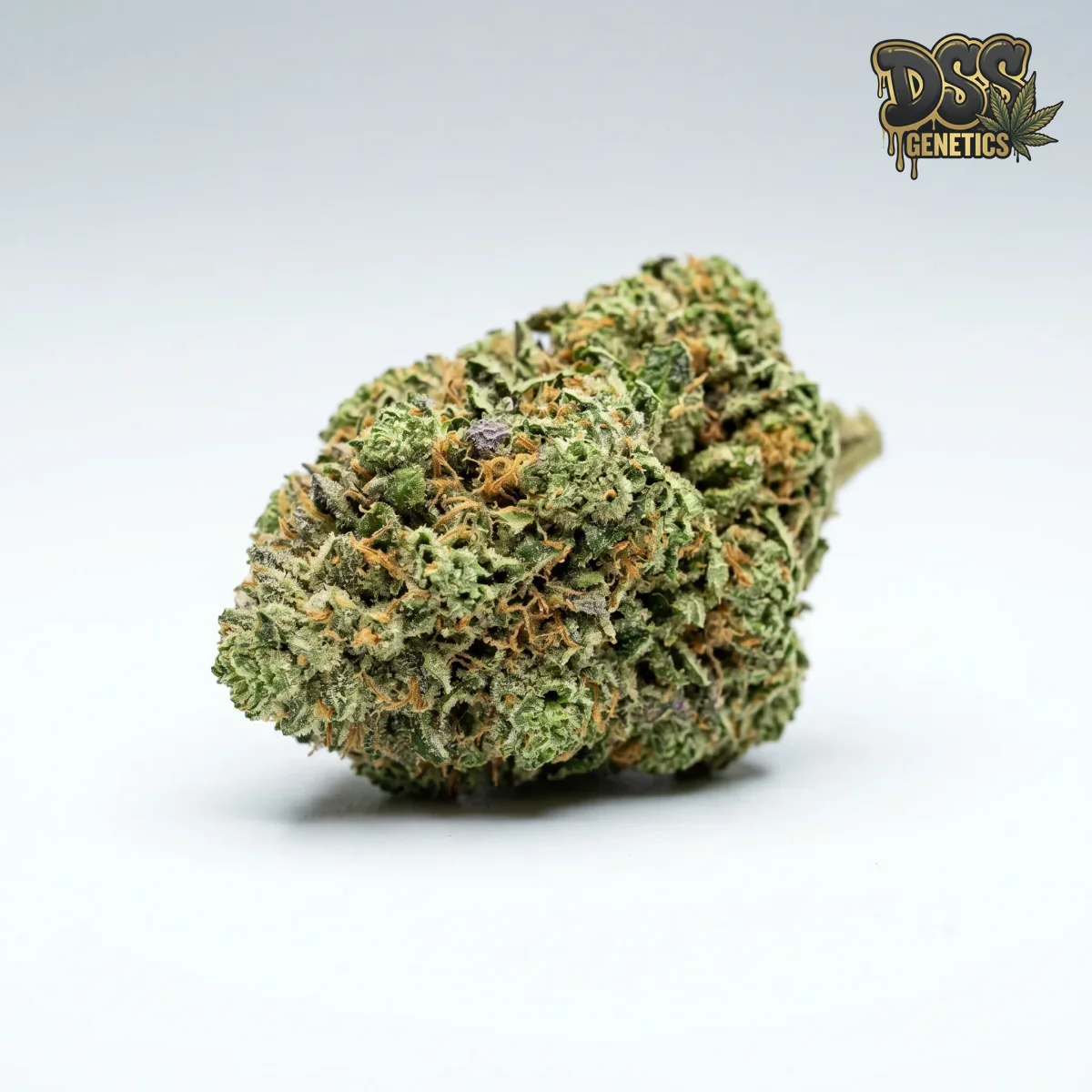
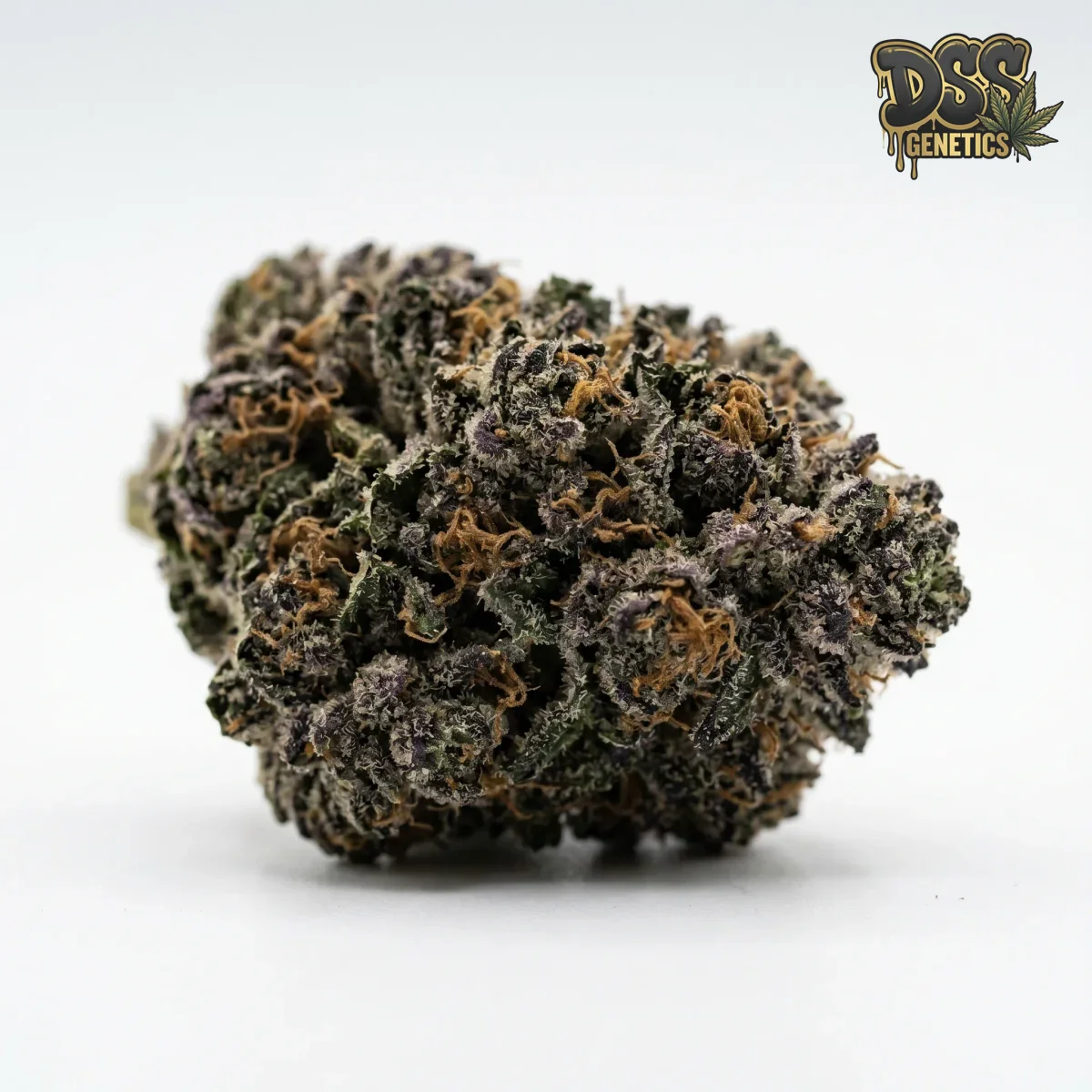
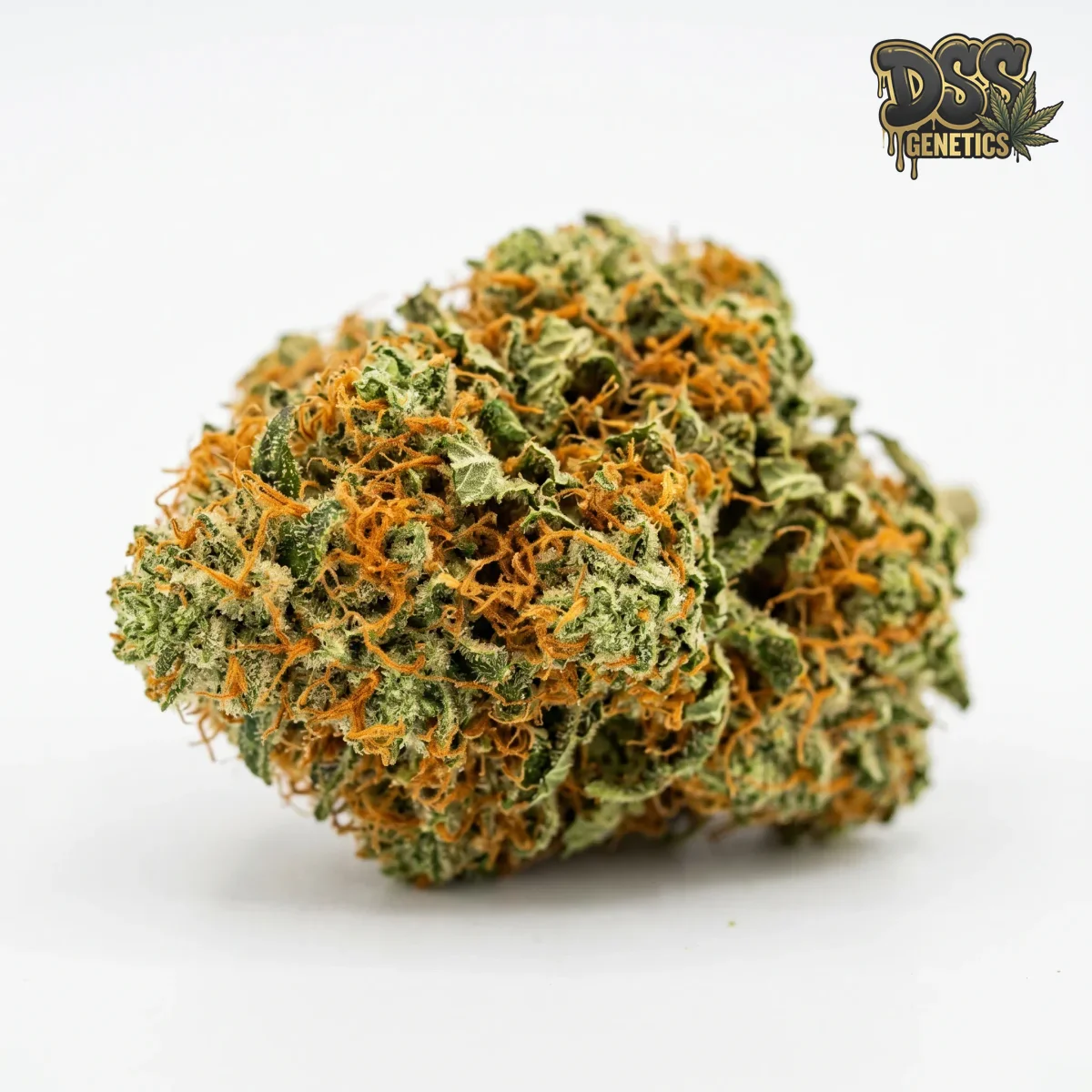
Crack open a jar of cured Kushberry and the first thing you notice is a burst of ripe blueberry — not synthetic or candy-like, but the kind of smell that reminds you of fruit picked warm from a bush on a summer morning. Behind the berry sits a layer of damp forest earth and fresh pine, a signature borrowed directly from OG Kush's Afghani roots. There's also a citrus brightness in the background that lifts the whole profile and keeps it from feeling heavy.
On the inhale, pine and sweet berry coat the palate in equal measure. The exhale is where Kushberry earns its name — blueberry sweetness comes forward, followed by a lingering earthy sweetness and a faint citrus note on the back of the throat. The smoke is smooth and full, with none of the harshness you sometimes find in high-THC strains that haven't been properly cured.
Caryophyllene is Kushberry's most concentrated terpene at 0.55%. It's responsible for the faint spice and warmth you sense underneath the berry sweetness — a peppery depth that makes the aroma complex rather than one-dimensional. What makes Caryophyllene exceptional in a medical context is its unique ability to bind directly to CB2 receptors in the endocannabinoid system, delivering anti-inflammatory and analgesic effects that no other common cannabis terpene can match. It's a significant reason why Kushberry performs so well for pain relief.
Myrcene follows at 0.41%, and it's the terpene most responsible for Kushberry's sedative reputation. Myrcene carries earthy, slightly musky, and herbal aromas — think fresh mango skin and damp soil — and research suggests it may enhance THC's ability to cross the blood-brain barrier, amplifying the overall potency of the high. It's the primary driver behind the heavy body relaxation that defines the second half of the Kushberry experience.
Pinene rounds out the trio, contributing the bright forest-fresh pine aroma that cuts through the earthiness and keeps the scent profile feeling clean and alive. Beyond aroma, Pinene is associated with bronchodilatory properties and may help counteract some of the short-term memory fog that high-THC strains can produce. Together, these three terpenes create a profile that is simultaneously approachable and genuinely complex.
Growing Kushberry Seeds
Kushberry is rated moderate difficulty — meaning it's accessible to growers who have completed at least one or two successful grows, but may frustrate true beginners who aren't yet comfortable managing humidity and airflow. The OG Kush side of the genetics produces dense, resinous buds that are susceptible to mold and bud rot when humidity climbs above 55% during late flowering, so environmental control is non-negotiable.
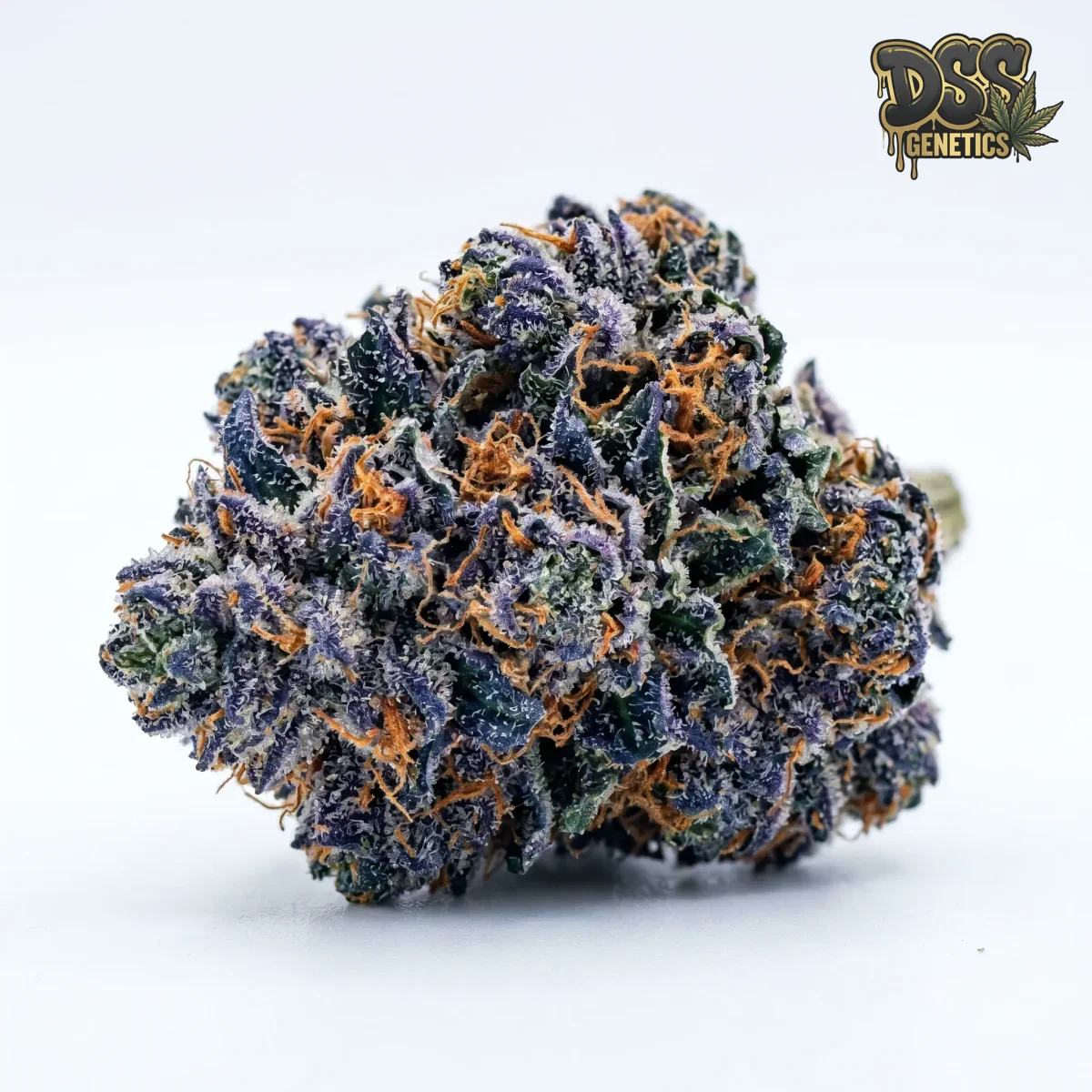
Keep temperatures between 68–79°F (20–26°C) during the vegetative stage and allow a slight drop to 64–75°F (18–24°C) during flowering. That temperature differential encourages anthocyanin expression — the purple and blue hues that Blueberry genetics are famous for — and it also helps terpene production in the final two weeks before harvest. Humidity should be dialed back to 40–50% by week five of flower and pushed as low as 38–42% in the final week to protect the dense bud structure and encourage trichome development.
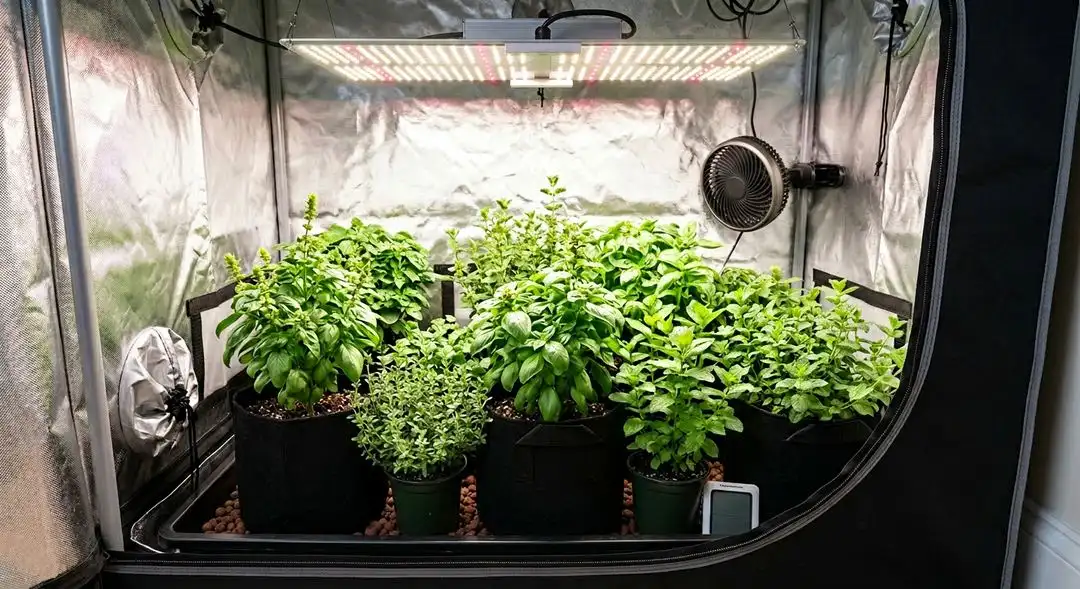
Indoors, Kushberry grows to a medium height that stays manageable in standard 4×4 or 5×5 grow tents. The canopy stays relatively compact, though lateral branching benefits significantly from early intervention. Outdoors, this strain performs best in a warm, temperate climate with long dry autumns — the kind of conditions that give the buds time to swell without excessive moisture threatening the final weeks of ripening.
Key growing tips for Kushberry:
- Training: Apply LST or SCROG techniques during the vegetative stage to open the canopy — Kushberry's lateral branches respond well and reward you with significantly better light penetration across all bud sites
- Nutrients: During flowering weeks 3–6, increase phosphorus and potassium while tapering nitrogen — follow our cannabis nutrient guide to avoid the common mistake of pushing nitrogen too deep into flower, which dulls terpene expression
- Indoor environment: A consistent 68–79°F with strong horizontal airflow through the canopy is essential — check our indoor growing guide for fan placement strategies specific to dense indica canopies
- Outdoor timing: For outdoor grows, plant after your last frost date and plan for harvest at 8–9 weeks of flowering — our outdoor growing guide covers how to time your season to hit that window before autumn rains arrive
- Late-flower humidity: Drop relative humidity to 38–45% in the final 10–14 days and consider a 48-hour dark period before harvest to maximize resin accumulation on the already-heavy Kushberry buds
Yield and Flowering Time
Kushberry flowers in 56–63 days — that's 8 to 9 weeks from the flip to 12/12 lighting indoors. Indoor yields land between 1.3 and 1.6 oz/ft², which is a solid return for a strain with this level of potency and terpene density. For growers who prioritize quality per square foot over raw volume, this is a worthwhile trade. If you're chasing maximum production, explore our high-yield seed collection for strains that push past 2 oz/ft².
Outdoor plants are where Kushberry really impresses: 18–19 oz per plant is achievable when plants are given full sun, generous root space, and a long growing season. That kind of output from a medium-sized plant — not a towering sativa — speaks to the OG Kush genetics pushing hard at the bud sites. Plan your vegetative stage for 6–8 weeks outdoors to give plants enough structural mass to support those yields without branch breakage.
To maximize your harvest:
- Trichome timing: Harvest when 70–80% of trichomes are milky white with 10–20% amber — at this point the Myrcene concentration peaks and the sedative body effect Kushberry is known for is fully developed
- Late-flower humidity: Hold relative humidity at 40–45% through the final two weeks to protect dense buds from mold while allowing maximum resin development
- Nutrient finish: Begin a full flush 10–14 days before harvest — this clears residual salts and allows the natural sweetness of the Blueberry terpene profile to come forward in the final cure
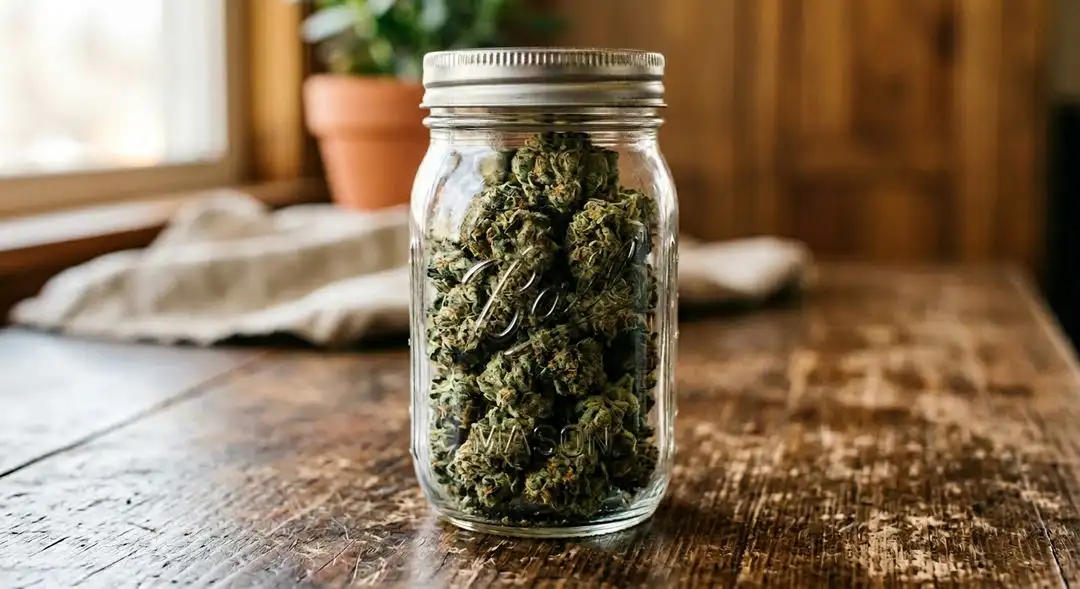
- Drying and curing: Slow dry for 10–14 days at 60–65°F and 55–60% RH, then cure in sealed glass jars for a minimum of 3–4 weeks — Kushberry's berry and pine terpenes continue to develop significantly during curing and reward patience
Why Buy Kushberry Seeds from DSS Genetics?
Every Kushberry seed leaves our facility with a full germination guarantee behind it. Follow our germination guide — if your seeds don't sprout, we replace them. Your order ships in discreet, plain packaging with no cannabis-related branding anywhere on the parcel.
- Germination guaranteed — every seed is backed by our replacement promise, no questions asked
- Discreet shipping — plain, unmarked packaging on every order
- Spend $100 or more — receive complimentary premium seeds added to your order automatically
- Optimal seed storage — seeds are stored at controlled temperature and humidity from production through delivery to preserve maximum viability
Frequently Asked Questions
Is Kushberry a good strain for beginners?
Kushberry is rated moderate difficulty, which means it's best suited to growers who have at least one successful harvest under their belt. The dense OG Kush bud structure requires careful late-flower humidity management — dropping below 50% relative humidity from week five onward is essential to avoid mold. If you're just starting out, we recommend building your skills with a strain from our easy-to-grow collection before tackling Kushberry's environmental demands.
What THC percentage does Kushberry test at?
Kushberry tests between 20–23% THC, placing it firmly in the high-potency category. CBD runs between 0.1–1%, which is low enough that this is primarily a THC-forward experience. If you're looking for strains with a more balanced cannabinoid ratio, browse our high-CBD seed collection. For experienced consumers chasing maximum potency, compare Kushberry against strains in our highest-THC catalog.
What does Kushberry smell and taste like?
Kushberry leads with ripe blueberry on the nose — vibrant, fruity, and distinctly inherited from its Blueberry parent. That's layered over a foundation of pine, damp earth, and sweet citrus from the OG Kush side. On the palate, expect berry sweetness up front with an earthy pine exhale and a faint citrus brightness. The three dominant terpenes behind this profile are Caryophyllene (0.55%), Myrcene (0.41%), and Pinene — each contributing a distinct layer to what is one of the more complex aroma profiles in the indica-dominant category.
How long does Kushberry take to flower, and what yields can I expect?
Kushberry completes flowering in 56–63 days — consistently in the 8 to 9 week range. Indoor growers can expect 1.3–1.6 oz/ft² with proper training and environmental management. Outdoor plants yield 18–19 oz per plant in a full season. Check our flowering stage guide for week-by-week advice on nutrient timing, humidity management, and trichome monitoring to get the most from every Kushberry grow.
Medical Disclaimer: This information is for educational purposes only and should not be considered medical advice. Always consult a healthcare professional before using cannabis for medical purposes. Individual results may vary.
Frequently Asked Questions
Kushberry — Common Questions Answered
What is Kushberry?
Kushberry is a indica-dominant cannabis strain (70% Indica / 30% Sativa) bred from Blueberry x OG Kush. It produces THC levels of 20–23% and CBD levels of 0.1–1%. Known for its relaxing, euphoric, creative effects and pine, sweet, earthy flavor profile.
Is Kushberry easy to grow?
Kushberry is moderately challenging to grow. Beginners can succeed with some research, but it benefits from basic knowledge of pH management and nutrient schedules. Growing difficulty: Moderate. It thrives in temperate climates and reaches a medium plant size.
How long does Kushberry take to flower?
Kushberry has a flowering time of 56–63 days. Switch to a 12/12 light cycle to initiate flowering. Expected yields are 1.3 to 1.6 oz/ft² indoors and 18 to 19 oz/plant outdoors.
What are the effects of Kushberry?
Kushberry delivers relaxing, euphoric, creative, sleepy, calming effects. Many growers report it helps with insomnia, pain, stress, depression. With THC levels of 20–23%, it provides a moderate to strong experience suitable for most users.
What does Kushberry smell and taste like?
Kushberry's dominant terpenes are Myrcene (0.41%), Pinene, Caryophyllene (0.55%), which give it a pine, sweet, earthy, citrus, berry, blueberry flavor and aroma profile.
Can I grow Kushberry indoors and outdoors?
Yes, Kushberry performs well both indoors and outdoors. Indoor yields average 1.3 to 1.6 oz/ft², while outdoor grows can produce 18 to 19 oz/plant. It prefers temperate conditions. Its medium height is manageable in most indoor setups.
What does "feminized" mean for Kushberry seeds?
Feminized Kushberry seeds are bred to produce only female plants, which are the ones that develop smokable buds. This eliminates the need to identify and remove male plants, saving time and maximizing your grow space. Over 99% of feminized seeds will produce female plants.
Grower Reviews
Real grow experiences from our community
Get 10% Off Your First Order
Join our newsletter for exclusive deals, growing tips, and new strain drops.