Medical Disclaimer: This information is for educational purposes only and should not be considered medical advice. Always consult a healthcare professional before using cannabis for medical purposes. Individual results may vary.

Key Terpenes for Inflammation Relief
CB2 receptor agonist — the most potent anti-inflammatory terpene, acts as a dietary cannabinoid
COX-2 inhibitor comparable to dexamethasone in preclinical studies
NF-kB inhibition — broad anti-inflammatory action at the genetic regulation level
Reduces inflammatory cytokines IL-1b and IL-6 — addresses systemic inflammation
Dosing Guidance
For inflammation, consistency is critical. Take CBD (25-50mg) twice daily as a baseline anti-inflammatory. Add THC-containing products in the evening (5-10mg) for enhanced effects. For localized inflammation, apply topicals 2-3x daily to affected areas. Full-spectrum products outperform isolates for inflammation. Allow 2-4 weeks of consistent use before evaluating effectiveness.
How We Selected These Strains
Every strain below has been selected for anti-inflammatory properties. Selection criteria: (1) Inflammation or anti-inflammatory effects documented in its profile, (2) high Caryophyllene content (CB2 receptor activation) or significant CBD content, and (3) terpene profiles with multiple anti-inflammatory compounds. Sorted by THC content.
24 Recommended Strains for Inflammation
Sorted by THC content (highest first). If you are new to cannabis, start from the bottom.
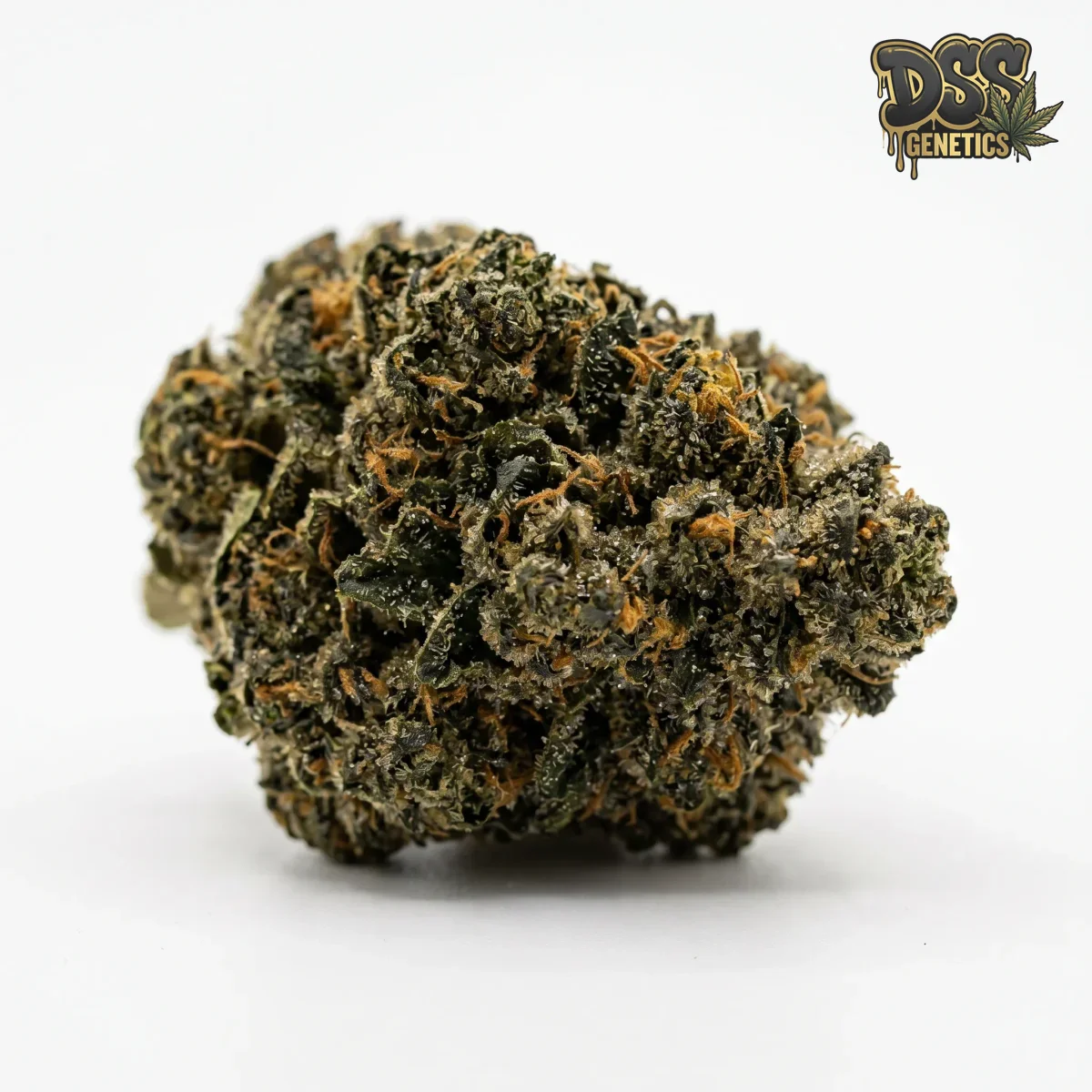 #1
#1Grease Monkey Feminized Seeds
THC 24–28% · 60% Indica / 40% Sativa
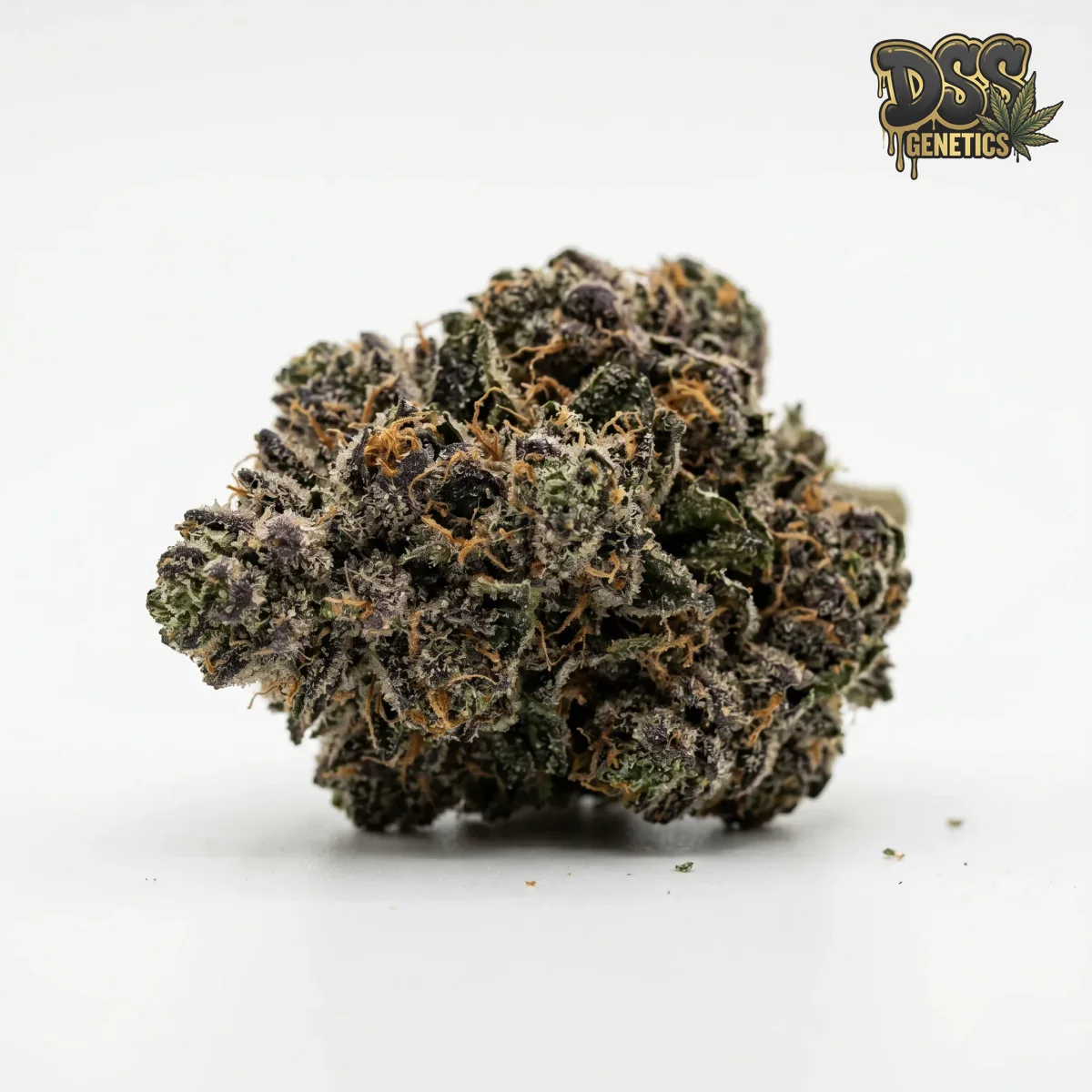 #2
#2Girl Scout Cookies X Chemdog #4 Feminized Seeds
THC 20–27% · 60% Indica / 40% Sativa
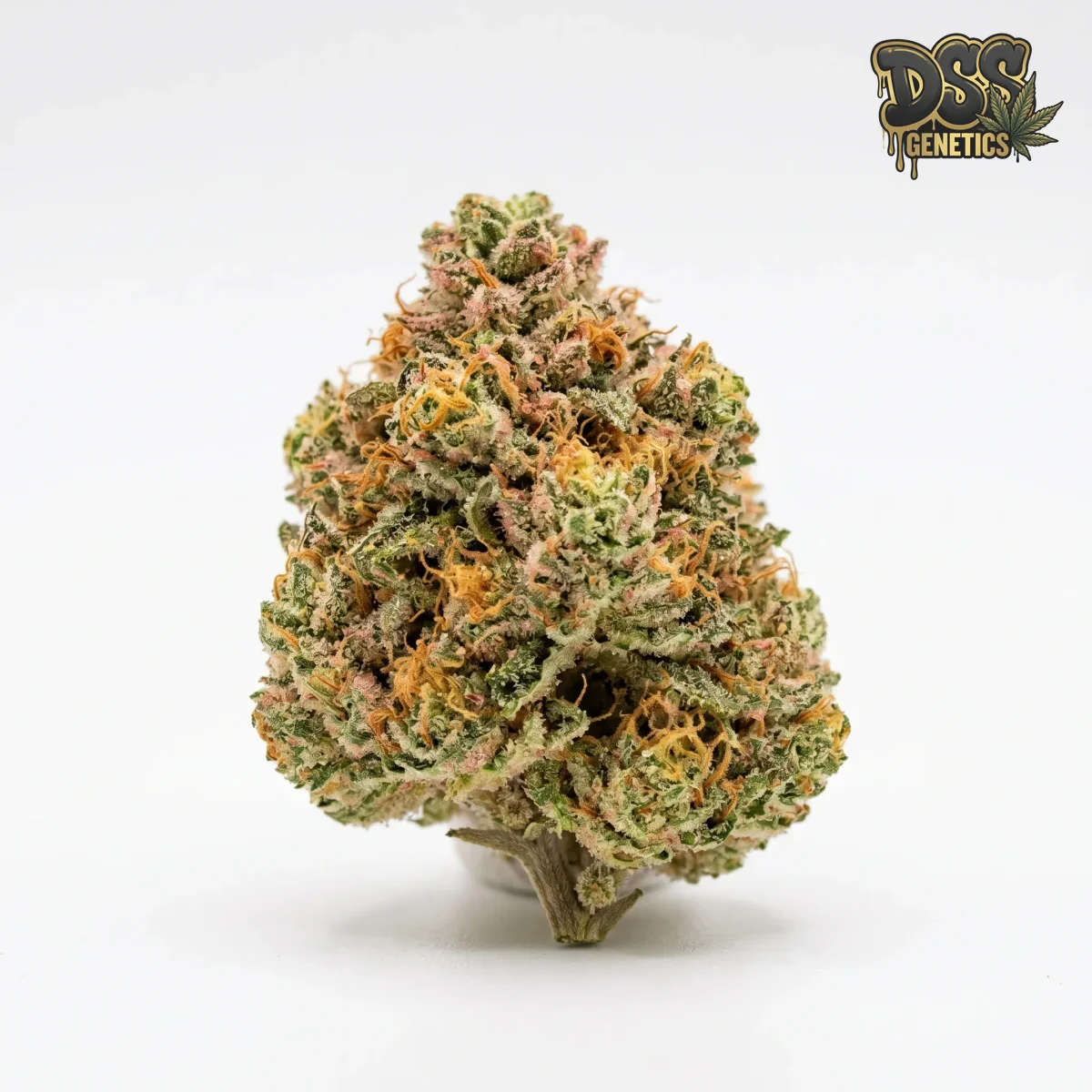 #3
#3Strawberry Banana Feminized Seeds
THC 22–26% · 70% Indica / 30% Sativa
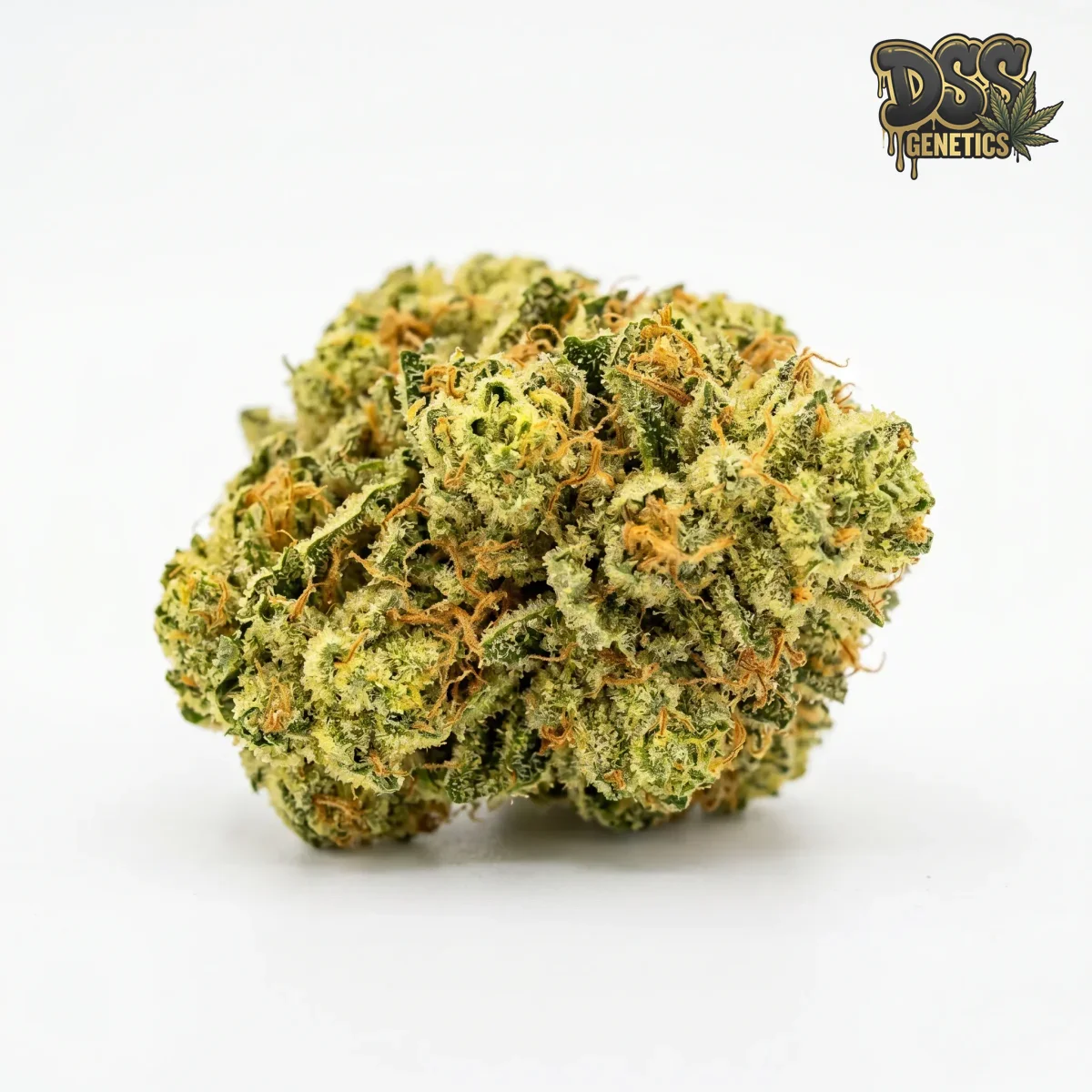 #4
#4Lemon Kush Feminized Seeds
THC 20–26% · 50% Sativa / 50% Indica
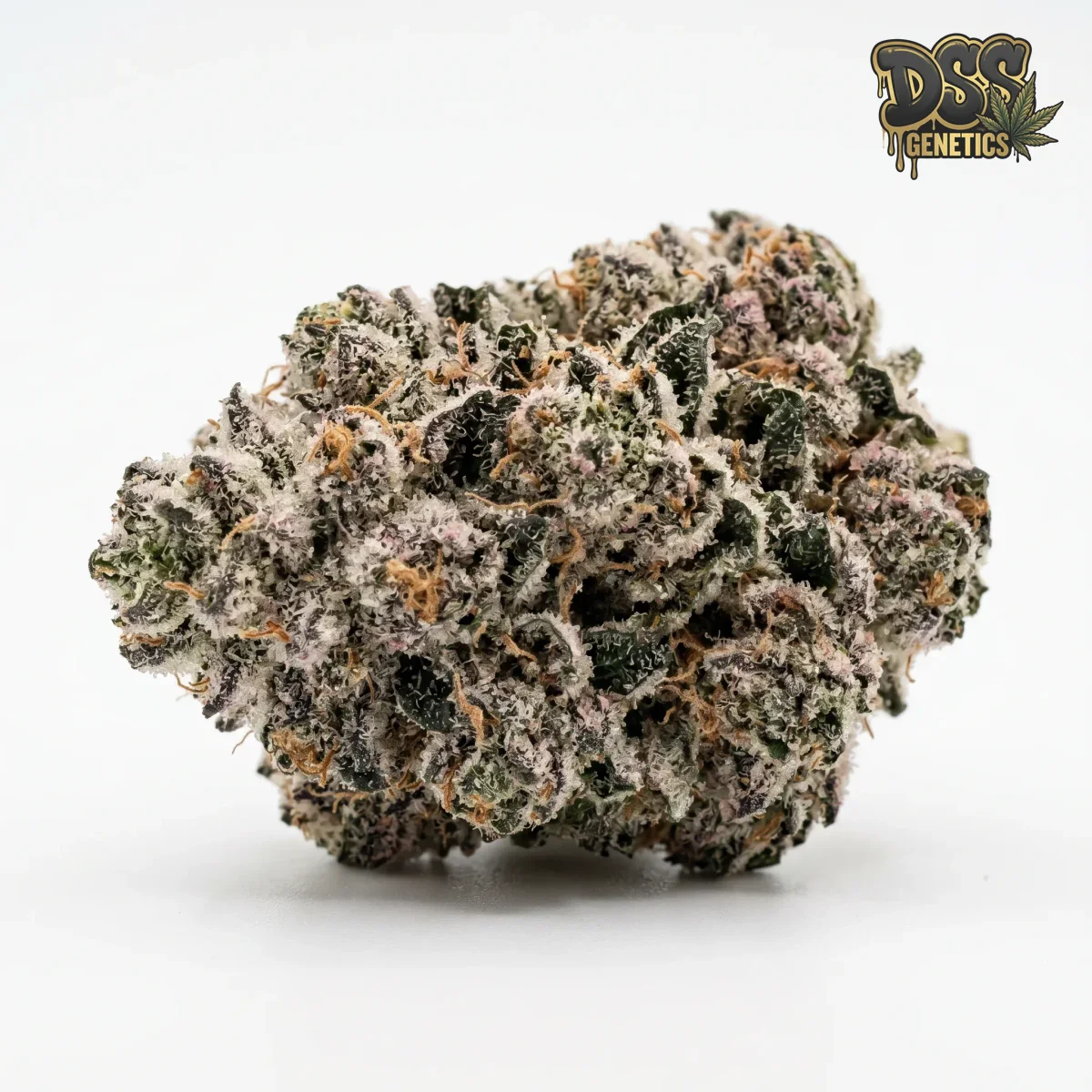 #5
#5Wedding Cake Feminized Seeds
THC 23–26% · 60% Indica / 40% Sativa
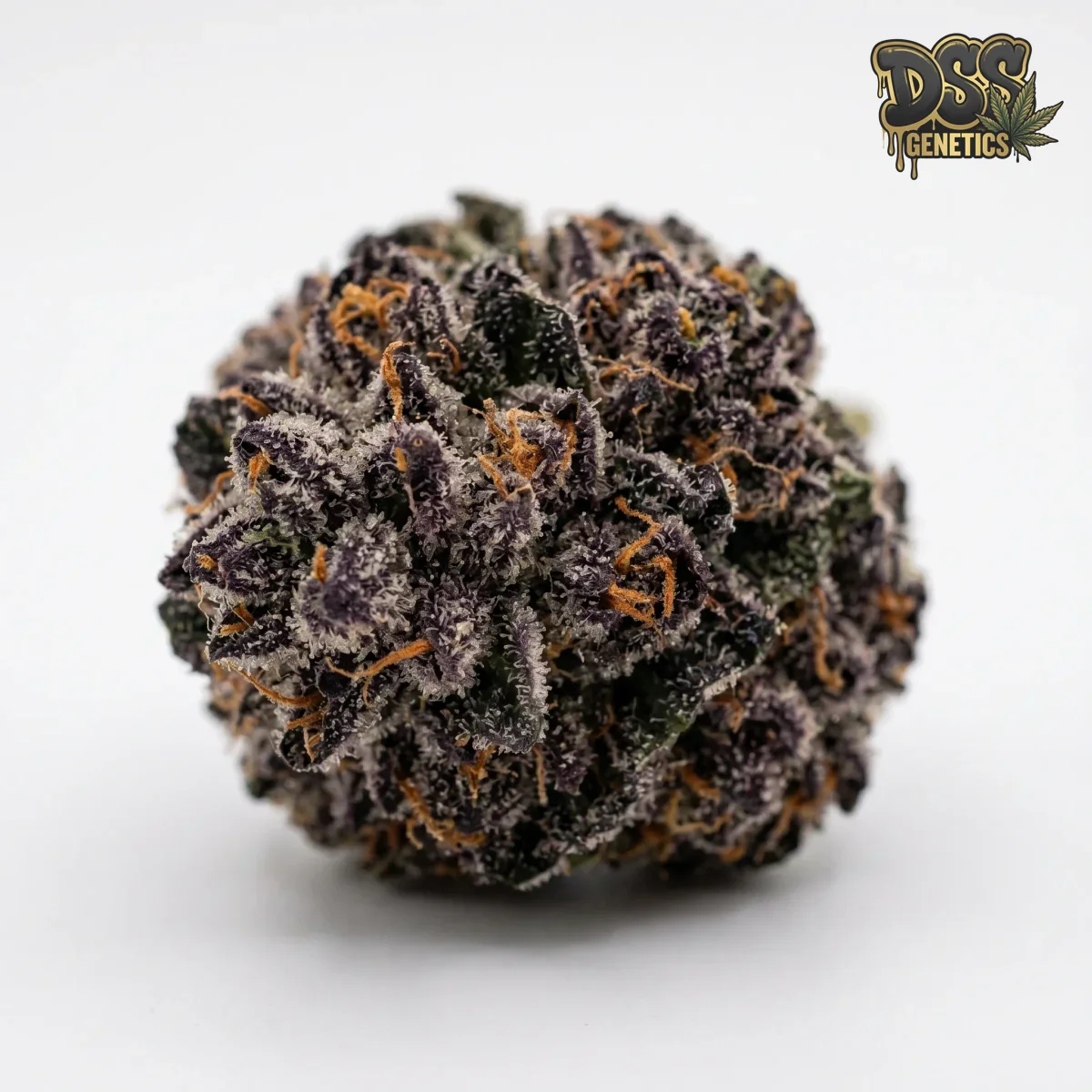 #6
#6God's Gift Feminized Seeds
THC 20–26% · 90% Indica / 10% Sativa
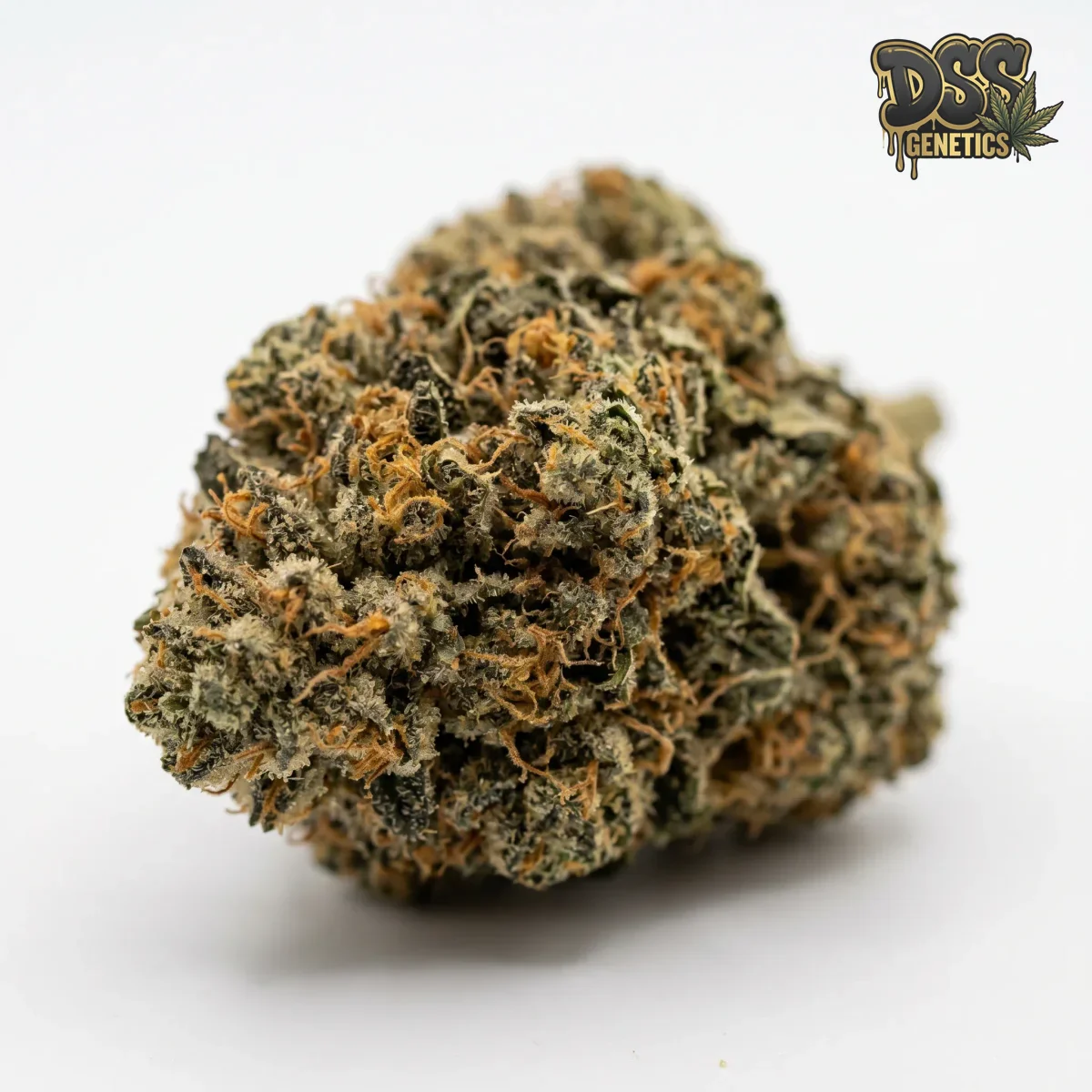 #7
#7Khalifa Kush Feminized Seeds
THC 24–26% · 80% Indica / 20% Sativa
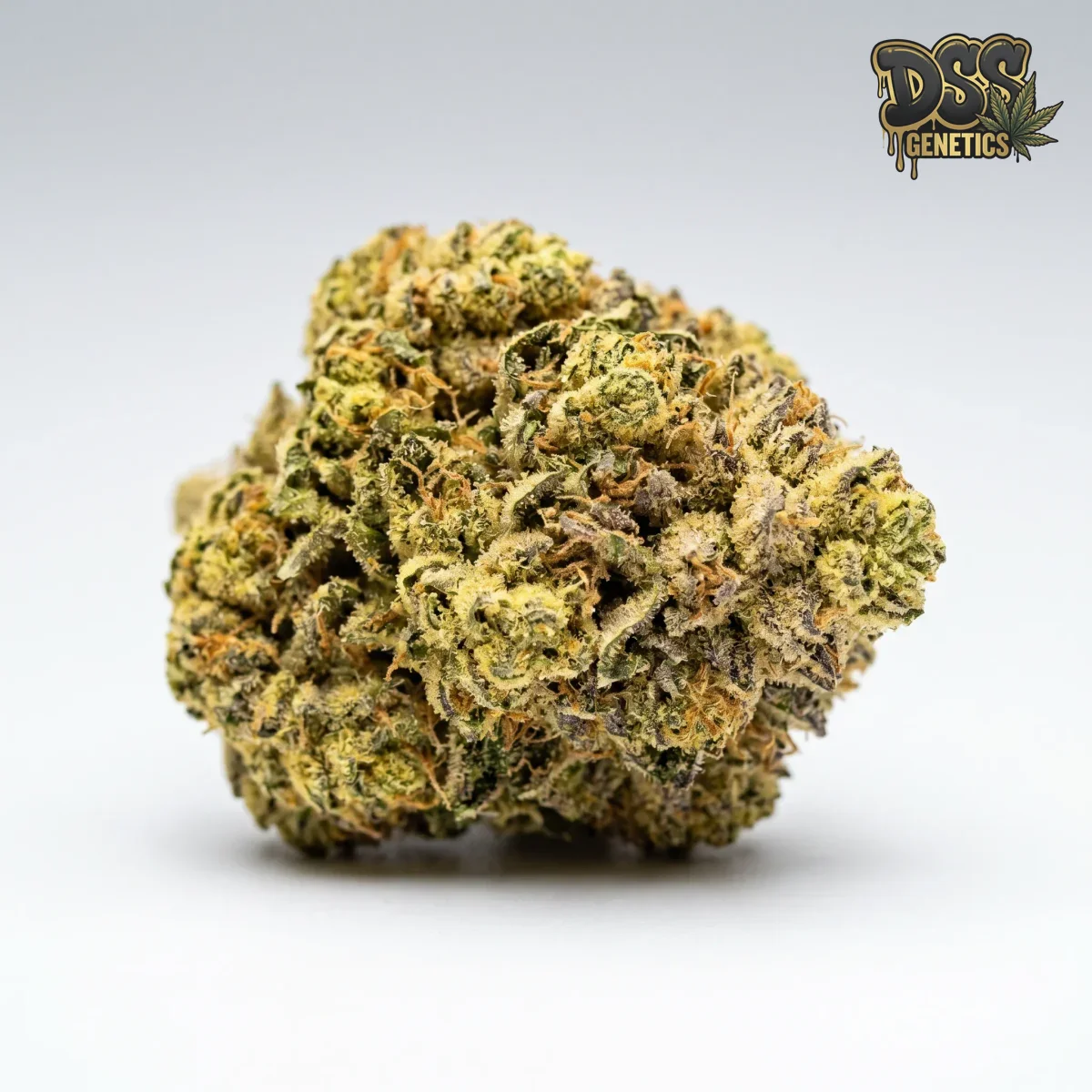 #8
#8Papaya Feminized Seeds
THC 15–25% · 80% Indica / 20% Sativa
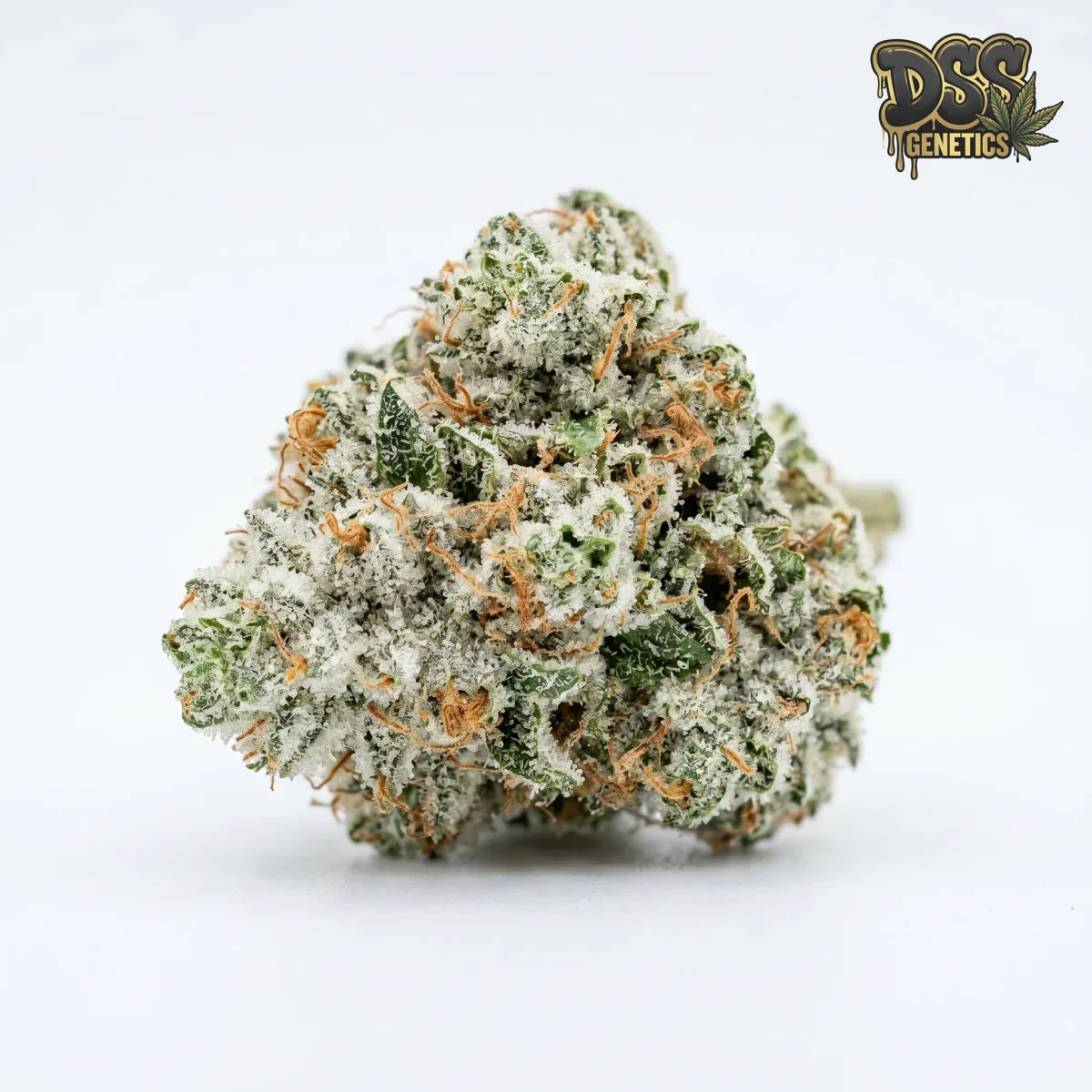 #9
#9White Russian Feminized Seeds
THC 19–25% · 50% Sativa / 50% Indica
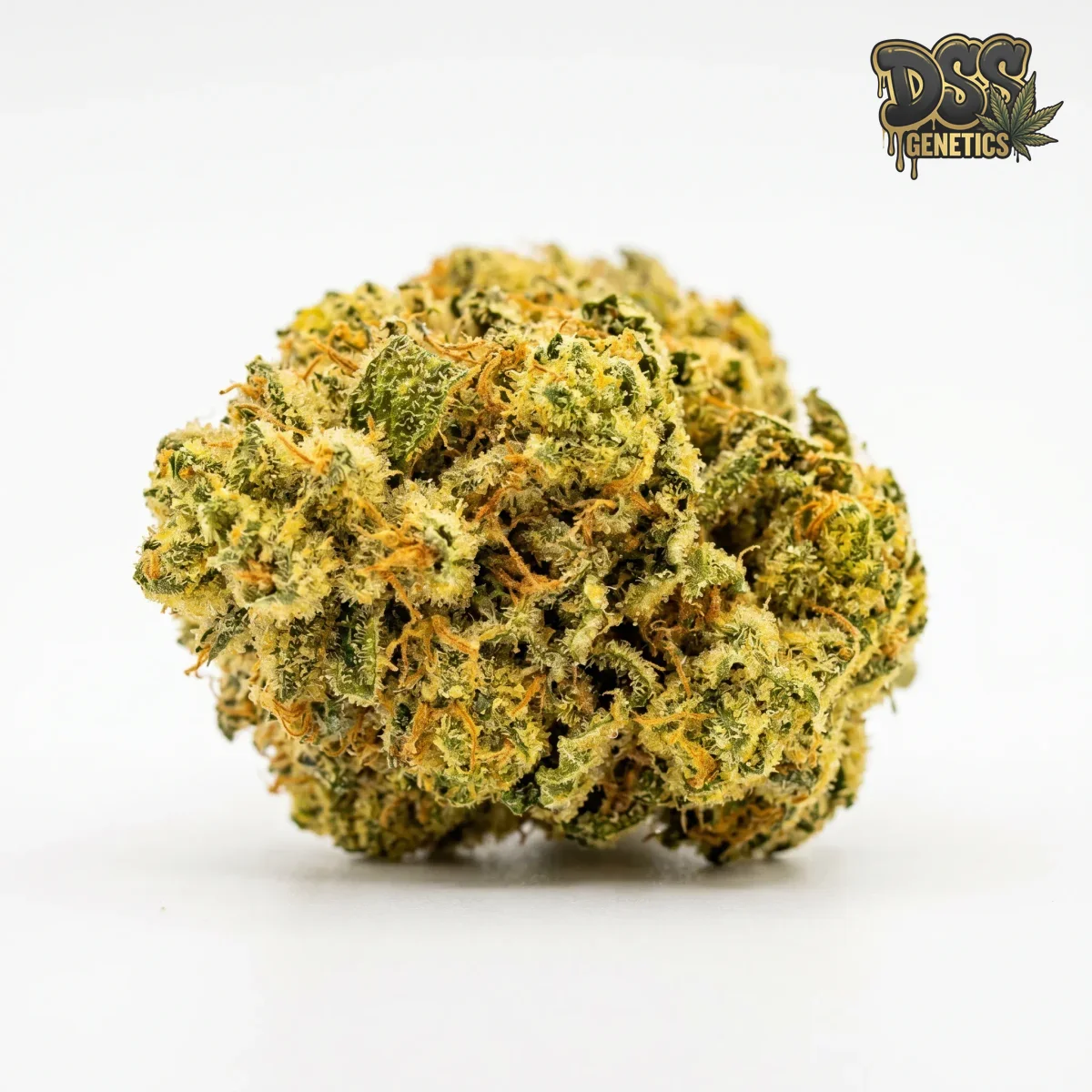 #10
#10Pineapple Chunk Feminized Seeds
THC 15–25% · 80% Indica / 20% Sativa
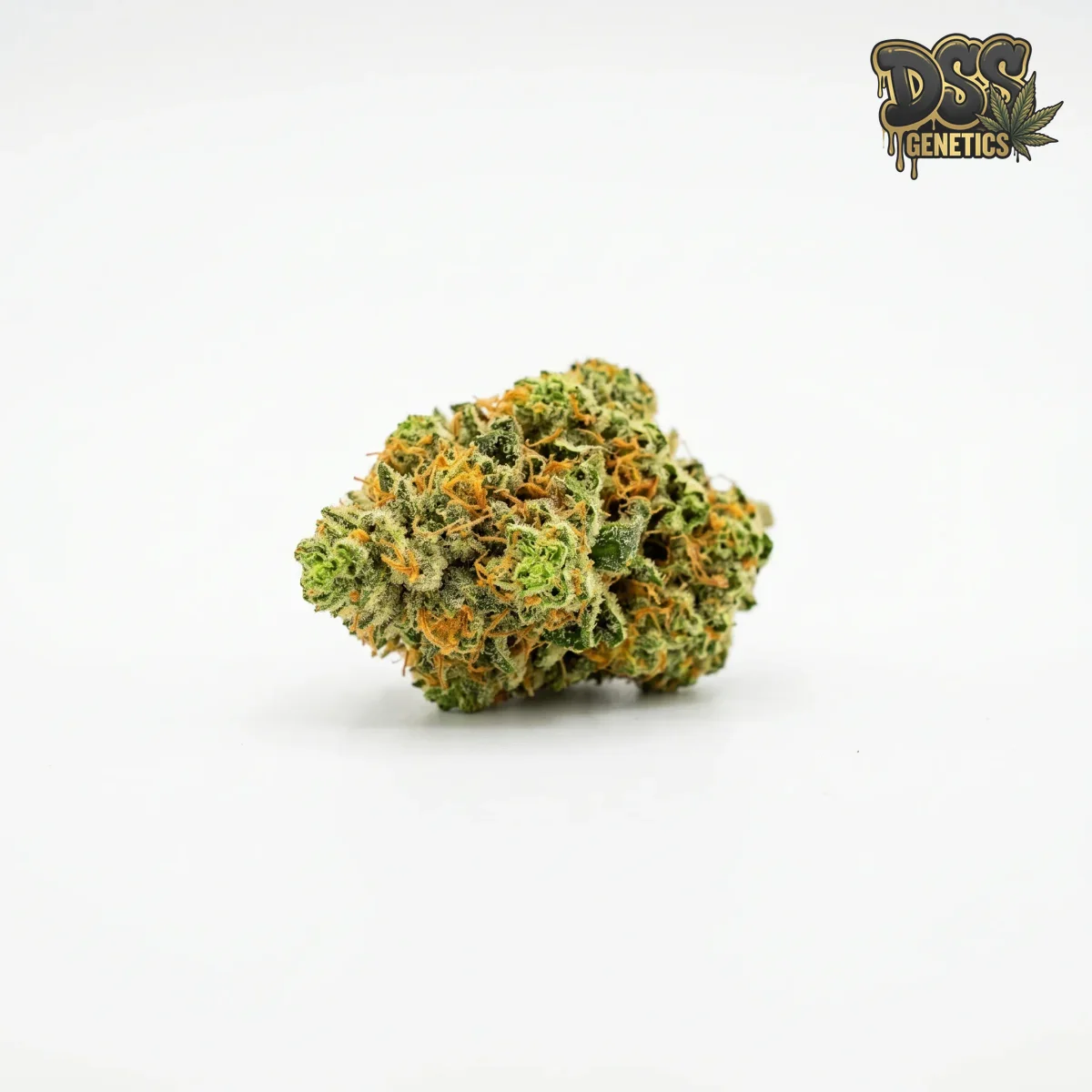 #11
#11Green Crack Feminized Seeds
THC 17–25% · 65% Sativa / 35% Indica
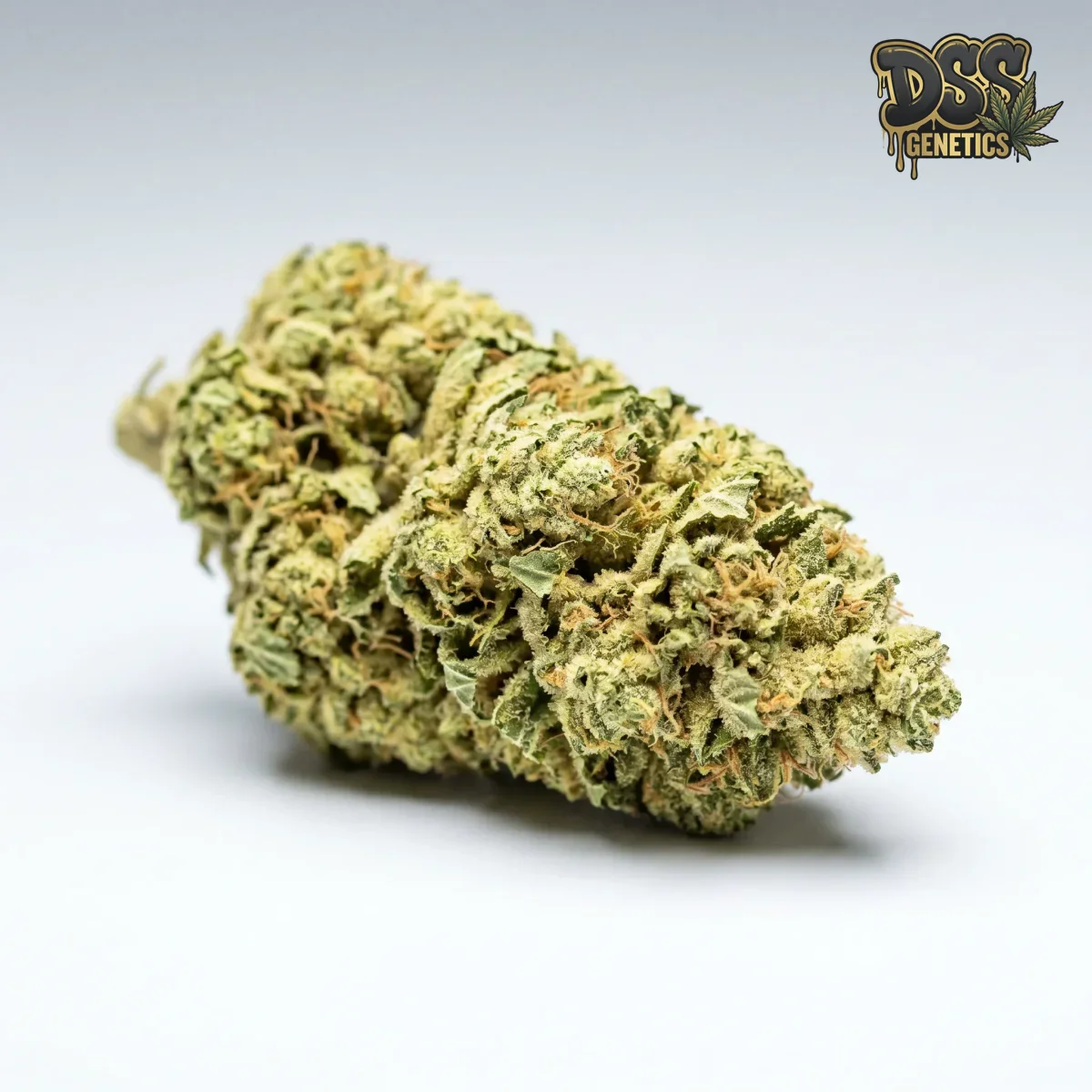 #12
#12Northern Lights x Amnesia Haze Feminized Seeds
THC 16–24% · 70% Sativa / 30% Indica
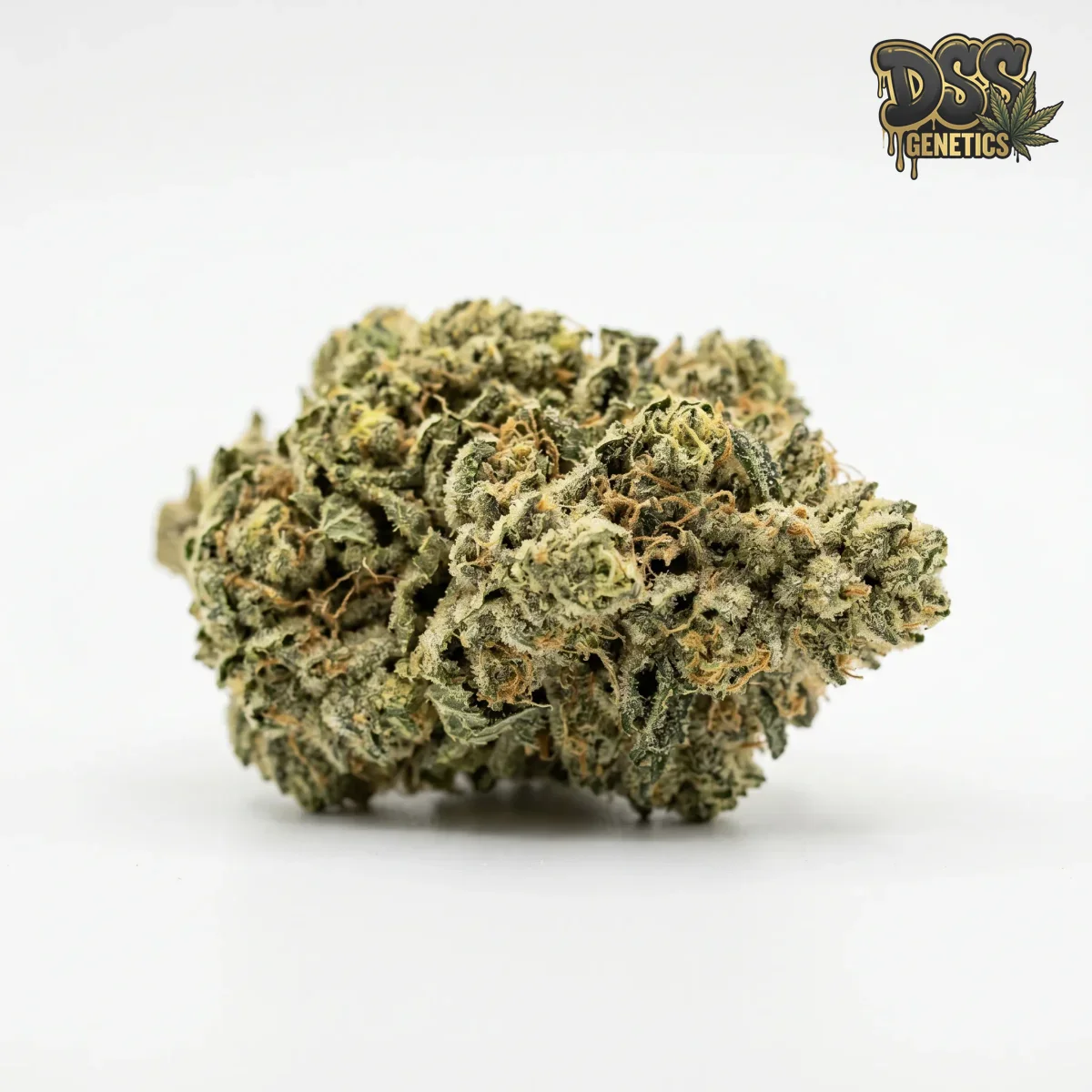 #13
#13True OG Feminized Seeds
THC 20–24% · 70% Indica / 30% Sativa
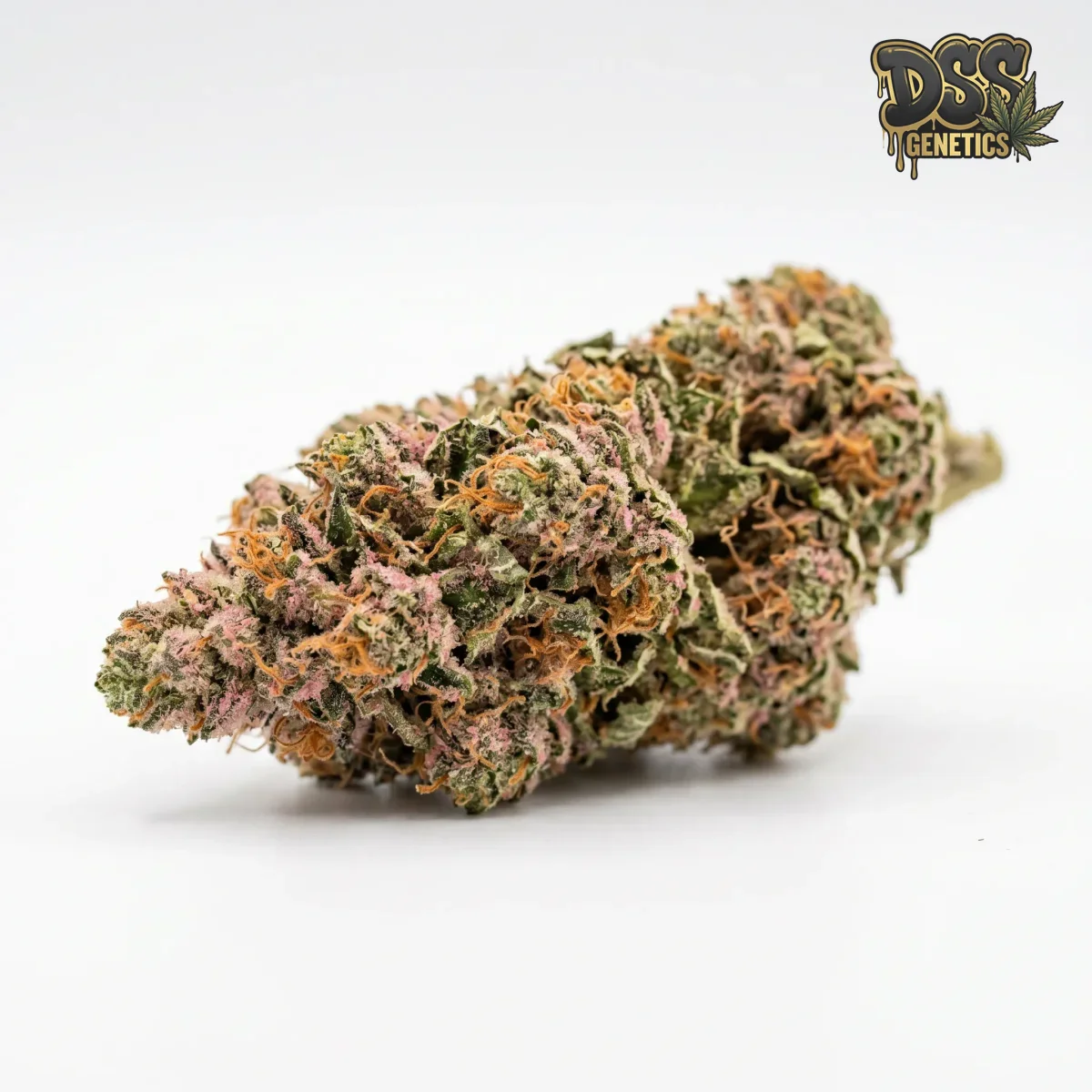 #14
#14Pink Panther Feminized Seeds
THC 22–24% · 85% Sativa / 25% Indica
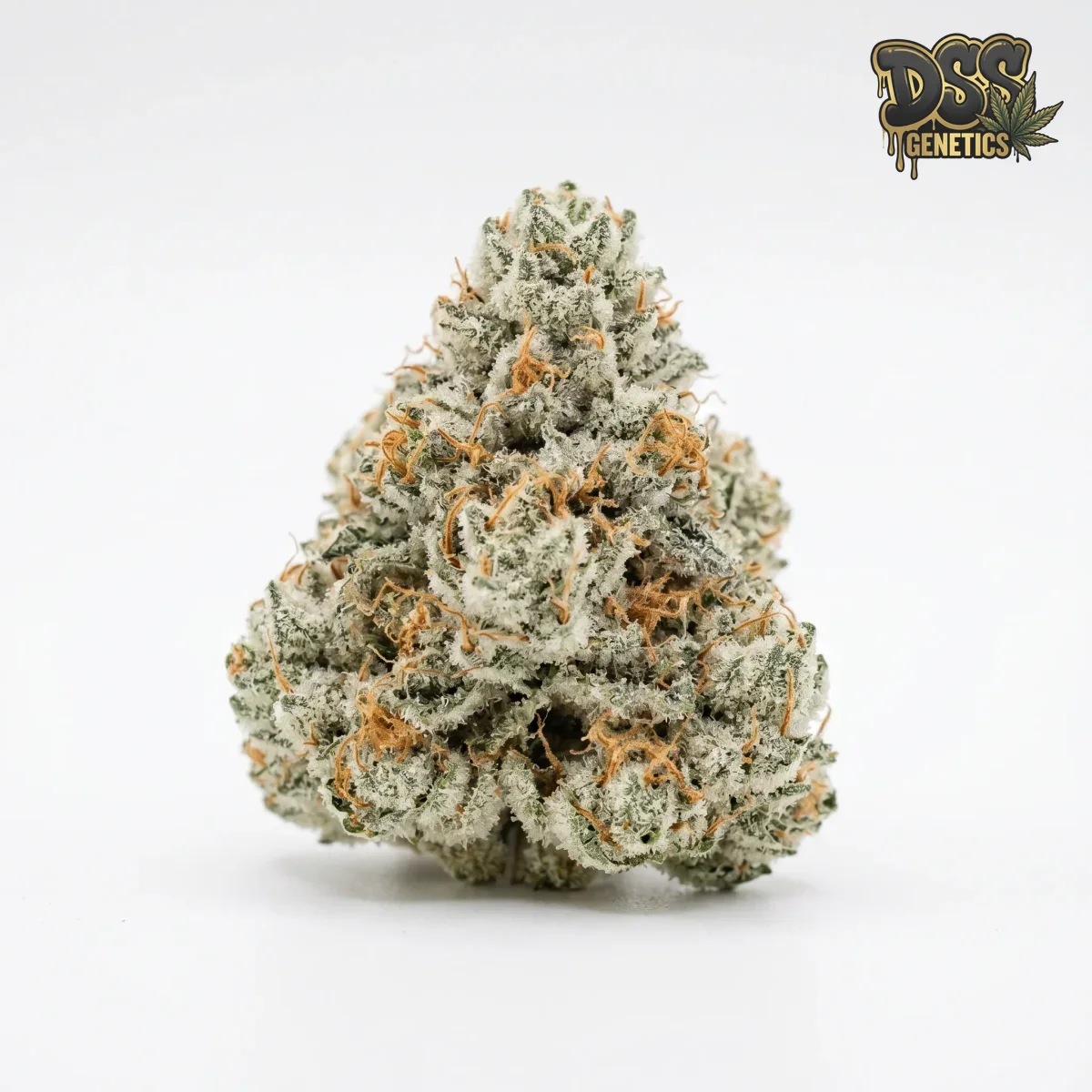 #15
#15Snow White Feminized Seeds
THC 18–24% · 65% Indica / 35% Sativa
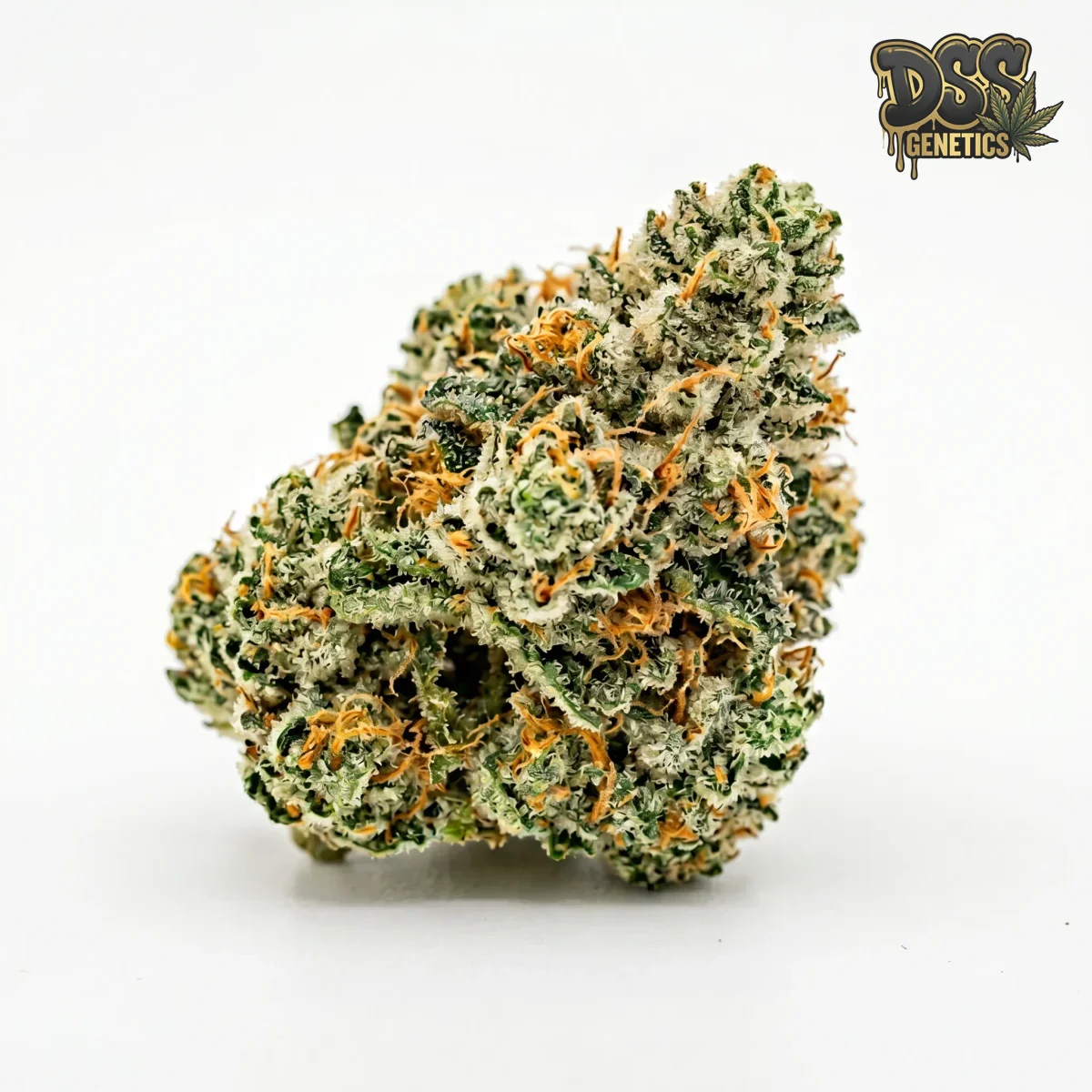 #16
#16AK 47 x Sensi Star Feminized Seeds
THC 18–24% · 60% Indica / 40% Sativa
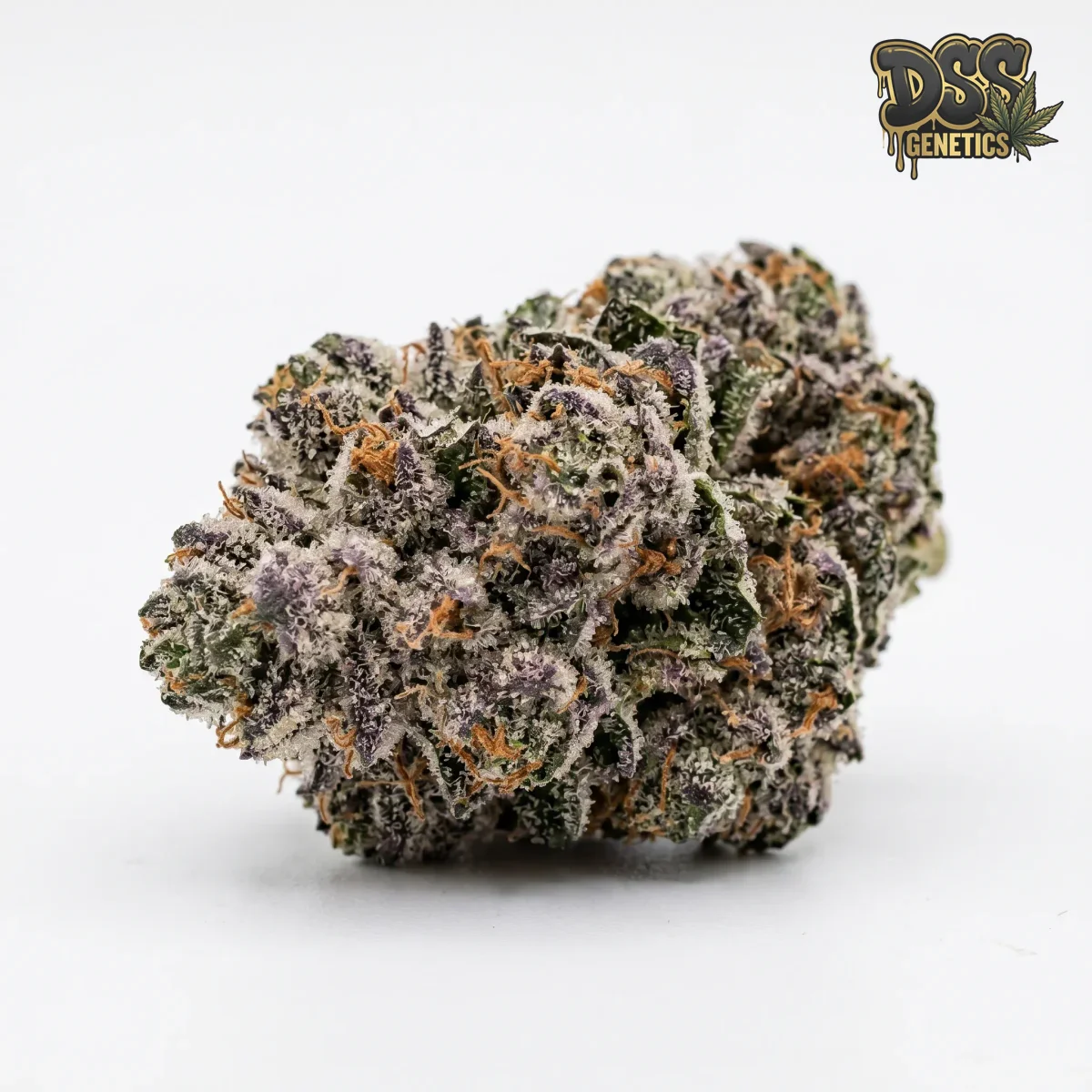 #17
#17Ice Cream Cake Feminized Seeds
THC 19–23% · 75% Indica / 25% Sativa
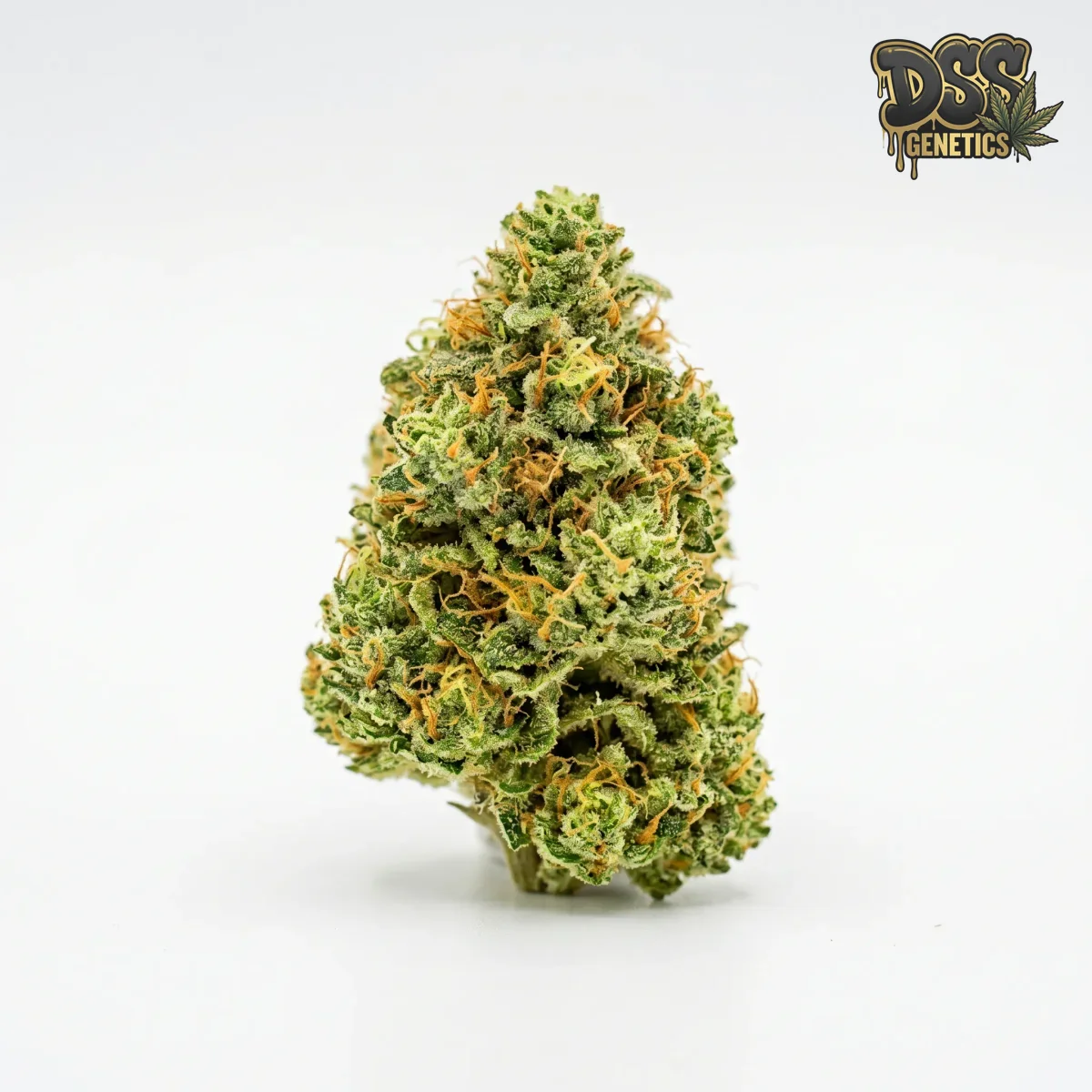 #18
#18Sour Diesel Autoflower Seeds
THC 17–23% · 70% Sativa / 30% Indica
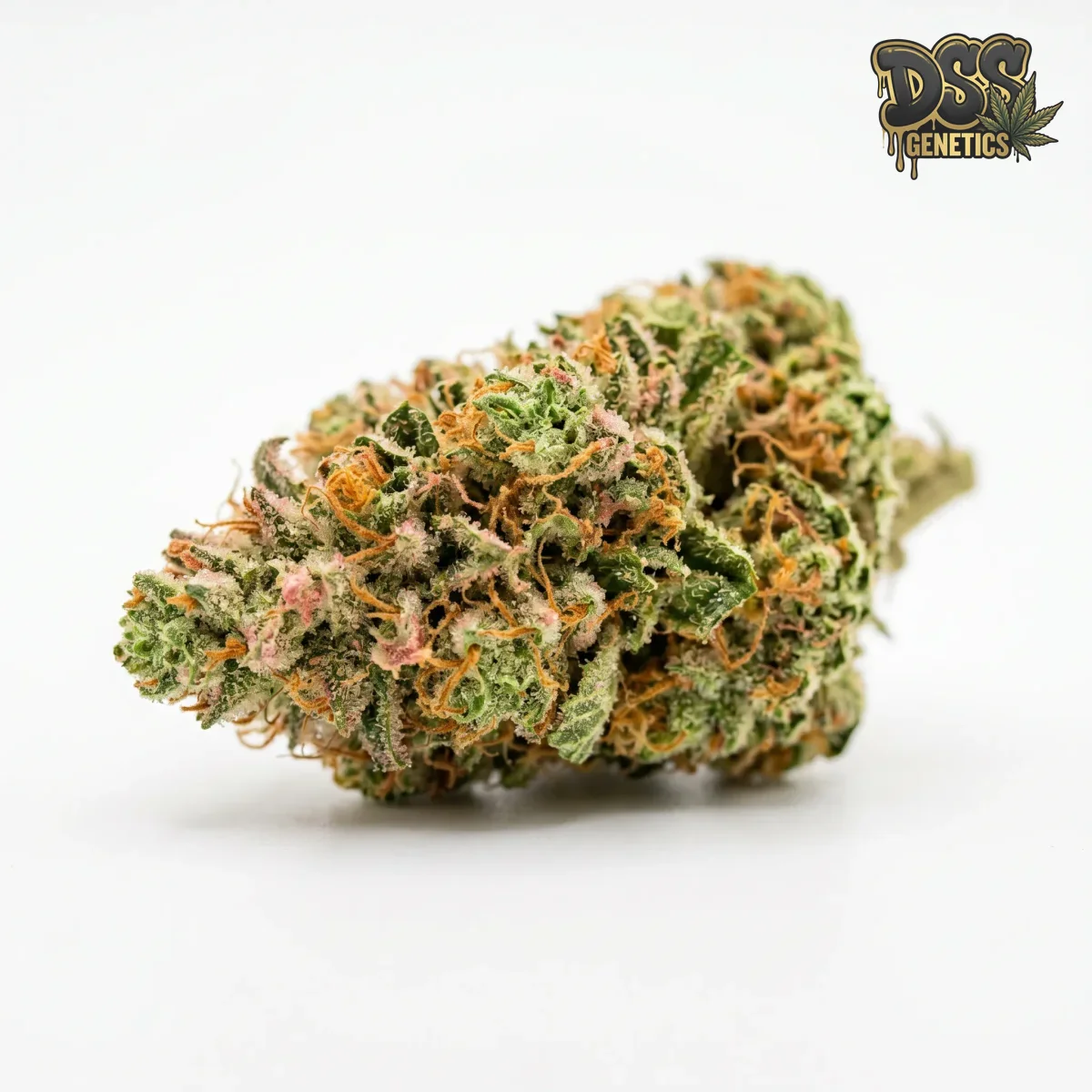 #19
#19Strawberry Diesel Feminized Seeds
THC 19–22% · 50% Sativa / 50% Indica
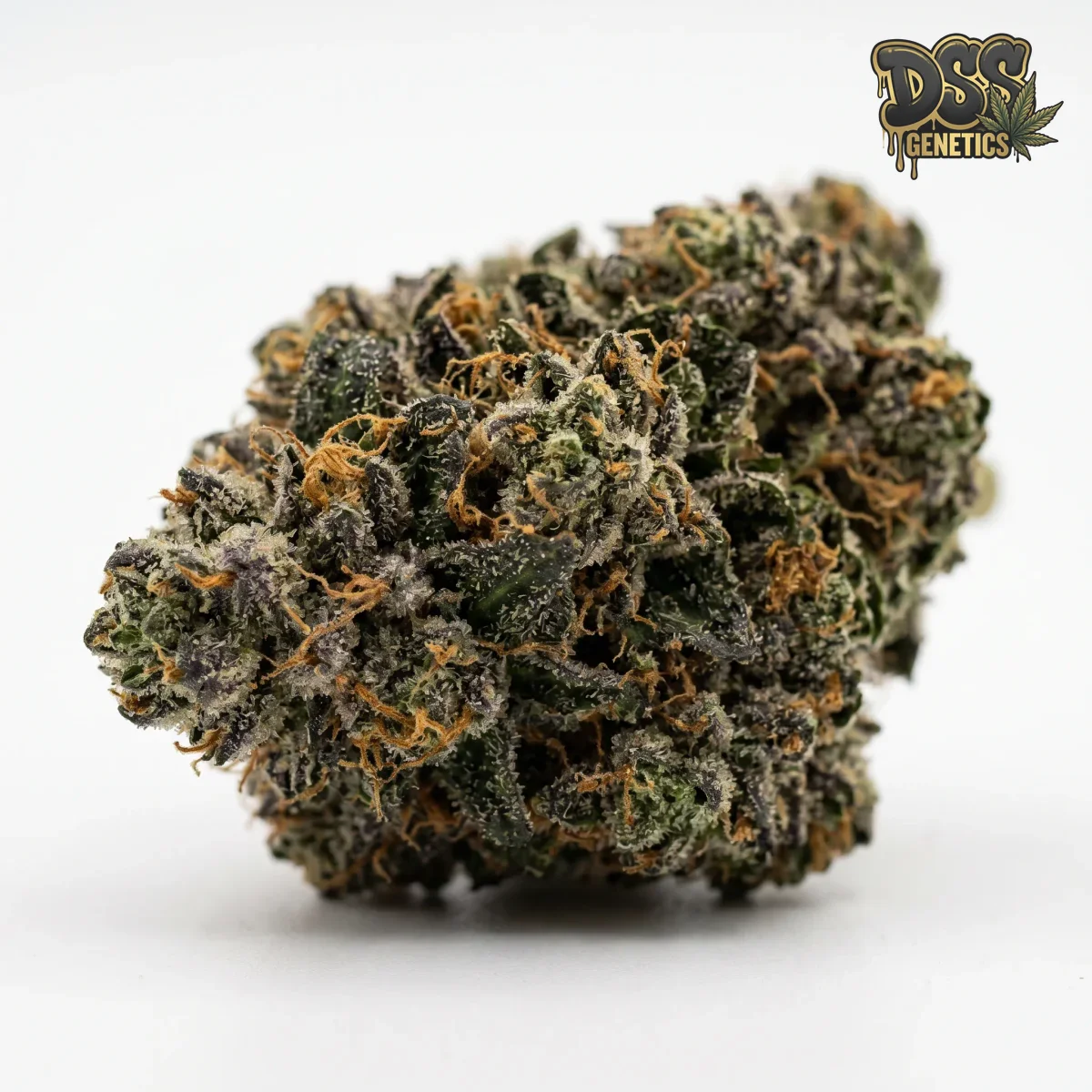 #20
#20Badazz Rolex Feminized Seeds
THC 20–22% · 80% Indica / 20% Sativa
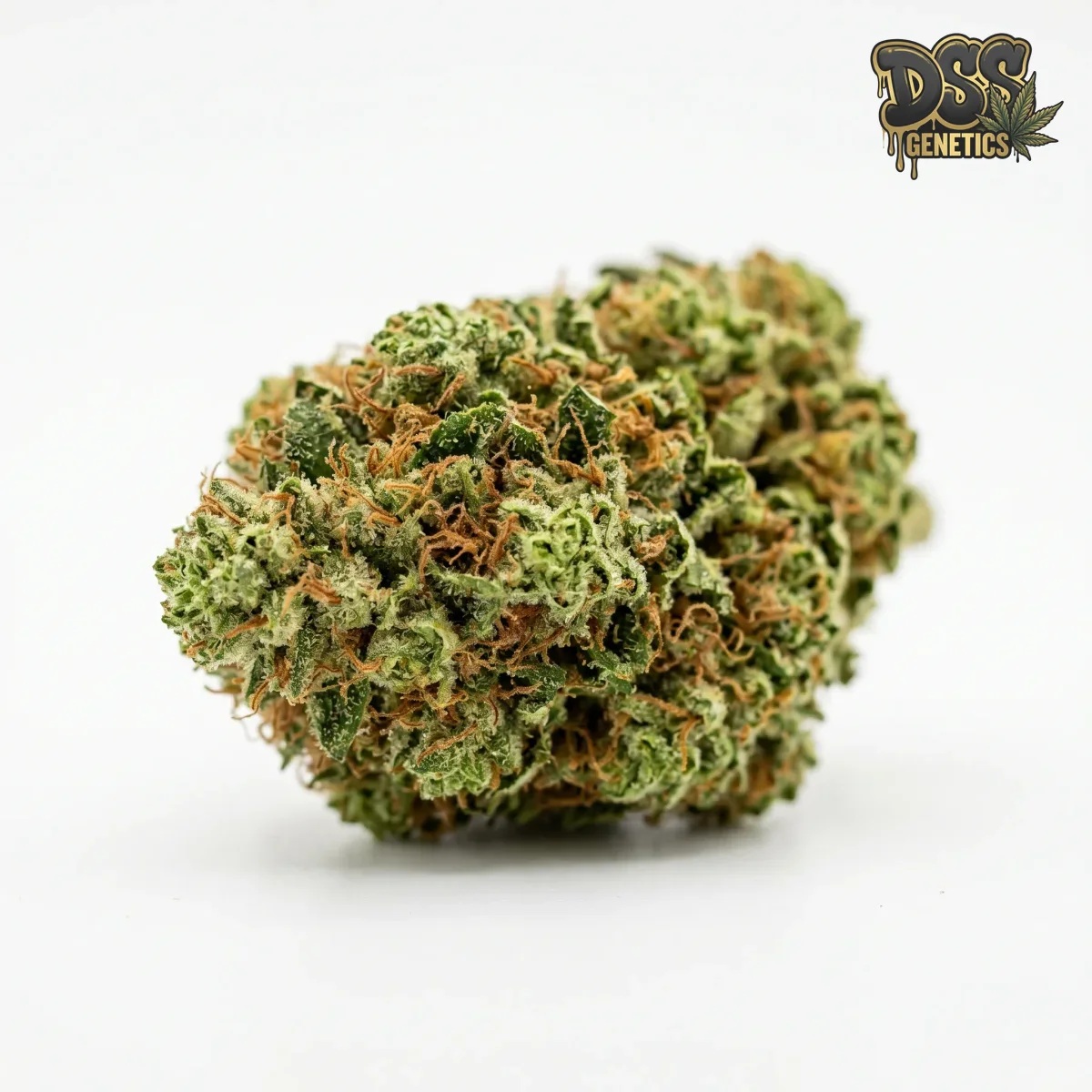 #21
#21Critical Mass Feminized Seeds
THC 18–22% · 80% Indica / 20% Sativa
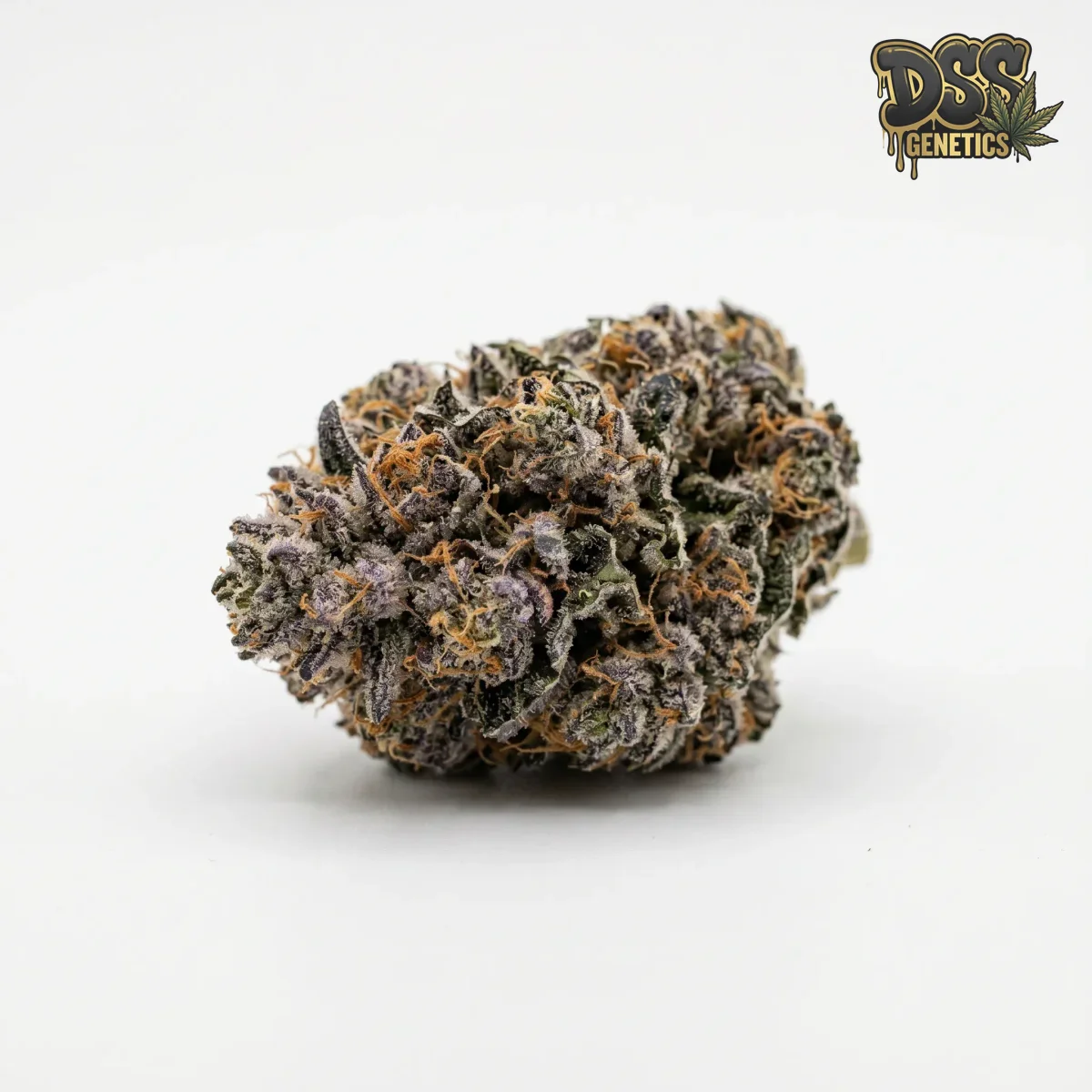 #22
#22Blueberry Autoflower Seeds
THC 18–21% · 80% Indica / 20% Sativa
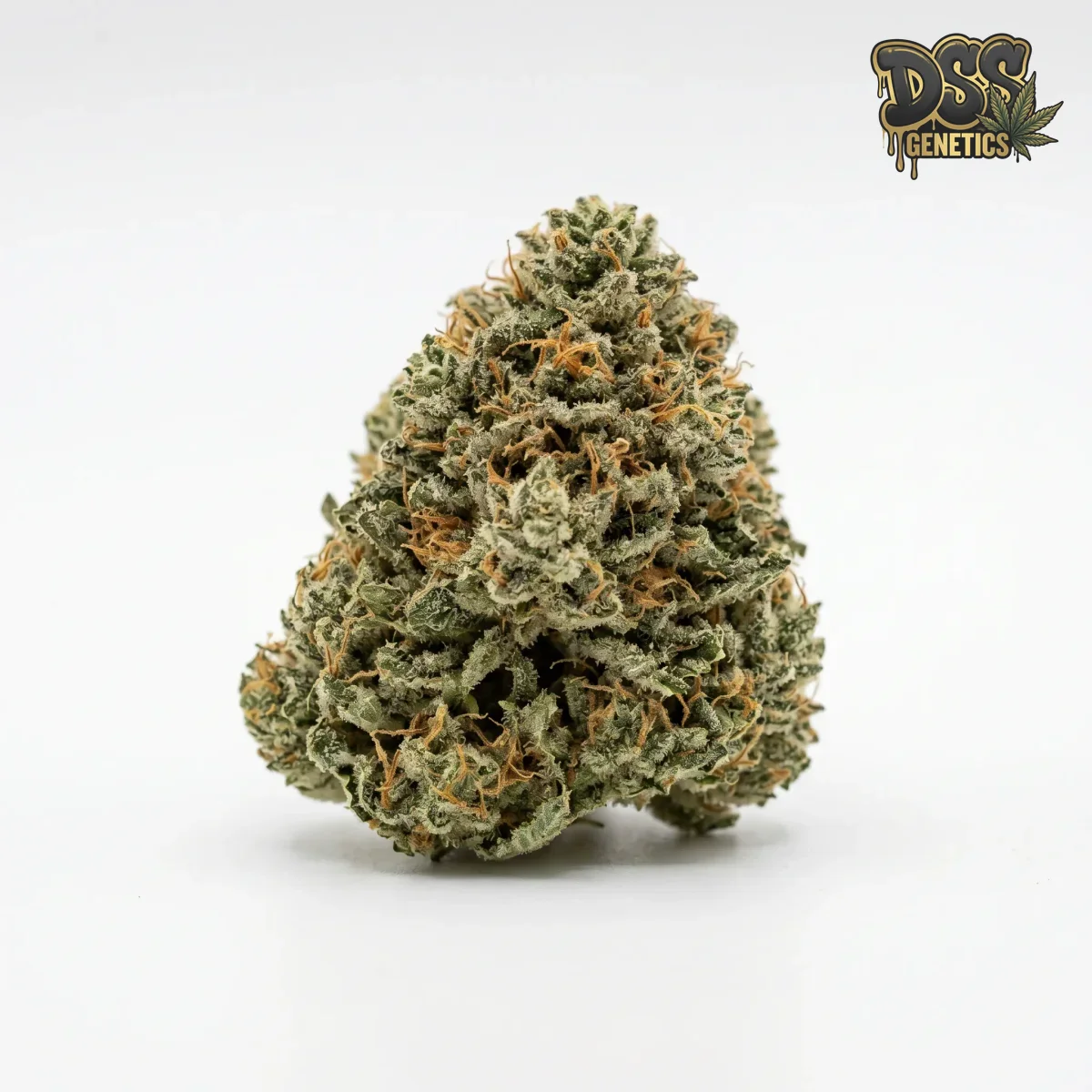 #23
#23OG Kush Autoflower Seeds
THC 17–21% · 50% Sativa / 50% Indica
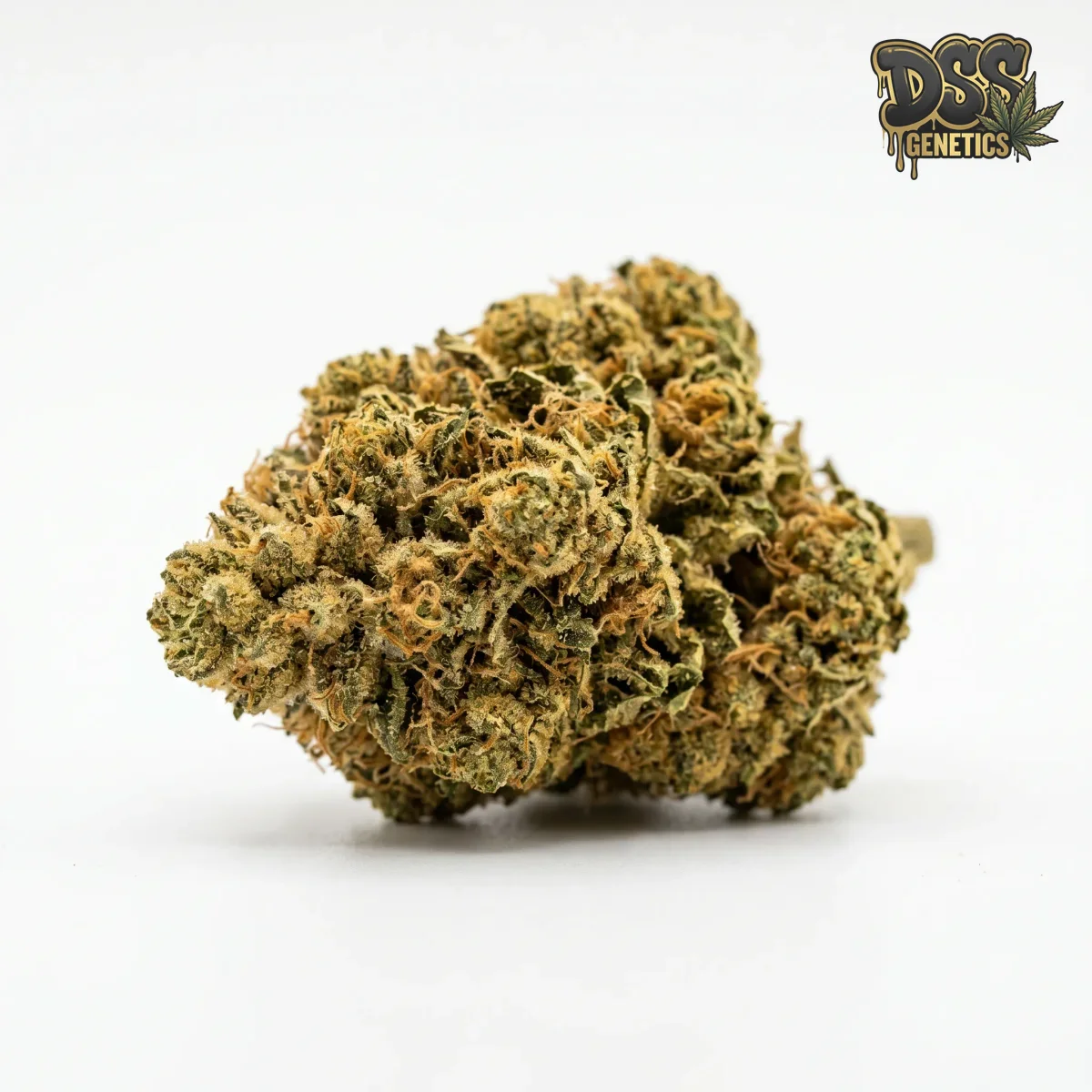 #24
#24Gold Leaf Feminized Seeds
THC 18–21% · 50% Sativa / 50% Indica
Frequently Asked Questions
Is cannabis anti-inflammatory?
Yes — cannabis contains multiple anti-inflammatory compounds. CBD reduces inflammation through PPAR-gamma activation, adenosine signaling, and TNF-alpha suppression. THC modulates immune cell activity through CB1/CB2 receptors. The terpene Caryophyllene activates CB2 receptors on immune cells, directly reducing inflammatory signaling. Whole-plant cannabis addresses inflammation through more pathways than any single pharmaceutical anti-inflammatory.
Is CBD or THC better for inflammation?
CBD is generally preferred for inflammation management because it provides potent anti-inflammatory effects without psychoactive side effects, making it suitable for daily, long-term use. THC adds analgesic benefits and additional immune modulation. The combination of both, with CBD dominant (4:1 or 8:1 ratio), is considered optimal for most inflammatory conditions.
Can cannabis help autoimmune conditions?
Early research suggests cannabis can modulate overactive immune responses in autoimmune conditions like rheumatoid arthritis, Crohn's disease, and multiple sclerosis. CBD's immunomodulatory effects — dampening overactive immunity without fully suppressing immune function — are particularly relevant. Sativex (1:1 THC:CBD) is approved in some countries for MS-related symptoms.
How long does it take for cannabis to reduce inflammation?
Acute anti-inflammatory effects (from a single dose) occur within hours. However, meaningful reduction in chronic inflammation requires consistent daily use for 2-4 weeks. This is similar to pharmaceutical anti-inflammatories, which also require time to reach full effectiveness. CBD at consistent daily doses shows cumulative anti-inflammatory benefits over weeks.
Are cannabis topicals effective for inflammation?
Yes — cannabis topicals deliver cannabinoids directly to inflamed tissue through CB1 and CB2 receptors in the skin and underlying tissue. They are most effective for superficial inflammation (joints near the skin surface, muscle inflammation, skin conditions). For deeper inflammation, combine topicals with oral consumption for both local and systemic anti-inflammatory coverage.
Medical Disclaimer: This information is for educational purposes only and should not be considered medical advice. Always consult a healthcare professional before using cannabis for medical purposes. Individual results may vary.