Lemon Kush Feminized Seeds
By Ivan K., DSS Genetics · Updated April 2026

Lemon Kush Feminized Seeds
SKU: DSS-LEKU-FEM-5PK
Pack Size
Quantity
Disclaimer: For informational purposes only — not medical advice. Consult a healthcare professional before use.
About This Strain
Lemon Kush Feminized Seeds — Complete Strain Profile
Lemon Kush Feminized Seeds – Strain Overview
Lemon Kush is a rare true hybrid — sitting exactly at 50% sativa / 50% indica — built from one of the most geographically diverse breeding combinations in the cannabis world. The cross draws on Afghani landrace stability, South American sativa genetics, the legendary terpene-rich Lemon G, and the award-winning Master Kush to produce something genuinely balanced in both effect and structure. THC ranges from 20–26%, with a CBD content of 1.8–2.3% that's unusually high for a strain in this potency class.
What makes Lemon Kush stand out isn't just the citrus punch — it's the way the genetics complement each other. The Afghani and Master Kush ancestry delivers resin production and physical calm, while the Lemon G and South American lines open up the high with mental brightness and mood elevation. If you're building a beginner-friendly collection without sacrificing potency, Lemon Kush belongs on your shortlist.
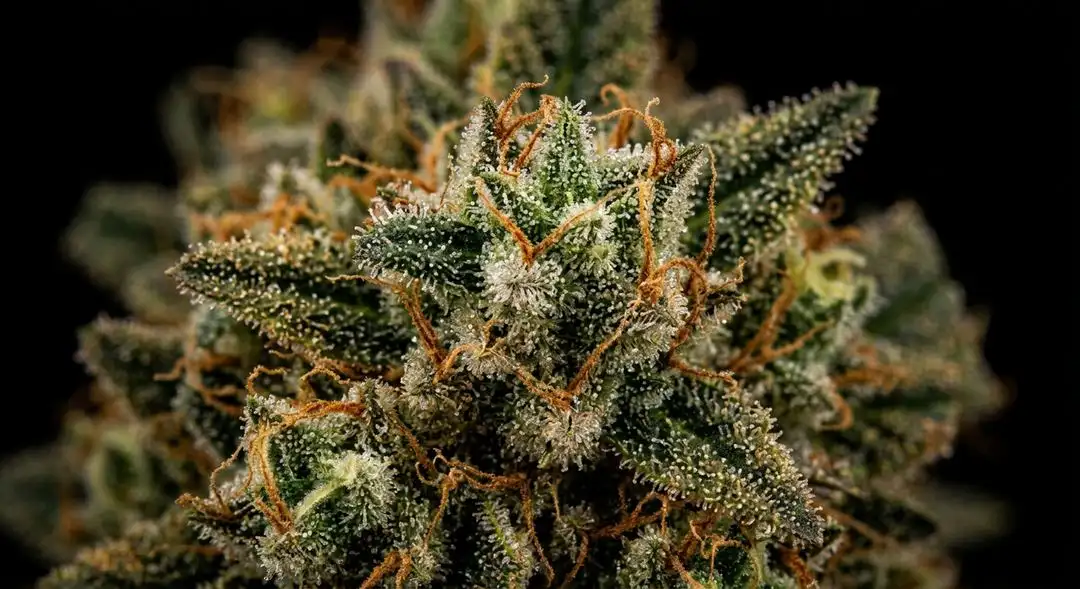
Effects and Medical Benefits
The Lemon Kush experience opens fast. Within the first few minutes, a cerebral warmth spreads from behind the eyes outward — not a racy sativa jolt, but a smooth mental brightening that feels like stepping into afternoon sunlight. That initial euphoria settles into something more grounded over the next 30–45 minutes, as the indica backbone begins to soften the body without dragging you into sedation. The balance is real, not marketing — this is a strain where you can stay functional while genuinely relaxed.
Users commonly report these effects:
- Euphoric uplift — a clean, mood-elevating wave that arrives within the first few minutes
- Full-body relaxation — muscular tension releases gradually without heavy sedation
- Uplifting mental clarity — thoughts feel accessible and positive, not fogged
- Sustained calm — the come-down is gentle, making it suitable for late afternoon or early evening use
On the medical side, Lemon Kush is frequently chosen for:
- Chronic pain and physical discomfort — the indica heritage provides real analgesic depth
- Muscle spasms and inflammation — particularly relevant for athletic recovery or fibromyalgia
- Stress and anxiety — the balanced high avoids the THC-driven anxiety spike that pure sativas can trigger
- Cramps and tension — the muscle-relaxing profile makes it a common choice for menstrual discomfort
The 1.8–2.3% CBD content is where Lemon Kush separates itself from most high-THC hybrids in its class. That CBD range isn't medicinal-grade, but it's high enough to meaningfully interact with THC through the entourage effect — softening the psychoactive edge, extending the anti-inflammatory window, and contributing to the overall relaxed quality of the high that users consistently report.
Aroma, Flavor and Terpene Profile
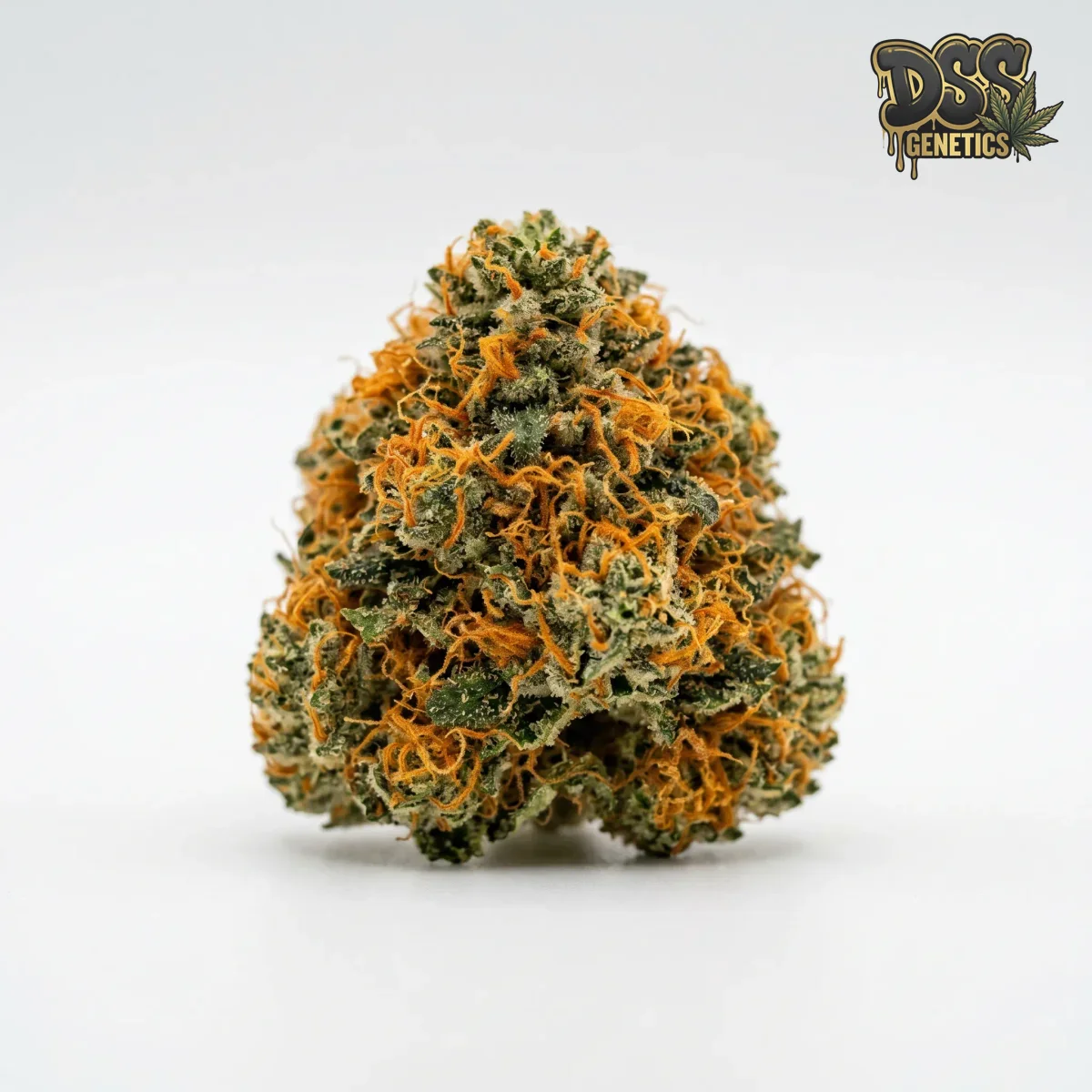
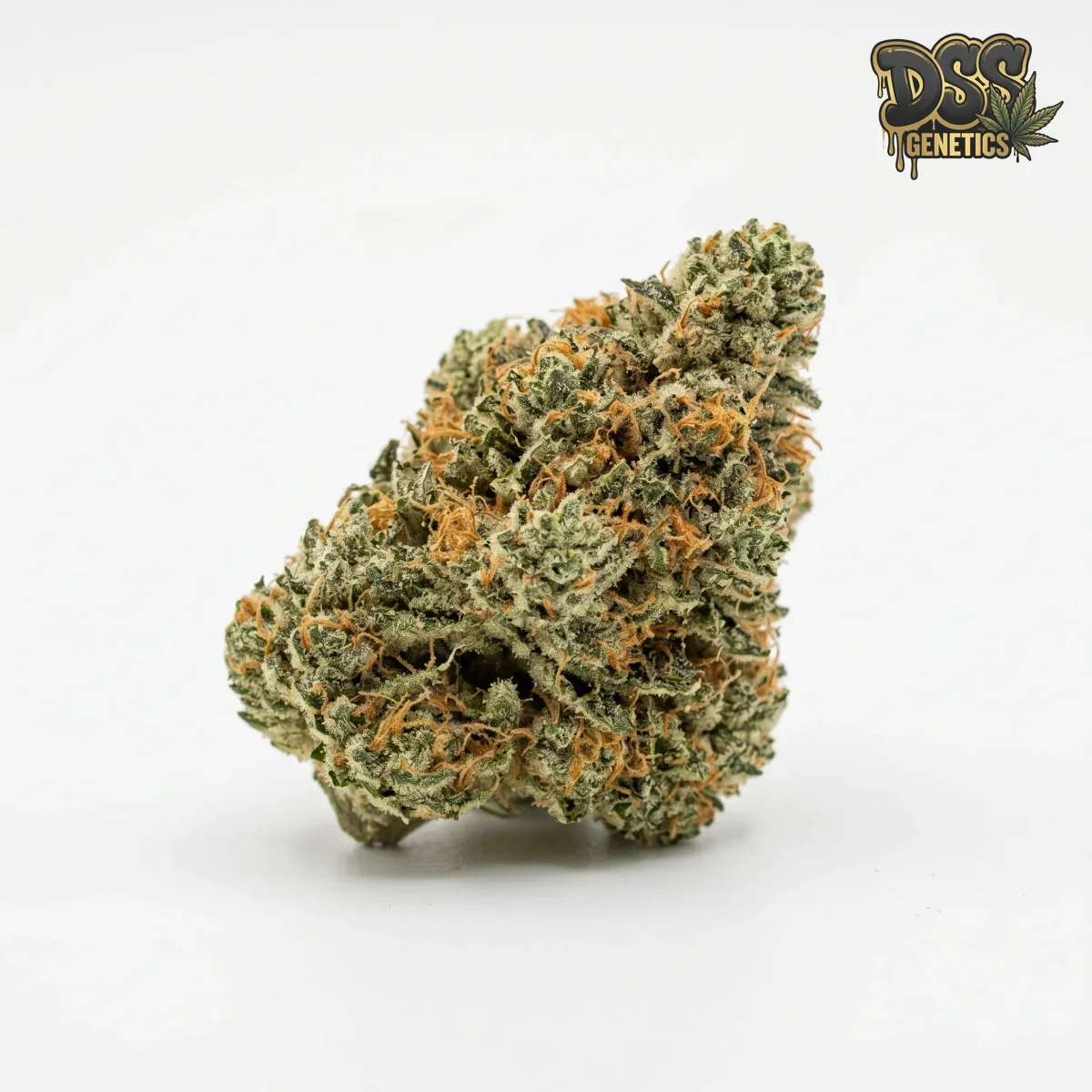
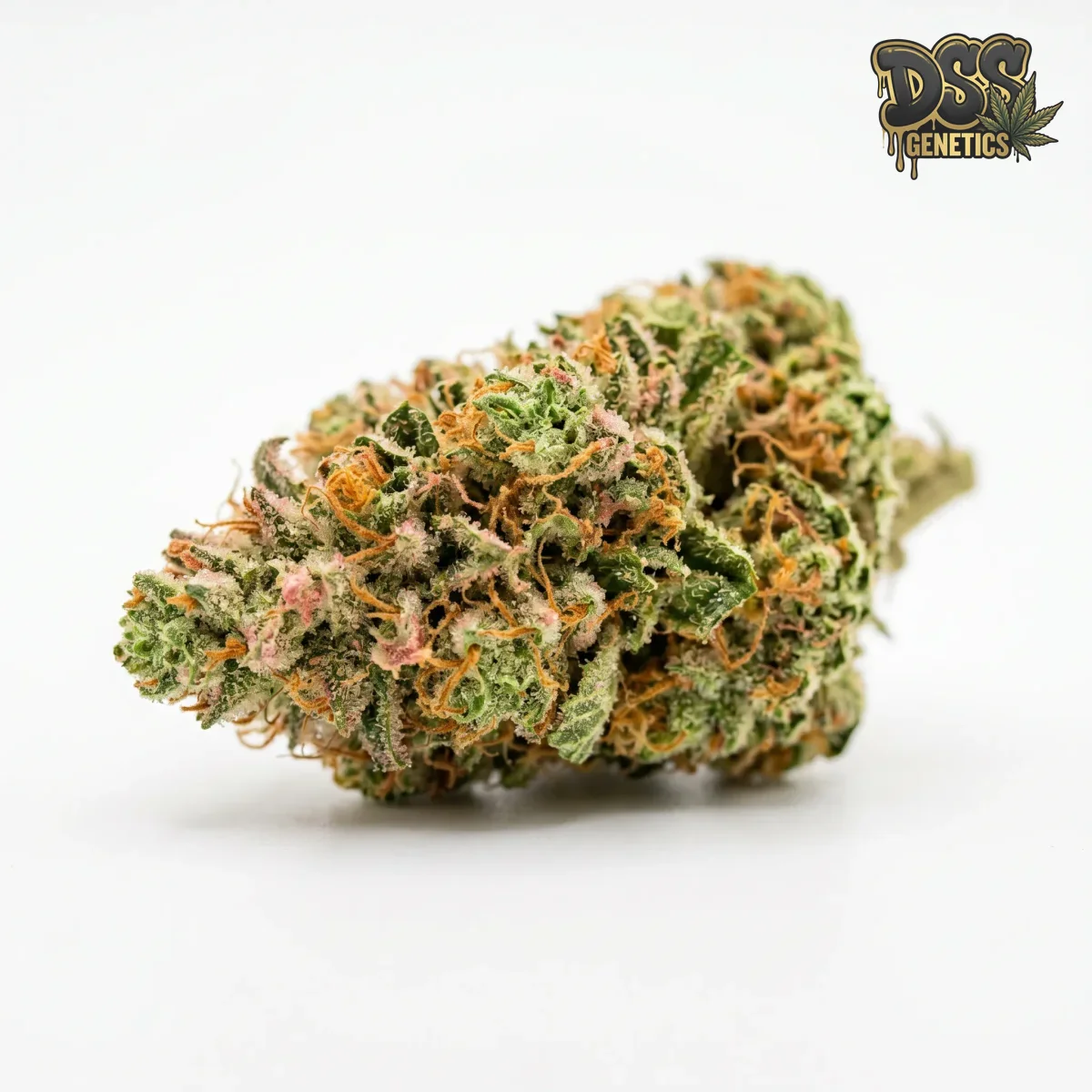
Crack a jar of properly cured Lemon Kush and the first thing you notice is that the lemon isn't subtle — it's immediate, bright, and almost waxy, like freshly grated zest rather than a cleaning product. Behind the citrus, a layer of damp earth and skunk emerges, grounding the aroma in cannabis heritage. There's a faint diesel undercurrent that only becomes apparent on the second inhale, adding complexity without overwhelming the dominant citrus character.
On the exhale, the flavor follows through with the promise the nose makes. The smoke is smooth with a sweet citrus upfront, transitioning into earthy, slightly skunky mid-tones, and finishing with a faint diesel note that lingers on the back of the palate. Vaped at lower temperatures (170–180°C), the terpene expression is cleaner and more citrus-forward, with the earthiness becoming more herbal and less skunky.
Myrcene sits at 0.20% — the highest concentration in this profile — and it does most of the heavy lifting on the aromatic earthiness. In cannabis, Myrcene is the terpene most directly associated with the relaxing, muscle-softening quality of indica-leaning strains. It's also thought to function as a permeability enhancer, helping cannabinoids cross the blood-brain barrier more readily. That's part of why Lemon Kush's 20–26% THC hits with a completeness that goes beyond raw percentage.
Humulene matches Myrcene at 0.20%, which is an unusually prominent showing for a terpene that's often present only in trace amounts. Humulene carries dry, woody, and subtly spicy notes — think hops and dried herbs rather than anything floral. Beyond aroma, it contributes anti-inflammatory properties that complement the strain's medical applications for pain and muscle spasms, and some research points to appetite-suppressing effects that contrast with the classic cannabis munchies.
Limonene at 0.07% is the signature terpene here in terms of character, even if it isn't the most abundant. It's responsible for the clean, citrus-forward aroma that defines Lemon Kush's identity — and beyond smell, Limonene has documented mood-elevating and anxiolytic properties that directly support the strain's uplifting, stress-relieving effect profile. In our experience, strains with even modest Limonene concentrations tend to carry a brighter, more optimistic quality to their high, and Lemon Kush is a clear example of that.
Growing Lemon Kush Seeds
Lemon Kush is genuinely easy to grow — not as a marketing softener, but as a practical description of how this strain behaves in real growing conditions. The balanced genetics produce a medium-sized plant with a structure that doesn't require aggressive intervention: a central main cola with lateral branches that develop well naturally, and a root system resilient enough to handle minor nutrient fluctuations without throwing a visible tantrum. First-time growers can achieve respectable results; experienced growers can push this strain to its upper yield ceiling without fighting the plant at every stage.
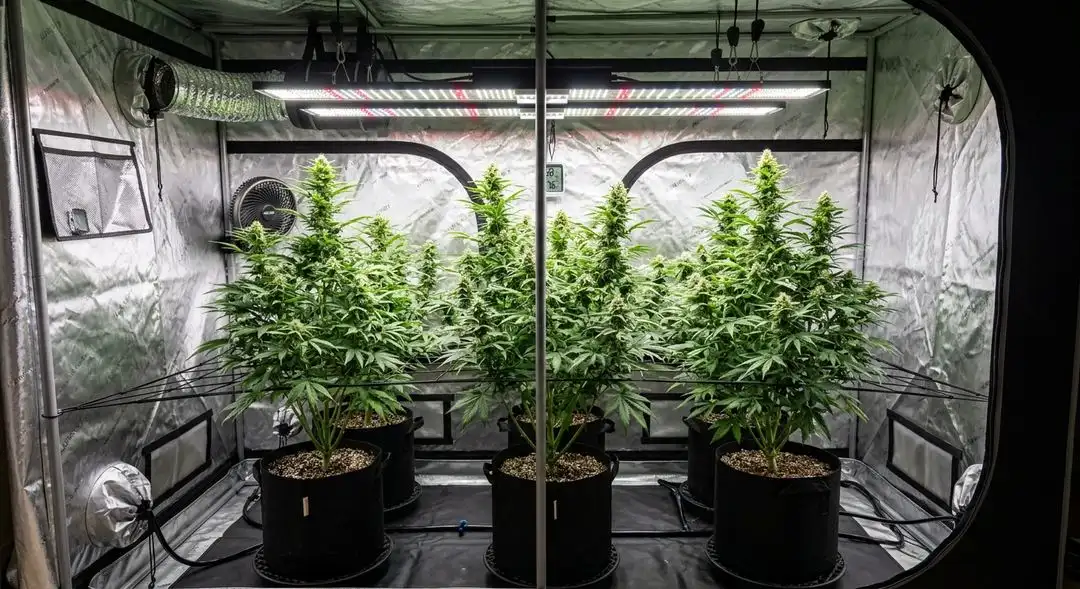
Indoors, aim for temperatures between 70–82°F (21–28°C) during the vegetative stage and pull back slightly to 65–78°F (18–26°C) during flowering to encourage terpene preservation and resin development. Humidity should sit at 50–60% RH through veg, dropping to 40–50% during early flower and down to 38–45% in the final two weeks to reduce any mold risk on the denser colas.
Outdoors, Lemon Kush prefers a temperate to warm climate with consistent sun exposure. The South American and Afghani heritage means it can handle mild temperature swings, but sustained cold below 55°F (13°C) during flowering will slow development and diminish terpene output. Plan outdoor grows for regions with reliable summers and aim to harvest before the first frost risk window.
Key growing tips for Lemon Kush:
- Training: Responds exceptionally well to LST and light topping — bending main branches outward in early veg opens up the canopy and dramatically increases bud site count without stressing the plant
- Nutrient timing: During the vegetative stage, feed a nitrogen-rich base and build up calcium and magnesium; flip to higher phosphorus and potassium at week 4 of flower — Lemon Kush responds to the transition quickly and visibly
- Indoor setup: A standard 4×4 tent handles 2–4 plants comfortably; check the indoor growing guide for light spacing and VPD management to keep the growing environment dialed in throughout the 55–65 day flower cycle
- Outdoor considerations: Lemon Kush performs well in garden beds and large containers — review the outdoor growing guide for soil amendment and seasonal timing recommendations specific to your climate zone
- Full-spectrum nutrients: Don't skip micronutrients — the nutrient guide covers how sulfur and boron contribute to terpene synthesis, which matters for a strain where the terpene profile is a core part of the product's value
Yield and Flowering Time
Lemon Kush finishes its flowering cycle in 55–65 days — call it 8–9 weeks, which is on the faster end of the spectrum for a strain with this level of cannabinoid and terpene complexity. Indoor yields land consistently at 1.5–1.8 oz/ft² under optimized conditions, which places it firmly in the high-yield category for a medium-sized plant. Outdoor plants are capable of producing 17–21 oz per plant when given a full season with adequate sun and root space — that's a meaningful return for a strain that doesn't demand expert-level management to achieve it.
What we've found over dozens of grows is that the difference between average and exceptional yields with Lemon Kush comes down to the final two weeks of flower. The plant wants to pack on weight late in the cycle, and growers who flush early or harvest at the first sign of amber will leave significant yield — and terpene development — on the table. Push through to the 60-day mark unless trichome inspection tells you otherwise.
To maximize your harvest:
- Trichome timing: Target 70–80% cloudy/milky trichomes with 15–20% amber for peak THC expression and the relaxing effect profile this strain is known for — harvesting earlier will shift the high toward a more cerebral, less-settled quality
- Late-flower humidity control: Pull RH down to 38–42% in the final 10–14 days; Lemon Kush buds can achieve notable density, and airflow management matters more than most growers expect at this stage
- Flushing protocol: Run plain water or a mild flushing solution through the final 7–10 days to clear residual nutrients and allow the plant's stored energy to finish bud development naturally
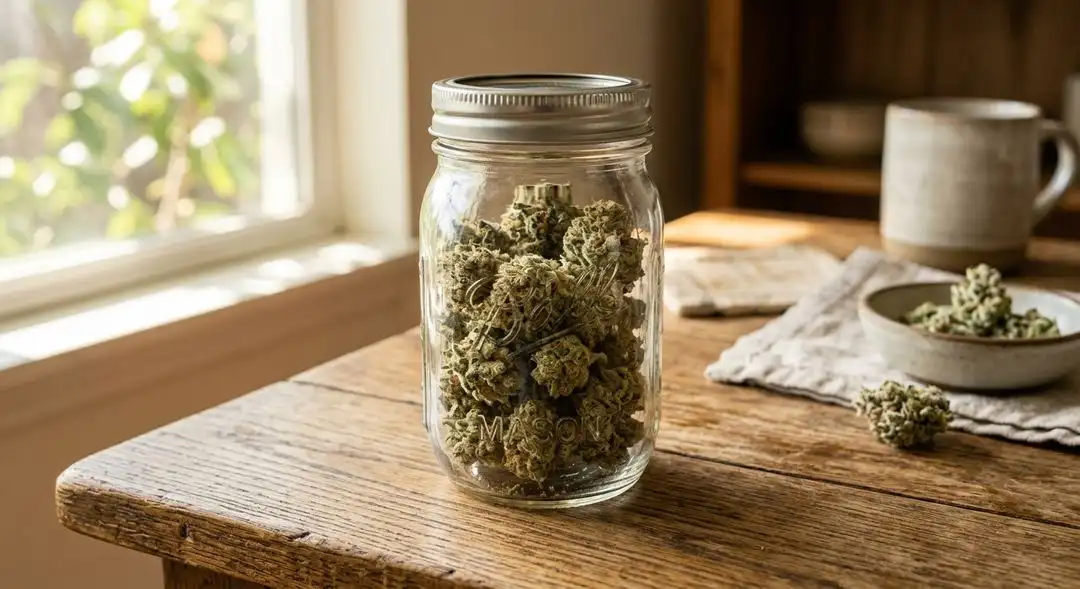
- Drying and curing: A slow dry at 60–65°F / 58–62% RH for 10–14 days followed by a minimum 30-day jar cure is essential to preserving the citrus and earthy terpene complexity that defines this strain — rush the cure and you'll lose much of what makes Lemon Kush worth growing
Why Buy Lemon Kush Seeds from DSS Genetics?
Every Lemon Kush feminized seed ships with a full germination guarantee — if a seed doesn't sprout under proper conditions, we replace it, no questions asked. Orders ship in discreet, plain packaging with no cannabis branding visible on the exterior. We store seeds at controlled temperature and humidity levels from the moment they arrive in our facility, so what you plant reflects the genetic potential this cross was bred to deliver.
- Germination guarantee — every seed backed by our replacement policy, no hoops to jump through
- Discreet shipping — plain, unmarked packaging on every order
- Free premium seeds on orders $100+ — hand-selected bonus seeds included automatically at checkout
- Optimized seed storage — temperature and humidity-controlled from our warehouse to your door, protecting viability from day one
Frequently Asked Questions
Is Lemon Kush a good strain for beginner growers?
Yes — Lemon Kush is rated easy difficulty and is one of the more forgiving strains in its THC class. The plant handles minor nutrient fluctuations and environmental variation without excessive stress responses, which makes it a strong candidate for growers building their first few grows. Start by reviewing the germination guide to give your seeds the best possible start, and explore the broader easy-to-grow collection if you want to compare options before committing.
How does the CBD content affect the Lemon Kush experience?
The 1.8–2.3% CBD content is meaningfully higher than most recreational hybrids in the 20–26% THC range. That CBD level doesn't produce a medicinal, low-psychoactive effect on its own, but it interacts with THC to soften the high's edges — reducing the likelihood of anxiety or racing thoughts while extending the anti-inflammatory and muscle-relaxing benefits. This interaction is a documented expression of the entourage effect, and it's part of why Lemon Kush is frequently recommended for anxiety and stress relief despite its high THC ceiling. For those seeking even higher CBD ratios, explore the high-CBD collection.
What does Lemon Kush smell and taste like?
The aroma is built around an immediate, waxy lemon citrus note — not artificial, but bright and zesty. Beneath the citrus sits a layer of damp earth, light skunk, and a faint diesel undercurrent that becomes clearer on the second inhale. The flavor on the exhale carries the citrus up front, transitions into earthy and slightly skunky mid-tones, and finishes with a lingering diesel note. The three terpenes driving this profile are Myrcene (0.20%), Humulene (0.20%), and Limonene (0.07%) — all present in a ratio that puts citrus character front and center even without Limonene dominating by volume.
How long does Lemon Kush take
Medical Disclaimer: This information is for educational purposes only and should not be considered medical advice. Always consult a healthcare professional before using cannabis for medical purposes. Individual results may vary.
Frequently Asked Questions
Lemon Kush — Common Questions Answered
What is Lemon Kush?
Lemon Kush is a balanced hybrid cannabis strain (50% Sativa / 50% Indica) bred from Afghani x South American x Lemon G x Master Kush. It produces THC levels of 20–26% and CBD levels of 1.8–2.3%. Known for its relaxing, euphoric, uplifting effects and sweet, earthy, citrus flavor profile.
Is Lemon Kush easy to grow?
Yes, Lemon Kush is an excellent choice for beginners. It has a forgiving growth pattern and doesn't require advanced techniques to produce good yields. Growing difficulty: Easy. It thrives in temperate climates and reaches a medium plant size.
How long does Lemon Kush take to flower?
Lemon Kush has a flowering time of 55–65 days. Switch to a 12/12 light cycle to initiate flowering. Expected yields are 1.5 to 1.8 oz/ft² indoors and 17 to 21 oz/plant outdoors.
What are the effects of Lemon Kush?
Lemon Kush delivers relaxing, euphoric, uplifting effects. Many growers report it helps with pain, muscle spasms, stress, anxiety, inflammation, cramps. With THC levels of 20–26%, it is a potent strain — start with a low dose if you have low tolerance.
What does Lemon Kush smell and taste like?
Lemon Kush's dominant terpenes are Myrcene (0.20%), Limonene (0.07%), Humulene (0.20%), which give it a sweet, earthy, citrus, lemon, diesel, skunky flavor and aroma profile.
Can I grow Lemon Kush indoors and outdoors?
Yes, Lemon Kush performs well both indoors and outdoors. Indoor yields average 1.5 to 1.8 oz/ft², while outdoor grows can produce 17 to 21 oz/plant. It prefers temperate conditions. Its medium height is manageable in most indoor setups.
What does "feminized" mean for Lemon Kush seeds?
Feminized Lemon Kush seeds are bred to produce only female plants, which are the ones that develop smokable buds. This eliminates the need to identify and remove male plants, saving time and maximizing your grow space. Over 99% of feminized seeds will produce female plants.
Grower Reviews
Real grow experiences from our community
Get 10% Off Your First Order
Join our newsletter for exclusive deals, growing tips, and new strain drops.