Pineapple Chunk Feminized Seeds
By Ivan K., DSS Genetics · Updated April 2026

Pineapple Chunk Feminized Seeds
SKU: DSS-PICH-FEM-5PK
Pack Size
Quantity
Disclaimer: For informational purposes only — not medical advice. Consult a healthcare professional before use.
About This Strain
Pineapple Chunk Feminized Seeds — Complete Strain Profile
Pineapple Chunk Feminized Seeds – Strain Overview
Pineapple Chunk is an 80% indica-dominant powerhouse built from three legendary parents: Pineapple, Skunk No. 1, and Cheese. That breeding combination isn't accidental — each parent contributes something essential. Pineapple brings the unmistakable tropical sweetness and uplifting euphoria, Skunk No. 1 locks in resin production and structural stability, and Cheese adds the funky depth that keeps the flavor profile from being one-dimensional. The result is a strain with 15–25% THC that punches well above its weight class for an easy-to-grow strain.
What sets Pineapple Chunk apart from other indica-leaning hybrids is the way its effects unfold — there's genuine warmth and happiness before the body relaxation takes hold, making it far more social than a typical 80% indica. The genetics also contribute to exceptional resin output, with buds that stack dense and sticky throughout a compact medium-sized plant structure. If you're building a best indica grow tent or garden, Pineapple Chunk earns its spot on that list every time.

Effects and Medical Benefits
The Pineapple Chunk high opens with a lift that feels almost sativa-like given the genetics — a warm cerebral wave of happiness and mild euphoria that settles in behind the eyes within the first five minutes. Most users describe feeling genuinely cheerful rather than simply stoned. That uplifted mental state typically holds for 30–45 minutes before the indica heritage steps in and begins unwinding muscle tension from the shoulders down.
By the second hour, the physical relaxation deepens noticeably. This isn't the aggressive couch-lock of a pure indica — there's enough sativa in the lineage to keep thoughts pleasant and conversation easy — but you're not cleaning the house either. Evening use is the sweet spot, particularly for unwinding after a physically demanding day or easing into sleep without feeling completely sedated.
Users consistently report these effects:
- Deep physical relaxation — full-body calm that eases tension without total sedation
- Euphoric happiness — genuine mood lift rather than flat intoxication
- Gentle uplift — the 20% sativa keeps the mind engaged early in the high
- Lasting comfort — effects hold steady for 2–3 hours at moderate doses
On the medical side, Pineapple Chunk's broad cannabinoid range (15–25% THC, 0.1–1% CBD) makes it a versatile choice for symptom management. Patients commonly reach for it to address:
- Chronic pain — especially muscular tension and general body aches
- Stress — the euphoric onset interrupts rumination quickly
- Anxiety — best at moderate doses; very high doses of any potent strain can intensify anxiety
- Inflammation — supported by both Caryophyllene's CB2 binding activity and the CBD fraction
The interaction between Pineapple Chunk's THC, CBD, and terpene content is a textbook example of the entourage effect — the Myrcene and Caryophyllene work alongside the cannabinoids to deepen the anti-inflammatory and anxiolytic response beyond what THC alone would produce, while Linalool contributes measurable calming properties that the 0.1–1% CBD fraction reinforces rather than duplicates.
Aroma, Flavor and Terpene Profile
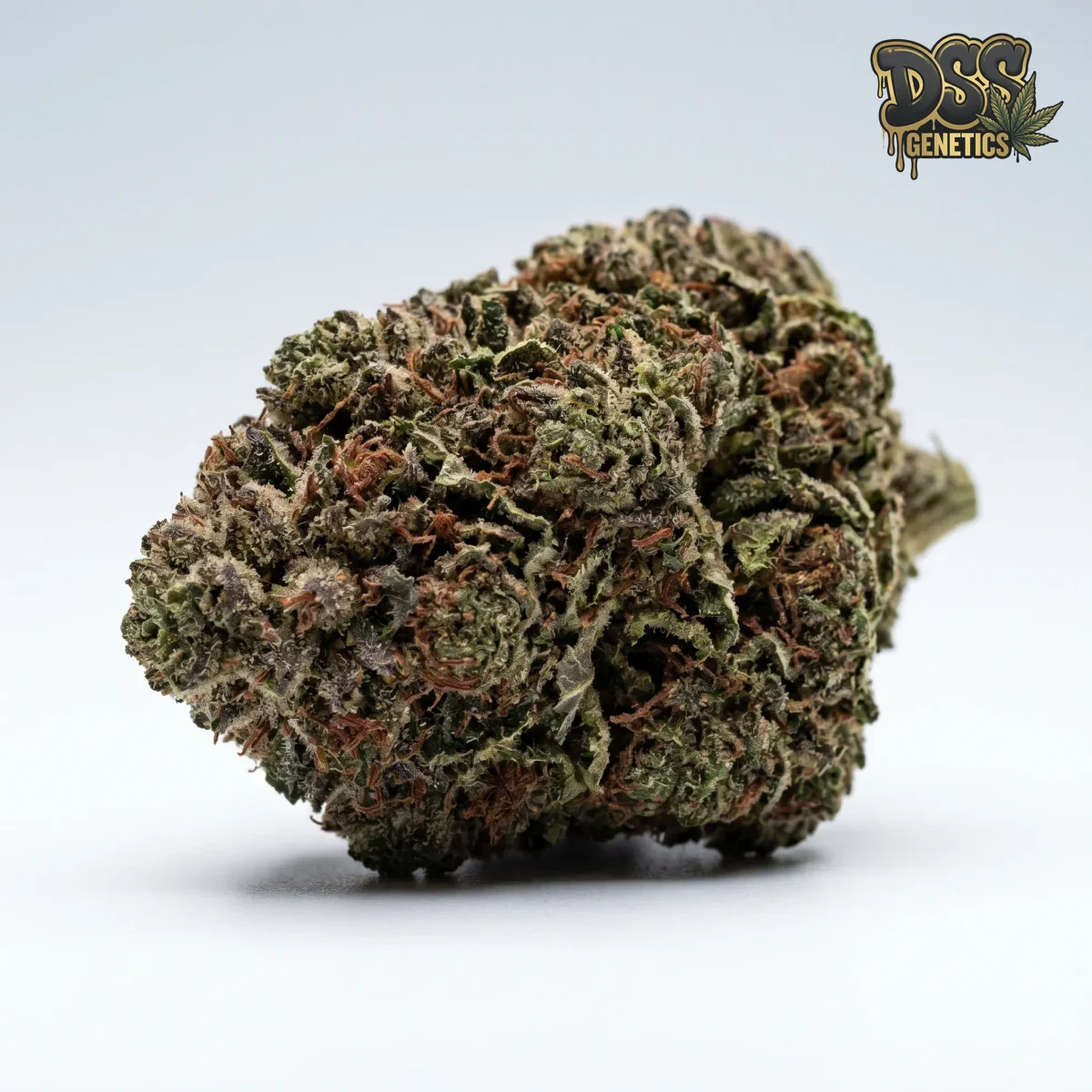
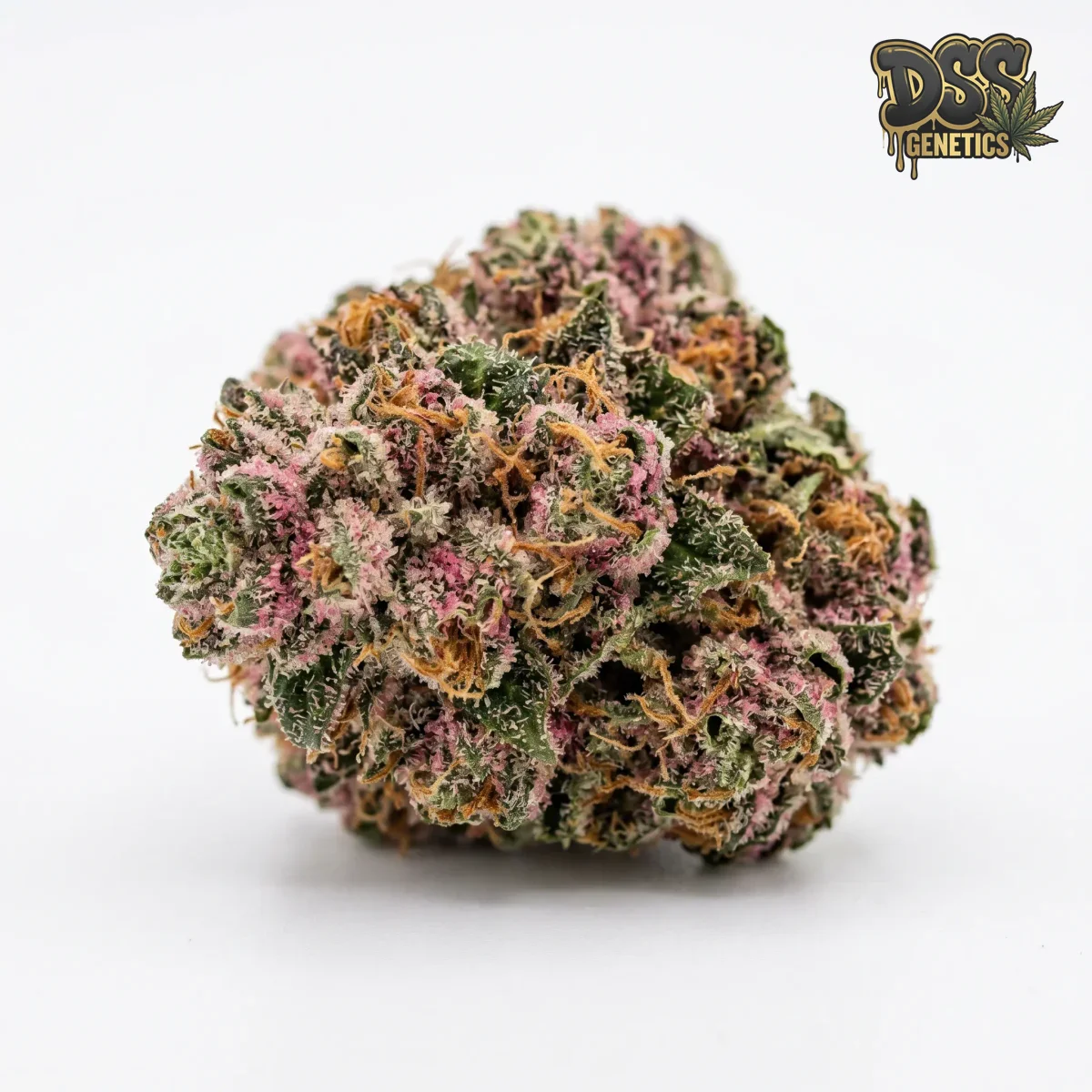
Breaking open a Pineapple Chunk bud is one of those moments that stops you mid-motion. The first rush is undeniably tropical — ripe pineapple and citrus zest, the kind of smell that doesn't feel like it belongs in a grow room. Then the Skunk No. 1 heritage asserts itself with a sharp, fuel-edged funk underneath, and just as you're adjusting to that, the Cheese genetics land a savory, almost barnyard note that ties the whole profile together into something genuinely complex.
On the inhale, sweet earthiness coats the palate first — think brown sugar over damp soil. The exhale is where the tropical fruit notes fully develop, arriving alongside a mild citrus tang that fades into a soft, cheesy finish. The skunky quality never overwhelms; it acts more like a foundation that keeps the sweetness from reading as artificial. This is a strain with real flavor depth, not a one-note candy profile.
Myrcene is the dominant terpene in Pineapple Chunk's profile and the primary reason for both the earthy-fruity character and the deeply relaxing body effect. As the most abundant terpene in cannabis overall, Myrcene carries a ripe, slightly herbal muskiness that forms the base of the aroma. Research suggests it may enhance cannabinoid permeability across the blood-brain barrier, potentially explaining why Myrcene-heavy strains often feel more potent than their THC percentage alone would predict.
Caryophyllene is the only terpene known to directly interact with the body's CB2 endocannabinoid receptors — a property that makes it uniquely valuable in strains targeting inflammation and pain. In Pineapple Chunk, it adds a warm, peppery spice note that sharpens the overall aroma and provides a subtle bite on the exhale. It's also the terpene most responsible for the strain's ability to ease physical tension without requiring maximum THC doses to do so.
Linalool brings the calming dimension to this profile that most people associate with lavender — because lavender is one of linalool's richest natural sources. In cannabis, it softens the edges of the Caryophyllene's spice and contributes to the anti-anxiety, stress-reducing quality of the experience. It's present at lower concentrations here, but its influence on mood and the overall mellow character of the high is disproportionate to its quantity.
Finally, Humulene adds a dry, woody, slightly hoppy character — not surprising given that hops and cannabis share it as a common terpene. Beyond aroma, Humulene has documented appetite-suppressing properties, which is an unusual quality in a predominantly indica strain. It also contributes anti-inflammatory activity that works in concert with Caryophyllene's CB2-binding effects.
Growing Pineapple Chunk Seeds
Pineapple Chunk is one of the most genuinely beginner-friendly strains in the indica category, but don't mistake easy for effortless. The Skunk No. 1 genetics provide structural robustness and disease resistance that forgive minor mistakes, while the Cheese lineage contributes a slightly pickier palate when it comes to environmental consistency. Nail the fundamentals and this strain rewards you with resinous, dense buds and yields that punch well above what you'd expect from a medium-sized plant.
Temperature management is straightforward: keep the canopy between 70–80°F (21–27°C) during the light cycle and avoid dropping below 60°F (16°C) at night. The Cheese genetics in particular don't love wide temperature swings — more than a 15°F day-to-night differential can slow development and stress the plants during late flower. Humidity should sit at 50–60% through vegetative growth, then drop to 40–50% once flowering begins. Pull it down to 40–45% in the final two weeks to protect the dense colas from any mold pressure.
The plant structure is compact and medium in height, which makes it exceptionally well-suited to indoor environments where vertical space is limited. Node spacing is tight, and the branching is naturally bushy — both traits that support high bud site density without aggressive intervention. That said, the canopy does close in quickly, so some form of defoliation or training during the stretch phase is worth the effort.
What we've found over dozens of grows is that Pineapple Chunk responds exceptionally well to a modest phosphorus boost starting at week three of flower. The Skunk No. 1 heritage gives these plants a genuine appetite for P and K during bud development, and growers who run a standard balanced nutrient schedule often leave yield on the table. Taper nitrogen aggressively by week four — keeping it high too long delays ripening and mutes the tropical terpene expression you're growing this strain to achieve.
Key growing tips for Pineapple Chunk:
- Training: LST or light topping during veg opens the canopy well without the plant needing significant recovery time — the bushy structure makes it ideal for SOG-style setups
- Nutrients: Follow a phosphorus-forward feeding schedule from week 3 of flower onward; cut nitrogen by 50% at week 4 to encourage terpene development
- Humidity: Drop below 45% RH in the final 14 days — the dense, resinous colas from the Cheese genetics are more susceptible to late-stage bud rot than looser-structured hybrids
- Indoor environment: A 4×4 tent handles 4 plants comfortably; top lighting should cover the whole canopy evenly to maximize the natural bud-site density — see our full indoor growing guide for setup specifics
- Outdoor growing: Thrives in temperate to warm climates and finishes before most outdoor harvests are at risk from autumn rain — the medium plant size makes it manageable in a discreet outdoor garden
Yield and Flowering Time
Pineapple Chunk finishes its flowering stage in 56–63 days (8–9 weeks), landing on the faster end of the indoor flowering spectrum for an indica-dominant strain of this potency. Indoor growers working with optimized lighting and a dialed-in feeding schedule regularly achieve 1.5–2 oz/ft², which is a standout result for a medium-sized, beginner-accessible plant. Outdoor plants are where this strain truly impresses — with enough root space and a full growing season, single plants can produce 22–25 oz, making it a compelling option for the high-yield outdoor garden.
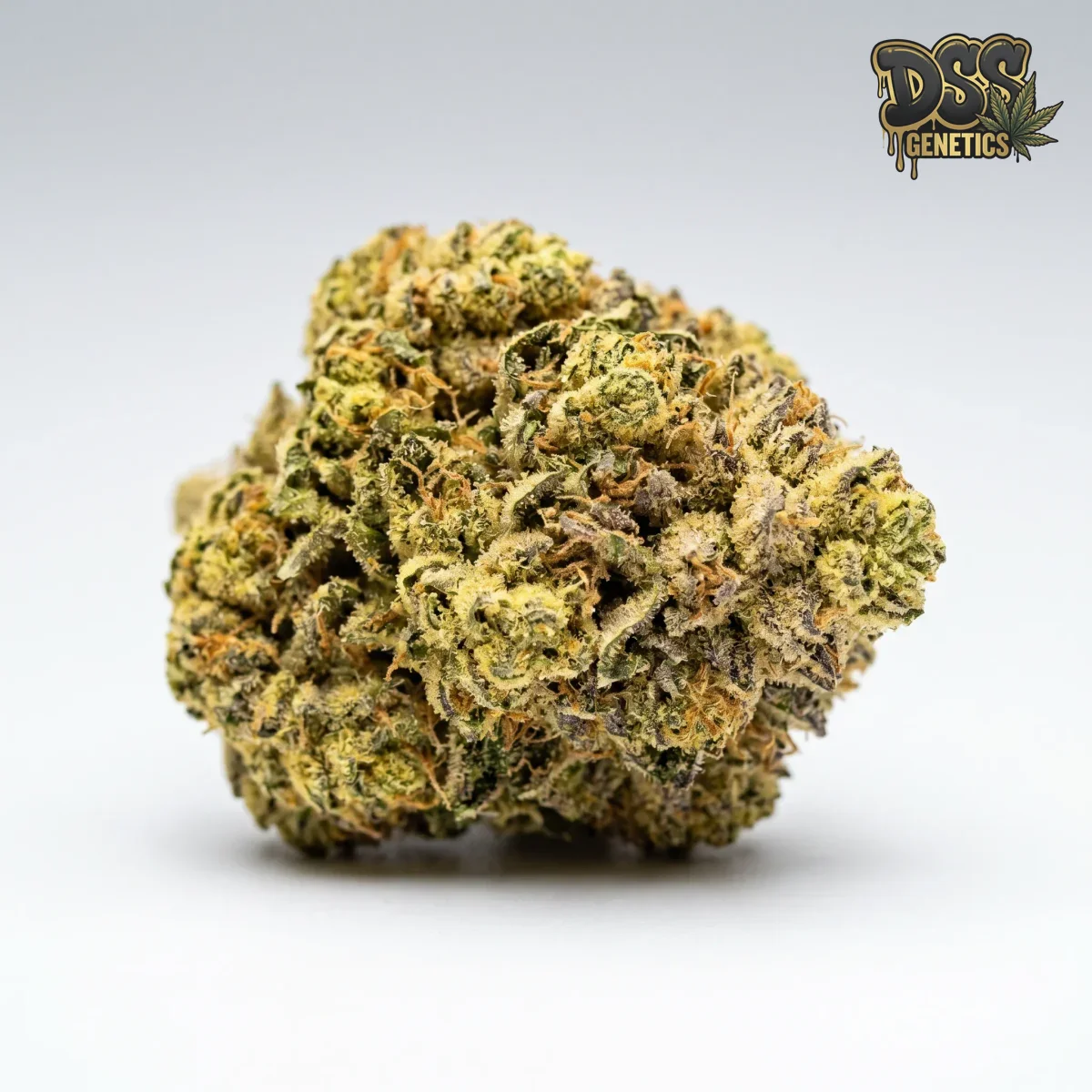
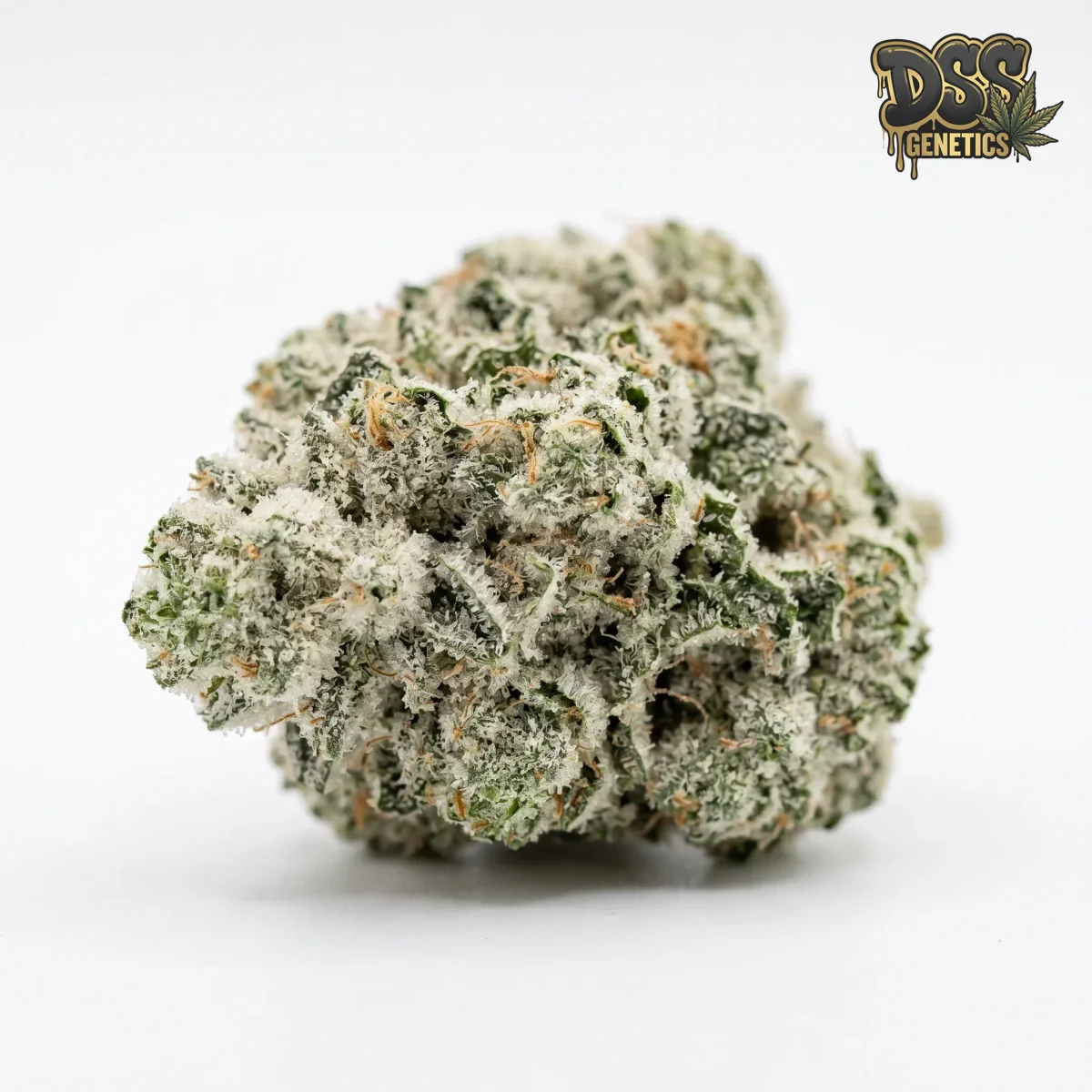
The dense, chunky bud structure that gives this strain its name starts forming earnestly at week 4 and continues stacking through week 8. Trichome coverage is exceptional — both the buds and sugar leaves develop a thick layer of resin that catches light like frosted glass by the final week. Outdoor growers in the Northern Hemisphere should be targeting mid-October for harvest, though the exact window depends on your latitude and that season's temperature pattern.
To maximize your harvest:
- Trichome timing: Harvest when you see 70–80% milky-white trichomes with 15–20% amber for peak THC and full terpene expression — going too early sacrifices the Myrcene-driven body effect that defines this strain's therapeutic character
- Late-flower humidity: Bring relative humidity down to 40–45% in the final two weeks; the Cheese lineage's dense buds hold moisture in their cores longer than they appear to from the outside
- Flush timing: Begin a 7–10 day flush (if using synthetic nutrients) at the first sign of pistil browning — this strain's tropical flavor profile is noticeably cleaner in the jar when the flush is completed properly
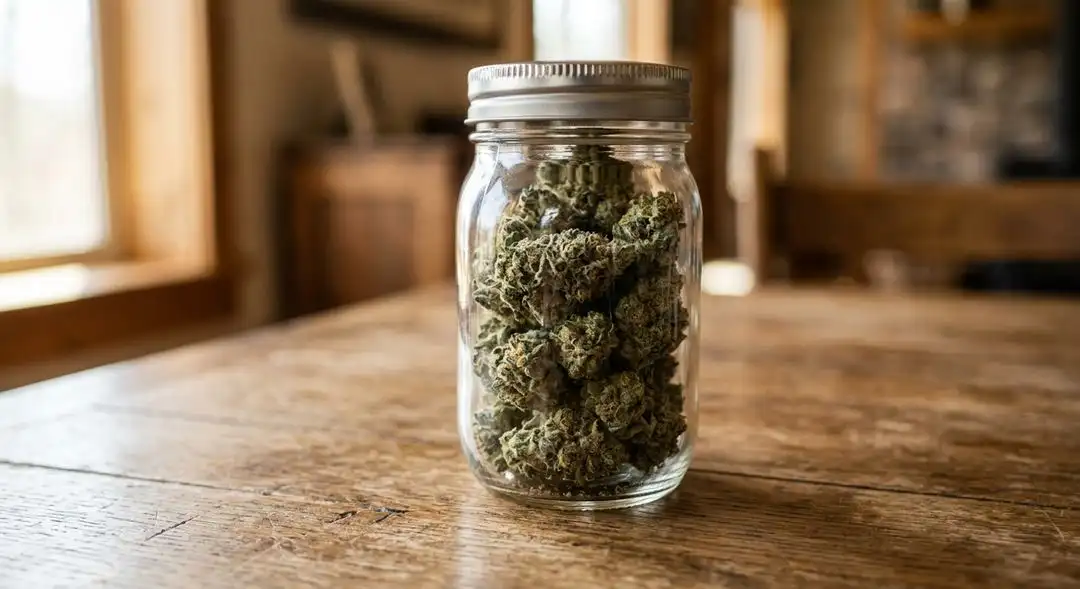
- Drying and curing: Dry slowly at 60–65°F and 55–60% RH for 10–14 days before jarring; Pineapple Chunk's complex terpene profile — particularly the interplay between Myrcene and Linalool — develops significantly during a 4–6 week cure and is worth the patience
Why Buy Pineapple Chunk Seeds from DSS Genetics?
Every Pineapple Chunk feminized seed ships with a full germination guarantee — if it doesn't sprout following our germination guide, we replace it, no questions asked. Orders ship in discreet, plain packaging with no cannabis-related branding on the outside. We store seeds at controlled temperature and humidity from the moment they're packaged to the moment they leave our facility, so germination rates stay high regardless of how long your seeds sit before you're ready to grow.
- Germination guaranteed — every seed is backed by our replacement promise
- Discreet shipping — plain, unmarked packaging on every order
- Spend $100+ — receive free premium seeds automatically added to your order
- Viability-focused storage — seeds are warehouse-stored at optimal temperature and humidity so they arrive alive and ready
Frequently Asked Questions
Is Pineapple Chunk a good strain for beginner growers?
Yes — Pineapple Chunk is rated easy difficulty and is one of the more forgiving indica-dominant strains available. The Skunk No. 1 genetics provide structural robustness and resistance to common growing stress, and the compact medium-sized plant doesn't demand complex canopy management. We recommend reviewing our easy-to-grow collection alongside this strain to compare your options, and always start seeds using our step-by-step germination guide for the best success rate.
How high is the THC content in Pineapple Chunk?
Pineapple Chunk tests between 15–25% THC depending on grow conditions, phenotype expression, and harvest timing. The range is wide because the Cheese and Skunk No. 1 genetics both contribute to resin density, and growers who optimize their environment — particularly phosphorus feeding in flower and proper harvest timing — consistently hit the upper end of that range. If you're specifically hunting maximum potency, browse our highest-THC strains to compare. For most users, even the 15% lower end delivers a noticeably strong indica
Medical Disclaimer: This information is for educational purposes only and should not be considered medical advice. Always consult a healthcare professional before using cannabis for medical purposes. Individual results may vary.
Frequently Asked Questions
Pineapple Chunk — Common Questions Answered
What is Pineapple Chunk?
Pineapple Chunk is a indica-dominant cannabis strain (80% Indica / 20% Sativa) bred from Pineapple x Skunk No. 1 x Cheese. It produces THC levels of 15–25% and CBD levels of 0.1–1%. Known for its relaxing, happy, euphoric effects and sweet, earthy, citrus flavor profile.
Is Pineapple Chunk easy to grow?
Yes, Pineapple Chunk is an excellent choice for beginners. It has a forgiving growth pattern and doesn't require advanced techniques to produce good yields. Growing difficulty: Easy. It thrives in temperate climates and reaches a medium plant size.
How long does Pineapple Chunk take to flower?
Pineapple Chunk has a flowering time of 56–63 days. Switch to a 12/12 light cycle to initiate flowering. Expected yields are 1.5 to 2 oz/ft² indoors and 22 to 25 oz/plant outdoors.
What are the effects of Pineapple Chunk?
Pineapple Chunk delivers relaxing, happy, euphoric, uplifting effects. Many growers report it helps with pain, stress, anxiety, inflammation. With THC levels of 15–25%, it is a potent strain — start with a low dose if you have low tolerance.
What does Pineapple Chunk smell and taste like?
Pineapple Chunk's dominant terpenes are Myrcene, Caryophyllene, Linalool, Humulene, which give it a sweet, earthy, citrus, skunky, tropical, cheese flavor and aroma profile. Myrcene contributes earthy, herbal notes and is associated with relaxing effects.Caryophyllene provides spicy, peppery notes and may help with inflammation.
Can I grow Pineapple Chunk indoors and outdoors?
Yes, Pineapple Chunk performs well both indoors and outdoors. Indoor yields average 1.5 to 2 oz/ft², while outdoor grows can produce 22 to 25 oz/plant. It prefers temperate conditions. Its medium height is manageable in most indoor setups.
What does "feminized" mean for Pineapple Chunk seeds?
Feminized Pineapple Chunk seeds are bred to produce only female plants, which are the ones that develop smokable buds. This eliminates the need to identify and remove male plants, saving time and maximizing your grow space. Over 99% of feminized seeds will produce female plants.
Grower Reviews
Real grow experiences from our community
Similar Strains
Growing Guides & Articles
Get 10% Off Your First Order
Join our newsletter for exclusive deals, growing tips, and new strain drops.