Plushberry Autoflower Seeds
By Ivan K., DSS Genetics · Updated April 2026

Plushberry Autoflower Seeds
SKU: DSS-PLUSH-AUTO-5PK
Pack Size
Quantity
Disclaimer: For informational purposes only — not medical advice. Consult a healthcare professional before use.
About This Strain
Plushberry Autoflower Seeds — Complete Strain Profile
Plushberry Autoflower Seeds – Strain Overview
Plushberry Autoflower is the result of crossing two legendary photoperiod powerhouses — Black Cherry Soda and Space Queen — with a ruderalis backbone that strips away the need for light-schedule management entirely. The indica dominance sits at 80%, pulling heavily from Black Cherry Soda's sedating, fruit-forward genetics, while Space Queen contributes just enough sativa lift to keep the high from turning flat. The result is a strain that smells like a berry cobbler left on a warm windowsill and hits with a calm, full-body weight that builds slowly and stays for hours.
THC ranges from 14–18%, which lands this strain in a sweet spot — potent enough to satisfy experienced consumers while remaining approachable for those who find ultra-high-THC cultivars overwhelming. With a seed-to-harvest timeline of just 56–63 days and genuine easy-to-grow credentials, Plushberry Auto is equally at home in a first-time tent setup or a seasoned grower's perpetual harvest rotation.
Effects and Medical Benefits
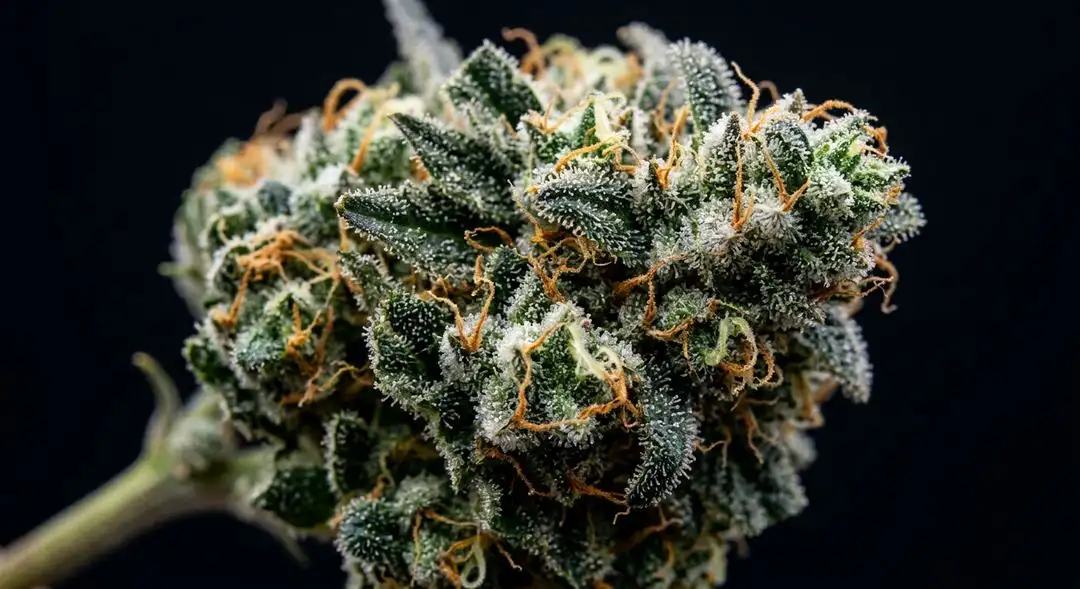
The Plushberry high doesn't announce itself loudly. Within the first five minutes, a warm pressure settles behind the eyes and across the temples — the kind of sensation that makes the shoulders drop without you consciously deciding to relax. By the fifteen-minute mark, the Space Queen sativa genetics push a gentle euphoric wave through the chest, lifting mood and sharpening everything into a soft, happy focus. Then the Black Cherry Soda indica lineage takes over. The body grows heavy, thoughts slow to a comfortable drift, and by the hour mark, most users are firmly in the sedation zone.
Users consistently report these effects:
- Deep physical relaxation — tension drains from muscles within 20–30 minutes of consumption
- Warm euphoria — an uplifted, genuinely happy mental state that doesn't tip into anxiety
- Progressive sedation — the body weight builds steadily, making this a natural evening strain
- Sleepy finish — at the high end of the dose range, Plushberry reliably escorts users into sleep
On the medical side, Plushberry Autoflower is consistently chosen by patients managing:
- Chronic pain — particularly muscle tension, joint discomfort, and nerve-related soreness
- Stress and cortisol overload from high-pressure daily routines
- Anxiety — the gradual onset and predictable arc make dose management easy
- Depression — the euphoric early phase provides genuine mood elevation
- Insomnia — the sedating, sleepy finish makes this a go-to for night-use patients
- PTSD — the combination of mood lifting and physical calming addresses both hyperarousal and intrusive thought patterns
The 0.1–1% CBD content is modest on its own, but it works alongside the dominant terpene Linalool — present here at a notable 2.29% — to reinforce the anxiolytic and sedative character of this strain. This interaction between cannabinoids and terpenes is the core of what researchers call the entourage effect, and Plushberry's terpene stack is one of the more expressive examples of it in an autoflower cultivar.
Aroma, Flavor and Terpene Profile
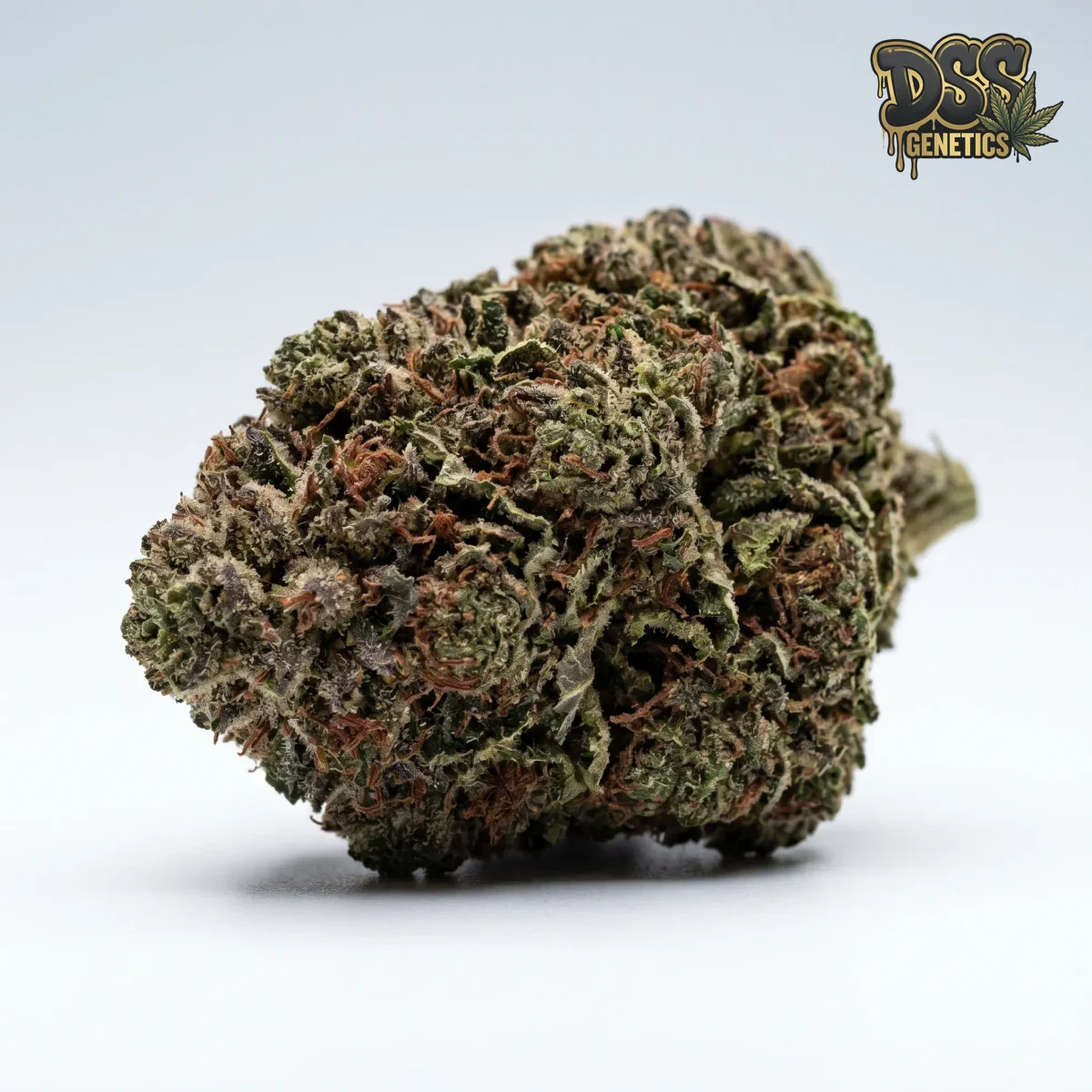
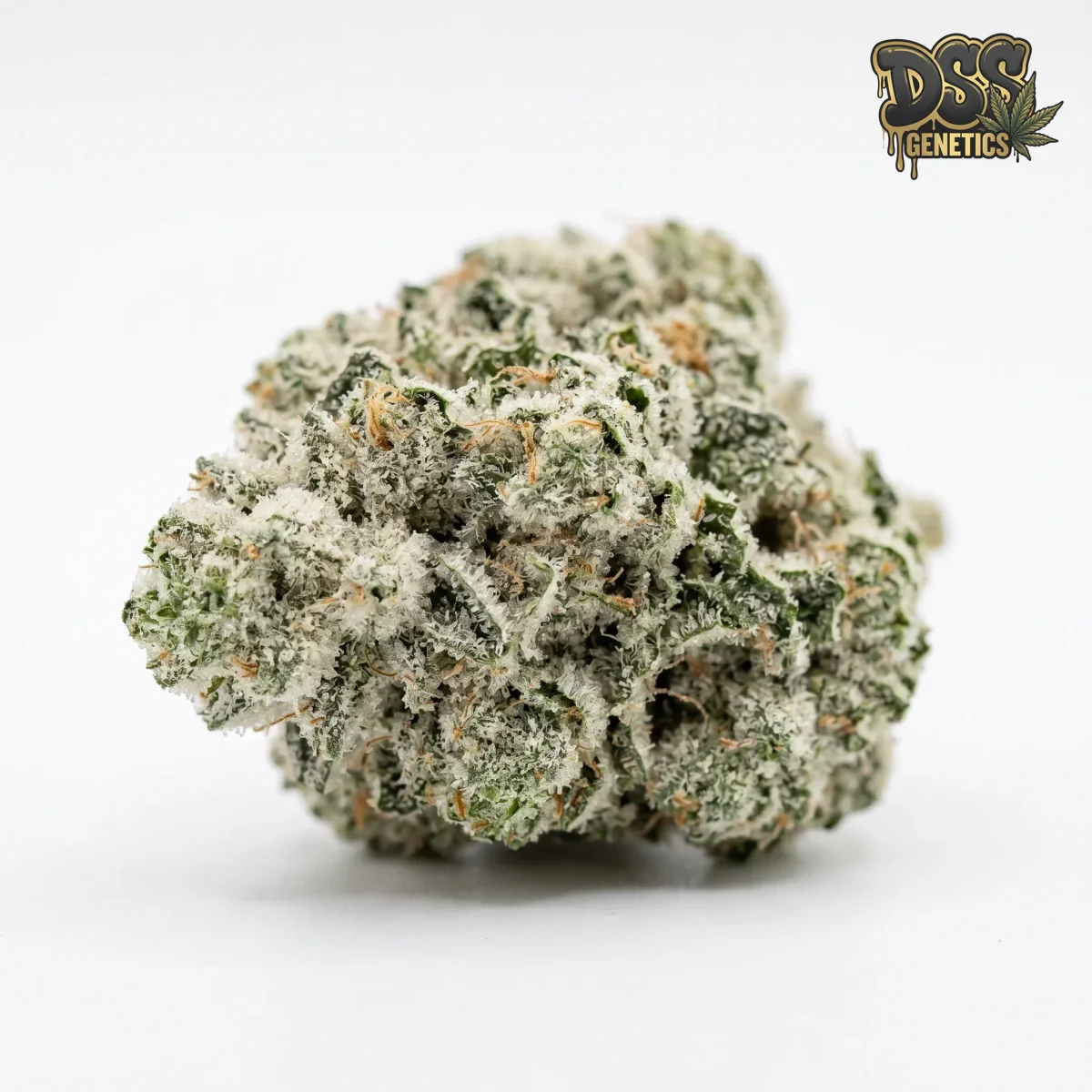
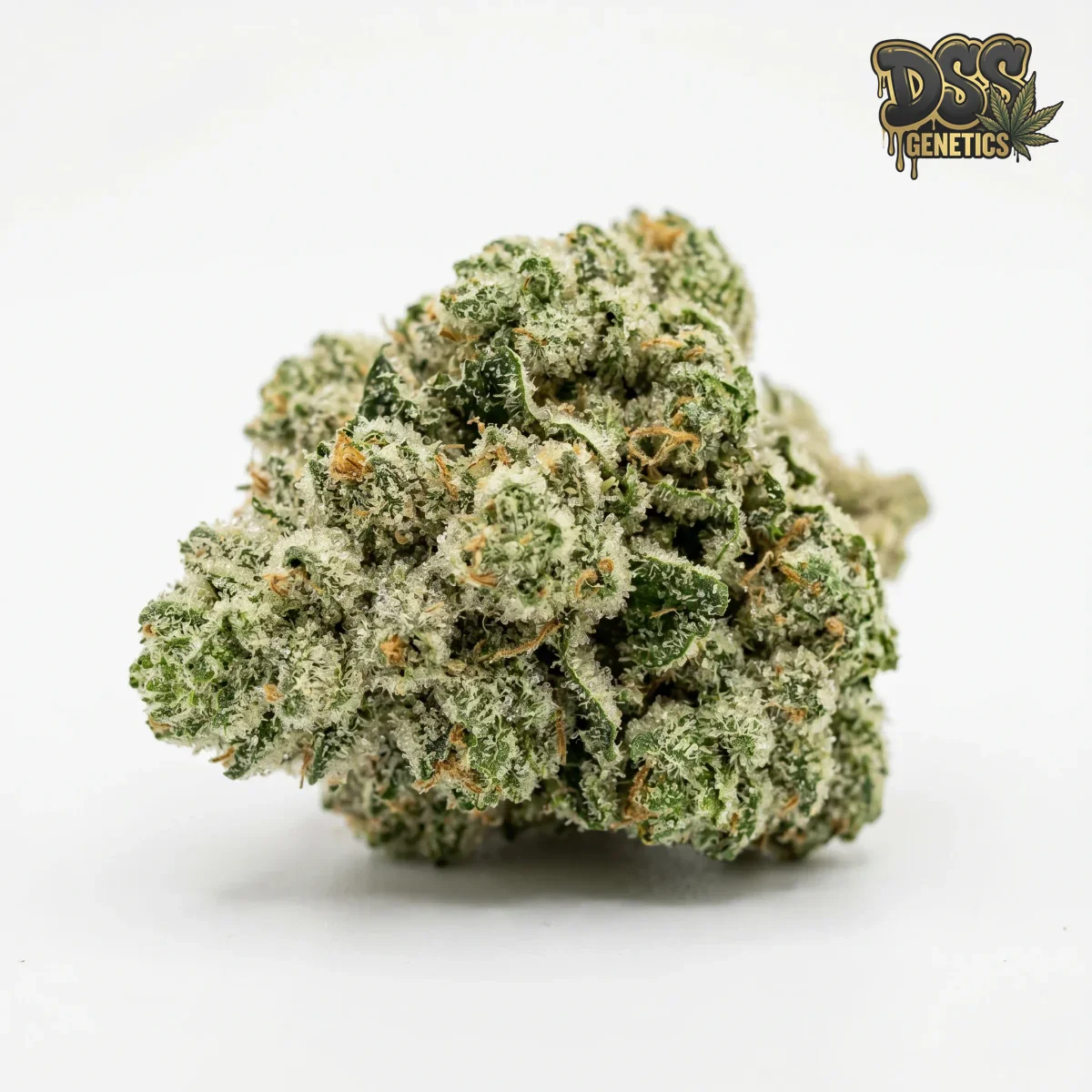
Breaking open a jar of cured Plushberry buds is a distinctly multi-layered experience. The first wave is sweet and almost candy-like — ripe black cherry and mixed berry jam. Then a citrus brightness cuts through, followed by a damp earthy undertone that keeps the whole profile from going cloying. On the exhale, a faint spice emerges — warm rather than sharp — along with a fruity sweetness that lingers on the palate longer than most indica-dominant strains manage.
The terpene responsible for that deep, unmistakable berry-and-earth foundation is Linalool, present at a dominant 2.29% — a genuinely high concentration for any cannabis strain, let alone an autoflower. Linalool is best known from lavender but takes on a different, fruitier character in cannabis, contributing a smooth floral sweetness that amplifies the berry notes inherited from Black Cherry Soda. Pharmacologically, linalool is one of the most studied cannabis terpenes for anxiolytic and sedative properties, which explains much of Plushberry's therapeutic reputation.
Limonene checks in at 1.29%, and it's the terpene that gives Plushberry its citrus brightness — the zest of sweet orange peel that cuts through the heavier berry and earth tones. Beyond flavor, limonene carries mood-elevating properties that map directly onto the euphoric early phase of the Plushberry high. It's a key reason this strain feels happy rather than just sedated.
Myrcene at 0.64% deepens the earthy, musky base of the aroma and plays a well-documented role in potentiating sedation — it's the terpene most directly associated with the heavy body weight that defines indica-dominant strains. At this concentration, myrcene works synergistically with linalool to drive the sleepy, couch-lock qualities that make Plushberry effective for insomnia and late-evening use.
Caryophyllene at 0.62% brings the subtle spice on the exhale — a warm, peppery quality that adds complexity without dominating. It's the only known terpene that binds directly to CB2 receptors in the endocannabinoid system, contributing anti-inflammatory and analgesic properties that bolster Plushberry's value for pain management.
Pinene (0.57%) and Humulene (0.41%) round out the terpene stack. Pinene introduces a faint herbal freshness that keeps the flavor profile from becoming one-dimensional, and it may partially offset short-term memory effects associated with THC. Humulene adds a dry, woody earthiness common to hops — it's subtle here but contributes to the appetite-suppressing quality some users report, and it carries its own anti-inflammatory potential.
Growing Plushberry Seeds
Plushberry Autoflower is as close to a stress-free grow as the cannabis world offers. The ruderalis genetics handle the flowering trigger automatically — no light schedule changes, no light-leak paranoia, no vegetative period that stretches beyond your timeline. Germinate, water, watch, harvest. That said, there's a meaningful difference between a basic Plushberry grow and an optimized one, and a few targeted choices will push your yields and terpene expression considerably higher.
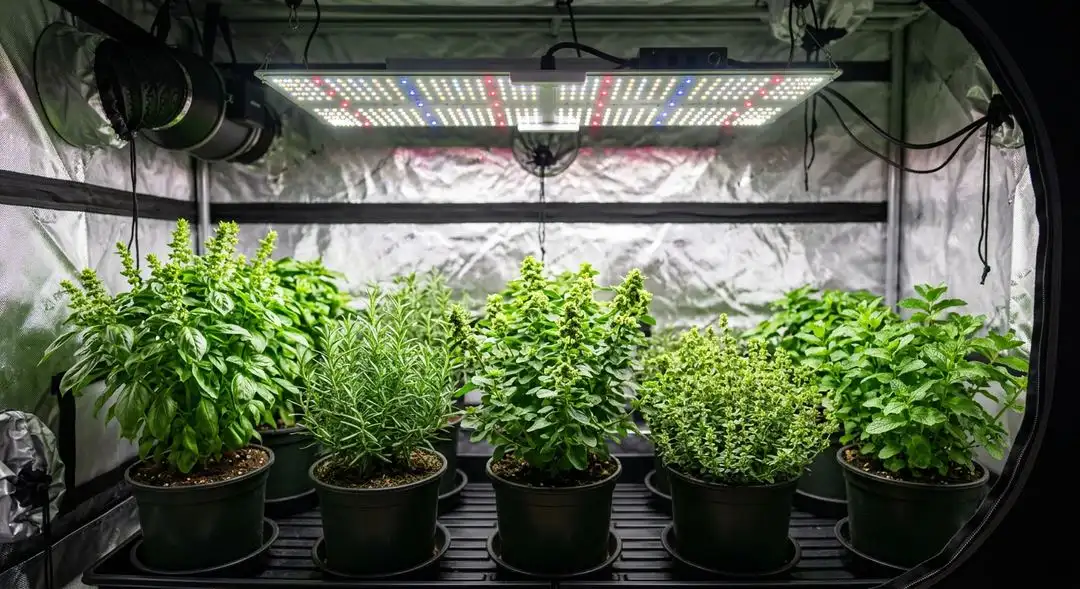
What we've found over dozens of grows is that Plushberry responds exceptionally well to a warm, stable environment maintained between 70–82°F during the day and no lower than 62°F at night. Temperature swings above 15°F between lights-on and lights-off can stress autoflowering plants during the critical weeks 4–6 stretch window and compress yields. Relative humidity should sit at 55–65% through vegetative growth, then drop to 40–50% once flowering is fully underway to protect the dense, resinous buds from moisture-related issues.
Because the total lifecycle is only 56–63 days, Plushberry Auto doesn't tolerate extended recovery time from training stress. Heavy defoliation or aggressive topping can set the plant back in ways that photoperiod strains can absorb. Light LST — gently bending the main cola to open the canopy — is the right move here. A 20/4 light schedule from seed to harvest delivers strong results indoors; the four hours of darkness allow metabolic rest without sacrificing the rapid development these plants are capable of.
Key growing tips for Plushberry Autoflower:
- Light training only: Use gentle LST techniques from week 2–3 to open bud sites without stressing the plant during its compressed timeline — avoid topping or FIMing unless you have prior autoflower experience
- Nutrient timing: Keep nitrogen moderate through weeks 1–4, then follow the phosphorus and potassium ramp from week 5 onward to fuel dense bud development — overfeeding nitrogen mid-flower is the most common Plushberry mistake
- Indoor environment: Run your grow room at 70–82°F with 55–65% RH in veg, dropping to 40–50% RH at flower onset — consult our full indoor growing guide for environment management details
- Outdoor timing: Plushberry Auto's light-independence makes it ideal for outdoor growing in any season — plant in a minimum 5-gallon container with well-draining soil for best results in garden settings
- Purple expression: To coax the full Black Cherry Soda purple coloration in late flower, allow nighttime temperatures to drop to 62–65°F during weeks 6–8 — this triggers anthocyanin production without stressing yield
Yield and Flowering Time
From the moment the seed cracks to the day you're hanging buds to dry, Plushberry Autoflower takes just 56–63 days — one of the faster total timelines in the autoflower category. Indoor growers working with well-dialed environments can expect 1.1–1.3 oz/ft², which is solid for a compact, medium-sized autoflower. Outdoor plants grown in containers during warm months reach 1.7–3.1 oz/plant — the upper end of that range requires good sunlight hours, a quality soil mix, and consistent watering through the stretch phase in weeks 3–5.
The medium plant structure is genuinely practical. Plushberry doesn't stretch aggressively the way sativa-leaning autos can, making it manageable in 4-foot grow tents and low-profile outdoor setups. The bud-to-leaf ratio is favorable — dense colas with moderate sugar leaf coverage that trim efficiently at harvest. For growers interested in maximizing production across a small footprint, running multiple Plushberry Auto plants in a Sea of Green setup can push that indoor yield per square foot meaningfully higher.
To maximize your harvest:
- Trichome check: Target 70–75% milky trichomes with 15–25% amber for Plushberry's signature sedating finish — harvesting earlier shifts the effect profile toward the euphoric end and reduces the sleepy character
- Late-flower humidity: Drop RH to 40–45% in the final two weeks to protect dense buds and concentrate resin production — this also deepens terpene expression at harvest
- Final flush: Run plain pH-balanced water for the last 7–10 days before harvest to clear residual nutrients and improve the clarity of Plushberry's fruit and berry flavors in the final smoke
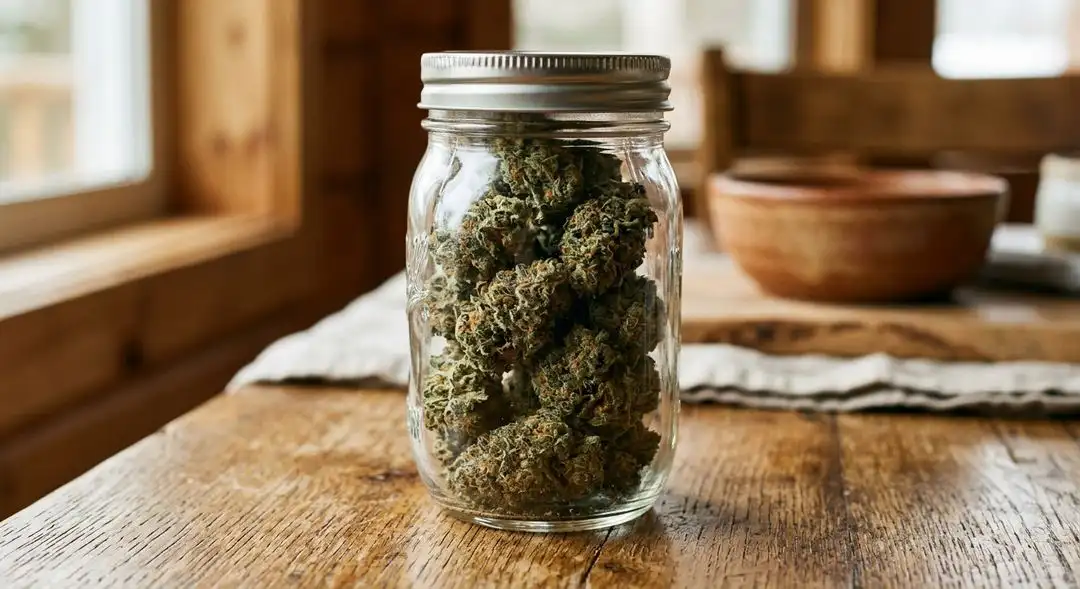
- Drying and curing: Hang whole branches in a dark room at 60–65°F with 55–60% RH for 7–10 days, then cure in sealed glass jars for a minimum of 3 weeks — linalool-dominant strains like Plushberry develop dramatically in the cure jar, with the floral berry notes becoming noticeably more refined after week 4
Why Buy Plushberry Seeds from DSS Genetics?
Every Plushberry Autoflower seed is backed by our germination guarantee — if it doesn't sprout when you follow our germination guide, we replace it, no questions asked. Orders ship in discreet, plain packaging with no cannabis-related branding on the outside. We store all seeds under controlled temperature and humidity conditions to protect viability from our warehouse to your door.
- Germination guaranteed — every seed is covered, and we make it right if something goes wrong
- Discreet shipping — plain, unmarked packaging on every order
- Spend $100+ and get free premium seeds — added automatically at checkout, no code needed
- Properly stored seeds — temperature and humidity-controlled from pack date to delivery for maximum viability
Frequently Asked Questions
Is Plushberry Autoflower a good strain for beginner growers?
Yes — Plushberry Autoflower is genuinely one of the more forgiving strains in the easy-to-grow collection. The autoflowering genetics eliminate the light schedule management that trips up many first-time growers, and the medium plant size stays manageable in small tents. The main beginner pitfall is overfeeding nitrogen during the flowering phase — keep nutrients moderate through the first four weeks and ramp phosphorus and potassium only once flowering is clearly underway. Follow our germination guide for the best start.
How long does Plushberry Autoflower take from seed to harvest?
Plushberry Autoflower completes its full lifecycle in 56–63 days from germination — no vegetative period timing required. Because it flowers automatically based on age rather than light cycle, you can start seeds at any time of year indoors. Outdoors, the light-independence means multiple harvests are possible in a single warm season. Review our flowering stage guide for tips on reading the plant during the critical weeks 5–8 bud-building phase.
What is the dominant terpene in Plushberry, and what does it do?
Medical Disclaimer: This information is for educational purposes only and should not be considered medical advice. Always consult a healthcare professional before using cannabis for medical purposes. Individual results may vary.
Frequently Asked Questions
Plushberry — Common Questions Answered
What is Plushberry?
Plushberry is a indica-dominant cannabis strain (80% Indica / 20% Sativa) bred from Black Cherry Soda x Space Queen x Ruderalis. It produces THC levels of 14–18% and CBD levels of 0.1–1%. Known for its relaxing, happy, euphoric effects and sweet, earthy, citrus flavor profile.
Is Plushberry easy to grow?
Yes, Plushberry is an excellent choice for beginners. It has a forgiving growth pattern and doesn't require advanced techniques to produce good yields. Growing difficulty: Easy. It thrives in temperate climates and reaches a medium plant size.
How long does Plushberry take to flower?
Plushberry has a flowering time of 56–63 days. Switch to a 12/12 light cycle to initiate flowering. Expected yields are 1.1 to 1.3 oz/ft² indoors and 1.7 to 3.1 oz/plant outdoors.
What are the effects of Plushberry?
Plushberry delivers relaxing, happy, euphoric, sleepy, sedating effects. Many growers report it helps with pain, stress, anxiety, depression, insomnia, ptsd. With THC levels of 14–18%, it offers a mild, manageable experience suitable for all tolerance levels.
What does Plushberry smell and taste like?
Plushberry's dominant terpenes are Myrcene (0.64%), Pinene (0.57%), Caryophyllene (0.62%), Limonene (1.29%), Linalool (2.29%), Humulene (0.41%), which give it a sweet, earthy, citrus, berry, spicy, fruity flavor and aroma profile.
Can I grow Plushberry indoors and outdoors?
Yes, Plushberry performs well both indoors and outdoors. Indoor yields average 1.1 to 1.3 oz/ft², while outdoor grows can produce 1.7 to 3.1 oz/plant. It prefers temperate conditions. Its medium height is manageable in most indoor setups.
Grower Reviews
Real grow experiences from our community
Get 10% Off Your First Order
Join our newsletter for exclusive deals, growing tips, and new strain drops.