Papaya Feminized Seeds
By Ivan K., DSS Genetics · Updated April 2026

Papaya Feminized Seeds
SKU: DSS-PAPAY-FEM-5PK
Pack Size
Quantity
Disclaimer: For informational purposes only — not medical advice. Consult a healthcare professional before use.
About This Strain
Papaya Feminized Seeds — Complete Strain Profile
Papaya Feminized Seeds – Strain Overview
Papaya is an 80% indica-dominant hybrid born from the cross of Citral No.13 × Ice No.2 — two powerhouse genetics that together produce a strain with a genuinely tropical personality. With THC ranging from 15–25% and a CBD ceiling of 1%, Papaya sits in that sweet spot between accessible potency and deeply satisfying physical relief. It's the kind of strain that rewards both first-time growers and seasoned cultivators who know exactly what they want from an indica.
What makes Papaya stand out in a crowded field of indica hybrids is how completely its genetics deliver on the name. The flavor profile isn't just loosely tropical — it's bright, layered, and specific in a way that few strains achieve. Pair that with an easy grow rating, a compact medium-sized structure, and a finishing window that lands consistently at 56–63 days, and you have one of the most satisfying strains in the best indica collection available today.
Effects and Medical Benefits
Papaya opens with a wave of warm euphoria that settles behind the eyes and spreads outward through the shoulders and chest. Unlike sativas that push energy upward, this strain pulls you gently inward — the 80% indica backbone means you'll feel happy and present, but progressively more comfortable staying exactly where you are. By the midpoint of the experience, a calming body heaviness sets in that makes couches, hammocks, and bed pillows unusually compelling.
At higher doses, the sleepy quality emerges fully — this is not a subtle sedation, it's a complete unwinding of physical tension that typically ends in restful sleep. Users commonly report these effects:
- Relaxation — full-body physical calm that builds steadily from first exhale
- Happiness and euphoria — a cheerful mental lift that anchors the early phase of the high
- Calming — anxiety and racing thoughts quiet down within the first 20–30 minutes
- Sleepy — deep sedation emerges in the later stages, making evening use ideal
On the medical side, Papaya's effect profile maps directly onto some of the most common reasons people turn to cannabis for relief:
- Insomnia — the progressive sedation and full-body relaxation make this a standout choice for sleep
- Chronic pain — the indica-heavy body effect provides sustained physical relief
- Stress — the euphoric opening quickly dissolves mental tension
- Inflammation — terpene activity may enhance the anti-inflammatory response at a cellular level
The CBD content, while relatively modest at up to 1%, isn't negligible. Research into the entourage effect suggests that even small amounts of CBD can modulate THC's psychoactive intensity and contribute meaningfully to anti-inflammatory and analgesic outcomes — particularly relevant for pain and inflammation users who want potency without overwhelming sedation early in the experience.
Aroma, Flavor and Terpene Profile
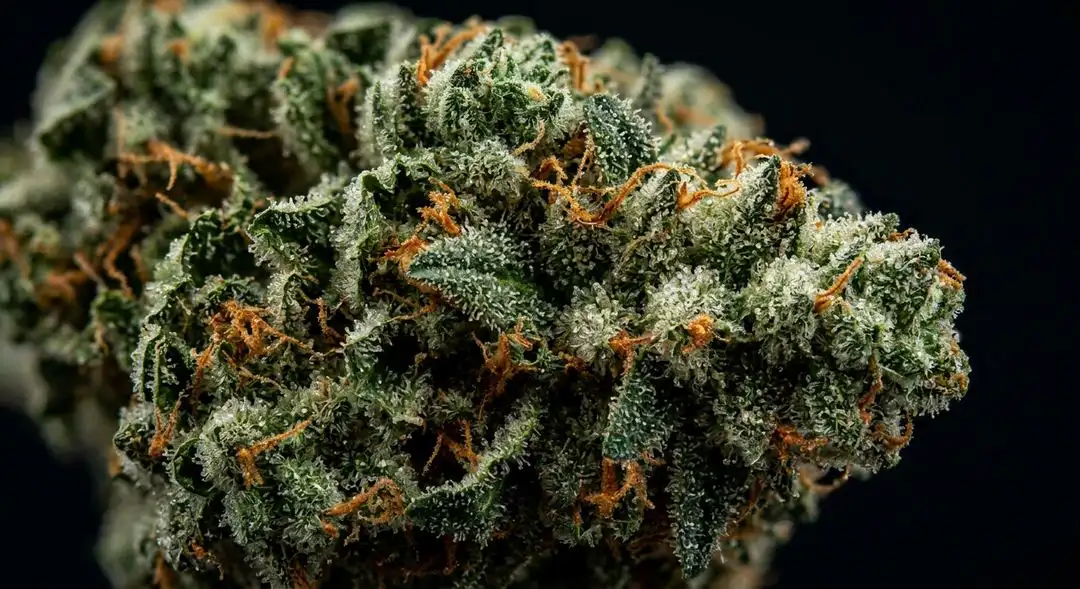
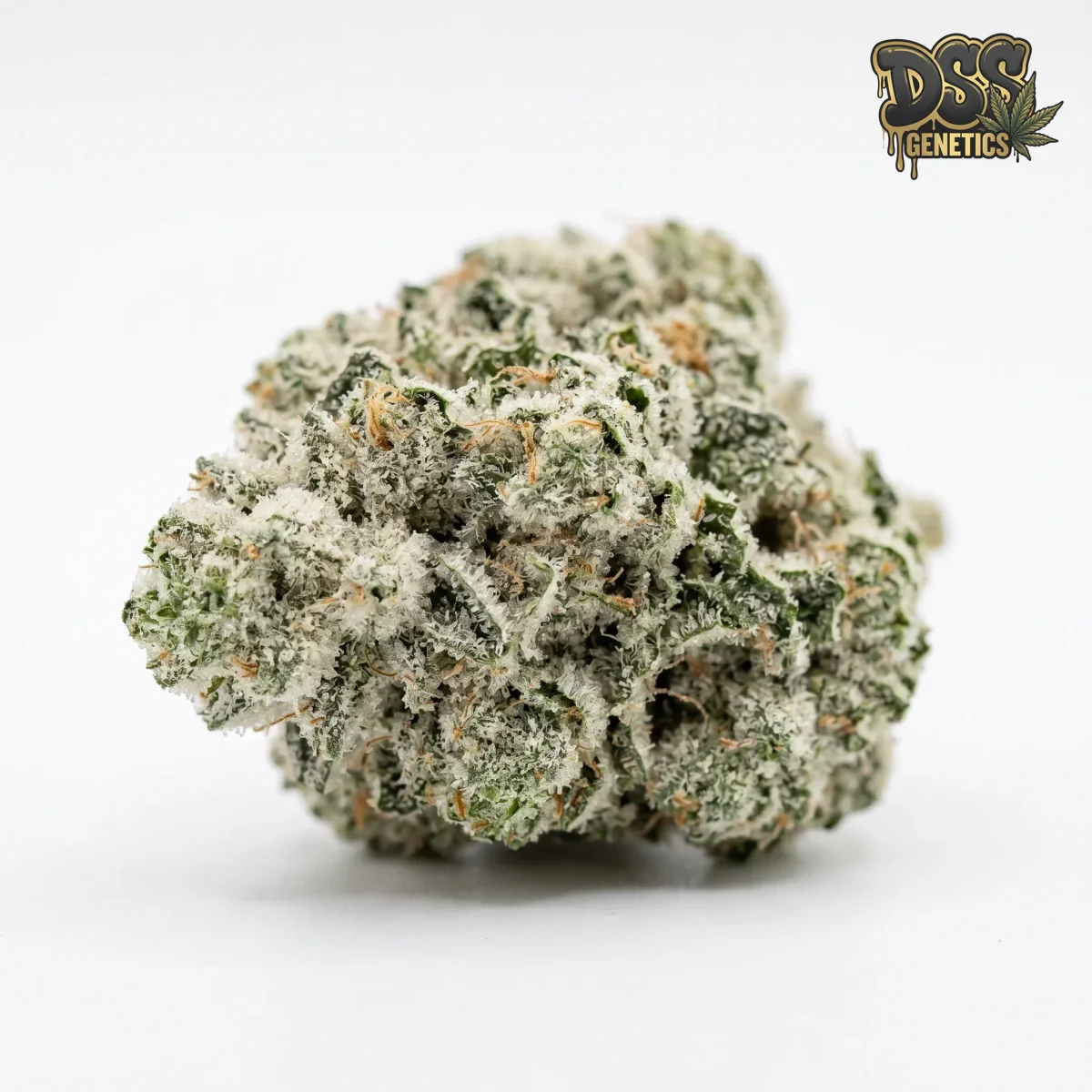
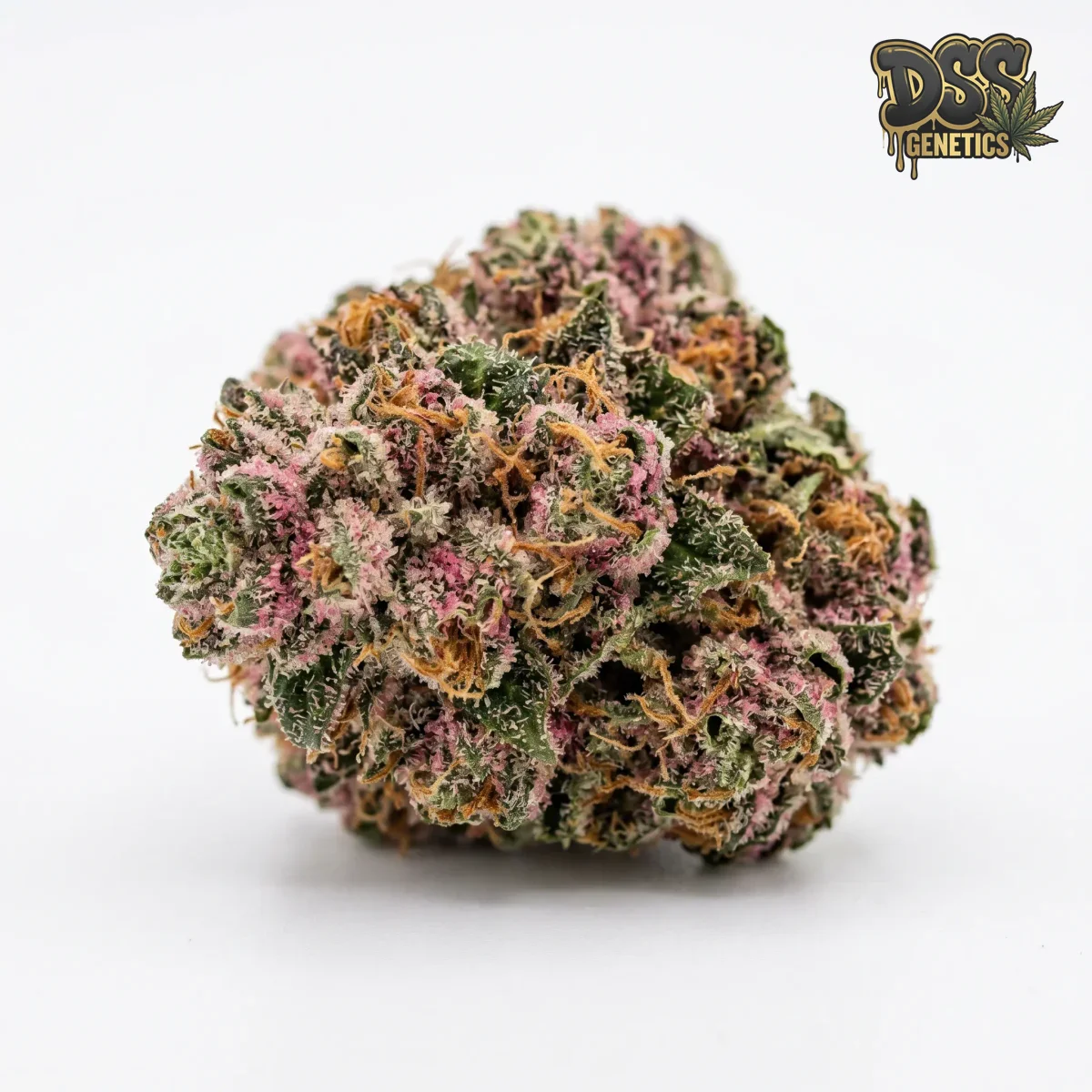
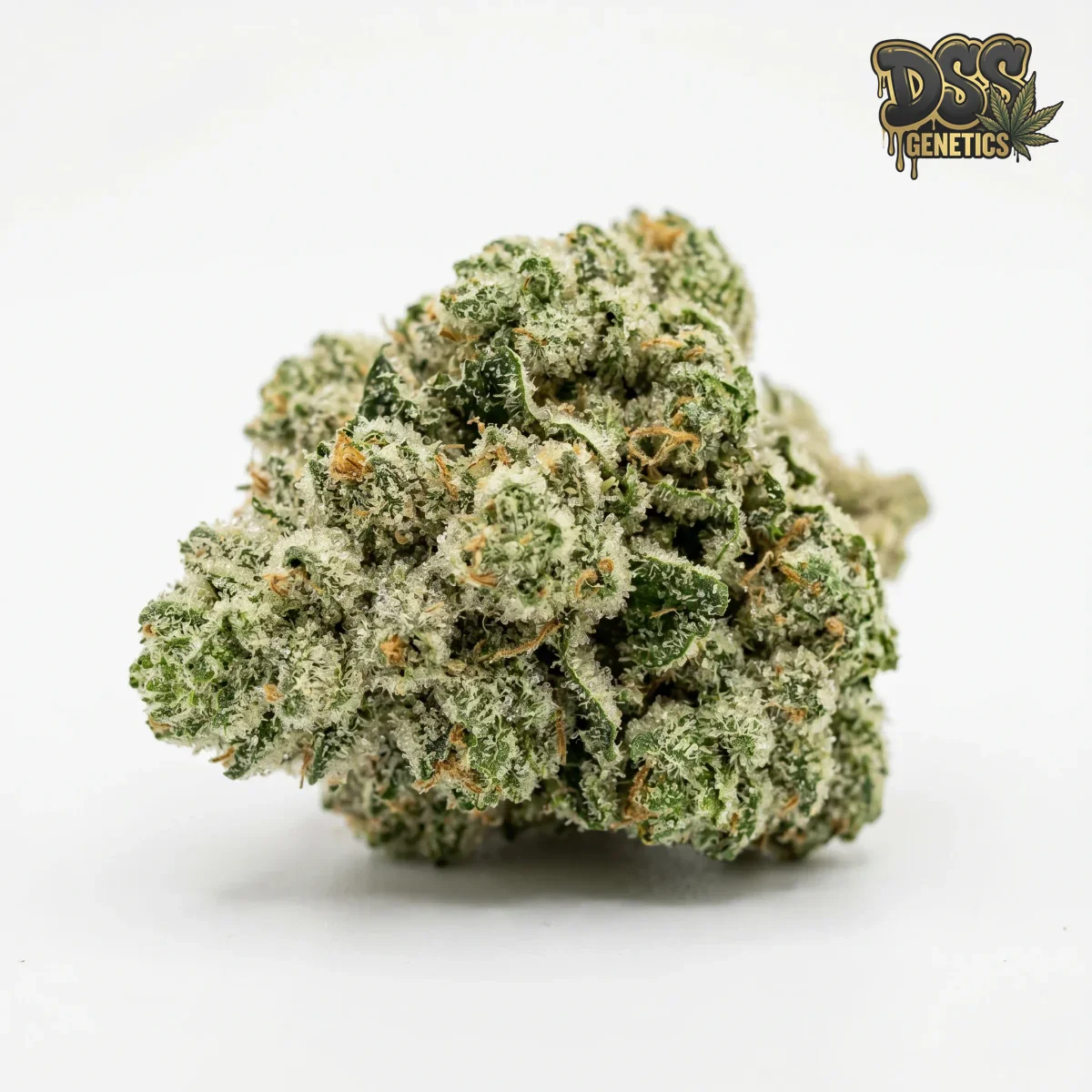
Crack a dried Papaya bud and the first thing you notice isn't any single note — it's the fullness of it. The aroma unfolds in layers: a bright citrus hit up front, then sweetness that leans tropical and almost candy-like, then a deeper spicy base that keeps the profile from feeling one-dimensional. There's also a faint mint coolness threading through the exhale that surprises most people the first time they encounter it.
On the palate, the experience tracks closely with the nose but with added texture. The sweetness becomes more fruit-forward — ripe papaya and mango rather than generic tropical candy — while the spice note firms up into something closer to pepper or clove on the back of the throat. The finish is clean and lingers without harshness.
Two terpenes drive this profile with unusual specificity.
Limonene dominates at a substantial 3.69% — a concentration high enough to be genuinely aromatic even before the jar is opened. This is the terpene responsible for the sharp citrus brightness and the tropical sweetness that defines Papaya's most recognizable quality. Beyond aroma, Limonene has been studied for its anxiolytic and mood-elevating properties, which helps explain why the euphoric and calming effects arrive so cleanly and quickly in this strain's high. Limonene may also support stress relief and contribute to the anti-inflammatory activity that makes Papaya useful for medical consumers.
Pinene contributes 0.43% — a supporting role that carries real weight. Alpha-pinene delivers the fresh, slightly herbal quality underneath the tropical sweetness, and it's the reason the mint character appears on the exhale rather than just pine resin. Pinene is also notable for its potential to counteract some of the short-term memory effects associated with THC at higher doses, and it may support bronchodilation — a practical consideration for those who use cannabis for respiratory wellness. The combination of Limonene and Pinene creates a terpene pairing that's simultaneously energizing in aroma and deeply calming in effect, a contrast that's central to what makes Papaya's sensory profile so distinctive.
Growing Papaya Seeds
Papaya earns its easy difficulty rating honestly — this strain doesn't require coddling, forgives minor environmental fluctuations, and responds predictably to standard cultivation practices. In our experience across dozens of grows, Papaya is one of the most consistent producers in its class: plant it in well-prepared conditions and it delivers every time. That said, 'easy' doesn't mean 'ignore it' — there are specific conditions where this strain truly excels.
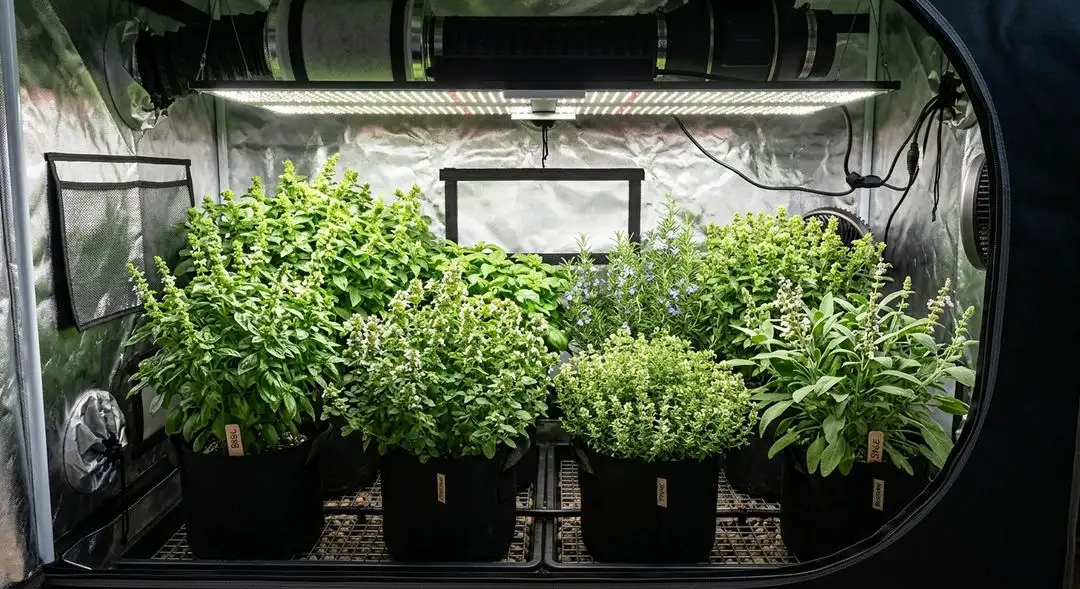
Indoors, Papaya performs best between 68–80°F with relative humidity kept at 50–60% during the vegetative phase and pulled down to 40–45% once flower sites are establishing in weeks 3–4. The medium plant size makes it workable in standard tents without aggressive canopy management, though some light training pays real dividends. Outdoors, this strain appreciates warm, dry climates with reliable sun — it has enough indica robustness to handle mild temperature swings, but extended wet periods late in flower can invite mold pressure on its denser colas. Time your outdoor grow to finish before the first autumn rains in your region.
What we've found over repeated grows is that Papaya responds particularly well to a clean nutrient schedule. It isn't a heavy feeder by nature, but it rewards precision — especially a well-timed phosphorus and potassium increase beginning at week 3 of flower. Overfeeding nitrogen into the flowering window is the single most common mistake growers make with this strain, and it directly suppresses resin production and aroma development.
Key growing tips for Papaya:
- Training: Low-stress training (LST) or SCROG during vegetative growth opens the canopy and adds 15–20% to indoor yields without stressing the plant — Papaya's flexible branches handle LST exceptionally well
- Nutrients: Follow a disciplined feed schedule using our nutrient guide — taper nitrogen after the stretch, then push phosphorus and potassium from week 3 of flower through week 7
- Indoor environment: See our indoor growing guide for VPD-based humidity management — keeping vapor pressure deficit in range through late flower is what protects dense Papaya colas from mold
- Outdoor placement: Review the outdoor growing guide for site selection — Papaya thrives in full sun with at least 8 hours of direct light and good airflow around the lower canopy
- Vegetative timing: A 4–5 week vegetative phase produces the best structure for this strain's medium height — see our vegetative stage guide for light schedule recommendations that trigger a clean transition into flower
Yield and Flowering Time
Papaya flowers in 56–63 days — that's an 8–9 week window that keeps it squarely in fast-flowering territory for an indica of this quality. Indoor yields land at 1.3–1.5 oz/ft², which is strong production for a medium-sized plant that doesn't demand a large footprint. Outdoor plants given full-season growth and quality soil can reach 20–28 oz/plant — numbers that put Papaya among the more generous producers in the high-yield collection for growers in suitable outdoor climates.
The consistency of these yields across different growing environments is one of Papaya's real strengths. It doesn't swing wildly between great and disappointing runs the way some high-potency strains do — growers who follow basic environmental controls reliably land in the upper half of that yield range.
To maximize your harvest:
- Trichome timing: Harvest when 60–70% of trichomes are cloudy-white with 15–20% amber for peak potency and sedation — earlier pulls produce a lighter, more cerebral effect; later amber-heavy harvests deepen the sleepy quality
- Late-flower humidity: Drop RH to 40–45% in the final 2 weeks to concentrate terpene production and reduce any mold risk on dense colas
- Nutrient flush: Begin a clean water flush 10–14 days before harvest to clear residual salts and allow the terpene profile — especially Papaya's Limonene-forward aroma — to fully express
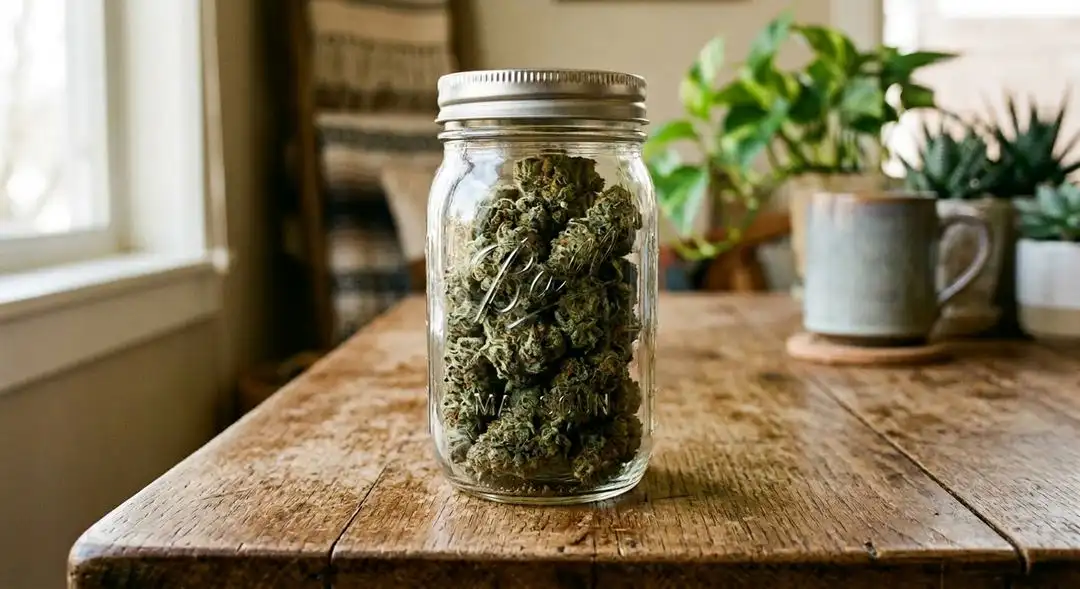
- Drying and curing: Slow dry for 10–14 days at 60–65°F and 55–60% RH, then cure in sealed glass jars for a minimum of 3 weeks — this step is where Papaya's tropical and mint notes fully develop and the harsh green taste resolves completely
Why Buy Papaya Seeds from DSS Genetics?
Every Papaya seed shipped from DSS Genetics is backed by our full germination guarantee — if a seed doesn't sprout under proper conditions, we replace it, no questions asked. Orders ship discreetly in discreet, unmarked packaging that gives no indication of contents, and every seed is stored at optimal temperature and humidity from our facility to your door to protect viability.
- Germination guaranteed — every seed is covered, and we stand fully behind each one
- Discreet shipping — plain, unmarked packaging on every order
- Spend $100+ — receive complimentary premium seeds added to your order automatically
- Optimal seed storage — controlled conditions from warehouse through delivery protect germination rates
Frequently Asked Questions
Is Papaya a good strain for beginner growers?
Yes — Papaya carries an easy difficulty rating and earns it. The plant structure is manageable, the flowering window is predictable, and it tolerates minor environmental variation better than most indica-heavy strains. New growers will find it forgiving while still producing impressive results. For more guidance on getting started, our germination guide walks through every step from seed to sprout, and pairing it with resources from the easy-to-grow collection gives you a solid foundation.
How strong is Papaya? What THC level should I expect?
Papaya tests between 15–25% THC depending on growing conditions, genetics expression, and harvest timing. That's a meaningful range — plants grown with optimized light intensity, dialed-in nutrients, and a well-timed harvest toward the upper end of the 56–63 day window consistently push toward the higher end of that spectrum. For comparison against other potent options, see our highest-THC strains collection. If you're new to indica effects at this potency level, start with a conservative dose and allow 30–45 minutes before assessing.
What does Papaya smell and taste like?
Papaya's aroma combines bright citrus, ripe tropical fruit, sweet candy undertones, mild spice, and a distinctive mint quality on the exhale. The terpene profile is dominated by Limonene at 3.69%, which delivers the citrus and tropical brightness, with Pinene at 0.43% adding the herbal-mint depth. The cured flower smells genuinely like its namesake fruit, and proper drying and curing is what allows that tropical character to fully develop — rushed drying produces a flat, grassy result that doesn't represent the strain's real potential.
How long does Papaya take to flower, and what yields can I expect?
Papaya completes flowering in 56–63 days (8–9 weeks), making it a consistent choice if you're planning multiple runs per year. Indoor yields run 1.3–1.5 oz/ft² under quality lighting with proper canopy management, while outdoor plants in warm climates can reach 20–28 oz/plant. For everything you need to know about maximizing bud development through the final weeks, our flowering stage guide covers environmental targets, nutrient adjustments, and trichome monitoring in detail. Growers interested in running this strain hydroponically can also check our hydroponics guide for setup recommendations that complement Papaya's feeding characteristics.
Medical Disclaimer: This information is for educational purposes only and should not be considered medical advice. Always consult a healthcare professional before using cannabis for medical purposes. Individual results may vary.
Frequently Asked Questions
Papaya — Common Questions Answered
What is Papaya?
Papaya is a indica-dominant cannabis strain (80% Indica / 20% Sativa) bred from Cintral No.13 x Ice No.2. It produces THC levels of 15–25% and CBD levels of 0.1–1%. Known for its relaxing, happy, euphoric effects and sweet, citrus, spicy flavor profile.
Is Papaya easy to grow?
Yes, Papaya is an excellent choice for beginners. It has a forgiving growth pattern and doesn't require advanced techniques to produce good yields. Growing difficulty: Easy. It thrives in temperate climates and reaches a medium plant size.
How long does Papaya take to flower?
Papaya has a flowering time of 56–63 days. Switch to a 12/12 light cycle to initiate flowering. Expected yields are 1.3 to 1.5 oz/ft² indoors and 20 to 28 oz/plant outdoors.
What are the effects of Papaya?
Papaya delivers relaxing, happy, euphoric, sleepy, calming effects. Many growers report it helps with insomnia, pain, stress, inflammation. With THC levels of 15–25%, it is a potent strain — start with a low dose if you have low tolerance.
What does Papaya smell and taste like?
Papaya's dominant terpenes are Pinene (0.43%), Limonene (3.69%), which give it a sweet, citrus, spicy, tropical, fruity, mint flavor and aroma profile.
Can I grow Papaya indoors and outdoors?
Yes, Papaya performs well both indoors and outdoors. Indoor yields average 1.3 to 1.5 oz/ft², while outdoor grows can produce 20 to 28 oz/plant. It prefers temperate conditions. Its medium height is manageable in most indoor setups.
What does "feminized" mean for Papaya seeds?
Feminized Papaya seeds are bred to produce only female plants, which are the ones that develop smokable buds. This eliminates the need to identify and remove male plants, saving time and maximizing your grow space. Over 99% of feminized seeds will produce female plants.
Grower Reviews
Real grow experiences from our community
Get 10% Off Your First Order
Join our newsletter for exclusive deals, growing tips, and new strain drops.