Medical Disclaimer: This information is for educational purposes only and should not be considered medical advice. Always consult a healthcare professional before using cannabis for medical purposes. Individual results may vary.
Key Terpenes for Talkative Relief
Dopamine and serotonin elevation — produces the outgoing, optimistic mood that fuels social engagement
Memory and verbal fluency preservation — keeps you articulate and present in conversation
Cerebral uplift without sedation — contributes to the alert, engaged mental state ideal for socializing
Social anxiety reduction — calms the nervousness that can make social situations uncomfortable
Dosing Guidance
For social situations, moderate doses of THC (5-10mg) from a sativa-dominant or balanced hybrid produce the best effects — enough to feel relaxed and chatty without becoming introspective, quiet, or anxious. Higher doses can make some users withdraw into their own thoughts or feel self-conscious. Consume 20-30 minutes before the social event begins so effects are established when you arrive. Avoid heavy indicas which promote introspection and couch-lock rather than social engagement.
How We Selected These Strains
Every strain below has "Talkative" listed as a primary effect by users and breeders. These strains are selected for their ability to lower social inhibitions, spark conversation, and enhance the pleasure of human connection — typically sativa-dominant or balanced hybrid genetics with Limonene and Pinene terpene profiles that combine mood elevation with mental clarity and verbal fluency.
3 Recommended Strains for Talkative
Sorted by THC content (highest first). If you are new to cannabis, start from the bottom.
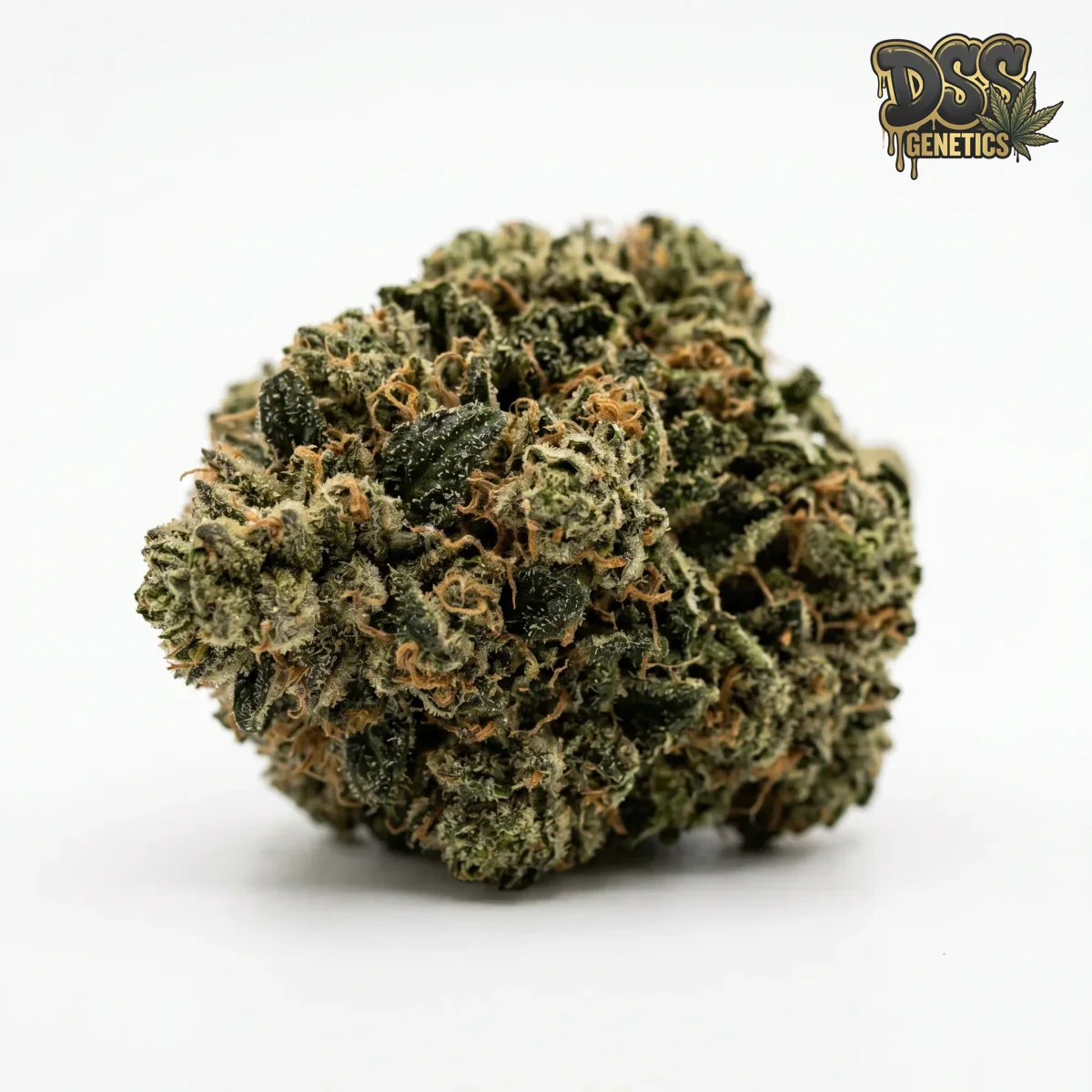 #1
#1Chronic Autoflower Seeds
THC 15–20% · 70% Indica / 30% Sativa
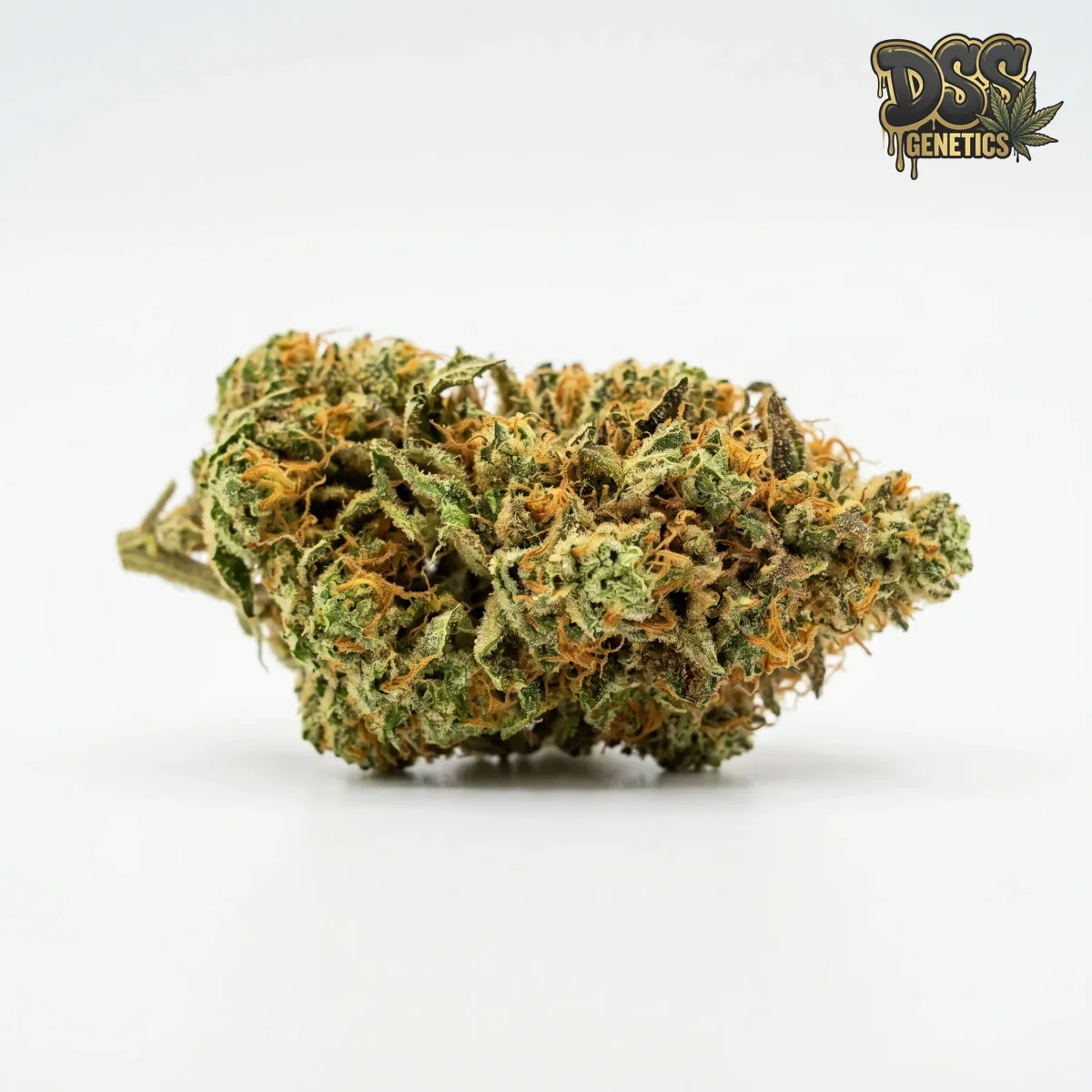 #2
#2Chocolate Fondue Feminized Seeds
THC 15–19% · 80% Sativa / 20% Indica
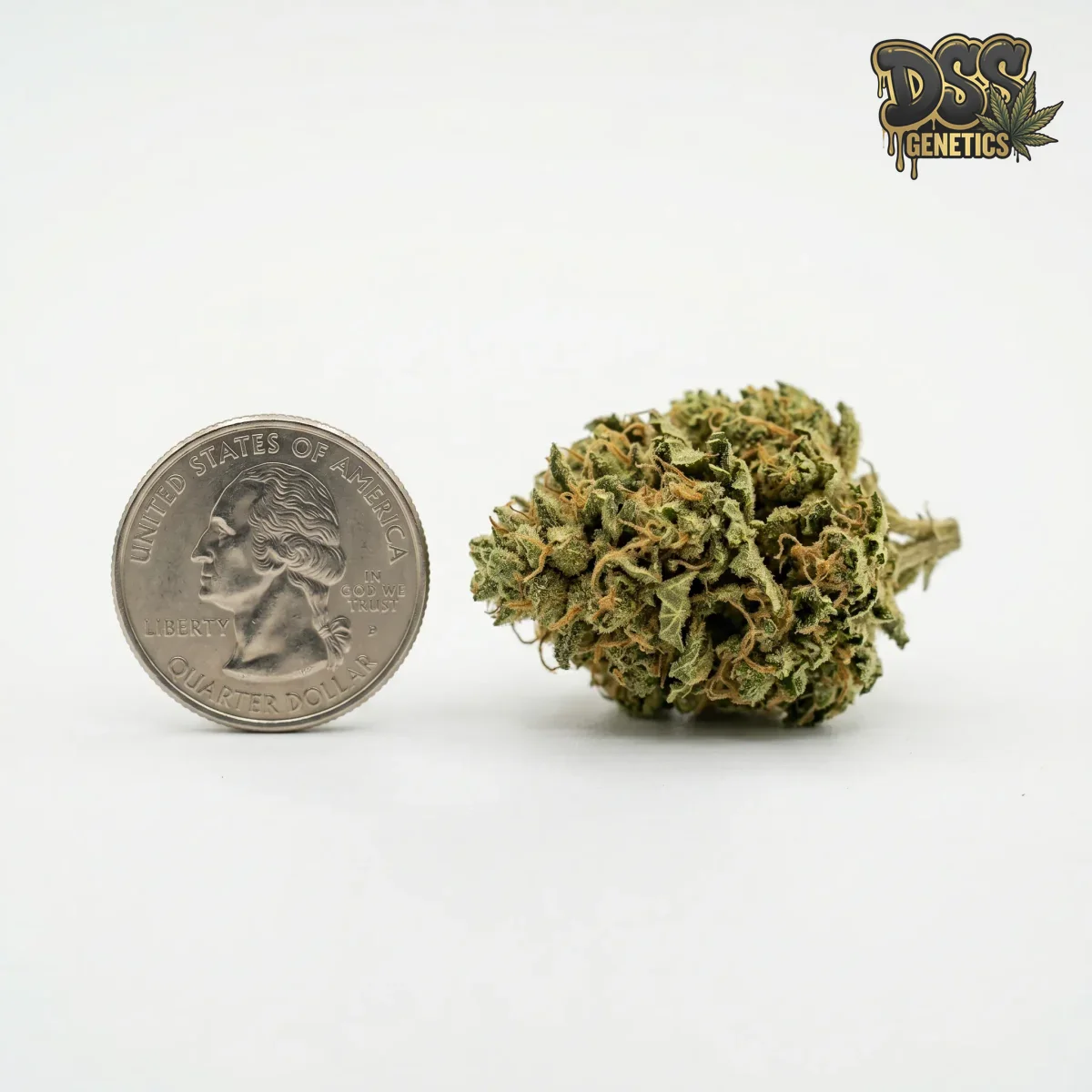 #3
#3Lowryder Autoflower Seeds
THC 12–14% · 50% Sativa / 50% Indica
Frequently Asked Questions
Can cannabis help with social anxiety?
Low to moderate doses of sativa-dominant strains can significantly reduce social anxiety. THC at 5-10mg reduces activity in the amygdala (the brain's anxiety center) while terpenes like Limonene elevate mood. The result is reduced self-consciousness, easier conversation initiation, and more enjoyment of social interaction. However, high doses or anxiety-prone individuals may experience the opposite — increased paranoia and social withdrawal.
What strain type is best for parties?
Sativa-dominant hybrids with moderate THC (15-20%) are the sweet spot for social events. Pure sativas can be too stimulating for some, while indica-dominant strains make most people quiet and sedated. Look for strains with "Talkative," "Giggly," and "Uplifted" in their effect profiles. Classic social strains tend to have Limonene-dominant terpene profiles that produce outgoing, cheerful effects.
Why does cannabis make some people quiet?
High doses, indica-dominant strains, and individual brain chemistry can all produce introspection and social withdrawal rather than talkativeness. THC at high doses increases default mode network activity — the brain network associated with internal thought and self-reflection. People with naturally active inner monologues may become more internally focused. The solution: lower doses, sativa-dominant strains, and consuming in already-social environments rather than alone.
Is cannabis better than alcohol for socializing?
Many people find cannabis preferable to alcohol for social situations: no hangover, fewer calories, less impaired judgment, and no aggressive behavior. Cannabis socializing tends to be more conversation-focused and empathetic. However, cannabis requires more strain and dose knowledge than alcohol to get right socially. Start with proven social strains at moderate doses, and avoid the temptation to consume more because you are not feeling drunk — cannabis effects are different, not weaker.
Medical Disclaimer: This information is for educational purposes only and should not be considered medical advice. Always consult a healthcare professional before using cannabis for medical purposes. Individual results may vary.