Chronic Autoflower Seeds
By Ivan K., DSS Genetics · Updated April 2026

Chronic Autoflower Seeds
SKU: DSS-CHRON-AUTO-5PK
Pack Size
Quantity
Disclaimer: For informational purposes only — not medical advice. Consult a healthcare professional before use.
About This Strain
Chronic Autoflower Seeds — Complete Strain Profile
Chronic Autoflower Seeds – Strain Overview
Chronic Autoflower is a masterfully engineered four-way cross — Northern Lights × Skunk × AK-47 × Ruderalis — that packages three legendary photoperiod bloodlines into a compact, clock-driven plant that asks very little and delivers a great deal. At 70% indica and 30% sativa, it leans into physical ease without surrendering the lifted, creative edge that its AK-47 parent is famous for. THC sits solidly between 15–20%, a range that hits with real intention while staying accessible to a broad range of consumers. If you're building your seed library around strains that perform reliably and reward without drama, Chronic Autoflower earns a permanent spot — browse our full best autoflower seeds collection to see what else fits the bill.
The lineage here isn't cosmetic. Northern Lights contributes resinous, sleep-friendly indica depth; Skunk adds the aromatic punch and vigorous root growth that autoflowers need to stay productive on a compressed schedule; AK-47 injects that paradoxical quality of calm-yet-alert that makes Chronic genuinely enjoyable during the day. The ruderalis fraction handles the timekeeping, triggering flower regardless of light cycle so even beginner growers don't have to overthink their setup. CBD lands between 0.4–1.1%, a modest but meaningful contribution when you understand how these compounds cooperate.
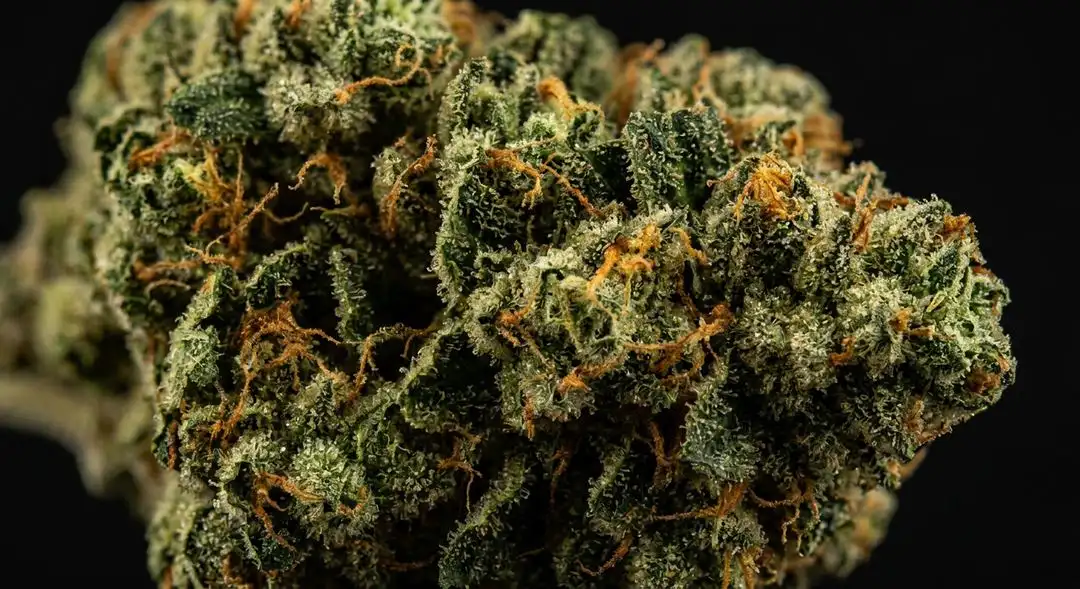
Effects and Medical Benefits
The Chronic Autoflower high opens with a gentle cerebral warmth rather than a jolting head rush — think of a door swinging open slowly, letting light in without blinding you. Within the first ten minutes, there's a perceptible mood lift that makes conversation feel natural and creative thinking feel unforced. That sativa edge from AK-47 keeps things functional; this isn't a strain that pins you to the couch at moderate doses, though heavier consumption will lean harder into the indica sedation the Northern Lights side carries.
As the session progresses, the body begins to soften. Muscle tension releases gradually rather than all at once, which is part of what makes Chronic pleasant across different settings — it transitions with you rather than hijacking the experience. By the 45-to-60-minute mark, most users settle into a relaxed, happy baseline that's talkative and socially warm without feeling overstimulated.
Users consistently report these effects:
- Relaxed body ease — the Northern Lights genetics deliver a smooth, progressive physical unwind that doesn't tip into heaviness at standard doses
- Uplifted mood and happiness — a genuine shift in emotional tone, not a surface-level buzz, driven by the AK-47 sativa influence
- Creative and talkative energy — users find conversation comes easily and ideas connect in interesting ways during the peak window
- Energetic undertone — unlike pure indica autoflowers, Chronic keeps a quiet hum of motivation alive throughout, making it functional for daytime use
On the medical side, Chronic Autoflower has built a loyal following among patients who need genuine relief without complete sedation. Its commonly chosen for:
- Chronic pain — the indica-dominant body effect blunts persistent aches and muscle discomfort without requiring couch-lock doses
- Anxiety — the gradual, non-jarring onset prevents the spike-and-crash that high-THC strains can trigger in anxious users
- Insomnia — at evening doses leaning toward the higher end of the THC range, the indica depth pulls users into restful sleep naturally
- Inflammation — caryophyllene's direct interaction with CB2 receptors adds a pharmacological dimension to the relief that goes beyond THC alone
The 0.4–1.1% CBD content may seem modest, but it plays a meaningful supporting role. When CBD, THC, and Chronic's full terpene spectrum work together, the result is richer than any single compound could achieve alone — a principle known as the entourage effect. Linalool's anxiolytic properties and caryophyllene's anti-inflammatory CB2 activity add therapeutic texture that pure THC percentage numbers don't capture.
Aroma, Flavor and Terpene Profile
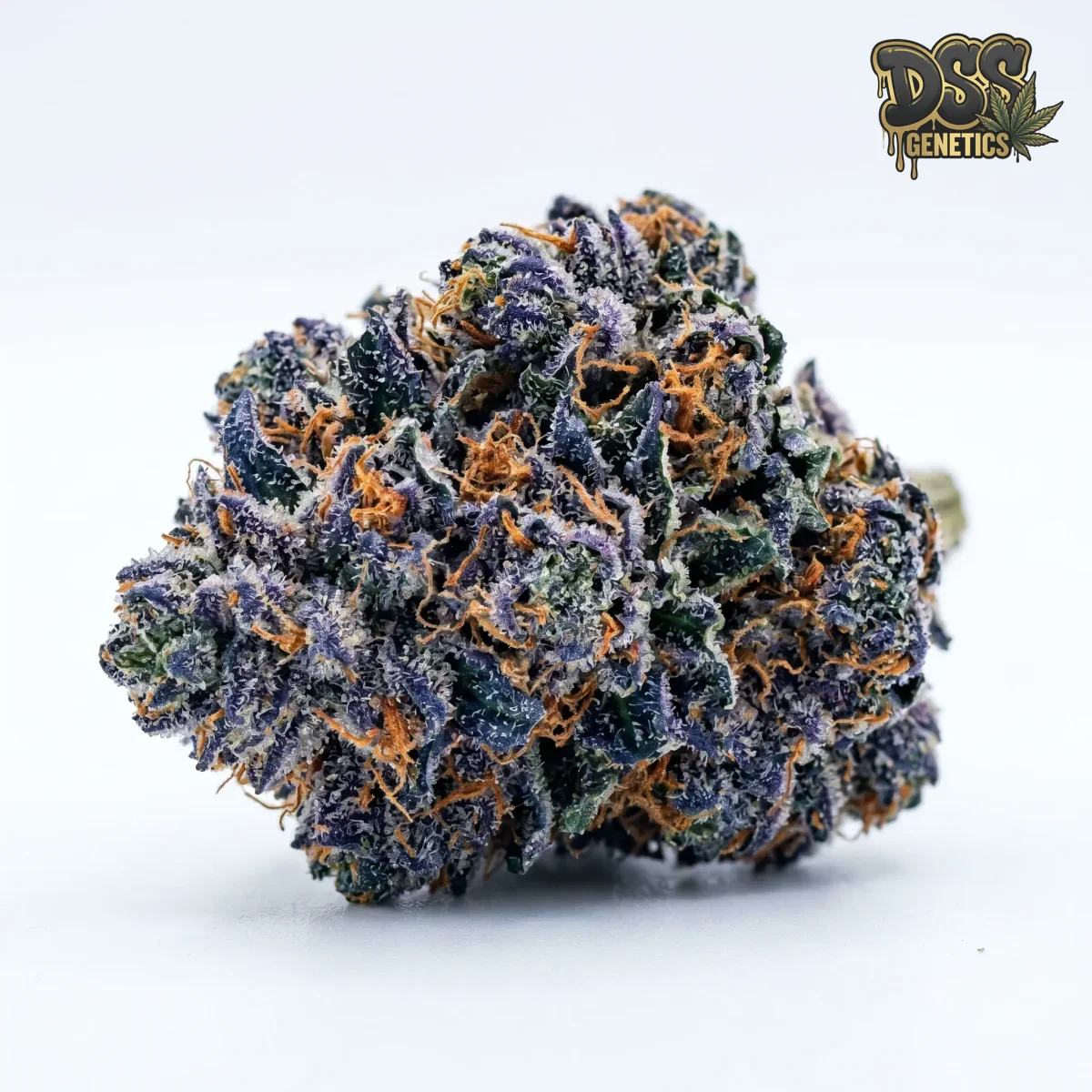
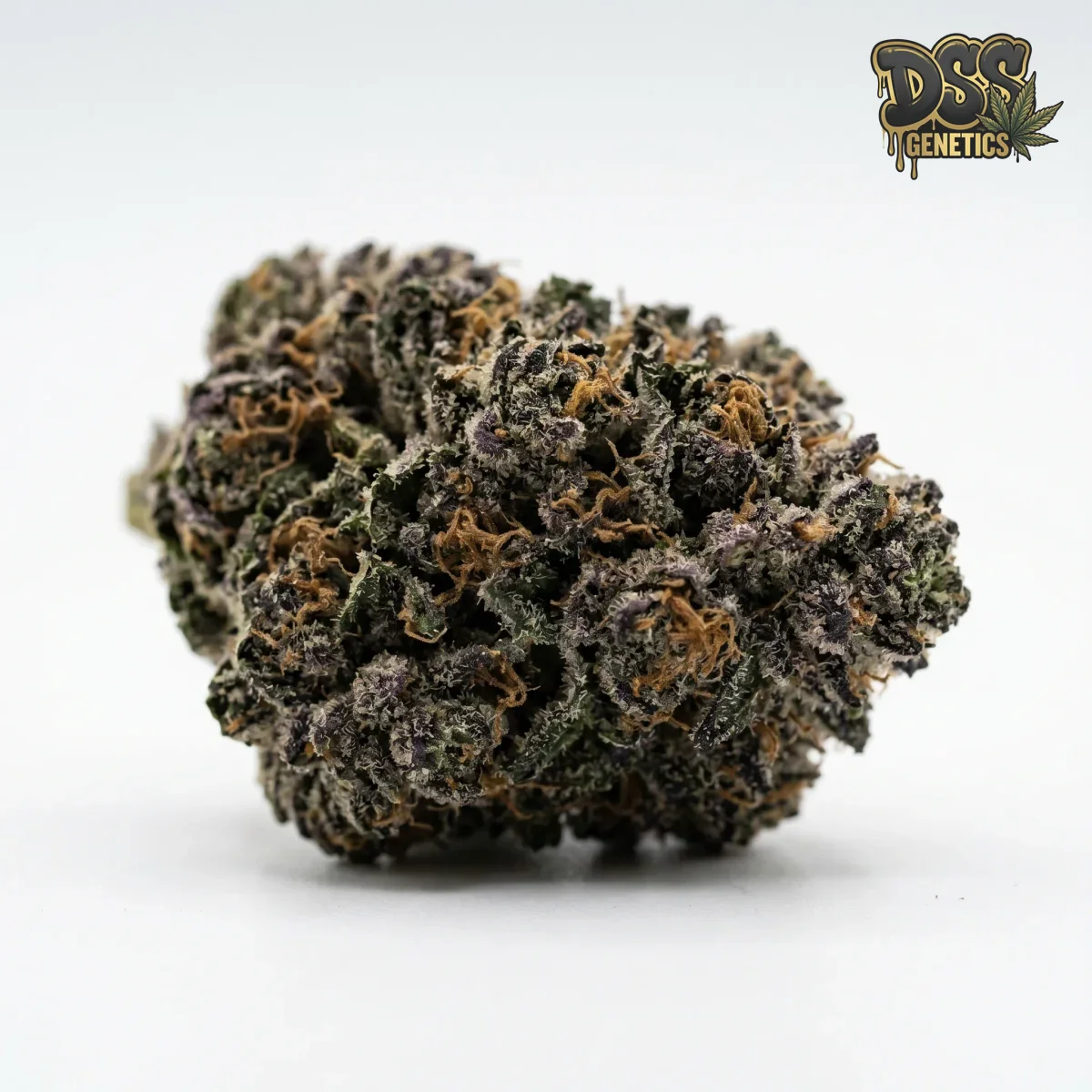
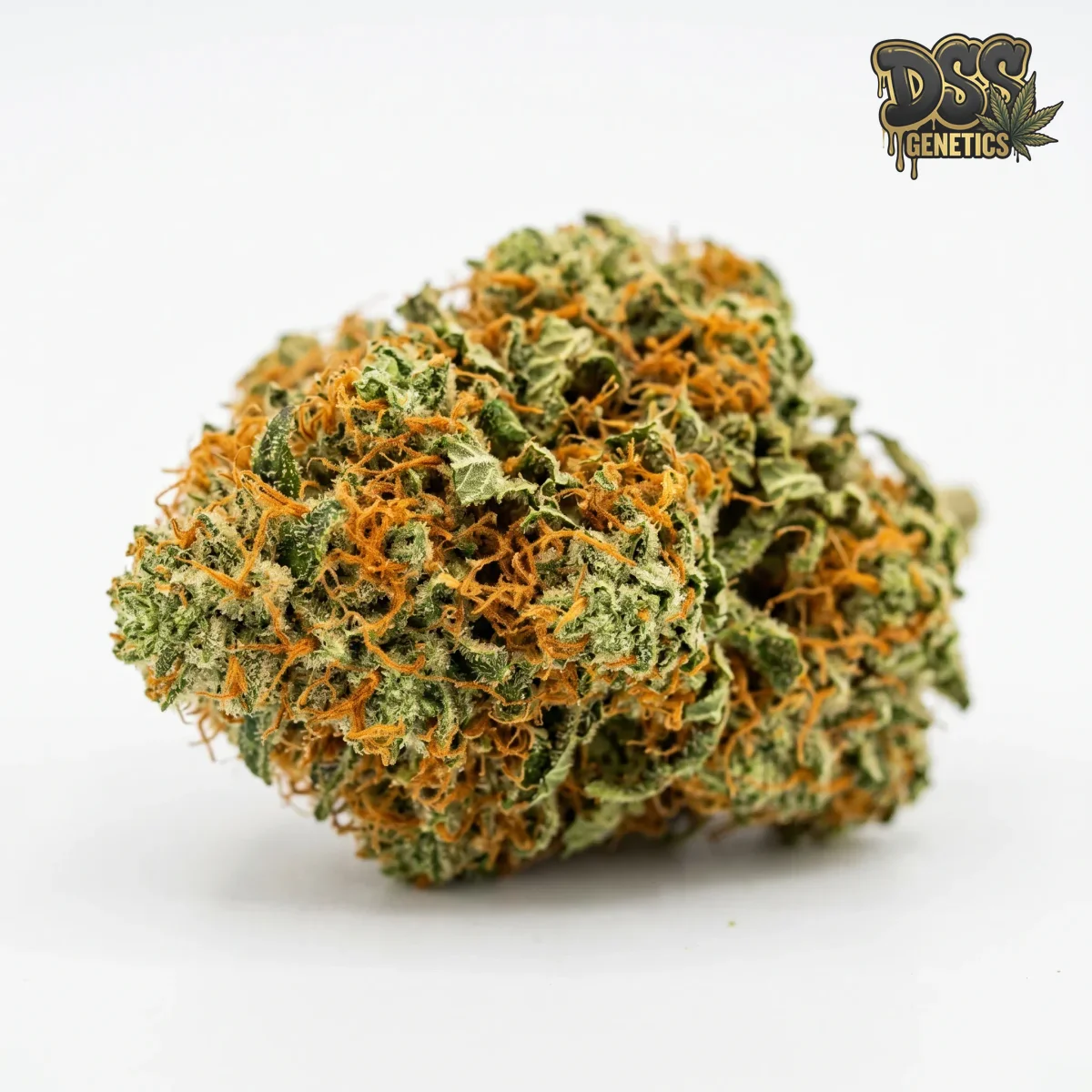
Crack a jar of well-cured Chronic and the first thing you notice is pine — clean, resinous, slightly medicinal, like walking into a forest after rain. Underneath that initial green brightness sits something sweeter and earthier, a loamy base note that grounds the whole profile. Give it another second and the citrus emerges: specifically lemon, sharp and zesty, cutting through the earthy base like a squeeze of fresh juice into a cup of dark tea. The skunky signature from its Skunk parentage arrives last, adding a funky, almost savory edge that keeps the aroma from being one-dimensional.
On the inhale, that pine freshness translates cleanly — it's the first flavor you register, and it's genuinely pleasant rather than harsh or medicinal. The exhale is where the sweetness takes over, rounding into a smooth, almost dessert-like finish with lemon citrus lingering at the back of the throat. The skunk note adds just enough funk to remind you this is cannabis, not a candy shop. The overall experience is balanced and approachable — complex enough for terpene enthusiasts, clean enough for daily use.
Myrcene is the anchor of this profile — the terpene responsible for that earthy, musky base that makes Chronic smell like living soil and pine bark simultaneously. Myrcene is the most abundant terpene in cannabis broadly, and it earns that status here by providing the aromatic foundation that every other terpene builds on. Beyond aroma, myrcene is associated with sedative and muscle-relaxing properties, which helps explain why Chronic's body effect feels so smooth despite its moderate THC ceiling. It may also facilitate faster cannabinoid absorption across the blood-brain barrier, meaning onset tends to arrive cleanly and efficiently.
Caryophyllene is Chronic's most pharmacologically interesting terpene. It carries a spicy, peppery warmth in the aroma — you can detect it as a subtle heat underneath the pine and lemon — but its real significance is biochemical. Caryophyllene is the only known terpene that acts as a cannabinoid, binding directly to CB2 receptors in the immune system and peripheral tissues. This makes it a genuine contributor to Chronic's anti-inflammatory and pain-relieving effects, not just an aromatic curiosity. For patients growing Chronic specifically for inflammation relief or pain management, caryophyllene's presence is a meaningful part of the therapeutic equation.
Linalool brings floral softness to what would otherwise be a purely earthy-skunky profile. Most people associate linalool with lavender, and that's accurate — it's the same compound responsible for lavender's calming reputation. In Chronic, linalool operates as a behind-the-scenes mood modulator, contributing to the strain's anxiolytic quality and adding a subtle floral sweetness that smooths the transition between pine and citrus in the flavor. Research suggests linalool may enhance GABAergic activity, which aligns with Chronic's ability to take the edge off anxiety without full sedation.
Humulene rounds the terpene picture with a dry, woody, slightly hoppy note — not surprising given that hops and cannabis share this terpene. It contributes subtle bitterness to the exhale that balances the sweetness and keeps the flavor profile from becoming cloying. Humulene has shown anti-inflammatory properties in research settings and may have appetite-suppressing effects, which distinguishes Chronic from strains that trigger intense munchies. For users managing pain or inflammation who don't want to derail their diet, this is a practical side benefit worth noting.
Growing Chronic Seeds
Chronic Autoflower is genuinely easy to grow — and that claim is backed by the genetics, not just marketing copy. The Northern Lights influence brings natural disease resistance and a forgiving response to minor nutrient swings. The ruderalis backbone means the plant ignores light schedule errors entirely, which removes one of the most common beginner mistakes from the equation. What we've found over repeated indoor and outdoor runs is that Chronic rewards growers who stay consistent more than those who constantly intervene — set a stable environment and let the genetics do their job.
Indoors, this strain thrives between 68–79°F (20–26°C) with relative humidity at 50–60% during vegetative growth, dropping to 40–50% once flowers begin stacking in weeks three through five. Because autoflowers have no recovery time between mistakes, dialing in your environment from day one matters more than with photoperiod strains. Good airflow around the canopy prevents the minor moisture buildup that dense indica buds can create. For complete setup guidance, our indoor growing guide walks through the full environment checklist.
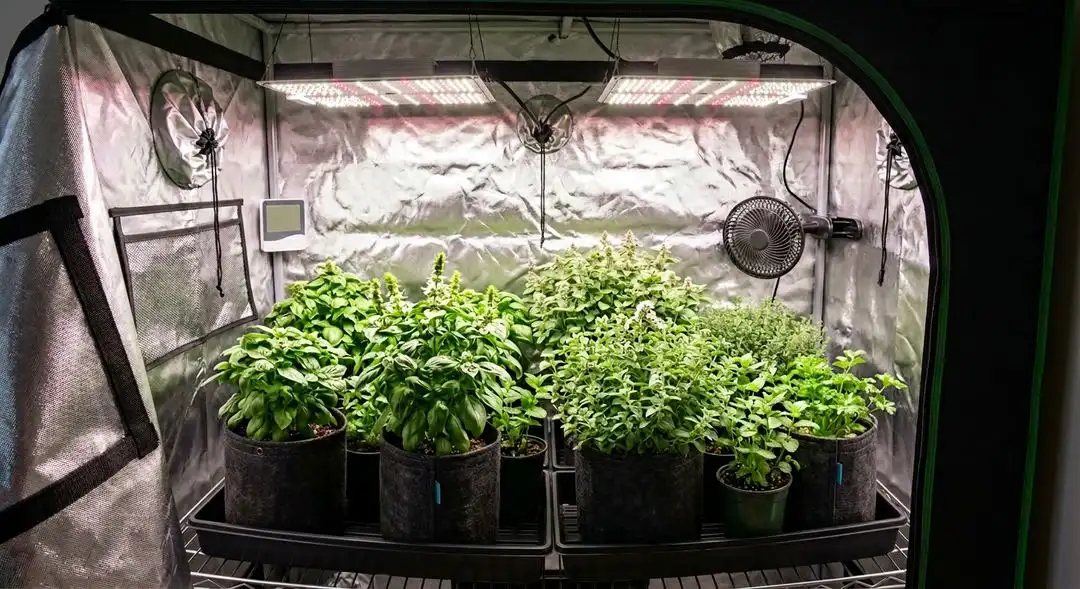
Outdoors, Chronic Autoflower adapts well across a wide range of climates. Because it flowers by age rather than season, you can run multiple outdoor cycles between late spring and early autumn in temperate zones — something photoperiod strains simply can't offer. In warmer climates, plants can go from seed to harvest three times annually. The medium plant size keeps the profile low enough that Chronic fits into balcony grows, greenhouses, and garden corners without announcing itself. See our outdoor growing guide for tips on timing your cycles and protecting late-run harvests from early autumn rain.
Key growing tips specific to this strain:
- Skip aggressive topping: Because autoflowers operate on a fixed timeline, hard topping can stunt overall yield — instead, use low-stress techniques from our training techniques guide to open the canopy without interrupting growth momentum
- Start nutrients light: Chronic's Northern Lights genetics are moderately sensitive to nitrogen overload early on — begin at 25–50% of recommended feed strength and scale up only after the plant signals readiness with healthy, dark-green growth; our nutrient guide covers autoflower-specific feeding timelines in detail
- 18/6 light schedule: Most growers running Chronic indoors see the best results at 18 hours of light and 6 hours of dark from seed to harvest — this maximizes photosynthesis while giving the plant a genuine rest period that supports terpene and resin development
- Watch humidity at week four: As bud sites swell and buds densify between days 28–42, drop relative humidity to 40–45% to protect dense colas from moisture-related issues — a small oscillating fan pointed at the lower canopy helps significantly
- Pot size matters: Transplant stress hits autoflowers harder than photoperiod plants — start directly in a 3–5 gallon fabric pot and avoid transplanting entirely; fabric pots also naturally air-prune roots and prevent overwatering, which is the single most common beginner error with this strain
Yield and Flowering Time
Chronic Autoflower flowers in 49–56 days from the appearance of first pistils — one of the faster turnarounds in the fast-flowering category without sacrificing bud quality. Indoor yields land between 0.9 and 1.3 oz/ft², which is competitive for an autoflower and reflects the productive Skunk genetics working behind the scenes. Outdoor plants, given adequate root space and summer sun, can produce between 1.5 and 3.5 oz per plant — the upper end of that range is achievable in long-season climates with plants allowed to grow in large containers or directly in garden soil.
For growers who want to run multiple cycles per year, Chronic's compressed schedule is a genuine operational advantage. Two full indoor cycles fit comfortably into the same calendar window most photoperiod strains need for a single run. Combine that with the easy-to-grow difficulty rating and you have a strain that rewards growers at every experience level with consistent, harvest-ready plants. Pair it with something from our high-yield collection if you're optimizing an indoor garden for total annual output.
To maximize your harvest:
- Read your trichomes, not the calendar: While Chronic typically finishes in 49–56 days of flower, individual phenotypes vary — use a jeweler's loupe or digital microscope and target 70–80% milky white trichomes with 10–20% amber for the balanced relaxed-yet-functional effect this strain is known for; more amber pushes the experience toward heavy sedation
- Final week dry-out: Stop watering 2–3 days before harvest to allow the medium to dry slightly, which concentrates terpenes and makes trimming cleaner — buds that are too wet at harvest lose aromatic compounds rapidly during drying
- Drying environment: Hang-dry in a dark room at 60–65°F and 55–60% relative humidity for 7–10 days before trimming — rushing this step is the fastest way to destroy the lemon and pine terpenes that make Chronic worth growing; our drying and curing guide covers every step in detail
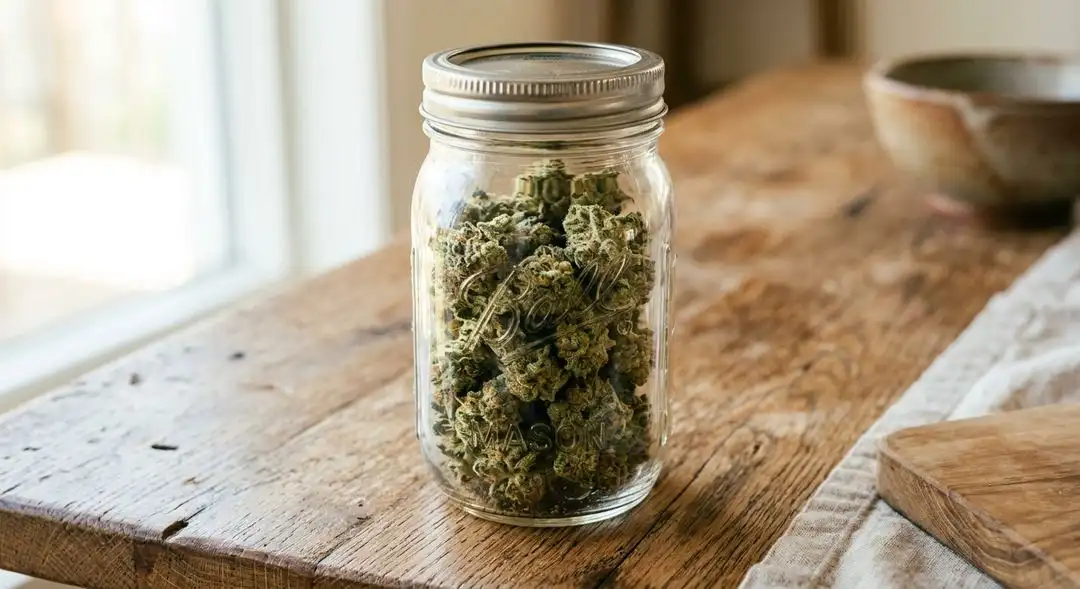
- Cure for at least three weeks: Burp jars daily for the first week, then every other day through week three — Chronic's flavor profile genuinely improves with time in the jar, and the linalool floral notes that are subtle at day seven become noticeably more present by week three
Why Buy Chronic Seeds from DSS Genetics?
Every pack of Chronic Autoflower Seeds ships with our full germination guarantee — if a seed doesn't sprout following our germination guide, we replace it without argument. Orders ship in discreet, plain packaging with no cannabis branding anywhere on the outside. We store every seed variety under controlled humidity and temperature conditions to ensure what arrives at your door is viable, not degraded stock sitting in a warm warehouse.
- Germination guarantee — every seed we sell is backed by a replacement promise; we stand behind the genetics, full stop
Medical Disclaimer: This information is for educational purposes only and should not be considered medical advice. Always consult a healthcare professional before using cannabis for medical purposes. Individual results may vary.
Frequently Asked Questions
Chronic — Common Questions Answered
What is Chronic?
Chronic is a indica-dominant cannabis strain (70% Indica / 30% Sativa) bred from Northern Lights x Skunk x AK-47 x Ruderalis. It produces THC levels of 15–20% and CBD levels of 0.4–1.1%. Known for its relaxing, happy, uplifting effects and pine, sweet, earthy flavor profile.
Is Chronic easy to grow?
Yes, Chronic is an excellent choice for beginners. It has a forgiving growth pattern and doesn't require advanced techniques to produce good yields. Growing difficulty: Easy. It thrives in temperate climates and reaches a medium plant size.
How long does Chronic take to flower?
Chronic has a flowering time of 49–56 days. Switch to a 12/12 light cycle to initiate flowering. Expected yields are 0.9 to 1.3 oz/ft² indoors and 1.5 to 3.5 oz/plant outdoors.
What are the effects of Chronic?
Chronic delivers relaxing, happy, uplifting, creative, energetic, talkative effects. Many growers report it helps with pain, anxiety, insomnia, inflammation. With THC levels of 15–20%, it provides a moderate to strong experience suitable for most users.
What does Chronic smell and taste like?
Chronic's dominant terpenes are Myrcene, Caryophyllene, Linalool, Humulene, which give it a pine, sweet, earthy, citrus, lemon, skunky flavor and aroma profile. Myrcene contributes earthy, herbal notes and is associated with relaxing effects.Caryophyllene provides spicy, peppery notes and may help with inflammation.
Can I grow Chronic indoors and outdoors?
Yes, Chronic performs well both indoors and outdoors. Indoor yields average 0.9 to 1.3 oz/ft², while outdoor grows can produce 1.5 to 3.5 oz/plant. It prefers temperate conditions. Its medium height is manageable in most indoor setups.
Grower Reviews
Real grow experiences from our community
Similar Strains
Get 10% Off Your First Order
Join our newsletter for exclusive deals, growing tips, and new strain drops.