Khalifa Kush Feminized Seeds
By Ivan K., DSS Genetics · Updated April 2026

Khalifa Kush Feminized Seeds
SKU: DSS-KHKU-FEM-5PK
Pack Size
Quantity
Disclaimer: For informational purposes only — not medical advice. Consult a healthcare professional before use.
About This Strain
Khalifa Kush Feminized Seeds — Complete Strain Profile
Khalifa Kush Feminized Seeds – Strain Overview
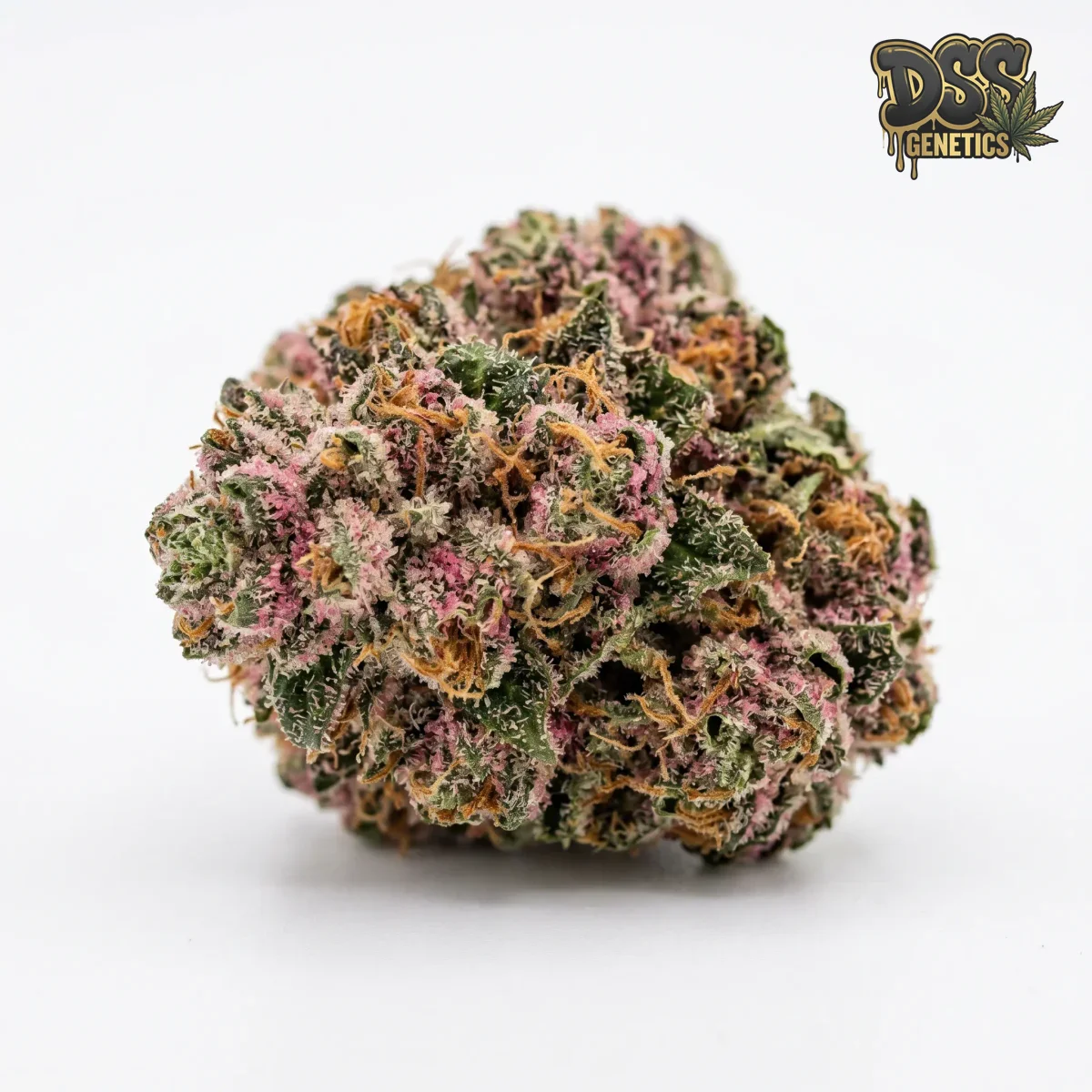
Khalifa Kush is a direct descendant of OG Kush, reportedly developed in collaboration with rapper Wiz Khalifa and refined through selective phenotype hunting to amplify the very best traits of its legendary parent. The result is an 80% indica / 20% sativa hybrid that sits firmly in the upper tier of OG-lineage strains — pushing 24–26% THC while retaining the complex, multi-layered terpene signature that made OG Kush a cultural institution.
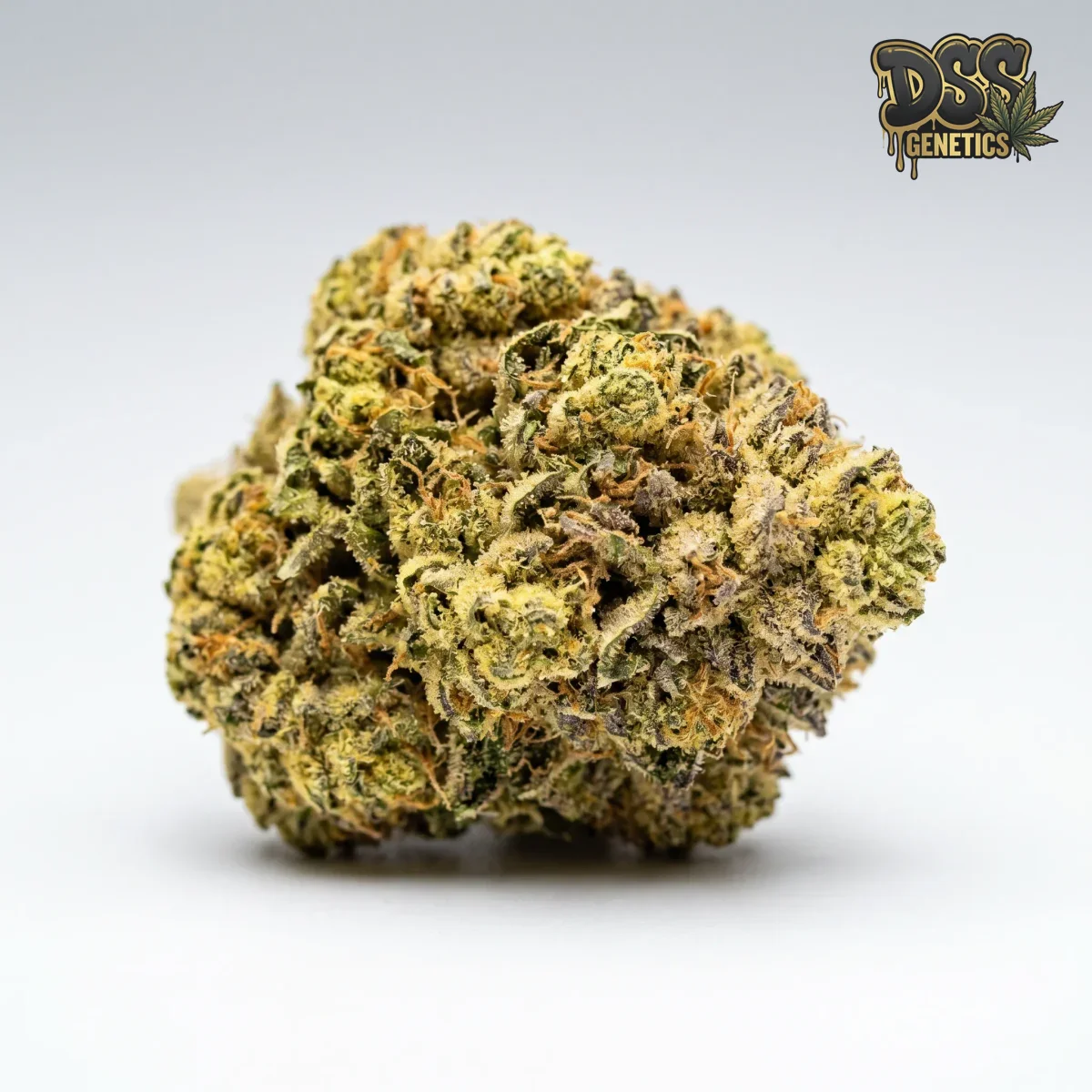
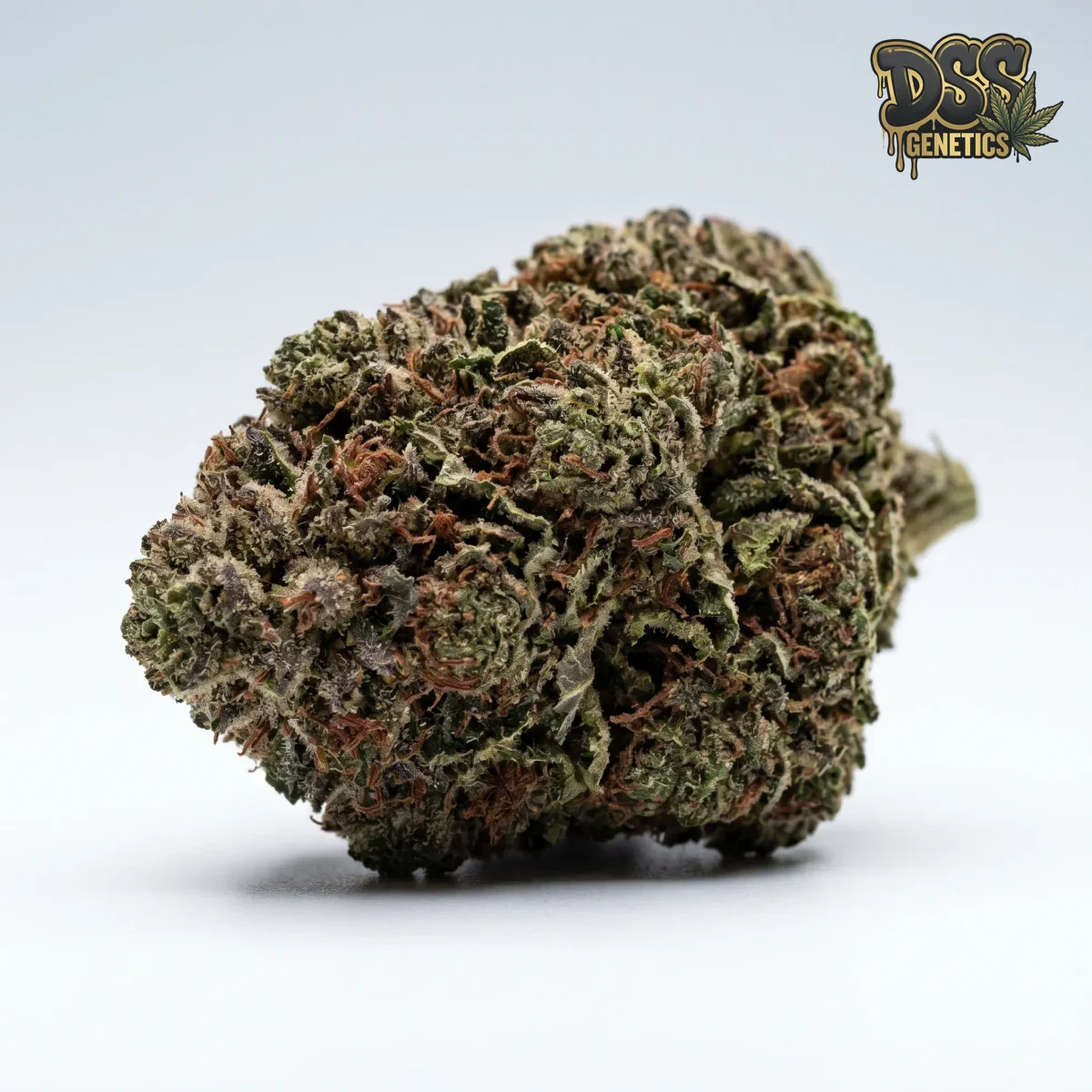
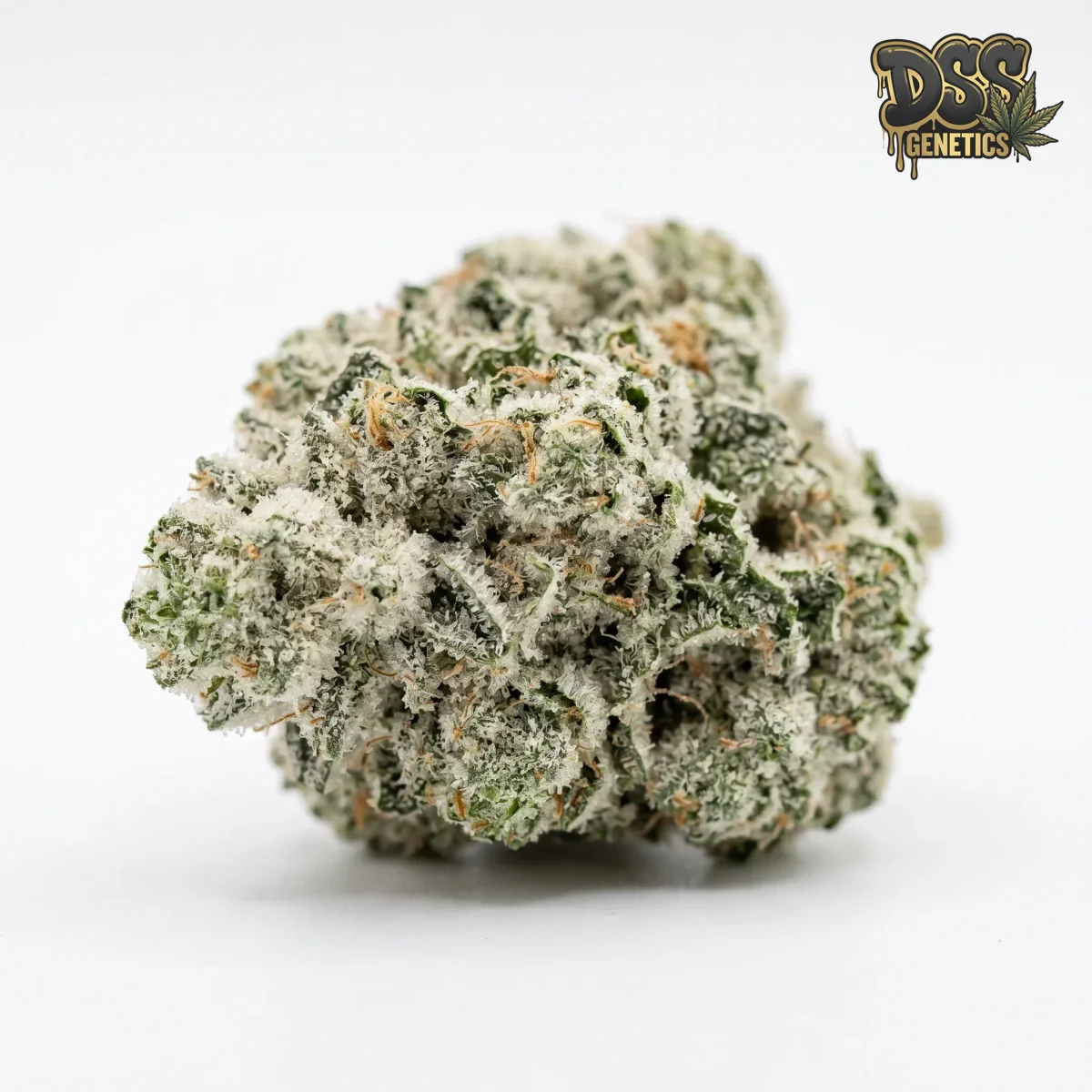
What separates Khalifa Kush from a standard OG Kush cut is the intentional dialing-in of potency and flavor. The resinous, dense buds carry a distinctly sharper pine-and-lemon edge than most OG phenotypes, and the effect profile leans into focused relaxation rather than pure sedation. It belongs in the same conversation as the highest-THC strains available to home growers — but it demands skill to grow well, and it rewards that effort generously.
Effects and Medical Benefits
The high opens faster than you might expect from an 80% indica. Within the first five minutes, a warm cerebral lift spreads behind the eyes — not racy, not anxious, just a clean and pleasant elevation of mood. That sativa 20% is doing real work in the opening act.
By the fifteen-minute mark, the indica genetics take the wheel. A dense, unhurried wave of physical relaxation rolls from the shoulders down through the limbs, leaving the mind still engaged but the body anchored and calm. At moderate doses, this state is genuinely functional — creative work, conversation, and low-intensity tasks all remain accessible. Push the dose higher and the couch becomes more compelling.
Users consistently report these effects:
- Deep physical relaxation — full-body muscle release without immediate knockout
- Euphoria and happiness — mood elevation that feels grounded rather than wired
- Focused calm — mental clarity that persists through the early-to-mid stage of the high
- Gentle uplift — an uplifting quality that prevents the heaviness from turning dark or anxious
On the medical side, Khalifa Kush is a genuine all-rounder for symptom relief:
- Chronic pain — body-load relaxation that addresses both muscular and nerve-related discomfort
- Stress — the combination of physical release and mood lift makes it highly effective for end-of-day tension
- Anxiety — focused calm without the paranoia spike that high-THC strains can trigger in sensitive users
- Depression — the euphoric opening phase provides a reliable mood reset
- Insomnia — higher doses reliably transition into sleep-inducing sedation
- Inflammation — supported by Caryophyllene's direct interaction with CB2 receptors
The CBD content (0.01–1%) is modest, but the terpene profile more than compensates. Pinene, Caryophyllene, and Limonene each contribute independently to the therapeutic picture — and their combined interaction with 24–26% THC creates a genuinely layered effect through the entourage effect that a cannabinoid number alone can't capture.
Aroma, Flavor and Terpene Profile
Crack a cured Khalifa Kush bud and the first thing that hits you is a sharp, almost medicinal blast of alpine pine — clean, green, and slightly resinous, like fresh needles after rain. A half-second later, a squeeze of bright lemon zest cuts through, followed by a cool whisper of mint that lingers in the back of the throat. It's a profile that feels simultaneously familiar and distinct, immediately recognizable as OG-lineage but more refined and aromatic than many cuts of the original.
On the inhale, the pine and citrus ride together with a smooth earthiness underneath — that deep, loamy, slightly damp quality that is the hallmark of genuine OG genetics. The exhale opens up entirely: the lemon sharpens into full citrus, a fleeting note of cherry appears on the back palate, and the mint resolves into a long, cool finish that keeps the aftertaste interesting for several minutes. It's a genuinely complex smoke that rewards slow, attentive consumption.
Pinene is the dominant terpene at 0.80%, and its presence explains everything about this strain's aroma signature. Alpha-pinene in particular delivers that unmistakable sharp forest-pine quality — it's the same compound responsible for the scent of pine sap, rosemary, and fresh basil. Beyond aroma, Pinene has been studied for its ability to counteract some of the short-term memory impairment associated with THC, and it may support bronchodilation, making the smoke feel cleaner and easier on the lungs than many comparably potent strains.
Caryophyllene comes in at 0.16% and is the most pharmacologically active terpene in this profile. It's the only terpene known to directly bind to CB2 receptors in the endocannabinoid system, functioning more like a cannabinoid than a simple aromatic compound. In the flavor profile, Caryophyllene contributes a subtle warmth and mild spice — you might not consciously identify it, but it's the element that gives Khalifa Kush its satisfying body and prevents the citrus notes from feeling thin or one-dimensional. Its anti-inflammatory and analgesic properties make it especially relevant for medical users targeting pain and inflammation.
Limonene at 0.08% punches above its weight in this profile. Even at lower concentrations, Limonene's citrus-forward character is highly detectable — it's the compound behind that bright lemon-zest top note that makes the first inhale so striking. Research into Limonene points toward anxiolytic and mood-elevating properties, which aligns directly with the happy and uplifting qualities users report from Khalifa Kush. It also pairs synergistically with Pinene to create that distinctive lemon-pine combination that sets this strain apart from earthier OG phenotypes.
Growing Khalifa Kush Seeds
Let's be direct: Khalifa Kush is rated difficult, and that rating is accurate. This is not a strain for first-time growers or anyone who wants a low-maintenance garden. The same dense, resin-packed bud structure that makes the finished product so impressive also makes the plant vulnerable to environmental stress, nutrient imbalance, and pathogen pressure during the later weeks of flower.
What we've found over dozens of grows with OG-lineage genetics is that this strain punishes inconsistency more than almost any other indica-dominant variety. Temperature swings, irregular watering, and even minor errors in pH — things that a more forgiving strain would absorb without complaint — show up quickly on Khalifa Kush as tip burn, leaf curl, or early amber trichomes that signal premature stress rather than maturity.
The good news is that the challenges are manageable with discipline. Khalifa Kush thrives at 70–79°F (21–26°C) during the vegetative stage and prefers a slight drop to 65–75°F (18–24°C) during flowering — that 10°F differential between lights-on and lights-off in the final two weeks will encourage the purple and blue hues that sometimes emerge in cooler OG phenotypes. Keep relative humidity between 50–60% through the vegetative stage, then drop it progressively to 40–45% as you enter the flowering stage to protect the dense colas from botrytis.
This strain is a moderate-to-heavy feeder that responds well to a structured nutrient program. During vegetative growth, a balanced N-P-K with an emphasis on nitrogen supports the canopy development you'll need for strong yields. Transition to a bloom-focused schedule at the flip — reduce nitrogen sharply, build phosphorus and potassium from week two of flower onward, and watch for any signs of magnesium deficiency, which is common in OG-lineage plants under high-phosphorus regimens. A 0.5 g/L magnesium sulfate addition to your irrigation water through mid-flower is a reliable preventative measure.
Medium plant size makes Khalifa Kush workable in standard 4×4 or 5×5 indoor grow tents, but the canopy can get bushy and uneven without intervention. Heavy defoliation in the first two weeks of flower — removing fan leaves blocking lower bud sites — dramatically improves light penetration and airflow. Outdoors, this strain performs well in warm, dry climates with long autumn harvest windows; maritime climates with high autumn humidity are a poor match given the botrytis risk on tight OG buds.
Key growing tips for Khalifa Kush:
- Training: SCROG or heavy LST through late veg pays dividends — see our training techniques guide for the exact approach that works with dense indica structures
- Humidity control: Drop RH to 40–45% by week three of flower and maintain it — this strain's tight bud structure creates ideal conditions for mold if airflow and humidity are neglected
- Nutrients: Follow a structured bloom program from the flip and refer to our nutrient guide — avoid overfeeding nitrogen during flower, which produces airy, leafy buds rather than the dense OG colas this strain is known for
- Outdoor placement: If growing outside, choose a site with maximum sun exposure and excellent natural airflow — review our outdoor growing guide for site selection criteria specific to dense indica varieties
- Hydroponics: Khalifa Kush responds exceptionally well to hydroponic systems — DWC and RDWC setups allow precise nutrient control and typically push yields toward the top of the documented range
Yield and Flowering Time
Khalifa Kush completes its flowering cycle in 60–65 days — roughly 8.5 to 9.5 weeks from flip to harvest. Indoor growers working with dialed-in environments can expect 1.4 to 1.8 oz/ft², which places it solidly in the higher-performing range for indica-dominant strains. Outdoor plants are genuinely impressive producers, delivering 12 to 14 oz/plant when given a full season in a warm, sunny climate. For growers seeking volume alongside quality, this is one of the stronger entries in the high-yield category.
The difference between a 1.4 oz/ft² and a 1.8 oz/ft² indoor harvest almost always comes down to two variables: canopy evenness and late-flower environmental precision. Growers who invest in proper training during the vegetative stage and maintain tight humidity and temperature control through the final two weeks of flower consistently hit the upper end of that range. Rushing the harvest by even five days costs visible weight and terpene density — Khalifa Kush finishes on its own schedule.
To maximize your harvest:
- Trichome monitoring: Target 70–80% cloudy trichomes with 10–20% amber for the balanced relaxation-euphoria effect this strain is known for — harvest earlier for more cerebral focus, later for deeper sedation
- Late-flower humidity: Drop to 40–45% RH in the final two weeks — the dense OG bud structure makes this non-negotiable for preventing botrytis on inner bud tissue
- Flush timing: Begin flushing 10–14 days before anticipated harvest to clear residual nutrients and allow the full terpene expression to develop without mineral interference
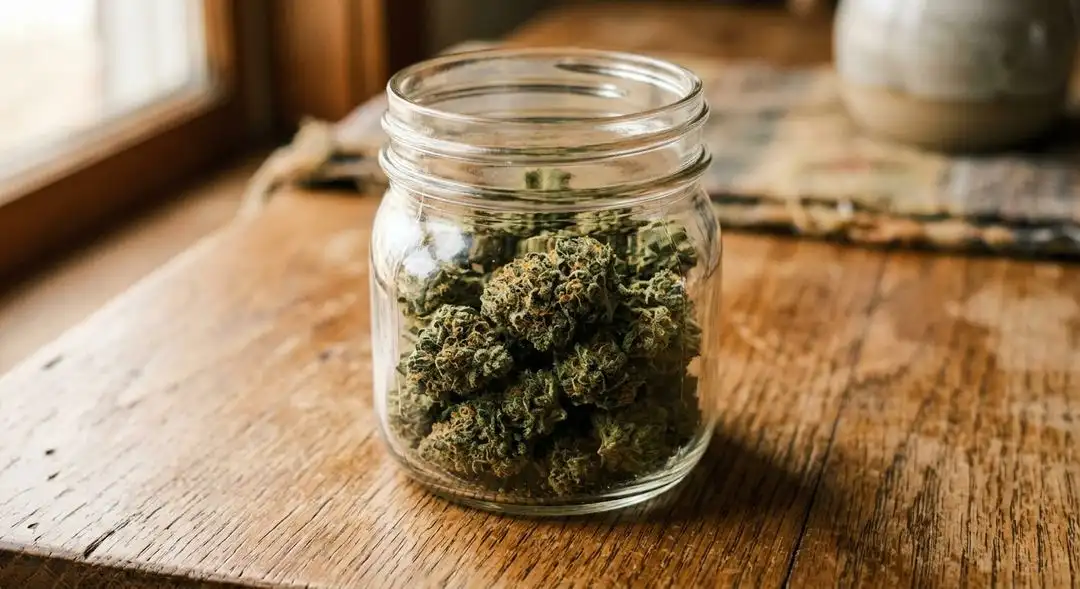
- Drying and curing: Slow-dry at 60–65°F / 60–65% RH for 10–14 days, then cure in sealed glass jars with daily burping for a minimum of three weeks — follow our drying and curing guide closely, as the Pinene-forward terpene profile of this strain is particularly sensitive to heat and rapid moisture loss
Why Buy Khalifa Kush Seeds from DSS Genetics?
Every Khalifa Kush seed ships with our full germination guarantee — if it doesn't sprout using our recommended method, we replace it. Your order arrives in discreet, plain packaging with no indication of contents,. Follow our germination guide for the best possible start with these genetics.
- Germination guaranteed — we stand behind every seed with a no-questions replacement policy
- Discreet shipping — plain, unmarked packaging on every order
- Spend $100 or more — receive complimentary premium seeds with your order
- Optimal seed storage — temperature and humidity-controlled warehousing ensures maximum viability from our facility to your hands
Frequently Asked Questions
How difficult is Khalifa Kush to grow for a first-time grower?
Khalifa Kush is rated difficult and is not recommended as a first grow. Its OG Kush genetics make it sensitive to humidity swings, nutrient imbalance, and environmental inconsistency in ways that can derail an inexperienced grower before the plant reaches harvest. If you're new to cannabis cultivation, we strongly recommend starting with something from our easy-to-grow collection to build your environmental control skills first. Return to Khalifa Kush after a few successful harvests and you'll be far better equipped to get the most from these genetics.
What THC percentage does Khalifa Kush test at?
Khalifa Kush tests at 24–26% THC, placing it firmly among the highest-THC strains in our catalog. That potency level deserves respect — experienced consumers should start with a conservative dose and allow the full effect to develop before redosing. The focused, relaxing high is extremely well-regarded, but 24–26% THC in an 80% indica can catch even experienced users off guard if they're not attentive to dose.
Is Khalifa Kush a good medical strain?
Yes — Khalifa Kush has one of the broader medical effect profiles of any OG-lineage strain. It's most commonly
Medical Disclaimer: This information is for educational purposes only and should not be considered medical advice. Always consult a healthcare professional before using cannabis for medical purposes. Individual results may vary.
Frequently Asked Questions
Khalifa Kush — Common Questions Answered
What is Khalifa Kush?
Khalifa Kush is a indica-dominant cannabis strain (80% Indica / 20% Sativa) bred from OG Kush. It produces THC levels of 24–26% and CBD levels of 0.01–1%. Known for its relaxing, happy, euphoric effects and pine, earthy, citrus flavor profile.
Is Khalifa Kush easy to grow?
Khalifa Kush is considered an advanced-level strain that requires experience with training techniques, environmental control, and nutrient management for best results. Growing difficulty: Difficult. It thrives in temperate climates and reaches a medium plant size.
How long does Khalifa Kush take to flower?
Khalifa Kush has a flowering time of 60–65 days. Switch to a 12/12 light cycle to initiate flowering. Expected yields are 1.4 to 1.8 oz/ft² indoors and 12 to 14 oz/plant outdoors.
What are the effects of Khalifa Kush?
Khalifa Kush delivers relaxing, happy, euphoric, uplifting, focused effects. Many growers report it helps with pain, stress, anxiety, depression, insomnia, inflammation. With THC levels of 24–26%, it is a potent strain — start with a low dose if you have low tolerance.
What does Khalifa Kush smell and taste like?
Khalifa Kush's dominant terpenes are Pinene (0.80%), Caryophyllene (0.16%), Limonene (0.08%), which give it a pine, earthy, citrus, lemon, mint, cherry flavor and aroma profile.
Can I grow Khalifa Kush indoors and outdoors?
Yes, Khalifa Kush performs well both indoors and outdoors. Indoor yields average 1.4 to 1.8 oz/ft², while outdoor grows can produce 12 to 14 oz/plant. It prefers temperate conditions. Its medium height is manageable in most indoor setups.
What does "feminized" mean for Khalifa Kush seeds?
Feminized Khalifa Kush seeds are bred to produce only female plants, which are the ones that develop smokable buds. This eliminates the need to identify and remove male plants, saving time and maximizing your grow space. Over 99% of feminized seeds will produce female plants.
Grower Reviews
Real grow experiences from our community
Get 10% Off Your First Order
Join our newsletter for exclusive deals, growing tips, and new strain drops.