Sour Diesel Autoflower Seeds
By Ivan K., DSS Genetics · Updated April 2026

Sour Diesel Autoflower Seeds
SKU: DSS-SODI-AUTO-5PK
Pack Size
Quantity
Disclaimer: For informational purposes only — not medical advice. Consult a healthcare professional before use.
About This Strain
Sour Diesel Autoflower Seeds — Complete Strain Profile
Sour Diesel Autoflower Seeds – Strain Overview
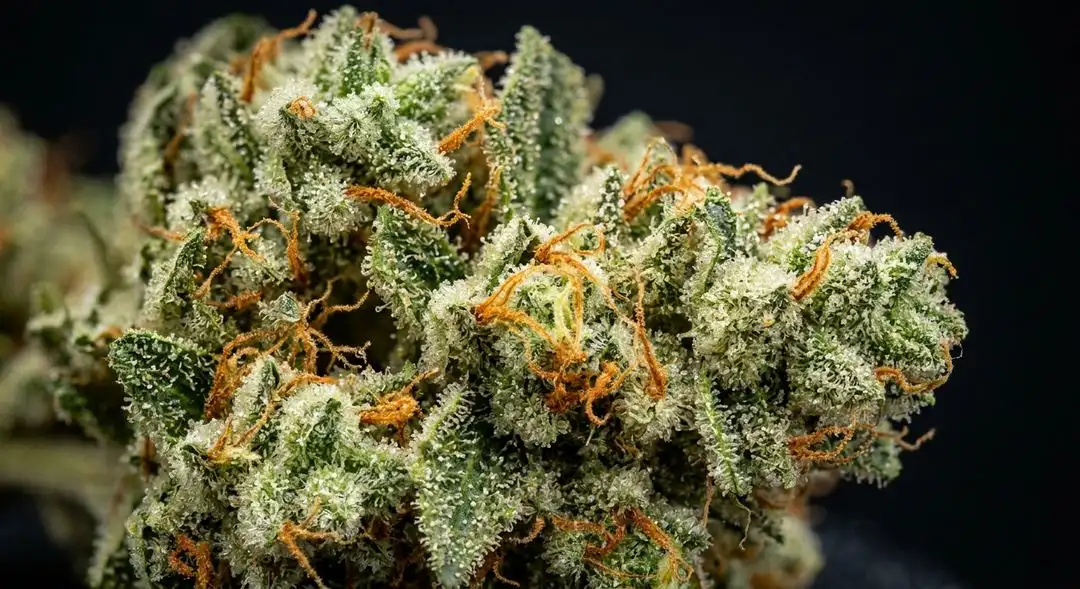
Sour Diesel Autoflower is a 70% sativa-dominant hybrid born from three legendary parents: Chemdog 91, Super Skunk, and Ruderalis. That lineage explains everything — the razor-sharp cerebral energy of Chemdog, the dense resin production of Super Skunk, and the fast, light-independent cycling of Ruderalis all show up in the finished plant. THC ranges from 17–23%, with 1–2% CBD rounding out a profile that hits hard without completely grounding you.
What makes this strain genuinely special is how well the Ruderalis integration preserved Sour Diesel's core character. Many autoflower conversions flatten the original's effect profile — this one didn't. You still get that unmistakable diesel-fuel punch on the nose, the bright sativa rush that made the photoperiod version famous, and a flowering window of just 56–63 days from seed. For growers who want that classic experience without managing light schedules, this is the right seed to plant. Browse the full best autoflower collection to compare it against the field.
Effects and Medical Benefits
The Sour Diesel high opens fast — within minutes of the first exhale, a sharp cerebral lift clears the mental fog and replaces it with focused, upbeat energy. This is a sativa-forward rush that doesn't race or paranoia-spiral; it settles into sustained euphoria that keeps conversation flowing and creative work moving. Over the next hour or two, the indica genetics from Super Skunk ease in underneath, softening the edges without pulling you toward the couch.
At 17–23% THC, the potency range matters. The lower end delivers a bright, social, manageable experience. Push toward 22–23% and the relaxation layer becomes more pronounced — still functional, but noticeably more physical. This dual-mode character is one reason Sour Diesel has stayed relevant for decades across both recreational and medical use.
Users consistently report these effects:
- Euphoria and happiness — a clean, positive mood shift that arrives quickly and holds steady
- Creative and energetic drive — mental horsepower without the jittery edge of high-caffeine focus
- Uplifting and social — lowers inhibition and improves conversational flow
- Gentle body relaxation — the indica foundation quietly reduces physical tension without sedation
On the medical side, this strain is regularly chosen for relief from:
- Stress — the sativa dominance interrupts ruminative thought patterns effectively
- Anxiety — particularly well-suited for daytime anxiety management at moderate doses
- Depression — the euphoric, energetic lift is one of the more reliable mood-elevating profiles available
- Pain and inflammation — the combined THC and CBD content provides meaningful physical relief
- Headaches — Pinene and Limonene both have documented potential for headache relief
The 1–2% CBD content isn't negligible. At that range it meaningfully interacts with THC, tempering the ceiling on anxiety while extending the therapeutic window — a textbook example of the entourage effect working in the consumer's favor.
Aroma, Flavor and Terpene Profile
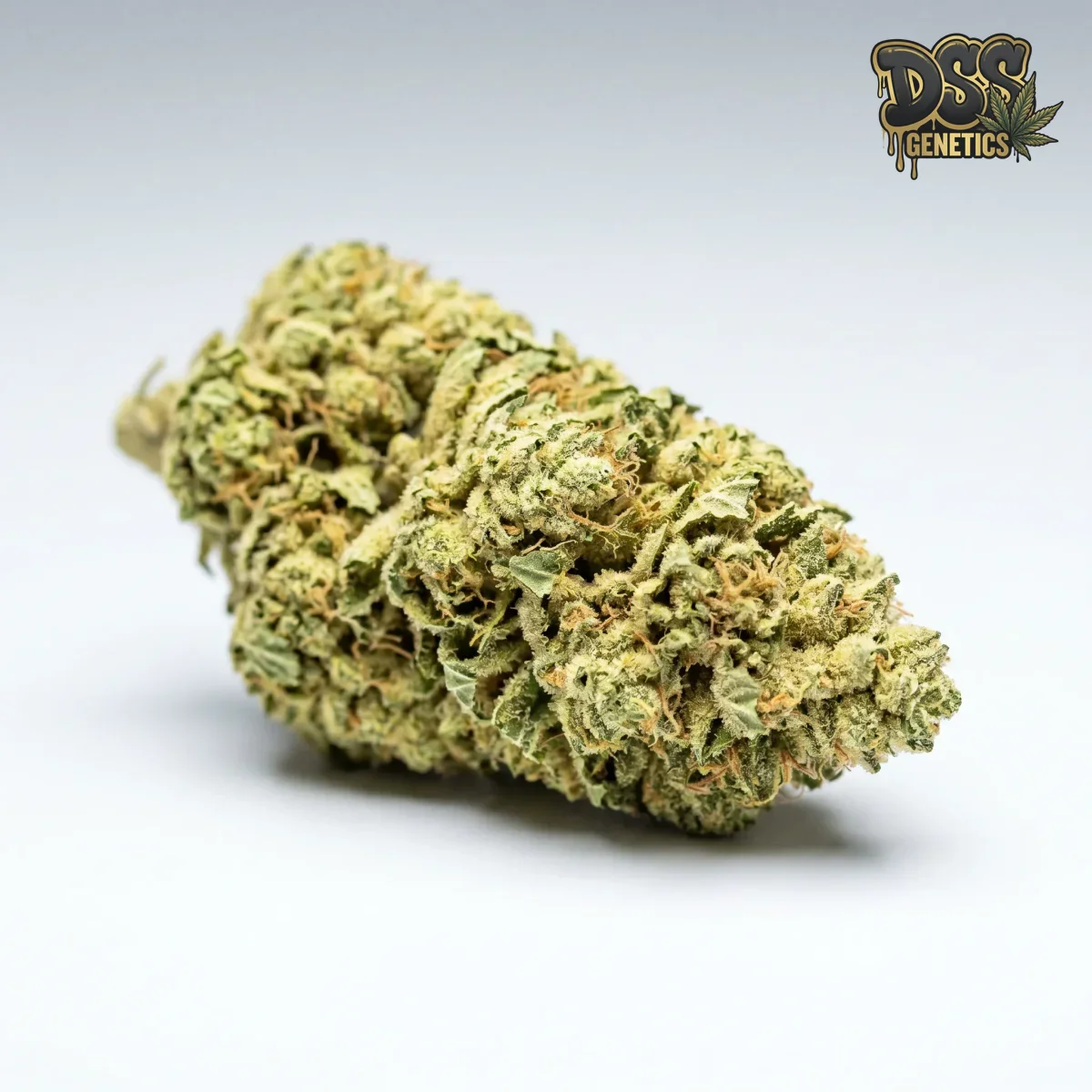
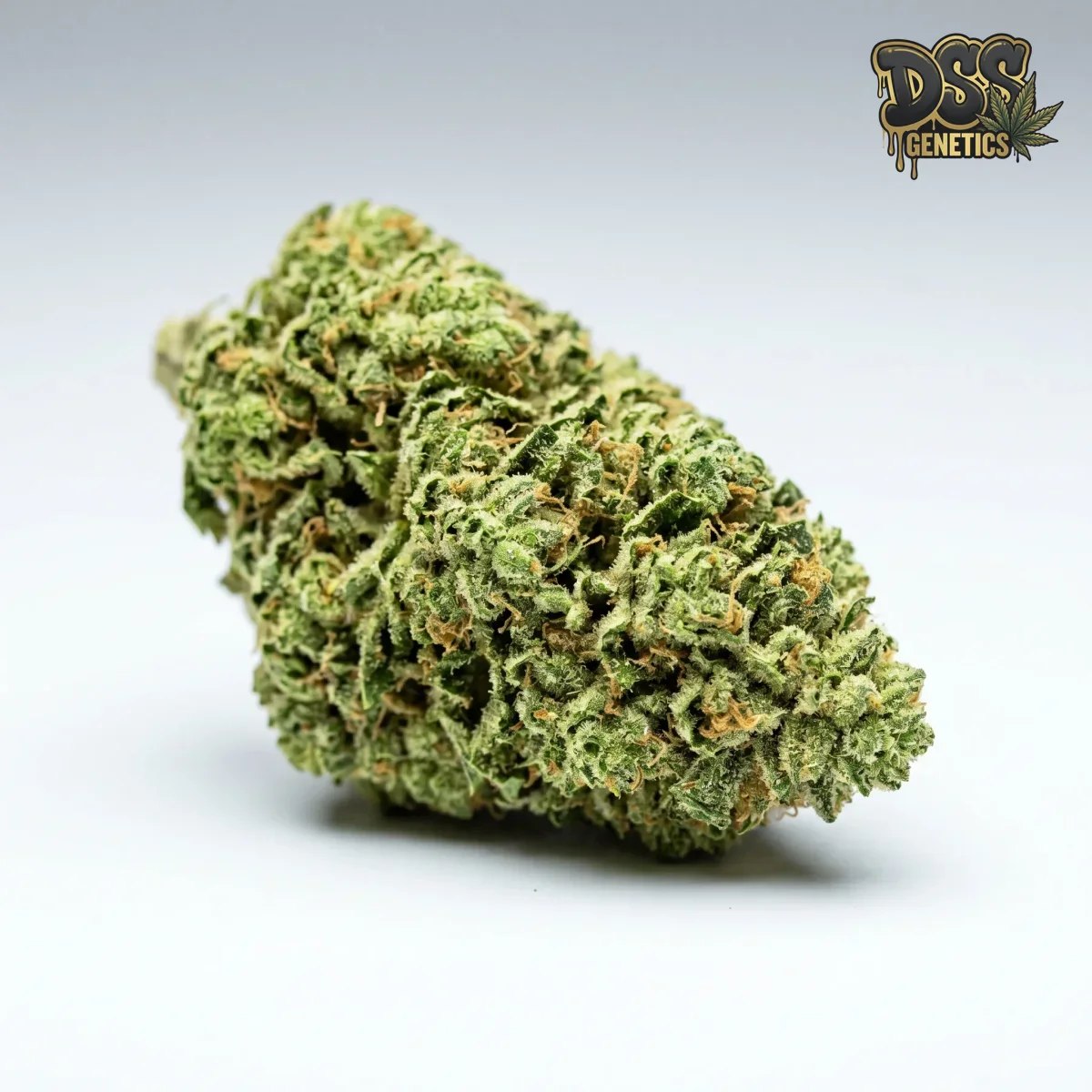
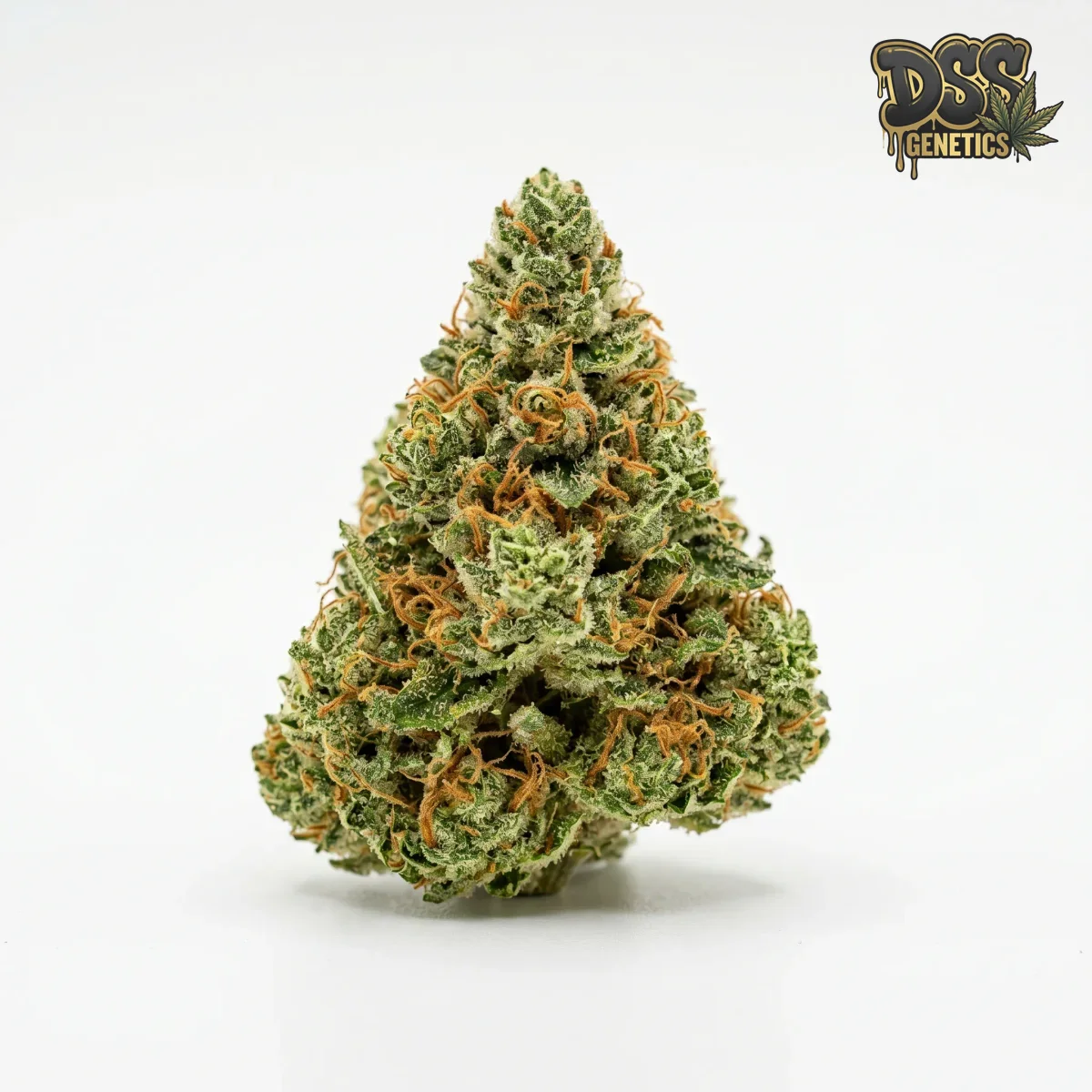
Crack open a jar of properly cured Sour Diesel and the room knows it immediately. The front note is sharp, acrid diesel fuel — the kind that hits the back of your sinuses before you've even inhaled. Underneath that industrial edge lives something more complex: a citrus brightness, almost like fresh grapefruit peel, and a sweet-earthy base that keeps the whole thing from feeling one-dimensional. On the exhale, lemon and a faint herbal sweetness come through clearly, and the diesel transitions from harsh to something almost refreshing.
This isn't a strain you describe as subtle. It demands attention from the nose through the finish, and the flavor stays true to the aroma in a way that cheaper or poorly-grown batches often fail to achieve. Getting the terpene expression right — which means careful drying and curing — is the difference between good Sour Diesel and great Sour Diesel.
Terpinolene sits at the top of this profile, and its presence explains a lot. Unlike most dominant terpenes, Terpinolene brings a multidimensional quality — floral, herbal, piney, and slightly citrusy all at once. It's the terpene most responsible for the uplifting, clear-headed effect character and the subtle sweetness that softens the diesel edge. Strains where Terpinolene leads tend to feel more energizing than those dominated by Myrcene or Caryophyllene, and that tracks precisely with what Sour Diesel delivers.
Limonene drives the citrus dimension — the grapefruit and lemon notes that cut through the diesel and give the aroma its bright, almost juicy quality. Beyond flavor, Limonene is one of the most studied terpenes for mood elevation and anxiety reduction. Its presence here reinforces the strain's reputation as a functional, uplifting daytime option rather than a heavy sedative.
Pinene adds a sharp, clean forest-air note that reads as crispness in the background of the aroma. It also brings a functional benefit worth knowing: Pinene has been studied for its potential to counteract short-term memory impairment associated with THC. For consumers who want the benefits of a high-THC strain without mental fog, Pinene's presence is genuinely useful.
Ocimene rounds out the terpene picture with a sweet, herbal, and slightly woody character that blends seamlessly into the overall profile. It's a supporting player, but it's responsible for that faintly floral quality that emerges in well-cured flower and keeps the aroma from sitting flat.
Growing Sour Diesel Seeds
Let's be direct: this strain is rated difficult, and that rating is accurate. Sour Diesel Autoflower is not the right first grow for a beginner, and it's not a set-it-and-forget-it autoflower like some of the more forgiving genetics on the market. The Chemdog 91 lineage comes with real demands — sensitivity to nutrient fluctuations, less tolerance for environmental swings, and a structure that needs active management to hit its yield potential. That said, experienced growers who commit to dialing in their environment will find this one of the most rewarding grows in any autoflower catalog.
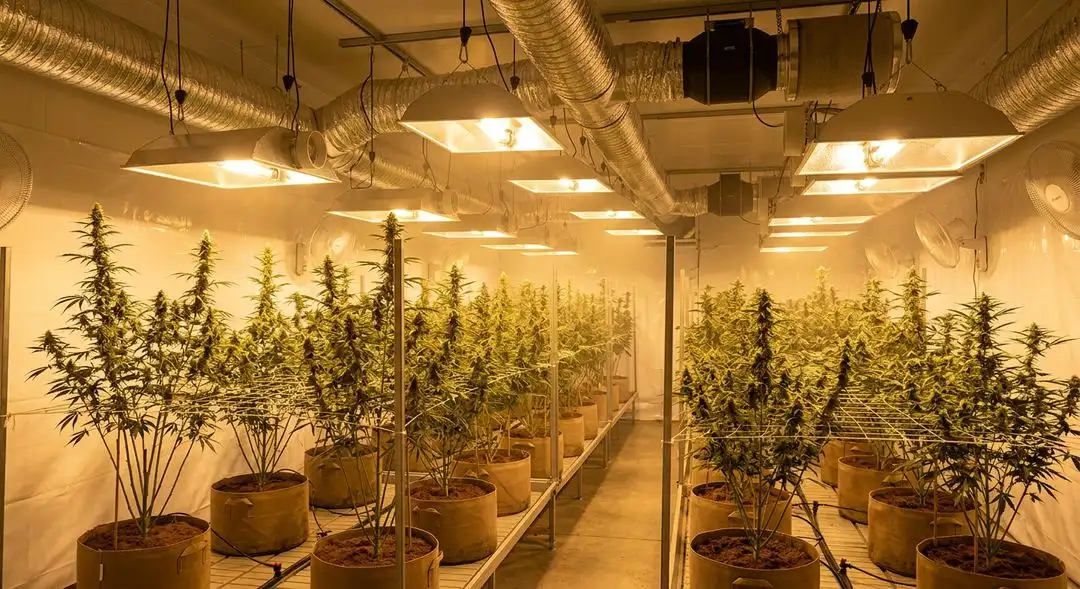
Temperature is the first variable to lock down. Sour Diesel Autoflower performs best between 70–82°F (21–28°C) during lights-on, dropping no lower than 64°F (18°C) during the dark period. Wider swings than that — particularly cold nights — will visibly stress the plant and compress final yield. Humidity management matters throughout the entire grow: target 55–65% relative humidity during vegetative growth and pull it down to 40–50% as the plant enters full flower. Dense sativa-structure colas are more susceptible to mold than you'd expect given their open bud formation, so airflow through the canopy is non-negotiable.
Nutrient sensitivity is the area where most Sour Diesel grows go sideways. The Chemdog genetics want consistent feeding but punish overfeeding hard — nitrogen toxicity is common among growers who push too aggressively early. Start at 75% of your nutrient schedule's recommended dose in weeks 1–4, watch the leaf color closely, and scale up only if the plant signals it needs more. During the transition to flower (around day 25–30 for most phenotypes), begin shifting the nitrogen-to-phosphorus ratio. By peak flower, you want minimal nitrogen and elevated P and K to support bud density and terpene development. See the full nutrient guide for autoflower-specific feeding schedules.
Key growing tips for Sour Diesel Autoflower:
- Training approach: LST (low-stress training) is the right tool here — start bending and tying main branches outward at weeks 2–3. Because this is an autoflower, avoid topping or heavy defoliation; the plant doesn't have recovery time built into its timeline. A well-executed LST creates an even canopy that lights can penetrate fully. See the complete training techniques guide for autoflower-specific methods.
- Container size: Use 3–5 gallon containers indoors. Autoflowers don't transplant well — start in the final container to avoid any root disturbance that eats into your short vegetative window. Fabric pots improve oxygen at the root zone and reduce the risk of overwatering.
- Lighting: An 18/6 light schedule works well throughout the entire life cycle. Some growers push to 20/4, but in our experience 18/6 produces comparable yields with lower electricity costs and slightly better terpene development from the brief dark period. If running indoor setups, aim for 600–800 µmol/m² PPFD during flower.
- Feeding sensitivity: EC levels above 1.8 during vegetative growth will cause tip burn in most phenotypes. Keep a reliable EC/TDS meter in every session and calibrate your feeding to what the plant's leaves are telling you — not just the calendar.
- Outdoor timing: In outdoor gardens, Sour Diesel Autoflower's light-independence makes it versatile — it can be started as early as late March in most temperate climates and finish before the worst of late-season humidity arrives. The autoflower timeline also allows for multiple outdoor runs per season. The outdoor growing guide covers climate-specific planting windows in detail.
Yield and Flowering Time
Sour Diesel Autoflower finishes flowering in 56–63 days — call it 8–9 weeks from the moment pistils appear. Indoor growers running dialed environments can expect 1.3–1.5 oz/ft² (approximately 400–460 g/m²). Outdoor plants with space to develop produce 2–5 oz per plant, with the high end of that range achievable in warm climates with quality soil and consistent feeding. For an autoflower, these are solid numbers — not the absolute ceiling of what's possible with some easier-to-grow genetics, but respectable yield for a strain that's preserved genuine Sour Diesel potency and effect character. Explore the full high-yield collection if maximizing grams per run is your primary goal.
What affects where you land in that range? Environment stability is the biggest factor — plants that experience temperature swings or inconsistent watering during flower will undershoot their potential. The second factor is training. An untrained Sour Diesel Autoflower grown in a 3-gallon pot under adequate light will produce a main cola and modest side branches. The same plant under LST with an even, flat canopy can nearly double its light interception — and yields track directly with light interception. The effort put in during weeks 2–4 shows up clearly at harvest.
To maximize your harvest:
- Trichome timing: Don't rely on the pistil color alone. Use a jeweler's loupe or digital microscope to check trichomes directly — harvest when 70–80% are cloudy/milky with 10–20% amber for peak THC potency and the full Sour Diesel effect profile. Waiting for more amber softens the experience considerably and shifts it toward sedation.
- Late-flower humidity: In the final 10–14 days, pull relative humidity down to 35–45%. Sour Diesel's cola density increases significantly in the final stretch, and that's when mold risk peaks. Small desktop fans directed at the canopy make a meaningful difference.
- Flush timing: If growing in soil, begin flushing 10–14 days before anticipated harvest. This clears excess nutrients from the medium and allows the plant to consume internal reserves — a critical step for clean-tasting, smooth smoke.
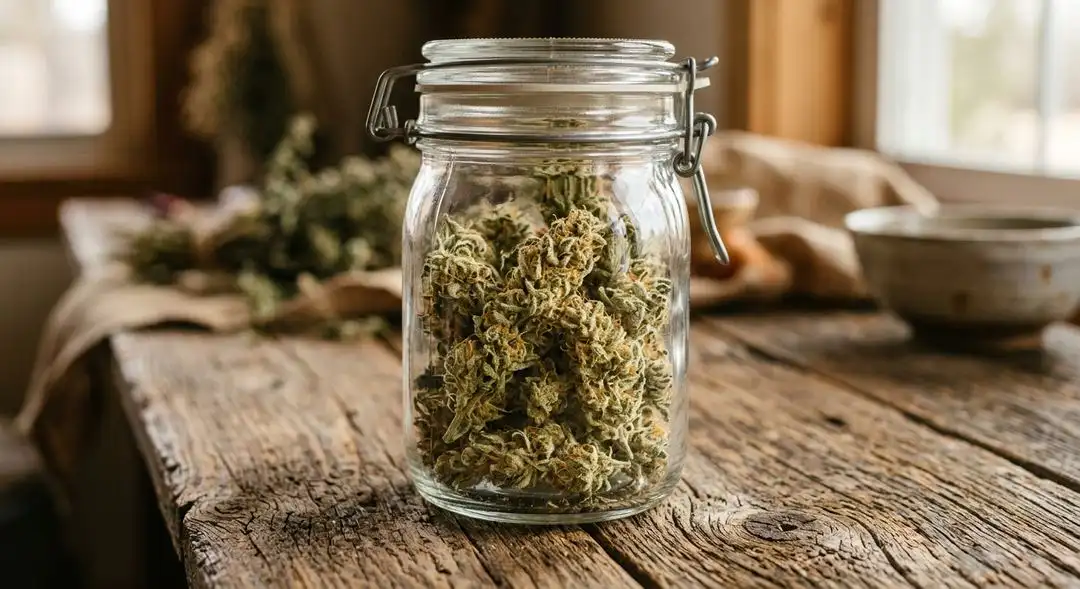
- Drying and curing: Hang dry whole branches in a dark room at 60–65°F and 55–60% RH for 7–10 days, then jar-cure for a minimum of 3–4 weeks. The first two weeks of jar curing, burp daily. This process is what unlocks the full terpene complexity — particularly the Terpinolene and Limonene expression that defines great Sour Diesel. The drying and curing guide covers every step in detail.
Why Buy Sour Diesel Seeds from DSS Genetics?
Every Sour Diesel Autoflower seed ships with a full germination guarantee — if it doesn't sprout using standard germination methods, we replace it. Orders go out in discreet, unmarked packaging, and every seed is stored under controlled conditions from the moment it leaves the breeder to the moment it lands in your hands. Check the germination guide before you plant to give each seed the best possible start.
- Germination guaranteed — every seed backed by our replacement policy
- Discreet shipping — plain, unmarked packaging on every order
- Spend $100+ — receive free premium seeds with your order
- Seed integrity maintained — proper temperature and humidity storage from warehouse to delivery
Frequently Asked Questions
Is Sour Diesel Autoflower really difficult to grow?
Yes — the difficult rating reflects real characteristics inherited from Chemdog 91, including sensitivity to nutrient overfeeding, intolerance of temperature swings, and a structure that benefits significantly from active training. Growers with at least one or two completed grows will handle it well
Medical Disclaimer: This information is for educational purposes only and should not be considered medical advice. Always consult a healthcare professional before using cannabis for medical purposes. Individual results may vary.
Frequently Asked Questions
Sour Diesel — Common Questions Answered
What is Sour Diesel?
Sour Diesel is a sativa-dominant cannabis strain (70% Sativa / 30% Indica) bred from Chemdog 91 x Super Skunk x Ruderalis. It produces THC levels of 17–23% and CBD levels of 1–2%. Known for its relaxing, happy, euphoric effects and sweet, earthy, citrus flavor profile.
Is Sour Diesel easy to grow?
Sour Diesel is considered an advanced-level strain that requires experience with training techniques, environmental control, and nutrient management for best results. Growing difficulty: Difficult. It thrives in temperate climates and reaches a medium plant size.
How long does Sour Diesel take to flower?
Sour Diesel has a flowering time of 56–63 days. Switch to a 12/12 light cycle to initiate flowering. Expected yields are 1.3 to 1.5 oz/ft² indoors and 2 to 5 oz/plant outdoors.
What are the effects of Sour Diesel?
Sour Diesel delivers relaxing, happy, euphoric, uplifting, creative, energetic effects. Many growers report it helps with stress, anxiety, depression, pain, inflammation, headaches. With THC levels of 17–23%, it provides a moderate to strong experience suitable for most users.
What does Sour Diesel smell and taste like?
Sour Diesel's dominant terpenes are Terpinolene, Limonene, Pinene, Ocimene, which give it a sweet, earthy, citrus, lemon, grapefruit, diesel flavor and aroma profile. Limonene adds citrusy brightness and may elevate mood.
Can I grow Sour Diesel indoors and outdoors?
Yes, Sour Diesel performs well both indoors and outdoors. Indoor yields average 1.3 to 1.5 oz/ft², while outdoor grows can produce 2 to 5 oz/plant. It prefers temperate conditions. Its medium height is manageable in most indoor setups.
Grower Reviews
Real grow experiences from our community
Get 10% Off Your First Order
Join our newsletter for exclusive deals, growing tips, and new strain drops.