Afghan Kush Feminized Seeds
By Ivan K., DSS Genetics · Updated April 2026

Afghan Kush Feminized Seeds
SKU: DSS-AFKU-FEM-5PK
Pack Size
Quantity
Disclaimer: For informational purposes only — not medical advice. Consult a healthcare professional before use.
About This Strain
Afghan Kush Feminized Seeds — Complete Strain Profile
Afghan Kush Feminized Seeds – Strain Overview
Afghan Kush is as pure as cannabis genetics get — a 100% indica landrace cultivated for thousands of years in the Hindu Kush mountain range stretching between Afghanistan and Pakistan. These are not hybrid descendants or recreations; this is the original genetic blueprint from which countless modern indica strains were built. With 20–23% THC and an unusually high 5–6% CBD for a non-CBD-specific strain, Afghan Kush occupies a rare position: genuinely potent yet therapeutically balanced in a way most high-THC strains simply aren't.
Growers who want the real thing — not a commercialized interpretation — reach for Afghan Kush. Its resin production is legendary, rooted in centuries of natural selection in a harsh mountain climate that forced the plant to coat itself in thick trichomes for UV protection. It belongs in every best indica collection and stands as the foundational strain against which every other indica is measured.
Effects and Medical Benefits
Afghan Kush doesn't rush. The onset is gradual — a soft wave of physical warmth that starts in the shoulders and spreads downward over the first 15–20 minutes. There's no raciness, no cerebral spike. Instead, tension simply leaves the body as if someone turned down the volume on every discomfort you were carrying.
By the 30-minute mark, most users are firmly settled. The high is deeply relaxing with a strong pull toward sleep at moderate-to-high doses, making this an evening or nighttime strain through and through. The 5–6% CBD content softens the edges of the THC experience, preventing the anxious edge that pure high-THC indicas can produce in sensitive users.
Users consistently report these effects:
- Full-body relaxation — a heavy, enveloping physical calm that loosens every muscle group progressively
- Sleepiness — genuine sedation that builds with dose; highly effective for winding down before bed
- Mental quieting — racing thoughts slow and lose urgency without disappearing into fog
- Mood softening — stress and emotional tension dissolve rather than being masked
On the medical side, Afghan Kush has one of the strongest track records of any strain for:
- Insomnia — the sedative combination of high myrcene content and 20–23% THC makes this one of the most reliably sleep-inducing strains available
- Stress and nervous system overload — particularly useful after high-demand days when the body and mind won't downshift on their own
- Anxiety — the CBD buffer at 5–6% plays a meaningful role here, reducing the THC-induced anxiety risk that makes many high-potency strains unsuitable for anxious users
- Chronic pain and muscle tension — the indica body effect targets physical discomfort directly, including tension headaches, back pain, and muscle soreness
The interaction between Afghan Kush's THC, CBD, and terpene stack is a textbook example of the entourage effect. The CBD doesn't blunt the high — it shapes it, adding anti-inflammatory and anxiolytic properties while allowing the full indica sedation to come through. Myrcene amplifies THC's ability to cross the blood-brain barrier, while linalool and caryophyllene contribute independently to the calming and pain-relieving effects. This is why Afghan Kush works in a way that isolated THC products simply don't replicate.
Aroma, Flavor and Terpene Profile
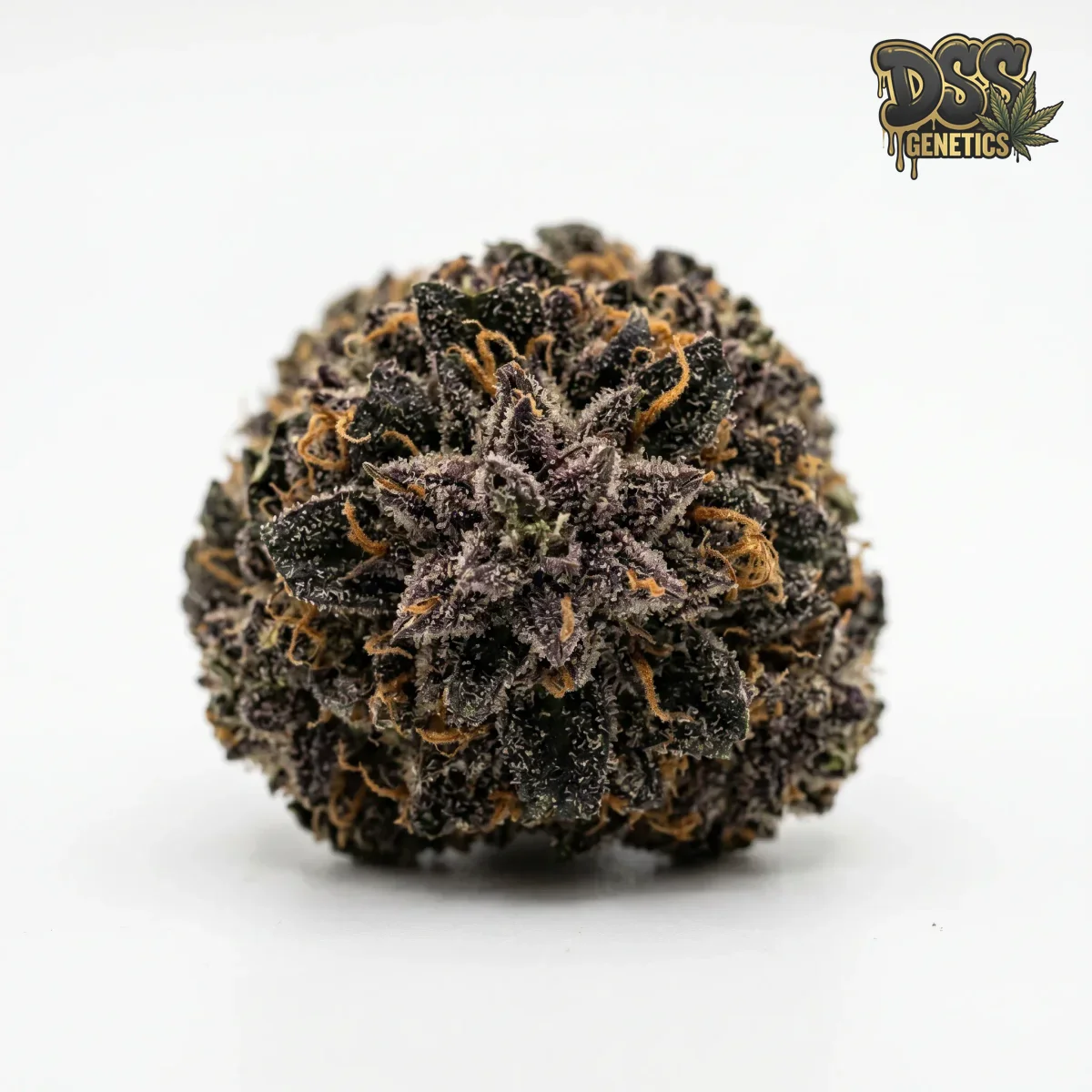
Break open a dried Afghan Kush bud and the first thing you notice is earth — not the thin, green smell of a young plant, but dense, ancient earth. Mountain soil after rain. Underneath that comes a sharp piney note that cuts through the earthiness like fresh resin on your fingers, followed by a faint sweetness that leans toward wild berry and dried fruit. The spicy, woody undertone arrives last and lingers on the exhale, warming the back of the throat in a way that feels almost herbal.
Smoking or vaporizing Afghan Kush reveals the flavor complexity that the aroma hints at. The pine sharpens on the inhale, the earthy sweetness broadens across the palate mid-draw, and the berry note — subtle but unmistakable — shows up on the exhale. The finish is woody and spiced, closer to sandalwood and black pepper than anything synthetic. It's a flavor profile that rewards slowing down.
Myrcene is the anchor terpene in Afghan Kush, carrying that signature earthy musk that defines classic indica strains. Myrcene is also a well-documented sedative potentiator — research suggests it facilitates THC's passage across the blood-brain barrier, which helps explain why Afghan Kush's sedation feels faster and heavier than its THC percentage alone would predict. It's the terpene most responsible for the 'couch-lock' quality that landrace indicas are known for.
Caryophyllene brings the spicy, peppery warmth that gives Afghan Kush its characteristic back-of-throat heat. What makes caryophyllene exceptional among terpenes is its ability to bind directly to CB2 receptors in the endocannabinoid system — functioning essentially as a dietary cannabinoid. This makes it a meaningful contributor to Afghan Kush's anti-inflammatory and pain-relieving effects, adding a layer of therapeutic action that operates independently of THC.
Linalool is the quieter terpene in this profile, but its contribution to the medical experience is significant. Best known as the primary terpene in lavender, linalool carries a subtle floral sweetness that's detectable in Afghan Kush's berry notes. More importantly, linalool has demonstrated anxiolytic and sedative properties in clinical research — it's a key reason why Afghan Kush is particularly effective for anxiety and insomnia compared to other high-THC indicas that lack it.
Humulene completes the terpene picture, contributing the earthy, hoppy, slightly woody aroma that grounds the entire scent profile. Humulene shares structural similarities with caryophyllene and adds complementary anti-inflammatory properties. It also appears in hops, which is why Afghan Kush occasionally carries a faint herbal bitterness on the finish — a trait that connoisseurs of this landrace specifically seek out.
Growing Afghan Kush Seeds
Afghan Kush is genuinely easy to grow, but understanding why makes you a better grower. This plant evolved in one of the harshest mountain climates on earth — thin air, intense UV radiation, hot days, cold nights, minimal rainfall. It developed thick stems, a compact structure, and extraordinary resin production as survival adaptations. In your grow room or garden, those adaptations translate to a plant that handles stress, temperature swings, and beginner mistakes without punishing you for them.
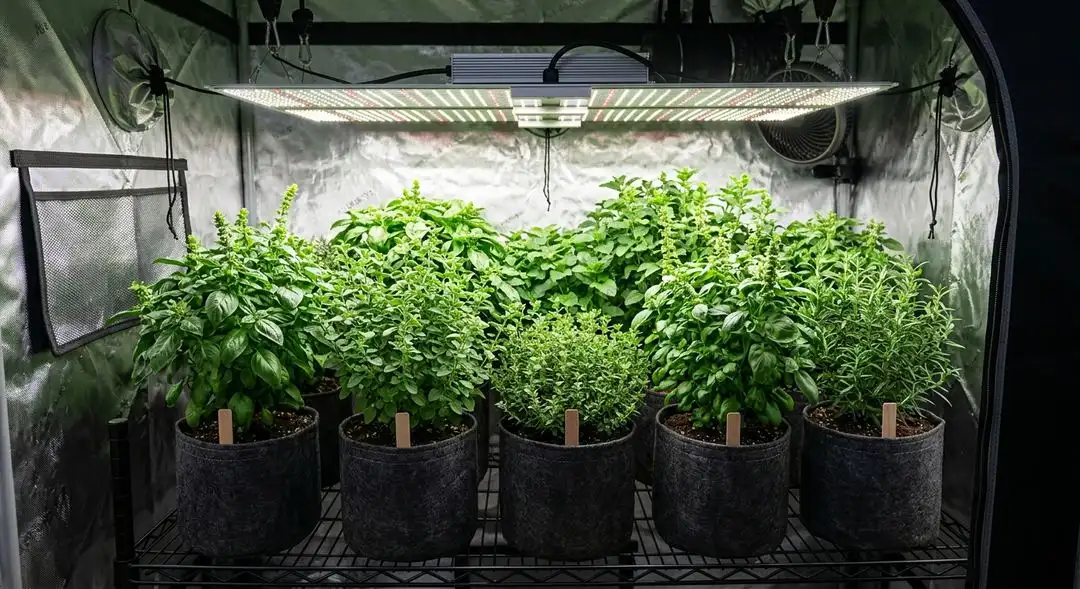
The plant stays medium-sized, which makes it practical for both tent growers with limited vertical space and outdoor gardeners who need discretion. Indoors, keep temperatures between 68–80°F during lights-on and aim for 65–75°F during lights-off — the temperature differential during late flowering encourages the purple and deep green color expression that Afghan Kush genetics are capable of. Humidity should sit at 50–60% through the vegetative stage and drop to 40–50% once flowering begins. Dense kush buds hold moisture, and pushing humidity above 50% in late flower is how you invite botrytis into an otherwise perfect grow.
What we've found over dozens of grows is that Afghan Kush responds better to a slightly leaner nutrient approach than most modern hybrids. As a landrace adapted to relatively poor mountain soils, it doesn't need — and doesn't always appreciate — the aggressive feeding schedules designed for high-yielding commercial hybrids. Keep nitrogen moderate through veg, transition to a phosphorus and potassium-dominant feed at the flip, and let the plant show you what it needs rather than pushing a schedule it didn't evolve for.
Key growing tips for Afghan Kush:
- Training: Afghan Kush's natural branching structure makes it an excellent candidate for low-stress training (LST) — gently tying branches outward during veg opens the canopy and pushes multiple bud sites to the same light level without the recovery time topping requires
- Nutrients: Follow a conservative feeding schedule and consult the nutrient guide for landrace-appropriate dosing — overfeeding shows up quickly as tip burn on the wide indica fan leaves
- Indoor environment: Maximize airflow with oscillating fans directed at the canopy — our complete indoor growing guide covers tent setup and airflow configuration that prevents the humidity pockets dense kush buds create
- Outdoor placement: Afghan Kush performs exceptionally well in dry, warm climates that mirror its origin environment — see the outdoor growing guide for soil preparation and drainage recommendations that suit this landrace
- Vegetative timing: Because flowering is short (49–63 days), you have flexibility on veg length — review the vegetative stage guide to decide whether a longer veg run for larger plants or a quicker flip for multiple harvest cycles makes sense for your setup
Yield and Flowering Time
Afghan Kush flowers in 49–63 days — one of the faster flowering windows in the indica world, which makes sense given its origins in a climate where the growing season is short and unpredictable. Indoor growers can realistically harvest 1.3–1.6 oz/ft² under well-dialed lighting, which is a strong return for an easy-to-grow strain. Outdoor plants are particularly impressive, capable of producing 16–21 oz/plant when given full sun and adequate root space — numbers that put Afghan Kush firmly in high-yield strain territory for outdoor gardens.
The combination of short flowering time and high outdoor yield is genuinely rare. Most strains that finish quickly sacrifice bulk; Afghan Kush's landrace genetics prioritize both speed and production, a trait bred in naturally by centuries of selection pressure in a short-season climate. If you're planning a multi-strain outdoor garden, Afghan Kush's early finish makes it logistically easy to sequence alongside longer-flowering varieties.
For growers interested in exploring more of the fast-flowering strain category alongside Afghan Kush, the options worth comparing include strains that share the kush lineage and similar resin profiles.
To maximize your harvest:
- Trichome timing: Target 70–80% milky trichomes with 15–25% amber for Afghan Kush — waiting for higher amber levels leans into the sedative, sleepy effect profile that makes this strain exceptional for insomnia; harvesting earlier preserves more of the relaxing-without-sedating quality
- Late-flower humidity: Drop to 40–45% RH in the final two weeks — Afghan Kush buds are dense enough that even brief humidity spikes in this window can initiate bud rot from the inside out before it's visible on the surface
- Nutrient flush: Run plain pH-balanced water for the final 10–14 days before harvest to clear residual salts and allow terpene expression to peak — this is when the pine and berry notes sharpen noticeably
- Drying and curing: Slow dry for 10–14 days at 60–65°F and 55–60% RH, then cure in sealed jars for a minimum of 4 weeks — Afghan Kush's complex earthy-berry terpene profile develops noticeably during cure in a way that fast-dried material never achieves
Why Buy Afghan Kush Seeds from DSS Genetics?
Every Afghan Kush feminized seed ships with our full germination guarantee — if it doesn't sprout following our germination guide protocol, we replace it without question. Orders ship in discreet, plain packaging with no cannabis-related markings, and free shipping applies automatically on qualifying orders.
- Germination guaranteed — every seed is backed by our replacement promise; we stand behind the viability of what we sell
- Discreet shipping — plain, unmarked packaging on every order
- Spend $100+ — receive free premium seeds added to your order automatically
- Optimal seed storage — seeds are stored at controlled temperature and humidity from the moment they arrive at our facility, preserving germination rates through to delivery
Frequently Asked Questions
Is Afghan Kush a good strain for first-time growers?
Afghan Kush is one of the best strains a beginner can choose. Its landrace genetics make it naturally resilient — it tolerates temperature swings, minor overfeeding, and training mistakes that would stress a more finicky hybrid. It's rated easy difficulty, flowers in 49–63 days, and doesn't require advanced growing techniques to produce quality results. Browse the full easy-to-grow strain collection if you're building a beginner-friendly garden and want to pair Afghan Kush with similarly forgiving varieties.
How strong is Afghan Kush compared to other indica strains?
At 20–23% THC, Afghan Kush sits in the upper-mid range of indica potency — noticeably strong but not at the extreme ceiling of the highest-THC strains. What distinguishes it is the 5–6% CBD content, which is unusually high for a non-CBD-specific strain. That CBD presence meaningfully shapes the experience, reducing anxiety-inducing THC side effects and adding anti-inflammatory benefit. The result is an effective, well-rounded indica rather than a one-dimensional THC delivery system.
What conditions is Afghan Kush most effective for medically?
Afghan Kush is most consistently reported effective for insomnia, stress, chronic pain, and anxiety. The combination of high myrcene content, significant CBD levels, and linalool — a terpene with documented anxiolytic properties — makes it particularly well-suited for users who need genuine sedation and nervous system calming rather than mild relaxation. Evening and nighttime use is strongly recommended; this is not a functional daytime strain at typical doses.
How long does Afghan Kush take to flower, and what yields can I expect?
Afghan Kush completes flowering in 49–63 days from the transition to 12/12
Medical Disclaimer: This information is for educational purposes only and should not be considered medical advice. Always consult a healthcare professional before using cannabis for medical purposes. Individual results may vary.
Frequently Asked Questions
Afghan Kush — Common Questions Answered
What is Afghan Kush?
Afghan Kush is a indica-dominant cannabis strain (100% Indica / 0% Sativa) bred from Landrace from Afghanistan. It produces THC levels of 20–23% and CBD levels of 5–6%. Known for its relaxing, sleepy effects and pine, sweet, earthy flavor profile.
Is Afghan Kush easy to grow?
Yes, Afghan Kush is an excellent choice for beginners. It has a forgiving growth pattern and doesn't require advanced techniques to produce good yields. Growing difficulty: Easy. It thrives in temperate climates and reaches a medium plant size.
How long does Afghan Kush take to flower?
Afghan Kush has a flowering time of 49–63 days. Switch to a 12/12 light cycle to initiate flowering. Expected yields are 1.3 to 1.6 oz/ft² indoors and 16 to 21 oz/plant outdoors.
What are the effects of Afghan Kush?
Afghan Kush delivers relaxing, sleepy effects. Many growers report it helps with stress, anxiety, insomnia, pain. With THC levels of 20–23%, it provides a moderate to strong experience suitable for most users.
What does Afghan Kush smell and taste like?
Afghan Kush's dominant terpenes are Myrcene, Caryophyllene, Linalool, Humulene, which give it a pine, sweet, earthy, berry, spicy, woody flavor and aroma profile. Myrcene contributes earthy, herbal notes and is associated with relaxing effects.Caryophyllene provides spicy, peppery notes and may help with inflammation.
Can I grow Afghan Kush indoors and outdoors?
Yes, Afghan Kush performs well both indoors and outdoors. Indoor yields average 1.3 to 1.6 oz/ft², while outdoor grows can produce 16 to 21 oz/plant. It prefers temperate conditions. Its medium height is manageable in most indoor setups.
What does "feminized" mean for Afghan Kush seeds?
Feminized Afghan Kush seeds are bred to produce only female plants, which are the ones that develop smokable buds. This eliminates the need to identify and remove male plants, saving time and maximizing your grow space. Over 99% of feminized seeds will produce female plants.
Grower Reviews
Real grow experiences from our community
Similar Strains
Growing Guides & Articles
Get 10% Off Your First Order
Join our newsletter for exclusive deals, growing tips, and new strain drops.