Mimosa Feminized Seeds
By Ivan K., DSS Genetics · Updated April 2026

Mimosa Feminized Seeds
SKU: DSS-MIMOS-FEM-5PK
Pack Size
Quantity
Disclaimer: For informational purposes only — not medical advice. Consult a healthcare professional before use.
About This Strain
Mimosa Feminized Seeds — Complete Strain Profile
Mimosa Feminized Seeds – Strain Overview
Mimosa is a 70% sativa-dominant hybrid born from two legendary parents: the sharp, citrus-forward Clementine and the deeply fruited, indica-leaning Purple Punch. That cross sounds almost too good to be true — a strain built to taste like a brunch cocktail while delivering a bright, functional high that sits at 22–27% THC. What sets Mimosa apart from other high-THC sativas is how approachable it feels: the energy is clean, the mood lift is genuine, and the body stays loose rather than locked.
Breeders at Symbiotic Genetics dialed this one in around 2017, and it spread fast — not through marketing, but through growers passing cuts and telling their friends. The genetics are stable, the structure is manageable, and the bag appeal is extraordinary. If you're exploring our best sativa strains, Mimosa belongs near the top of that list for anyone who wants daytime potency without the edge of a pure sativa.
Effects and Medical Benefits
Mimosa opens with a fast cerebral shift — not a jolt, but a genuine brightening. Within minutes, thoughts come easier, conversation flows, and whatever was weighing on your afternoon starts to feel smaller. The sativa backbone keeps things moving, while Purple Punch's 30% indica contribution adds just enough body softness to stop the experience from feeling wired or anxious.
At moderate doses, this is a functional, creative high. Push toward the upper end of its 22–27% THC range and the body relaxation deepens — still far from couch-lock, but noticeably more physical. Most users land in a sweet spot that works for social situations, creative projects, light outdoor activity, or simply making a dull afternoon genuinely enjoyable.
Users consistently report these effects:
- Euphoria and happiness — a mood lift that arrives quickly and feels natural, not forced
- Creative energy — ideas connect more freely; excellent for writing, art, or problem-solving
- Uplifting motivation — that second-wind quality that makes tasks feel worthwhile again
- Gentle physical relaxation — muscle tension softens without sedation taking over
On the medical side, Mimosa is frequently chosen for:
- Depression — the mood elevation is consistent and reliable across users
- Stress and mental fatigue — helps reset a mind stuck in a loop
- Anxiety — at moderate doses, the sativa energy stays manageable rather than amplifying worry
- Chronic pain — particularly tension headaches and low-level musculoskeletal discomfort
- Insomnia — higher evening doses lean into Purple Punch's sedative genetics
Mimosa's terpene combination — Terpinolene, Limonene, Pinene, and Ocimene — works together in a way that reinforces its mood-lifting properties through the entourage effect. Limonene's known anxiolytic properties pair with Terpinolene's uplifting character to create a biochemical environment that matches the reported experience almost exactly.
Aroma, Flavor and Terpene Profile
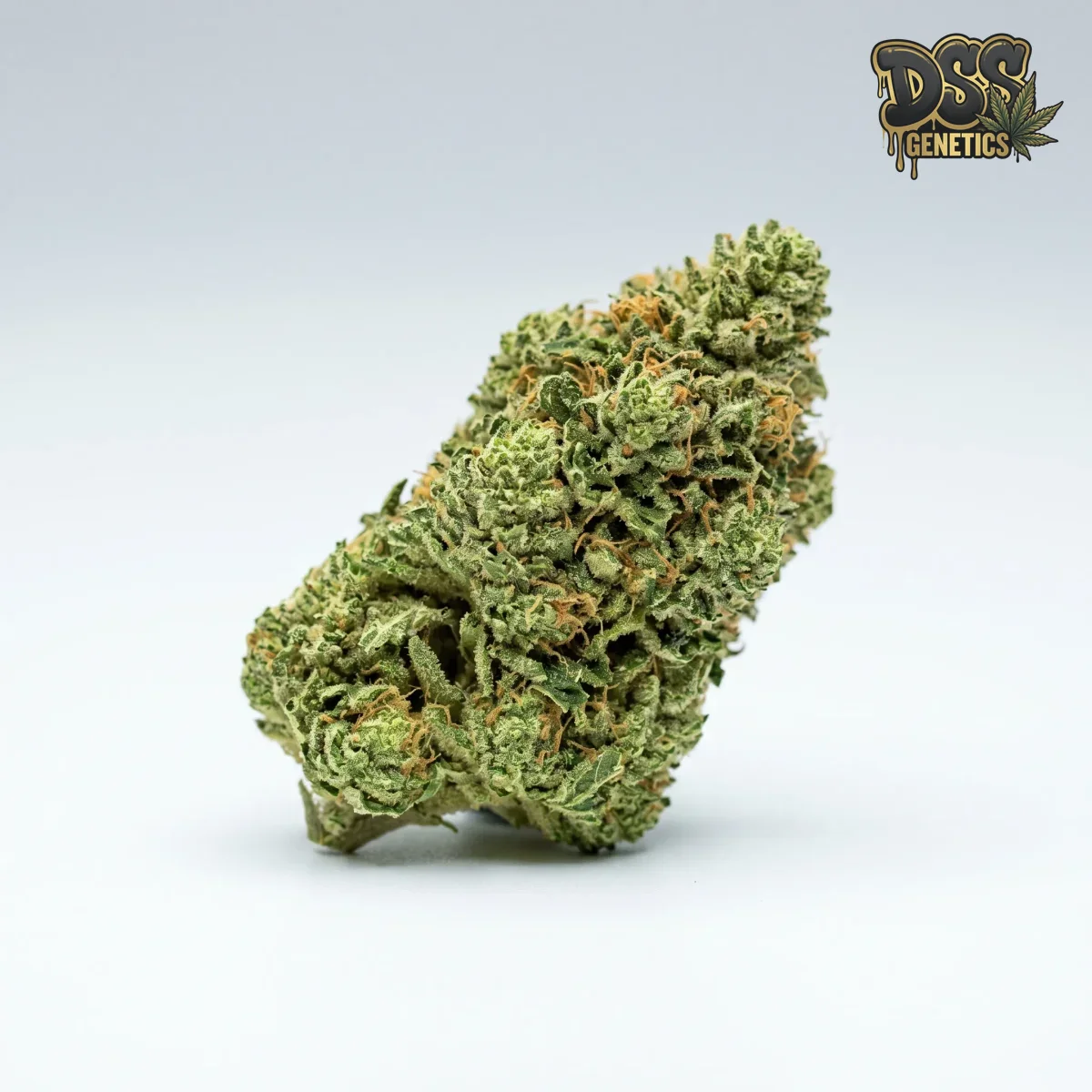
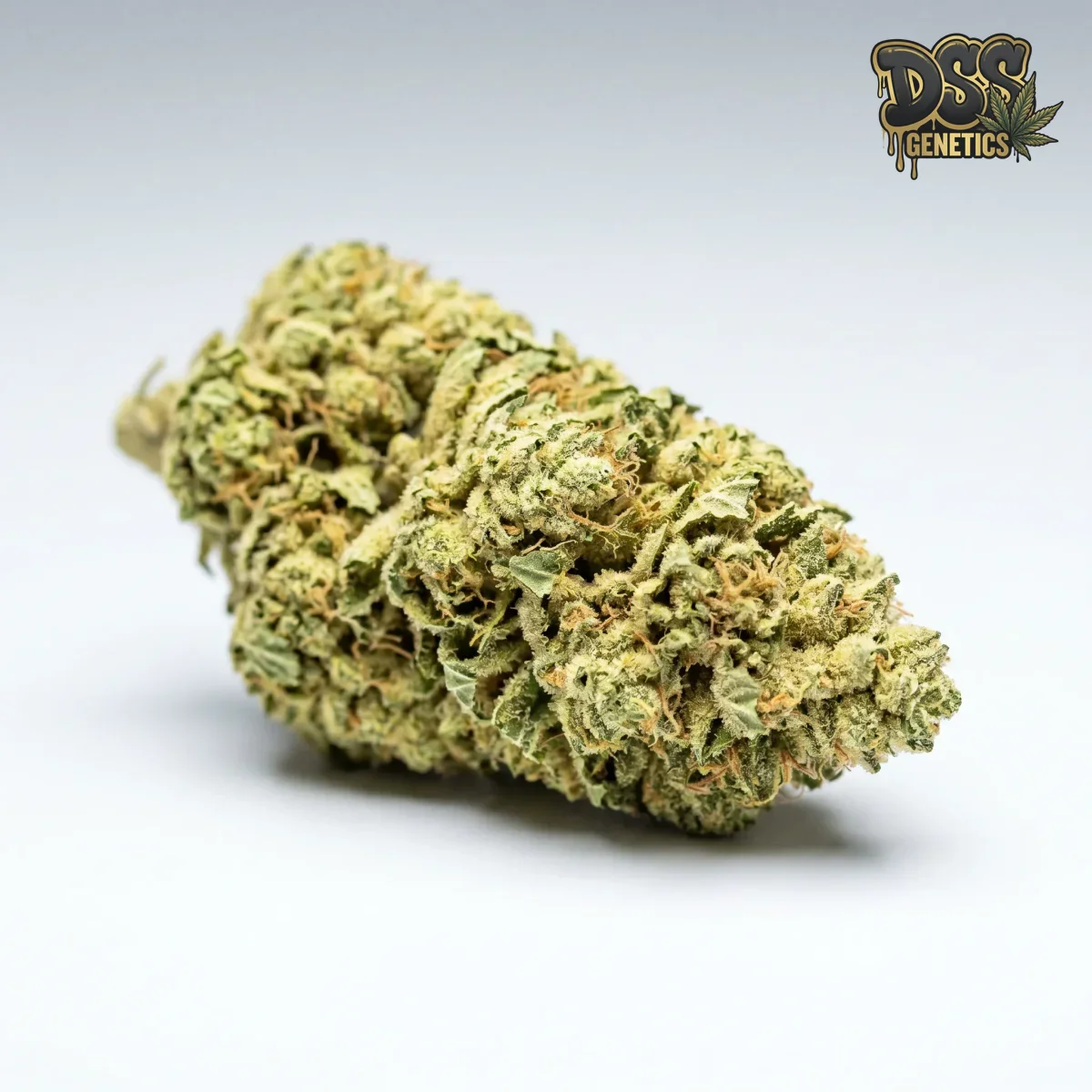
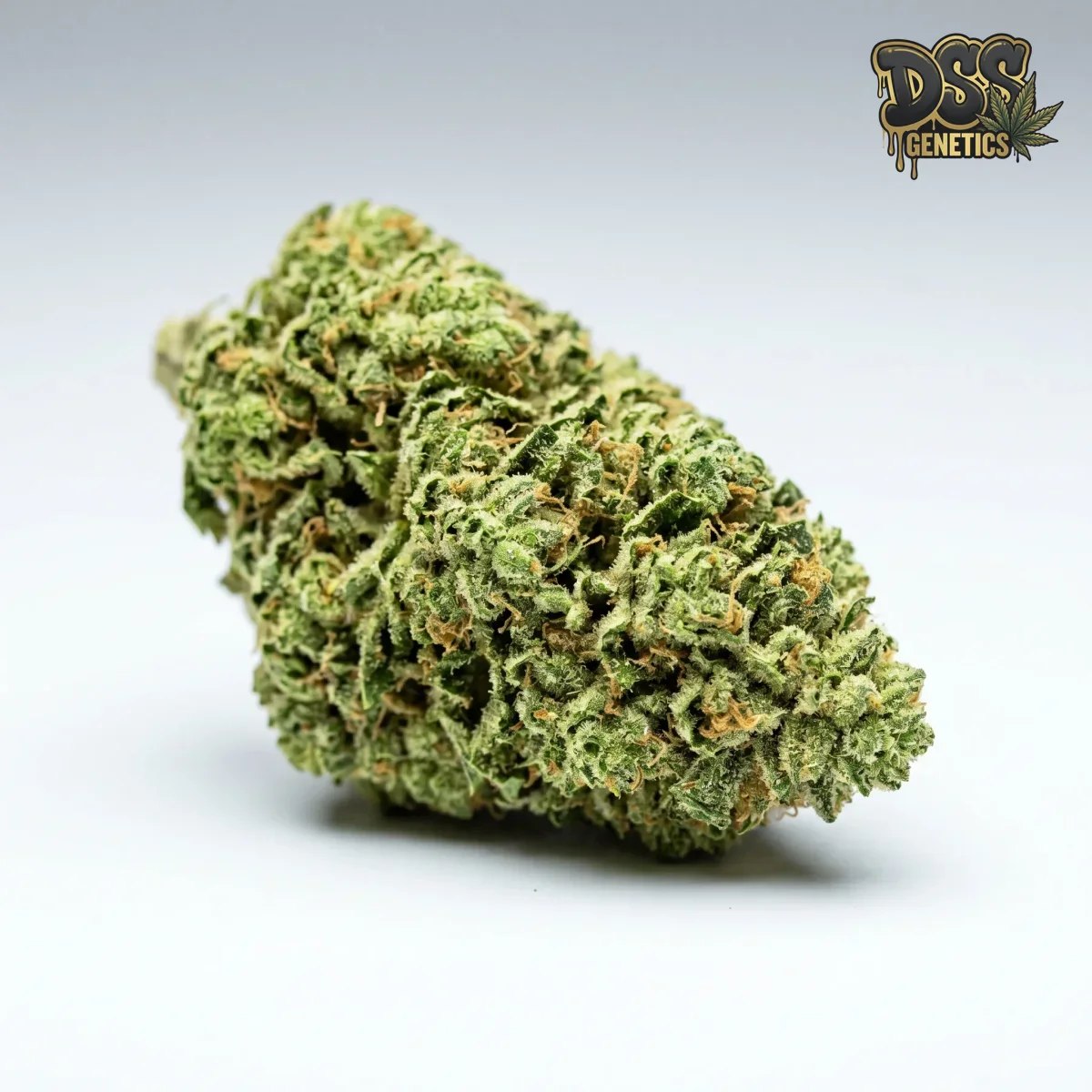
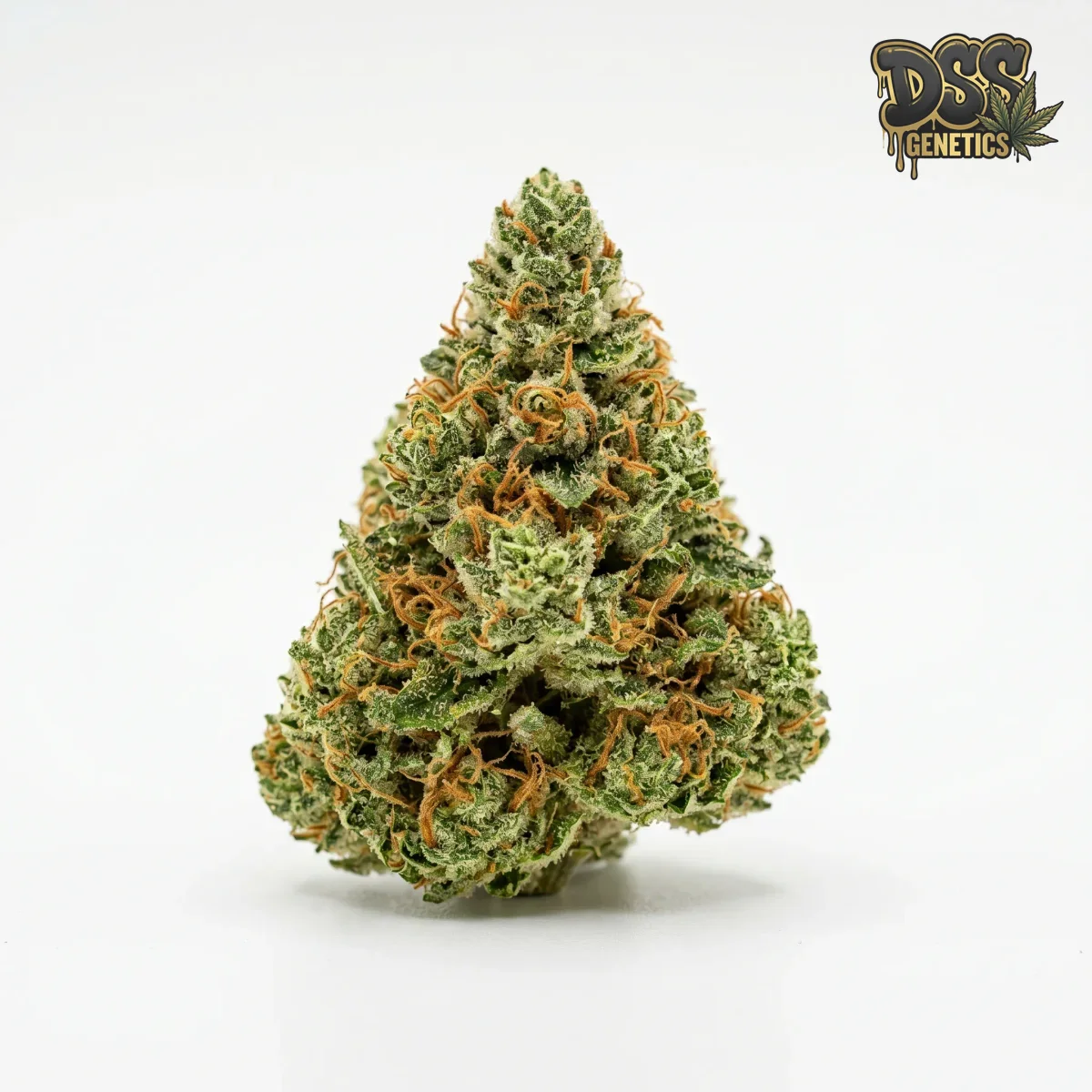
Breaking open a Mimosa bud is one of those moments that makes growing cannabis worth it. The initial wave is orange peel and fresh tangerine zest — sharp, bright, almost sparkling. Underneath that citrus top note sits something deeper: ripe berry, a whisper of tropical fruit, and the kind of sweet earthiness you'd expect from Purple Punch's grape and cherry lineage. It smells expensive. It smells like it should cost more than it does.
On the inhale, the citrus leads and the sweetness follows. The exhale brings cherry and tropical fruit forward, with a clean earthy finish that doesn't linger too long — the smoke is smooth and the flavor transitions are distinct enough to notice on each hit. Dried and cured properly, Mimosa is the kind of strain that gets passed around a room with everyone making the same face.
Terpinolene sits at the top of this profile and is responsible for that fresh, slightly floral, slightly piney quality that lifts the citrus rather than weighing it down. It's less common as a dominant terpene than Myrcene or Caryophyllene, which is part of what makes Mimosa's aroma feel distinctive rather than generic. Terpinolene is associated with uplifting, energizing effects — and its presence here almost certainly contributes to Mimosa's characteristic mental brightness.
Limonene is the source of that unmistakable citrus punch — the orange, lemon, and tangerine character that makes Mimosa smell like its namesake cocktail. Beyond aroma, Limonene has been studied for its potential to reduce anxiety and elevate mood, making it a medically relevant component rather than just a sensory feature. In a strain already praised for stress relief and mood lift, Limonene's presence explains a lot.
Pinene adds the faintest forest-floor sharpness beneath all that fruit — a clean, resinous note that grounds the profile and prevents it from becoming cloying. Pinene is also one of the most studied terpenes for respiratory and cognitive effects, and some research suggests it may partially counteract short-term memory interference from THC, helping maintain the clarity that Mimosa users report.
Ocimene is the quiet contributor here — a sweet, herbaceous, slightly woody terpene that bridges the citrus and berry notes without calling attention to itself. It shows up in tropical and floral cannabis varieties more than most, which aligns perfectly with Mimosa's tropical fruit character. Together, these four terpenes create a profile that's coherent, complex, and immediately recognizable once you've encountered it.
Growing Mimosa Seeds
Mimosa is rated easy — and that rating is honest. It doesn't demand constant intervention, handles minor environmental swings without drama, and rewards basic good practice with genuinely impressive harvests. That said, 'easy' doesn't mean 'ignore it.' Understanding what this strain prefers will push yields from good to exceptional.
Structurally, Mimosa grows to a medium height with good internodal spacing — a natural characteristic inherited from Clementine's sativa architecture softened by Purple Punch's more compact indica frame. Indoors, expect plants to reach 80–120 cm at harvest. Outdoors, they expand considerably when given space, often stretching to 150–200 cm depending on how long they're left in veg.
The vegetative phase responds exceptionally well to training. Mimosa's branch structure is naturally suited to spreading — nodes are well-spaced and stems are strong enough to handle low-stress work without snapping. We've found that four to six weeks of veg time indoors, combined with early training, sets up a canopy that makes the flowering phase significantly more productive. For detailed technique guidance, the vegetative stage guide covers timing decisions in depth.
Temperature during the flowering stage should stay between 68–80°F (20–27°C) during the day, with nighttime drops to 60–65°F (15–18°C) in the final two to three weeks. That cool evening temperature swing is what triggers the purple coloration inherited from Purple Punch — it doesn't affect potency, but it makes already-beautiful buds look extraordinary. Humidity should track from 50–60% in early flower down to 40–45% as harvest approaches to protect the dense colas from moisture-related issues.
In hydroponic systems, Mimosa's growth rate accelerates noticeably — plants can finish closer to the 68-day minimum when dialed in with consistent EC and pH management. Our hydroponics guide covers the specifics of managing a fast-finishing sativa-dom in a recirculating system. Soil and coco both produce excellent results, with coco offering a middle path of control and forgiveness that suits Mimosa's growth pace well.
Key growing tips for Mimosa:
- Training: Apply LST or a light SCROG during weeks 2–4 of veg to widen the canopy — Mimosa's branch spacing makes it ideal for horizontal training
- Nutrients: Follow a balanced nutrient schedule through veg, then shift to a high-phosphorus, high-potassium bloom formula at week 3 of flower when bud sites start stacking rapidly
- Temperature control: Drop nighttime temps to 60–65°F in the final 2–3 weeks to bring out Purple Punch's purple genetics and improve resin density
- Indoor environment: Keep airflow consistent — see our indoor growing guide for fan placement and humidity management as the canopy fills in
- Outdoor timing: In temperate climates, Mimosa finishes outdoor in late September to mid-October — our outdoor growing guide covers harvest window planning for your region
Yield and Flowering Time
Mimosa flowers in 68–78 days — roughly 10 to 11 weeks. Indoor yields land at 1.8 to 2.3 oz/ft², which puts it firmly in high-yield territory for a sativa-dominant strain. Outdoor plants in favorable climates regularly produce 30 to 70 oz/plant, with the upper end of that range achievable when plants are given a long veg period and full sun from mid-morning to late afternoon. For growers prioritizing volume, Mimosa is one of the more productive options in the high-yield collection — especially outdoors, where its sativa structure gives it room to stretch into a substantial plant.
Indoor growers who train early and manage their canopy well consistently hit the upper end of the 1.8–2.3 oz/ft² range. The key variable is light penetration — Mimosa produces bud sites throughout the plant, not just at the tops, so anything you can do to get light to lower nodes pays off at harvest.
To maximize your harvest:
- Trichome timing: Harvest at 70–80% milky trichomes with 10–15% amber for peak THC and the characteristic energetic-euphoric effect profile — waiting for more amber shifts the experience toward sedation
- Late flower humidity: Drop to 40–45% RH in the final two weeks to protect dense colas from moisture buildup, particularly indoors where airflow may be limited
- Flush timing: If growing in soil or coco, begin flushing 10–14 days before harvest to clear residual nutrients and allow the citrus terpene profile to express fully
- Drying and curing: Slow dry at 60–65°F with 55–60% RH for 7–10 days, then cure in sealed jars for a minimum of three weeks — Terpinolene and Ocimene are volatile terpenes that reward a patient cure with noticeably improved aroma complexity
Why Buy Mimosa Seeds from DSS Genetics?
Every Mimosa seed ships with our germination guarantee — if it doesn't sprout, we replace it, no questions asked. Orders go out in discreet, unmarked packaging, and seeds are stored under optimal temperature and humidity conditions from the time they leave the breeder to the time they reach your door. We've done the work of sourcing stable, properly feminized Mimosa genetics so you're not rolling the dice on hermaphrodite risk or inconsistent phenotype expression.
- Germination guaranteed — every seed backed by our replacement policy
- Discreet shipping — plain, unmarked packaging on every order
- Spend $100+ — receive complimentary premium seeds with your order
- Properly stored genetics — maintained at optimal conditions for maximum viability and shelf life
Frequently Asked Questions
Is Mimosa a good strain for beginner growers?
Yes — Mimosa is one of the more forgiving strains in our catalog. It handles minor pH swings, tolerates beginner training mistakes, and doesn't require the intensive environmental management that some high-THC strains demand. It's an excellent first grow for anyone who wants a genuinely rewarding result without an overwhelming learning curve. Browse the full easy-to-grow collection if you want to compare it against other beginner-friendly options before committing.
How high is Mimosa's THC content?
Mimosa tests at 22–27% THC, placing it among the highest-THC strains available. That range is meaningful — phenotypes on the lower end deliver a functional, clear-headed experience, while those closer to 27% are noticeably more intense. First-time users of high-potency sativas should start with a small dose and wait before redosing. The CBD content sits between 0.01–1%, which contributes to the entourage effect without significantly blunting the psychoactive experience.
What does Mimosa smell and taste like?
Mimosa smells like fresh orange peel layered over ripe berry and tropical fruit — clean, bright, and unmistakably citrus-forward. The flavor follows the same arc: citrus on the inhale, cherry and tropical sweetness on the exhale, with a smooth earthy finish. The four primary terpenes driving this profile are Terpinolene, Limonene, Pinene, and Ocimene. Proper curing makes a significant difference with this strain — the volatile terpenes need at least three weeks in jars to fully develop.
How long does Mimosa take to flower and what kind of yields can I expect?
Mimosa flowers in 68–78 days from the flip to 12/12 lighting. Indoor yields run 1.8 to 2.3 oz/ft² with good canopy management, while outdoor plants can produce 30 to 70 oz/plant under optimal conditions. For growers looking to push the upper end of those numbers, reviewing our flowering stage guide before the transition — particularly around light intensity, nutrient timing, and humidity management — makes a measurable difference in final output. Mimosa's combination of high yield and manageable structure also makes it worth comparing against other strains in the high-yield collection.
Medical Disclaimer: This information is for educational purposes only and should not be considered medical advice. Always consult a healthcare professional before using cannabis for medical purposes. Individual results may vary.
Frequently Asked Questions
Mimosa — Common Questions Answered
What is Mimosa?
Mimosa is a sativa-dominant cannabis strain (70% Sativa / 30% Indica) bred from Clementine x Purple Punch. It produces THC levels of 22–27% and CBD levels of 0.01–1%. Known for its relaxing, happy, euphoric effects and sweet, earthy, citrus flavor profile.
Is Mimosa easy to grow?
Yes, Mimosa is an excellent choice for beginners. It has a forgiving growth pattern and doesn't require advanced techniques to produce good yields. Growing difficulty: Easy. It thrives in temperate climates and reaches a medium plant size.
How long does Mimosa take to flower?
Mimosa has a flowering time of 68–78 days. Switch to a 12/12 light cycle to initiate flowering. Expected yields are 1.8 to 2.3 oz/ft² indoors and 30 to 70 oz/plant outdoors.
What are the effects of Mimosa?
Mimosa delivers relaxing, happy, euphoric, uplifting, creative, energetic effects. Many growers report it helps with pain, depression, stress, anxiety, insomnia. With THC levels of 22–27%, it is a potent strain — start with a low dose if you have low tolerance.
What does Mimosa smell and taste like?
Mimosa's dominant terpenes are Terpinolene, Limonene, Pinene, Ocimene, which give it a sweet, earthy, citrus, berry, tropical, cherry flavor and aroma profile. Limonene adds citrusy brightness and may elevate mood.
Can I grow Mimosa indoors and outdoors?
Yes, Mimosa performs well both indoors and outdoors. Indoor yields average 1.8 to 2.3 oz/ft², while outdoor grows can produce 30 to 70 oz/plant. It prefers temperate conditions. Its medium height is manageable in most indoor setups.
What does "feminized" mean for Mimosa seeds?
Feminized Mimosa seeds are bred to produce only female plants, which are the ones that develop smokable buds. This eliminates the need to identify and remove male plants, saving time and maximizing your grow space. Over 99% of feminized seeds will produce female plants.
Grower Reviews
Real grow experiences from our community
Get 10% Off Your First Order
Join our newsletter for exclusive deals, growing tips, and new strain drops.