Freezeland Feminized Seeds
By Ivan K., DSS Genetics · Updated April 2026

Freezeland Feminized Seeds
SKU: DSS-FREEZ-FEM-5PK
Pack Size
Quantity
Disclaimer: For informational purposes only — not medical advice. Consult a healthcare professional before use.
About This Strain
Freezeland Feminized Seeds — Complete Strain Profile
Freezeland Feminized Seeds – Strain Overview
Freezeland is a perfectly balanced hybrid (50% sativa / 50% indica) born from crossing the powerful Pluton with the legendary Dutch landrace Friesland. That pairing brings together the raw psychoactive horsepower of Pluton — a strain known for its resin production and potency — with Friesland's cold-hardened genetics and tight, efficient structure. The result is a 22–26% THC cultivar that delivers far more than its numbers suggest, thanks to a terpene-rich profile that shapes every stage of the experience.
What sets Freezeland apart from other balanced hybrids in this potency range is how evenly it distributes its effects — the head and body components arrive almost simultaneously, neither one overwhelming the other. Growers choosing from our highest-THC strains will find Freezeland punches well above average while still remaining manageable in the garden. The Friesland heritage in particular makes this plant tougher than it looks, with a resilience that rewards growers who understand what they're working with.
Effects and Medical Benefits
The Freezeland high opens with a clean, clear-headed lift that doesn't announce itself with anxiety or edge — it just settles in. Within the first ten minutes, there's a noticeable sharpening of focus and a gentle wave of creative energy that makes conversation easier and ideas come faster. This is the Friesland sativa expression doing its work, threading through the early phase before the Pluton indica genetics gradually introduce warmth across the shoulders and down the spine.
What distinguishes Freezeland from strains that simply sedate is how long the functional window stays open. Most users report 60–90 minutes of productive, engaged euphoria before the physical relaxation deepens into something closer to stillness. Even at that later stage, the mental clarity rarely collapses entirely — this is a hybrid that maintains its balance through to the end.
Users consistently report these four core effects:
- Relaxing — a full-body ease that builds gradually and never crosses into uncomfortable heaviness
- Euphoric and Uplifting — mood elevation that feels earned rather than forced, with a warmth that extends to social situations
- Creative and Focused — a sharpened mental state in the early phase that makes Freezeland genuinely useful during daytime hours
- Energetic — a subtle physical motivation that keeps users moving during the first half of the experience, unlike most indica-leaning hybrids
On the medical side, Freezeland is regularly sought out for:
- Insomnia — the deep physical relaxation in later stages makes falling asleep measurably easier
- Stress — the sativa-forward onset breaks the cycle of racing thoughts before the body component grounds the nervous system
- Depression — consistent mood elevation without the jitteriness that high-THC sativas sometimes produce
- Lack of appetite — the euphoric phase is reliably accompanied by a sharpened interest in food, making Freezeland useful for users dealing with appetite suppression
With CBD sitting at 0.1–1%, Freezeland's therapeutic range is primarily driven by THC and its terpene partners rather than cannabinoid synergy alone. That said, even at the lower end of its CBD range, the entourage effect between Caryophyllene's CB2 activity and Bisabolol's anti-inflammatory properties gives this strain a therapeutic texture that pure THC numbers alone don't capture.
Aroma, Flavor and Terpene Profile
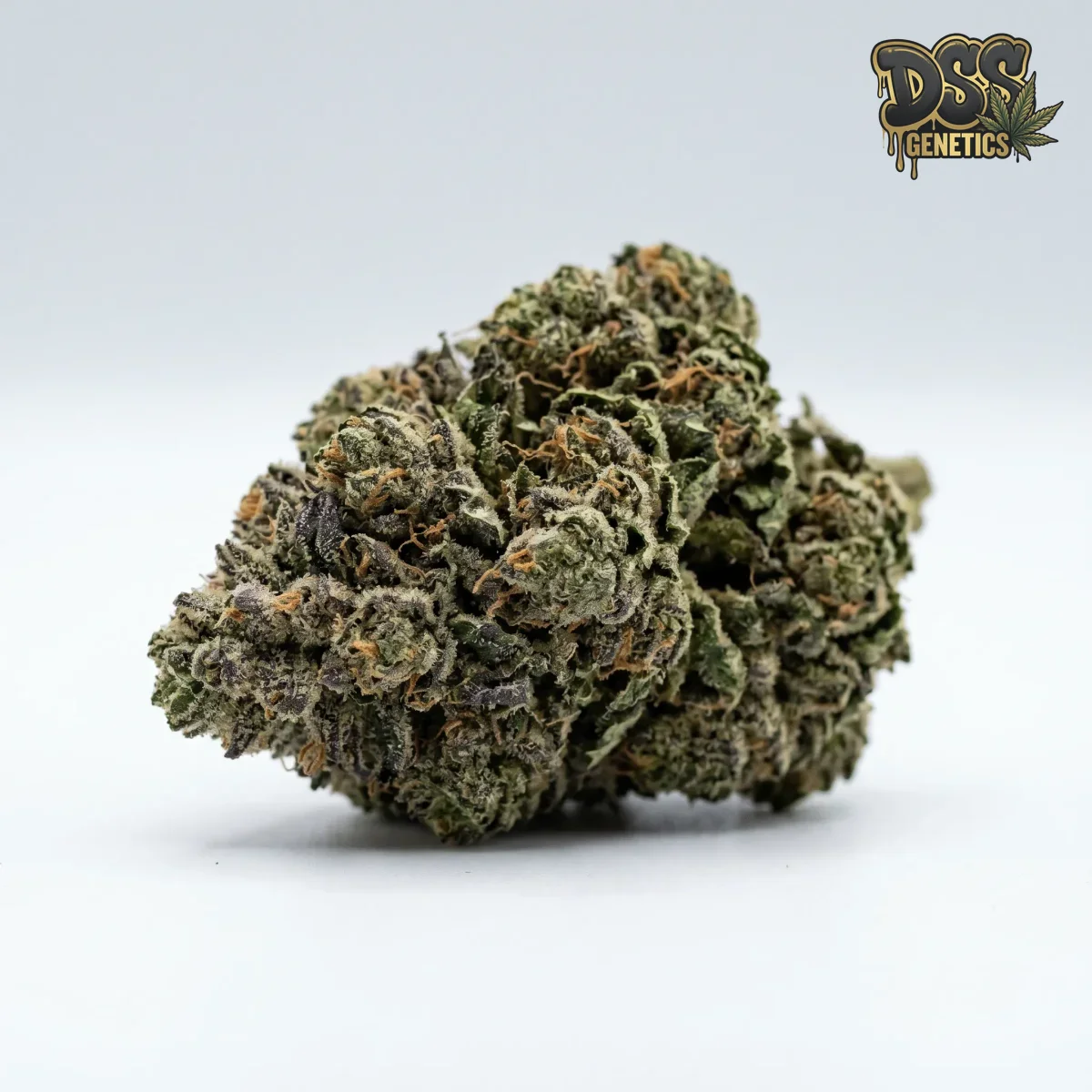
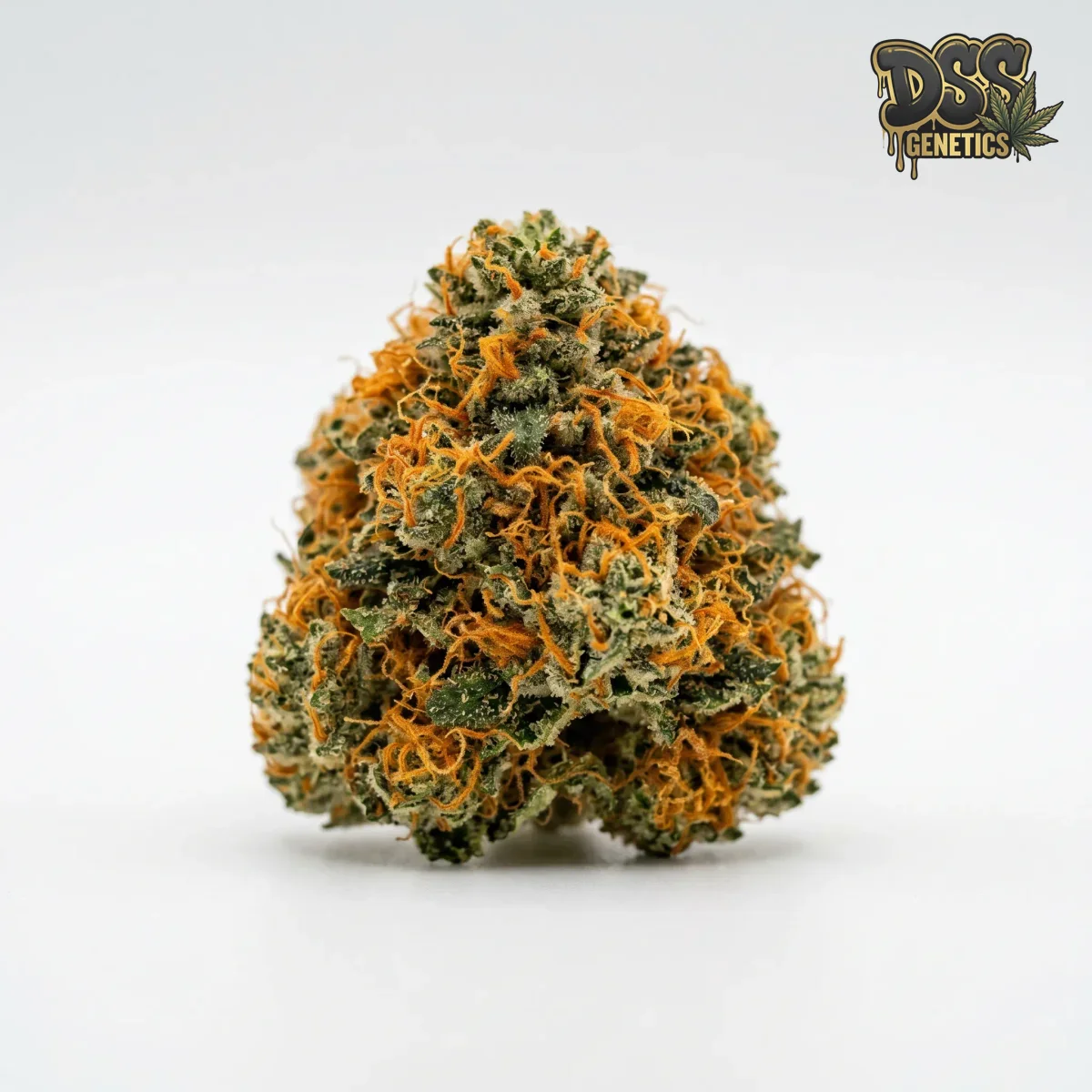
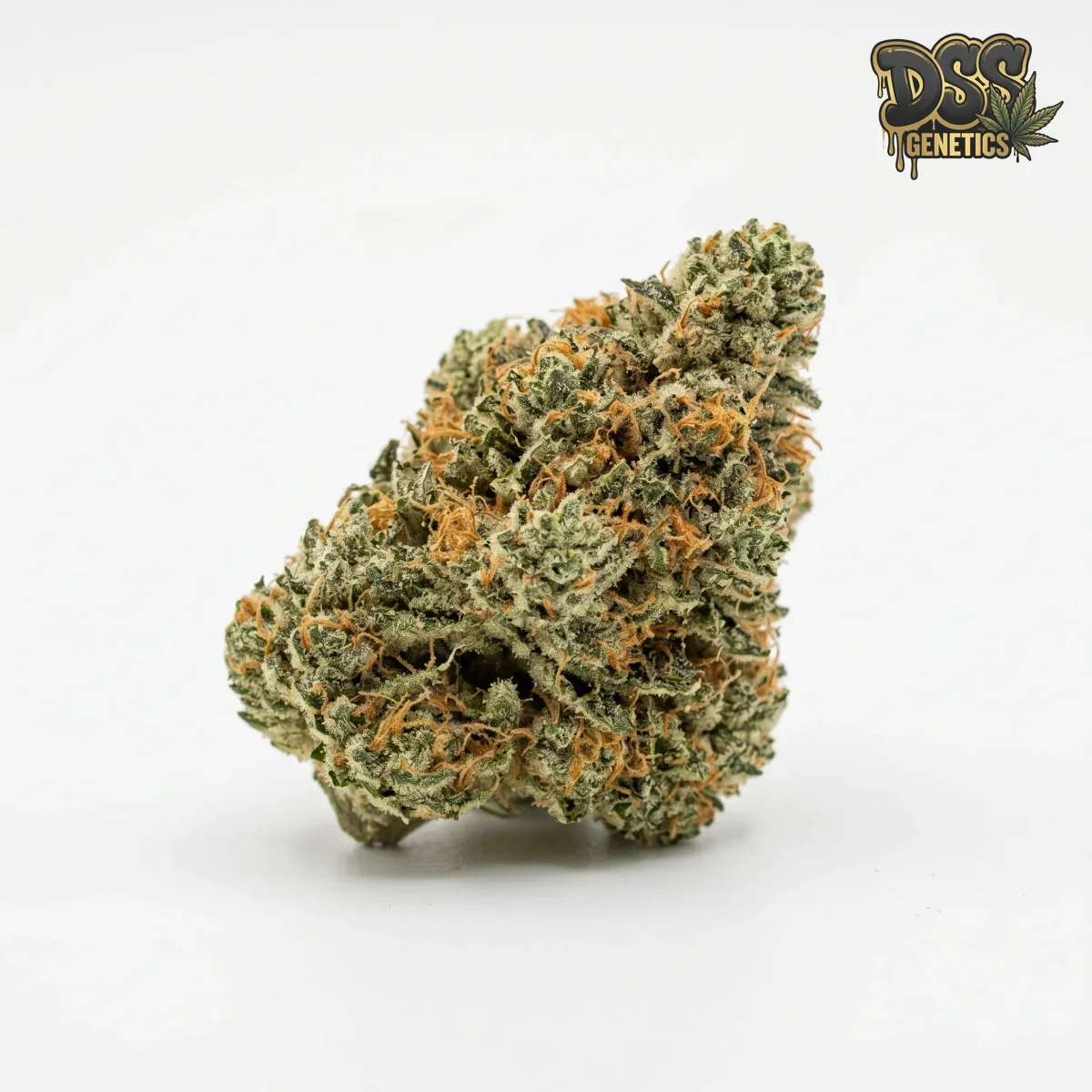
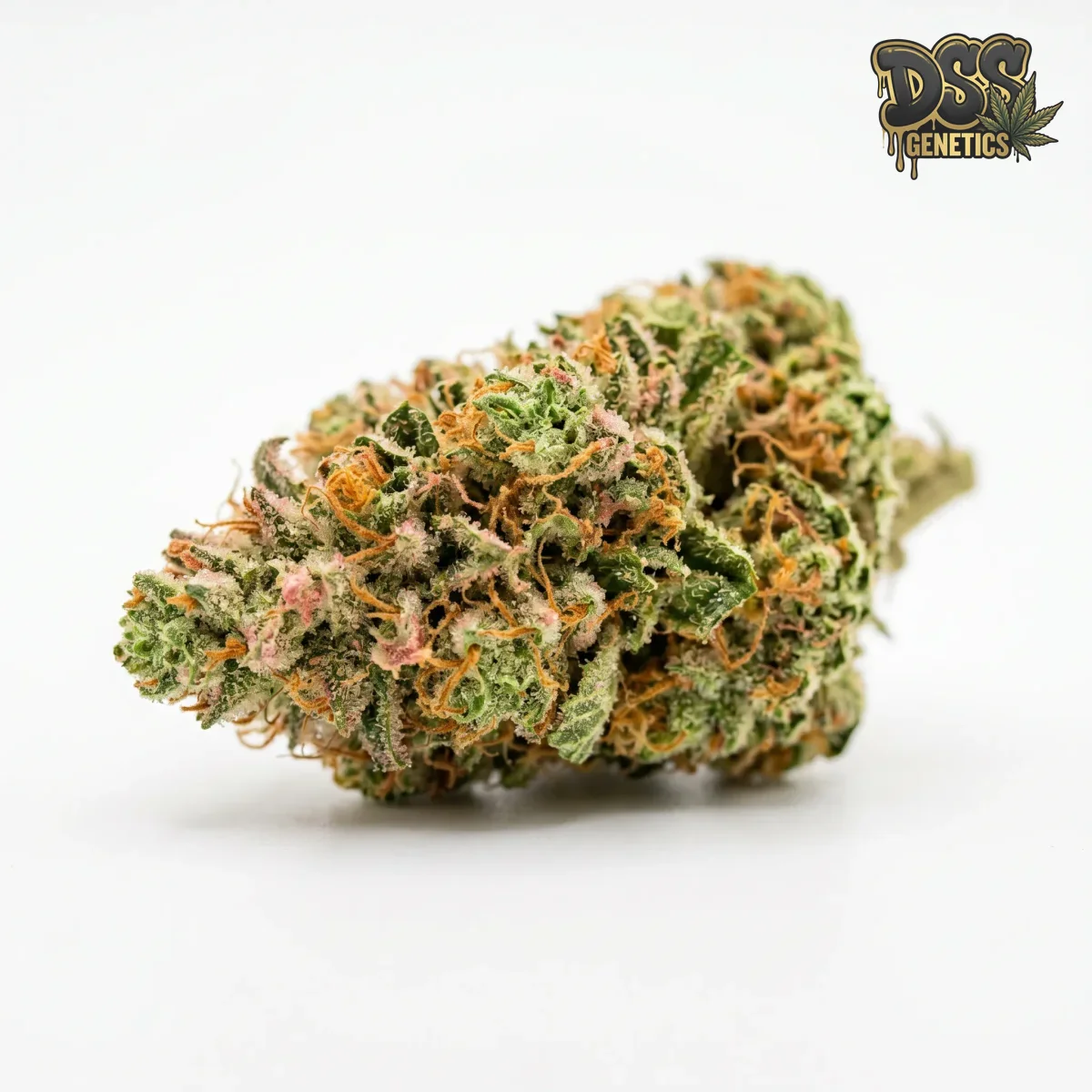
Break open a Freezeland bud and the first thing that hits you is a sharp, resinous pine — not the soft, gentle kind you'd get from a classic Haze, but something closer to fresh-cut timber and cold mountain air. Behind that initial brightness, there's a layer of sweet earthiness that anchors the aroma, followed by a quiet citrus note that lifts the whole profile without dominating it. The woody undertones emerge as the bud warms in your hand, rounding everything into something cohesive and deeply satisfying.
On the inhale, Freezeland delivers exactly what the nose promises: pine and sweet earth up front, with a clean woody finish that lingers on the palate. The citrus note sharpens slightly on the exhale, brightening the aftertaste and leaving a pleasantly fresh sensation that makes each hit feel clean rather than heavy. This is a strain where the flavor genuinely complements the high — the terpene profile and the effect profile feel like they belong together.
At 0.27%, Caryophyllene is Freezeland's most concentrated measured terpene — and it earns its presence. Caryophyllene is the only terpene known to directly bind to CB2 receptors in the endocannabinoid system, which means it contributes to the strain's physical effects rather than just flavoring them. Its spicy, peppery warmth is subtle in Freezeland's overall nose but becomes more apparent in the throat on the exhale, adding a mild heat that balances the sweetness of the rest of the profile. For medical users dealing with inflammation or physical tension, Caryophyllene's receptor activity makes it a therapeutically meaningful component of this strain's chemistry.
Bisabolol — the second terpene in Freezeland's profile — is less commonly discussed but genuinely important here. Found naturally in chamomile, Bisabolol carries a soft, almost floral sweetness that doesn't read as floral in Freezeland's full profile but adds a smoothing quality to the aroma and smoke. It's widely studied for its skin-calming and anti-inflammatory properties, and in this context it likely contributes to the strain's unusually gentle onset — Bisabolol has been associated with anxiolytic properties that may help explain why Freezeland's 22–26% THC doesn't feel aggressive. For growers interested in the deeper terpene chemistry at work, it pairs interestingly with Caryophyllene's CB2 activity — two anti-inflammatory compounds working from different angles.
The pinene character evident in Freezeland's nose, while not listed as a primary measured terpene, is consistent with the Friesland genetics and likely contributes to the mental clarity users report in the early phase of the high. Pinene has been studied for its ability to partially counteract THC-induced short-term memory impairment — which would help explain why Freezeland maintains cognitive sharpness at THC levels that might otherwise feel foggy.
Growing Freezeland Seeds
Freezeland is rated moderate difficulty — a designation that understates how forgiving it actually is once you understand its preferences. The Friesland parent brings genuine cold tolerance baked into this strain's DNA, which means temperature swings that would stress other cultivars at this THC level are handled with composure here. In our experience across multiple grows, Freezeland performs best when daytime temperatures stay between 68–79°F (20–26°C) with a modest 5–8°F drop at night — the slight temperature differential actually encourages terpene production in late flower without triggering stress.
Humidity management is where most growers will either succeed or struggle with this strain. During the vegetative stage, maintain relative humidity between 55–65% — Freezeland's medium plant structure and moderate internodal spacing benefit from slightly elevated moisture during this phase. As flowering progresses past week four, drop humidity progressively to 45–50%, then down to 38–42% in the final two weeks. The Pluton heritage contributes dense, resinous buds that can hold moisture internally even when the surface appears dry — this makes late-flower humidity management more important than a quick visual inspection might suggest.
Nutrient-wise, Freezeland is a moderate feeder that doesn't demand aggressive supplementation. What we've found over dozens of grows with genetics like this is that pushing nitrogen into the mid-flower phase creates leafy, airy buds rather than the compact, dense structure this strain is capable of producing. Taper nitrogen sharply at the transition to flower and lean into phosphorus and potassium from week two of flowering onward — Freezeland responds visibly to this approach, with calyxes stacking more tightly and trichome density increasing noticeably by week six.
The medium plant size makes Freezeland genuinely versatile — it fits comfortably into 2-gallon containers for SOG setups or can be allowed to stretch into 5-gallon containers for larger single-plant production. The structure lends itself well to training without being demanding about it. Outdoors, the Friesland genetics make this one of the more cold-tolerant options available at this THC level, capable of handling light autumn chill without the catastrophic terpene loss that hits more tropical-leaning hybrids.
Key growing tips for Freezeland:
- Training approach: LST and topping during the vegetative phase keep the canopy even and push lateral growth — Freezeland responds better to gradual training than aggressive defoliation
- Vegetative length: A 4–5 week vegetative period gives this strain enough time to develop the structural branching that supports its indoor yield potential without excessive stretching
- Nutrient timing: Follow a progressive phosphorus and potassium ramp starting at week two of flower — Freezeland's bud density is directly responsive to proper P-K timing
- Indoor environment: Maintain consistent airflow across the canopy during indoor grows — the Pluton-derived bud density creates micro-environments where stagnant air can cause problems that aren't visible until late flower
- Outdoor timing: For outdoor cultivation, Freezeland's Friesland genetics allow planting 2–3 weeks earlier than most hybrids in cool climates — a genuine advantage in northern gardens where the season window is tight
Yield and Flowering Time
Freezeland finishes in 50–60 days of flowering — sitting at the faster end of what you'd expect from a balanced hybrid at this potency level. Indoor yields land at 1 to 1.5 oz/ft², which rewards growers who dial in the canopy training and late-flower nutrient timing described above. Outdoor plants given a full season produce 15–17 oz/plant — substantial yields driven by the Friesland parent's outdoor-optimized structure and the Pluton parent's bud-building genetics.
The 50-day minimum flowering time is worth taking seriously — some growers pushing for maximum amber trichomes on this strain benefit from the full 60 days, particularly outdoors where the final weeks of bud development add measurable weight. For growers exploring our fast-flowering strains, Freezeland's 50–60 day window makes it one of the more efficient options at this THC ceiling without sacrificing the yield numbers that justify the grow space.
To maximize your harvest:
- Trichome assessment: Target 70–75% milky trichomes with 15–20% amber for the balanced head-and-body effect this strain is known for — harvesting earlier skews the experience more sativa, later more sedative
- Late-flower humidity: Drop to 38–42% RH in the final two weeks — Freezeland's dense Pluton-heritage buds hold moisture longer than their exterior suggests, and this humidity window prevents internal moisture issues
- Flush timing: A 7–10 day plain water flush before harvest noticeably improves the smoothness of Freezeland's already clean smoke profile, allowing the Bisabolol and Caryophyllene to express clearly without nutrient interference
- Drying and curing: A slow dry at 60–65°F and 58–62% RH for 10–14 days is particularly important for this strain — Bisabolol is a delicate terpene that degrades quickly at higher drying temperatures, and the extra days in cure reward the patience with noticeably improved smoothness
Why Buy Freezeland Seeds from DSS Genetics?
Every Freezeland feminized seed ships with our germination guarantee — if it doesn't sprout under proper conditions, we replace it without question. Orders arrive in discreet, unmarked packaging, and every seed is stored under controlled conditions from our facility to your door to ensure viability and genetic integrity are maintained throughout transit.
- Germination guaranteed — every seed is backed by our replacement promise if it fails to sprout
- Discreet shipping — plain, unmarked packaging on every order
- Spend $100 or more — receive complimentary premium seeds included with your order
- Cold-chain storage standards — Freezeland seeds are stored at optimal temperature and humidity from intake to shipment, protecting the Bisabolol and Caryophyllene expression that makes this strain worth growing
Frequently Asked Questions
What makes Freezeland different from other balanced hybrids at this THC level?
Most 22–26% THC balanced hybrids either lean heavily toward the sativa or indica side in practice despite the label. Freezeland's Pluton × Friesland lineage produces a genuinely even experience because the two parent strains contribute distinct, complementary effect profiles rather than competing variations on the same theme. The Friesland genetics also introduce cold tolerance and a terpene profile dominated by Caryophyllene and Bisabolol — a pairing that's unusual at this potency level and contributes to the strain's smoother-than-expected onset. If you're comparing options in the highest-THC strains range, Freezeland stands out for how controlled its experience feels relative to its numbers.
Is Freezeland a good choice for indoor growers with limited space?
Yes — Freezeland's medium plant size and 50–60 day flowering time make it well-suited to space-constrained indoor grows. The plant structure responds well to LST and topping during the vegetative stage, which lets growers manage height effectively without sacrificing the lateral branching that drives indoor yields. At 1 to 1.5 oz/ft² indoors, it's a productive choice for the footprint it occupies. Growers who also want to explore faster options should compare with our fast-flowering collection, though Freezeland's 50-day minimum puts it firmly in that territory already.
How does Freezeland perform in cooler outdoor climates?
This is one of Freezeland's genuine advantages over comparable hybrids. The Friesland parent is a Dutch landrace strain that was selected for performance in northern European conditions — cool nights, variable autumn weather, and a shorter growing season than Mediterranean-adapted genetics can handle. In practice, this means Freezeland can be put outside 2–3 weeks earlier than most hybrids in cool climates and will continue developing in temperatures that would halt other strains. Follow our outdoor growing guide for timing recommendations specific to your climate zone, and plan for harvest at the 60-day mark in northern regions to give the plant the full development window it benefits from.
What conditions does Freezeland work best for medically?
Freezeland's effect progression — energetic and
Medical Disclaimer: This information is for educational purposes only and should not be considered medical advice. Always consult a healthcare professional before using cannabis for medical purposes. Individual results may vary.
Frequently Asked Questions
Freezeland — Common Questions Answered
What is Freezeland?
Freezeland is a balanced hybrid cannabis strain (50% Sativa / 50% Indica) bred from Pluton x Friesland. It produces THC levels of 22–26% and CBD levels of 0.1–1%. Known for its relaxing, euphoric, uplifting effects and pine, sweet, earthy flavor profile.
Is Freezeland easy to grow?
Freezeland is moderately challenging to grow. Beginners can succeed with some research, but it benefits from basic knowledge of pH management and nutrient schedules. Growing difficulty: Moderate. It thrives in temperate climates and reaches a medium plant size.
How long does Freezeland take to flower?
Freezeland has a flowering time of 50–60 days. Switch to a 12/12 light cycle to initiate flowering. Expected yields are 1 to 1.5 oz/ft² indoors and 15 to 17 oz/plant outdoors.
What are the effects of Freezeland?
Freezeland delivers relaxing, euphoric, uplifting, creative, energetic, focused effects. Many growers report it helps with insomnia, stress, depression, lack of appetite. With THC levels of 22–26%, it is a potent strain — start with a low dose if you have low tolerance.
What does Freezeland smell and taste like?
Freezeland's dominant terpenes are Caryophyllene (0.27%), Bisabolol, which give it a pine, sweet, earthy, citrus, woody flavor and aroma profile.
Can I grow Freezeland indoors and outdoors?
Yes, Freezeland performs well both indoors and outdoors. Indoor yields average 1 to 1.5 oz/ft², while outdoor grows can produce 15 to 17 oz/plant. It prefers temperate conditions. Its medium height is manageable in most indoor setups.
What does "feminized" mean for Freezeland seeds?
Feminized Freezeland seeds are bred to produce only female plants, which are the ones that develop smokable buds. This eliminates the need to identify and remove male plants, saving time and maximizing your grow space. Over 99% of feminized seeds will produce female plants.
Grower Reviews
Real grow experiences from our community
Get 10% Off Your First Order
Join our newsletter for exclusive deals, growing tips, and new strain drops.