Tuesday, May 19, 2026
Rescheduling Ripple Effect: Feds Draw Hard Lines on Driving, Flying & Jobs
DSS Genetics News Desk · Tuesday, May 19, 2026
Editor's Brief
Cannabis rescheduling continues to send shockwaves through federal agencies — but not in the direction consumers hoped. The DOT is holding firm on drug testing rules for commercial drivers, the TSA posted a medical marijuana travel update with zero actual instructions, and advocacy groups are pushing Congress to convert rescheduling momentum into full federal legalization. Meanwhile, Minnesota quietly passed one of the most pragmatic cannabis reform packages of the year, and French regulators just banned CBD edibles — a cautionary tale for markets everywhere.
Top Story
The Rescheduling Reality Check: Federal Agencies Are Not Playing Along
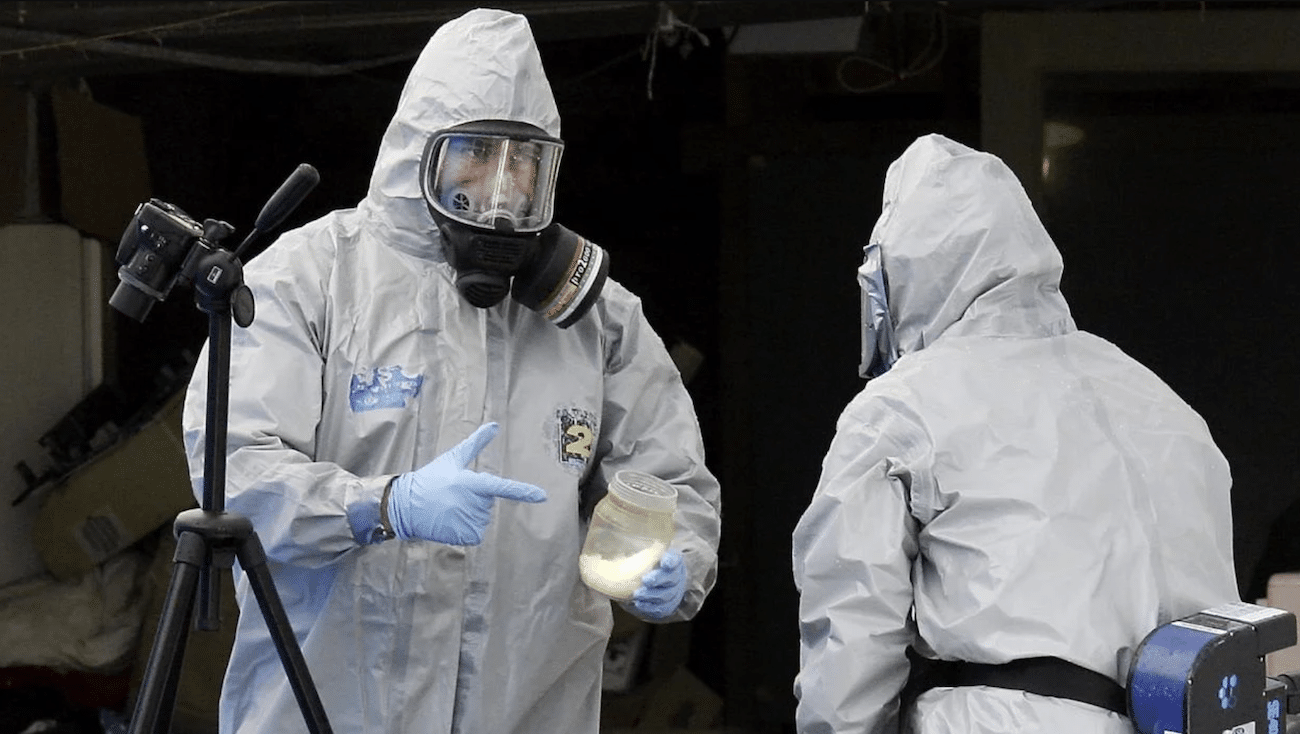
When cannabis moved to Schedule III last month, many consumers and industry operators exhaled. That exhale may have been premature. The Department of Transportation issued a formal memo this week confirming that rescheduling changes nothing for the estimated 4 million commercial truck drivers, bus operators, and transportation workers subject to federal drug testing under 49 CFR Part 40.
The memo is unambiguous: marijuana use under state programs does not qualify as a legitimate medical explanation for a positive drug test. A CDL holder who legally purchases cannabis at a licensed dispensary in Colorado, Michigan, or California is still subject to termination and mandatory return-to-duty protocols. The gap between state legality and federal employment consequences remains as wide as ever.
Then there's the TSA situation — almost comedic if the stakes weren't real. The agency updated its Medical Marijuana travel page on April 27, one day before Schedule III took effect, listing cannabis as permitted in carry-on and checked bags. The catch? The "Special Instructions" field is blank. TSA has published a policy without writing the policy. Travelers relying on that page face genuine legal ambiguity at security checkpoints nationwide.
For growers, home cultivators, and everyday consumers, the lesson is stark: rescheduling is a scientific and symbolic milestone, not a legal safe harbor. Advocacy groups are now pressing Congress directly, arguing that only comprehensive federal legislation — not administrative reclassification — can resolve these contradictions. Watch for the new congressional bill on marijuana-impaired driving standards as a potential flashpoint in that fight.
Policy & Legalization
Minnesota Merges Medical & Adult-Use Supply Chains
The Minnesota House passed HF4203 by a decisive 92-42 vote, an omnibus cannabis reform bill that merges medical and adult-use supply chains and creates a new product category for higher-potency hemp derivatives. This is exactly the kind of pragmatic, unglamorous reform that actually moves markets — reducing regulatory duplication and giving operators cleaner pathways to serve both customer bases. Key takeaway: Minnesota is quietly becoming a model for second-generation cannabis regulation.
Advocacy Groups Push Congress Post-Rescheduling
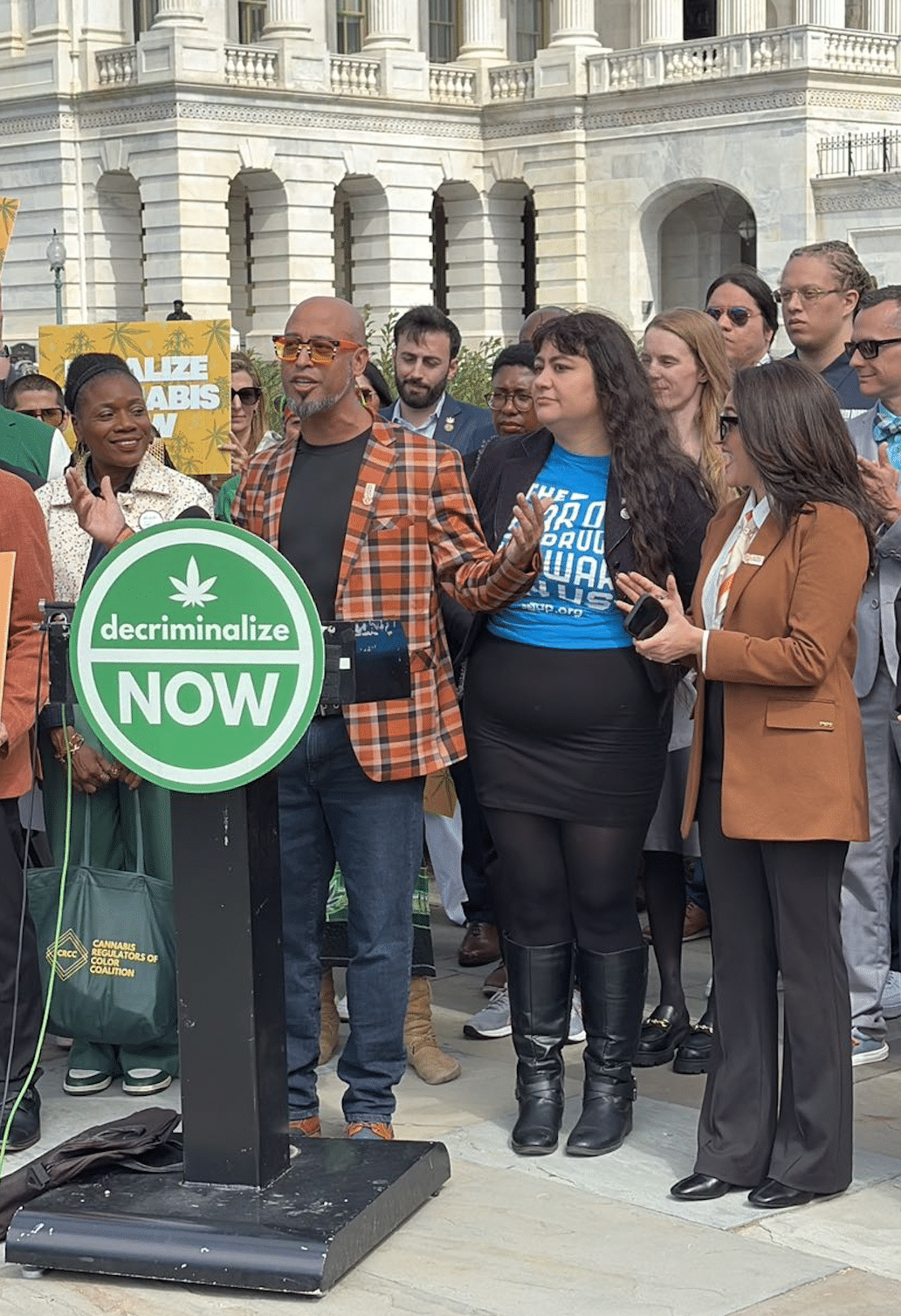
A broad coalition of cannabis advocacy organizations formally urged Congress this week to treat rescheduling as a floor, not a ceiling, demanding comprehensive federal legalization and banking reform. The push comes as the Indiana governor separately pressured state lawmakers on medical cannabis access — a reminder that even in 2026, medical patients in multiple states still lack legal protections. The federal lobbying effort will likely intensify heading into midterm positioning.
New York Enforcement Task Force Shuts Down Illicit Shops
The NYS Cannabis Enforcement Task Force closed unlicensed dispensaries in Alfred, Horseheads, and Watkins Glen this week. Illicit market suppression remains the unglamorous backbone of functional legalization — licensed operators cannot compete on price when untaxed, unregulated shops operate freely. New York's enforcement ramp-up signals the state is finally putting muscle behind its licensing framework.
Business & Markets
Gen Z Is Cannabis's Core Consumer — And They're Daily Users
A new EduBirdie survey reveals that 67% of Gen Z has consumed cannabis, with a striking 28% reporting daily use. That's not a casual consumer base — that's a loyalty-driven market segment that prioritizes product consistency, potency, and brand trust. For anyone watching long-term market trajectories, Gen Z's consumption patterns will shape product development and retail strategy for the next decade.
Rob Van Dam Enters the CBD Arena
WWE Hall of Famer Rob Van Dam launched a vertically integrated CBD and cannabis wellness line out of Santa Ana, California. RVD has been a vocal cannabis advocate throughout his career, lending the brand genuine credibility in a space crowded with celebrity cash-grabs. Whether it moves product beyond nostalgia remains to be seen, but athlete-driven wellness brands continue to normalize cannabis for demographics that traditional dispensaries don't always reach.
France Bans CBD Edibles — A Warning Shot for European Markets
France's food safety authority invoked a 1997 EU novel foods regulation to ban CBD-infused edibles effective May 15, blindsiding an industry that had operated in a gray zone for years. This is a significant reversal for a market that seemed to be liberalizing. European CBD operators should treat this as a regulatory risk signal — novel food approval pathways are real, slow, and expensive, and regulators are increasingly willing to use them.
Science & Cultivation
Hemp-Derived Plastic That Stretches 1,600% — Seriously
Researchers at the University of Connecticut and Purdue University have developed a non-toxic thermoplastic derived from CBD that can stretch to 1,600% of its original size while remaining stable at high temperatures. Published in Chem Circularity, the study positions hemp biomass as a feedstock for next-generation sustainable materials. This is the kind of industrial hemp application that justifies broad cultivation investment — and it's built on CBD, not fiber or seed.
Study Links Cannabinoids to Weight Management
New research flagged in this week's Marijuana Moment newsletter ties cannabinoid use to weight loss outcomes — a finding that cuts against the "munchies" stereotype that has followed cannabis for decades. The research adds to a growing body of evidence suggesting cannabinoid interactions with metabolic pathways are far more complex than previously understood. More peer review is needed, but the signal is worth watching for medical cannabis advocates.
Crime & Enforcement
$2.2M Australian Bust: 1,000 Plants at Newcastle Warehouse
Australian authorities raided a warehouse in New Lambton, uncovering roughly 1,000 cannabis plants in a bust valued at $2.2 million AUD. Large-scale indoor grows continue to dominate illicit market enforcement globally, even as legal frameworks expand. The scale of this operation underscores why commercial-style indoor cultivation remains a high-risk, high-visibility activity in jurisdictions without robust home-grow protections.
Virginia Governor Signs Felony Resentencing Bill
Governor Abigail Spanberger signed legislation creating a formal resentencing process for individuals with certain felony cannabis convictions in Virginia. The bill won't erase records automatically, but it creates a legal pathway — a meaningful, if incremental, step toward restorative justice. Virginia joins a growing list of states acknowledging that legalization without expungement is incomplete reform.
Culture & Community
TSA's Medical Marijuana Mystery Tour
High Times' deep dive into the TSA's half-finished medical marijuana travel policy is both illuminating and absurd. The agency listed cannabis as travel-permitted but left the "Special Instructions" blank — meaning travelers are technically operating on a policy that doesn't exist yet. It's a perfect metaphor for where federal cannabis reform stands in 2026: officially acknowledged, practically undefined.
Terence McKenna's Archive Comes to Light
Klea McKenna, daughter of the legendary ethnobotanist Terence McKenna, is working to organize 300 pages of her father's unpublished notes alongside materials from a Hawaii storage unit — 25 years after his death. McKenna's influence on psychedelic and cannabis culture is incalculable, and this archive could reshape how historians understand the intellectual roots of the modern plant medicine movement.
What This Means for Growers
- Federal employment protections are not here yet. If you or someone in your household holds a CDL or federally regulated job, rescheduling offers zero legal cover for a positive cannabis test. Plan accordingly.
- Hemp genetics with high CBD yield are gaining industrial value beyond extraction — the UConn/Purdue thermoplastic research opens a new demand vector for CBD-rich biomass that could influence what cultivars command premium contracts.
- Minnesota's supply chain merger is a blueprint. If your state is still running separate medical and adult-use tracks, watch how Minnesota's consolidation plays out — it may accelerate similar reform efforts in your region.
- The French CBD edibles ban is a cautionary tale for hemp product makers. Novel food regulations exist in the EU and can be enforced retroactively. If you're growing for the European CBD market, legal compliance infrastructure is non-negotiable.
- Gen Z's 28% daily use rate means consistency and potency matter more than ever. Home growers seeking to dial in repeatable phenotypes and stable cannabinoid profiles are aligned with exactly what this market demands.
Quick Links
Full source links are listed below this article.
All Sources — 30 articles











Images are credited to their respective sources. All linked content belongs to the original publishers.