Sunday, April 19, 2026
Trump Pushes Psychedelics Forward While Cannabis Rescheduling Stalls
DSS Genetics News Desk · Sunday, April 19, 2026
Editor's Brief
Happy 4/20 eve, readers — and what a week to be watching federal drug policy. President Trump signed an executive order accelerating psychedelic research while simultaneously complaining that his own DOJ is dragging its feet on cannabis rescheduling. The contradiction is striking, and the industry is taking notes.
Meanwhile, the business side of cannabis is flashing warning signs: 280E taxes consumed $2.24 billion from legal operators in 2025, Massachusetts is freezing new cultivation licenses, and Colorado is cracking down on the hemp gray market. The squeeze is real.
On the cultural front, Cheech Marin is talking to sandwiches in a Jimmy John's ad, Forbes dropped its Cannabis 42.0 list, and pre-rolls just became the industry's biggest product category. The mainstream moment is here — the regulatory framework just hasn't caught up.
Top Story
Trump Signs Psychedelics Order — But Cannabis Rescheduling Is "Being Slow-Walked"
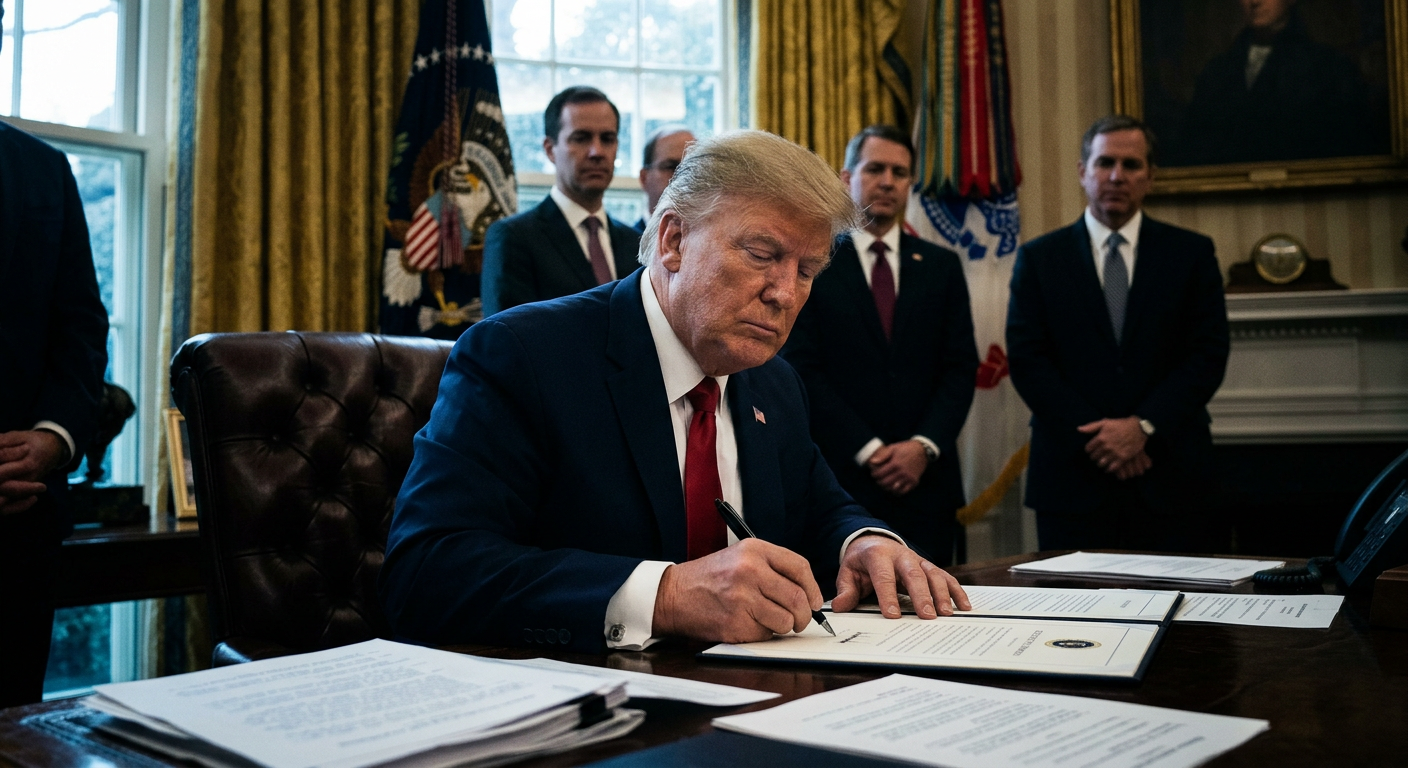
President Trump signed an executive order on April 18th directing federal agencies to accelerate research and expand patient access to psychedelics including psilocybin, LSD, ibogaine, and MDMA. The order allocates $50 million specifically for ibogaine research and fast-tracks clinical pathways for veterans and mental health patients.
The irony is hard to miss. On the same weekend Trump praised the psychedelics order, he was caught on tape asking DOJ officials whether they'd "get the rescheduling done" for marijuana — suggesting his own administration is moving slower on cannabis than he'd like. Four months after his January executive order on rescheduling, the process remains stuck in bureaucratic limbo.
For cannabis advocates, the psychedelics move is a double-edged signal. It confirms the administration has genuine appetite for drug policy reform — but it also suggests cannabis may be deprioritized in favor of substances with stronger veteran-community and bipartisan optics. High Times reports that a text from Joe Rogan to Trump helped catalyze the psychedelics push, which tells you something about how drug policy is being made right now.
What to watch: Whether the DOJ rescheduling process accelerates in the coming weeks, and whether the psychedelics framework — research pathways, clinical access models — becomes a template cannabis advocates can leverage. The machinery exists. The political will is the variable.
Policy & Legalization
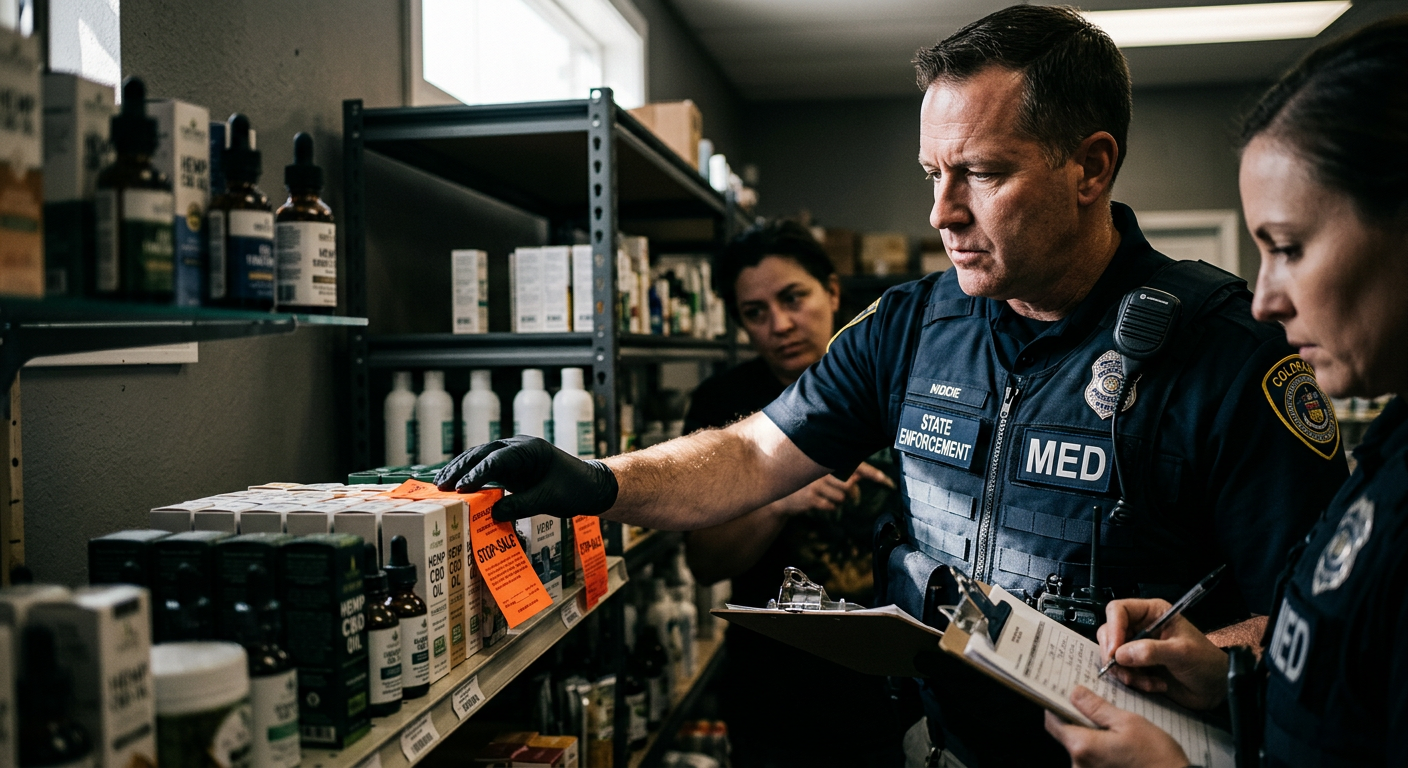
Colorado Cracks Down on Hemp Gray Market
Colorado marijuana regulators have announced a formal crackdown on hemp-derived intoxicating products, citing "serious risks to public safety, market integrity, and tax revenue." The move targets delta-8, delta-10, and similar hemp-derived cannabinoids sold through unlicensed channels.
This is the regulated industry fighting back against its own shadow. Every dollar spent at a gray-market hemp shop is a dollar not taxed and not subject to testing requirements.
Ohio Judge Pauses Hemp Ban for Two Retailers
A Franklin County judge issued a temporary restraining order allowing two Ohio smoke shops to continue selling hemp products despite a statewide ban, citing concerns about retailers who had made significant inventory investments. The ruling is narrow but signals ongoing legal friction between state hemp bans and existing commerce.
Expect more of these battles as states tighten hemp rules. Retailers caught in the middle are increasingly turning to the courts.
Teen Cannabis Use Up Post-Legalization in California
A new Kaiser Permanente study found that teen cannabis use increased after California legalized adult recreational use — a finding that will arm prohibition advocates in states still debating legalization. The data is significant and shouldn't be dismissed, even by legalization supporters.
Context matters here: correlation isn't causation, and enforcement and education funding also shifted post-legalization. The policy debate in states like North Carolina just got a new data point to argue over.
Business & Markets
Pre-Rolls Are Now the #1 Cannabis Product Category
Pre-rolls generated $3.6 billion in revenue in 2025, making them the top-selling product category in the U.S. cannabis industry, according to a Custom Cones USA and Headset report. The format's dominance reflects consumer demand for convenience and consistency.
For cultivators, this is a critical signal: trim, shake, and smalls now have a premium commercial outlet that didn't exist at this scale five years ago. The pre-roll boom is reshaping what a profitable harvest looks like.
280E Is Taxing Legal Cannabis Out of Existence
Whitney Economics reports that legal cannabis operators paid $2.24 billion in excess federal taxes in 2025 due to Section 280E, which bars cannabis businesses from deducting standard business expenses. The effective tax rate for many operators exceeds 70%.
This is the single biggest structural threat to the legal market. Until rescheduling or federal legislation addresses 280E, the illicit market will always have a cost advantage.
Massachusetts Freezes New Cultivation Licenses
The Massachusetts Cannabis Control Commission voted to implement a four-month moratorium on new cultivation licenses beginning June 16, responding to a sustained decline in wholesale flower prices. The move aims to let supply and demand rebalance.
This is a market correction in regulatory form. Existing Massachusetts cultivators get breathing room; new entrants get a hard stop.
Science & Cultivation
New CHS Research: Vape Users Show Earlier Symptom Onset
A landmark survey of over 1,100 people with suspected or diagnosed Cannabinoid Hyperemesis Syndrome (CHS) has produced one of the clearest clinical pictures of the condition to date. The standout finding: exclusive vape cartridge users reported symptoms appearing significantly sooner than exclusive flower smokers.
Researchers from Cannabis Research Coalition analyzed consumption patterns, frequency, and onset timelines. The data suggests that the delivery method — not just total cannabinoid exposure — may influence CHS development. This has real implications for heavy daily consumers and harm reduction conversations.
For home growers who consume their own product heavily, this is worth understanding. The concentration levels in cartridges versus flower, and the frequency of use, appear to be meaningful variables. More flower, less concentrate may carry lower CHS risk — though abstinence remains the only confirmed remedy once symptoms appear.
Cannabis and Perimenopause: Emerging Evidence
CNN covered emerging research on cannabis as a tool for managing perimenopause symptoms including sleep disruption, anxiety, and mood changes. Anecdotal evidence has been strong for years; clinical research is starting to catch up.
This is a significant and underserved consumer demographic that the industry has largely ignored. Expect more targeted product development in this space.
Crime & Enforcement
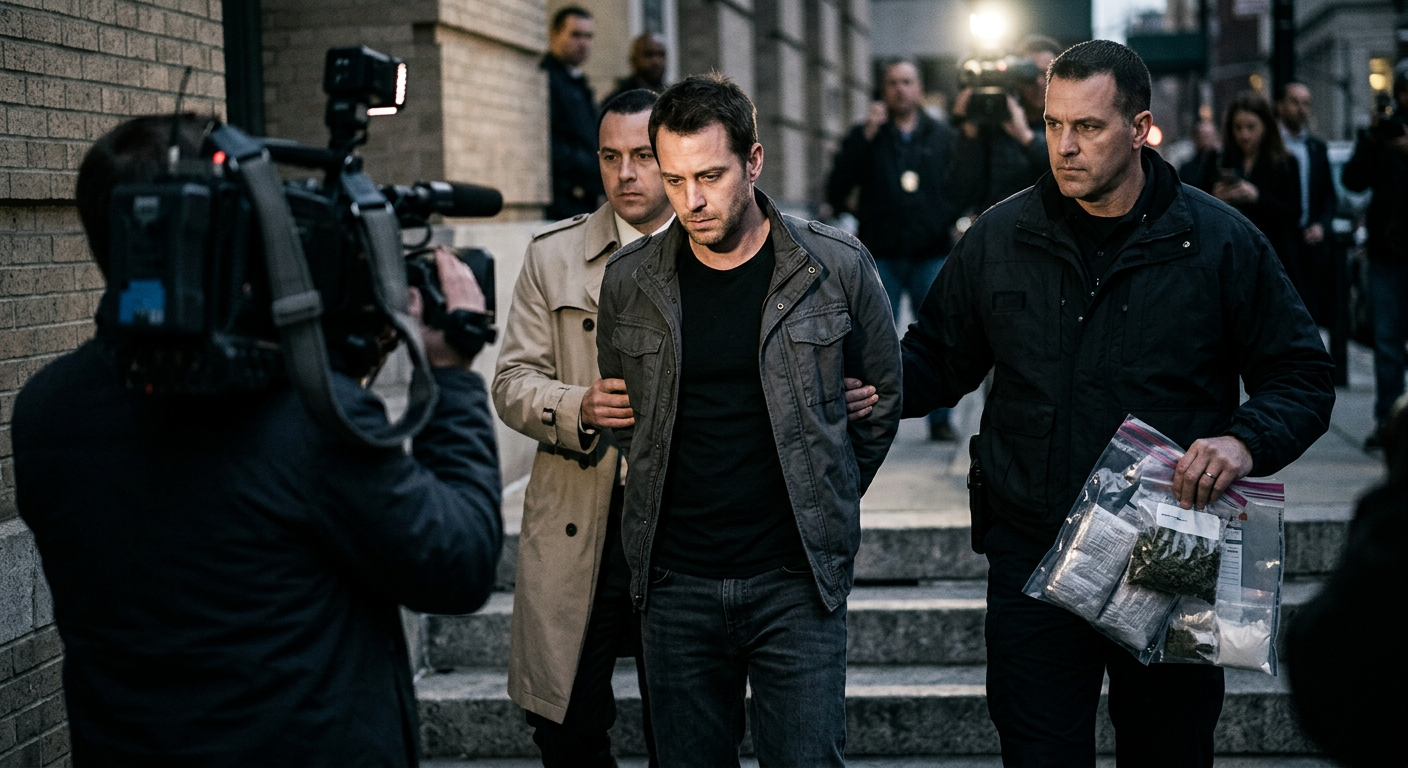
Malta: Man Charged With Cocaine and Cannabis Trafficking
A man in Malta has been charged with cocaine trafficking alongside cannabis possession charges, per TVMnews.mt. Co-occurring drug charges remain a common pattern globally, often complicating cannabis-specific reform conversations in countries where the substances are legally grouped together.
Culture & Community
Cheech Marin Talks to Sandwiches. Cannabis Culture Is Officially Mainstream.
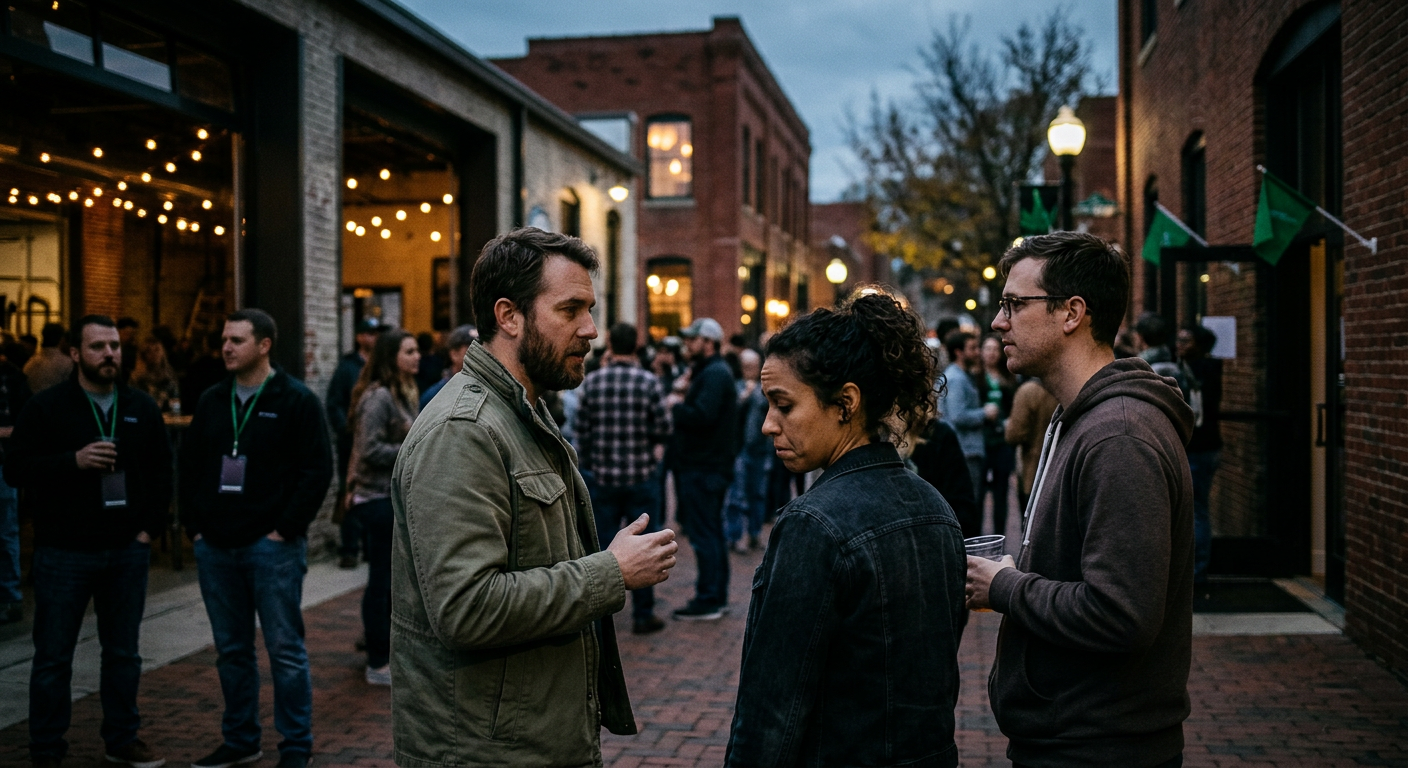
Jimmy John's launched a 4/20 campaign featuring Cheech Marin, Kal Penn, and Skylar Gisondo — three generations of cannabis cultural iconography — in ads that wink hard at stoner culture without ever saying the word cannabis. It's corporate, it's calculated, and it absolutely works.
When a national sandwich chain builds a 4/20 campaign around Cheech Marin, the cultural normalization argument is over. The legal framework is the last thing lagging behind public perception.
Spain's Cannabis Scene Enters a More Volatile Era
High Times reports on Spain's rapidly evolving cannabis culture, where home rosin production, police raids, and a legal gray zone are converging dangerously. Butane extraction accidents have caused fatalities, pushing solventless rosin into the spotlight as a safer alternative.
Spain's situation is a preview of what unregulated cannabis innovation looks like without a legal framework. The technology is outpacing the law — and people are getting hurt.
What This Means for Growers
- Rescheduling delays hurt home growers indirectly. Until federal law changes, banking access, seed legality, and interstate commerce remain frozen — limiting what even hobbyist growers can do openly.
- Pre-roll dominance validates growing for trim yield. If you're growing at scale, cultivars with high trim output now have a clear commercial pathway. Structure your pheno hunts accordingly.
- CHS research is a signal to monitor concentrate consumption. If you're a heavy daily user who processes your own hash or oil, the new vape-vs-flower CHS data is worth taking seriously.
- The hemp crackdown in Colorado and Ohio affects what you can legally buy. Delta-8 and hemp-derived products face increasing regulatory pressure — if you're using them as a legal workaround, that window is closing in more states.
- Spain's rosin scene is a cautionary tale. Solventless extraction is the right move for safety — but even rosin presses carry risks if you're working with high volumes or improvised setups. Know your equipment.
Quick Links
Full source links are listed below this article.
All Sources — 30 articles



















Images are credited to their respective sources. All linked content belongs to the original publishers.