Monday, April 20, 2026
4/20 2026: Massachusetts Doubles Down, Psychedelics Go Federal
DSS Genetics News Desk · Monday, April 20, 2026
Editor's Brief
Happy 4/20 — and this year, the holiday arrives with genuine legislative muscle behind it. Massachusetts Governor Maura Healey signed a landmark bill doubling the state's legal possession limit just in time for the occasion, while the federal government made its most dramatic move yet on psychedelic research.
Meanwhile, state-level cannabis reform continues its uneven march forward. Illinois is reckoning with unfinished equity promises, Ohio consumers are navigating a changed legal landscape, and new research out of California is reigniting the debate about teen access after legalization.
Today's news is a snapshot of cannabis in 2026: more legal than ever, more complicated than ever, and still very much a work in progress.
Top Story
Massachusetts Doubles Possession Limit — And Healey Signs It on 4/20 Weekend
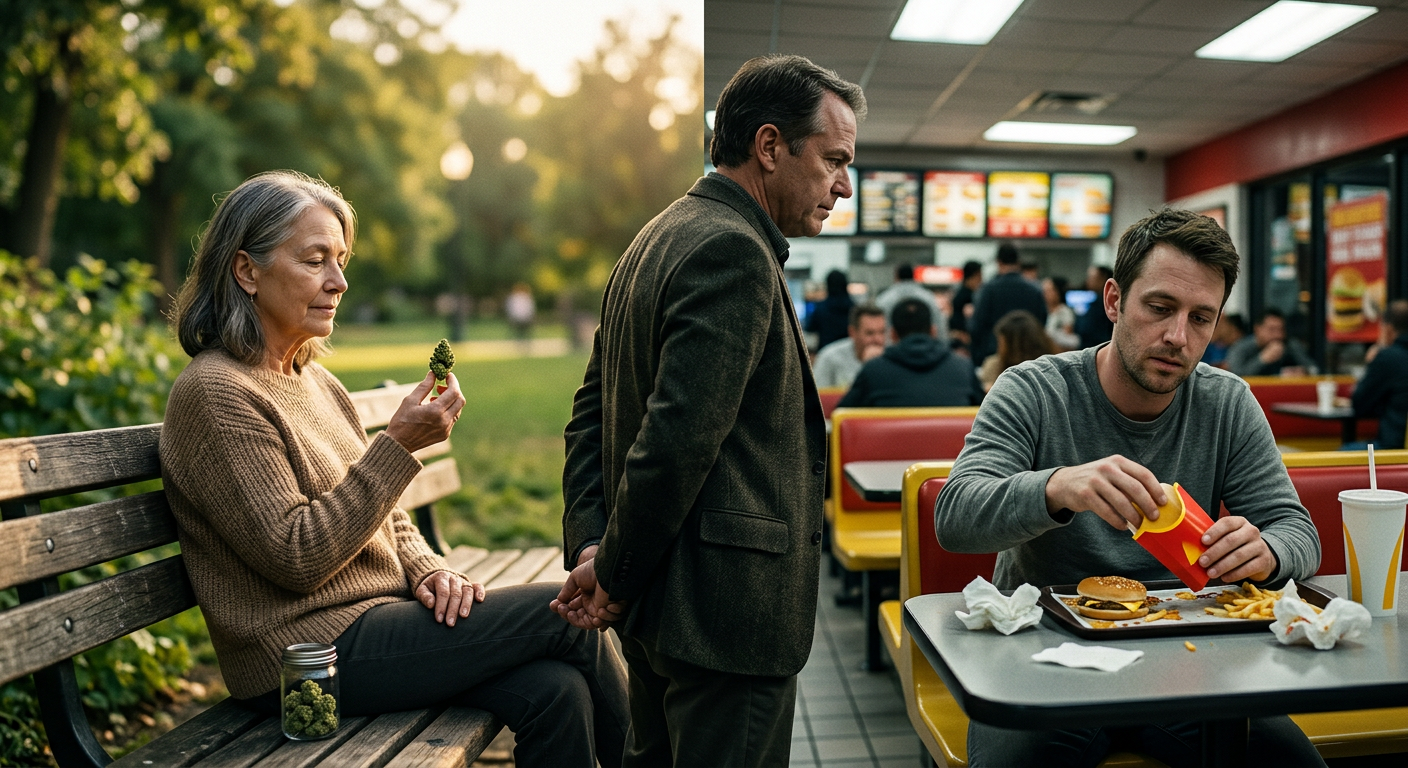
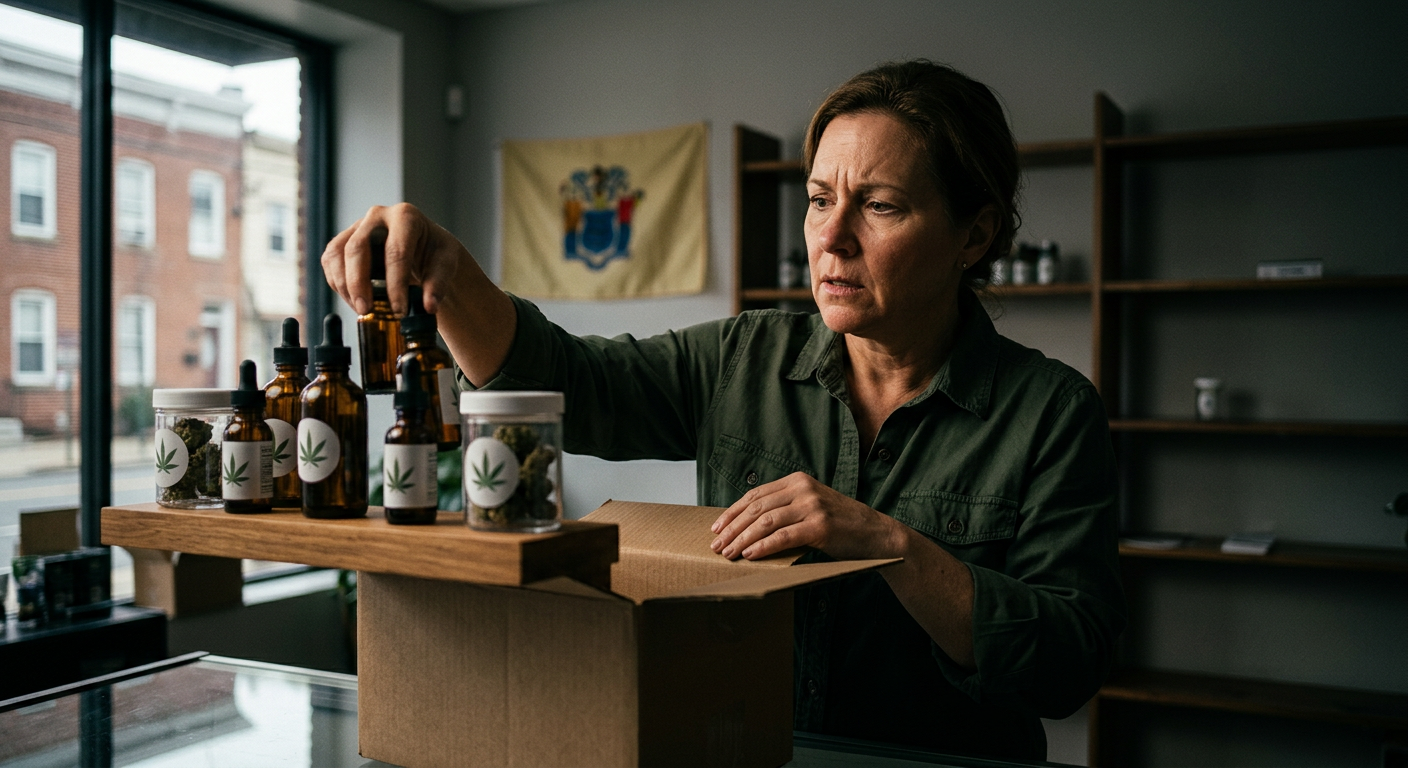
In what may be the most symbolically perfect legislative timing in cannabis history, Governor Maura Healey signed a bill doubling Massachusetts' legal marijuana possession limit from one ounce to two ounces for adults. The bill also revises the state's adult-use regulatory framework in ways that could reshape how dispensaries operate.
For consumers and home growers in the Bay State, this is immediately practical. Carrying two ounces is now legal — meaning a harvest run to a dispensary or a generous personal stash no longer puts you in legal gray territory. The revised industry rules are also worth watching closely, as they touch on licensing, delivery, and retail operations.
The broader significance here is momentum. Massachusetts has long been a bellwether for progressive cannabis policy in the Northeast. When a Democratic governor signs a liberalization bill on 4/20 weekend with zero political fanfare, it signals that cannabis normalization is no longer a courageous act — it's routine governance. That's a milestone worth marking.
Watch for other New England states to use this as a benchmark. Connecticut and Rhode Island are both observing closely, and advocates in those states will cite Massachusetts' updated framework as a model for their own legislative pushes in the coming months.
Policy & Legalization
Illinois: Equity Promises Still Unmet
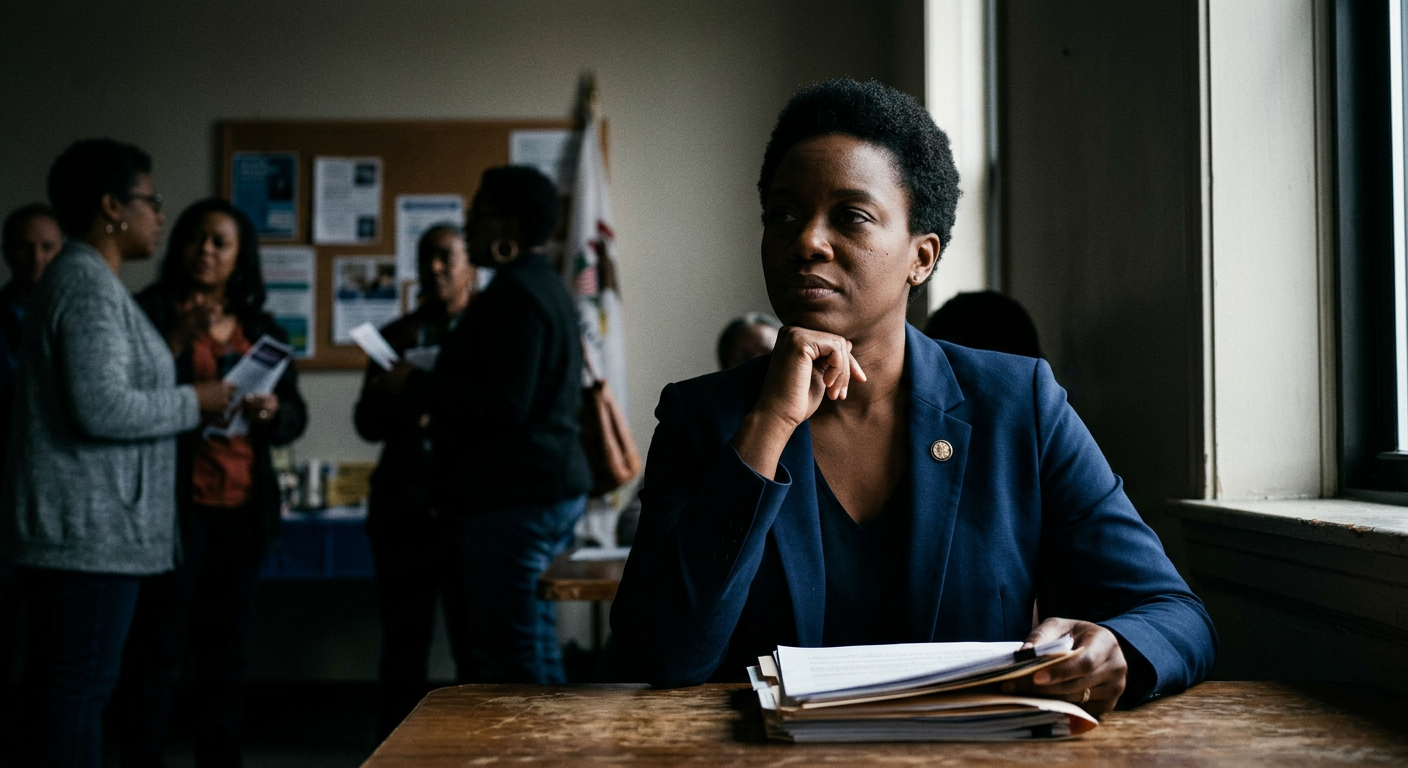
State Representative Sonya M. Harper wrote a pointed op-ed in the Chicago Tribune reminding Illinois that its celebrated cannabis legalization came packaged with equity commitments — commitments that remain largely unfulfilled. Social equity licensing, expungement, and reinvestment in communities harmed by prohibition have all lagged behind the industry's commercial success. Harper's message is clear: the green rush shouldn't leave behind the people the law was supposed to help first.
Ohio Consumers Navigate a Changed 4/20
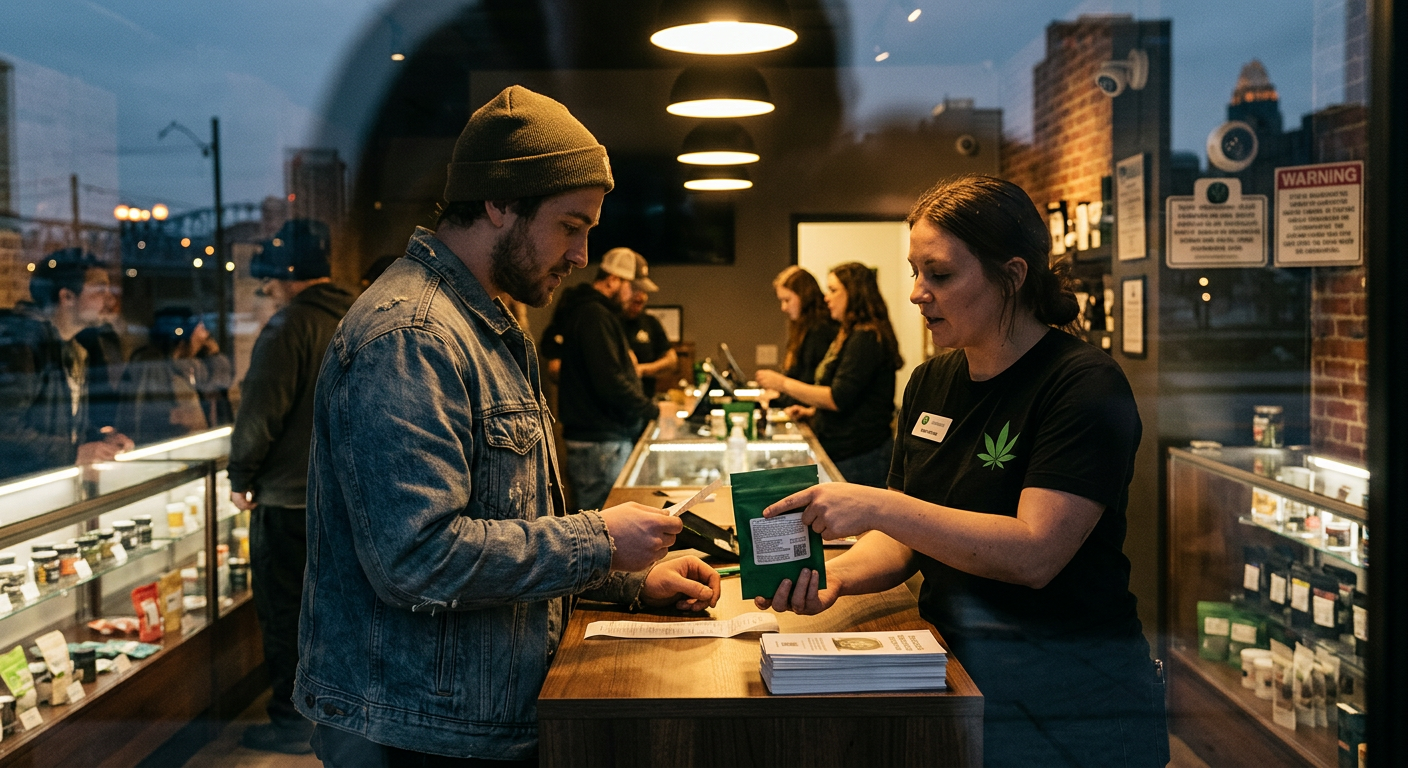
This is the first major cannabis holiday under Ohio's updated adult-use framework, and the Cincinnati Enquirer is reminding consumers what's actually different. Purchase limits, licensed dispensary access, and home cultivation rules have all shifted — and not every Ohioan has caught up with the changes. If you're in Ohio, it's worth a five-minute read before you celebrate.
California Teen Use Rises Post-Legalization
A new study covered by Medical Xpress found that teen cannabis use in California increased after adult-use legalization, reversing years of prior decline. This is the kind of data point that opponents seize on — and that advocates need to address seriously rather than dismiss. Robust youth prevention programs, not just age verification at dispensaries, appear to be the missing piece.
Business & Markets
Colorado's Market Slowdown — and One Brand's Survival Strategy
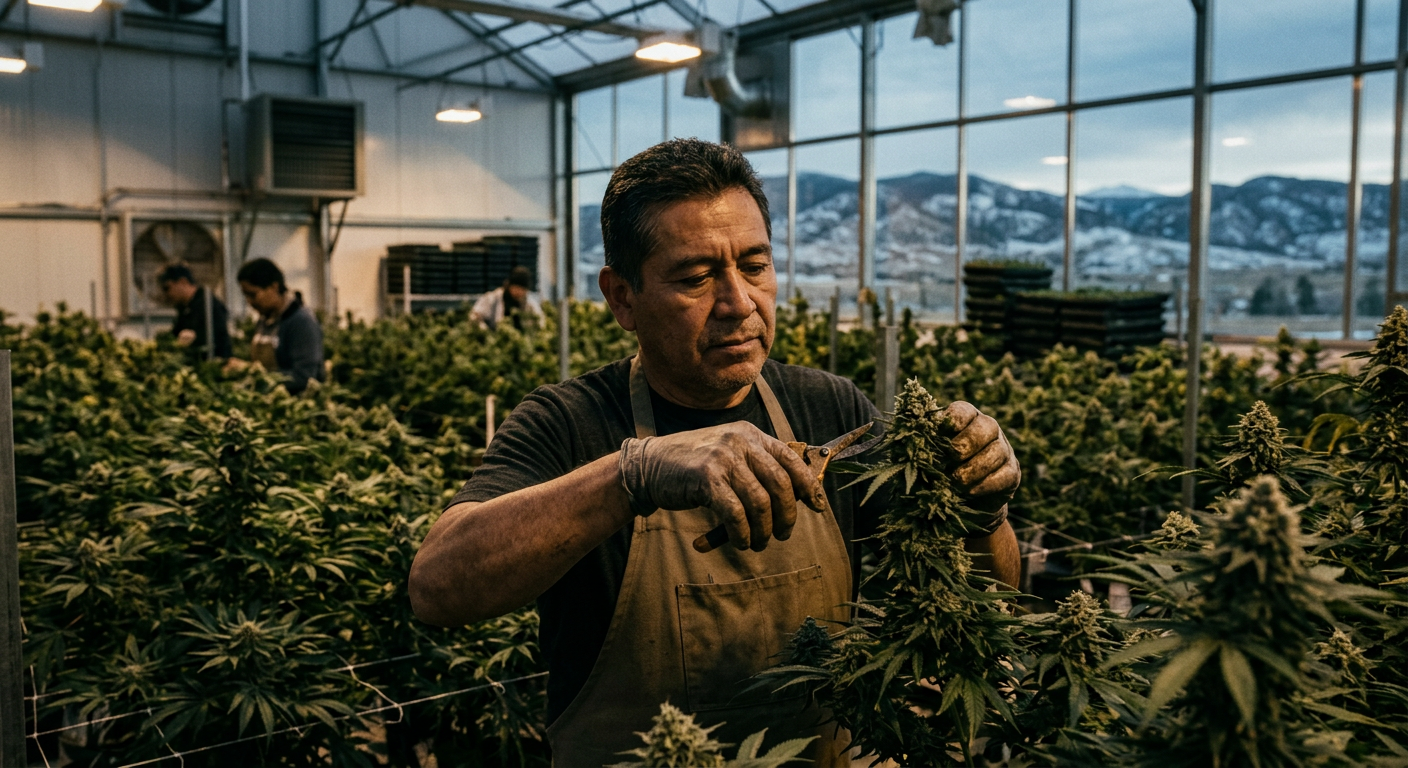
CBS News profiled a Colorado cannabis brand that's finding success while the broader state market contracts. Their formula? Consistency and authenticity over hype. As Colorado's cannabis market matures and oversaturation squeezes margins, brands that built loyalty through reliable product quality are outlasting flashier competitors. It's a lesson the entire industry should be internalizing right now.
Why Cannabis Brands Fail to Scale
A High Times analysis argues that most cannabis brands hit a ceiling not because of demand problems, but because of operational and systems failures. Automation, inventory management, and consistent production workflows are the unglamorous factors separating durable cannabis companies from the ones that flame out at Series B. For industry watchers, this is the unsexy truth about what actually builds a lasting cannabis business.
Hemp Bill Would Let States Opt Out of Federal Ban
A newly surfaced hemp bill would allow individual states to opt out of any federal ban on hemp-derived cannabinoids — a significant states'-rights carve-out that could protect thriving hemp markets in states like Texas and Tennessee. The bill is early-stage, but its structure reflects how hemp policy is increasingly being negotiated at the state level rather than handed down from Washington.
Science & Cultivation
Cannabis as a Prescription Drug Substitute
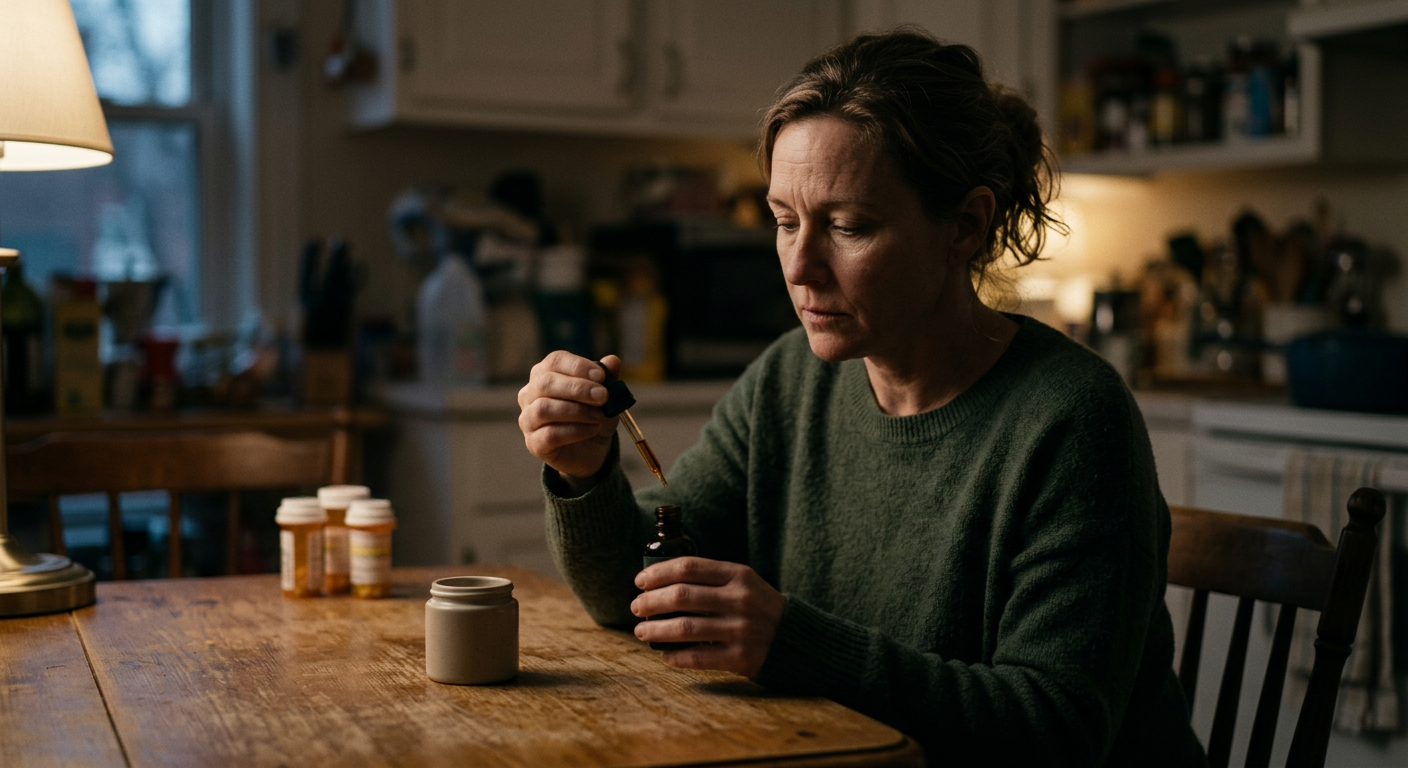
New research highlighted in the Marijuana Moment newsletter examines cannabis as a substitute for prescription medications — a growing area of study with real implications for medical patients and, frankly, the broader consumer market. Patients are already making this substitution on their own; the research is starting to catch up with lived experience. Studies showing cannabis replacing opioids, sleep aids, and anxiety medications strengthen the case for rescheduling and expanded medical access.
Women Turning to Cannabis After Conventional Treatments Fail
A CNN feature profiles women who turned to cannabis after exhausting conventional medical options — particularly for chronic pain, anxiety, and hormonal conditions. The piece is notable for its mainstream platform and sympathetic framing. When CNN runs this story without a "but is it safe?" caveat dominating the headline, it reflects how dramatically public perception has shifted.
Culture & Community
Psychedelics Just Went Federal — And Joe Rogan Helped
President Trump signed an executive order on April 18th fast-tracking psychedelic research and allocating $50 million for ibogaine studies — a substance with remarkable potential for addiction treatment. High Times reports that a text from Joe Rogan to Trump was part of the chain of events that led here, which is either inspiring or unsettling depending on your feelings about how policy gets made.
For the cannabis community, this matters. Psychedelic legitimization tends to drag cannabis policy forward with it — they share advocacy networks, researchers, and legal momentum. A federal administration that funds ibogaine trials is an administration that is at minimum reconsidering its relationship with Schedule I substances broadly.
Kratom Crackdown Raises Broader Drug Policy Questions
A High Times piece examines a spreading kratom crackdown, noting that regulatory pressure on 7-OH kratom and state-level bans signal a potential reversal in the harm-reduction direction of drug policy. Cannabis advocates should pay attention — the same regulatory logic that's squeezing kratom has historically been applied to cannabis. The drug policy reform movement is not uniformly moving forward.
What This Means for Growers
- Massachusetts home growers: The doubled possession limit gives you more legal runway with your harvest. Know your state's home cultivation rules alongside the new possession limits — they're related but separate.
- Ohio cultivators: If you're growing at home in Ohio, today is a good day to re-read your state's updated adult-use home grow provisions. Rules changed — confirm your plant count and storage limits are still compliant.
- Cannabis-as-medicine growers: The prescription substitution research validates what medical growers already know. Strains high in CBD, CBG, and specific terpene profiles for pain and anxiety are increasingly supported by science — grow with intention.
- Colorado growers watching the market: The lesson from Colorado's slowing commercial market applies to craft growers too. Consistency beats novelty. A reliably excellent phenotype will always find a home; chasing trends rarely pays off.
- Teen access data matters for home growers too: The California youth-use study will fuel new storage and security legislation. Stay ahead of potential home grow storage requirements — lockable, child-resistant storage is both responsible and likely to become legally mandated in more states soon.
Quick Links
Full source links are listed below this article.
All Sources — 23 articles











Images are credited to their respective sources. All linked content belongs to the original publishers.