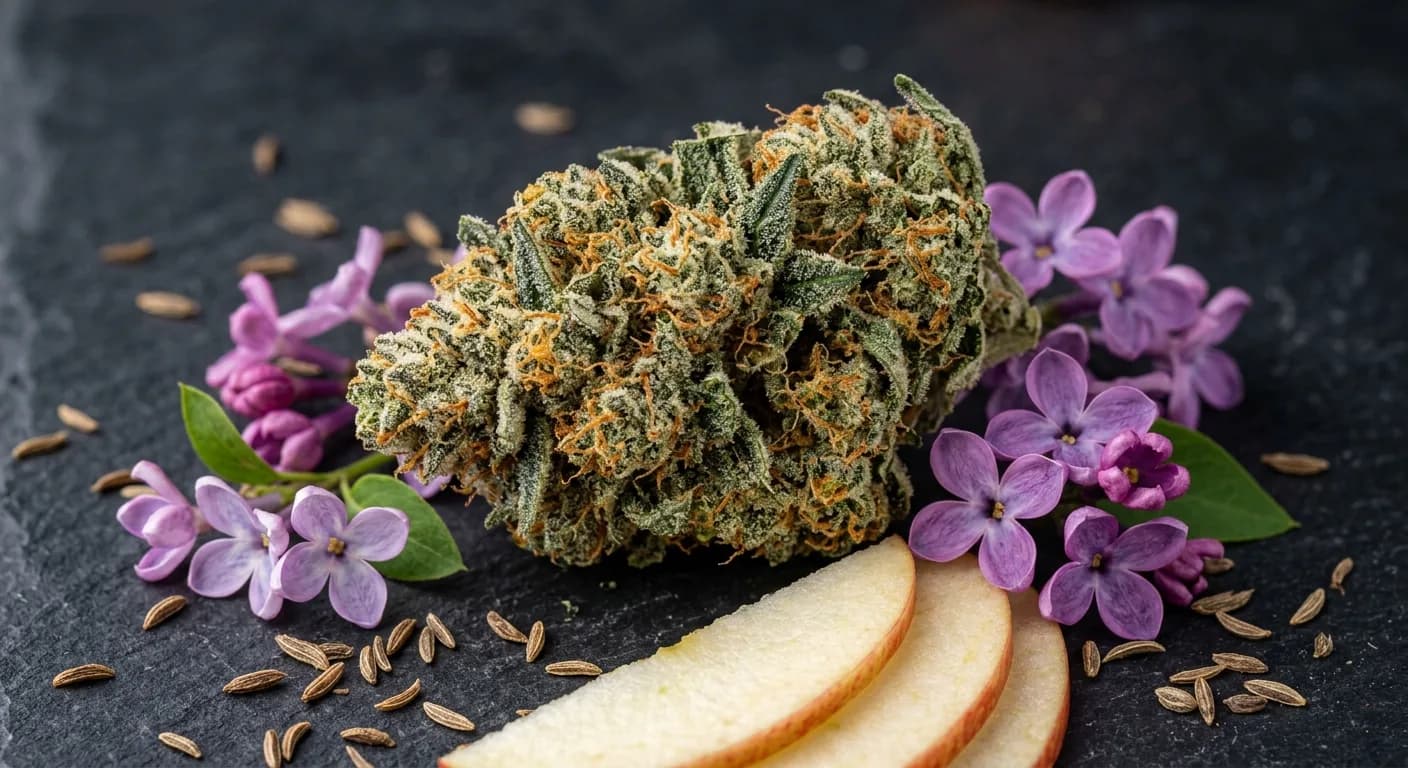
Here is a paradox worth sitting with: the same plant that millions of people blame for forgetting why they walked into a room may also carry a molecule that actively fights that effect from the inside. The pinene terpene memory cannabis relationship is one of the most scientifically grounded, and least discussed, stories in cannabis biochemistry.
Alpha-pinene, the sharp, resinous compound that makes a pine forest smell like pine, is not simply a pleasant aromatic note in your cannabis. It is a biologically active terpene with a documented mechanism that intersects directly with how THC disrupts your ability to hold a thought. Understanding this interaction does not just change how you think about terpenes: it changes how you choose, grow, and consume cannabis.
This guide breaks down the neuroscience in plain language, examines the research honestly, identifies which strains carry meaningful pinene concentrations, and gives growers practical techniques to protect terpene content from seed to harvest.
How THC Disrupts Short-Term Memory in the Hippocampus
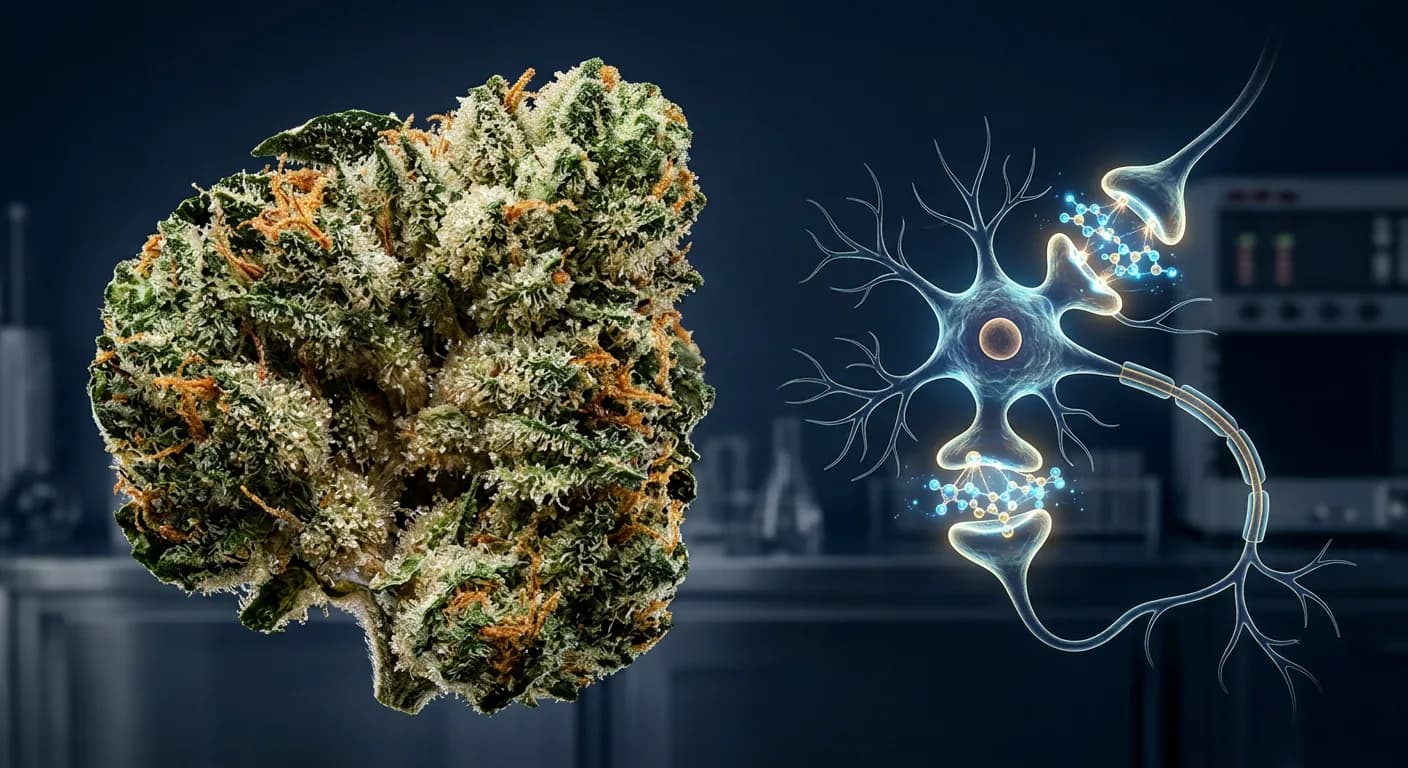
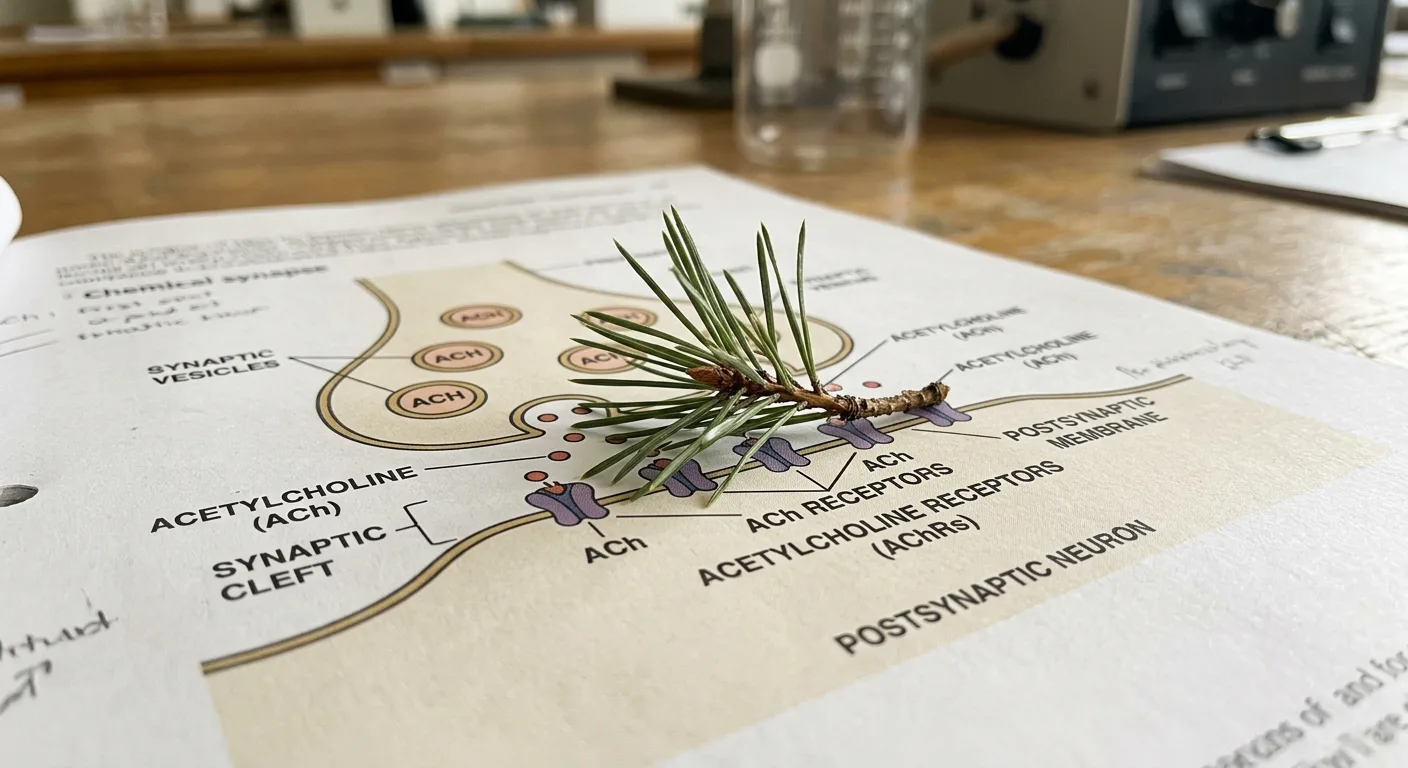
Alpha-pinene may preserve memory in cannabis users by inhibiting acetylcholinesterase, the enzyme that breaks down acetylcholine, the primary neurotransmitter responsible for memory encoding and attention. When acetylcholine is preserved, the cognitive disruption associated with THC may be partially offset.
THC's signature effect on memory is not random or a side-effect in the vague sense. It operates through a specific, well-mapped pathway. When THC binds to CB1 receptors in the hippocampus, the brain region responsible for converting short-term experiences into long-term memories, it suppresses acetylcholine release from interneurons that regulate that process.
Acetylcholine is the brain's attention and encoding neurotransmitter. It tells hippocampal circuits to pay attention and commit information to memory. THC essentially turns down the volume on that signal. Research published in Neuropsychopharmacology (Tripathi et al., 1987) and more recently supported by Bhattacharyya et al. (2009) in Neuropsychopharmacology confirms that CB1 activation in hippocampal tissue reduces cholinergic neurotransmission measurably.
Neuroscience Note: The hippocampus contains some of the highest CB1 receptor densities in the human brain. This is precisely why THC, unlike alcohol, which disrupts memory through GABA pathways, produces such targeted short-term memory disruption while leaving long-term recall largely intact during acute intoxication.
The result is the phenomenon millions of cannabis users know firsthand: mid-sentence forgetting, losing track of a movie plot, or being unable to remember what was said two minutes ago. This is not a sign of brain damage: it is acute, reversible cholinergic suppression. But it is real, it scales with THC dose, and for many users it is the primary reason they avoid high-THC products or limit frequency of use.
This is exactly where pinene enters the equation.
Alpha-Pinene vs Beta-Pinene: Same Molecule, Different Geometry
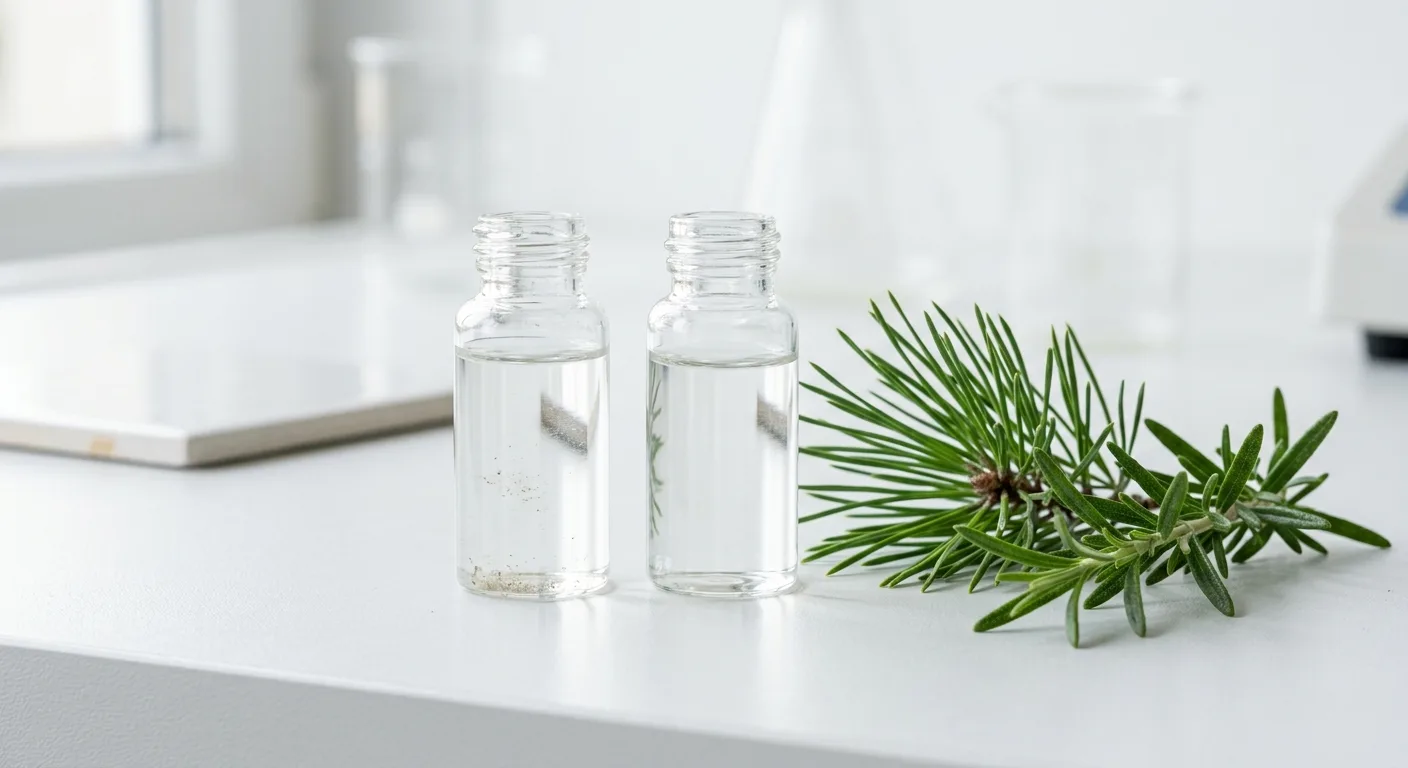
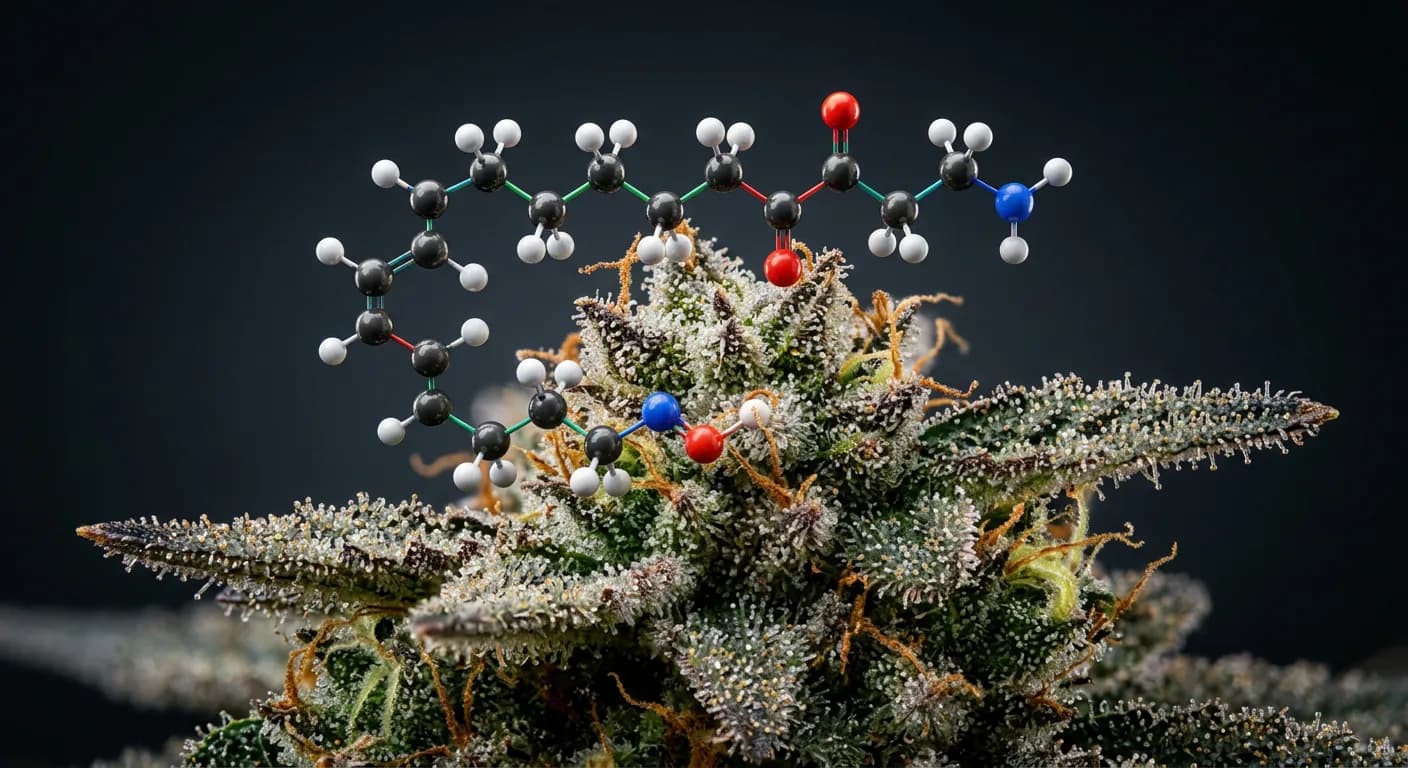
Alpha-pinene and beta-pinene are structural isomers, same molecular formula (C₁₀H₁₆), different atomic arrangements. Alpha-pinene is the primary isomer in cannabis and the one with documented acetylcholinesterase inhibition activity. Beta-pinene carries a greener, more herbaceous scent and appears in lower concentrations in most cultivars.
Both are bicyclic monoterpenes, meaning their carbon skeleton forms two fused rings. That ring structure is not just structural trivia: it is what allows alpha-pinene to cross the blood-brain barrier efficiently and interact with enzymes in the central nervous system. Small, lipophilic, and volatile, alpha-pinene is almost engineered by nature for rapid bioavailability.
| Property | Alpha-Pinene (α-pinene) | Beta-Pinene (β-pinene) |
|---|---|---|
| Molecular formula | C₁₀H₁₆ | C₁₀H₁₆ |
| Boiling point | 155°C (311°F) | 166°C (331°F) |
| Scent profile | Sharp pine, resinous, fresh | Woody, green, herbaceous |
| Dominant in cannabis? | Yes, primary isomer | Secondary, lower concentrations |
| AChE inhibition documented? | Yes (Miyazawa & Yamafuji, 2005) | Limited research |
| Crosses blood-brain barrier? | Yes, rapidly | Yes, but less studied |
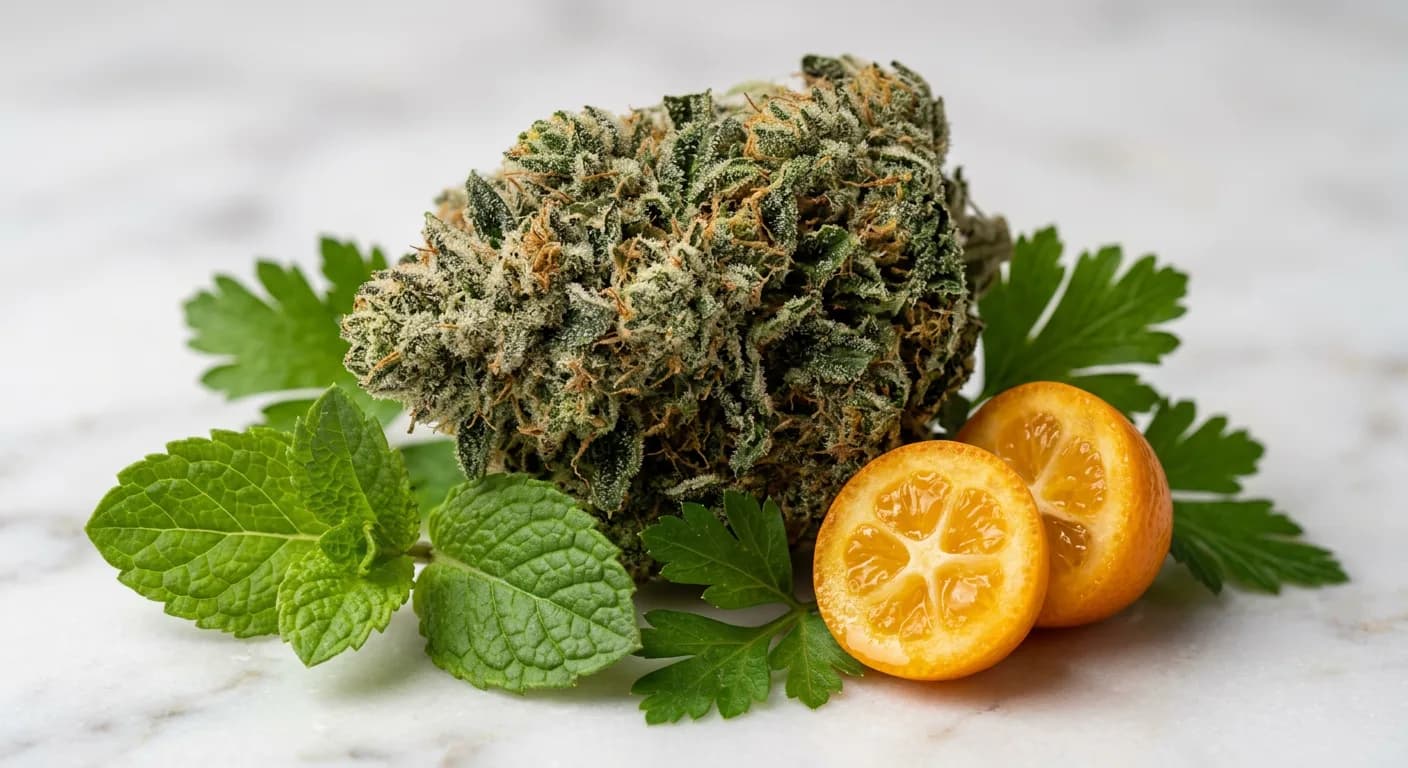
| Found in (beyond cannabis) | Pine resin, rosemary, eucalyptus | Hops, dill, parsley |
Vaporizer Tip: Alpha-pinene boils at just 155°C (311°F), making it one of the most heat-sensitive primary terpenes in cannabis. If you vaporize above 185°C (365°F), you are likely combusting most of the pinene before it reaches your lungs. Set your vaporizer between 160–175°C to retain both pinene and THC delivery simultaneously.
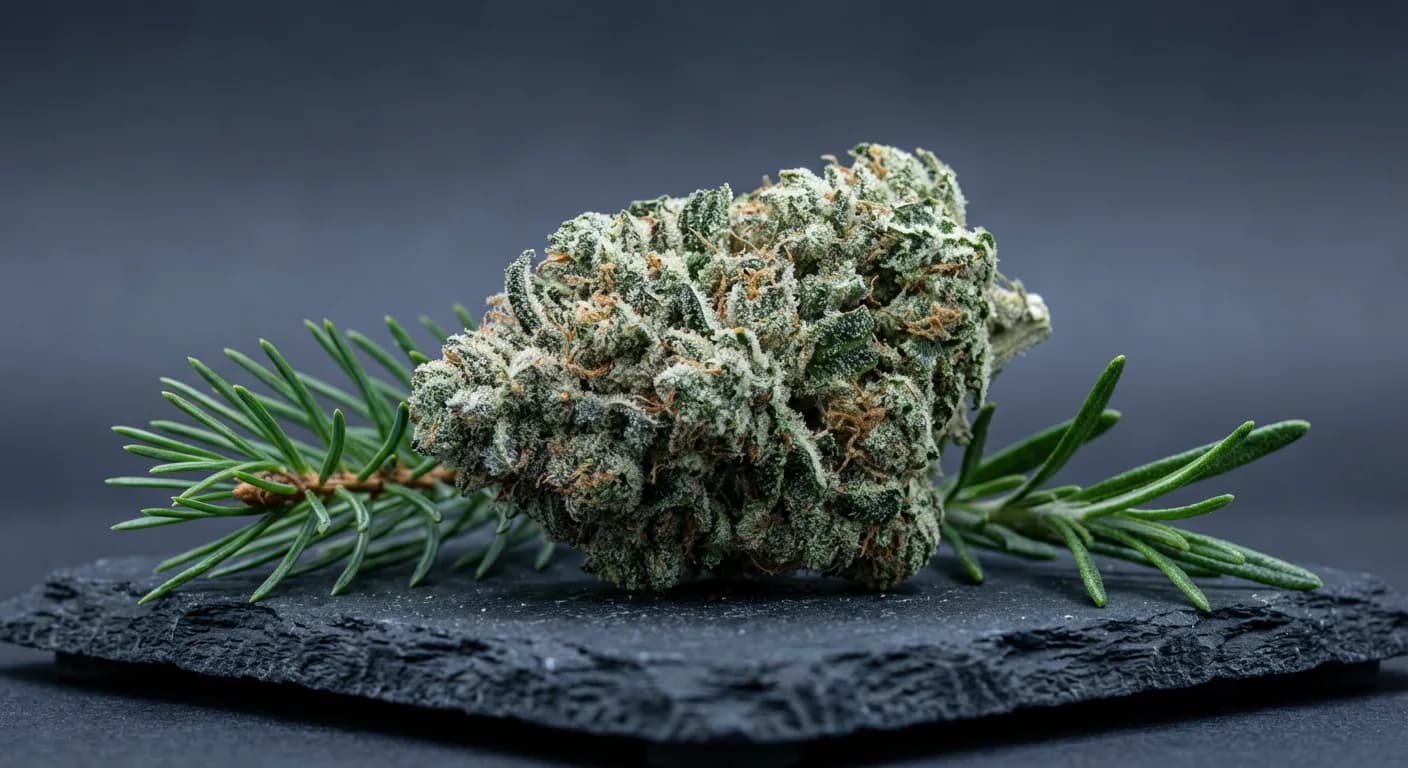
In nature, alpha-pinene is the dominant terpene in pine resin, its evolutionary role is insect deterrence and wound sealing in conifers. Rosemary (Rosmarinus officinalis) is the non-cannabis plant most commonly associated with alpha-pinene's cognitive effects, and the folk association between rosemary and memory dates back centuries. That folk wisdom turns out to have a biochemical basis. See our full Cannabis Terpene Chart to understand how pinene compares to over 30 other terpenes in terms of effects and co-occurrence.
The Acetylcholinesterase Inhibition Mechanism Explained
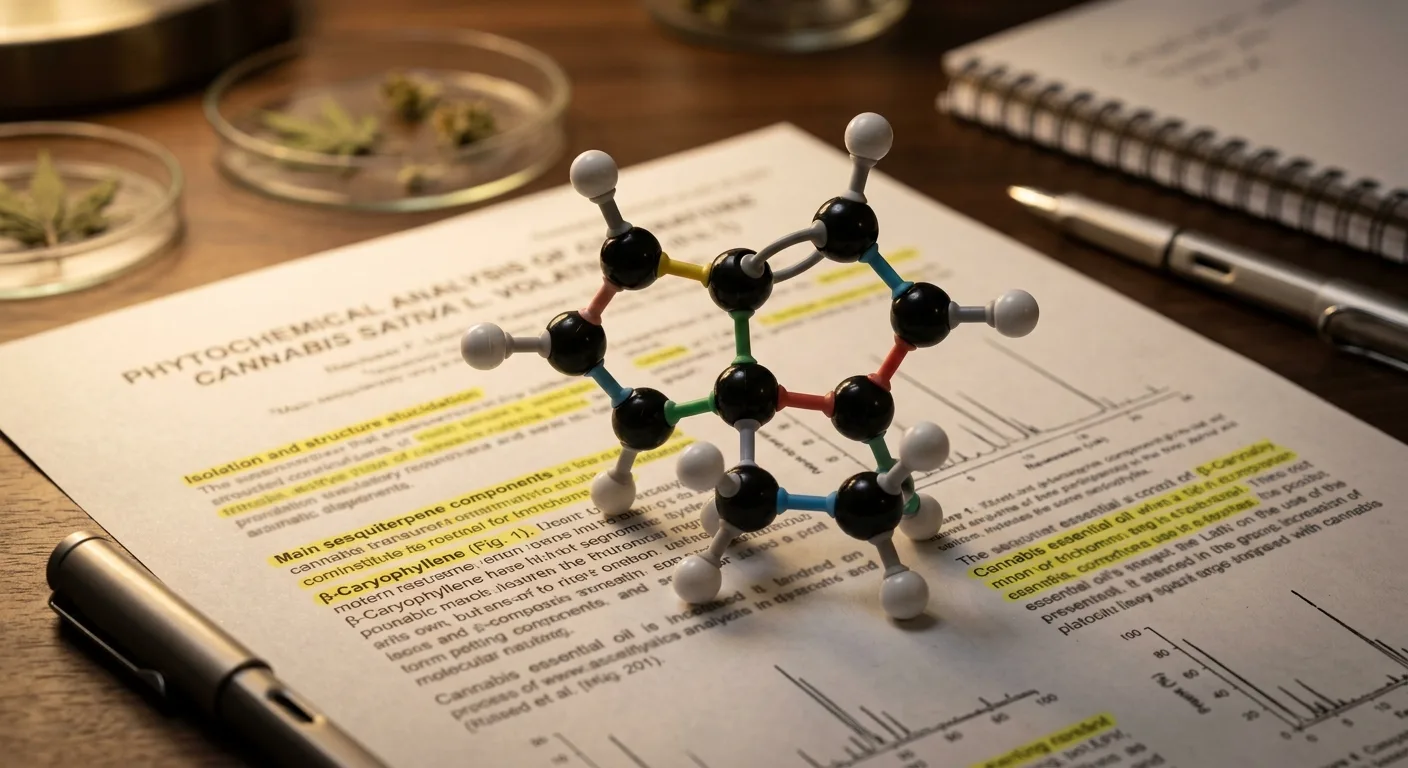
Alpha-pinene inhibits acetylcholinesterase (AChE), the enzyme that breaks down acetylcholine in the synapse. By slowing this breakdown, alpha-pinene allows acetylcholine to remain active longer at the receptor. This is the same class of mechanism used by FDA-approved Alzheimer's drugs like donepezil, though pinene operates at lower potency.
The key study here is Miyazawa and Yamafuji (2005), published in the Journal of Agricultural and Food Chemistry. Their research measured the acetylcholinesterase inhibitory activity of multiple monoterpenes and found alpha-pinene demonstrated meaningful inhibition with an IC₅₀ of approximately 0.44 mM. For context, IC₅₀ is the concentration needed to inhibit 50% of enzyme activity, the lower the number, the more potent the inhibitor.
The Core Mechanism: THC suppresses acetylcholine release via CB1 receptor activation. Alpha-pinene inhibits the enzyme that destroys acetylcholine. These two actions oppose each other at the same neurotransmitter, which is why their co-occurrence in a single cannabis strain is genuinely pharmacologically interesting.
To understand this without a biochemistry background, consider a simple analogy. Imagine acetylcholine as water flowing through a pipe, and acetylcholinesterase as a drain. THC reduces the water pressure coming in. Alpha-pinene partially blocks the drain. Even if pressure drops, more water stays in the pipe because less is escaping. Net result: acetylcholine levels fall less than they would with THC alone.
A second relevant study is Ferreira et al. (2014), which examined the neuroprotective potential of terpenes found in Rosmarinus officinalis, including alpha-pinene, in the context of cholinergic deficit models. The research supported alpha-pinene's capacity to reduce AChE activity in brain tissue preparations.
It is important to be clear about the limitations here. Most of this research is in vitro (cell or tissue studies) or in animal models. No large-scale randomized human trials have specifically tested whether alpha-pinene concentrations in inhaled cannabis meaningfully preserve acetylcholine during THC intoxication. The mechanism is biologically plausible and supported by preclinical evidence, but human pharmacokinetic complexity adds variables these studies do not resolve.
What the evidence does support firmly is: (1) alpha-pinene crosses the blood-brain barrier, (2) it inhibits AChE in brain tissue preparations at relevant concentrations, and (3) this is the exact enzyme pathway disrupted by THC's effect on acetylcholine. That mechanistic alignment is not coincidence: it is the kind of finding that justifies serious research investment.
Why High-Pinene Cannabis Strains Feel More Clear-Headed

Cannabis users consistently describe high-pinene strains as more clear-headed, alert, and functional compared to high-myrcene cultivars with equivalent THC levels. The acetylcholinesterase inhibition mechanism offers a plausible biochemical explanation for this anecdotal pattern, pinene may be partially preserving the cognitive clarity THC would otherwise suppress.
The anecdotal data on this is remarkably consistent across decades of cannabis culture. Strains with a sharp, piney, resinous scent, OG Kush, Jack Herer, Trainwreck, are perennially described as delivering a more focused, mentally engaged high compared to earthy, myrcene-heavy indicas. Users frequently note they can hold conversations, follow complex ideas, and remain productive on pine-forward strains in ways that feel different from sedating body-heavy varieties.
This pattern has been attributed to the sativa/indica divide for years, but that categorization explains the scent and experience, the actual mechanism. When you analyze the terpene profiles of classically "functional" or "cerebral" strains, pinene appears repeatedly at concentrations of 0.05–0.20% of dry weight. This is not decorative: it is pharmacologically relevant alongside other active compounds.
Why This Matters for Consumers: Choosing cannabis by THC percentage alone misses the full picture. A 26% THC strain dominant in myrcene may feel far more cognitively impairing than a 22% THC strain with meaningful alpha-pinene content. Terpene profile shapes the experience as fundamentally as cannabinoid percentage.
Alpha-pinene also has independently documented alertness-promoting effects. Inhaled alpha-pinene has been shown in rodent studies to increase alertness and motor activity, the opposite of myrcene, which demonstrates sedative properties in similar models (Guimarães-Santos et al., 2012). In the context of cannabis, this means pinene is not just modulating THC: it is adding its own stimulating character on top of the modulation.
There is also an anxiety angle. Several preclinical studies have shown alpha-pinene exerts anxiolytic effects in animal models, which may partially explain why pine-forward strains tend to generate fewer reports of THC-induced paranoia. Paranoia in cannabis is closely tied to hippocampal hyperactivation and cholinergic disruption, both of which pinene appears to influence in a calming direction. For more on this, see our guide to Cannabis Terpene Synergy.
Cannabis Strains With Verified Pinene Expression
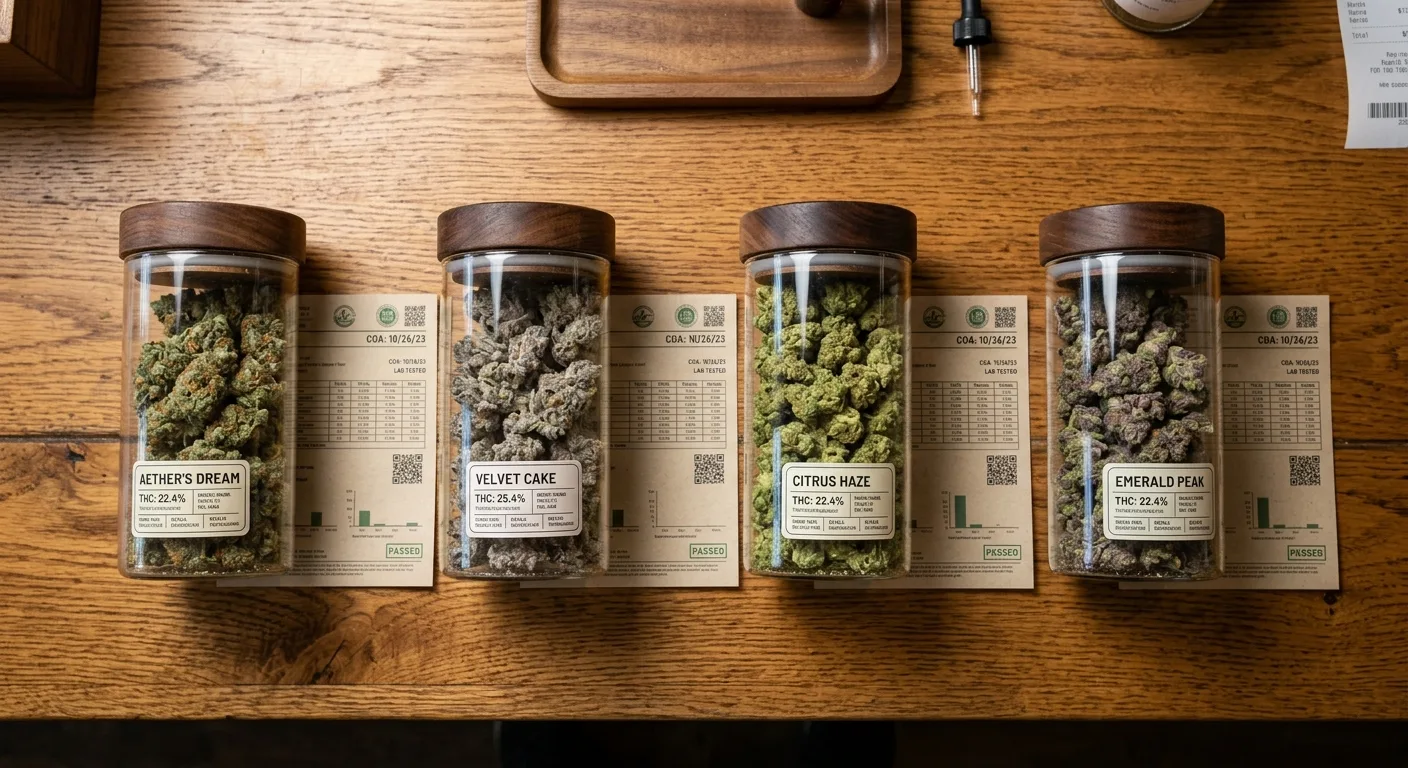
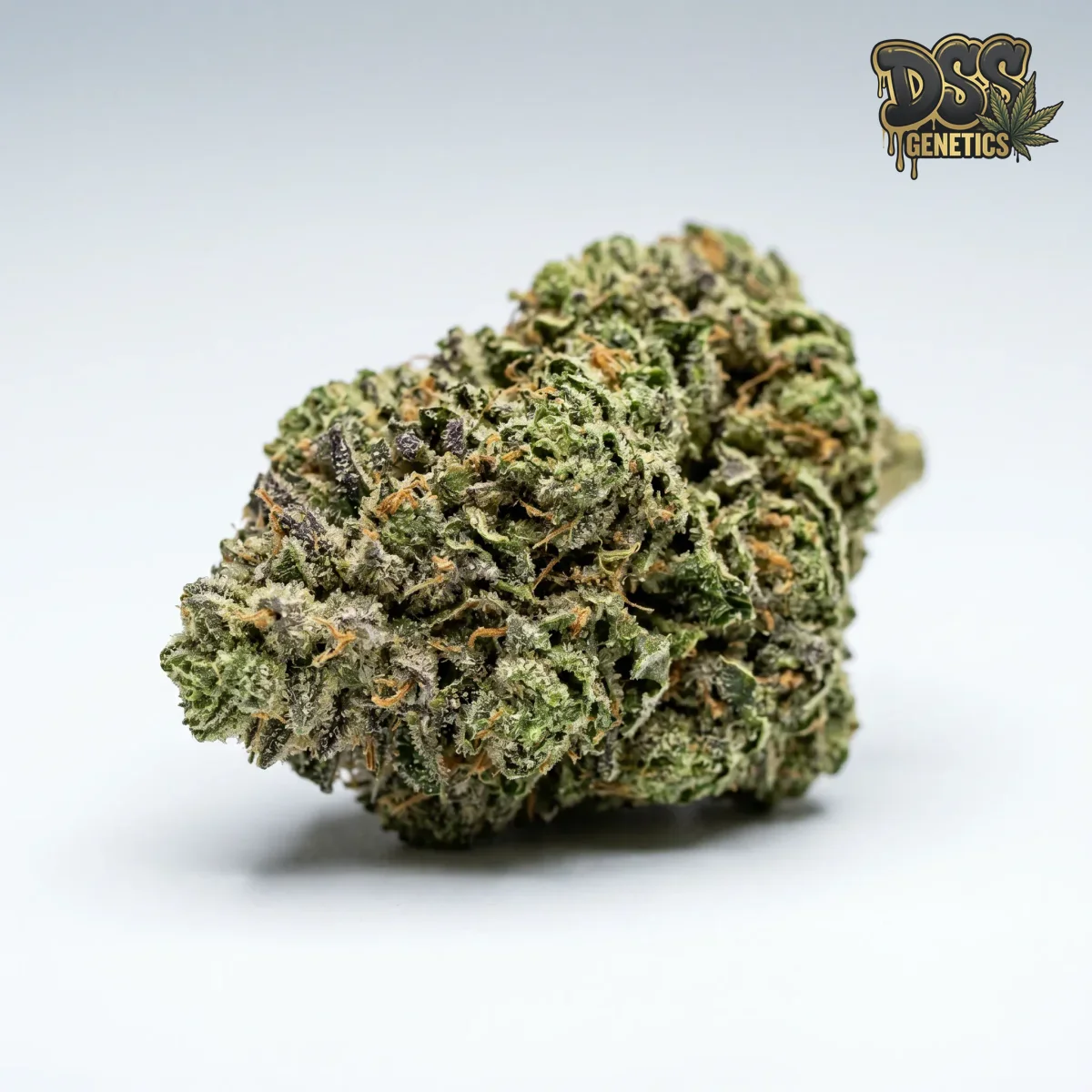
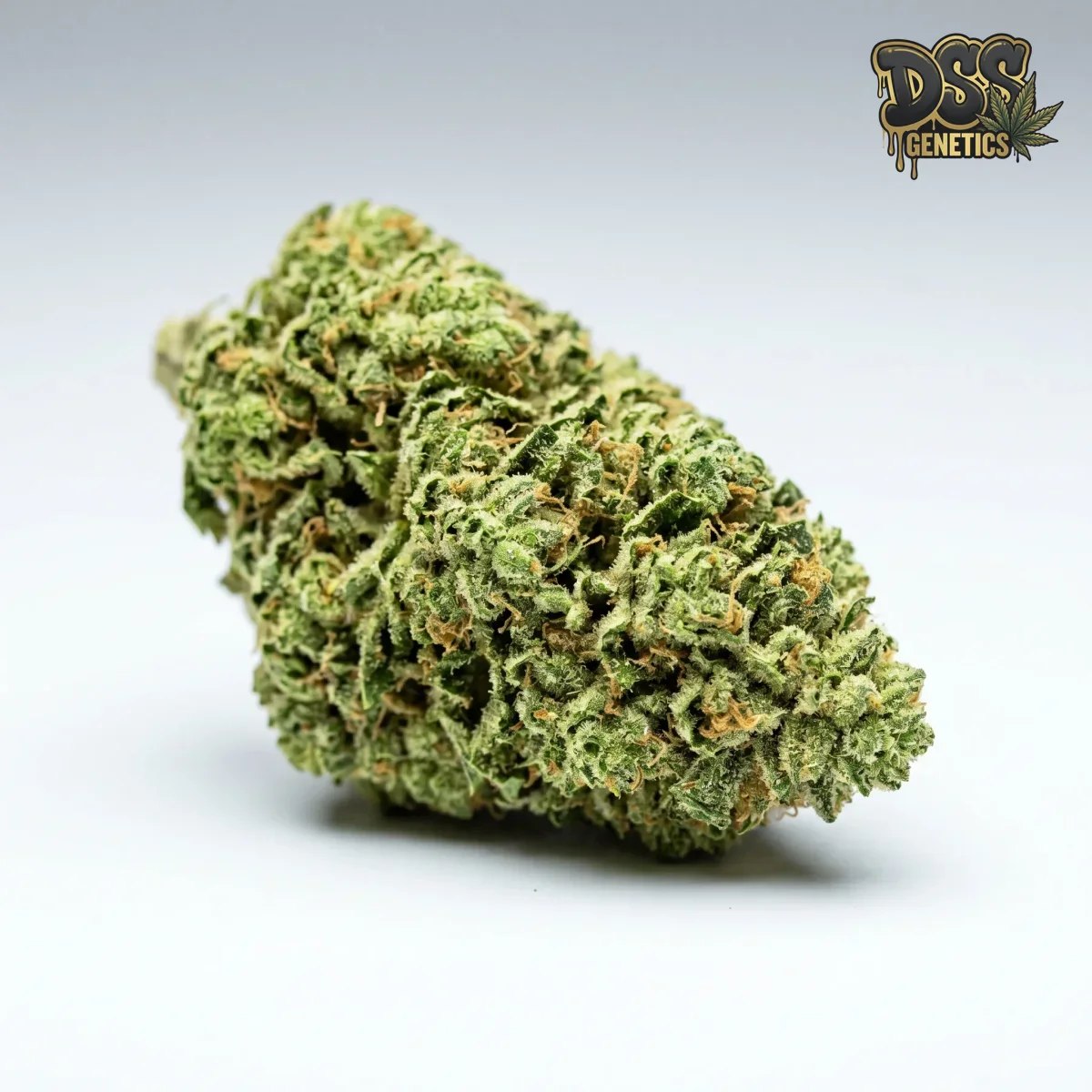
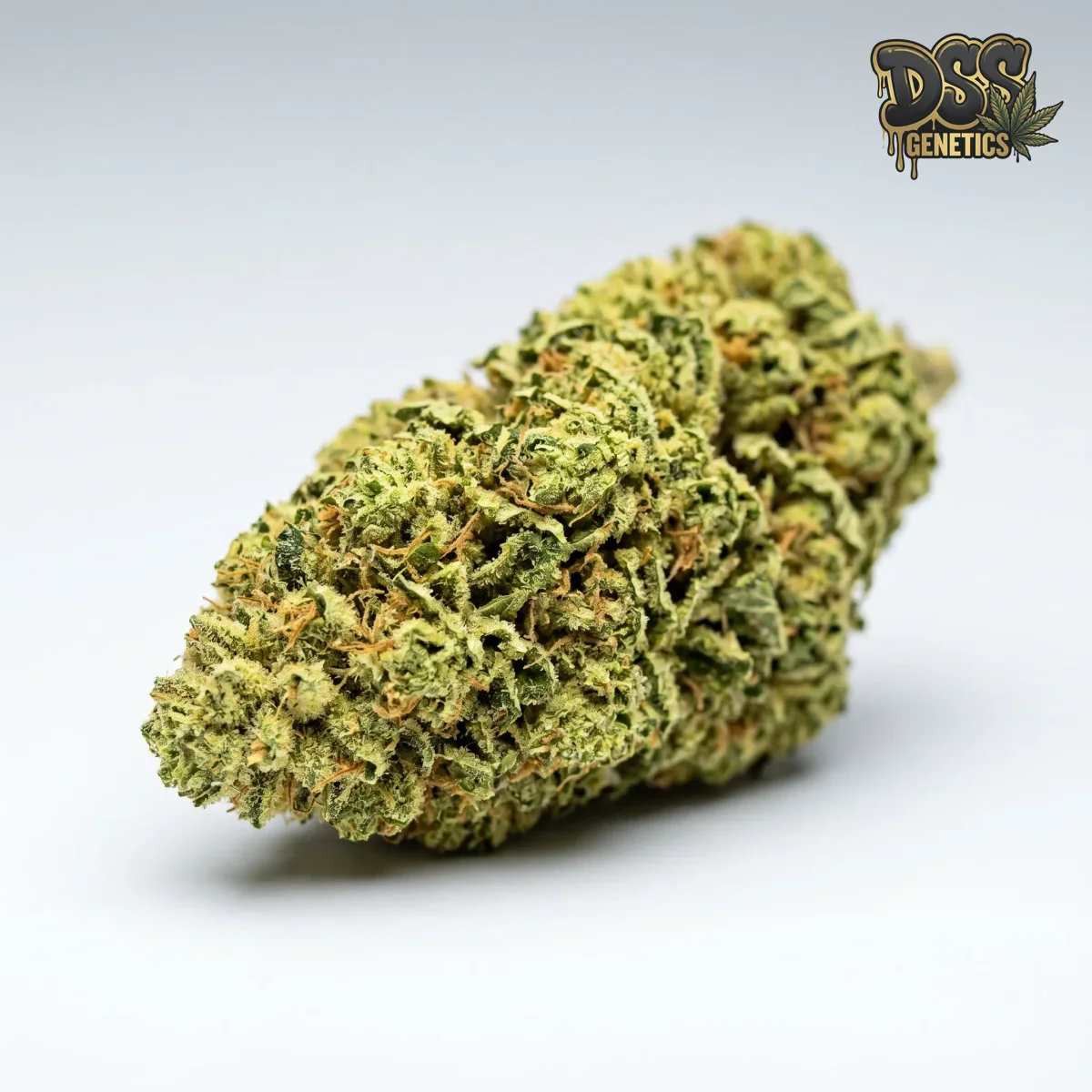
Strains with consistently documented alpha-pinene content include OG Kush, Jack Herer, Blue Dream, Trainwreck, and Harlequin. Pinene typically registers between 0.04% and 0.20% of dry weight in these cultivars. Always verify with a Certificate of Analysis, as growing environment substantially influences final terpene concentrations.
Industry-Established High-Pinene Strains
These strains appear repeatedly in terpene COA databases and independent lab analyses as consistent pinene expressors:
- Jack Herer: One of the most cited high-pinene strains globally. Named after the cannabis activist, it combines a strong resinous pine note with a clear-headed, creative high. THC typically 18–23%. Alpha-pinene regularly appears as a top-three terpene on COAs.
- OG Kush: Despite being associated with couch-lock by reputation, OG Kush consistently shows meaningful pinene alongside its dominant myrcene and limonene. The pine-fuel scent is pinene at work. THC 20–26%.
- Blue Dream: A West Coast staple sativa-dominant hybrid with a blueberry-pine layered profile. COAs from multiple labs place alpha-pinene in the 0.05–0.12% range. THC typically 21–24%.
- Trainwreck: A legendary sativa hybrid known for its sharp, spicy-pine aroma and intensely cerebral effect. Pinene is consistently a primary or secondary terpene in verified COAs. THC 18–25%.
- Harlequin: A high-CBD cultivar where pinene pairs with CBD to create a notably clear, functional experience. An excellent research-adjacent strain for understanding terpene-cannabinoid modulation.
Our Seeds Worth Growing for Pinene Potential
While COA terpene data is cultivar and environment-specific, the following strains in our catalog share the genetic heritage and aromatic markers strongly associated with pinene expression:
OG Kush Feminized Seeds (26% THC), The archetypal pine-fuel cultivar. OG Kush is one of the most genetically referenced high-pinene strains in the industry. Its sharp resinous-earthy nose is largely alpha-pinene driven, and it forms the backbone of dozens of modern hybrids that carry that same piney clarity.
Sour Diesel Feminized Seeds (24% THC), Sour Diesel's famous fuel profile carries a strong pine-citrus backbone. Its reputation for energizing, mentally clear highs aligns precisely with the pinene-alert terpene profile. Many COAs from Sour Diesel phenotypes show alpha-pinene as a top-four terpene.
Super Lemon Haze Feminized Seeds (23% THC), A Haze-family cross where limonene and pinene often co-dominate. Haze genetics are classically associated with piney, cerebral terpene profiles and this strain delivers that in full, producing plants with complex, resinous aromas.
White Widow Feminized Seeds (25% THC), An iconic Dutch classic whose sharp, resinous nose and clear-headed effect profile both point to meaningful pinene content. White Widow has been a benchmark strain for functional high-THC experiences for decades.
Blueberry Haze Feminized Seeds (20% THC), A Haze-Blueberry cross that combines floral-sweet notes with the pine-resin backbone of its Haze parent. This strain's cerebral, uplifting character is consistent with pinene co-expression alongside its terp profile.
COA Reminder: Terpene percentages are environment-dependent. Two plants from the same seed lot grown in different conditions can express meaningfully different terpene ratios. The only way to confirm pinene content in your specific harvest is through third-party lab testing. Genetic predisposition is a starting point, not a guarantee.
Pinene and Bronchodilation: A Secondary Benefit for Inhaled Cannabis

Alpha-pinene is a documented bronchodilator, meaning it helps open airway passages. This is directly relevant to cannabis consumers who smoke or vaporize, inhaled alpha-pinene may reduce airway irritation and improve the efficiency of inhalation delivery, partially counteracting the bronchoconstriction that some users experience with cannabis smoke.
The bronchodilatory research on alpha-pinene is more robust than the memory research. A 1990 study by Falk et al. in Occupational and Environmental Medicine documented alpha-pinene's ability to act as a bronchodilator at concentrations typical of occupational pine resin exposure. More relevant to cannabis, Russo (2011) in his landmark British Journal of Pharmacology review of cannabis terpenes cited alpha-pinene specifically as a bronchodilator that could improve pulmonary delivery of cannabinoids.
In practical terms, this means:
- Airway passages may dilate slightly, reducing resistance during inhalation
- More efficient airflow could support more complete absorption of THC and other terpenes
- The irritation response common with heavy smoke inhalation may be partially attenuated
- For asthmatic or respiratory-sensitive consumers, pinene-forward strains may be comparatively gentler on airways
This bronchodilation effect also has an interesting self-reinforcing quality: by improving pulmonary delivery, alpha-pinene may actually increase the bioavailability of THC itself. More THC reaches the bloodstream per inhalation event. This adds another layer of nuance to the pinene-THC interaction, pinene simultaneously modulates THC's cognitive effects while potentially increasing its delivery efficiency.
Research Context: Ethan Russo's 2011 paper 'Taming THC: potential cannabis synergies and phytocannabinoid-terpenoid entourage effects' remains the most cited scientific framework for understanding how specific terpenes like alpha-pinene interact with cannabinoids at a mechanistic level. It is peer-reviewed, published in a major pharmacology journal, and directly addresses the pinene-memory pathway. It is required reading for anyone serious about cannabis biochemistry.
How to Grow Cannabis for Maximum Pinene Retention
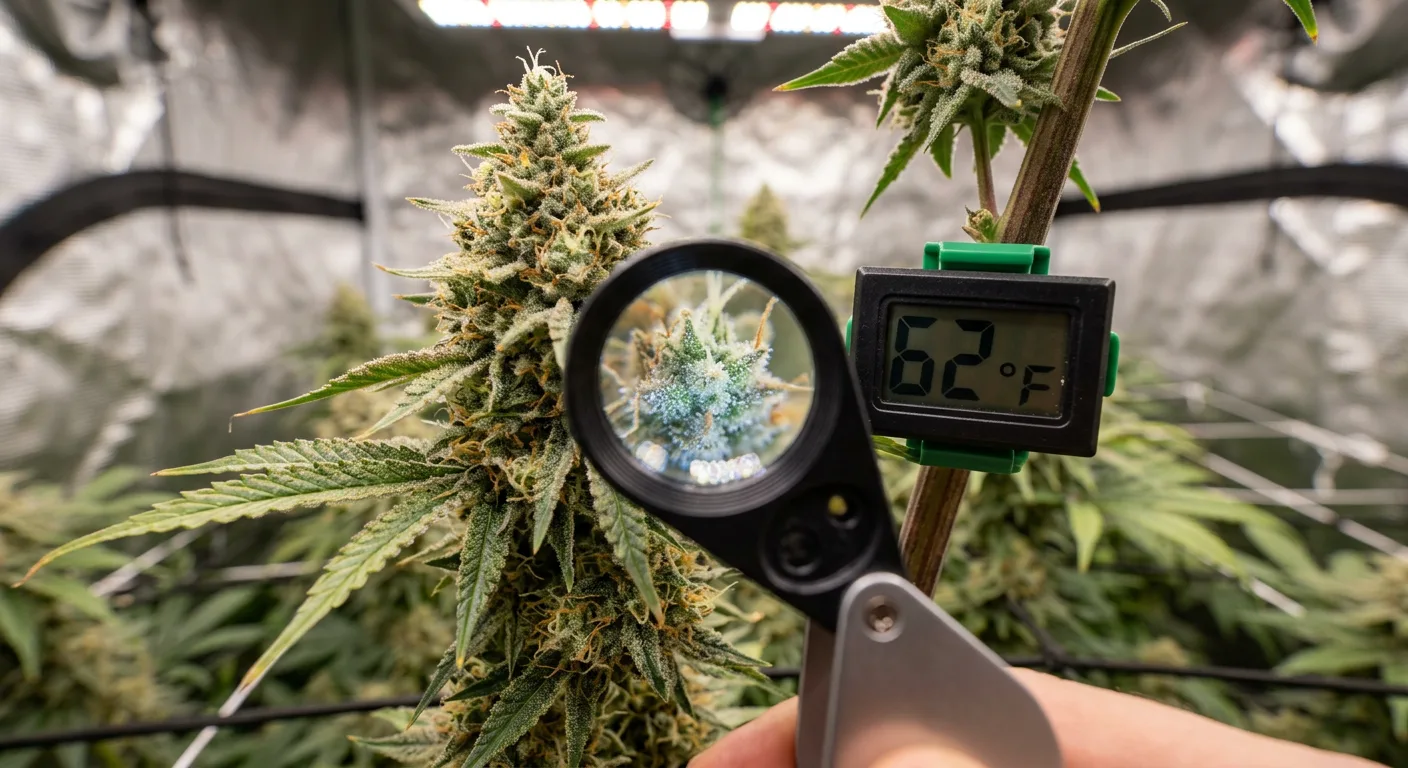
Pinene is one of the most volatile terpenes in cannabis, making it highly susceptible to degradation through heat, light, and improper harvest timing. Growers can maximize alpha-pinene content through temperature management in late flower, optimized harvest timing, cold exposure before harvest, and careful post-harvest handling.
Step 1: Temperature Management in Late Flower
Keep Canopy Temperatures Below 78°F (26°C) in Weeks 6–8
Terpene volatilization accelerates above 80°F. Since alpha-pinene boils at just 155°C and begins off-gassing meaningfully at grow room temperatures when humidity is low, keeping your environment cool in late flower directly preserves terpene accumulation. Even a 5°F reduction in this phase can result in measurably higher terpene concentrations at harvest.
Introduce a Cold Night Differential in the Final 2 Weeks
Dropping night temperatures to 60–65°F (15–18°C) in the last 14 days of flower does two things: it stimulates anthocyanin production in purple phenotypes AND it signals the plant to ramp up terpene resin production as a stress-adaptive response. This cold differential technique is used by experienced cultivators specifically to increase aromatic intensity at harvest. Many report a noticeably more resinous, pungent result.
Harvest at Peak Trichome Maturity: Not Past It
Terpene degradation accelerates as trichomes transition from milky-white to amber. Amber trichomes signal THC-to-CBN conversion and simultaneous terpene volatilization. For maximum pinene retention, harvest when the majority of trichomes are cloudy-white with only 5–10% amber. Check with a 60x loupe or digital microscope for precision. Our Grow Planner can help you map your harvest window against flowering timeline.
Darkness Period Before Harvest
Running 24–48 hours of continuous darkness immediately before harvest is a widely practiced technique to push resin production to a final peak. The mechanism is stress-induced terpenoid synthesis, the plant responds to perceived light deprivation by maximizing its chemical defenses. Multiple experienced cultivators report denser trichome appearance and stronger aromatics using this method.
Slow Dry at 60°F, 60% RH: Never Use a Dehydrator
The dry phase is where most terpene loss occurs for the average home grower. Drying too fast (high temperature, low humidity) causes rapid surface moisture loss that traps moisture inside buds while volatilizing surface terpenes. Target a 10–14 day dry at 60°F (15°C) and 55–60% RH. This slow process allows even moisture release without thermal degradation. Alpha-pinene, with its low boiling point, is particularly vulnerable to fast-dry approaches.
Cure in Sealed Glass at 62% RH
Glass mason jars with Boveda 62% humidity packs maintain the moisture level optimal for terpene preservation during the cure. Burp jars once daily for the first week to release metabolic gases without allowing terpene off-gassing to escape. A 4–8 week cure transforms the aromatic profile and allows terpene compounds to stabilize. Pinene-forward strains particularly benefit from extended curing, which can actually amplify their sharp resinous nose over time.
Grower's Insight: UV-B light exposure in late flower has been shown in some research to stimulate terpene and THC production as a sun-protection response. Adding a UV-B supplemental light for 2–4 hours per day in the final 2–3 weeks of flower is a technique gaining traction among boutique cultivators seeking maximum terpene expression. The light essentially stresses the plant into producing more resin as a protective mechanism.
For strain-specific growing timelines and environmental targets, try our free VPD Calculator to dial in the vapor pressure deficit that keeps your plants in peak physiological condition through late flower, a critical factor for terpene biosynthesis efficiency.
The Entourage Effect: Pinene Is the Mechanism, Not the Marketing
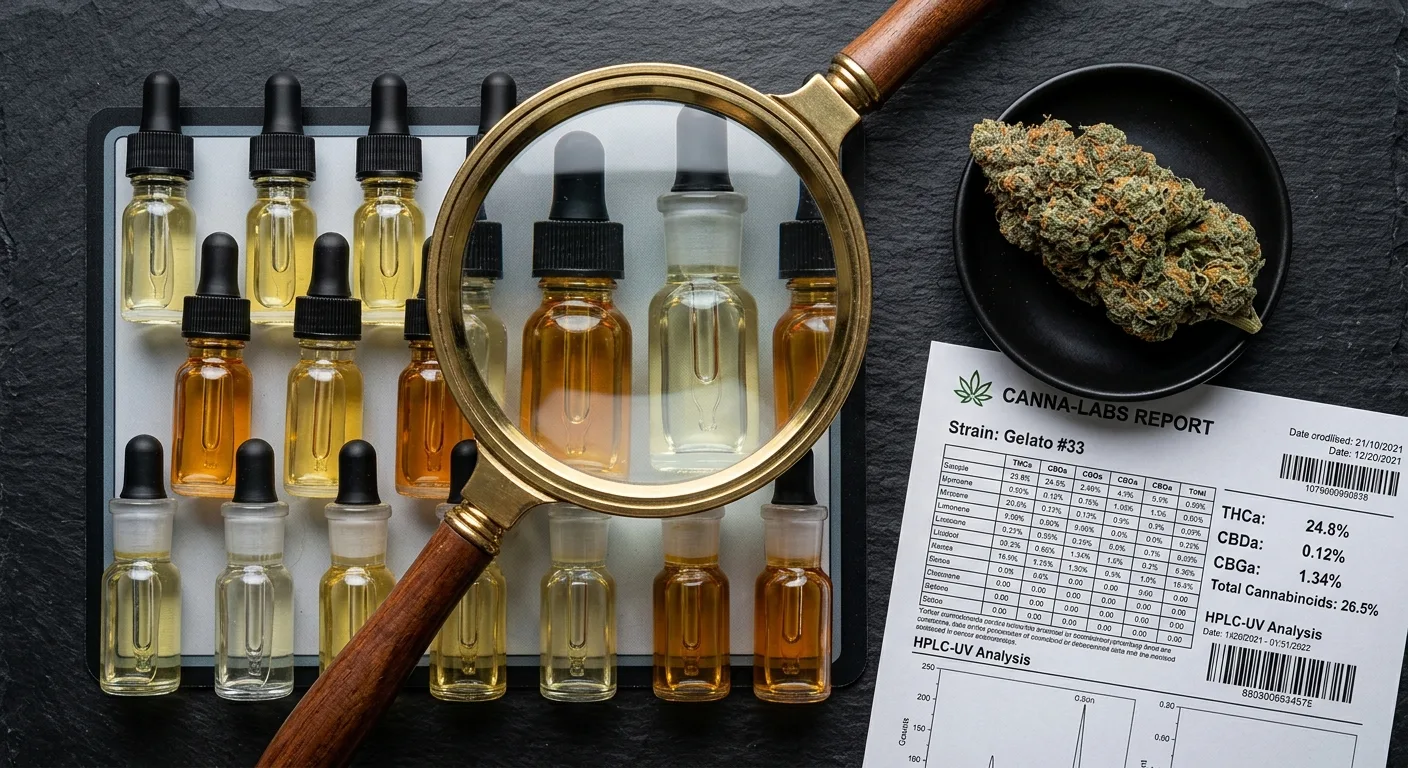
The entourage effect is often described vaguely as cannabinoids and terpenes working "better together." The pinene-THC-acetylcholine interaction is the entourage effect at its most specific and evidence-grounded: two compounds from the same plant, operating through opposing mechanisms on the same neurotransmitter, producing a net experience that neither compound creates alone.
This specificity is important because entourage effect claims have been criticized, fairly, for being used as marketing language without mechanistic support. "Full-spectrum is better" is a claim that needs a mechanism to be credible. The alpha-pinene acetylcholinesterase story provides exactly that: a specific enzyme, a specific neurotransmitter, a specific pathway where two cannabis constituents directly interact.
It also explains something cannabis users have observed empirically for decades: that two strains at identical THC percentages can feel dramatically different in terms of cognitive clarity, focus, and memory function. The variable is the terpene profile, and alpha-pinene is the single most biochemically credible explanation for the clarity difference.
- THC suppresses acetylcholine release via CB1 hippocampal activation
- Alpha-pinene inhibits acetylcholinesterase, slowing acetylcholine breakdown
- Net result: higher residual acetylcholine activity than THC alone would produce
- Secondary pinene effects: bronchodilation, anxiolysis, independent alertness promotion
- Experienced users describe this phenotypically as a "cleaner," more functional high
The Bigger Picture: Pinene is one data point in a much larger conversation about how terpenes shape the cannabis experience mechanistically. Understanding it points toward a future where cannabis products are formulated by terpene profile for specific cognitive and therapeutic outcomes, not just THC percentage. For the broader framework, explore our Cannabis Terpene Synergy Guide.
The interaction also has implications for product development. If alpha-pinene at 0.1% dry weight can meaningfully modulate the cognitive profile of a 25% THC strain, then deliberately breeding for high-pinene expression in high-THC genetics becomes a rational cultivar development target, not just an aromatic preference.
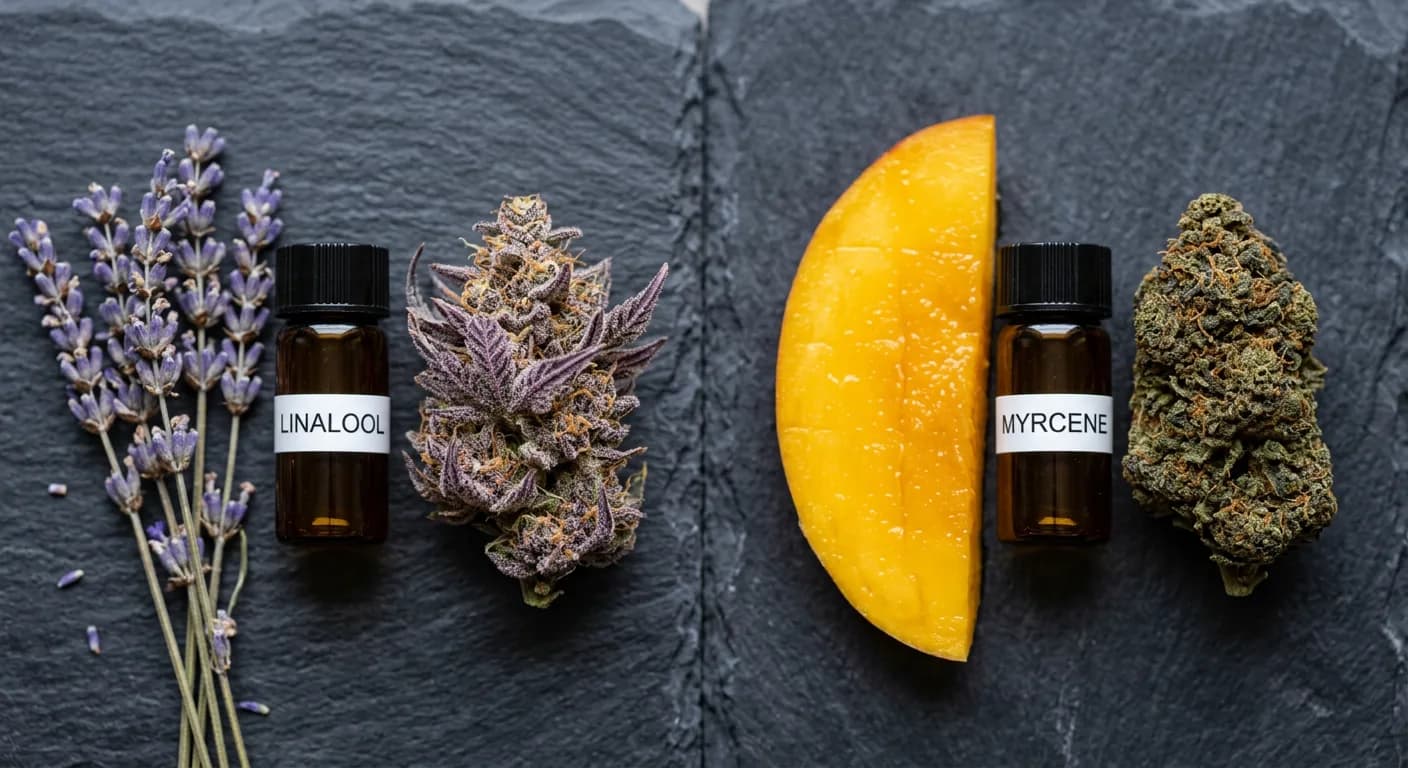
Several other terpenes participate in related pathways. Limonene appears to modulate dopaminergic and serotonergic activity. Linalool affects GABA receptor function. Beta-caryophyllene acts as a CB2 agonist. Each of these represents a specific mechanism, not a vague synergistic halo. See our full Terpene Chart to explore how all of these interact, and the broader mechanistic discussion in the synergy guide referenced earlier in this article framework.
For growers interested in testing their own harvests, tracking yield alongside terpene development potential is worth planning ahead. Use our free Yield Estimator to forecast harvest weight, then plan your drying and curing timeline accordingly to protect the terpene content you worked to develop.
Strain Selection Strategy: When browsing cannabis for functional, clear-headed effects, look for strains described as having a sharp pine, resinous, or "fuel-pine" aroma. These scent descriptors directly correlate with alpha-pinene presence. Earthy, musky, clove-like aromas point toward myrcene dominance, which tends toward sedation and stronger cognitive depression at high doses. Your nose is actually a reasonable terpene detector.
Practical Takeaways: Using This Knowledge as a Consumer or Grower
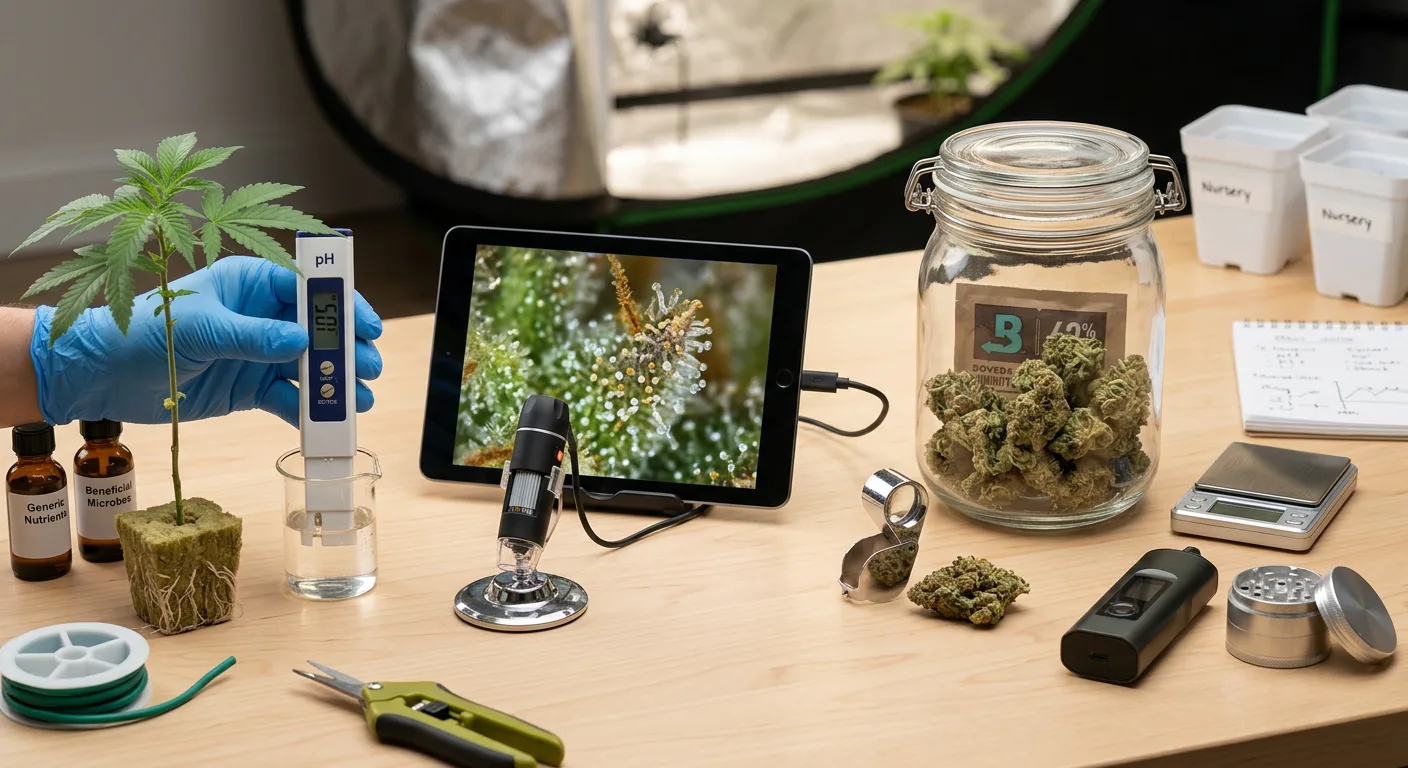
Understanding the pinene-memory-THC relationship gives both consumers and cultivators a practical decision framework. Choosing or growing strains with meaningful alpha-pinene content is one of the most evidence-supported ways to modulate the cognitive profile of high-THC cannabis.
For Consumers
- Request COAs from your dispensary and look for alpha-pinene in the terpene panel: a reading of 0.05% or higher is significant
- Prefer pine-forward, resinous, or fuel-pine aromatic profiles over purely earthy or musky ones when cognitive clarity matters
- Use vaporizers set below 175°C (347°F) to preserve pinene delivery
- Consider the ratio of pinene to myrcene, strains where both are present may offer a balanced effect vs strains where myrcene dominates by a wide margin
- If you find that certain strains consistently feel more "clear" at similar THC levels, the terpene profile, particularly pinene, is the most likely explanation
For Growers
- Select genetics with documented pine-resin aromatic profiles as your pinene baseline
- Keep late-flower temperatures below 78°F and introduce cold nights in the final 2 weeks
- Harvest at cloudy trichome majority, do not wait for heavy amber
- Dry slowly at cool temperatures and cure in sealed glass for at least 4 weeks
- Consider third-party terpene testing at harvest to build your own COA database across phenotypes
Cannabis cultivation is increasingly a precision practice. Tools like our Grow Planner, Nutrient Calculator, and Plant Diagnosis Tool can help you optimize the environmental conditions that support peak terpene expression from seed to jar. The science of what you are preserving is now clear enough to make that optimization purposeful rather than accidental.
For more on how individual terpenes interact with the broader cannabis biochemistry, our guides on Terpinolene, Ocimene, and Humulene cover similar mechanistic territory with their own unique profiles. And if you are navigating high-THC cannabis with memory or cognitive concerns, our guide to Cannabis Tolerance Breaks offers a practical protocol for resetting CB1 sensitivity over time.
Frequently Asked Questions
Does pinene make you smarter?
Alpha-pinene does not directly increase intelligence, but it acts as an acetylcholinesterase inhibitor, which may help preserve acetylcholine levels in the brain. Since acetylcholine is critical for memory formation and focused attention, this action could support clearer cognition, particularly in the context of THC-induced memory impairment. Think of it less as a cognitive enhancer and more as a cognitive protector in the presence of THC.
What cannabis strains are high in pinene?
Strains commonly reported to express high alpha-pinene levels include OG Kush, Jack Herer, Blue Dream, Trainwreck, and Harlequin. Pinene tends to be more prominent in sativa-leaning and hybrid genetics. Always check a strain's Certificate of Analysis (COA) for verified terpene percentages, as growing conditions significantly affect final terpene content. Our OG Kush Feminized Seeds and Sour Diesel Feminized Seeds are solid starting points for growers chasing pinene expression.
Can terpenes counteract THC?
Research suggests certain terpenes can modulate THC's effects. Alpha-pinene is the strongest candidate, as it inhibits acetylcholinesterase and may partially offset THC-induced short-term memory impairment. CBD is another well-documented THC modulator, working through different receptor pathways. This is the entourage effect operating mechanistically, not just a general synergy claim.
What is the difference between alpha-pinene and beta-pinene in cannabis?
Alpha-pinene and beta-pinene are structural isomers sharing the same molecular formula (C₁₀H₁₆) but different atomic arrangements. Alpha-pinene smells like sharp, fresh pine and is the isomer with documented acetylcholinesterase inhibition activity. Beta-pinene carries a greener, woody-herbaceous note and appears at lower concentrations in most cannabis cultivars. Alpha-pinene is the dominant and more pharmacologically researched isomer in cannabis.
Does pinene affect anxiety in cannabis users?
Alpha-pinene has demonstrated anxiolytic properties in several preclinical studies. In the cannabis context, its alertness-promoting and memory-supporting effects may reduce the anxious confusion some users experience from high-THC strains. Strains with meaningful pinene content are frequently reported as more clear-headed and less paranoia-prone than pure myrcene-dominant varieties, though individual response varies considerably.