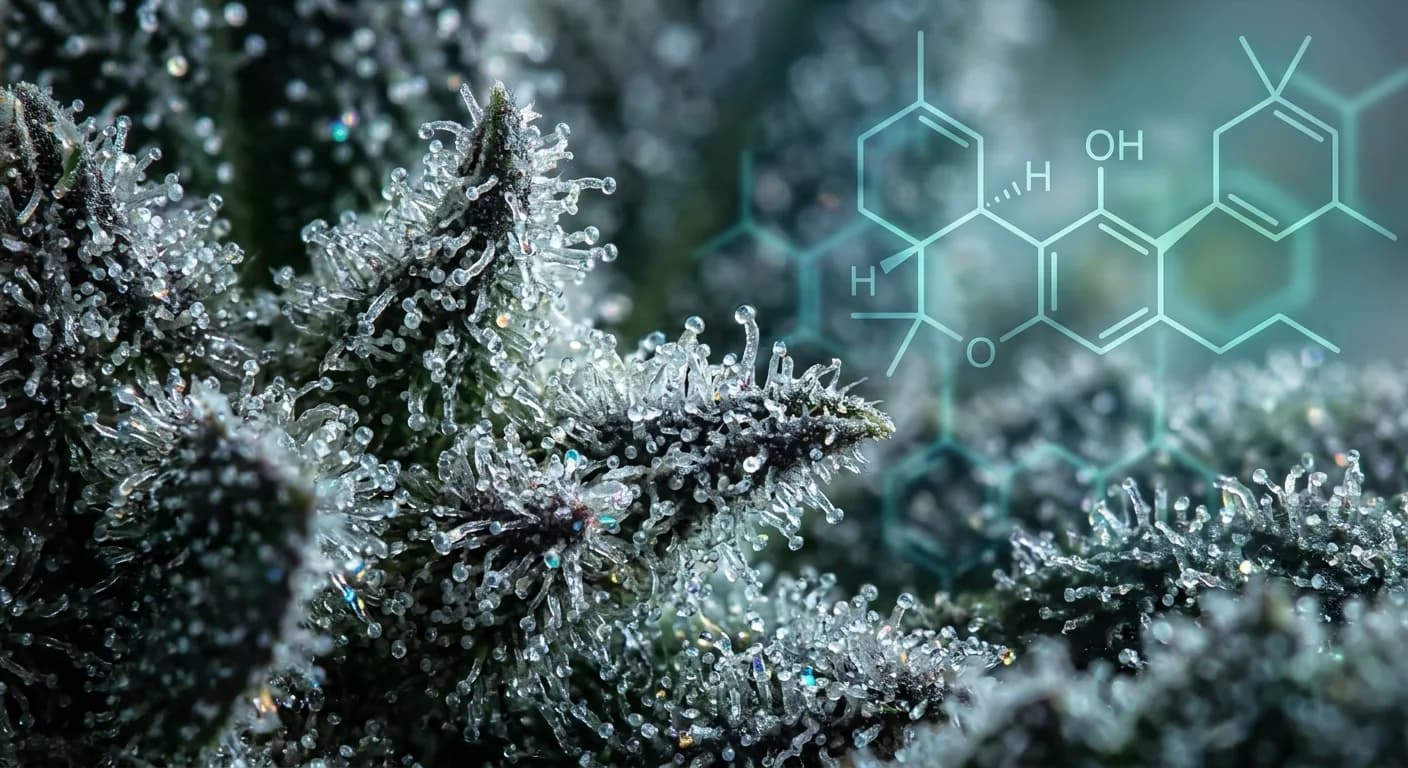
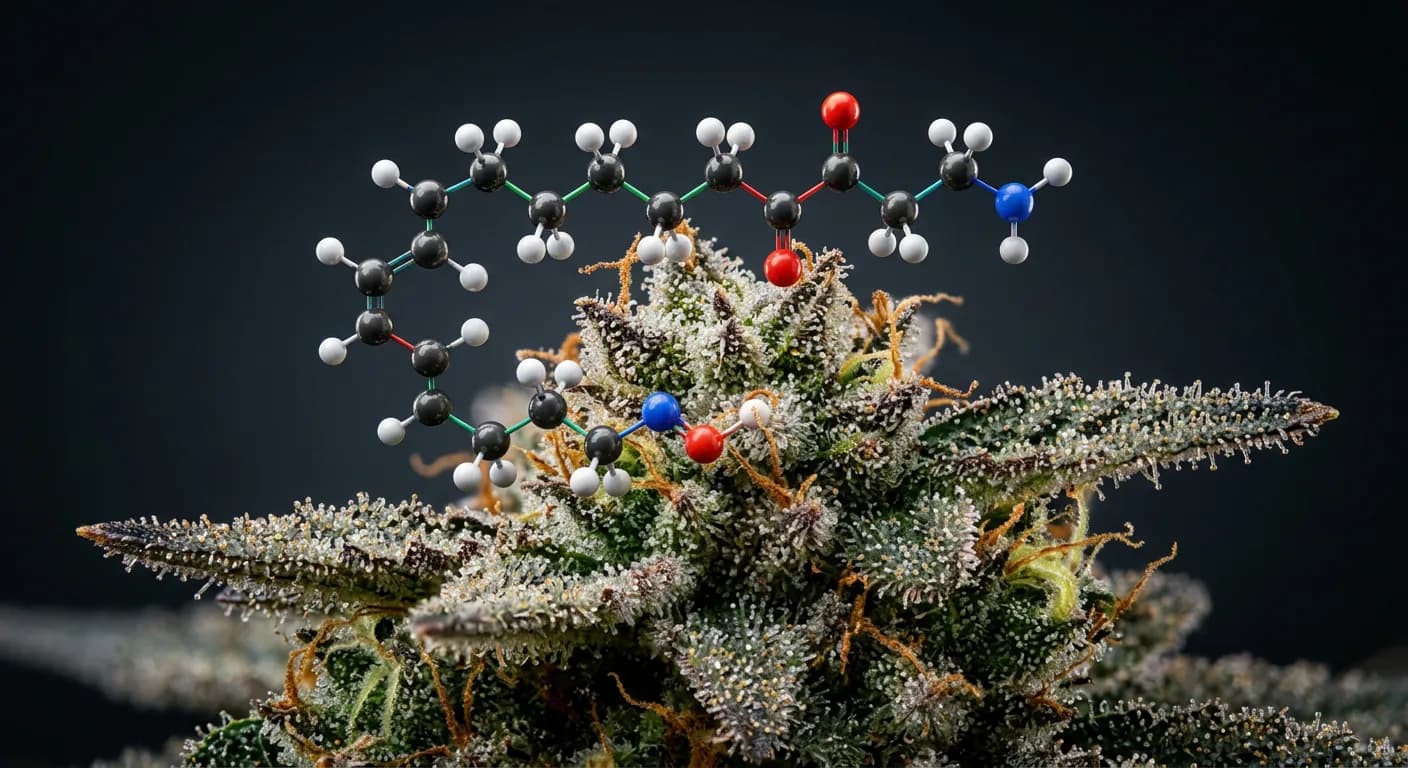
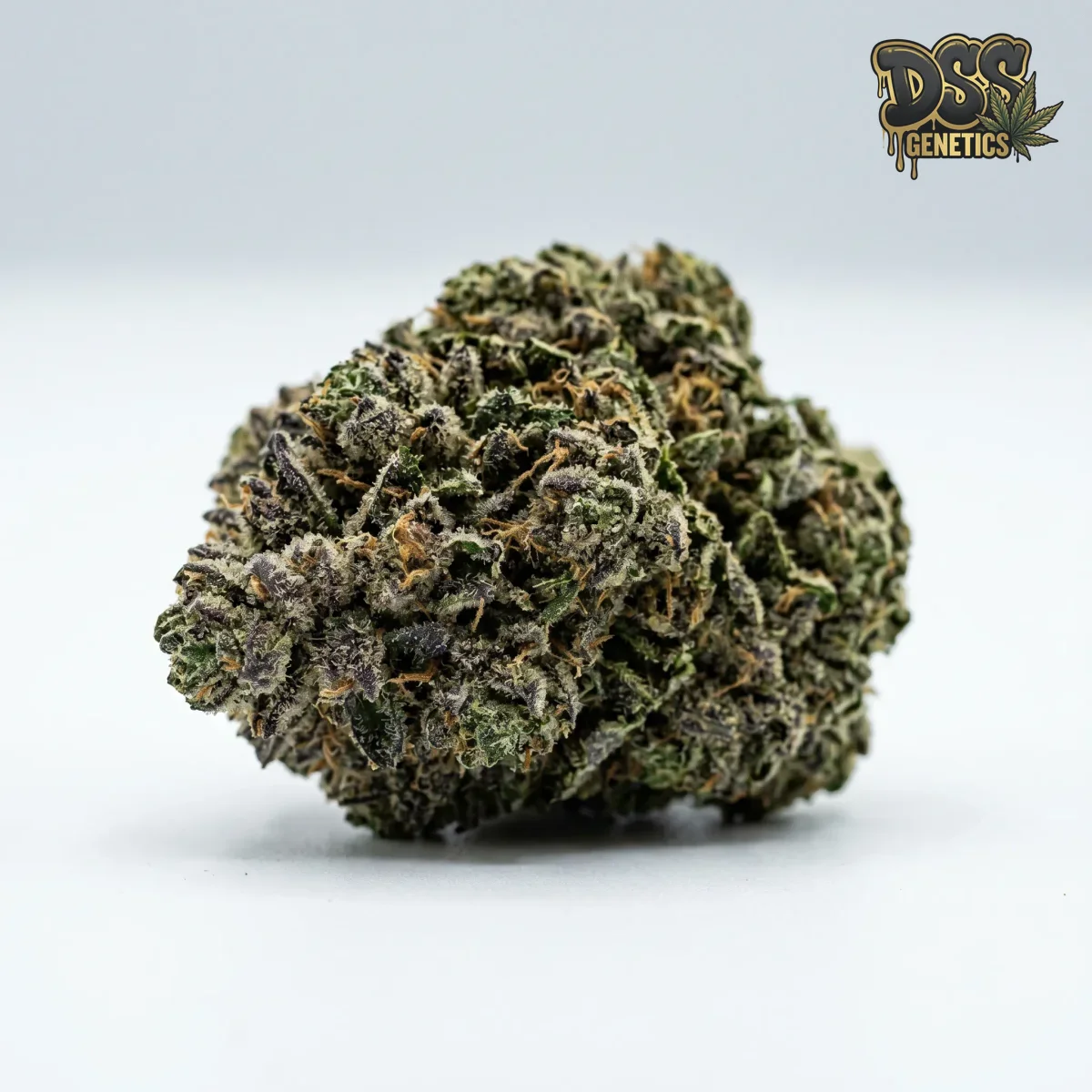
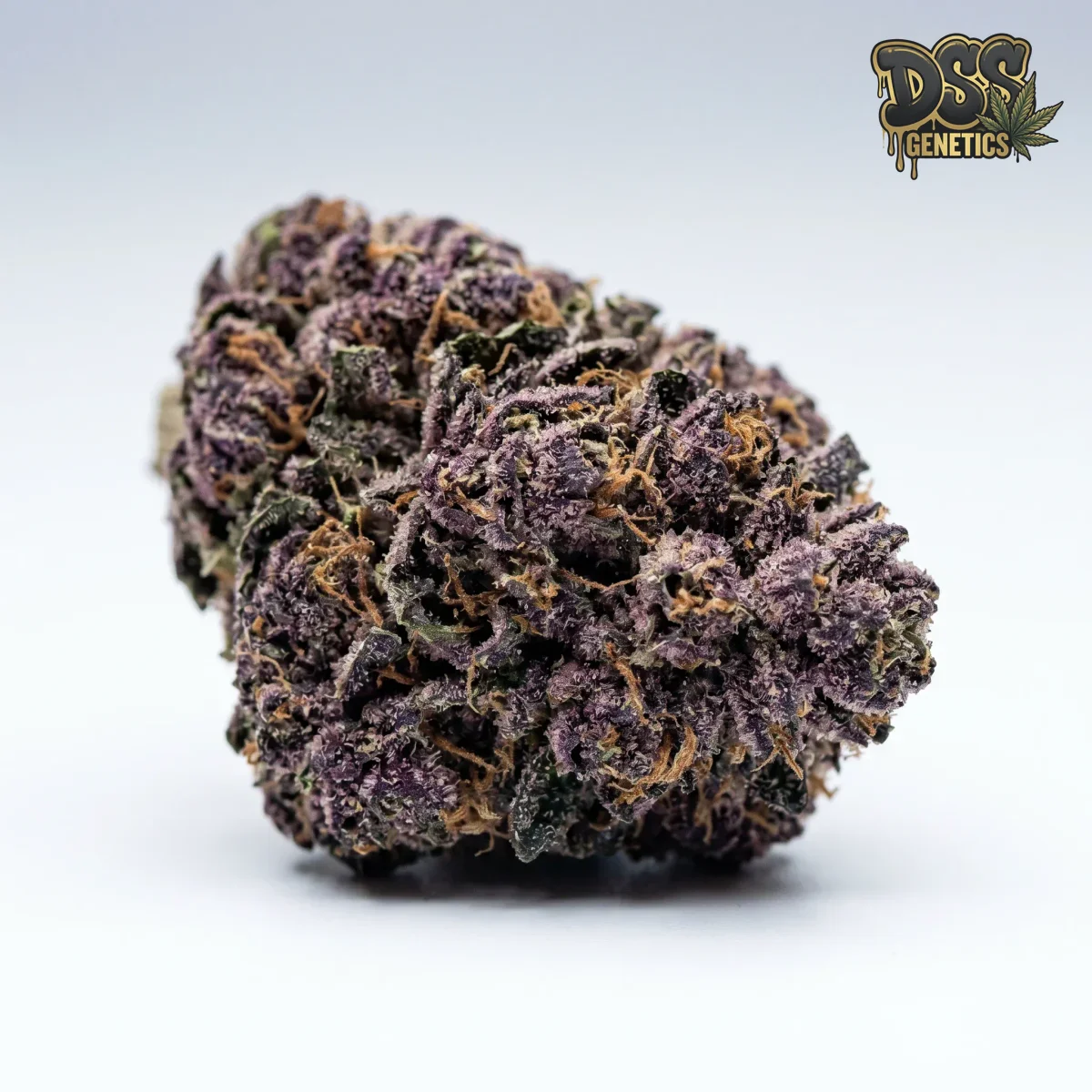
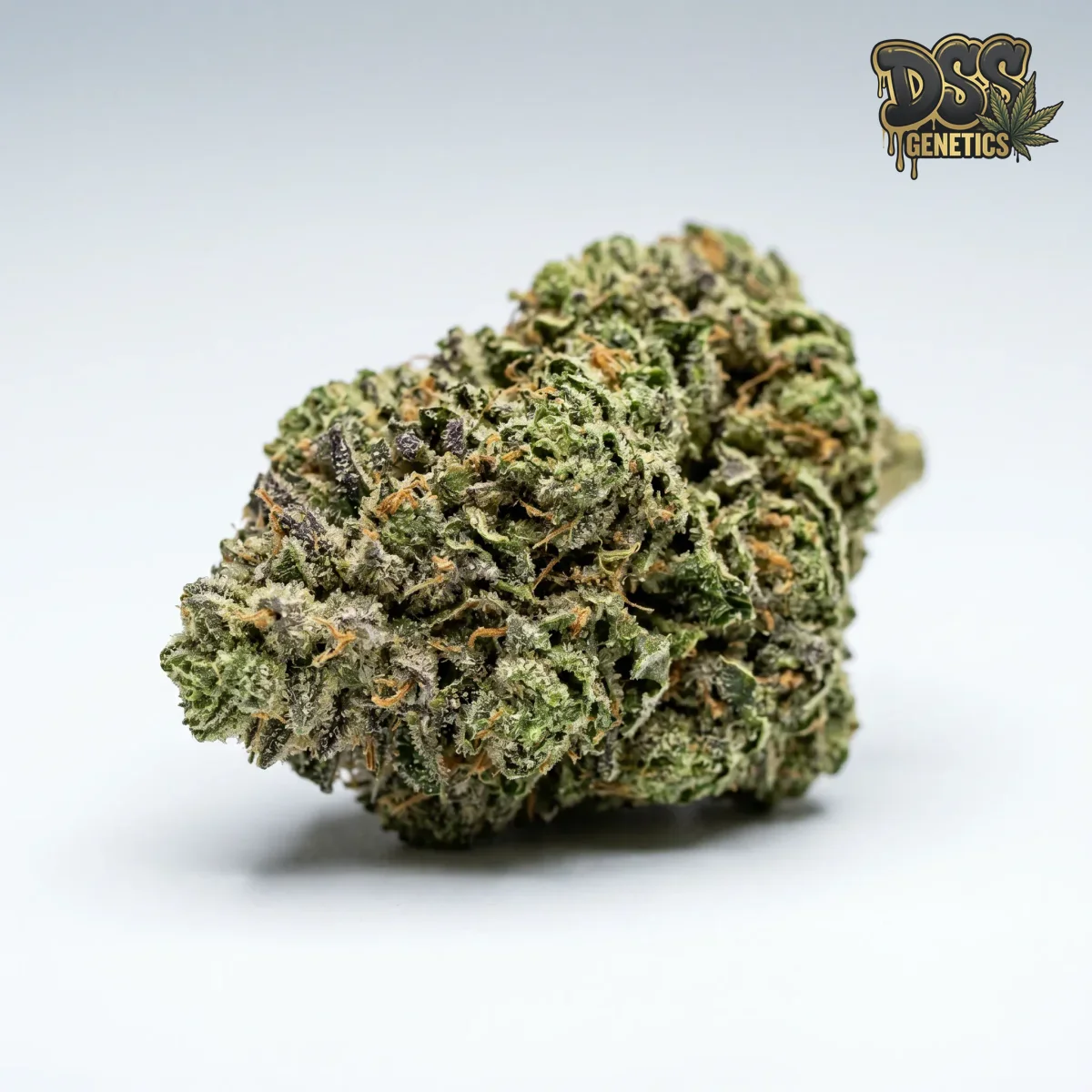
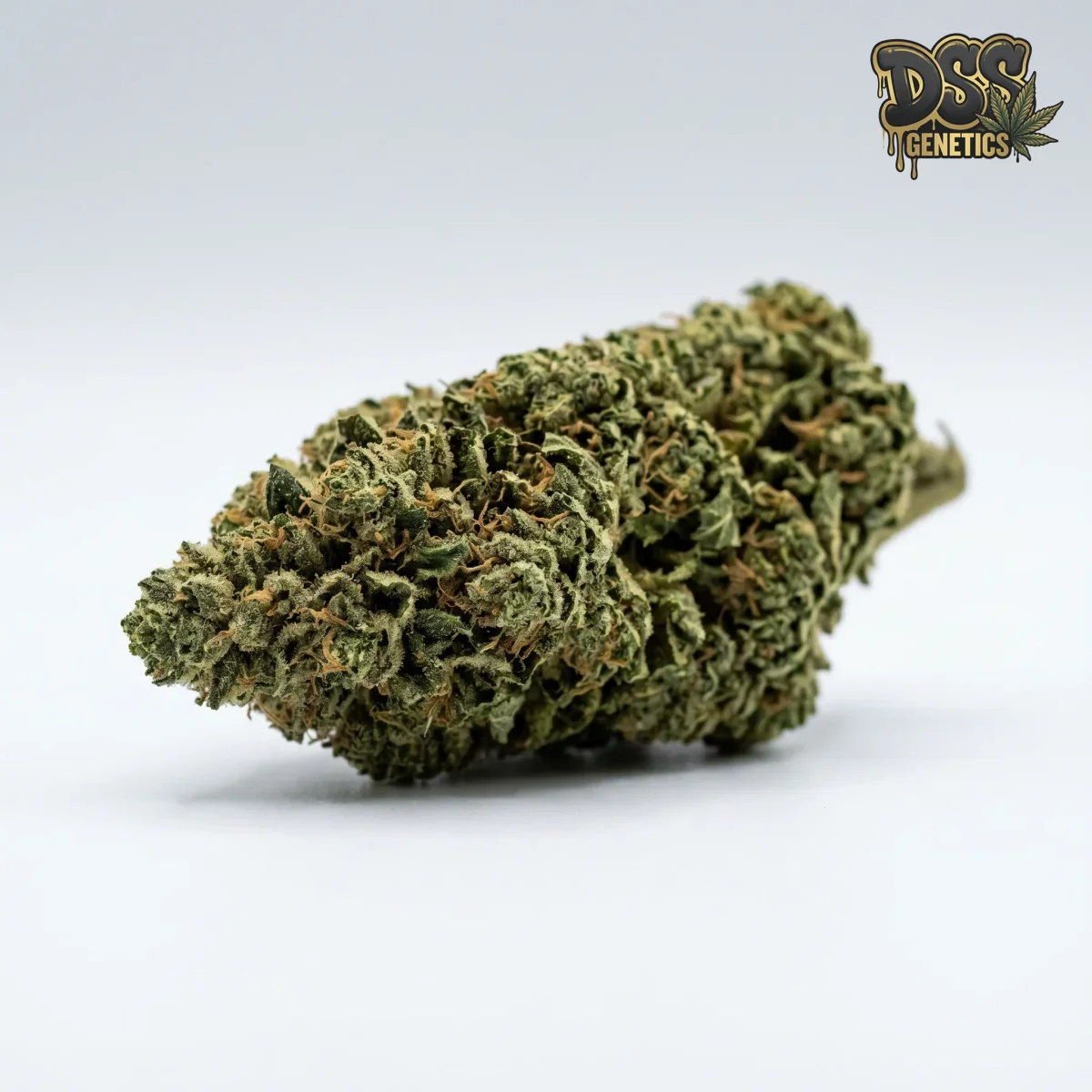
Here is a fact that will permanently change how you evaluate cannabis strains: one terpene in the caryophyllene terpene cannabis world does something no other terpene on the planet can do: it binds directly to your endocannabinoid receptors like a cannabinoid. Not metaphorically. Not indirectly. It literally docks to CB2 receptors the same way cannabinoids do, and researchers confirmed this in a peer-reviewed study back in 2008. Yet most strain menus still treat it as an afterthought sitting below THC percentages in small print.
This guide covers everything: the alpha vs beta distinction most people confuse, the plain-language CB2 mechanism, how caryophyllene amplifies your THC and CBD, how to spot dominant caryophyllene profiles on a lab report, the best strains to grow, and, in a section competitors almost universally skip, exactly how your drying and curing decisions affect whether caryophyllene survives harvest. By the end, you will select strains and manage post-harvest with a precision most growers never develop.
Alpha vs Beta Caryophyllene: What Is the Actual Difference?
Beta-caryophyllene (BCP) is the biologically active sesquiterpene found in cannabis that binds to CB2 receptors. Alpha-caryophyllene is a structural isomer: it has the same molecular formula (C₁₅H₂₄) but a different three-dimensional shape, which changes its biological behavior entirely.
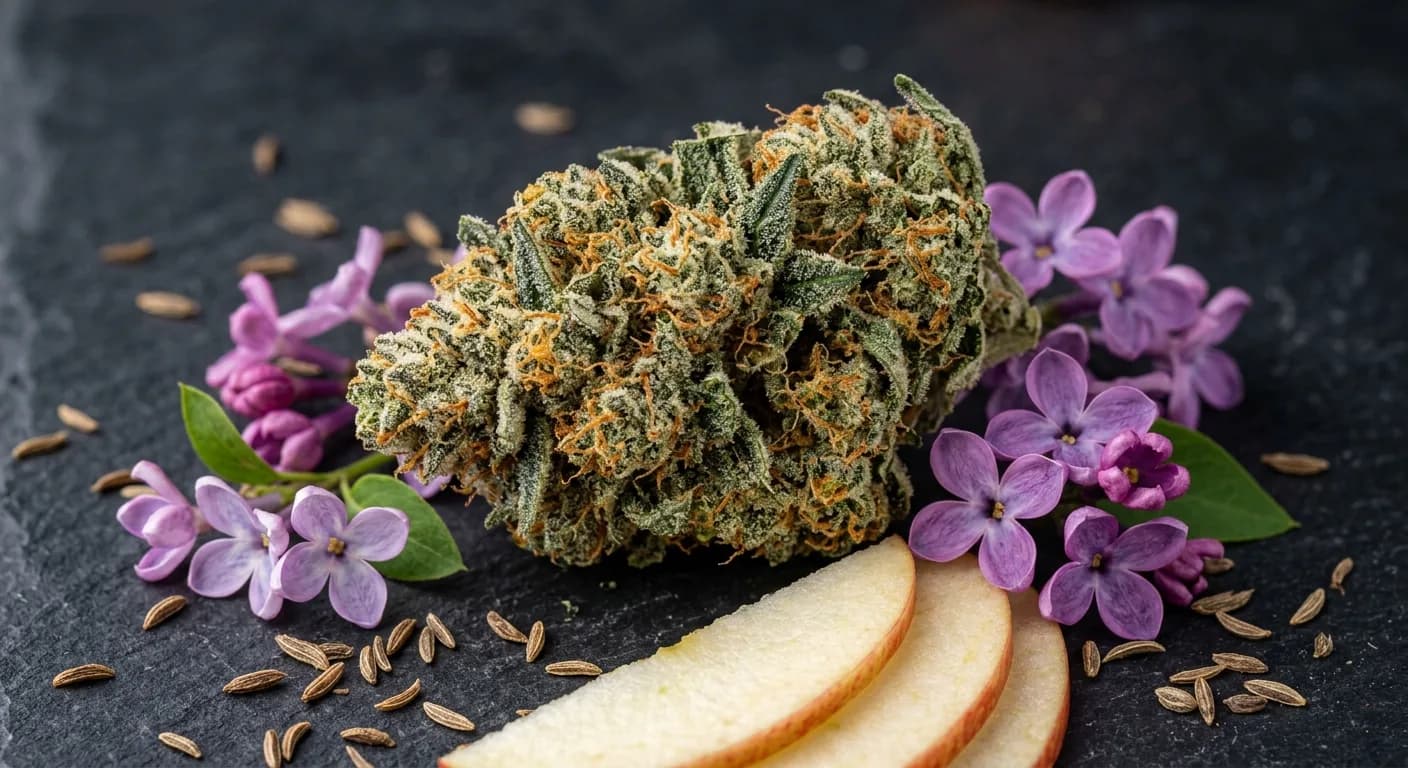
Alpha-caryophyllene is also known as humulene. It shares an earthy, woody aroma with BCP but has distinct pharmacology, appearing more prominently in hops. When you see 'caryophyllene' on a dispensary menu or seed bank terpene profile, they almost always mean beta-caryophyllene. The distinction matters because only the beta form carries CB2-binding properties.
Where Caryophyllene Appears in Nature Beyond Cannabis
Beta-caryophyllene is one of the most widely distributed terpenes in the plant kingdom. You have been consuming it your entire life without knowing it. High-concentration natural sources include:
- Black pepper (Piper nigrum): BCP makes up 10–35% of black pepper's essential oil, the highest common dietary source
- Cloves (Syzygium aromaticum): 5–14% BCP; clove oil has been used medicinally for thousands of years
- Hops (Humulus lupulus): 7–12% BCP in dried hop cones, connecting it to beer's bitter aromatics
- Copaiba resin (Copaifera spp.): Up to 55% BCP in the oleoresin, used in traditional Amazonian medicine
- Rosemary, basil, and cinnamon bark: Smaller but meaningful concentrations
This botanical ubiquity explains why BCP earned the 'dietary cannabinoid' classification, humans have consumed it in food for millennia, making its safety profile exceptionally well understood compared to isolated pharmaceutical compounds.
Science Note: Caryophyllene belongs to the sesquiterpene class, meaning its carbon skeleton contains 15 carbon atoms (three isoprene units). Its defining structural feature is a rare cyclobutane ring fused with a cyclononadiene ring, a configuration found in very few natural compounds. This unusual shape is precisely what allows it to fit inside the CB2 receptor's binding pocket.
The Aroma Profile: What Caryophyllene Actually Smells Like
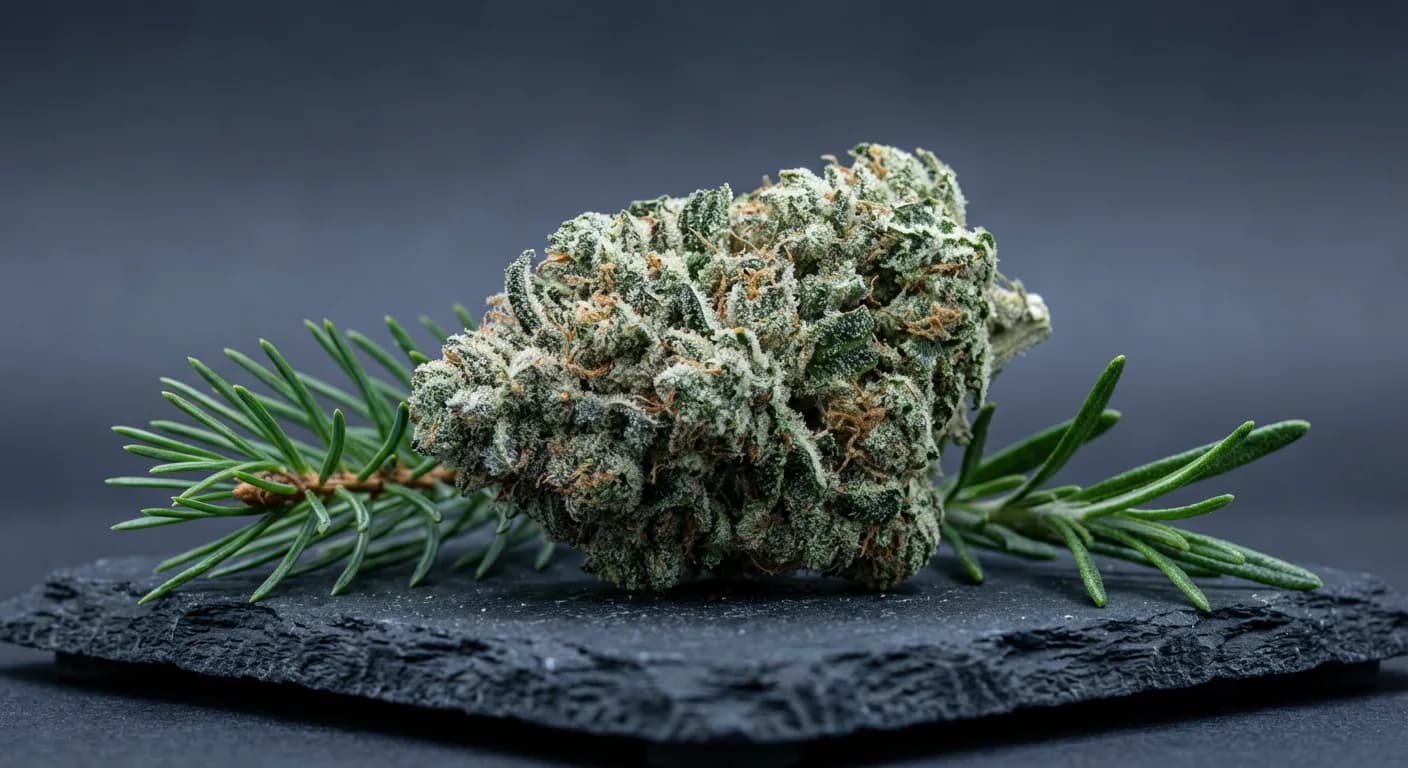
Beta-caryophyllene delivers a complex, multi-layered aroma that experienced cannabis users often describe as the 'spicy-fuel' backbone underneath sweeter notes. The aroma profile typically breaks down as:
- Spicy, peppery top note (the most recognizable characteristic)
- Woody, earthy mid note similar to cedarwood or sandalwood
- Slight diesel or fuel undertone at high concentrations
- Faint herbal quality that connects to clove and basil
When you crack a fresh bud and get that immediate back-of-throat pepper sensation, that is caryophyllene announcing itself. It is the same compound that makes black pepper make you sneeze, and the same one that may be quietly modulating your immune response while you enjoy the experience.
The CB2 Receptor Mechanism: Why Caryophyllene Is Classified as a Dietary Cannabinoid
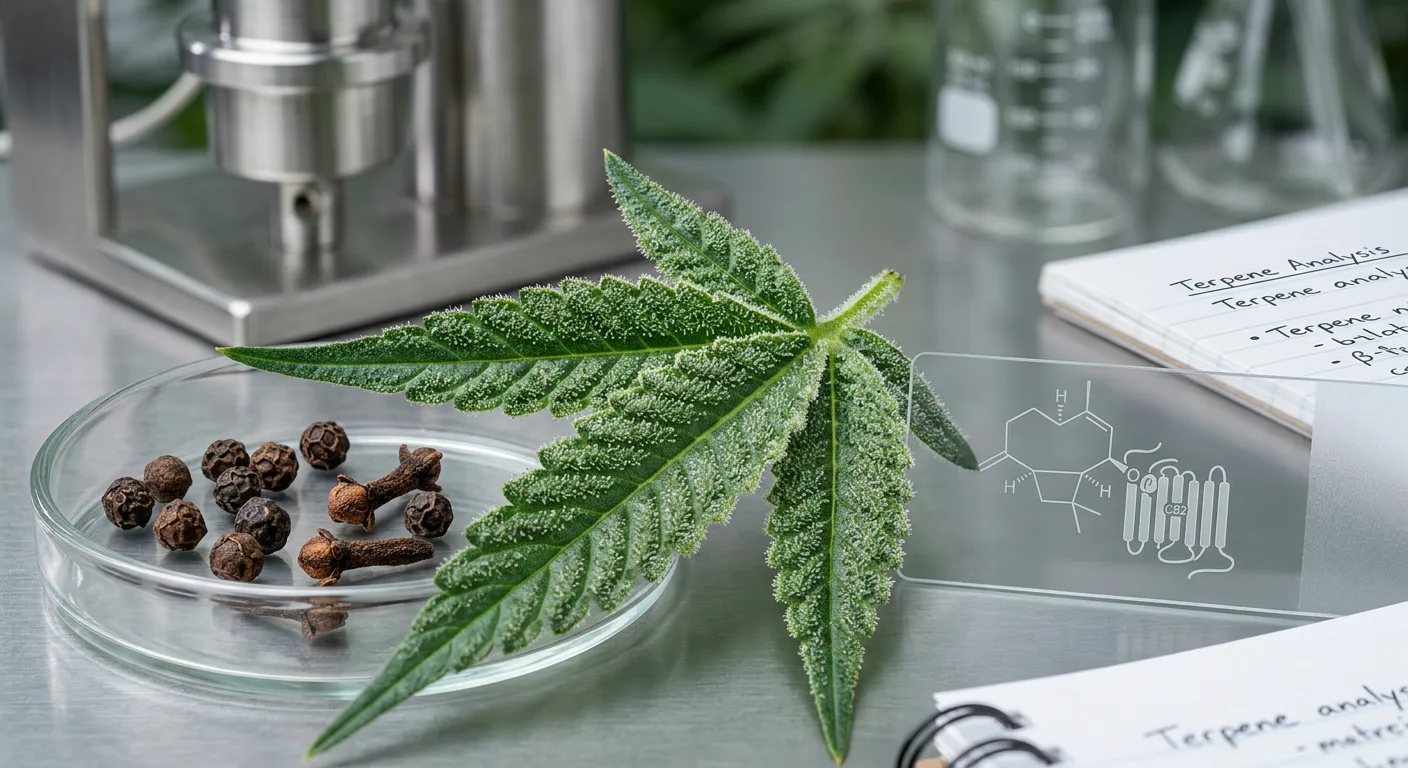
Beta-caryophyllene is the only terpene in the world that binds directly and selectively to CB2 receptors in the human endocannabinoid system. This was established in a 2008 study by Gertsch et al. published in the Proceedings of the National Academy of Sciences, making BCP unique among the hundreds of terpenes found across the plant kingdom.
CB1 vs CB2: Why the Distinction Changes Everything
Understanding why BCP does not get you high requires understanding the two main cannabinoid receptor types. They operate in completely different locations with completely different functions:
- CB1 receptors: Concentrated in the brain and central nervous system, activation causes the psychoactive 'high' associated with THC
- CB2 receptors: Found primarily in immune tissue, the spleen, gut lining, peripheral nervous system, and bone, activation modulates inflammation and immune response without psychoactivity
THC binds to both CB1 and CB2. CBD does not bind directly to either but modulates the system allosterically. BCP binds selectively to CB2 only, which means it engages all the immune-modulating benefits of the endocannabinoid system while leaving the psychoactive pathways completely untouched. This selectivity is what makes it genuinely remarkable.
The critical insight: because BCP only activates CB2, not CB1, it delivers anti-inflammatory and analgesic effects through the endocannabinoid system without producing any intoxication. This makes caryophyllene-dominant strains uniquely valuable for medical and functional use cases where users want therapeutic effects without impairment.
What Happens When BCP Activates CB2 Receptors
When beta-caryophyllene binds to a CB2 receptor, it initiates a signaling cascade that reduces several pro-inflammatory pathways simultaneously. Research in animal models has demonstrated the following downstream effects:
- Reduced NF-κB activity: a master regulator of inflammatory gene expression
- Decreased production of TNF-α, IL-1β, and IL-6, key pro-inflammatory cytokines
- Modulation of macrophage and microglial activation in the gut and nervous system
- Reduced oxidative stress markers in neuroinflammation models
- Analgesic effects via peripheral CB2 activation in pain processing pathways
A 2014 study in the European Journal of Pharmacology demonstrated that BCP reduced inflammation in mouse models of colitis by 50% at pharmacologically relevant doses. A 2020 review in Frontiers in Pharmacology compiled evidence for BCP's neuroprotective and anxiolytic properties across multiple animal model studies.
Grower's Tip: If you or your customers use cannabis primarily for inflammation management, gut health, or neuroprotective reasons, prioritizing strains where caryophyllene appears as the dominant or second terpene on the COA is more strategic than chasing the highest THC number. The CB2 pathway works independently of THC content.
Caryophyllene and the Entourage Effect: Synergy With THC and CBD
Caryophyllene does not just work independently: it actively enhances the therapeutic activity of both THC and CBD through multiple complementary mechanisms. This synergy is a key reason why whole-plant cannabis extracts often outperform isolated cannabinoids in clinical observations.
How BCP Amplifies CBD's Anti-Inflammatory Effects
Both BCP and CBD target overlapping but distinct anti-inflammatory pathways. BCP's direct CB2 agonism complements CBD's indirect modulation of the endocannabinoid system through FAAH enzyme inhibition and GPR55 antagonism. A 2020 study found that the combination of BCP and CBD produced greater reduction in inflammatory markers than either compound alone in cell culture models, a textbook entourage effect result.
For hemp and CBD-dominant cannabis cultivars, caryophyllene content is arguably the most important secondary compound on the terpene panel. A CBD flower product with 0.8% caryophyllene will likely deliver substantially different therapeutic value than the same CBD percentage in a caryophyllene-poor cultivar.
BCP and THC: Modulating the High
BCP's relationship with THC is more nuanced than simple additive effects. There is growing evidence that CB2 receptor activation may modulate CB1-mediated anxiety, a common side effect of high-THC consumption. By activating CB2 receptors in the limbic system and peripheral nervous system, BCP may dampen the anxiogenic aspects of THC activity without reducing its pain-relieving or euphoric properties.
This explains an observation many experienced cannabis users have reported anecdotally: OG Kush and similar high-caryophyllene strains often feel 'smoother' and less anxiety-inducing than comparably potent strains with low caryophyllene despite similar THC content. The entourage effect here is not about getting higher: it is about getting a more complete, balanced experience. For a deeper exploration of these interactions, our Cannabis Terpene Synergy Chart maps the most important terpene-cannabinoid relationships.
Research Context: The Ethan Russo 2011 paper 'Taming THC: Potential Cannabis Synergies and Phytocannabinoid-Terpenoid Entourage Effects' in the British Journal of Pharmacology remains the foundational document for understanding terpene-cannabinoid interactions. Russo specifically cited caryophyllene alongside CBD as key modulators of the overall cannabis experience. This paper drove most of the subsequent research interest in BCP.
The BCP–Opioid System Connection
One of the more striking findings in BCP research involves its interaction with the opioid system. A 2014 study in PLOS ONE by Klauke et al. demonstrated that BCP produced analgesic effects partly through μ-opioid receptor pathways, suggesting a mechanism of action beyond CB2 alone. This makes BCP's analgesic profile unusually broad for a single terpene molecule.
The implication for cannabis users seeking pain relief is significant: strains rich in caryophyllene may provide pain modulation through at least three distinct receptor pathways simultaneously: CB2, opioid, and indirectly through THC/CBD activity. No other terpene approaches this level of pharmacological breadth.
How to Identify High-Caryophyllene Strains on a COA Lab Report
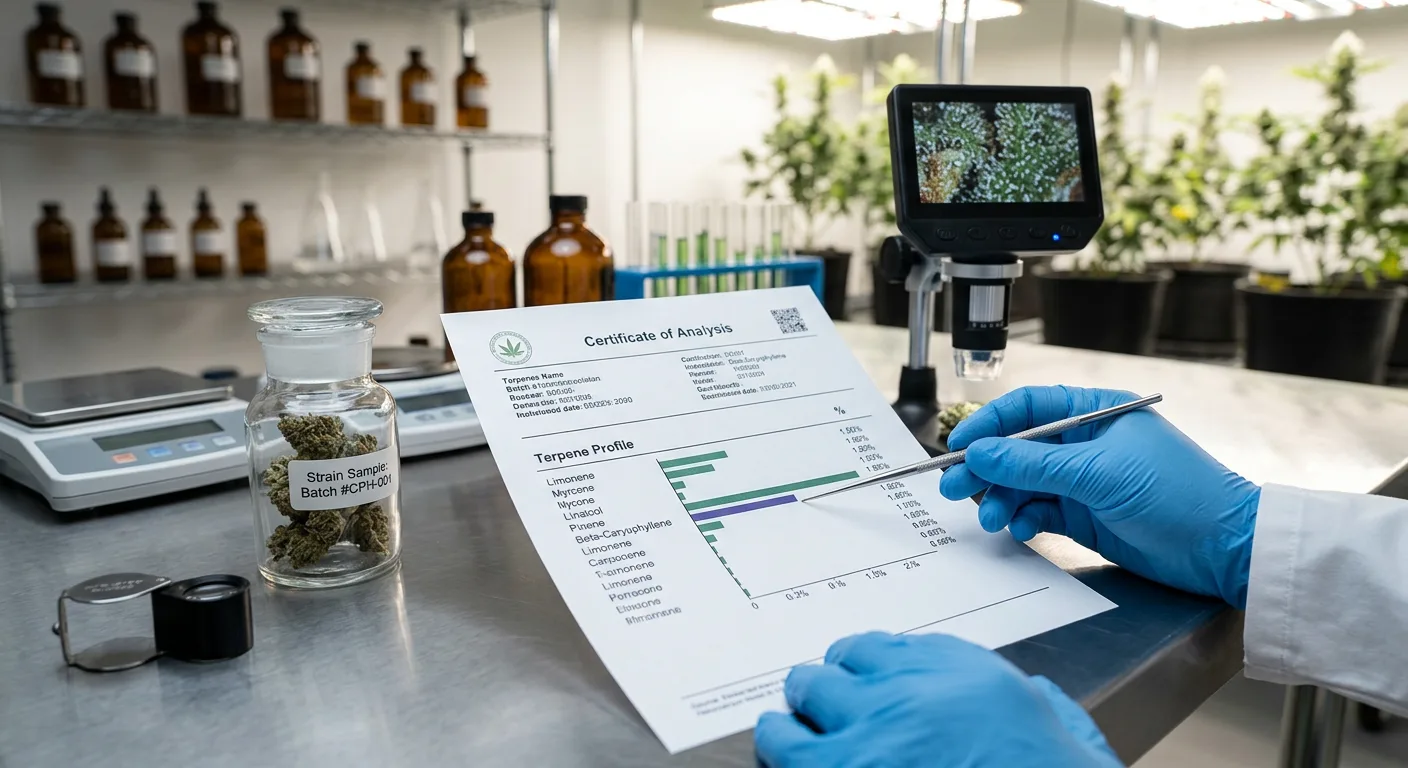
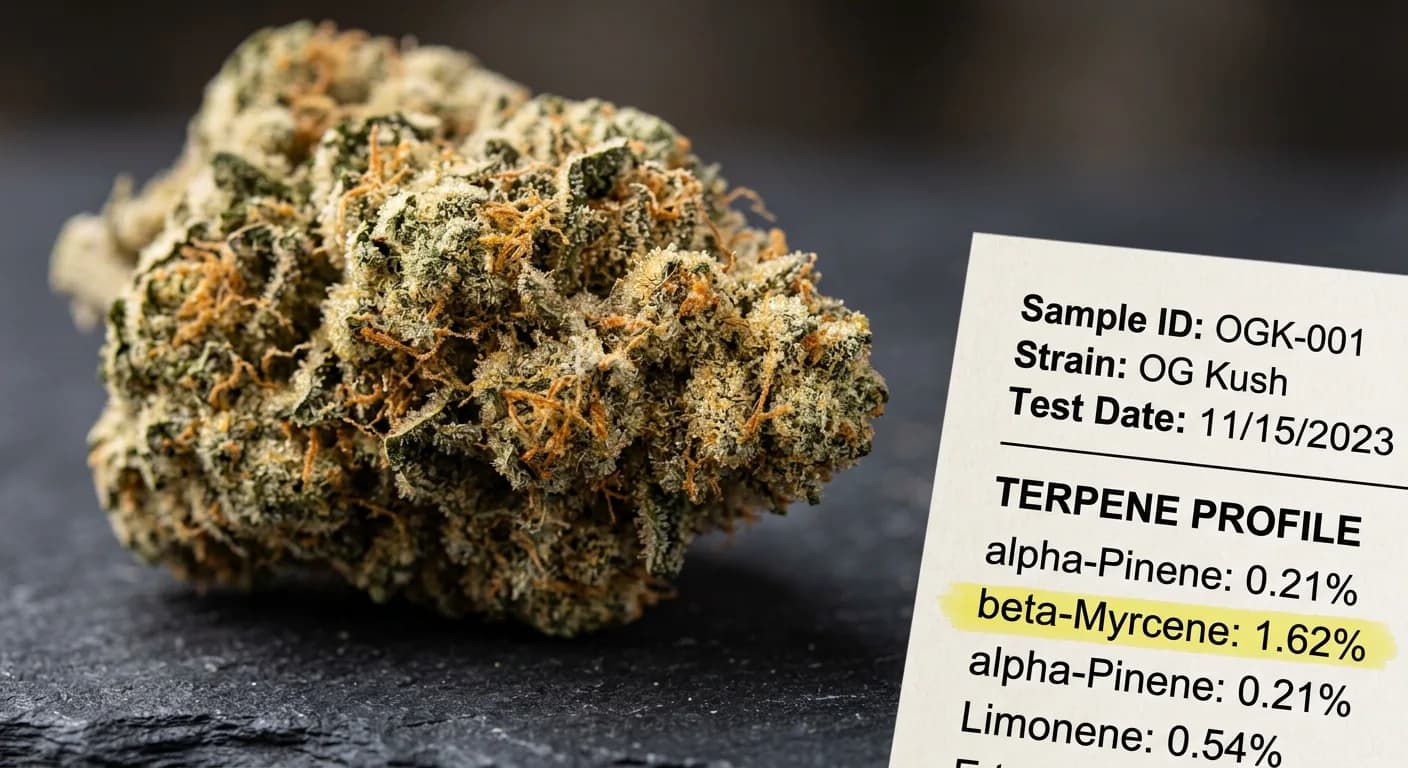
On a Certificate of Analysis (COA) terpene panel, beta-caryophyllene appears listed as 'β-Caryophyllene' or 'beta-Caryophyllene.' It is measured as a percentage of total flower weight and typically ranges from trace levels (under 0.05%) up to about 1.2% in the most caryophyllene-dominant cultivars.
Reading the Numbers: What Percentages Actually Mean
The raw percentage on a COA translates to milligrams per gram of flower. This makes the math straightforward for dosing estimates:
- 0.1% BCP: 1mg per gram: low, typical of sativa-leaning cultivars
- 0.3–0.5% BCP: 3–5mg per gram, moderate, detectable effects in the entourage profile
- 0.6–0.8% BCP: 6–8mg per gram, high, dominant terpene status in many OG-lineage strains
- 0.9–1.2%+ BCP: 9–12mg per gram, exceptional, seen in top-shelf Cookies and Kush phenotypes
A strain qualifies as 'caryophyllene-dominant' when BCP appears first or second in the terpene ranking on the COA. When it appears third or lower despite decent percentage numbers, it still contributes meaningfully to the entourage but is not driving the profile. For a complete guide on interpreting all sections of a terpene lab report, our Cannabis Terpene Chart breaks down every major terpene marker you will encounter.
Caryophyllene Isomers on Lab Reports: Watch for This Error
Some labs still report alpha-caryophyllene (humulene) and beta-caryophyllene together under a combined 'caryophyllene' heading. This is a methodological shortcut that overstates BCP content. A rigorous COA will separate the two compounds because only BCP carries CB2-binding activity. If a terpene report shows 'caryophyllene' without specifying alpha or beta, contact the lab for clarification or treat the number with skepticism.
Lab Report Red Flag: If a COA shows 'Total Terpenes' as the only terpene data without individual compound breakdown, you cannot identify caryophyllene content at all. Individual terpene panel testing is essential for strain selection based on therapeutic terpene profiles. Avoid products that only report cannabinoid percentages with no terpene data.
Best Cannabis Strains Highest in Caryophyllene
Caryophyllene dominance is most consistently found in OG-lineage, Kush-family, and Cookies-derived strains. The spicy, fuel-and-earth aroma profile that defines these genetic families is largely a product of their high BCP expression. Below is an honest guide to the strains most reliably high in caryophyllene, including both industry-standard cultivars and strains we carry.
Industry-Standard High-Caryophyllene Strains (Market Reference)
Original Glue (GG4): Consistently one of the highest-testing caryophyllene strains on the legal market, frequently showing BCP as its dominant terpene at 0.6–1.0% on third-party COAs. Its diesel-meets-pine aroma has BCP's spicy-fuel character written all over it. THC typically 26–30%.
Girl Scout Cookies (GSC): The archetypal Cookies-lineage strain and one of the most data-rich examples of high-BCP expression. COAs regularly show BCP above 0.5%, often as the dominant terpene. The earthy-sweet-spice profile is textbook caryophyllene.
Bubba Kush: A foundational Kush with consistently high BCP (0.4–0.7%) and myrcene as co-dominant. Known for heavy body effects likely amplified by BCP's CB2 activity synergizing with THC. Classic nighttime use profile.
Wedding Cake (Triangle Mints #23): Among the newer Cookies crosses, Wedding Cake reliably tests high in caryophyllene (0.5–0.9%), often alongside limonene. The result is a spicy-sweet-creamy aroma that has become a benchmark for modern premium flower.
Zkittlez: Surprisingly high in BCP for a fruit-forward strain, typically 0.3–0.6%. The caryophyllene provides a spicy backbone under the tropical fruit notes, contributing to its unusually relaxing effect profile despite moderate THC levels.
Strains We Carry With Strong Caryophyllene Profiles
OG Kush Feminized (26% THC): The ancestral source of most caryophyllene-dominant genetics on the modern market. OG Kush's characteristic fuel-earth-spice aroma is BCP-driven, and its genetics reliably express high caryophyllene. This is the strain that launched a thousand high-BCP descendants. Ideal for growers who want authentic Kush terpene expression with verified CB2-active profiles.
Purple Kush Feminized (27% THC): Pure Kush genetics mean caryophyllene is typically co-dominant alongside myrcene in this cultivar. The spicy-grape-earth combination is a signature BCP expression. High THC combined with strong CB2 activity creates a powerfully sedating, body-focused profile prized by medical growers.
White Cookies Feminized (22% THC): White Widow crossed with Cookies genetics brings the BCP-rich Cookies terpene signature into a robust, mold-resistant phenotype. Expect earthy-spice top notes consistent with meaningful caryophyllene expression. A strong entourage candidate for balanced THC-CBD formulation targets.
Cookies Kush Feminized (18% THC): Directly bred from Cookies and Kush lineage, two of the most reliably caryophyllene-rich genetic families. The lower THC ceiling makes this an excellent choice for growers prioritizing the terpene and entourage profile over maximum intoxication potential.
Skywalker OG Autoflower (23% THC): OG Kush genetics preserved in an autoflowering format. Skywalker OG is a well-documented high-caryophyllene strain, with BCP often testing as dominant alongside myrcene. The autoflower format makes it accessible for growers who want BCP-rich Kush terpenes on a faster cycle.
Sour Diesel Feminized (24% THC): A classic high-BCP cultivar from the opposite end of the effect spectrum. Sour Diesel expresses caryophyllene prominently in its characteristic fuel aroma, but as part of a more energetic, uplifting profile rather than the sedating Kush character. Demonstrates that high BCP does not always mean heavy-body effects, the broader terpene context matters significantly.
Black Widow Feminized (26% THC): A South Indian landrace and Brazilian sativa cross that produces complex terpene profiles including notable caryophyllene expression. The spice character in Black Widow's aroma reflects its BCP content, complementing its high THC for a full-entourage experience.
Grower's Tip: When selecting caryophyllene-dominant genetics, cross-reference aroma descriptions. Consistent descriptors like 'spicy,' 'pepper,' 'fuel,' 'earthy-diesel,' or 'clove' almost always indicate BCP as a dominant terpene. Strains described primarily as 'sweet,' 'fruity,' or 'floral' with no spice note typically have lower BCP and higher limonene, linalool, or myrcene dominance instead.
Caryophyllene vs Myrcene vs Linalool: Anti-Inflammatory Comparison
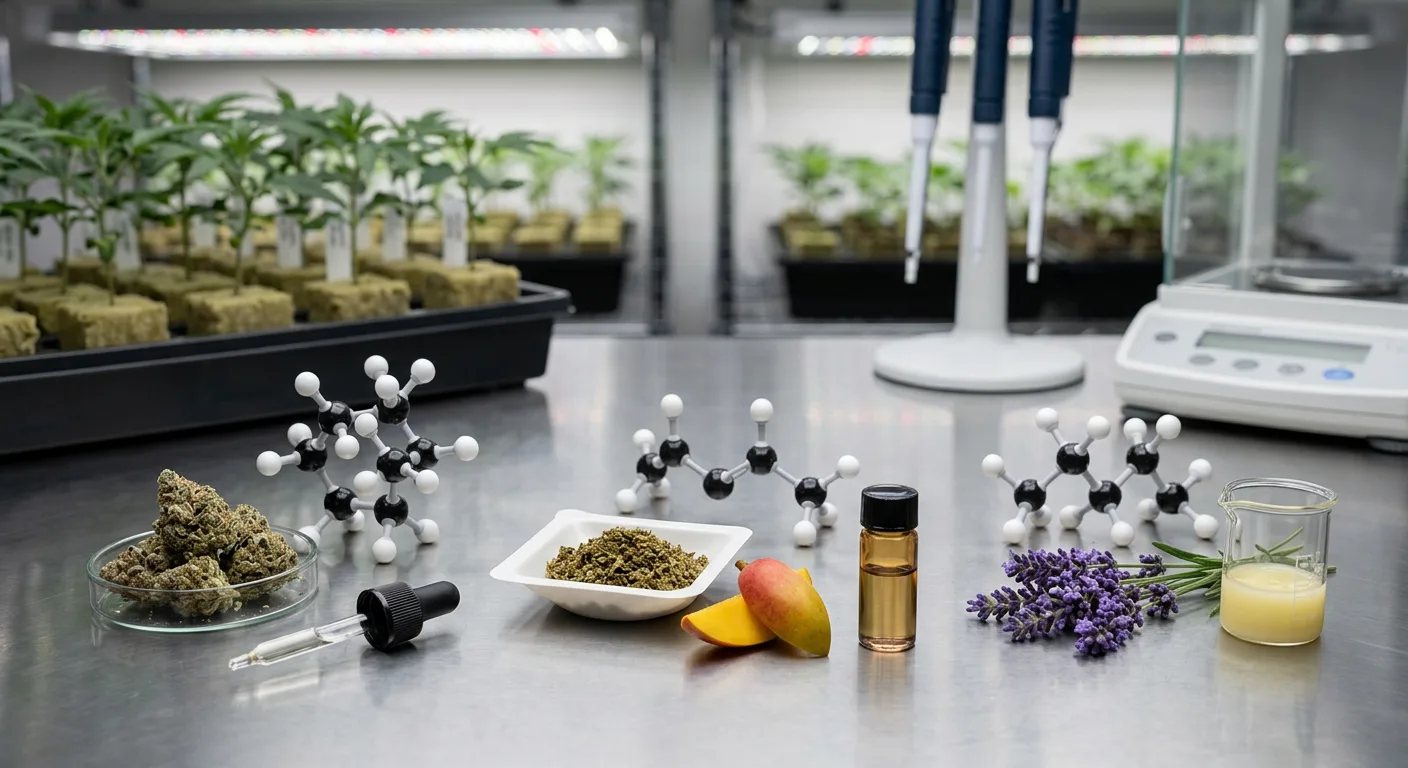
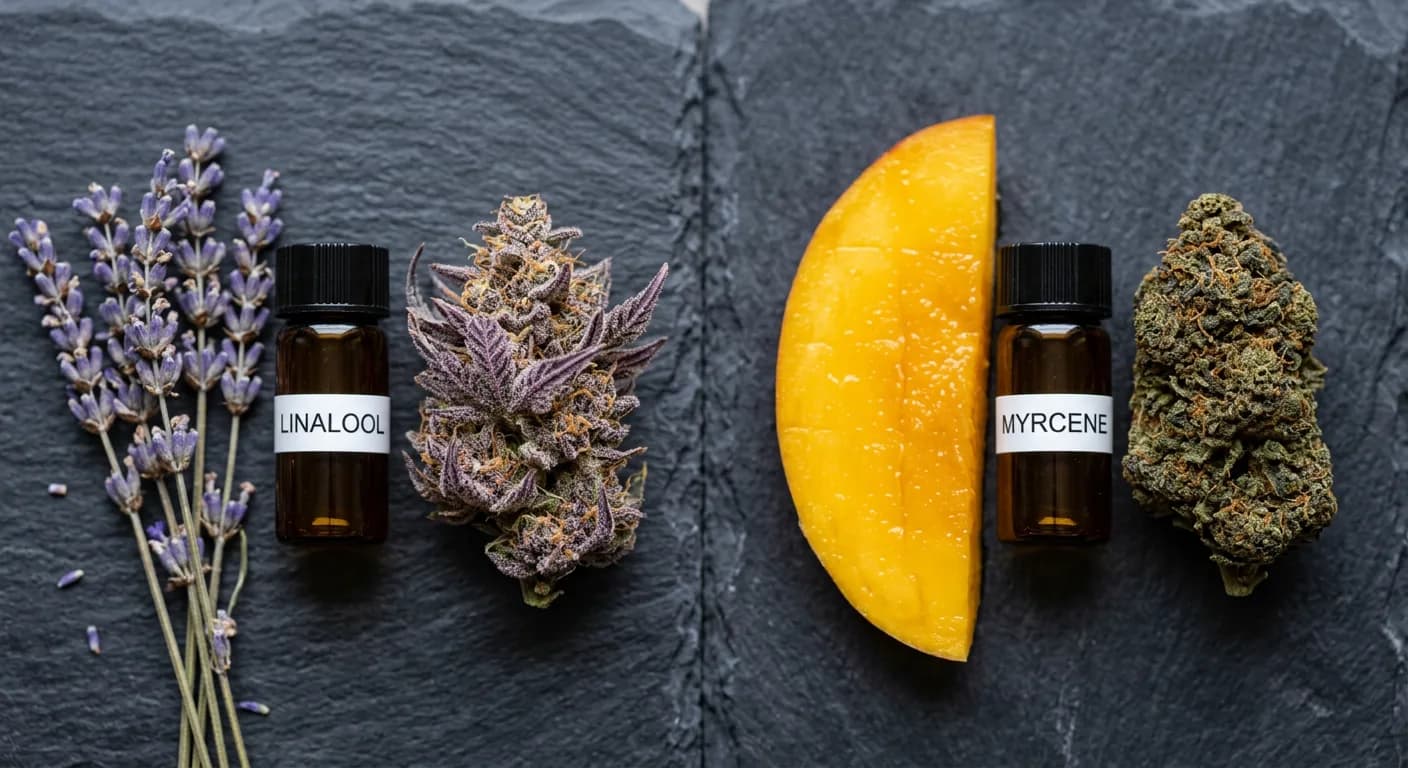
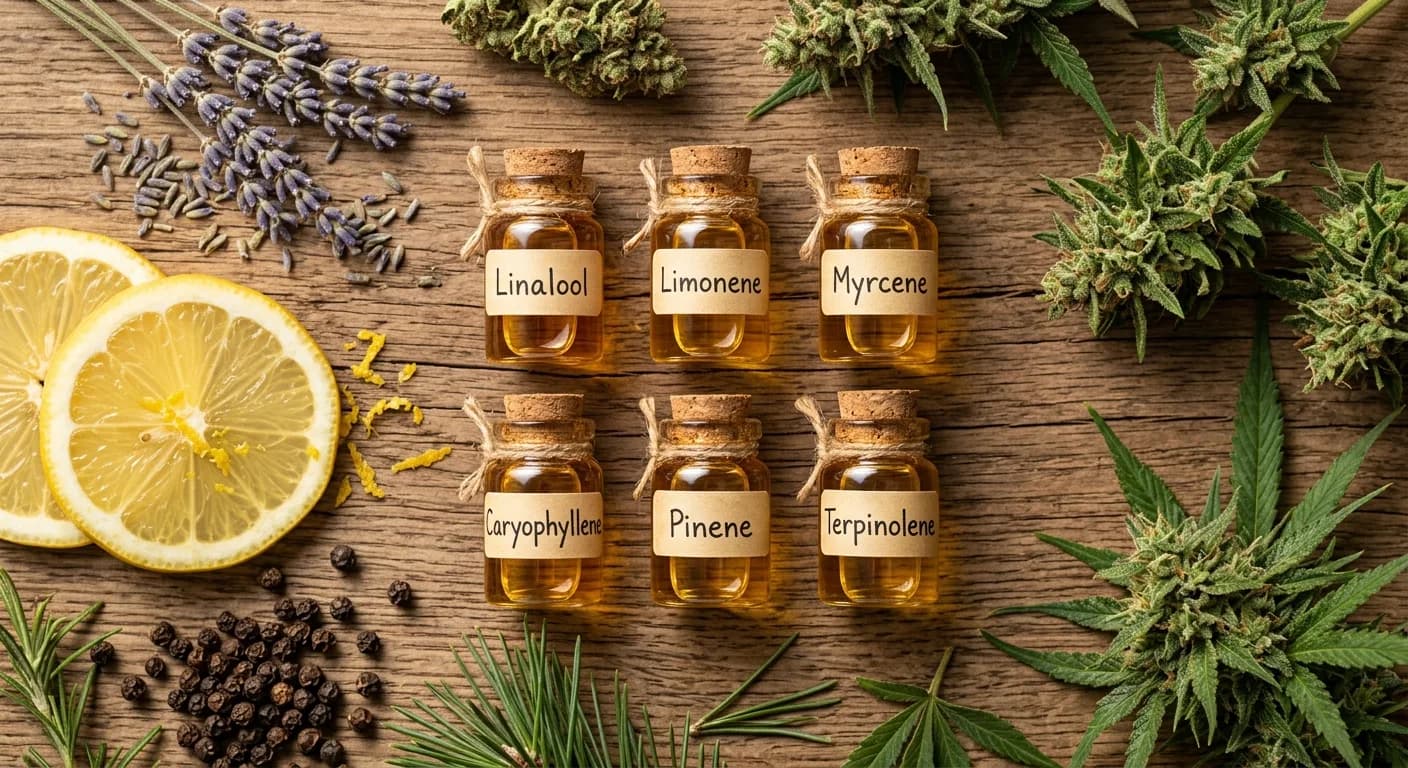
Three of cannabis's most therapeutically researched terpenes, caryophyllene, myrcene, and linalool, all demonstrate anti-inflammatory properties but through fundamentally different mechanisms. Understanding these differences helps you select strains that match specific therapeutic goals.
| Property | Beta-Caryophyllene | Myrcene | Linalool |
|---|---|---|---|
| Primary receptor target | CB2 (direct agonist) | No direct cannabinoid receptor binding | GABA-A, adenosine receptors |
| Anti-inflammatory mechanism | NF-κB inhibition via CB2; cytokine suppression | Prostaglandin E₂ inhibition; COX pathway modulation | Neuroinflammation reduction via adenosine pathway |
| Pain relief pathway | CB2 + μ-opioid partial agonism | μ-opioid receptor potentiation; sedation-adjacent | NMDA receptor modulation; analgesic in CNS |
| Psychoactive contribution | None, CB2 selective | Indirect: enhances THC absorption and sedation | None direct; sedating/anxiolytic via GABA-A |
| Best application | Systemic inflammation, gut health, immune modulation | Muscle relaxation, sleep, acute pain | Anxiety-related inflammation, neuroinflammation, stress |
| Common aroma | Spicy, pepper, diesel, clove | Earthy, musky, tropical fruit | Floral, lavender, citrus-sweet |
| Typical cannabis range | 0.1–1.2% by weight | 0.1–1.5% by weight | 0.01–0.5% by weight |
| Representative strains | OG Kush, GSC, Sour Diesel | Blue Dream, Granddaddy Purple, Northern Lights | Amnesia Haze, LA Confidential, Master Kush |
| Combined effect with CBD | Strong synergy, complementary CB2/FAAH pathways | Moderate synergy, sedation amplification | Strong synergy, anxiolytic amplification |
The practical takeaway from this comparison: caryophyllene is the only one of these three that operates through a true cannabinoid receptor binding mechanism. Myrcene and linalool work through separate biological pathways and provide different but complementary benefits. The ideal anti-inflammatory terpene profile for most users combines all three, spicy-earthy strains with floral accents provide the broadest therapeutic coverage. Our Terpene Synergy Guide explores these combinations in more detail.
The Grower's Edge: Does Your Cultivation Method Affect Caryophyllene Retention?
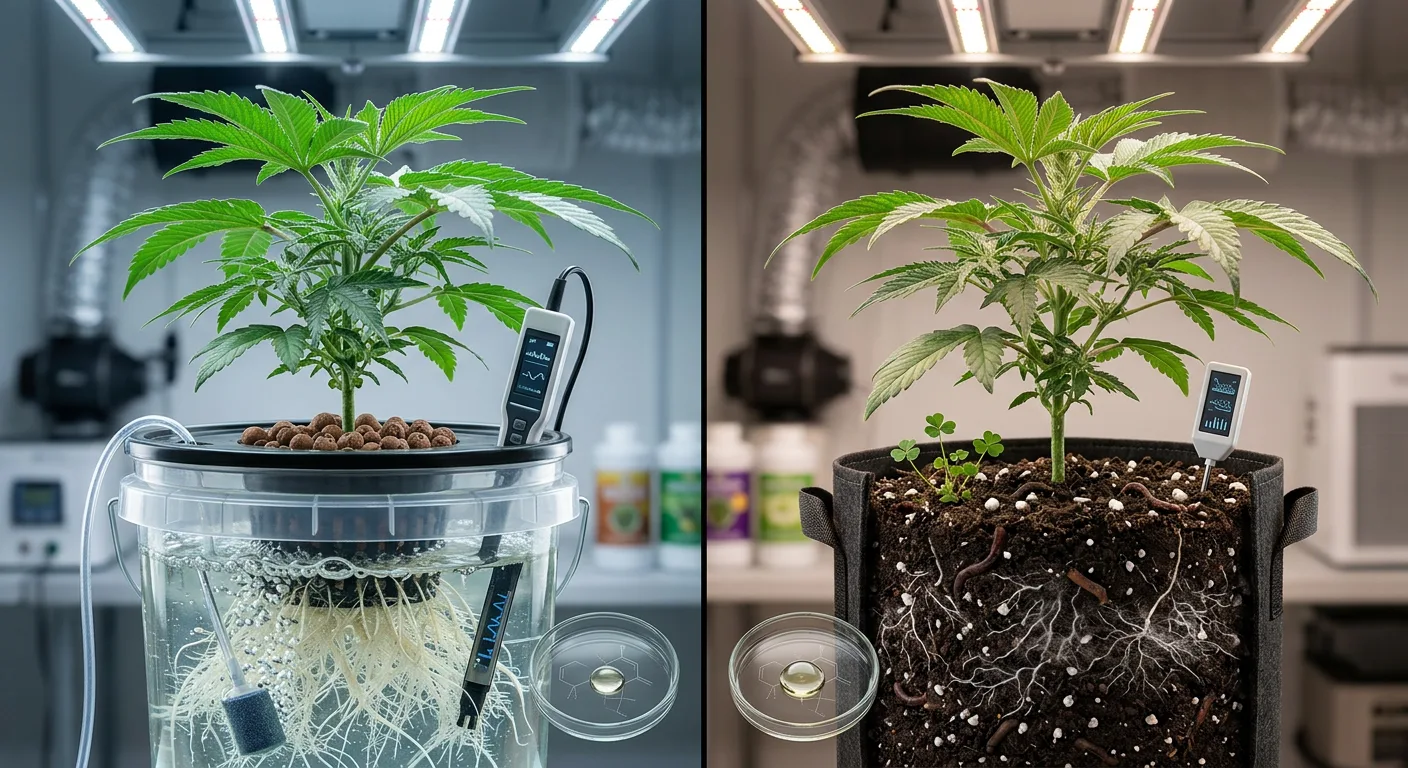
This section covers territory competitors almost universally ignore, yet it is critically important: caryophyllene retention from harvest through to final product is not guaranteed. Growing conditions, drying temperature, cure management, and storage all directly affect how much biologically active BCP survives to reach the consumer.
How Heat Degrades Caryophyllene During Drying
Beta-caryophyllene has a boiling point of approximately 130°C (266°F), lower than many people assume. This means it can volatilize and be lost at temperatures well below those that visibly damage plant material. The implications for post-harvest management are significant:
- Drying at temperatures above 25°C (77°F) measurably increases BCP loss compared to cooler environments
- Airflow that is too aggressive accelerates evaporation of volatile terpenes including BCP in the first 48–72 hours
- Direct light exposure during drying causes photo-oxidation of terpenes, BCP is among the most susceptible
- Studies on essential oil distillation show BCP content drops 15–40% when source material is exposed to temperatures above 35°C for extended periods
Optimal Drying Environment for BCP Retention
Target 18–21°C (64–70°F) with 55–60% relative humidity. Hang whole branches in a dark, well-ventilated room with gentle passive airflow, not fans blowing directly on buds. This 'slow dry' approach retains significantly more terpene mass than fast drying at higher temperatures.
Curing Protocol to Preserve CB2-Active Terpenes
Place dried flower in sealed glass jars at 62% relative humidity (use Boveda 62 packs as reference) at 18–20°C. Burp jars for 10–15 minutes twice daily for the first two weeks to allow residual moisture and metabolic gases to escape without rapid terpene loss. A 4–6 week cure measurably increases terpene complexity in most cultivars.
Long-Term Storage for Maximum BCP Preservation
After curing, maintain storage at 15–18°C in opaque, airtight glass containers. Freezing is an option for long-term storage (below -20°C halts terpene degradation almost entirely) but requires careful handling to avoid damaging trichomes during thawing. Avoid plastic bags, they create static that pulls trichomes and terpenes away from flower material.
Does Growing Medium Affect Caryophyllene Expression?
Terpene synthesis in cannabis is genetically programmed but environmentally influenced. Several cultivation variables have documented effects on final terpene profiles, including BCP content:
- Soil vs hydroponics: Living soil cultivation consistently produces more complex terpene profiles in comparative studies. Microbial activity in living soil generates metabolites that stimulate terpene synthesis pathways. BCP-heavy strains grown in rich organic soil with mycorrhizal networks typically test higher in total terpenes than the same genetics in sterile hydroponic media.
- Light spectrum: Increased UV-B exposure in the final 2–3 weeks of flowering has been shown to elevate terpene production as a plant stress response. Supplemental UV-B can raise total terpene content by 10–20% in some cultivars.
- Temperature differential (day/night): A 10°C drop at night ('night drop') during late flowering signals the plant to produce secondary metabolites including terpenes. Target 18°C nights against 26–28°C days in the final three weeks of flower.
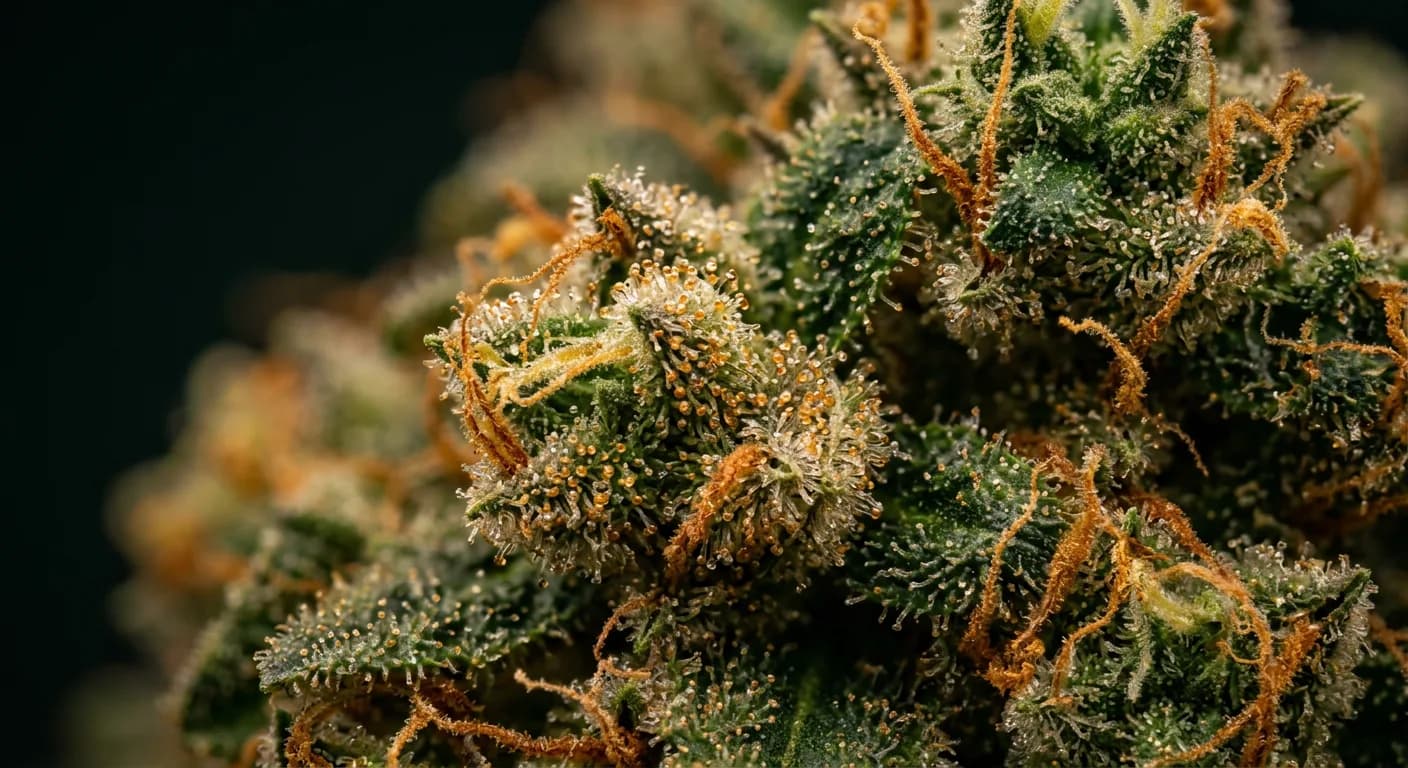
- Harvest timing: Terpene profiles peak at a specific point in trichome development, generally when approximately 20–30% of trichomes have turned amber in most caryophyllene-dominant strains. Harvesting too early or too late reduces BCP concentration as terpenes either have not fully accumulated or have begun to degrade.
Grower's Tip: Environmental stress in the final 2 weeks of flowering, including slight reduction in watering, increasing temperature differential, and controlled UV-B exposure, can meaningfully increase caryophyllene expression. This technique, sometimes called 'stress finishing,' is used by experienced cultivators to push terpene production beyond baseline genetic expression. Do not apply nutrient stress, only environmental stress, to avoid affecting bud density and THC accumulation.
The Decarboxylation Problem: Protecting BCP During Edible Production
If you are making edibles or extracts from high-caryophyllene flower, decarboxylation temperature management is critical. The standard decarboxylation recommendation of 115°C (240°F) for 40–60 minutes will activate THCA into THC but simultaneously destroy a substantial portion of your BCP. At 130°C, BCP boils off entirely.
For edible applications where you want to preserve BCP alongside activated THC, decarboxylate at a lower temperature for a longer duration: 95–105°C (203–221°F) for 90–120 minutes. This achieves approximately 80–90% THCA conversion while retaining significantly more BCP. Our Decarboxylation Science Guide covers the full temperature-time tradeoffs in detail. For precise edible dosing with preserved terpene profiles, the Edible Dosage Calculator can help you plan your formulation accurately.
Does Caryophyllene Get You High? The Non-Psychoactive Cannabinoid Explained
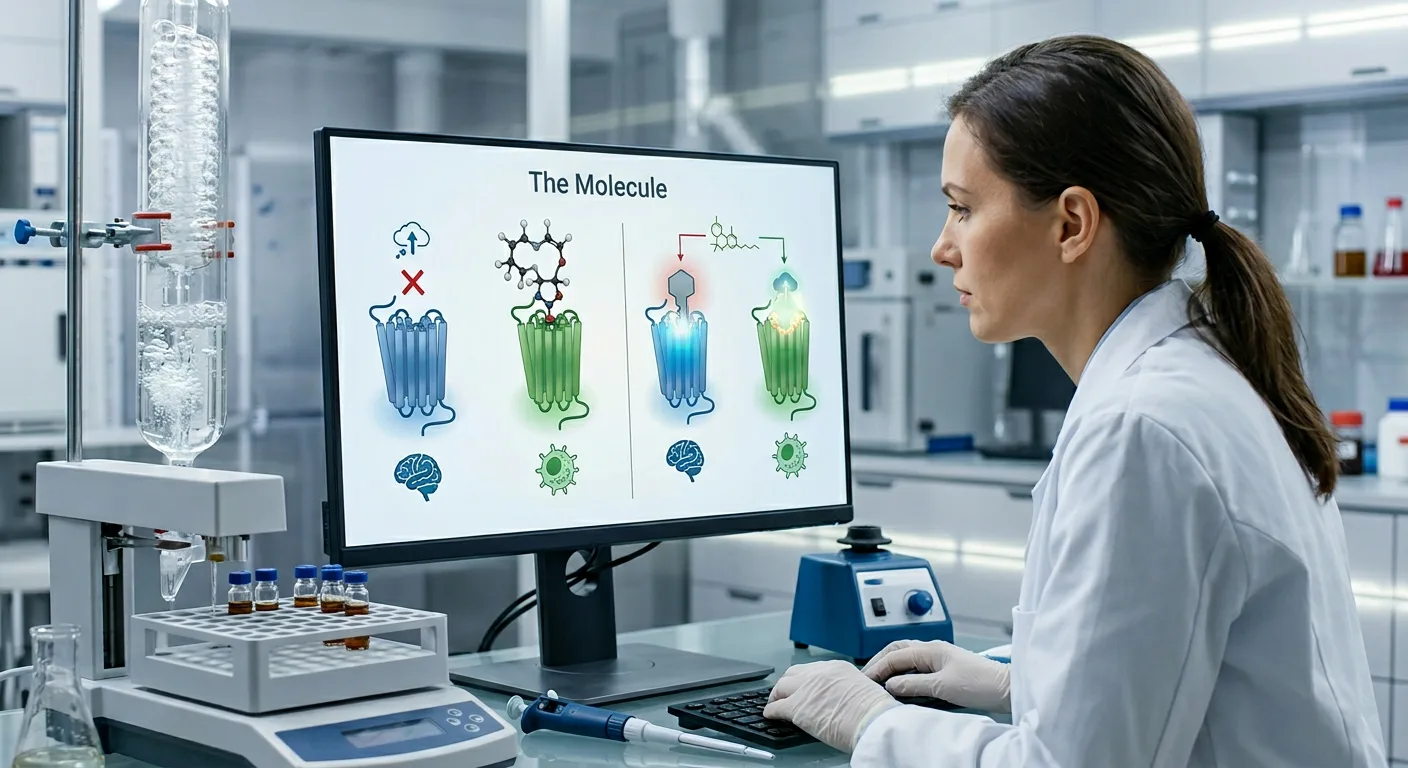
No, caryophyllene does not produce psychoactive effects. It binds exclusively to CB2 receptors, which are located primarily in immune tissue and peripheral organs, not the CB1 receptors in the brain that THC activates to produce the familiar cannabis 'high.' You can eat large amounts of black pepper or clove oil (both very high in BCP) without any intoxicating effect whatsoever.
Why 'Dietary Cannabinoid' Does Not Mean 'Gets You High'
The classification of BCP as a dietary cannabinoid refers specifically to its mechanism of action: it uses the endocannabinoid system's receptor infrastructure, not its psychoactive properties. The endocannabinoid system performs dozens of regulatory functions in the body beyond generating a high, including immune regulation, pain modulation, gut motility control, and stress response management. BCP engages these systems without touching the psychoactivity machinery.
This distinction has important practical implications for people who want the anti-inflammatory benefits of the endocannabinoid system but cannot or do not want to experience intoxication. BCP offers a pathway to CB2 activation that is available through diet, hemp products, and CBD-dominant cannabis without any psychoactive risk. The Endocannabinoid System Guide provides deeper context on how this receptor network governs multiple body systems beyond simply producing highs.
For strain selection: high caryophyllene content does not make a strain more or less potent in the psychoactive sense. THC percentage determines intoxication intensity. BCP percentage determines the depth of CB2-mediated therapeutic activity running in parallel. These are independent variables: the best outcome is often maximizing both intentionally.
Caryophyllene vs CBD: Are They Interchangeable?
A common question is whether BCP and CBD serve the same function since both are non-psychoactive and anti-inflammatory. They are not interchangeable: they work through fundamentally different mechanisms and have distinct therapeutic strengths:
- BCP: Direct CB2 agonist, activates the receptor like turning on a switch. Particularly effective for systemic inflammation, gut inflammation, and peripheral pain.
- CBD: Indirect endocannabinoid modulator, inhibits FAAH enzyme (which breaks down the body's own cannabinoids), interacts with serotonin receptors (5-HT1A), and opposes CB1 overactivation. Particularly effective for anxiety, nausea, and neurological conditions.
The combination of BCP + CBD is arguably more powerful than either alone, they access overlapping but non-redundant mechanisms, creating true synergy rather than simple addition. This is why Cookies-lineage CBD cultivars with high BCP content attract significant interest in functional wellness applications.
Why Caryophyllene Is the Most Underrated Cannabis Terpene: The Case for Prioritizing It
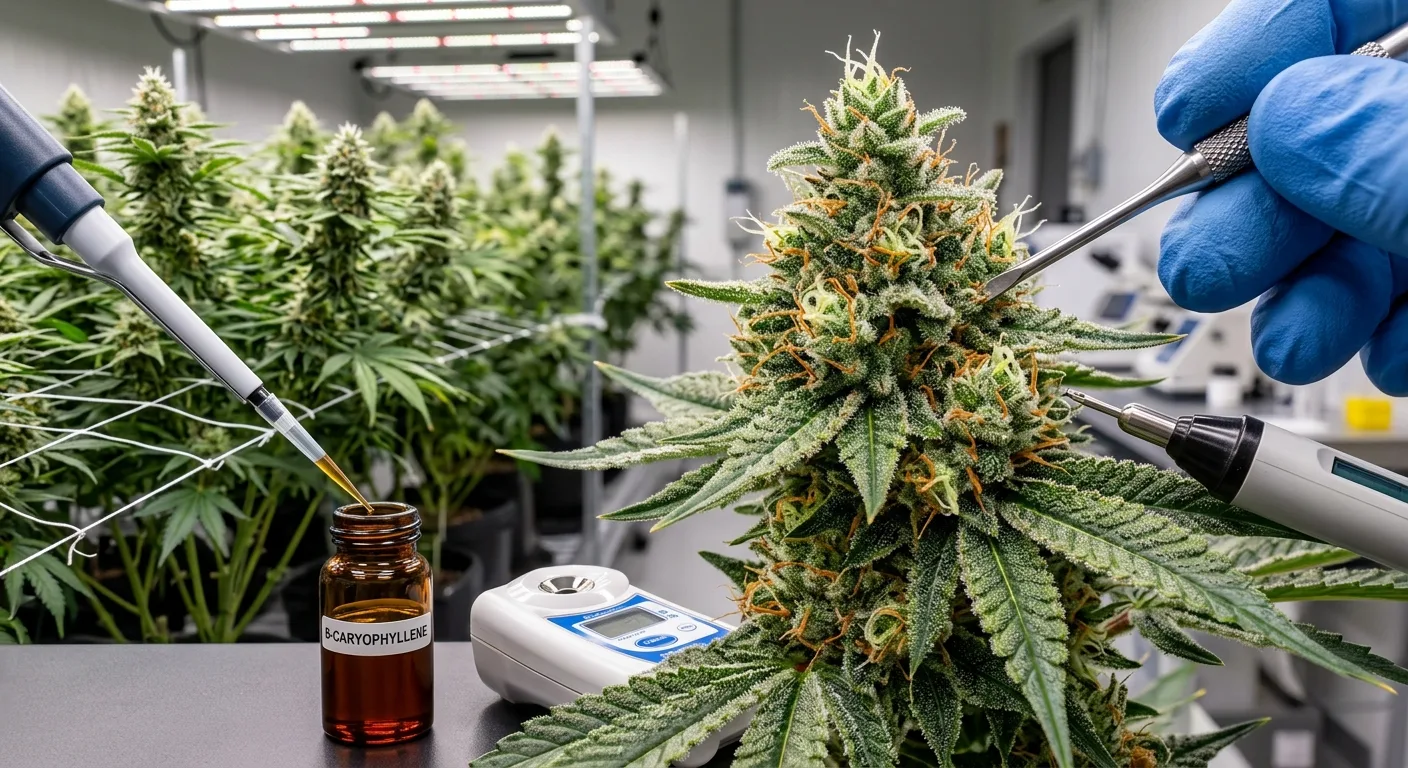
Despite being the only terpene with direct cannabinoid receptor activity, caryophyllene consistently receives less attention in strain marketing than myrcene, limonene, or linalool. This represents a significant knowledge gap, and a real opportunity for growers and consumers who understand the science.
The Marketing Problem: THC Fixation Obscures Terpene Value
Legal market dynamics have pushed consumers and producers toward optimizing THC percentage as the primary quality metric. This has created an environment where a 30% THC strain with 0.1% total terpenes is marketed as superior to a 22% THC strain with a rich 3.5% total terpene profile including 0.8% caryophyllene. The evidence does not support that hierarchy.
Multiple studies comparing whole-flower cannabis to pure THC isolate at equivalent doses consistently show that whole-flower provides better outcomes for pain, anxiety, and sleep in patient populations. The terpene profile, particularly CB2-active compounds like BCP, is a primary driver of this difference. Growers who master caryophyllene expression are cultivating a genuinely superior product by any therapeutic measure, even if the THC number does not look as dramatic on a shelf tag.
The Future: BCP in Drug Development and Legal Hemp
Beta-caryophyllene is already FDA-approved as a food additive (GRAS status, Generally Recognized As Safe) because of its ubiquity in the food supply. This regulatory status gives it a fundamentally different legal profile than any cannabinoid, including CBD, in many jurisdictions. BCP-concentrated hemp products are emerging as a distinct product category with regulatory advantages that traditional cannabinoid products do not have.
For cannabis breeders, BCP's GRAS status and unique pharmacology make it a target for purpose-built cultivar development. As the market matures beyond THC-percentage competition, strains bred specifically for high-BCP expression alongside balanced THC/CBD ratios will likely command premium positioning in the medical and functional wellness segments. Understanding BCP now positions both growers and consumers ahead of that curve.
The ultimate grower's insight: terpene percentage and profile are cultivatable traits just like THC content. Selecting genetics with strong caryophyllene expression, optimizing environmental conditions to maximize terpene production, and managing post-harvest carefully to preserve BCP are skills that directly increase the therapeutic value and marketability of your cannabis. The Cannabis Terpene Chart is an essential reference for understanding where caryophyllene fits within the full terpene landscape.
Cultivation Caution: Do not confuse high caryophyllene expression with resistance to terpene degradation during post-harvest. Even strains genetically programmed for high BCP will lose the majority of their terpene content if dried above 30°C, exposed to prolonged light, or stored in poor conditions. Genetics sets the ceiling, harvest management determines what percentage of that ceiling you actually retain in the final product.
Frequently Asked Questions
Is caryophyllene a cannabinoid?
Yes, beta-caryophyllene is the only terpene officially classified as a dietary cannabinoid. It binds directly and selectively to CB2 receptors in the human endocannabinoid system, producing anti-inflammatory and analgesic effects through the same receptor infrastructure used by cannabinoids like THC and CBD. This was established in a peer-reviewed 2008 study by Gertsch et al. in the Proceedings of the National Academy of Sciences. Unlike THC, BCP does not bind to CB1 receptors and produces no psychoactive effects.
What strains are highest in caryophyllene?
The strains most consistently testing highest in beta-caryophyllene include Original Glue (GG4), Girl Scout Cookies, Bubba Kush, Wedding Cake, OG Kush, Sour Diesel, and Purple Kush. On COA lab reports, expect caryophyllene to appear as the dominant or second terpene in these cultivars, often in the 0.5–1.0%+ range. Kush-lineage and Cookies-family genetics show the strongest and most consistent BCP expression across different growing environments.
Does caryophyllene get you high?
No. Caryophyllene binds exclusively to CB2 receptors, which are found primarily in immune tissue and peripheral organs, not in the brain's CB1 receptors that THC activates to produce intoxication. You consume meaningful amounts of BCP every time you eat black pepper, cloves, or foods containing these spices without any psychoactive effect. In cannabis, high caryophyllene content does not increase the 'high': it adds therapeutic CB2 activity running independently of any psychoactive effects from THC.
What is the difference between caryophyllene terpene and beta caryophyllene?
In cannabis contexts, 'caryophyllene' and 'beta-caryophyllene' typically refer to the same compound, the beta isomer of the sesquiterpene caryophyllene. The distinction becomes important when contrasted with alpha-caryophyllene, which is also known as humulene and has different pharmacology. Only beta-caryophyllene (BCP) binds to CB2 receptors. On COA lab reports, look specifically for 'β-caryophyllene' or 'beta-caryophyllene' to confirm you are reading BCP data rather than a combined isomer total.
Can caryophyllene reduce inflammation without getting high?
Yes. Because BCP targets only CB2 receptors in immune tissue rather than CB1 receptors in the brain, it modulates inflammation through the endocannabinoid system without causing intoxication. Pre-clinical research shows significant anti-inflammatory effects including reduced NF-κB activity, decreased inflammatory cytokine production, and protection against neuroinflammation. This makes BCP-rich cannabis and hemp products uniquely valuable for users seeking therapeutic benefits without psychoactive effects. Always consult a healthcare professional before using cannabis therapeutically.