Swazi Feminized Seeds
By Ivan K., DSS Genetics · Updated April 2026

Swazi Feminized Seeds
SKU: DSS-SWAZI-FEM-5PK
Pack Size
Quantity
Disclaimer: For informational purposes only — not medical advice. Consult a healthcare professional before use.
About This Strain
Swazi Feminized Seeds — Complete Strain Profile
Swazi Feminized Seeds – Strain Overview
Swazi is a pure 100% sativa landrace sourced directly from the mountains and lowlands of Swaziland (now eSwatini) in southern Africa, where it has evolved over centuries without human hybridization. This genetic purity is extraordinarily rare in today's cannabis market — most strains sold as 'sativa' carry significant indica influence, but Swazi is the real thing: unadulterated African genetics that predate modern breeding entirely. With THC levels running 14–18% and CBD between 0.1–1%, it delivers a clean, soaring high that synthetic hybrids simply can't replicate.
Swazi landrace seeds have been quietly revered by connoisseurs and breeders who understand the value of original genetic stock. As a cornerstone of the best sativa strains available today, Swazi offers something increasingly hard to find — a high that is entirely cerebral, unmuddied by indica genetics, and deeply connected to the plant's natural evolutionary roots. If you've only ever grown hybrids, growing Swazi will fundamentally change how you think about cannabis.
Effects and Medical Benefits
The Swazi high opens fast — within minutes of the first exhale, there's a brightening behind the eyes and a sharpening of thought that feels less like intoxication and more like the world coming into focus. This isn't the chaotic, racing energy of poorly grown sativas; it's composed, directed, and surprisingly clear-headed for a strain pushing 18% THC.
As the high settles over 20–30 minutes, creativity begins to flow naturally. Ideas connect in unexpected ways. Conversation becomes effortless. Tasks that felt heavy suddenly feel manageable. What makes Swazi remarkable is how the energetic and focused components coexist without anxiety — a balance many pure sativas fail to achieve.
Users consistently report these core effects:
- Energetic mental lift — a clean, sustained cerebral activation without jitteriness or paranoia
- Creative expansion — enhanced lateral thinking, ideal for artistic work, writing, or problem-solving
- Focused clarity — unusual for a sativa this potent; thoughts stay organized rather than scattered
- Gentle body relaxation — despite being pure sativa, late-stage effects bring mild physical ease without sedation
On the medical side, Swazi is chosen by patients dealing with conditions that respond to uplifting, activating cannabis:
- Stress — the mood elevation cuts through tension quickly and effectively
- Anxiety — moderate THC levels keep the experience manageable; more forgiving than high-THC sativas
- Depression — the energetic, motivated quality is particularly useful for low-mood days
- Fatigue — Swazi functions as a genuine daytime strain; it wakes the body and mind without a subsequent crash
- Insomnia — paradoxically, exhausting the mind creatively through the day can improve sleep quality at night
The modest CBD content (up to 1%) works alongside the cannabinoid and terpene profile through the entourage effect, potentially softening the edge of the THC experience and contributing mild anti-inflammatory support — which helps explain why Swazi feels so much smoother than its THC percentage alone would suggest.
Aroma, Flavor and Terpene Profile
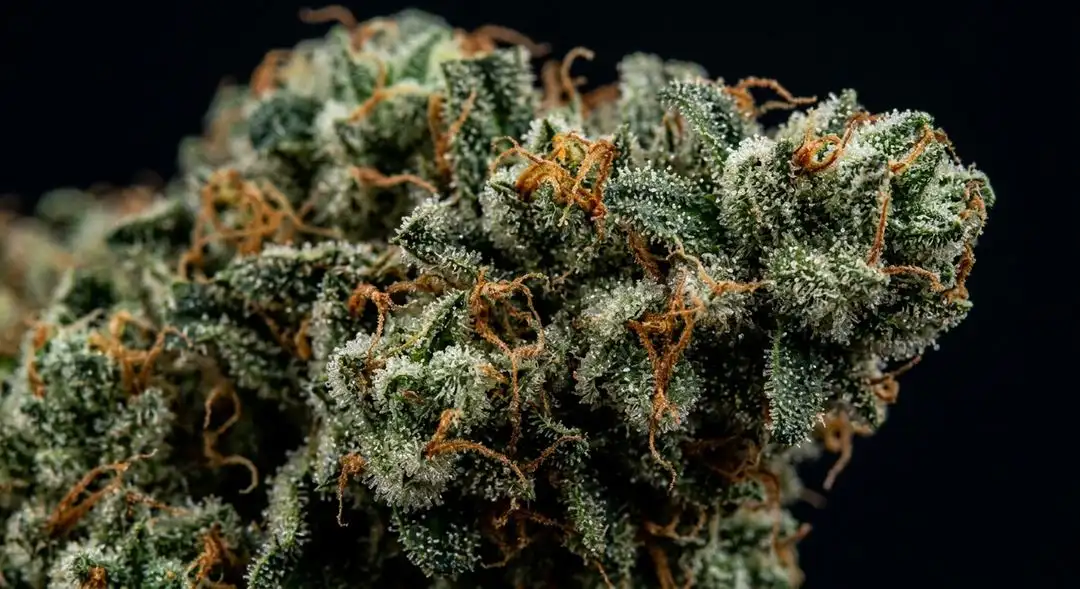
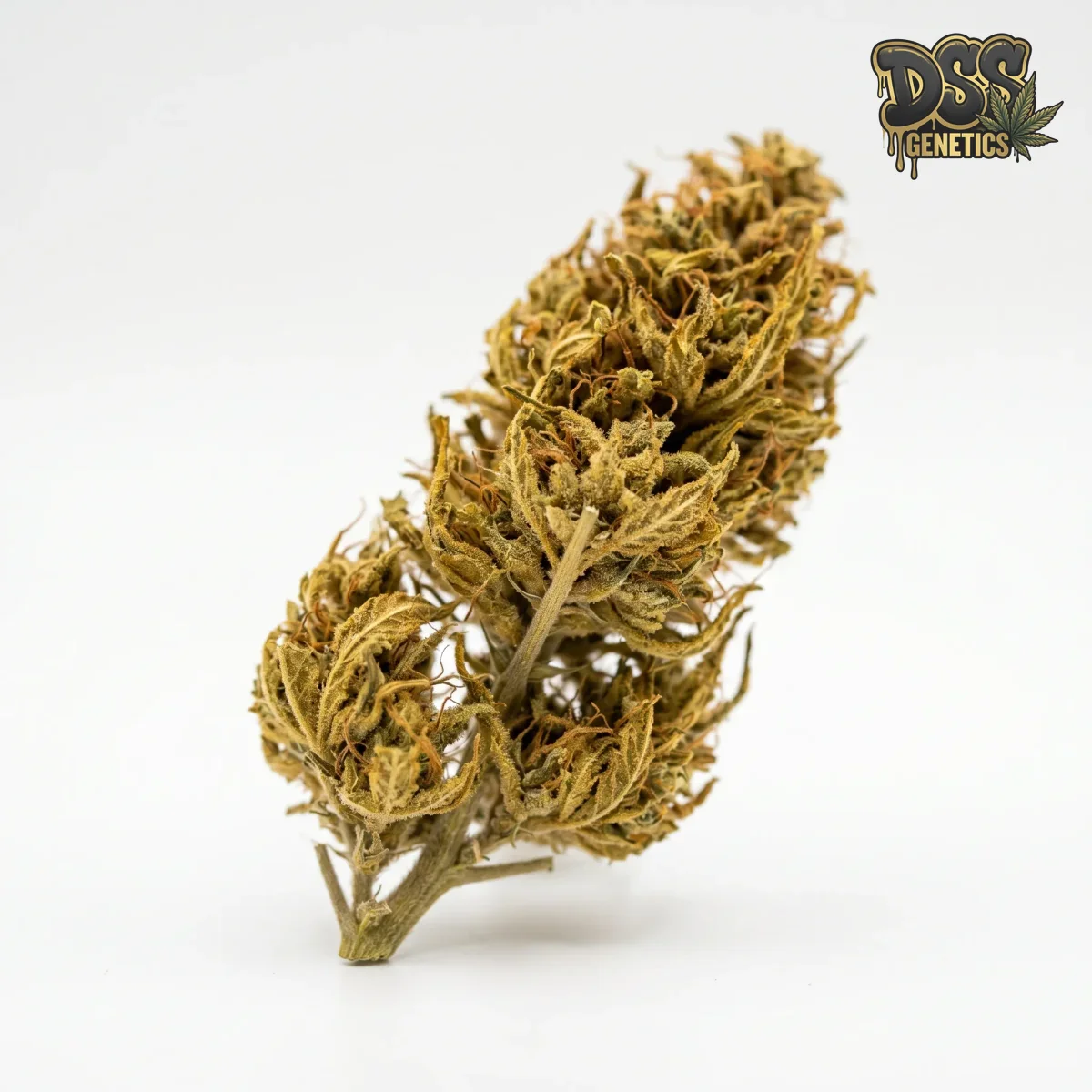
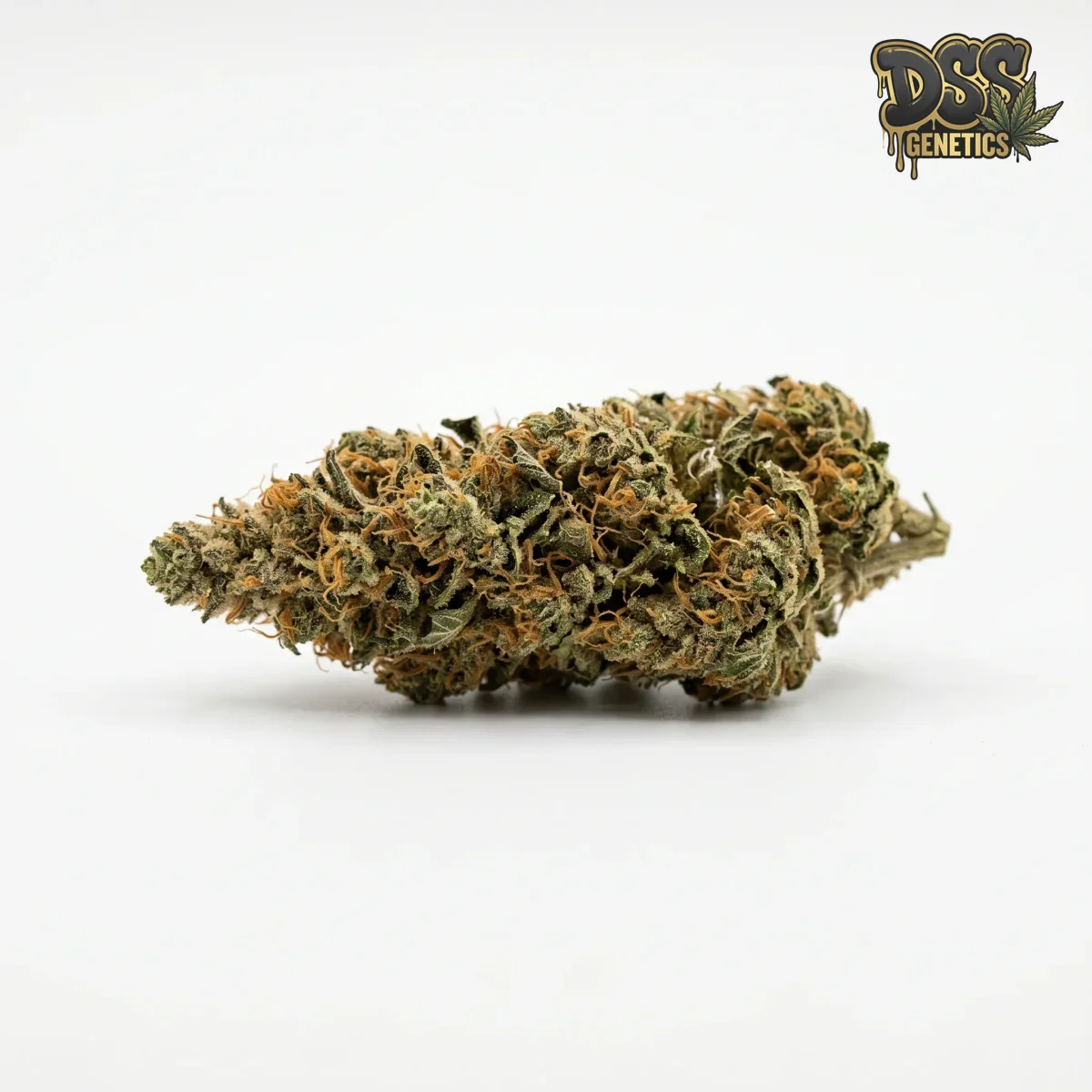
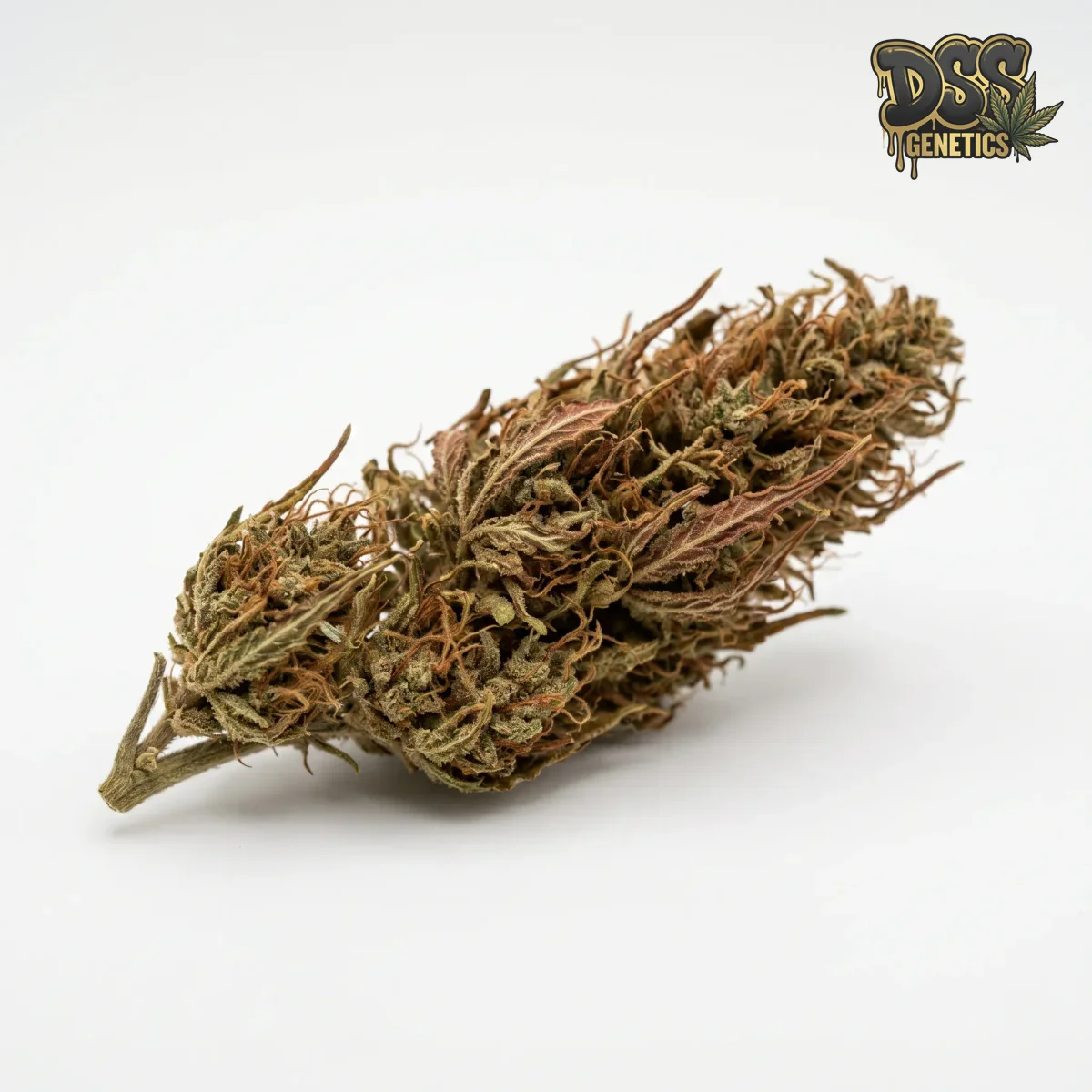
Break open a cured Swazi bud and the first wave is unmistakably tropical — bright lemon zest and ripe citrus, almost like freshly squeezed juice, layered over a warm earthy base that carries hints of African soil and dry grass. It's a complex aroma that smells ancient and alive at the same time, nothing like the synthetic candy-fruit profiles that dominate modern strains.
On the inhale, sweet and fruity notes dominate — there's a clean spiciness underneath, subtle but persistent, that becomes more prominent as the smoke or vapor warms. The exhale opens up into something earthier and slightly woody, with a lingering citrus-lemon finish that coats the palate pleasantly. The overall flavor experience is lighter and more nuanced than heavy resin strains, which fits perfectly with the clear-headed high Swazi delivers.
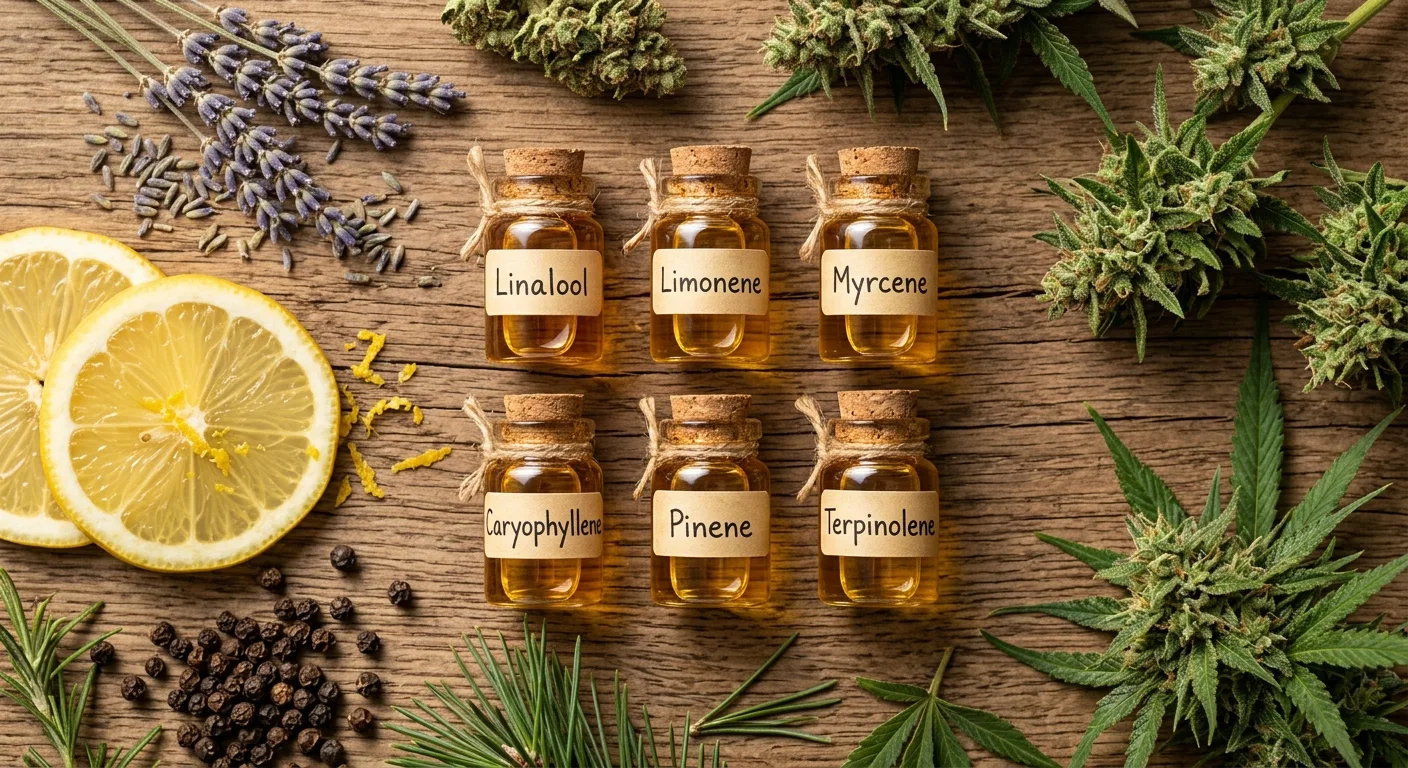
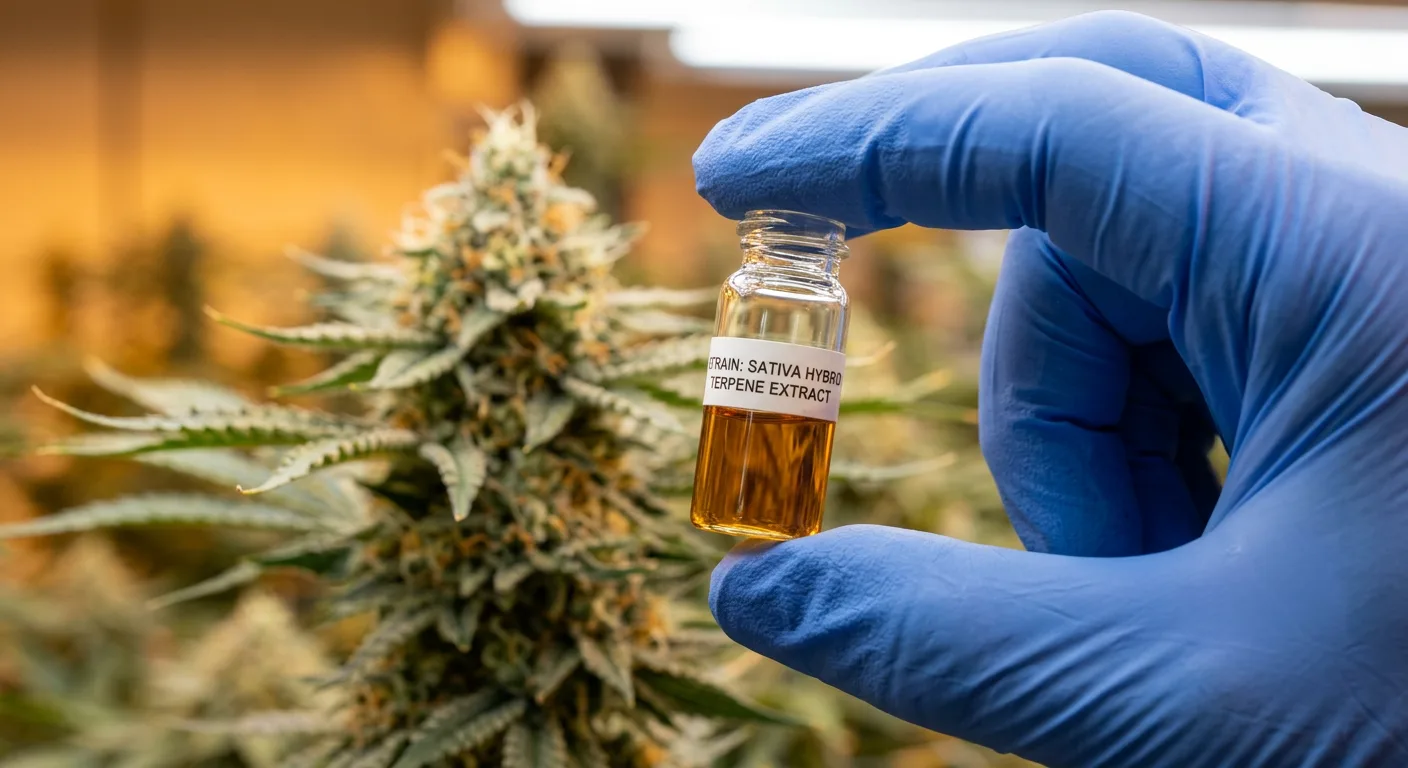
Limonene is the terpene that defines the Swazi experience from the first smell. This citrus-forward compound is responsible for the bright lemon and fruity top notes and is well-documented for its mood-elevating and anxiolytic properties — which directly explains why Swazi's high feels uplifting rather than anxious despite its pure sativa genetics. Limonene also shows potential as an antifungal and antibacterial agent, adding to the plant's natural resilience.
Myrcene provides the earthy, warm base note beneath Swazi's citrus brightness. While Myrcene is often associated with indica sedation at higher concentrations, at the moderate levels present in Swazi it acts more as a grounding element — adding body and warmth to the experience rather than heaviness. It may also enhance THC permeability across the blood-brain barrier, contributing to the fast-acting onset Swazi is known for.
Caryophyllene delivers that subtle spicy warmth detectable mid-smoke. It's the only terpene known to act as a cannabinoid, binding directly to CB2 receptors and contributing anti-inflammatory effects without any psychoactive change. In Swazi, Caryophyllene works in the background — you notice it as a pleasant warmth in the throat and chest rather than an overt flavor.
Pinene rounds out the profile with hints of fresh pine and forest air that sharpen the citrus notes and keep the aroma clean. Pinene is notable for its potential to counteract short-term memory impairment associated with THC and to support bronchodilation — both of which align with Swazi's reputation as a strain that keeps the mind sharp even at higher consumption levels.
Growing Swazi Seeds
We'll be straightforward: Swazi is rated difficult, and that rating is earned. This is a true equatorial landrace accustomed to 12-hour light cycles year-round, long dry seasons, and open African landscapes. Forcing it to perform in a Northern Hemisphere grow room or a temperate outdoor garden requires real grower skill and patience. What we've found over dozens of grows with equatorial landraces is that the growers who struggle most are those who try to rush the plant — Swazi will not be rushed.
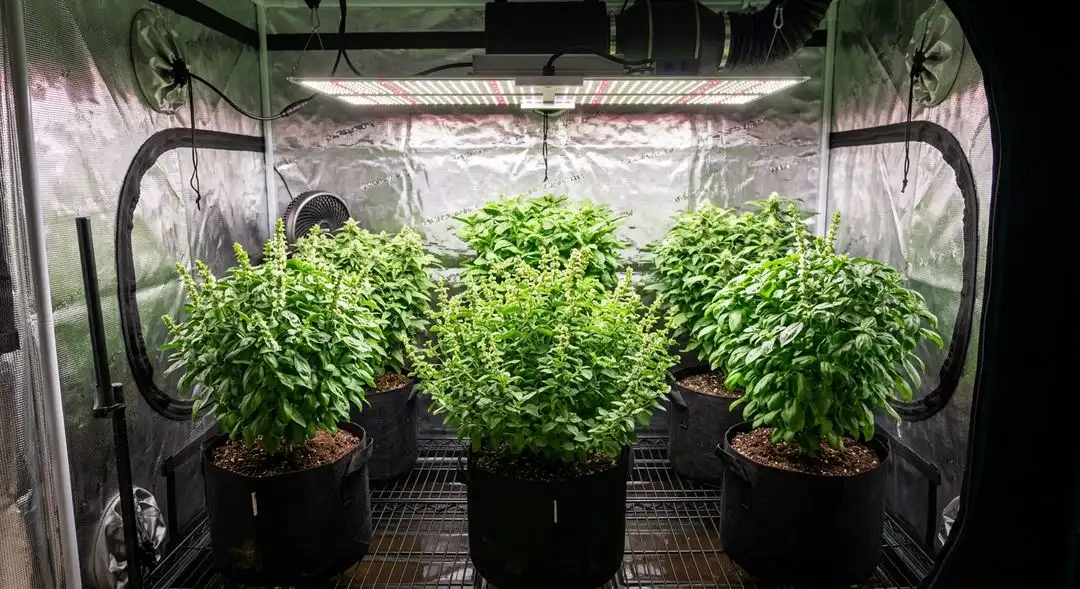
Indoors, the single biggest challenge is managing the flowering stretch. Swazi can double or even triple in height when flipped to 12/12, so topping and training well before the flip is essential. Ideal indoor temperatures sit between 72–82°F during lights-on, dropping to 65–70°F during lights-off. Keep relative humidity at 55–65% through the vegetative stage, then step it down to 45–55% during early flower, and 40–45% during the final 3 weeks of the 84–98 day flowering window.
Outdoors, Swazi performs best in climates that mimic its origin — warm, sunny, with a long growing season. It can be grown successfully in Mediterranean climates, Southern US states, Australia, and similar latitudes. The plants benefit enormously from an extended vegetative period: the longer you veg, the greater the canopy and the higher the eventual yield. Read our complete outdoor growing guide before planning your season — Swazi's late finish requires careful timing to beat autumn rains in cooler climates.
Key growing tips for Swazi:
- Control the stretch: Implement LST, topping, or screen of green (SCROG) during veg — Swazi's equatorial genetics drive aggressive vertical growth once flowering begins, and managing height early prevents ceiling issues indoors
- Be patient with flowering: At 84–98 days, Swazi runs longer than almost any hybrid in existence — check our flowering stage guide and don't harvest early; the trichome development in the final two weeks is significant
- Dial in nutrients carefully: Swazi is not a heavy feeder compared to modern hybrids — consult the nutrient guide and keep nitrogen moderate throughout, increasing phosphorus and potassium from week 6 of flower onward
- Maximize light exposure outdoors: Swazi evolved under intense equatorial sun — the more direct light hours per day, the better; review our outdoor growing guide for positioning and seasonal timing advice
- Humidity management is critical late flower: Despite its tropical origins, Swazi is susceptible to bud rot in humid conditions during its extended flowering period — airflow and humidity control in the final 3–4 weeks are non-negotiable for indoor growers
Yield and Flowering Time
Swazi flowers in 84–98 days — one of the longest flowering periods in our entire catalog, a direct consequence of its equatorial heritage where seasonal light changes are minimal. The investment in time pays off: indoor growers achieve 2–2.4 oz/ft², which is strong performance for a pure sativa of this complexity. Outdoor plants are where Swazi truly shines, with individual plants capable of producing 26–30 oz under optimal conditions. For context, that's among the highest outdoor yields of any strain in our best sativa collection, rivaling many purpose-bred high-yield varieties.
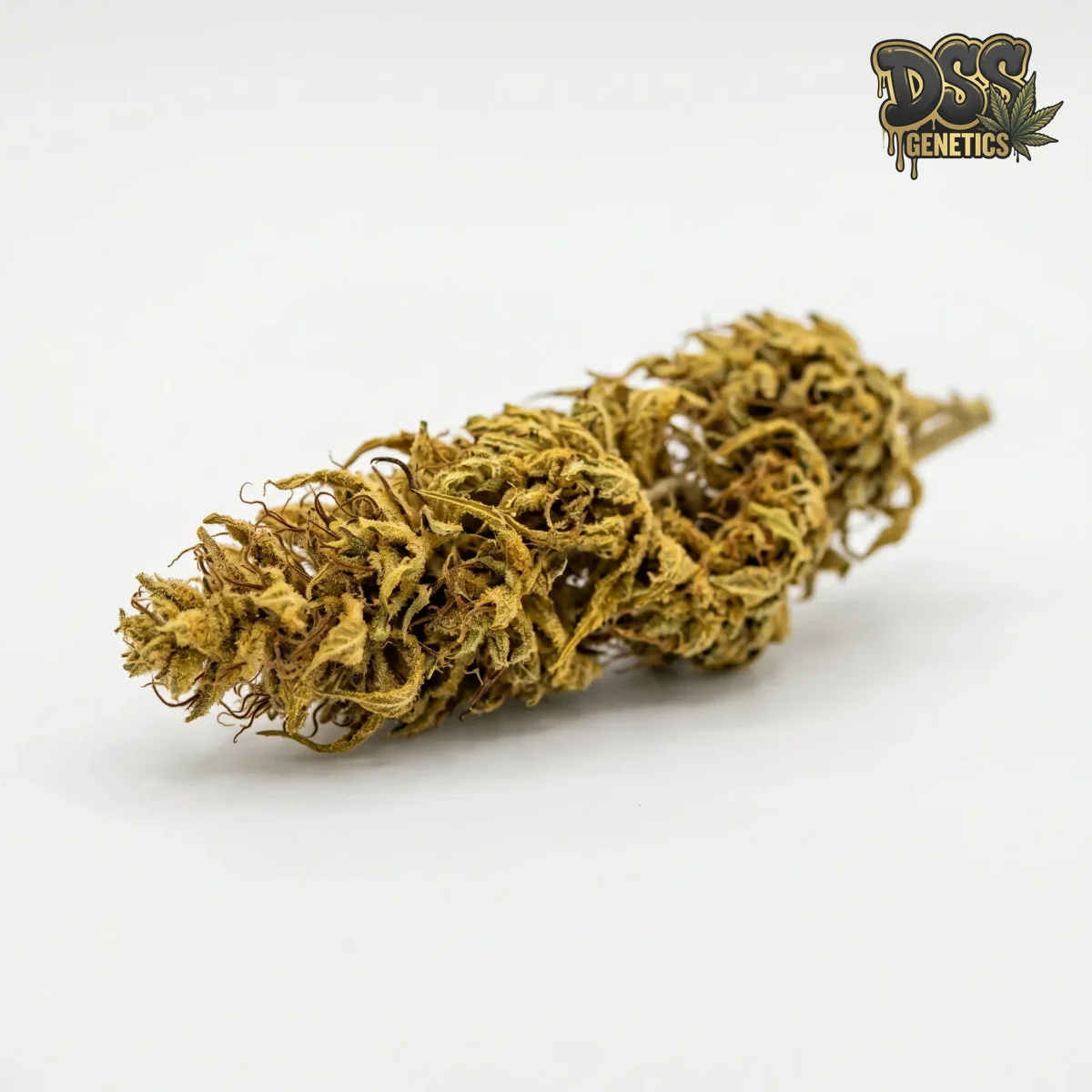
The buds Swazi produces are characteristically sativa in structure — long, airy, and coated in a fine layer of resin that becomes noticeably more developed in the final two weeks of flowering. Don't be fooled by their lighter density compared to indica-dominant strains; these buds are potent, aromatic, and cure beautifully into something exceptional. If yield is your primary concern alongside quality, also explore our high-yield strains for faster-finishing alternatives.
To maximize your harvest:
- Trichome timing is everything: With a 98-day maximum window, check trichomes under magnification from day 84 onward — harvest when 70–80% of trichomes are milky white with 10–15% amber for peak effect; earlier harvests will reduce potency substantially
- Final flush: Run plain pH-balanced water for the last 7–10 days before harvest to clear residual nutrients and allow the natural terpene profile to fully express — this step dramatically improves the flavor of Swazi's delicate citrus notes
- Late-flower humidity drop: Reduce to 38–42% relative humidity in the final 2 weeks to stress the plant slightly and encourage additional resin production on these naturally lighter sativa buds
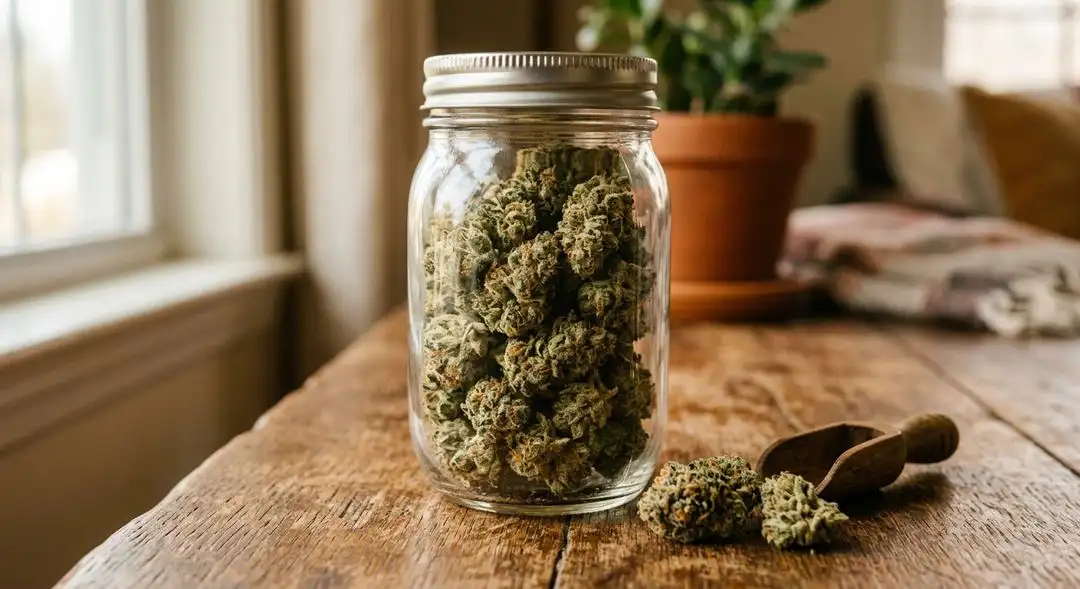
- Slow dry and long cure: Swazi's complex terpene profile develops significantly during the cure — follow a full drying and curing protocol of 10–14 days drying at 60–65°F and 55–60% RH, followed by a minimum 4-week jar cure; the difference between a 2-week and 6-week cure on this strain is remarkable
Why Buy Swazi Seeds from DSS Genetics?
Every Swazi feminized seed leaves our facility with a full germination guarantee — if a seed doesn't sprout under proper conditions, we replace it, no questions asked. We source and store our landrace genetics with particular care, understanding that strains like Swazi represent irreplaceable genetic heritage that deserves to be preserved and shared correctly. Orders ship discreetly in discreet, plain packaging with no cannabis-related branding anywhere on the parcel.
- Germination guaranteed — every seed backed by our replacement promise; start with our germination guide for best results
- Discreet shipping — plain, unmarked packaging on every order
- Spend $100+ — receive complimentary premium seeds added to your order automatically
- Authentic landrace genetics — Swazi seeds sourced from verified African genetic stock, stored under controlled conditions to ensure maximum viability and true-to-type expression
Frequently Asked Questions
Is Swazi suitable for beginner growers?
Swazi is rated difficult and is best suited to growers who have already completed two or more grows successfully. The extended 84–98 day flowering time, aggressive vegetative stretch, and sensitivity to humidity in late flower all demand experience and attention. If you're newer to growing, we recommend starting with an easy-to-grow strain to build your skills first. Once you're comfortable managing plant training and environmental controls, Swazi becomes a deeply rewarding project.
How long does Swazi take to flower, and is the wait worth it?
Swazi flowers in 84–98 days — 12 to 14 weeks — making it one of the longest-flowering strains available. The extended timeline is a direct result of its equatorial African origins, where the plant evolved without the strong seasonal light cues that trigger faster flowering in northern-latitude strains. In our experience, growers who commit to the full window are consistently rewarded with superior terpene development and a more complete high. Review our flowering stage guide for week-by-week monitoring tips to make the most of this extended period.
Can Swazi be grown outdoors in a non-tropical climate?
Yes, with planning. Swazi grows successfully in Mediterranean climates, Southern European regions, South Africa, Australia, Southern California, and similar warm zones with long summers. The key challenge is timing — with a potential 98-day flower period, you need to ensure your outdoor season extends far enough into autumn to reach full maturity before frost or heavy rain arrives. Our full outdoor growing guide covers seasonal timing by climate zone. In shorter-season climates, starting plants early indoors under lights and transpl
Medical Disclaimer: This information is for educational purposes only and should not be considered medical advice. Always consult a healthcare professional before using cannabis for medical purposes. Individual results may vary.
Frequently Asked Questions
Swazi — Common Questions Answered
What is Swazi?
Swazi is a sativa-dominant cannabis strain (100% Sativa / 0% Indica) bred from African Sativa. It produces THC levels of 14–18% and CBD levels of 0.1–1%. Known for its relaxing, creative, energetic effects and sweet, earthy, citrus flavor profile.
Is Swazi easy to grow?
Swazi is considered an advanced-level strain that requires experience with training techniques, environmental control, and nutrient management for best results. Growing difficulty: Difficult. It thrives in temperate climates and reaches a medium plant size.
How long does Swazi take to flower?
Swazi has a flowering time of 84–98 days. Switch to a 12/12 light cycle to initiate flowering. Expected yields are 2 to 2.4 oz/ft² indoors and 26 to 30 oz/plant outdoors.
What are the effects of Swazi?
Swazi delivers relaxing, creative, energetic, focused, hungry effects. Many growers report it helps with stress, anxiety, insomnia, depression, fatigue. With THC levels of 14–18%, it offers a mild, manageable experience suitable for all tolerance levels.
What does Swazi smell and taste like?
Swazi's dominant terpenes are Myrcene, Limonene, Caryophyllene, Pinene, which give it a sweet, earthy, citrus, lemon, spicy, fruity flavor and aroma profile. Myrcene contributes earthy, herbal notes and is associated with relaxing effects.Limonene adds citrusy brightness and may elevate mood.Caryophyllene provides spicy, peppery notes and may help with inflammation.
Can I grow Swazi indoors and outdoors?
Yes, Swazi performs well both indoors and outdoors. Indoor yields average 2 to 2.4 oz/ft², while outdoor grows can produce 26 to 30 oz/plant. It prefers temperate conditions. Its medium height is manageable in most indoor setups.
What does "feminized" mean for Swazi seeds?
Feminized Swazi seeds are bred to produce only female plants, which are the ones that develop smokable buds. This eliminates the need to identify and remove male plants, saving time and maximizing your grow space. Over 99% of feminized seeds will produce female plants.
Grower Reviews
Real grow experiences from our community
Similar Strains
Get 10% Off Your First Order
Join our newsletter for exclusive deals, growing tips, and new strain drops.