Monday, March 23, 2026
Missouri Courts Blow Up Cannabis Licensing; Ohio Tightens Rules
DSS Genetics News Desk · Monday, March 23, 2026
Editor's Brief
Monday, March 23, 2026 brings a mixed bag of courtroom drama, regulatory crackdowns, and quiet industry resilience. Missouri's appeals court has torched the state's marijuana licensing process, calling it fundamentally flawed — a ruling that could reshape how dozens of states handle cannabis business applications. Meanwhile, Ohio's voter-approved weed law quietly got harder to live with, and South Carolina found a compromise on hemp THC drinks that could serve as a national template.
On the business side, public cannabis companies closed out 2025 in weaker financial shape than hoped, underscoring how regulatory friction and market saturation continue to squeeze margins. Culture-wise, two stories offer genuine warmth: women over 60 are carving out space in the industry, and Afroman — yes, that Afroman — just beat the cops in court. Good day for the culture.
Top Story
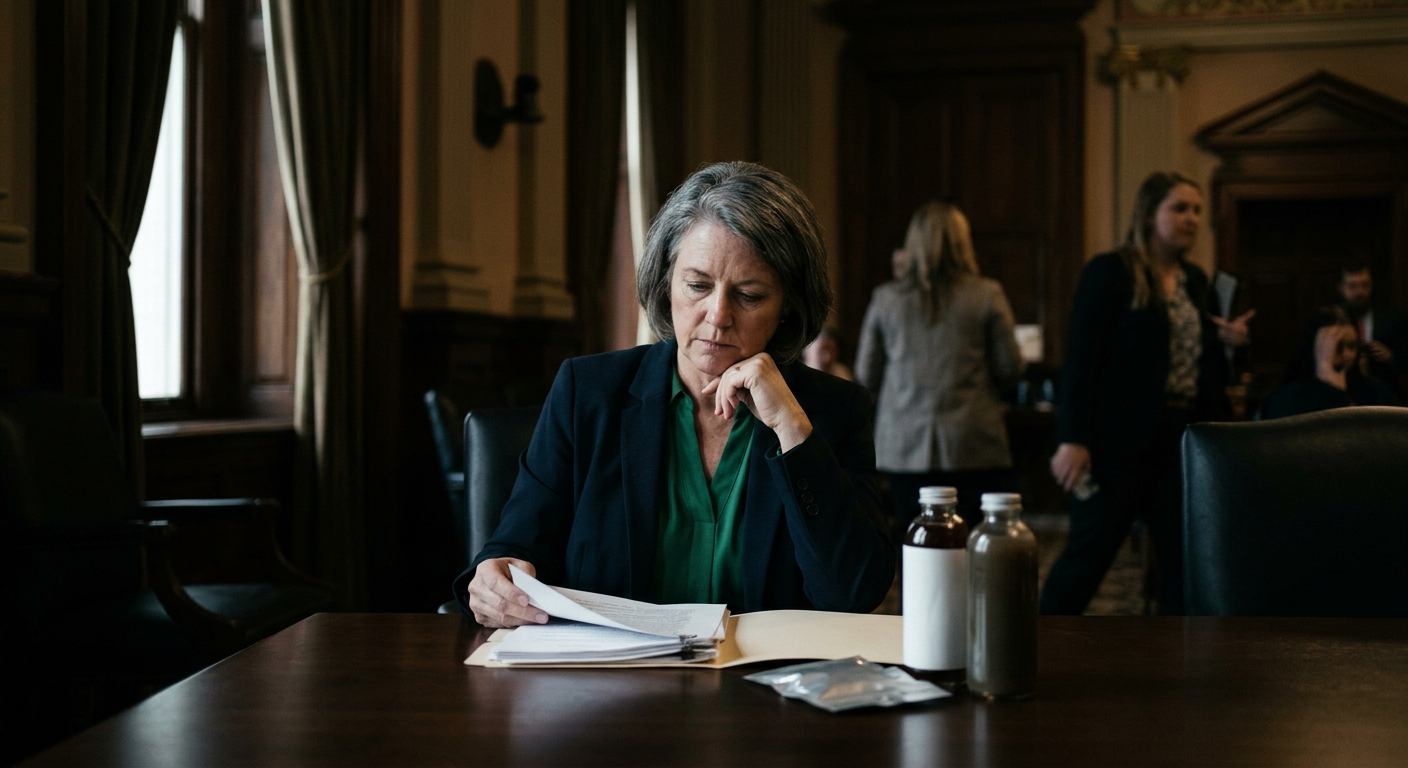
Missouri Court Eviscerates Cannabis Licensing Process — And Sets a National Precedent
A Missouri appeals court has delivered one of the most scathing judicial rebukes of a state cannabis licensing regime in recent memory. The court found that the Missouri Department of Health and Senior Services used fundamentally subjective scoring criteria when awarding marijuana business licenses — a flaw so pervasive it "infected the entire scoring process." The ruling orders officials to award licenses to applicants who were wrongly passed over.
This matters far beyond Missouri's borders. States across the country have faced criticism for opaque, inconsistent, or politically tilted licensing systems. This ruling gives legal ammunition to rejected applicants everywhere who suspect the deck was stacked. Expect a wave of similar legal challenges in states like New York, Illinois, and Florida where licensing controversies have simmered for years.
For home growers and small operators dreaming of going legal, the decision is bittersweet. It confirms what many suspected — that merit alone rarely determines who gets a cannabis license. Until states build transparent, objective, and auditable scoring systems, the regulated market will keep locking out qualified candidates in favor of whoever knows the right people or hires the right consultants.
Watch this space. Missouri officials will likely appeal or scramble to create a remediation process. The applicants waiting in limbo deserve resolution, and the court just made clear that patience has its limits.
Policy & Legalization
Ohio's New THC Restrictions Take Effect — Voters Aren't Happy
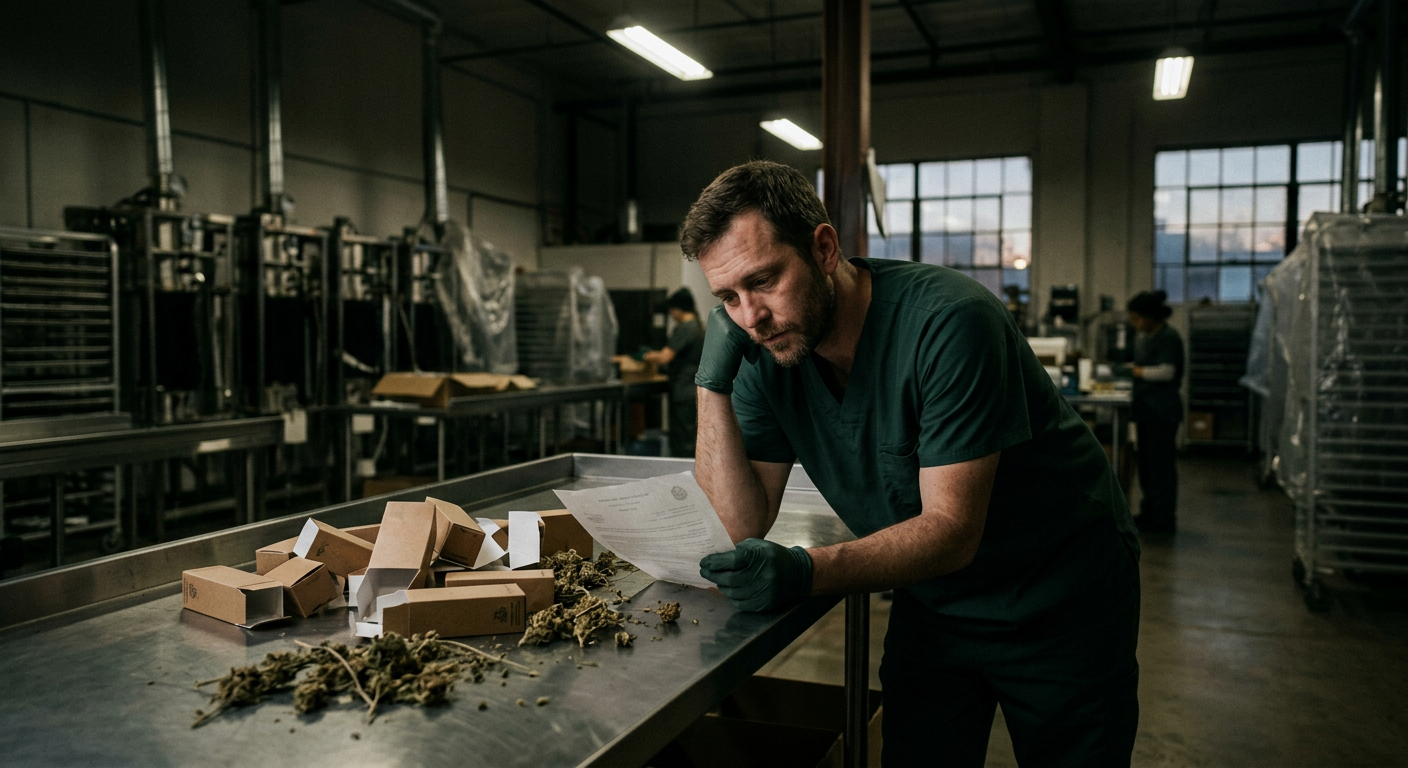
The restrictions Republican state lawmakers grafted onto Ohio's voter-passed marijuana law are now officially in effect. Critics warn that the changes will push consumers toward the unregulated market, undoing much of the harm-reduction work legalization was supposed to achieve. "This is going to result in a lot of unnecessary arrests for voter-approved behavior," one advocate noted bluntly.
South Carolina Senate Passes Hemp THC Compromise
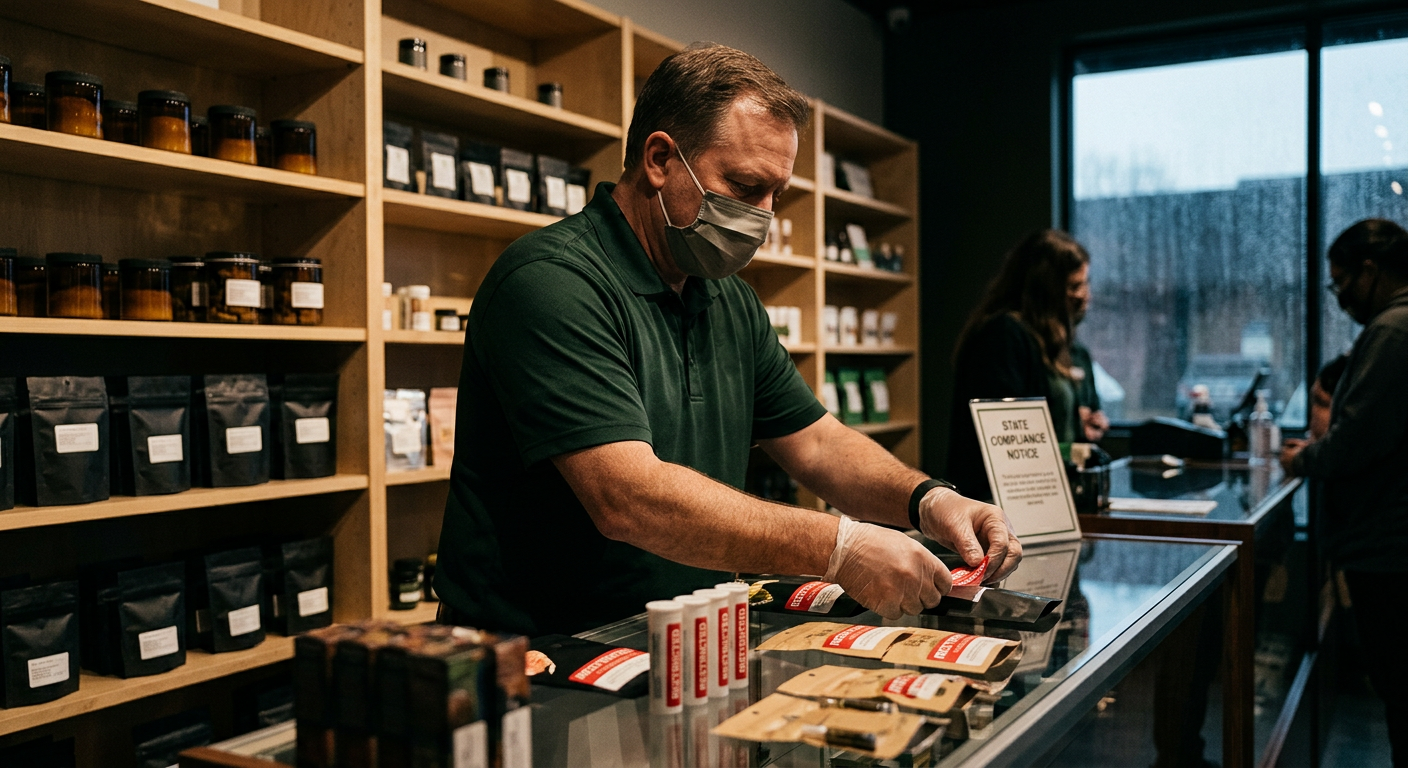
South Carolina's Senate passed legislation that keeps hemp-derived THC drinks and gummies legal but limits sales to adults 21 and over. The bill represents a careful compromise designed to preserve access while addressing child safety concerns. This model — regulate rather than ban — could influence other states wrestling with the hemp intoxicants gray zone.
Nebraska Moves to Protect Doctors Who Recommend Medical Cannabis
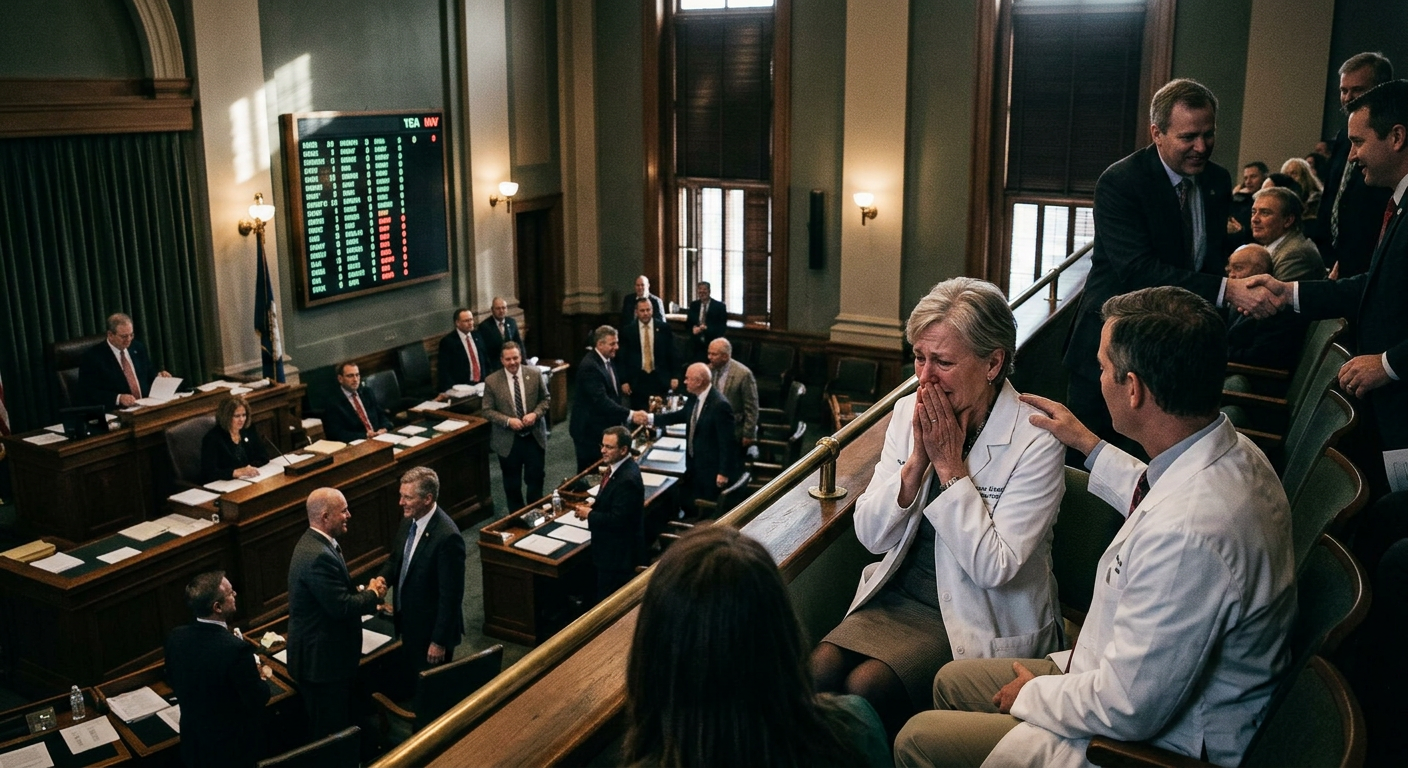
Nebraska's legislature advanced a bill shielding healthcare practitioners from professional penalties for recommending medical marijuana. Without these protections, many physicians have simply refused to write recommendations, leaving patients stranded despite voter approval of medical cannabis. Advocates called it "a small step forward" against "incredible odds" in a deeply conservative state.
Business & Markets
Public Cannabis Companies Ended 2025 on Shaky Financial Ground
New Cannabis Ventures' quarterly revenue tracker paints a sobering picture: publicly traded cannabis companies closed 2025 with weakening financial positions across the board. High tax burdens, slow regulatory progress, and ongoing banking restrictions continue to compress margins even for established operators. This isn't a crash — but it's not the hockey-stick growth investors were once promised either.
The data reinforces a hard truth for the industry: legalization alone doesn't guarantee profitability. Companies that survive the next 18 months will likely be those with the leanest operations and strongest direct-to-consumer relationships. Vertical integration and retail footprint matter more than ever.
Hong Kong Seizure Signals Continued Global Enforcement Pressure
Authorities in Tai Po, Hong Kong seized approximately $210,000 worth of cannabis and arrested one person on drug trafficking charges. While Asia remains firmly in prohibition territory, the size of this bust reflects growing consumer demand even in heavily policed markets. The global black market isn't shrinking — it's just getting more expensive to supply.
Science & Cultivation
What Today's Policy Chaos Means for Seed Genetics and Breeding
No major cultivation science broke today, but the regulatory turbulence across Ohio and Missouri has direct implications for growers. When licensed dispensaries face new restrictions or ownership chaos from licensing disputes, supply chains for legal clones and feminized seeds get disrupted. Home growers who maintain their own genetic libraries are increasingly insulated from this volatility.
The South Carolina hemp THC compromise is also worth watching from a cultivation angle. Hemp genetics bred for high delta-9 compliance thresholds are now a serious commercial category — breeders who anticipated this regulatory environment are already ahead. If your state is eyeing similar legislation, now is the time to research compliant hemp cultivars.
Crime & Enforcement
Afroman Wins Lawsuit Brought by Ohio Deputies After Viral Raid Videos
In the most satisfying legal outcome of the week, rapper Afroman was found not liable after seven Ohio sheriff's deputies sued him for using footage of their raid on his home in music videos and merchandise. A jury sided with Afroman, cementing his status as an unlikely but effective free-speech advocate in the cannabis space. The case is a reminder that law enforcement overreach — especially against cannabis users — can have real reputational and legal consequences for the officers involved.
Culture & Community
Women Over 60 Are Reshaping Cannabis Entrepreneurship
High Times spotlights a growing wave of women in their 60s entering cannabis — as entrepreneurs, advocates, and newly curious consumers. This demographic shift is quietly transforming who the industry serves and who leads it. Networks specifically supporting older women in cannabis are expanding, challenging the industry's historically youth-obsessed marketing culture.
New York's Five-Year Cannabis Report Card: Mixed Grades
A Housing Works executive offers a candid five-year retrospective on New York's chaotic cannabis rollout. The early years were marked by licensing gridlock, equity program failures, and illicit market dominance. The assessment is that things are finally — finally — improving, though the damage done to early social equity applicants may never be fully repaired.
What This Means for Growers
- Protect your genetic library now. Licensing chaos in states like Missouri disrupts legal supply chains. Home growers with stable, self-maintained genetics are far less exposed to regulatory whiplash.
- Watch Ohio's restricted market closely. When legal supply gets harder to access, demand for home-grown product rises — along with enforcement pressure. Know your state's personal cultivation limits cold.
- Hemp genetics are a serious investment category. South Carolina's 21+ hemp THC framework is a signal that compliant hemp cultivars have a real future. High-CBD, compliant delta-9 strains are worth researching.
- Nebraska's doctor-protection bill matters for medical patients who grow. States that protect recommending physicians make it safer for patients to get official guidance — which can help legal home growers document medical necessity.
- The black market isn't going away. Hong Kong's $210K bust and Ohio's restrictive changes both point to the same reality: prohibition-adjacent policies inflate illicit demand. Legal home cultivation remains one of the cleanest paths to quality, safety, and cost control.
Quick Links
Full source links are listed below this article.
All Sources — 10 articles






Images are credited to their respective sources. All linked content belongs to the original publishers.