Thursday, March 26, 2026
Army Opens Doors, Congress Eyes Banking, and Cannabis Law Leaves Men Behind
DSS Genetics News Desk · Thursday, March 26, 2026
Editor's Brief
Thursday's cannabis news cuts across nearly every corner of the industry — from military recruitment to hospital rooms to prison cells. The U.S. Army's decision to welcome recruits with single cannabis convictions signals a cultural shift that mirrors the awkward gap between federal policy and state-level reality. Meanwhile, a bipartisan banking bill and a grim pair of stories about men still behind bars remind us that legalization's promises remain unevenly distributed.
Tennessee's "Pot for Potholes" bill is the kind of creative populist framing that could actually move votes in a conservative state. And Big Alcohol's quiet play to absorb hemp THC beverages should have every cannabis consumer paying close attention. The industry is maturing — but not always in the direction growers and small operators would choose.
Top Story
Legalization Made Room for Brands. It Still Hasn't Made Room for Frank Rogers.
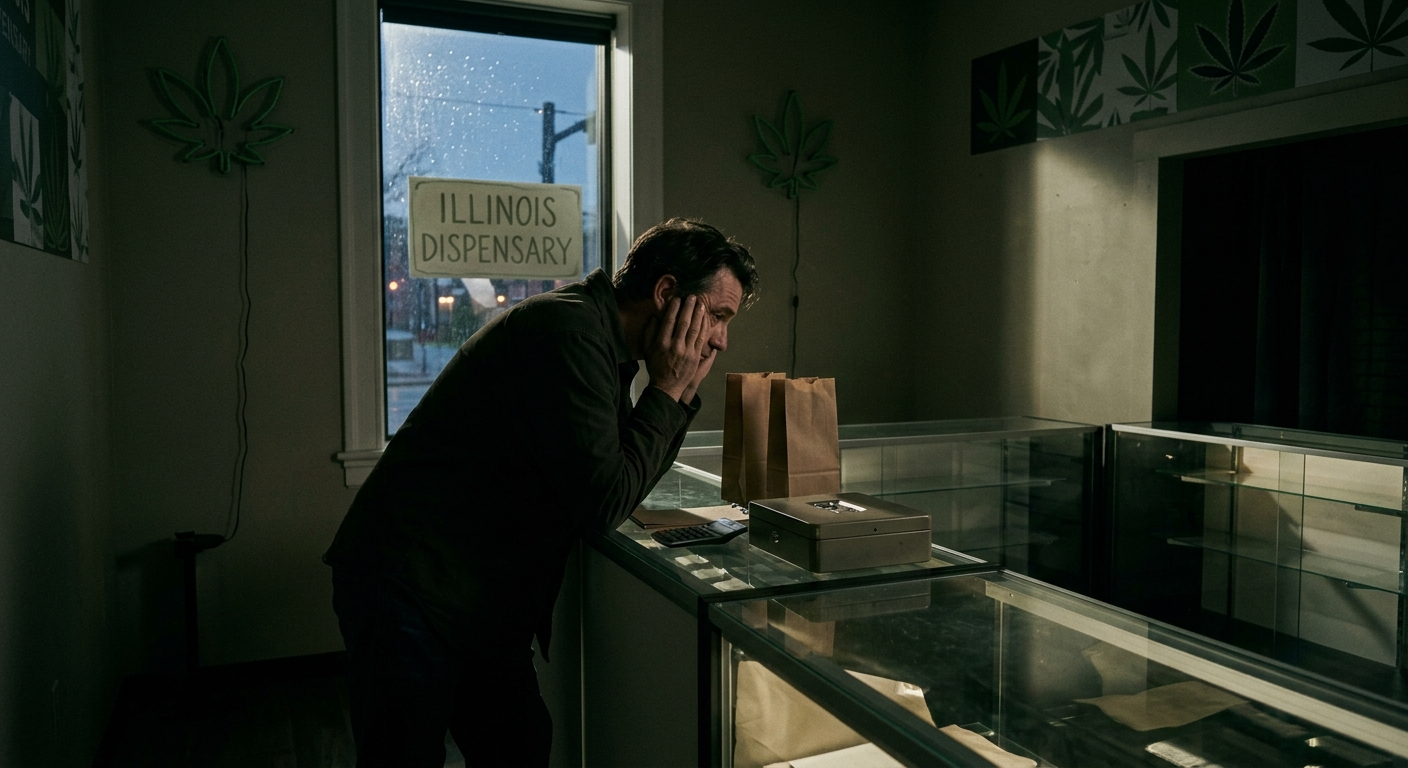
Two stories published today by High Times land like a gut punch when read side by side. Frank Rogers remains in federal prison on a marijuana conspiracy conviction, while Ryan Richmond argues he may be the only American ever imprisoned specifically for cannabis-related tax violations under Section 280E — the IRS code that denies deductions to cannabis businesses. Both men are casualties of a reform movement that celebrated its wins and moved on.
Rogers' case is a direct indictment of legalization's moral gap. Dispensaries operate openly in states across the country, generating billions in tax revenue, while people convicted under laws those same states have since repealed continue to serve time. Federal prisoners have no automatic pathway to relief when state-level legalization occurs — a structural failure that advocates have flagged for years with limited legislative response.
Richmond's case is arguably more chilling. After cannabis charges reportedly failed to stick, federal prosecutors pivoted to 280E tax violations as a conviction vehicle. As long as cannabis remains Schedule I at the federal level, every state-legal operator — and by extension every grower supplying licensed channels — remains exposed to this same legal weaponry. The CLIMB Act introduced this week addresses banking access, but it does nothing to resolve the 280E trap.
Watch for: Whether any federal sentencing reform language gets attached to broader cannabis legislation this session. These stories are not anomalies — they are the rule for thousands of Americans whose cases predate or fall outside the reach of state expungement programs.
Policy & Legalization
Arizona Penalizes Excessive Cannabis Odor
Arizona House lawmakers passed a bill targeting people who create "excessive" marijuana smoke or odor. Critics call it a stealth rollback of the voter-approved legalization law, arguing that "excessive" is dangerously vague and will be enforced unevenly. Home growers with outdoor plants or curing setups should monitor this closely — similar legislation could spread to other states.
Delaware Moves to Allow Hospital Cannabis Use for Terminally Ill
A Delaware House committee unanimously advanced a Senate-passed bill allowing terminally ill patients to use medical cannabis in hospitals. This is a compassionate and overdue policy that addresses one of the cruelest ironies of prohibition — patients legal under state law being denied their medicine the moment they enter a hospital. The bill now heads to the full House.
Immigration Bill Could Label Group Cannabis Users as Gang Members
A top congressional Democrat is warning that a committee-passed immigration bill could classify people who used cannabis in a group setting as "gang members" subject to expedited deportation. The implications for immigrant communities in legal states — including workers throughout the cannabis supply chain — are severe. This story deserves far more mainstream attention than it is currently receiving.
Business & Markets
Bipartisan CLIMB Act Targets Cannabis Banking Lockout
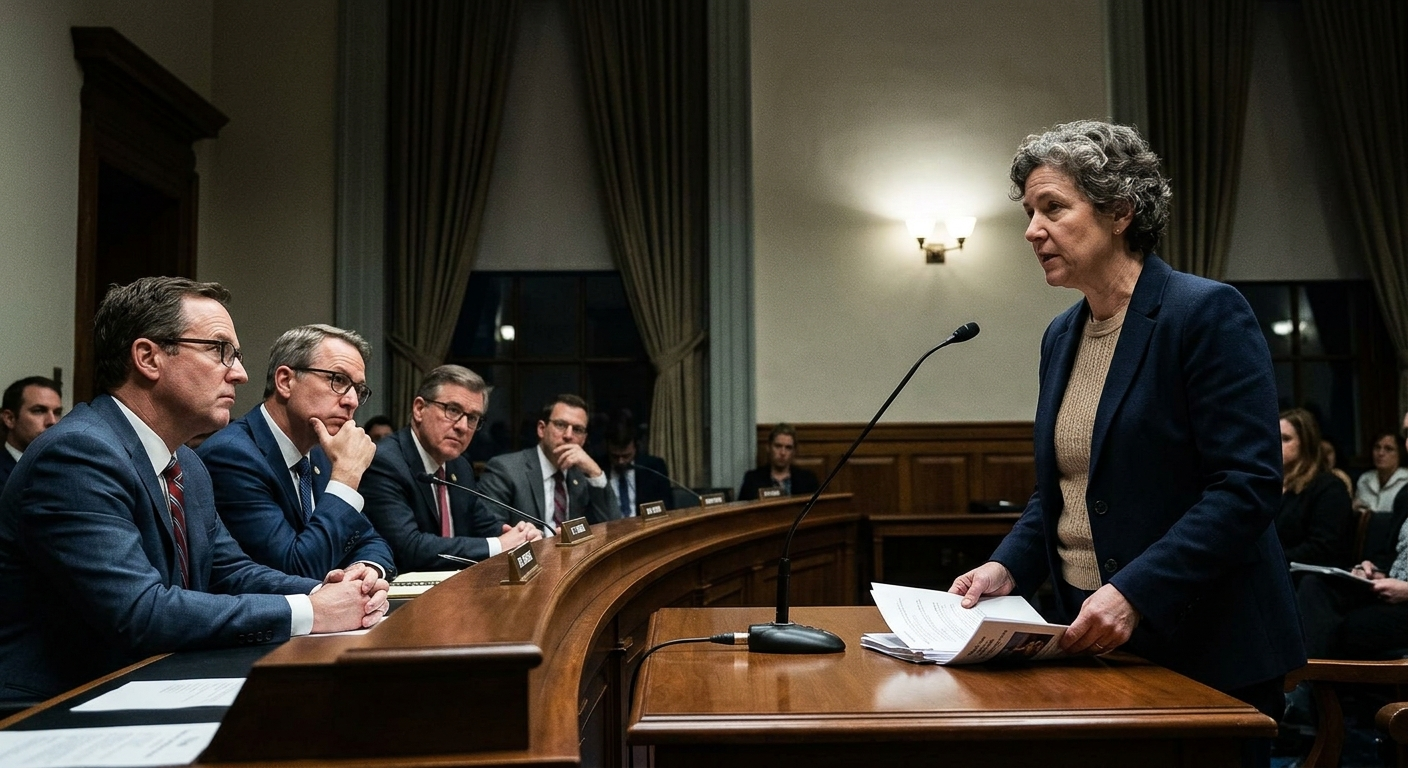
Reps. Troy Carter (D-LA) and Guy Reschenthaler (R-PA) introduced the Capital Lending and Investment for Marijuana Businesses (CLIMB) Act, aiming to open mainstream banking and investment services to state-legal cannabis companies. This is the latest attempt to fill the void left by the repeated failure of the SAFE Banking Act. Without banking access, cannabis businesses operate in dangerous, cash-heavy environments — a problem that affects everyone from multi-state operators down to licensed craft growers.
Illinois Cannabis Sales Data Finally Surfaces — And It's Rough
Illinois released two months of long-delayed adult-use cannabis sales figures after a gap caused by a switch to the Metrc tracking system. The numbers reflect a market under pressure, consistent with the broader national trend of declining or stagnant sales in mature legal states. New Cannabis Ventures notes this is part of a wider pattern of debt-heavy capital raises as equity investment dries up industry-wide.
Tulsa Community College Launches Cannabis Certificate Programs
TCC partnered with cannabis education company Green Flower to launch new workforce certificate programs covering policy, cultivation, and industry operations. Vocational cannabis education is one of the fastest-growing segments of the broader industry — and one of the most practical pathways for aspiring professionals. Oklahoma's relatively open cannabis market makes Tulsa a logical hub for this kind of training.
Science & Cultivation
Cannabis Shows Promise for IBS Symptom Relief
New research highlighted by The Fresh Toast shows cannabis offers measurable relief for irritable bowel syndrome (IBS) sufferers, particularly for symptoms like cramping, bloating, and stress-related flares. While the effect sizes remain modest, this adds to a growing body of evidence supporting cannabis as a legitimate GI therapeutic. Strains with balanced CBD-to-THC ratios and terpene profiles rich in myrcene and caryophyllene are the most commonly associated with gut-calming effects.
Study Links Legal Cannabis to Lower Crime Rates
A new study found that cannabis legalization correlates with reductions in both violent and property crime, challenging one of the most persistent arguments used against reform. The mechanism is likely multifaceted — reduced black market activity, diversion of law enforcement resources, and community economic investment all play roles. For home growers in legal states, this is further evidence that the public safety case for prohibition simply doesn't hold up.
Culture & Community
Big Alcohol Wants to Save Hemp THC Drinks — On Its Own Terms
As federal pressure mounts on hemp-derived THC beverages, alcohol industry giants are positioning themselves as the sector's regulatory saviors — while quietly pushing to bring these products under alcohol distribution and licensing frameworks they already control. This is a classic incumbent capture play: neutralize the competition by absorbing it. Cannabis and hemp advocates should be clear-eyed about what "saving" these products under Big Alcohol's umbrella would actually mean for independent producers.
Afroman's Comeback Is Real, and the Crowds Know It
Long before his recent court victory made headlines, Afroman was already rebuilding his live act into something genuinely compelling — weed-leaf guitar theatrics, crowd energy, and a refusal to be just a nostalgia act. His legal win against the Ohio sheriff's department that raided his home gave him a new chapter. The road, apparently, had already started writing it.
What This Means for Growers
- The 280E threat is real and ongoing. Until federal rescheduling or descheduling occurs, anyone operating in the licensed supply chain — including commercial craft growers — faces potential tax enforcement exposure. Consult a cannabis-specialist accountant now, not later.
- Arizona's odor bill is a warning shot. If you're growing in a state with legalization, document your compliance and be aware that nuisance laws targeting smell could affect outdoor grows, drying spaces, and curing rooms. Proper carbon filtration and sealed environments are worth the investment.
- Banking instability still hits small operators hardest. The CLIMB Act's introduction is encouraging, but passage is uncertain. Cash management, security, and payment processing alternatives remain critical operational concerns for licensed small-scale producers.
- Cannabis education infrastructure is growing. Programs like TCC's certificate courses signal that the workforce pipeline is professionalizing. Home growers considering going licensed will increasingly have formal training options available.
- IBS research reinforces the case for terpene-aware breeding. If you're selecting genetics for medicinal users, prioritize strains with documented myrcene and caryophyllene content — the terpenes most associated with anti-inflammatory and gut-calming properties.
Quick Links
Full source links are listed below this article.
All Sources — 30 articles


















Images are credited to their respective sources. All linked content belongs to the original publishers.