In a tomb near the Turpan Basin in northwest China, archaeologists in 2008 uncovered a 2,700-year-old stash of still-green cannabis — arranged like a burial offering for a shaman. That single find, documented by the Journal of Experimental Botany, collapsed any notion that our relationship with this plant is modern or countercultural. The history of cannabis culture stretches back to the dawn of civilization, weaving through empires, pharmacies, jazz clubs, courtrooms, and — as of 2026 — a growing number of spare bedrooms and backyard grow tents across America.
This is that full story. Not a sanitized corporate timeline, but the messy, fascinating, often unjust arc of how one plant shaped — and was shaped by — human ambition, medicine, racism, rebellion, and ultimately, personal freedom.
Cannabis in the Ancient World: 2700 BCE–500 CE
Cannabis culture origins trace back at least five millennia to Central Asia and East Asia, where the plant served simultaneously as medicine, fiber, food, and spiritual sacrament. Early humans didn't distinguish between "hemp" and "drug cannabis" — they cultivated one versatile species and discovered its many uses through experimentation across generations.
China: Emperor Shen Nung and the First Pharmacopoeia
The earliest written reference to cannabis as medicine appears in the Pen Ts'ao Ching, a Chinese pharmacopoeia traditionally attributed to Emperor Shen Nung around 2700 BCE. Research compiled by Dr. Ethan Russo, a neurologist and cannabis researcher, suggests this text recommended cannabis preparations for ailments ranging from rheumatic pain to malaria and absent-mindedness.
By 200 CE, Chinese surgeon Hua Tuo reportedly mixed cannabis resin with wine to create ma-fei-san — one of the earliest recorded general anesthetics. The Chinese word for cannabis, má (麻), became synonymous with "numbness," embedding the plant's analgesic reputation directly into the language itself.
India: Bhang, Ganja, and Divine Communion
The Atharvaveda, one of Hinduism's four sacred texts (composed roughly 1500–1000 BCE), lists cannabis as one of five sacred plants. Indian culture developed three distinct preparations that are still recognized today:
- Bhang — ground leaves and flowers mixed into drinks and edibles
- Ganja — smoked flowering tops of unfertilized female plants
- Charas — hand-rubbed resin (essentially the world's first hashish)
Bhang lassi — a spiced yogurt drink infused with cannabis — remains legal in parts of India today and is consumed during the Holi festival. It is one of the oldest edible cannabis traditions still alive, a direct thread from the cannabis history timeline to modern consumption culture.
Egypt, Scythia, and the Mediterranean Basin
The Ebers Papyrus (circa 1550 BCE) from ancient Egypt references cannabis preparations for inflammation. Greek historian Herodotus, writing around 440 BCE, described the Scythians throwing cannabis seeds onto hot stones inside enclosed tents — inhaling the vapor in what he called a ritual that made them "shout for joy." This is arguably the earliest account of both vaporization and social cannabis consumption.
Cannabis wasn't a fringe substance in the ancient world — it was mainstream medicine, industrial material, and spiritual tool simultaneously across civilizations on three continents.
Trade Routes, Sufis, and the Global Spread: 500–1500 CE
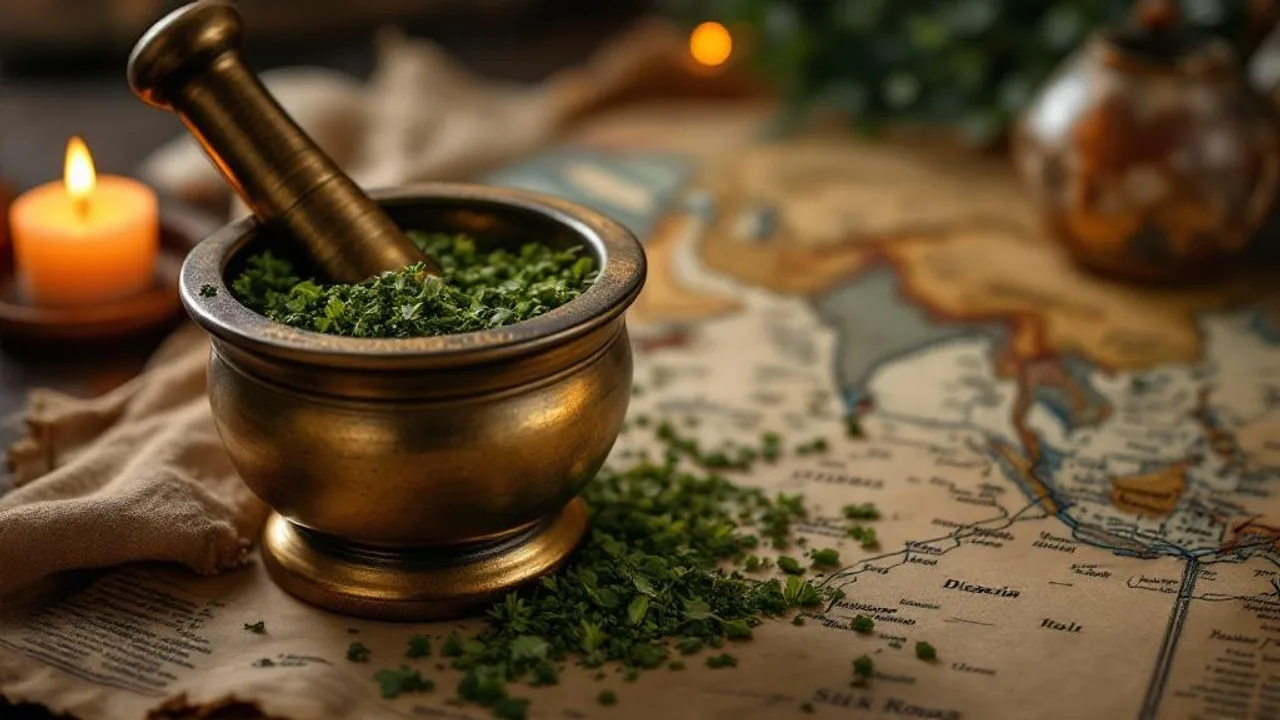
Between 500 and 1500 CE, cannabis traveled the Silk Road and maritime trade routes from Central Asia to the Middle East, Africa, and eventually Europe. Arab traders, Sufi mystics, and African merchants each adapted the plant to local cultures, creating new consumption methods and social traditions along the way.
The Arab World and the Rise of Hashish
While cannabis smoking may have existed earlier, concentrated hashish production became widespread across the Arab world between the 10th and 13th centuries. Sufi mystics used hashish as a meditation aid, valuing its introspective effects over the intoxication of alcohol (which Islam prohibited). The word "hashish" itself comes from Arabic — and the legendary (if historically debated) "Assassins" lent the plant an outsized reputation in European imagination.
The 13th-century traveler Marco Polo helped spread these stories westward, and hashish became both feared and romanticized in European courts — a duality cannabis culture has carried ever since.
Africa: Indigenous Traditions and the Dagga Pipes
Cannabis arrived in sub-Saharan Africa by roughly the 13th century, likely through Arab and Indian Ocean trade networks. African cultures developed unique smoking devices — particularly the elaborate water pipes of southern Africa, where cannabis was called dagga. Landrace strains evolved across the continent, including the famed Swazi and Malawi Gold varieties, which carry genetics shaped by centuries of natural and human selection.
Today, growers seeking those original African genetics can explore varieties like Malawi Gold Autoflower Seeds — a modern cultivation-friendly version of a lineage that predates European contact with the continent.
Medieval Europe: Fiber First, Flowers Later
Europe's medieval relationship with cannabis was overwhelmingly industrial. Hemp rope, sails, and textiles drove cultivation across the continent. The psychoactive properties were known but rarely emphasized in official texts. It wasn't until the Napoleonic campaigns in Egypt (1798–1801) that European elites "discovered" hashish as a recreational substance and brought it home as an exotic curiosity.
Colonial Hemp and Victorian Tinctures: 1500–1900
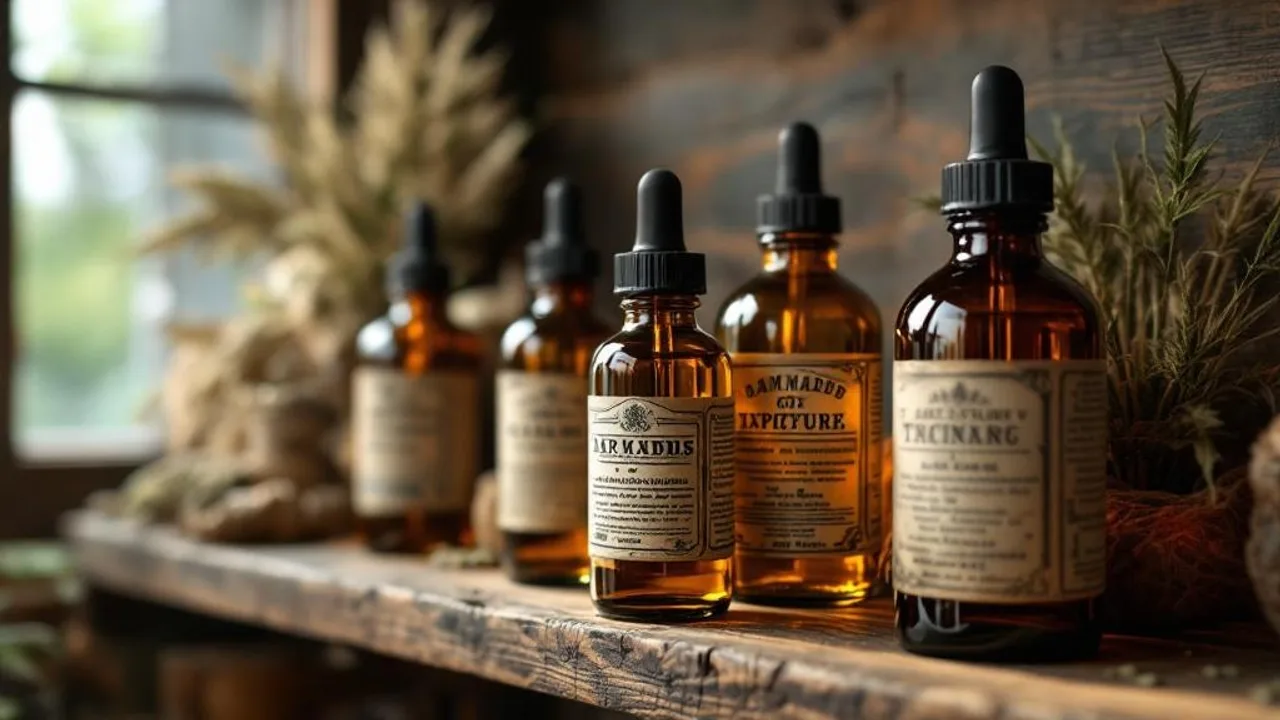
From the 16th through 19th centuries, hemp cultivation became both an imperial commodity and a colonial mandate, while Western physicians quietly incorporated cannabis extracts into mainstream pharmacy. This era laid the groundwork for both cannabis commerce and the medical traditions that prohibitionists would later dismantle.
America's Hemp Foundation
Hemp was so vital to the British Empire that Virginia colonists were legally required to grow it beginning in 1619. According to historical records cited by the Hemp Industries Association, hemp fiber was essential for ship rigging, clothing, and paper. George Washington and Thomas Jefferson both cultivated hemp — a fact often cited but rarely contextualized: these were industrial operations, though Jefferson's farm diaries do note the separation of male and female plants (a practice only relevant if you're interested in the resinous flowers).
The distinction between "hemp" and "marijuana" didn't exist legally or botanically until the 20th century. Colonial farmers grew Cannabis sativa — the same species that modern seed banks categorize by THC and CBD content today.
O'Shaughnessy and the Western Medical Awakening
The pivotal figure in Western cannabis medicine was Irish physician William Brooke O'Shaughnessy, who studied cannabis use in India in the 1830s. His 1839 paper documented cannabis tinctures reducing seizures, muscle spasms, and the pain of rheumatism. His work triggered a wave of adoption across British and American medicine.
By the 1850s, cannabis tinctures were listed in the United States Pharmacopeia (USP). According to research by historian Martin Booth in his book Cannabis: A History, major pharmaceutical companies including Eli Lilly and Parke-Davis sold standardized cannabis extracts through the end of the 19th century. Queen Victoria's personal physician, Sir J. Russell Reynolds, reportedly prescribed cannabis for her menstrual cramps — writing in The Lancet (1890) that it was "one of the most valuable medicines we possess."
The Paris Hashish Club
Simultaneously, the literary elite of Paris — including Alexandre Dumas, Victor Hugo, and Charles Baudelaire — formed Le Club des Hashischins in the 1840s. They consumed hashish-laced confections called dawamesk and wrote elaborate accounts of their experiences. This was arguably the first documented example of cannabis being consumed primarily for creative and recreational purposes in Western high culture.
Before prohibition, cannabis was legal, respected, and widely used in Western medicine for nearly a century. Its removal from pharmacies was driven by politics — not pharmacology.
Reefer Madness and the Birth of Prohibition: 1900–1937
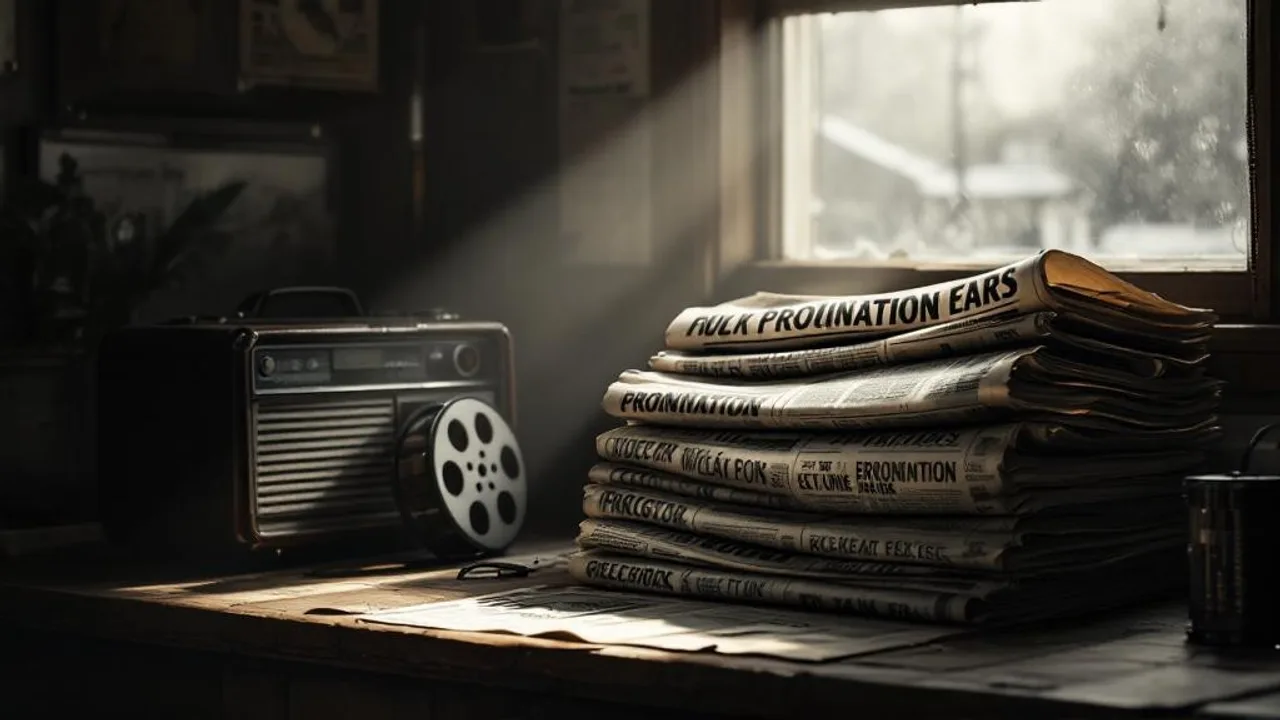
Cannabis prohibition in the United States didn't emerge from science or public health concerns. It was built on racial prejudice, bureaucratic ambition, and yellow journalism. Understanding when cannabis became illegal in the United States requires examining not the plant, but the politics of early 20th-century America.
The Racialized Origins of "Marijuana"
Until the early 1900s, Americans knew the plant as "cannabis" — the term used in every pharmacy and medical text. The word "marijuana" (or "marihuana") was deliberately introduced by prohibitionists to associate the plant with Mexican immigrants and, by extension, the racial anxieties of white America.
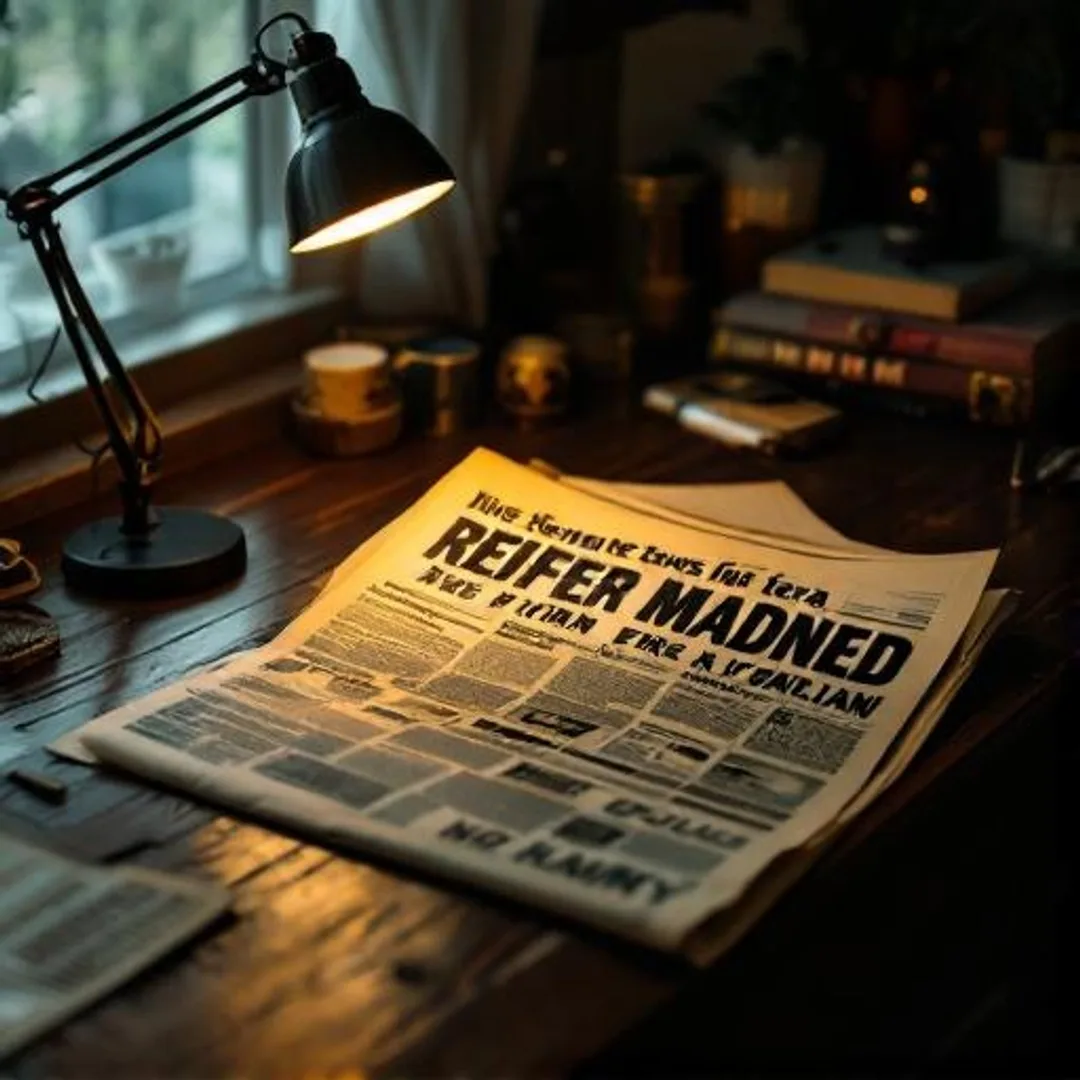
After the Mexican Revolution (1910–1920), waves of immigrants brought recreational cannabis smoking to border states. Newspapers — particularly those owned by William Randolph Hearst — ran sensationalized stories linking "marihuana" to violence, insanity, and moral corruption among Mexican and Black communities. As historian Isaac Campos documented in Home Grown: Marijuana and the Origins of Mexico's War on Drugs, these narratives were rooted in xenophobia, not evidence.
Harry Anslinger and the Federal Bureau of Narcotics
The architect of federal cannabis prohibition was Harry J. Anslinger, the first commissioner of the Federal Bureau of Narcotics (FBN). Anslinger needed a cause to justify his agency's budget after alcohol Prohibition ended in 1933. He found it in cannabis, deploying explicitly racist testimony before Congress, including claims that cannabis caused interracial relationships and "satanic" jazz music.
Anslinger's campaign directly contradicted the American Medical Association, whose legislative counsel Dr. William Woodward testified against the bill, arguing that the term "marihuana" had been used specifically to disguise the fact that Congress was banning a well-known medicine.
The Marihuana Tax Act of 1937
On August 2, 1937, the Marihuana Tax Act passed with minimal debate. It didn't technically ban cannabis — it imposed a tax so burdensome and a registration system so invasive that legal use became practically impossible. The AMA's objections were dismissed. Cannabis was removed from the USP in 1942.
The word "marijuana" itself was a political weapon. Its adoption erased decades of legitimate medical use by disguising a familiar medicine under an unfamiliar, racialized name. Many advocates today deliberately use "cannabis" to reclaim accurate terminology.
| Year | Event | Significance |
|---|---|---|
| 1910–1920 | Mexican Revolution immigration | Cannabis smoking enters US border states |
| 1930 | Federal Bureau of Narcotics founded | Anslinger begins anti-cannabis crusade |
| 1936 | Reefer Madness film released | Propaganda shapes public perception |
| 1937 | Marihuana Tax Act passes | Effective federal prohibition begins |
| 1942 | Cannabis removed from US Pharmacopeia | Medical legitimacy erased |
| 1970 | Controlled Substances Act | Cannabis classified Schedule I |
Counterculture, Vietnam, and the Rise of Cannabis Identity: 1960–1979
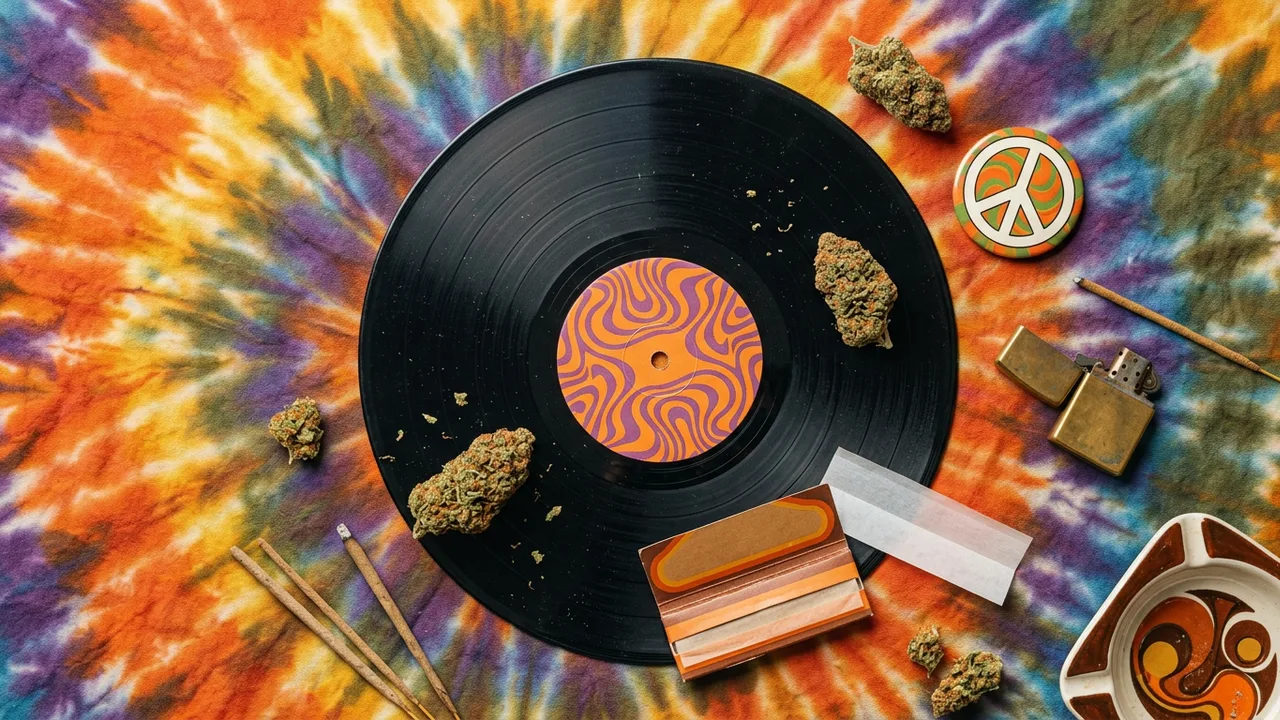
The 1960s and 70s transformed cannabis from a vilified substance into a symbol of political resistance, creative freedom, and generational identity. This era answers a question central to understanding how cannabis culture evolved from counterculture to mainstream — it began when millions of young Americans rejected the institutions that had lied to them about it.
The Beat Generation and Early Adopters
Cannabis had never fully disappeared from American life. Jazz musicians in the 1920s–40s used it openly. The Beat Generation writers — Allen Ginsberg, Jack Kerouac, William S. Burroughs — made cannabis use a literary and philosophical statement in the 1950s. But it was the mass youth movements of the 1960s that brought cannabis into the cultural mainstream.
Vietnam, Woodstock, and Mass Adoption
Several forces converged to create the cannabis counterculture:
- Vietnam War — surveys suggested that over 50% of US soldiers in Vietnam used cannabis, many for the first time. They returned home as experienced consumers.
- Civil rights movement — activists recognized cannabis prohibition as a tool of racial control.
- Woodstock and music festivals — cannabis became the communal sacrament of a generation seeking alternatives to alcohol-soaked mainstream culture.
- The Hippie Trail — overland travel from Europe through Turkey, Afghanistan, and India exposed Western youth to hashish traditions and landrace genetics.
It was during this era that many of today's foundational genetics were collected. Adventurous travelers smuggled seeds from Hindu Kush valleys, Thai highlands, and Colombian mountains back to the West. These landrace genetics would eventually become the building blocks of modern breeding — the ancestors of strains like Northern Lights x Big Bud and Skunk Special.
The La Guardia Report and Nixon's Revenge
Science had already debunked prohibition's claims. In 1944, the La Guardia Committee Report — commissioned by New York's mayor — found that cannabis did not cause violent behavior, insanity, or addiction. Anslinger suppressed it. In 1972, Nixon's own Shafer Commission recommended decriminalizing cannabis. Nixon rejected it, reportedly telling aide H.R. Haldeman that he needed cannabis enforcement as a weapon against anti-war activists and Black communities.
Former Nixon domestic policy advisor John Ehrlichman confirmed this in a 1994 interview published by journalist Dan Baum in Harper's Magazine (2016): "We knew we couldn't make it illegal to be either against the war or Black, but by getting the public to associate the hippies with marijuana... we could arrest their leaders, raid their homes, break up their meetings, and vilify them night after night on the evening news."
Cannabis prohibition was never about public health. From its inception through Nixon's escalation, it was explicitly designed as a tool of racial and political control — a fact now confirmed by the architects themselves.
The War on Drugs: Criminalization at Scale: 1980–1995
The Reagan-era War on Drugs escalated cannabis enforcement to an industrial scale, creating the world's largest prison population and devastating communities of color. This period represents the darkest chapter in cannabis prohibition history, with consequences that persist in 2026.
Reagan, Mandatory Minimums, and Mass Incarceration
President Reagan signed the Anti-Drug Abuse Act of 1986, establishing mandatory minimum sentences for drug offenses. A person caught with 100 cannabis plants faced a mandatory 5-year federal prison sentence — the same as someone convicted of a violent crime. The "Just Say No" campaign, led by Nancy Reagan, reduced complex social issues to a bumper sticker while state and federal prison populations exploded.
According to data compiled by the American Civil Liberties Union (ACLU), between 1980 and 1997, the number of Americans incarcerated for drug offenses rose from approximately 40,000 to nearly 500,000. Cannabis arrests accounted for a disproportionate share — and Black Americans were (and remain) arrested at roughly 3.7 times the rate of white Americans for cannabis offenses, despite similar usage rates.
The Underground Grows Back
Paradoxically, the War on Drugs accelerated cannabis culture rather than destroying it. As outdoor cultivation became riskier, growers moved indoors. The 1980s and early 1990s saw the birth of modern indoor cultivation technology:
- High-pressure sodium (HPS) and metal halide (MH) lighting systems
- Hydroponic growing techniques adapted from commercial agriculture
- Intensive breeding programs (especially in the Netherlands) producing stable seed lines
- The first editions of Jorge Cervantes' Indoor Marijuana Horticulture and Ed Rosenthal's grow guides
Dutch seed companies — operating in the Netherlands' tolerant legal environment — became the epicenter of global cannabis genetics. Strains like Northern Lights, Skunk #1, and Haze became the genetic backbone of modern cannabis. Today's home growers benefit directly from this era's innovations, with varieties like Super Skunk and Northern Lights x Amnesia Haze carrying direct lineage from these underground breeding programs.
The Amsterdam Coffeeshop Model
While America waged war, the Netherlands offered an alternative. Dutch "coffeeshops" began openly selling cannabis in the 1970s under a policy of gedoogbeleid (tolerance). By the 1990s, Amsterdam had become a global pilgrimage site for cannabis enthusiasts — and a living laboratory for normalization.
The Cannabis Cup, launched by High Times magazine in 1988, turned Amsterdam into the annual Olympics of cannabis breeding. Strains that won the Cup — White Widow (1995 winner), Super Silver Haze, and others — became globally sought genetics that shaped the modern market.
Many of today's most popular strains trace their genetics directly to 1990s Dutch breeding programs. When you grow Super Lemon Haze or Amnesia Haze Autoflower at home, you're cultivating living history from the era that saved cannabis genetics from prohibition's destruction.
Medical Cannabis Breaks Through: 1996–2011
The medical cannabis movement transformed the plant's public image from criminal to therapeutic, paving the way for full legalization. This era proved that science and patient advocacy could — eventually — overcome decades of propaganda.
Proposition 215: California Leads (1996)
On November 5, 1996, California voters passed Proposition 215 (the Compassionate Use Act) with 56% approval, making it the first US state to legalize medical cannabis. The law was driven by HIV/AIDS patients and cancer survivors who had found cannabis effective for managing nausea, wasting, and pain when conventional treatments failed.
Dennis Peron, an HIV/AIDS activist who co-authored Prop 215, operated the San Francisco Cannabis Buyers Club — essentially the first modern dispensary. His work, and the stories of patients he served, put a human face on cannabis medicine that prohibition propaganda couldn't erase.
The Slow March of Medical Legalization
After California, other states followed — slowly at first, then rapidly:
- 1998 — Alaska, Oregon, Washington legalize medical cannabis
- 2000 — Colorado, Hawaii, Maine, Nevada join
- 2004 — Montana and Vermont add medical programs
- 2010 — New Jersey and Arizona approve, bringing the total to 15 states
Each state fought its own battles. Federal authorities continued raiding state-legal dispensaries under the Bush administration, creating a jarring disconnect between state and federal law that persists today. For patients and growers navigating this patchwork, understanding current seed legality remains essential.
The Endocannabinoid System: Science Catches Up
Meanwhile, research was validating what patients already knew. In 1992, Dr. Raphael Mechoulam and his team at Hebrew University identified the endocannabinoid system — a biological network of receptors (CB1 and CB2) that naturally interacts with cannabinoids. This discovery, detailed in a paper published in Science, provided the physiological framework for understanding how cannabis affects the human body.
Research suggests the endocannabinoid system plays a role in pain modulation, mood regulation, appetite, immune function, and sleep. This scientific foundation gave medical cannabis advocates the clinical language they needed — cannabis wasn't just getting people high; it was interacting with a biological system the human body evolved to use.
Legalization Sweeps America and Beyond: 2012–2024
On November 6, 2012, Colorado and Washington became the first US states to legalize recreational cannabis for adults. That single election night shattered a taboo that had held for 75 years and triggered a domino effect that continues in 2026. This decade-plus period represents the fastest shift in cannabis culture since Anslinger's campaign reversed it.
The Domino Effect: State by State
| Year | States Legalizing (Recreational) | Cultural Milestone |
|---|---|---|
| 2012 | Colorado, Washington | First legal recreational sales |
| 2014 | Alaska, Oregon, DC | West Coast goes fully legal |
| 2016 | California, Nevada, Massachusetts, Maine | California — the biggest market — legalizes |
| 2018 | Vermont, Michigan | Canada legalizes nationally |
| 2020 | Arizona, Montana, New Jersey, South Dakota | Red states join the movement |
| 2022 | Missouri, Maryland | Midwest and mid-Atlantic expand |
| 2023–2024 | Minnesota, Ohio, Delaware | Swing states normalize cannabis |
Cannabis Goes Corporate — For Better and Worse
Legalization brought investment, innovation, and — inevitably — corporatization. Multi-state operators (MSOs) raised billions in venture capital. Cannabis stocks debuted on public exchanges. Slick dispensaries replaced clandestine delivery services.
But the corporate gold rush had serious downsides. Small craft growers were priced out by expensive licensing systems. Many states created limited-license frameworks that favored wealthy applicants. Communities most harmed by the War on Drugs often received the least benefit from legalization. And product quality in some corporate operations prioritized profit margins over craft cultivation standards.
As of 2026, cannabis remains federally illegal in the United States (Schedule I). This creates banking, tax, and interstate commerce barriers that disproportionately burden small businesses. The current state-level legal landscape changes regularly — always verify your local laws before growing or purchasing.
Global Legalization Movements
The American model inspired global change:
- Uruguay became the first nation to fully legalize in 2013
- Canada legalized nationally in October 2018 — the largest legal market at the time
- Germany legalized personal cultivation and possession in 2024
- Thailand decriminalized in 2022, briefly becoming Asia's most cannabis-friendly nation (before tightening regulations in 2025)
- South Africa — the Constitutional Court ruled private cultivation legal in 2018
The Home Growing Renaissance: Reclaiming the Plant in 2025–2026
The history of the homegrowing cannabis movement has come full circle. After decades when growing your own was a felony risk, a renaissance of personal cultivation is underway — driven by legal reform, better genetics, accessible technology, and a growing backlash against corporate cannabis monopolies.
Why Home Growing Is Surging
Several converging forces explain the explosion of home cultivation in 2025–2026:
- Legal access — at least 22 states now allow some form of home growing for adults
- Cost savings — dispensary prices of $30-60/eighth make home growing dramatically more economical. Use our Grow Cost Calculator to estimate your savings.
- Quality control — home growers control exactly what goes on (and in) their plants: no pesticides, no PGRs, no corporate shortcuts
- Genetic access — feminized and autoflower seeds allow beginners to grow premium genetics with minimal experience
- Technology — affordable LED lights, automated watering systems, and tools like our VPD Calculator have lowered the learning curve dramatically
From Counterculture to Kitchen Garden
The cultural shift is profound. Home growing cannabis in 2026 looks less like a clandestine operation and more like the craft beer homebrewing movement of the 2000s. Suburban parents, retirees, and wellness-focused millennials now grow alongside the old-school enthusiasts who kept cultivation alive during prohibition.
This normalization is visible in the seed market. Beginner-friendly strains like Purple Power Feminized (10% THC — approachable for new consumers) sit alongside potency powerhouses like Quantum Kush (up to 30% THC) in a catalog that would've been unimaginable a decade ago.
New to home growing? Start with a forgiving, fast-finishing autoflower like Holy Grail Kush Autoflower (20% THC, 8-9 week cycle). Use our Grow Planner to map out your first cycle from seed to harvest. And if you want guidance from sprout through transplant, our Seedling Care Guide covers every step.
Reclaiming the Plant from Corporatization
In our experience working with home growers across legal states, the motivations go deeper than saving money. There's a philosophical dimension: growing your own cannabis is an act of reclamation. For decades, prohibition told people this plant was too dangerous for them to control. Corporatization told them it was too complex. Home growing proves both claims false.
When you grow an OG Kush Feminized plant from seed to harvest — watching trichomes develop, timing your flush, curing buds to perfection — you're participating in a tradition that stretches back to those Hindu Kush valleys where the genetics originated. You're also ensuring that cannabis culture doesn't become just another corporate commodity controlled by the same power structures that once imprisoned people for possessing it.
Every seed carries a germination guarantee for a reason: we believe the barrier to entry should be as low as possible. The plant belongs to everyone.
The Evolution of Consumption: From Pipes to Nano-Emulsions
The evolution of cannabis consumption mirrors the plant's cultural journey — from simple, ancient methods to increasingly sophisticated technologies. Each era added new ways to consume, and every method that exists today has roots in specific historical conditions. For a deeper dive into modern methods, our Cannabis Coffee Guide explores one of the newest frontiers.
Smoking: The Oldest and Most Enduring Method
Smoking cannabis dates back at least to the Scythians (5th century BCE). Methods evolved from hot-stone vapor inhalation to pipes, water pipes, hand-rolled joints, and eventually blunts (cannabis rolled in tobacco leaf — a tradition that emerged from Caribbean and African American culture in the 1980s).
Despite the rise of alternatives, smoking remains the most common consumption method worldwide. Joints, bongs, and pipes are cultural icons in their own right.
Edibles: From Bhang to Gummy Bears
The edible timeline spans millennia:
- 1000 BCE — Indian bhang drinks
- 1840s — Parisian dawamesk confections
- 1960s — Alice B. Toklas' famous "haschich fudge" recipe
- 1990s — First dispensary brownies in California
- 2020s — Precisely dosed gummies, chocolates, and beverages with lab-tested cannabinoid content
Modern edibles have evolved from guesswork to precision. Home growers can make their own using our Edible Dosage Calculator to dial in exact milligram doses, or follow our Gummy-Making Guide for gelatin and pectin-based recipes.
Vaporization: The Technological Leap
The modern vaporizer revolution began in the early 2000s with desktop units like the Volcano. By the 2010s, portable vape pens using concentrated cannabis oil had become the fastest-growing consumption method. Vaporization heats cannabis below the combustion point (typically 180–210°C), releasing cannabinoids and terpenes without the tar and carcinogens associated with smoking.
Nano-Emulsions and the Beverage Frontier
The latest evolution is nano-emulsion technology — a process that breaks cannabinoids into microscopic water-soluble particles. This enables cannabis-infused beverages that onset in 10–15 minutes (versus 45–90 minutes for traditional edibles) with more predictable dosing.
Cannabis beverages are the fastest-growing product category in legal markets as of 2025. They represent the furthest point yet from Herodotus's Scythian tent — but the impulse is the same: humans continually finding new ways to integrate this plant into social rituals.
The terpene profile of your cannabis affects the experience regardless of consumption method. Understanding terpenes like pinene and humulene — and how to read a terpene lab report — gives home growers a level of understanding that even many dispensary budtenders lack.
Where Cannabis Culture Goes Next: Battles, Breakthroughs, and Beyond
The history of cannabis use from ancient times to today is still being written. As of 2026, the plant exists in a paradox: legal in 24 states for recreational use, still Schedule I federally, and the subject of active political battles that will shape the next chapter of this timeline.
The State-Level Battles: Texas, Pennsylvania, and Beyond
Several major states are active battlegrounds in 2026:
- Texas — despite overwhelming public support for medical cannabis expansion, the legislature has moved slowly. Limited medical access exists, but recreational legalization faces significant political headwinds in the state capitol, even as border communities see economic activity flowing to neighboring legal states.
- Pennsylvania — has been among the most-discussed states for recreational legalization, with strong medical infrastructure already in place and bipartisan legislative proposals introduced in multiple sessions. Advocates are pushing hard for a 2026 or 2027 vote.
- Massachusetts — already legal for recreational use, is grappling with the next phase: making the industry equitable. Social equity licensing programs, home cultivation rights, and craft cannabis rules are the current fights.
Use our Legalization Map to check real-time legal status in your state, including home grow limits.
Federal Rescheduling and the SAFE Banking Act
The DEA's proposed rescheduling of cannabis from Schedule I to Schedule III — initiated in 2024 — remains under review in 2026. If finalized, rescheduling wouldn't legalize cannabis but would remove the punitive 280E tax provision that prevents cannabis businesses from taking standard business deductions. It would also theoretically open the door to more federally funded research.
Meanwhile, the SAFE Banking Act (or its latest iteration) continues to cycle through Congress, promising to allow banks to serve cannabis businesses without fear of federal prosecution. These aren't abstractions — they determine whether small growers and minority-owned businesses can compete with well-capitalized corporations.
Seed Legality: A Quiet Victory
One often-overlooked development: the legal status of cannabis seeds has become increasingly clarified. Our detailed analysis of the DEA Section 781 ruling explains how ungerminated cannabis seeds — containing less than 0.3% THC — fall under the 2018 Farm Bill's definition of legal hemp. This legal framework has enabled the seed market that makes the home growing renaissance possible.
The Culture in 2026: Normalization Without Amnesia
Cannabis culture in 2026 is broader, more diverse, and more mainstream than at any point in modern history. But normalization carries a risk: forgetting the people who were (and still are) imprisoned for the same plant now generating billions in tax revenue. As of 2024, an estimated 40,000 Americans remained incarcerated for cannabis offenses, according to data from the Last Prisoner Project.
The most meaningful thing the cannabis community can do — whether we're home growers, industry participants, or consumers — is to keep that history visible. The cannabis culture timeline isn't just dates and legislation. It's the story of people: the ancient shamans, the Indian holy men, the jazz musicians, the hippies, the patients, the prisoners, and now the home growers planting seeds in their closets and backyards, carrying forward a tradition older than written history.
Growing your own cannabis isn't just a hobby — it's an act of historical continuity. Every home grower in 2026 is part of a tradition that stretches back 5,000 years and that survived the most aggressive prohibition campaign in history. The plant endured. So did the culture.
Cannabis Culture History Timeline: Quick Reference
This condensed cannabis history timeline covers the key moments from ancient medicine to the modern home growing movement. Use it as a reference or share it as a visual overview of 5,000 years of cannabis culture.
| Era | Date | Event |
|---|---|---|
| Ancient | ~2700 BCE | Emperor Shen Nung documents cannabis in Chinese pharmacopoeia |
| Ancient | ~1500 BCE | Ebers Papyrus (Egypt) references cannabis preparations |
| Ancient | ~1000 BCE | Bhang documented in Indian Atharvaveda |
| Ancient | ~440 BCE | Herodotus describes Scythian cannabis vapor rituals |
| Medieval | ~1000 CE | Hashish production widespread in Arab world |
| Medieval | ~1200 CE | Cannabis reaches sub-Saharan Africa via trade routes |
| Colonial | 1619 | Virginia colonists required to grow hemp |
| Victorian | 1839 | O'Shaughnessy publishes Western cannabis medical research |
| Victorian | 1850 | Cannabis enters US Pharmacopeia |
| Prohibition | 1937 | Marihuana Tax Act — effective US prohibition begins |
| Prohibition | 1970 | Controlled Substances Act — cannabis classified Schedule I |
| Counterculture | 1967–1969 | Summer of Love, Woodstock — cannabis as generational symbol |
| War on Drugs | 1986 | Anti-Drug Abuse Act — mandatory minimums established |
| Medical | 1992 | Endocannabinoid system discovered |
| Medical | 1996 | California passes Proposition 215 — first US medical cannabis law |
| Legalization | 2012 | Colorado and Washington legalize recreational cannabis |
| Legalization | 2018 | Canada legalizes nationally; US Farm Bill legalizes hemp |
| Renaissance | 2024 | DEA proposes rescheduling; Germany legalizes home growing |
| Renaissance | 2025–2026 | Home growing movement surges across legal US states |
Frequently Asked Questions
When did cannabis become illegal in the United States?
Cannabis was effectively made illegal at the federal level with the Marihuana Tax Act of 1937, which imposed prohibitively burdensome taxes on cannabis transactions. Full criminal prohibition came with the Controlled Substances Act of 1970, which classified cannabis as Schedule I — the most restrictive category, alongside heroin and LSD. Individual states had begun banning cannabis as early as 1911 (Massachusetts), often with explicitly racist motivations targeting Mexican and Black communities.
How did cannabis culture evolve from counterculture to mainstream?
The shift happened in stages. In the 1960s–70s, cannabis was a symbol of anti-establishment rebellion. The medical cannabis movement of the 1990s reframed it as legitimate medicine. Colorado and Washington's legalization in 2012 proved that regulation could work. By the 2020s, mainstream acceptance — driven by state legalization, corporate investment, and the home growing movement — transformed cannabis from countercultural statement to something closer to the wine or craft beer communities. Polling by Gallup shows 70% of Americans now support legalization.
What are the oldest known uses of cannabis?
The oldest documented use of cannabis is in China, where the Pen Ts'ao Ching pharmacopoeia (attributed to approximately 2700 BCE) recorded it as medicine for pain, malaria, and memory problems. Archaeological evidence, including the 2,700-year-old cannabis found in a Chinese tomb in 2008, confirms cultivation going back nearly 5,000 years. India's Atharvaveda (1500–1000 BCE) and Egypt's Ebers Papyrus (1550 BCE) also document early medicinal and ritual uses.
Is home growing cannabis legal in the US in 2026?
Home growing is legal for adults in approximately 22 US states as of 2026, though plant counts, possession limits, and other rules vary significantly. Some states like Colorado allow up to 6 plants per adult (12 per household), while others limit to 3–4. Several states with legal recreational cannabis still prohibit home growing (like Washington and New Jersey). Cannabis remains federally illegal regardless of state law. Check our Legalization Map for current rules in your state, and read our Home Grow vs. Commercial License Guide for details.
How have cannabis consumption methods evolved over time?
Cannabis consumption has evolved from basic inhalation (Scythian hot-stone vapor, circa 440 BCE) through pipes, water pipes, and hand-rolled joints to modern innovations including vaporizers, precisely dosed edibles, concentrates (dabs), topicals, tinctures, and nano-emulsion beverages. The biggest shifts have been driven by technology: indoor growing enabled more potent flower, extraction science created concentrates, and nano-emulsion has made fast-acting cannabis beverages possible. Despite all innovations, smoking remains the most common method globally.