Here is a scenario playing out in thousands of homes right now: a state you live in — maybe Pennsylvania, maybe a state just south of the Mason-Dixon line — is either days away from passing an adult-use cannabis bill or just signed one into law. Your first instinct is to pull up a seed bank website and place an order. But then the questions start piling up. Is buying cannabis seeds in new legalization states actually legal now? Can seed banks ship to you? Do you even have the right to grow at home? The answers are more complicated than you might expect — and getting them wrong can be costly.
This guide breaks down exactly what the 2026 legalization wave means for seed buyers, home growers, and anyone navigating the gap between state law, federal law, and a rapidly changing regulatory landscape.
Legal Notice: Nothing in this article constitutes legal advice. Laws change quickly and vary by jurisdiction. Always verify current law in your specific state before purchasing, possessing, or germinating cannabis seeds.
The 2026 Legalization Landscape: Which States Are Actually in Motion
The 2026 legalization wave is real, but it is moving at very different speeds in different states. Understanding where each state actually stands is the first step before you think about buying a single seed.
Pennsylvania: The Biggest Domino
Pennsylvania has been on the edge of adult-use legalization for several legislative sessions, and 2026 has brought the closest vote margins yet. Governor Josh Shapiro has consistently supported legalization, and the state Senate — historically the sticking point — showed meaningful movement in early 2026 committee sessions. Early bill language draws heavily from neighboring New York and New Jersey frameworks, which means a licensed retail model is likely. Home grow provisions in the early drafts have been limited or absent, mirroring New Jersey's restrictive initial rollout.
The Southeast: A Region on the Brink
The Southeast is seeing the most surprising activity. Florida passed a medical program years ago, and after a 2024 adult-use ballot measure fell just short of the 60% supermajority threshold required in Florida, advocates filed again for 2026. North Carolina and Georgia are the other names to watch — both have active medical expansion bills moving through their legislatures in 2026, which is often the gateway to eventual adult-use frameworks. South Carolina and Tennessee remain firmly in the resistance camp for now.
Other States Worth Watching
- Delaware — Passed adult-use legislation; retail rollout is underway, but home grow remains in a legal grey area pending regulatory finalization.
- Minnesota — Adult-use is live, and Minnesota is one of the few newer states to explicitly allow home cultivation (up to 8 plants per household).
- New Hampshire — Passed adult-use legislation in 2024 with a unique state-run model; home grow was excluded from the initial framework.
- Kentucky — Medical cannabis program launched in 2025; adult-use discussions are early-stage.
Being in a state that has "legalized cannabis" in 2026 tells you almost nothing on its own about whether you can legally buy seeds from an online seed bank, grow plants at home, or purchase genetics at a local dispensary. The details inside each law are what matter.
The Big Confusion: Legalization Does NOT Equal Free Seed Shipping
State legalization changes what your state government will prosecute you for. It does not change federal law, and seed banks shipping across state lines are operating in federal jurisdiction the moment a package crosses a state border.
Why Federal Law Still Runs the Show for Interstate Shipping
Cannabis — including its seeds — remains a controlled substance under federal law as of 2026, even as the DEA's rescheduling process moves cannabis toward Schedule III. The United States Postal Service, FedEx, UPS, and every other carrier operating across state lines falls under federal jurisdiction. Shipping cannabis seeds across state lines is technically a federal offense regardless of whether the destination state has legalized cannabis.
This is why seed banks do not simply flip a switch when a state goes legal. The legal risk sits on the shipper's side of the equation, not just the buyer's. A seed bank shipping from the Netherlands or the United Kingdom is operating under a different national jurisdiction but still must contend with U.S. customs, where the same federal rules apply.
The State-vs-Federal Overlap in Practice
In practice, this means three things for buyers in newly legal states:
- Your state's legalization law does not grant you immunity from federal prosecution for receiving cannabis seeds through the mail.
- Seed banks will not change their shipping policies based on state legalization alone — they respond to their own legal risk assessments.
- The level of actual enforcement has historically been very low against individual buyers ordering small quantities for personal use, but that risk calculus is not zero.
Federal prosecutors have broad discretion. While mass prosecution of individual seed buyers has been essentially non-existent in the modern era, seizure of packages at customs — with a letter and no further action — is the most common real-world outcome for international orders. Domestic seed banks face a different but related set of risks.
Home Grow Rights in Newly Legal States: A State-by-State Reality Check
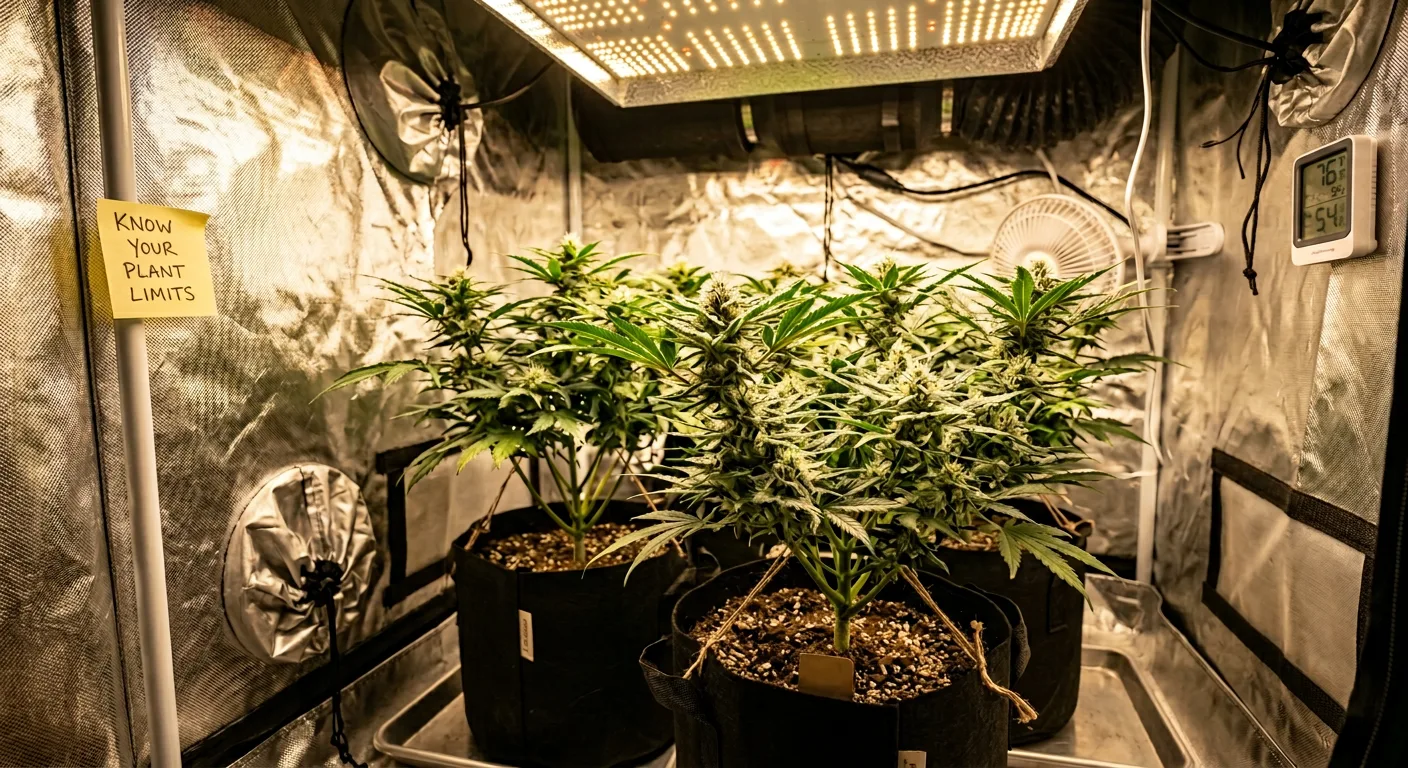
One of the most common misconceptions among first-time buyers in newly legal states is that legalization automatically includes the right to grow cannabis at home. It often does not. Home grow provisions are a politically contentious add-on that many states strip out to ease legislative passage.
| State | Adult-Use Legal? | Home Grow Allowed? | Plant Limit | Seed Purchase Legal? |
|---|---|---|---|---|
| Minnesota | Yes (2023) | Yes | 8 plants (4 mature) | Yes — licensed retailers |
| Delaware | Yes (2023) | No (as of mid-2026) | N/A | Retail only when available |
| New Hampshire | Yes (2024) | No | N/A | Retail only |
| Pennsylvania | In progress (2026) | Likely No (early drafts) | TBD | TBD |
| Florida | Ballot measure pending | TBD | TBD | Medical only currently |
| North Carolina | Medical expanding | No | N/A | No (medical limited) |
| Georgia | Medical only | No | N/A | No for consumer use |
| Kentucky | Medical (2025) | No | N/A | Licensed dispensaries only |
| Colorado | Yes (long established) | Yes | 6 plants (3 mature) | Yes — widely available |
| California | Yes (long established) | Yes | 6 plants | Yes — licensed retailers |
Before you order seeds, check whether your state's specific bill text includes a home cultivation section. Search your state legislature's website for the bill number and look for phrases like "personal cultivation," "home grow," or "residential plant limits." If those words do not appear, home growing is likely prohibited under the initial framework.
Why States Skip Home Grow Rights
Legislators often remove home grow provisions because licensed cannabis businesses lobby against them — a grower who produces their own supply is a customer dispensaries lose. States also cite enforcement concerns: how do you verify a 6-plant limit without warrantless home inspections? The result is that many newly legal states look great on paper but offer almost nothing to the aspiring home cultivator.
Medical State Home Grow: A Different Standard
Medical cannabis states sometimes offer registered patients the right to home cultivate when retail access is limited or costs are prohibitive. Arizona, New Mexico, and Michigan are examples where medical patients had home grow rights before adult-use legalization arrived. If you are in a medical-only state, check whether patient home cultivation is part of your state's medical program specifically.
What Seed Banks Can and Cannot Legally Promise You
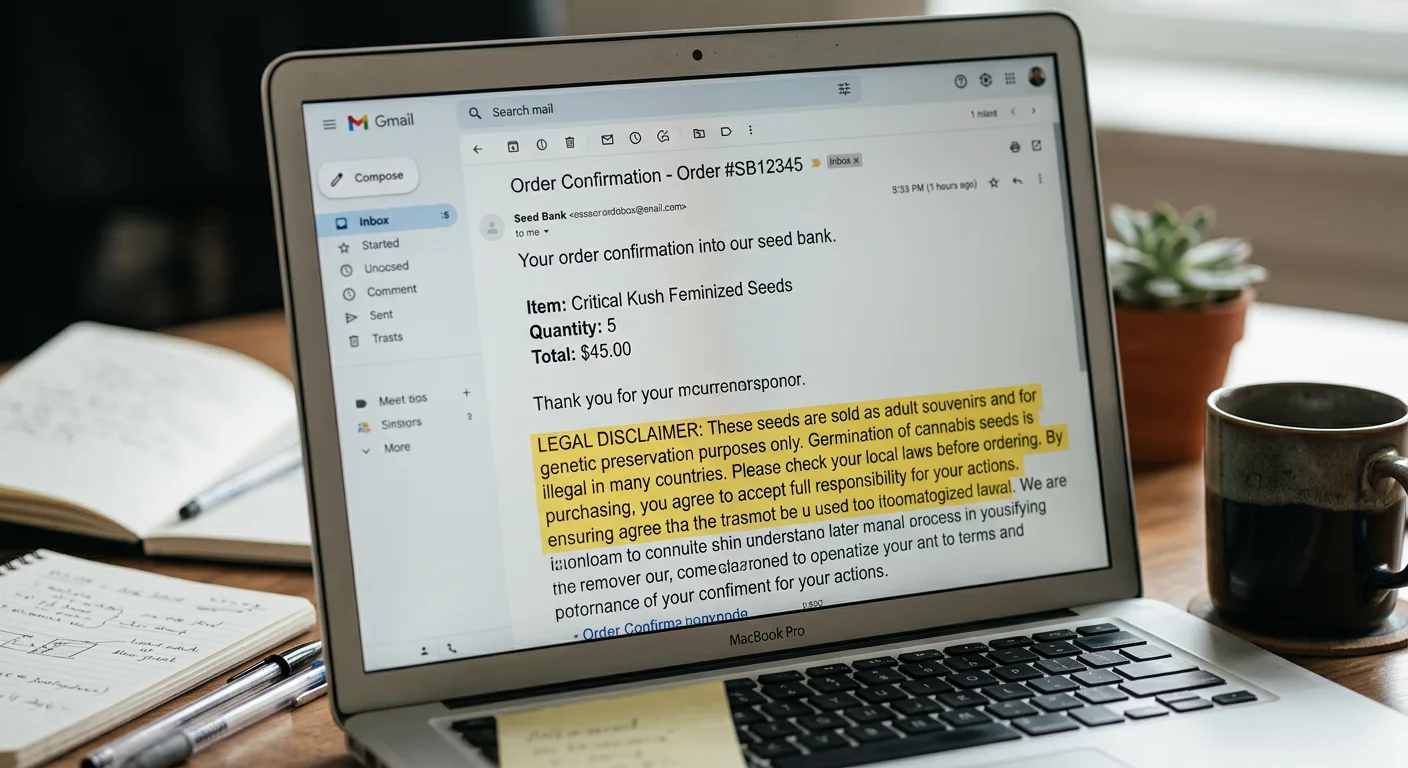
When you visit a reputable seed bank and see language like "we ship to all US states" or "discreet worldwide shipping," you are reading marketing language filtered through a careful legal disclaimer framework — not a guarantee of legal delivery.
The Disclaimer Reality
Almost every legitimate international seed bank operates with a version of this disclaimer: seeds are sold for genetic preservation, novelty collection, or souvenir purposes only, and buyers are responsible for knowing and complying with local laws. This language protects the seed bank legally but does not protect the buyer under federal law.
What seed banks can legitimately promise:
- Accurate genetics and strain descriptions
- Proper seed viability and storage handling
- Discreet packaging designed to pass standard postal inspection
- Reshipping policies if orders are seized at customs
- Clear communication about which countries or regions they will and will not attempt to ship to
What seed banks cannot promise:
- That your order will definitely clear US customs
- That receiving seeds is legal under your state's specific current law
- That a newly passed state law changes their shipping risk calculations
- That federal law will not be applied to your package
A seed bank updating its shipping policy to include your newly legal state is a business decision based on their own risk assessment — not a legal clearance. Treat it as useful information, not a legal green light.
How to Read a Seed Bank's Shipping Policy Before You Order
Look specifically for these elements before placing any order:
- Does the site list your specific state or region as a supported destination?
- Is there a reshipment or money-back policy for seized packages?
- Does the site use discreet, non-branded external packaging?
- Is there a clear disclaimer about buyer responsibility for local laws?
- Are payment methods secure and privacy-respecting?
- Is there a verifiable physical address or customer service contact?
- Does the site offer a germination guarantee for seed viability?
A seed bank that checks all those boxes — like one that backs its seeds with a germination guarantee — is operating with the transparency you need. For a full walkthrough of spotting reputable sellers versus scammy operations, read our guide on how to buy cannabis seeds safely online.
The 'Novelty Seed' and 'Collector's Item' Legal Framing Explained
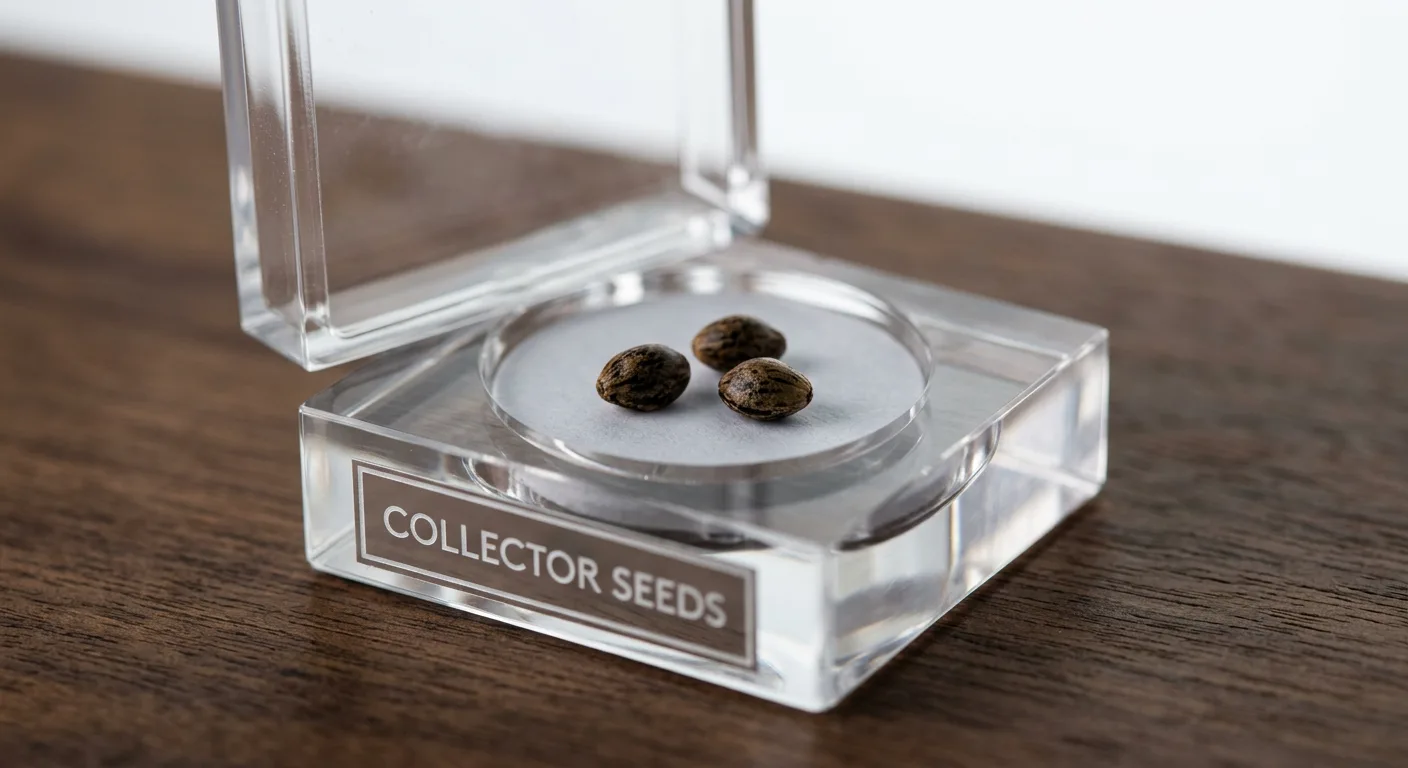
If you have spent any time browsing seed bank websites, you have seen the language: "sold as novelty items only," "collector's seeds," or "for souvenir purposes." This framing is not accidental — it is the industry's primary legal shield, and understanding what it actually means protects you as a buyer.
Where the Framing Comes From
The "novelty seed" framework emerged in the 1990s and 2000s as the Dutch seed industry began exporting globally. The legal theory holds that selling seeds as collectible objects — not for the purpose of cultivation — removes the seller from the chain of intent required for drug trafficking charges. Courts in various jurisdictions have treated this with varying degrees of acceptance.
In the United States specifically, this framing exists in genuine legal grey territory. A cannabis seed technically contains no THC — it is not itself a controlled substance by chemical composition. What makes it controlled under federal law is its classification as part of the Cannabis plant and its potential to produce a controlled substance when germinated.
What It Means in Practice for Buyers
For buyers, the novelty framing means a few practical things:
- The seed bank has legally distanced itself from your intent to germinate
- If your package is seized, the framing may reduce severity of any legal response
- It does not provide you any legal protection if you are found growing plants from those seeds
- It is a commercial and legal convention, not a genuine guarantee of safety
Do not let "novelty seed" labeling lull you into believing you are fully protected. The label describes the seller's legal posture — not yours. Once you germinate seeds, you are operating entirely under your own state's cannabis cultivation laws (and federal law). Know both before you start a grow.
Ordering Seeds in a Newly Legal State for the First Time: What to Expect
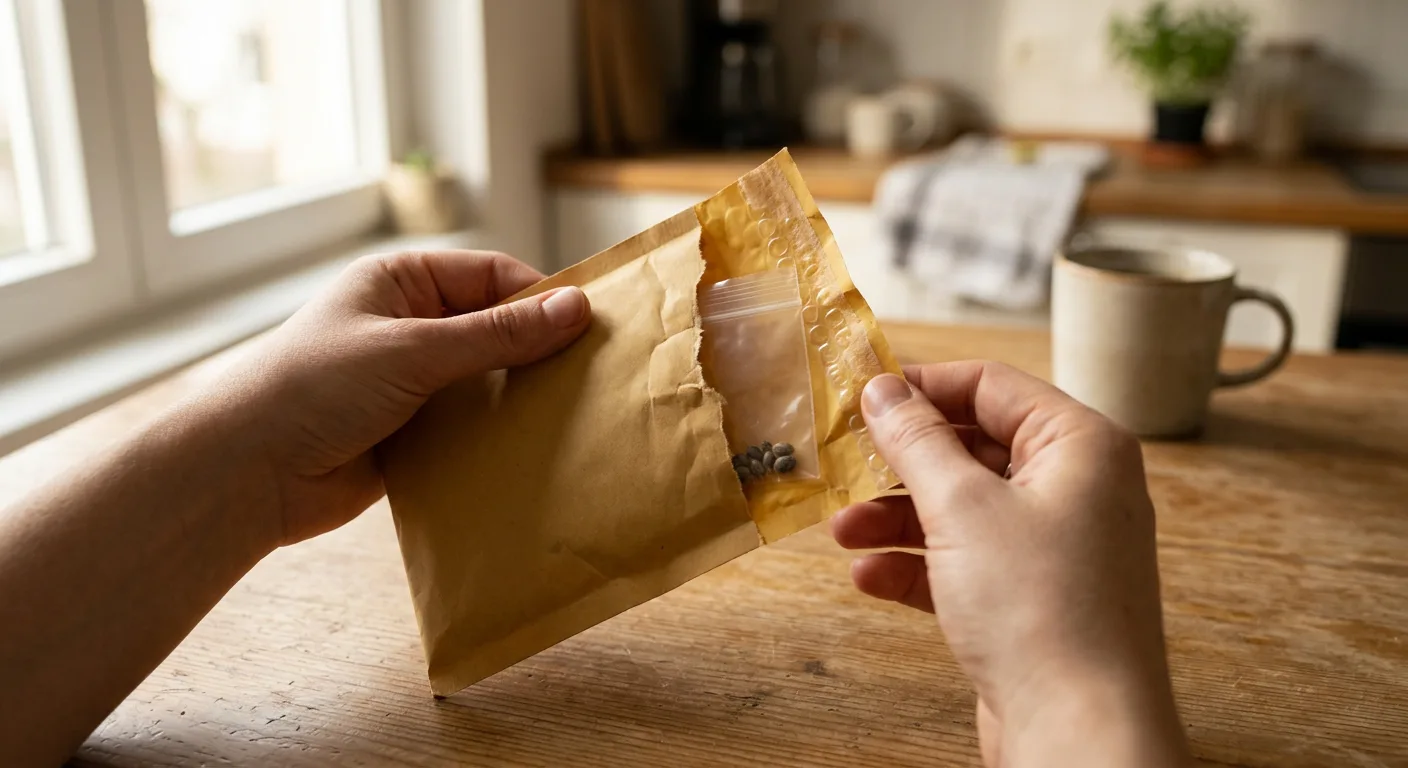
If your state has just legalized and you are ready to place your first seed order, here is the realistic, step-by-step picture of what the process actually looks like — the good, the uncertain, and the parts nobody advertises on the homepage.
Verify Your State's Current Home Grow Status
Before anything else, confirm that your state's law actually permits home cultivation. Check the bill text directly on your state legislature's website. Do not rely on headlines — bill summaries frequently omit or misrepresent home grow provisions.
Choose a Seed Bank With a Clear Shipping Policy
Look for a seed bank that explicitly lists your region as a supported destination and offers reshipment protection. Read the full shipping and returns page — not just the homepage banner.
Select Genetics Appropriate for Your Setup
First-time home growers in newly legal states are often working with limited space, minimal equipment, and no track record. Autoflowering and feminized seeds dramatically reduce complexity. Use a tool like the grow planner to match seed choice to your available space and light conditions before you buy.
Expect Discreet Packaging
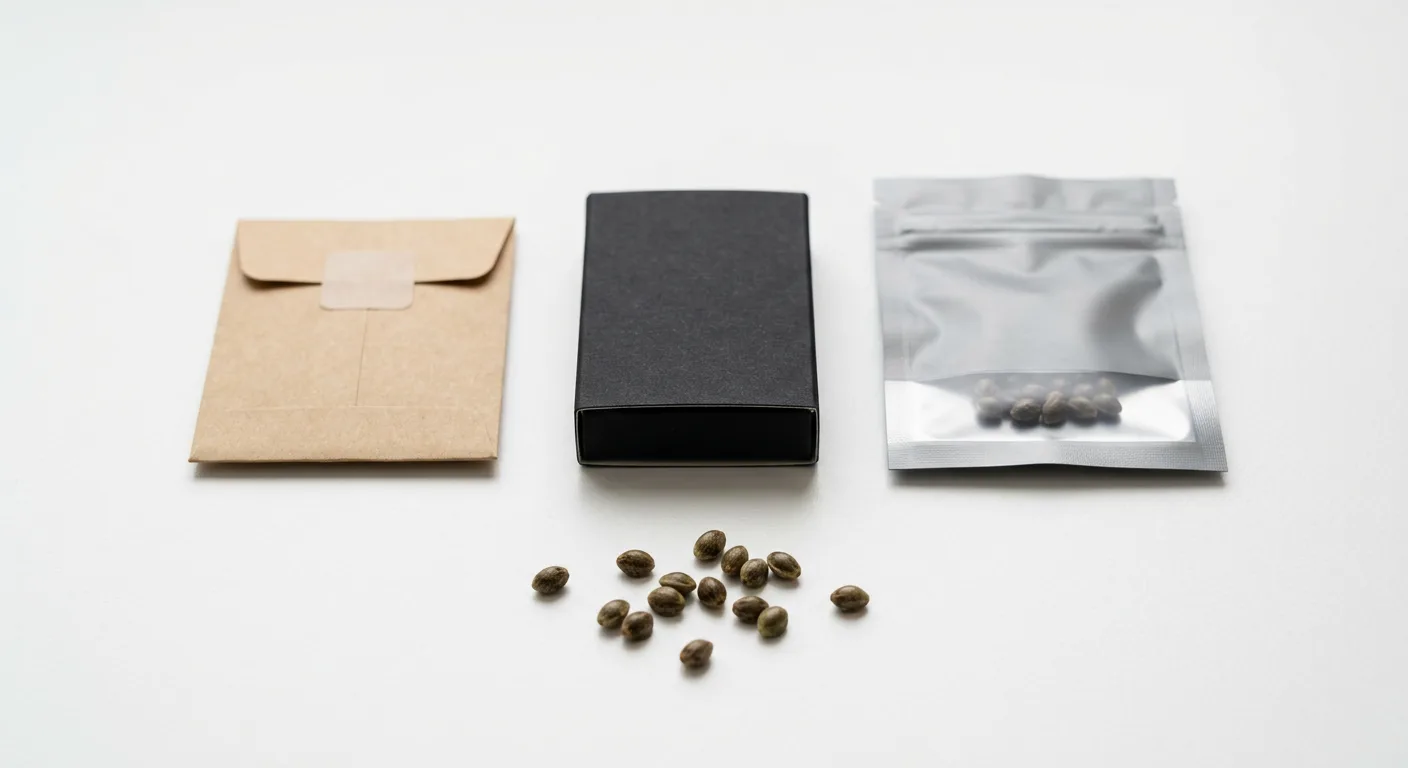
Legitimate international seed banks ship in discreet, non-branded outer packaging. Do not expect a box that says "cannabis seeds" on the side. Your order will likely arrive in a plain padded envelope, sometimes with seeds concealed inside another item or wrapped to avoid easy identification during routine postal scanning.
Understand Transit Time
International orders to the US typically take 1–4 weeks depending on origin country, time of year, and customs volume. Domestic US-based seed banks can ship faster — sometimes 3–7 business days. Factor this into your grow calendar planning.
Store Seeds Properly on Arrival
Until you are ready to germinate, store seeds in a cool, dark, dry place. Improper storage degrades viability quickly. Our detailed guide on how to store cannabis seeds long-term covers temperature, humidity, and container best practices.
If you are deciding between autoflowering and feminized seeds for your first grow, our pillar guide on autoflower vs feminized seeds breaks down every key difference — from lifecycle to yield to difficulty level — so you can make an informed choice before spending money on genetics.
How Federal Rescheduling Actually Affects Seed Bank Shipping
The DEA's move to reschedule cannabis from Schedule I to Schedule III has generated enormous excitement — and enormous confusion. Many buyers assume rescheduling means seed banks can now ship freely. That assumption is incorrect, and understanding why is important for anyone buying seeds in 2026.
What Schedule III Reclassification Actually Changes
Schedule III reclassification, if and when it takes full effect, changes several things that matter to the cannabis industry broadly:
- Removes the IRS Section 280E tax burden from cannabis businesses, saving licensed operators millions per year
- Opens pathways for legitimate medical research on cannabis at the federal level
- Reduces (but does not eliminate) federal criminal penalties associated with cannabis
- Creates a regulatory framework under which pharmaceutical-grade cannabis could eventually be approved
What It Does NOT Change for Seed Banks
Rescheduling does not legalize interstate cannabis commerce. It does not create a federal license that allows seed banks to ship cannabis genetics across state lines to non-licensed individuals. Cannabis remains a controlled substance under Schedule III — just a lower tier of controlled substance.
The situation is analogous to prescription medications. Oxycodone is a Schedule II controlled substance. The existence of that scheduling framework does not allow pharmaceutical companies to mail oxycodone to private citizens without a prescription, a licensed pharmacy, and a DEA-registered supply chain. Cannabis moving to Schedule III does not create those infrastructure elements overnight.
Section 781 and the Seed Shipping Timeline
Separate from rescheduling, Section 781 of proposed DEA regulatory language has created significant concern in the seed bank community. Under proposed Section 781 frameworks, protections that previously allowed some interpretation of seed sales as distinct from cannabis commerce could be explicitly removed. Our detailed breakdown of DEA Section 781 and what it means for seed buyers covers the full legal picture.
The rescheduling timeline and the Section 781 implementation timeline are running in parallel but are not the same process. Rescheduling is driven by the DEA and HHS. Section 781 is a legislative add-on with its own fate tied to broader drug policy legislation. Buyers following both processes need to track them separately — do not assume one cancels out the other.
Choosing the Right Seeds for a First Home Grow in a New Legal State
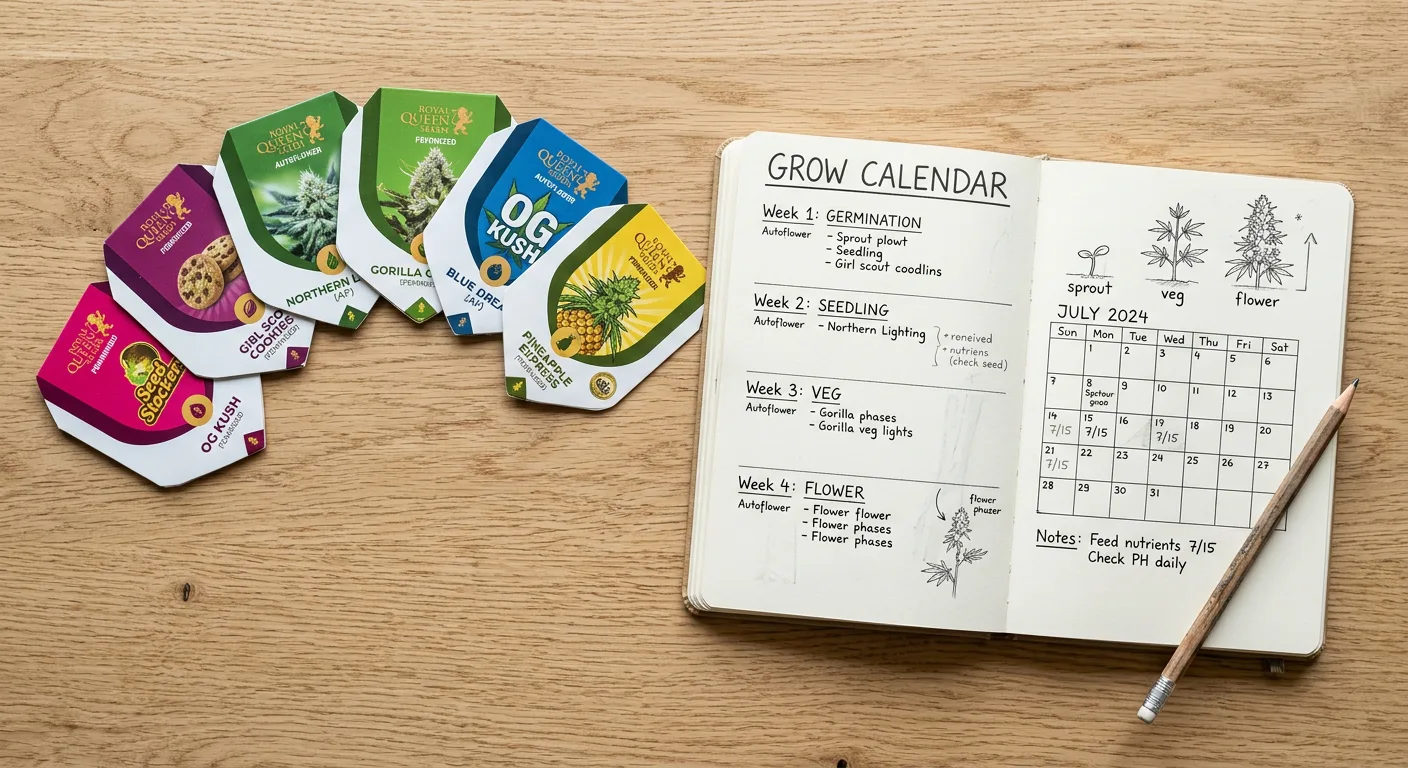
If your state's law confirms home growing is allowed, the next real decision is which seeds to actually start with. For first-time growers in newly legal states — often working with a small indoor tent, a spare closet, or a backyard garden — genetics selection matters more than most beginners realize.
What Makes a Strain Beginner-Friendly
The most important traits for a first grow are not THC percentage — they are:
- Resistance to environmental stress — temperature swings, humidity fluctuations, minor nutrient errors
- Compact structure — especially for indoor grows with limited vertical space
- Predictable flowering time — shorter cycles mean faster learning and quicker harvests
- Forgiving feeding requirements — strains that do not demand precision nutrient management
Autoflowering Seeds: The First-Timer's Advantage
Autoflowering genetics flower based on age rather than light cycle, which removes one of the most technically demanding aspects of indoor growing. For a first-time home grower in a newly legal state trying to understand the basics before investing in more complex setups, autoflowering seeds are often the smartest starting point.
Well-known beginner-friendly autos include Northern Lights Auto (known for its hardiness and compact profile), Critical Auto (favored for high yields relative to difficulty), and Easy Bud. From a more experienced perspective, strains like Amnesia Haze Autoflower (17% THC) offer a balance of manageable cultivation and satisfying results — they flower quickly, grow compact, and produce reliable harvests without demanding expert-level care.
If you prefer an indica-dominant auto that manages well in variable indoor environments, Skywalker OG Autoflower carries 23% THC with a characteristically heavy, relaxed effect profile. It is forgiving enough for beginners but delivers results that keep experienced growers coming back.
Feminized Seeds for Growers Ready to Commit
If you have confirmed your home grow rights, have a stable indoor setup, and are ready to manage a light cycle, feminized photoperiod seeds open up significantly more genetic diversity and often better yields per plant. Popular industry favorites like Gorilla Glue #4, Wedding Cake, and Gelato are benchmarks worth knowing — these widely grown strains have set the standard for modern hybrid growing.
From our own catalog, OG Kush Feminized at 26% THC remains one of the most reliable photoperiod choices for home growers — it is well-documented, widely grown, and produces a classic effect profile that has made it a reference point for decades. For high-THC seekers pushing the ceiling, Quantum Kush Feminized hits 30% THC and rewards careful nutrient management with exceptional results.
New growers who want a balanced yield-to-difficulty ratio often find Northern Lights x Big Bud Feminized at 20% THC to be the sweet spot — a lineage built specifically for indoor production, with the structure and resin production that makes first harvests satisfying.
Before you finalize your seed selection, run your planned grow through our free yield estimator and grow cost calculator. Knowing your expected output and expenses before germination turns the entire experience from guesswork into a real plan — especially important for home growers working within plant count limits imposed by state law.
Matching Genetics to Your State's Climate (Outdoor Growers)
For growers in states like Pennsylvania or the Southeast who plan to grow outdoors once legal frameworks allow, climate matching is critical. The Southeast's long warm season and high summer humidity reward mold-resistant genetics. Sativa-dominant strains like Sour Diesel Feminized (24% THC) thrive in long-season environments, while indica-leaning strains may finish earlier and avoid late-season humidity spikes that can damage buds. Our full guide on cannabis seedling care from sprout to transplant walks through early-stage environment management regardless of climate.
A Quick Reference: 2026 Legalization Status and What It Means for Buyers
This summary table consolidates the key buying-relevant details across the most talked-about states in the 2026 legalization conversation. Use it as a starting point — always verify current law directly with your state's official cannabis regulatory body before taking any action.
| State | Status (2026) | Home Grow? | Online Seed Purchase? | Key Caveat |
|---|---|---|---|---|
| Pennsylvania | Active legislative push | Likely No initially | No confirmed legal path | Bill not yet signed — everything is provisional |
| Florida | 2026 ballot measure active | TBD | Medical dispensaries only currently | Supermajority threshold required to pass |
| North Carolina | Medical expansion active | No | No for general consumers | Medical program limited in scope |
| Georgia | Medical only (low-THC) | No | No | Low-THC oil only; highly restricted |
| Tennessee | No legalization | No | No | Active opposition at legislative level |
| South Carolina | No legalization | No | No | Medical bills have stalled repeatedly |
| Minnesota | Adult-use live | Yes (8 plants) | Yes via licensed retailers | One of the strongest home grow protections in a new legal state |
| Delaware | Adult-use live | No (as of mid-2026) | Retail rollout underway | Home grow excluded from initial framework |
| New Hampshire | Adult-use live | No | State retail model only | Unique state-run dispensary model limits seed access |
| Kentucky | Medical live (2025) | No | Licensed dispensaries only | Adult-use far off politically |
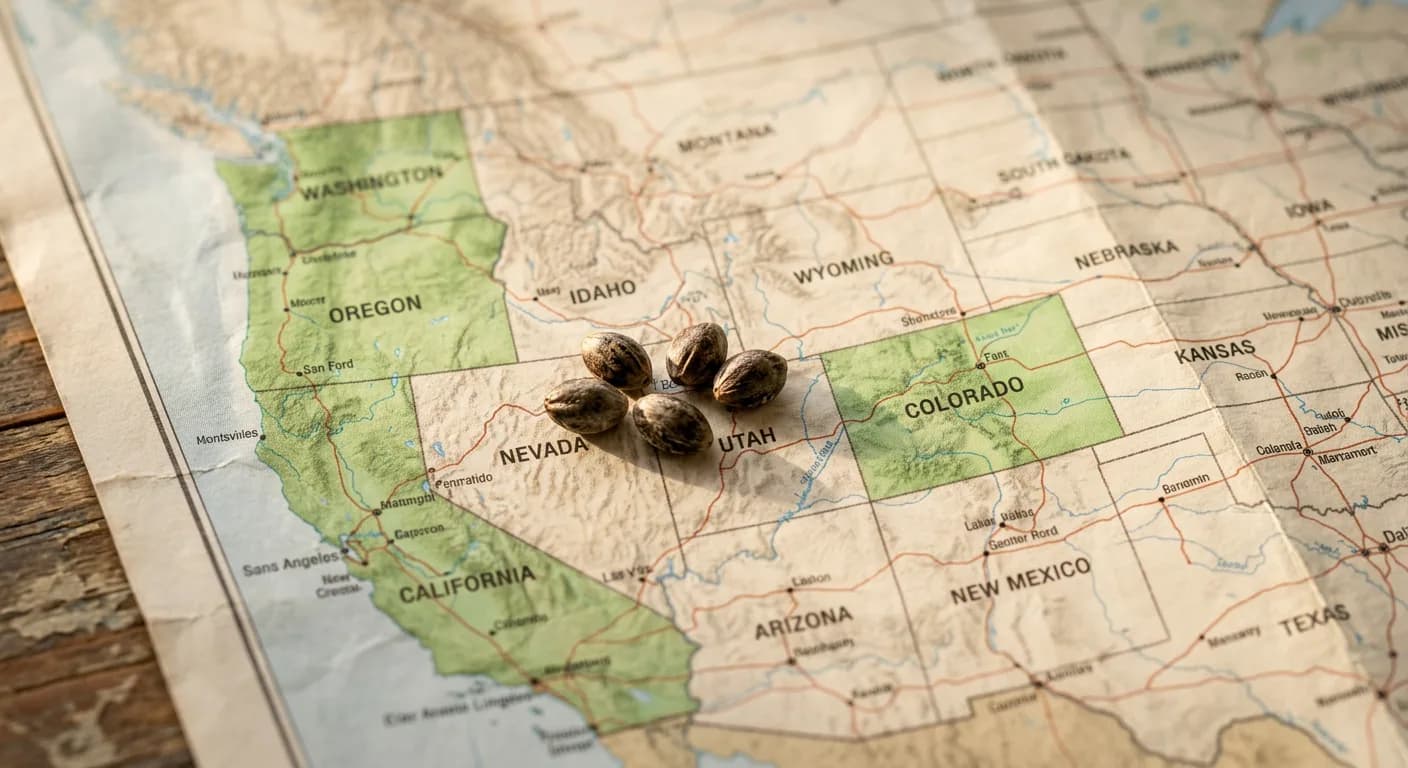
For a constantly updated visual reference of where each state stands on legalization, use our interactive legalization map tool — it tracks adult-use, medical, and decriminalization status in real time as state laws change through 2026 and beyond.
The single most important thing any buyer in a newly legal state can do is separate three distinct questions: (1) Is cannabis legal to possess in my state? (2) Does my state allow home cultivation? (3) Is purchasing seeds from an online seed bank legal under current state AND federal law? These three questions have three different answers in almost every newly legal state.
What This All Means If You Are Ready to Buy
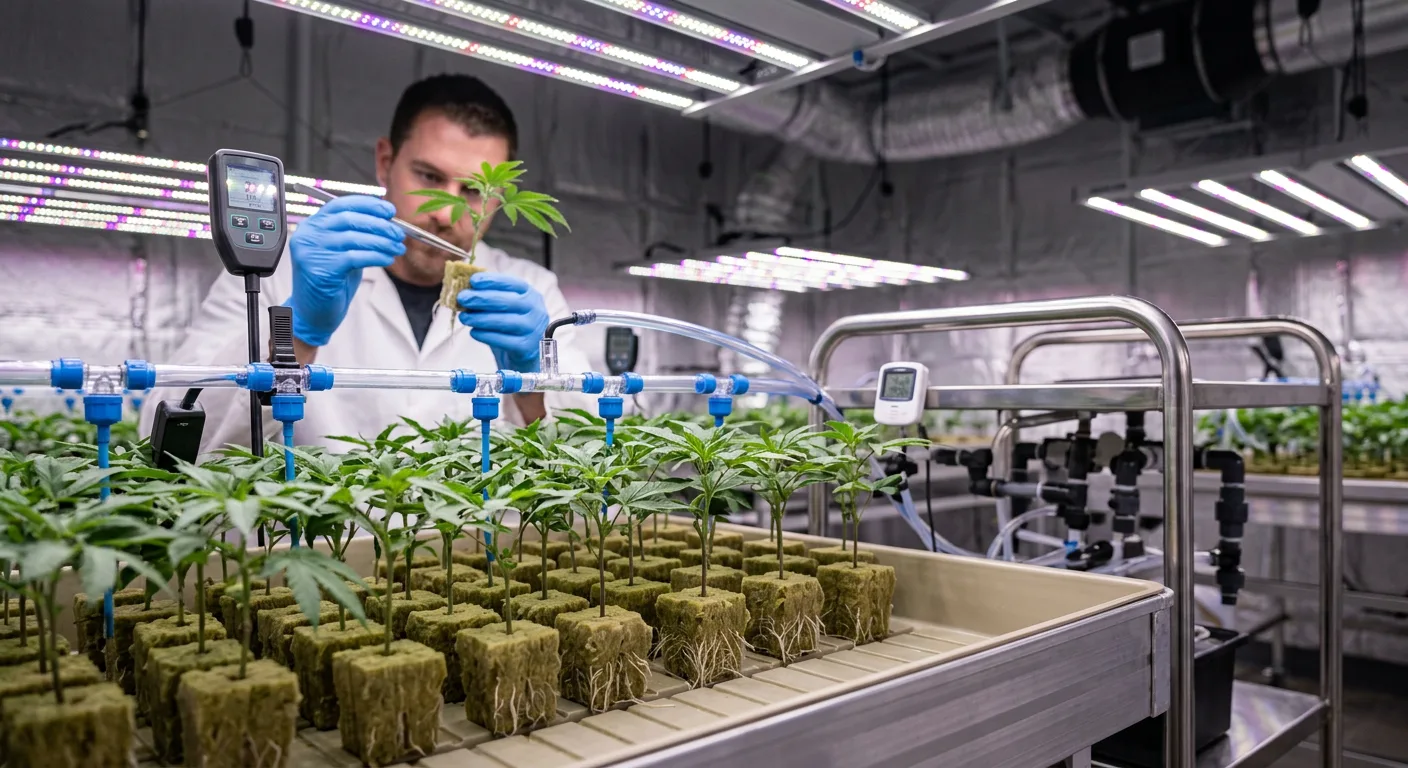
If you have worked through this guide and your state confirms home grow rights are in place — or you are in a long-established legal state and are simply doing your due diligence — the seed buying process is genuinely accessible, and the quality of genetics available in 2026 is exceptional.
The key to a good first experience comes down to three things: choosing a seed bank that operates transparently with clear shipping policies and real guarantees, selecting genetics matched to your actual grow environment and experience level, and understanding the legal context you are operating in well enough to make informed decisions. Our guide to the difference between feminized and regular seeds is a useful companion piece for anyone still working through the seed type decision.
The 2026 legalization wave is genuinely historic. More Americans than ever are about to have legal access to home cultivation for the first time. The seed market — and the quality of genetics available to home growers — has never been better positioned to meet that moment. But the legal complexity is real, and taking thirty minutes to understand your state's specific law before placing an order is the most valuable thing any new grower can do.
Bookmark your state's official cannabis regulatory authority website and check it every 60–90 days throughout 2026. Laws, regulations, and enforcement priorities are moving faster right now than at any point in cannabis history. What was prohibited in January may be permitted by October — and vice versa.
Frequently Asked Questions
Can I buy cannabis seeds online if my state just legalized cannabis?
Not automatically. State legalization changes local possession rules but federal law still governs interstate shipping. Seed banks may ship to newly legal states under their existing policies, but buyers must verify both their state's specific seed purchase rules and the seed bank's current shipping guidelines before ordering. A state legalizing adult-use cannabis does not create a legal pathway for online interstate seed purchases.
Does Pennsylvania's 2026 legalization include home growing rights?
As of mid-2026, Pennsylvania's adult-use legalization push is still moving through the legislature. Early bill drafts have been restrictive on home cultivation, following patterns set by New Jersey — which initially excluded home grow rights entirely. Home grow provisions are not confirmed in any current Pennsylvania bill language. Always check the final signed legislation before germinating seeds at home.
What does 'novelty' or 'collector's item' seed labeling mean on seed bank websites?
International seed banks often sell cannabis seeds labeled as "novelty" or "collector's items" — meaning they are sold for genetic preservation or curiosity, not intended for germination. This framing exists in a legal grey area under federal law and protects the seller's legal position, not the buyer's. It does not provide legal protection once seeds are germinated, and buyers remain responsible for complying with their own state and federal laws.
Does federal cannabis rescheduling to Schedule III change seed bank shipping rules?
No, not directly. Schedule III reclassification changes tax treatment and research access but does not legalize interstate cannabis commerce. Cannabis remains a controlled substance under Schedule III. Seed banks shipping across state lines still face the same fundamental federal legal constraints they did under Schedule I, and rescheduling does not create a legal pathway for consumer seed purchases through the mail.
Which newly legal or transitioning states allow home growing in 2026?
Among newly legal and transitioning states in 2026, Minnesota stands out as one of the few to explicitly permit home cultivation — up to 8 plants per household (4 mature). Delaware, New Hampshire, and pending states like Pennsylvania have excluded or are likely to exclude home grow from initial legal frameworks. Established states like Colorado, California, Michigan, and Massachusetts have well-defined home grow rights. Always verify plant limits and any licensing requirements specific to your state before starting a home grow.