Why Does One Pack of Seeds Cost $15 and Another Cost $200?
You're browsing a seed bank. One strain is $12 per seed. Three clicks away, a different strain with a flashier name costs $85 per seed. The descriptions both say something about 'premium genetics' and 'exceptional terpene profiles.' So what are you actually paying for?
The debate around seed bank exclusive strains vs open source genetics is one of the most heavily discussed topics in cannabis growing communities — and almost completely absent from structured editorial coverage. This guide fills that gap with specifics, not marketing language.
Whether you're spending $50 or $500 on seeds, understanding what 'exclusive' actually means in this industry will change how you shop.
What 'Exclusive' Actually Means in the Seed Bank World
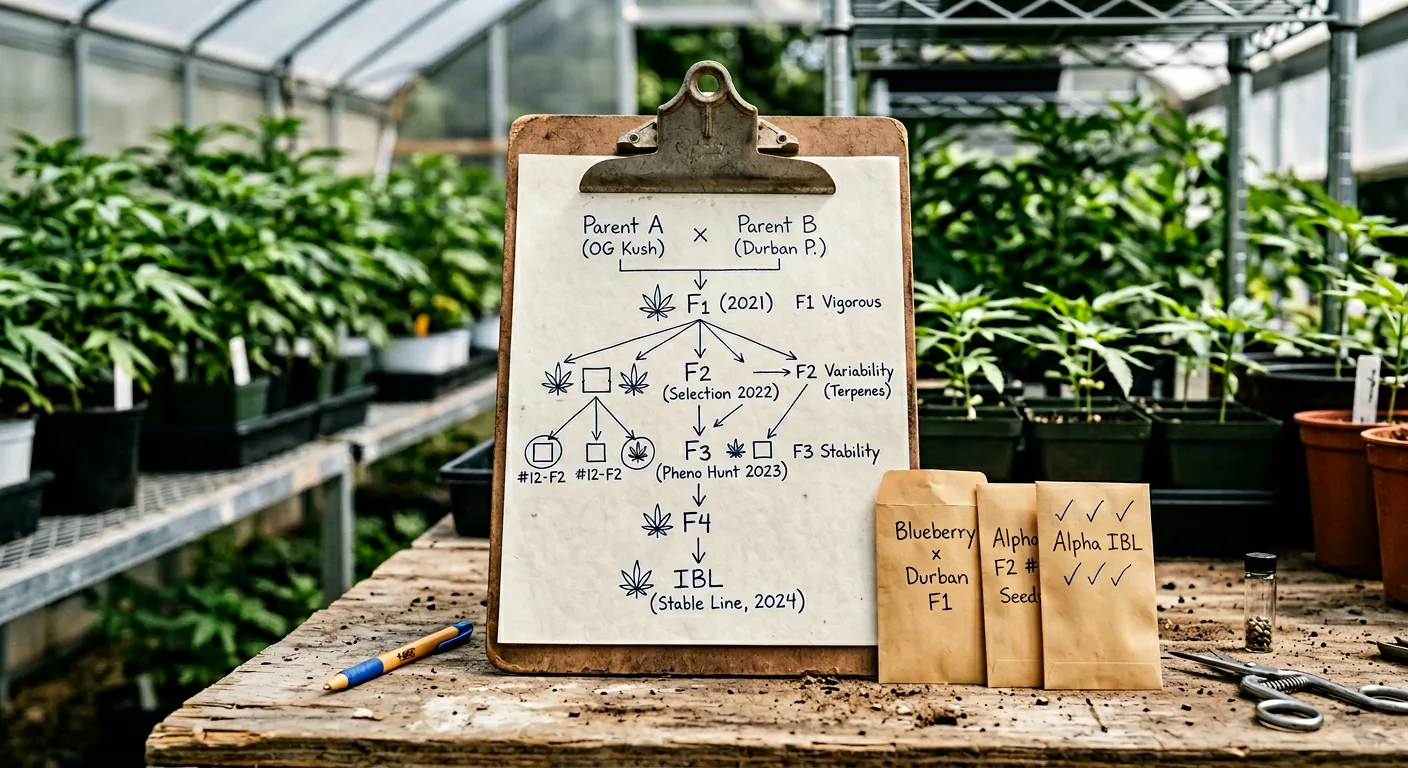
Seed bank exclusive strains vs open source genetics is not a simple quality comparison — it's a business model comparison first. The word 'exclusive' gets applied to three very different situations, and only one of them justifies a premium price.
Type 1: True Proprietary Breeding Programs
A handful of seed banks operate actual in-house breeding facilities. These operations maintain mother plants, select phenotypes across multiple generations, and run deliberate stabilization programs that can take years. The result is genetics that genuinely don't exist anywhere else — specific phenotype expressions, unique terpene ratios, or traits bred for consistency that you cannot replicate by buying parent strains and crossing them yourself.
Legitimate markers of a true proprietary program include:
- Documented multi-generation breeding history (F1 through F4 or beyond)
- Named breeders with verifiable track records and contest wins
- Pheno hunt documentation showing selection criteria
- Consistent phenotypic expression across seed batches (low variance)
- Parent strains that are themselves proprietary or no longer publicly available
Breeding terminology matters: A true F1 hybrid of two stable IBL (inbred line) parents offers predictable hybrid vigor. An F1 from two already-hybrid parents is genetically diverse — meaning higher variance between plants. Understanding seed types like F1, S1, and IBL before you buy protects you from paying F1 prices for F3 variability.
Type 2: Licensed Cuts and Clone-Only Genetics Converted to Seed
Some 'exclusive' seeds are created by obtaining access to legendary clone-only genetics — famous cuts that circulate privately in the cannabis community — and converting them to seed form through feminization or stabilization. This is legitimate when the original cut is genuinely rare and the conversion work is done carefully.
The catch: converting a clone-only cut to seed introduces genetic variance. The seeds will not be identical to the original clone. Reputable banks disclose this; less reputable banks imply you're getting exact replicas of famous genetics when you're getting S1 selfings with variable expression.
Type 3: Marketing 'Exclusives' (Rebranded Bulk Genetics)
This is where the real problem lives. Some banks — including well-known ones — purchase bulk seeds from large producers, repackage them under original-sounding names, and market them as house exclusives. The genetics underneath are neither unique nor developed in-house.
Red flag: If a seed bank's 'exclusive' strain lineup closely mirrors the catalog of a large wholesale seed producer — same flowering times, same yield claims, same terpene descriptions — there's a good chance you're buying rebranded product at a markup of 200–400%.
The Open-Source Cannabis Genetics Movement Explained
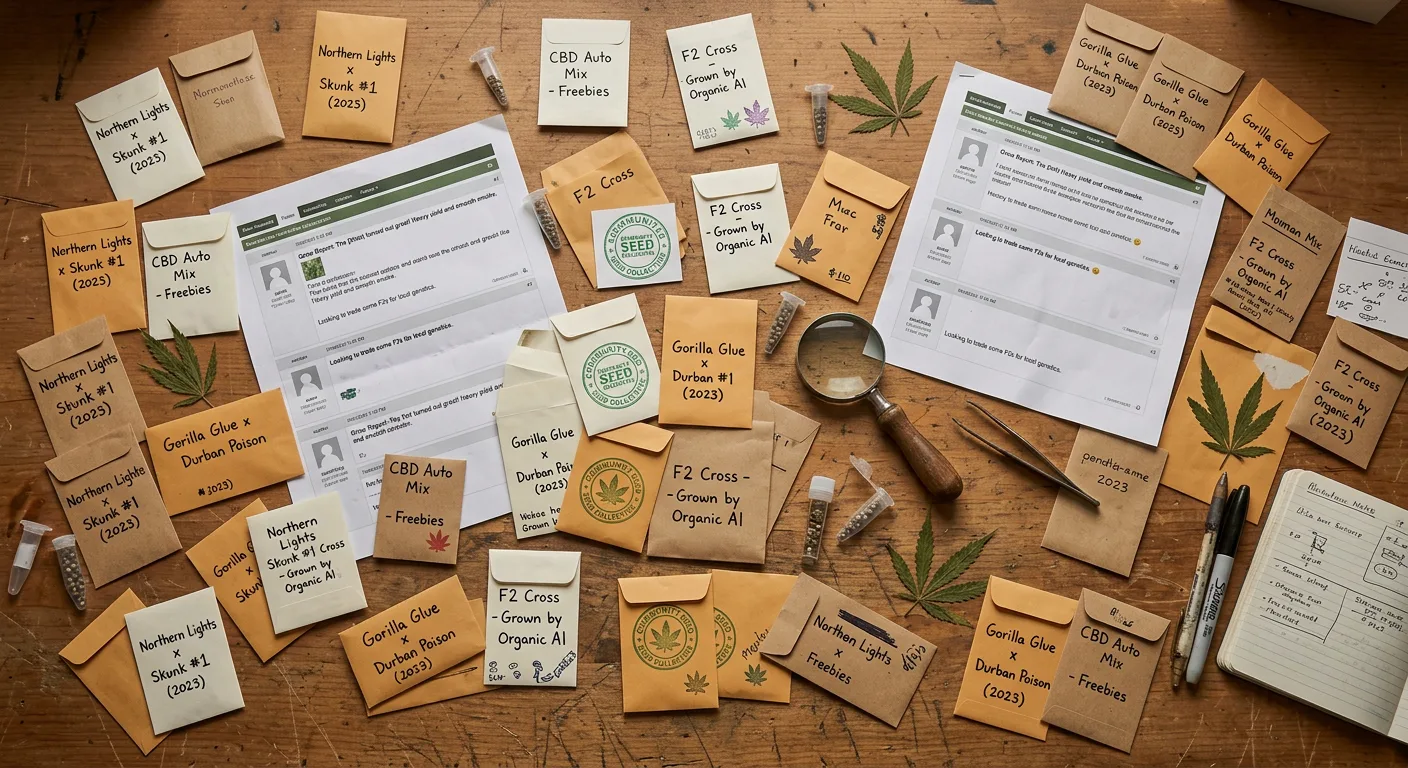
The open-source genetics movement operates on a fundamentally different philosophy than the commercial seed bank model. Instead of protecting genetics behind proprietary walls, breeders release seeds freely or at cost, encourage growers to cross and improve strains, and build reputation through community trust rather than brand exclusivity.
The Ethos Behind Open-Source Breeding
Breeders like Bodhi Seeds built their reputations specifically by making high-quality, landrace-influenced genetics widely available at accessible prices. The TGA Genetics model under Subcool similarly prioritized community distribution over profit maximization. These breeders reasoned that widespread cultivation would preserve genetics, gather more phenotype data, and improve strains faster than any closed breeding program could achieve alone.
The core principles of open-source cannabis genetics include:
- Free or low-cost distribution of seeds to the community
- Encouragement of further breeding and strain development
- Transparency about parent genetics and breeding history
- Reputation built through grower results, not marketing budgets
- Community pheno hunting that tests genetics across thousands of environments
The Free-Seed Community and Its Genetic Diversity
Beyond named breeders, an entire ecosystem of community seed exchanges operates through forums, subreddits, and grow communities. These exchanges circulate everything from stabilized IBL lines to experimental crosses. The genetic diversity within this system often exceeds what any single commercial breeder can offer — and the collective pheno-hunting that happens when thousands of growers run the same genetics generates data that commercial programs simply cannot match.
The open-source cannabis genetics movement isn't anti-quality — it's anti-gatekeeping. Many community-bred strains have been tested across more environments and more phenotypes than any exclusive commercial release, simply because more people grew them.
Open-Source vs Commercial: The Fundamental Trade-Off
| Factor | Open-Source Genetics | Commercial Exclusive |
|---|---|---|
| Price per seed | $5–$25 | $25–$120+ |
| Phenotypic variance | Higher (more selection required) | Lower (if truly stabilized) |
| Lineage transparency | Usually high — community documented | Variable — often vague |
| Parent genetics available? | Usually yes | Sometimes proprietary |
| Community grow data | Extensive | Limited to brand's marketing |
| Risk of rebranding | Low — sources are traceable | High — difficult to verify |
| Best for | Pheno hunting, breeding projects | Consistent commercial production |
The Rebranding Problem: How to Spot It

Honest answer: rebranding bulk genetics as 'house exclusives' is more common than most seed banks want to admit. The practice isn't always malicious — sometimes banks genuinely believe they're offering something differentiated — but the result for the buyer is paying premium prices for commodity genetics.
How the Rebranding Process Works
Large-scale seed producers — particularly in the Netherlands and Spain — wholesale feminized and autoflower seeds to dozens of seed banks simultaneously. The same genetics might sell under five different names across five different websites, each claiming 'exclusive' or 'house' status. Minimum order quantities are low enough that small banks can buy 500 seeds of a strain and brand them as their own.
The rebranding operation typically looks like this:
- Bank sources bulk feminized seeds from a wholesale producer
- Creates a new strain name (usually trend-following: Gelato something, OG something, Cookies something)
- Writes original marketing copy about the genetics
- Prices seeds at 2–4x the wholesale cost
- Lists flowering time, yield, and THC% nearly identical to the source
Research tactic: Cross-reference any 'exclusive' strain's specs — exact flowering days, THC percentage, and described terpene profile — against major wholesale producers' catalogs. If you find identical specs under a different name, you've identified a rebranded product. Growing forums like Rollitup and r/microgrowery are excellent resources for this kind of verification.
Tools for Verifying Genuine Exclusivity
You don't have to take any seed bank's word for it. Here's a practical verification process:
Trace the Parent Strains
Every 'exclusive' strain has parents. Ask specifically what they are. If the bank won't disclose parent genetics, treat that as a red flag. Legitimate breeders are proud of their lineage choices and can explain why they crossed specific parents.
Search the Strain Name in Growing Communities
Paste the strain name into Rollitup, Overgrow, or r/microgrowery search. If multiple people report buying it from different banks with the same specs but different names, you're looking at rebranded genetics. If nobody has grown it, that's also a signal.
Compare Specs Against Wholesale Catalogs
Major wholesale producers publish specs. If a bank's 'exclusive' has flowering time, yield range, and THC percentage that match a wholesale listing almost exactly, the genetics are likely the same product with a new label.
Evaluate Breeder Transparency
Ask directly: who bred this strain? When? Over how many generations? A breeder running a legitimate program can answer these questions. Evasive or vague answers point to rebranded product.
Check for Named Breeders vs Brand Credits
Legitimate exclusive genetics are usually credited to a named breeder, not just 'the [Bank Name] genetics team.' Breeder reputation is the primary quality signal in this industry — anonymous genetics are a lower-confidence purchase.
Legitimate Reasons Exclusive Genetics Command Premium Prices

After establishing that many 'exclusives' are rebranded bulk seeds, it's equally important to acknowledge that genuine premium genetics exist and that their higher prices are sometimes fully justified.
Years of Phenotype Selection Work
Running a true pheno hunt at commercial scale is expensive and time-consuming. Finding the standout phenotype in a pack of 100 seeds, then backcrossing it to lock in its traits, then running another round of selection — this process repeated across four to six generations represents thousands of hours of skilled labor and significant facility costs. When a breeder charges $60 per seed for a strain that took six years and forty thousand plants to develop, that premium has a real cost basis.
Proprietary Parent Stock
Some breeders hold genetics that simply aren't available anywhere else. Famous clone-only varieties, landrace accessions collected from specific regions, or elite phenotypes identified through years of hunting — these become the exclusive raw material for crosses that cannot be replicated without that specific parent stock. If the genetics underneath are genuinely unavailable elsewhere, exclusivity is real, not manufactured.
Consistent, Predictable Performance
For commercial cultivators and serious home growers, seed-to-seed consistency has dollar value. A truly stabilized strain where 90%+ of seeds produce similar phenotypes saves significant time and labor in selection. Community genetics with high variance can require running 20 plants to find 2 keepers — which is excellent for breeding projects but inefficient for production grows.
The premium for genuine exclusive genetics pays for three things: the breeder's selection labor, access to parent stock you can't obtain elsewhere, and reduced variance that saves you time in the grow room. When all three are present, the premium can be fully justified.
Unique Terpene Profiles and Novel Expressions
The current market places extraordinary value on novel terpene combinations. A strain with a genuinely distinctive aromatic profile — something that smells and tastes like nothing currently on the market — commands premium pricing both in seed form and in the eventual flower. When a breeder identifies and stabilizes an unusual terpene expression through dedicated pheno selection, that novelty has genuine market value. The key question is whether the bank can document the discovery, not just describe it with adjectives.
Exclusive vs Open-Source: Side-by-Side Verdict Cards

Different growing goals require different approaches to genetics sourcing. Here's how the two models compare across the situations you're actually likely to face.

🏆 When to Choose Open-Source Community Genetics
- Pheno hunting projects — High variance means more unique expressions to discover. This is a feature, not a bug, when you want to find your own keeper.
- Breeding programs — Known, documented parent genetics make breeding projects predictable. Open-source lineages are easier to work with because the genetic history is transparent.
- Budget-conscious grows — When you're learning, running multiple pheno candidates, or simply maximizing grow count per dollar, open-source seeds deliver comparable results at a fraction of the price.
- Landrace and heritage genetics — The community genetics pool preserves more landrace diversity than most commercial catalogs, which tend toward current market trends.
- Environmental testing — Community-bred strains often have thousands of documented grows across different environments. Commercial exclusives may have only the bank's own grow data.
🏆 When to Pay Premium for Genuine Exclusive Genetics
- Commercial cultivation at scale — When seed-to-seed consistency directly impacts your yield per square foot and labor costs, a stabilized exclusive that runs uniform may pay for itself.
- Collecting unique terpene profiles — If you're specifically seeking a flavor profile that doesn't exist in the open-source pool, legitimate exclusives may be your only path.
- Time-critical growing — If you're running one crop per season outdoors and need it to finish on schedule, a verified stable strain justifies the premium over high-variance community genetics.
- Licensed genetics with proven contest results — Genetics backed by documented competition wins have a verifiable quality signal that's worth paying for.
Hybrid approach: Many experienced growers buy open-source genetics for pheno hunts and exclusive genetics for production runs. Run 20 community seeds to find your keeper phenotype, then source a stabilized exclusive for the grow that pays the bills.
How Transparent Genetics Sourcing Actually Works
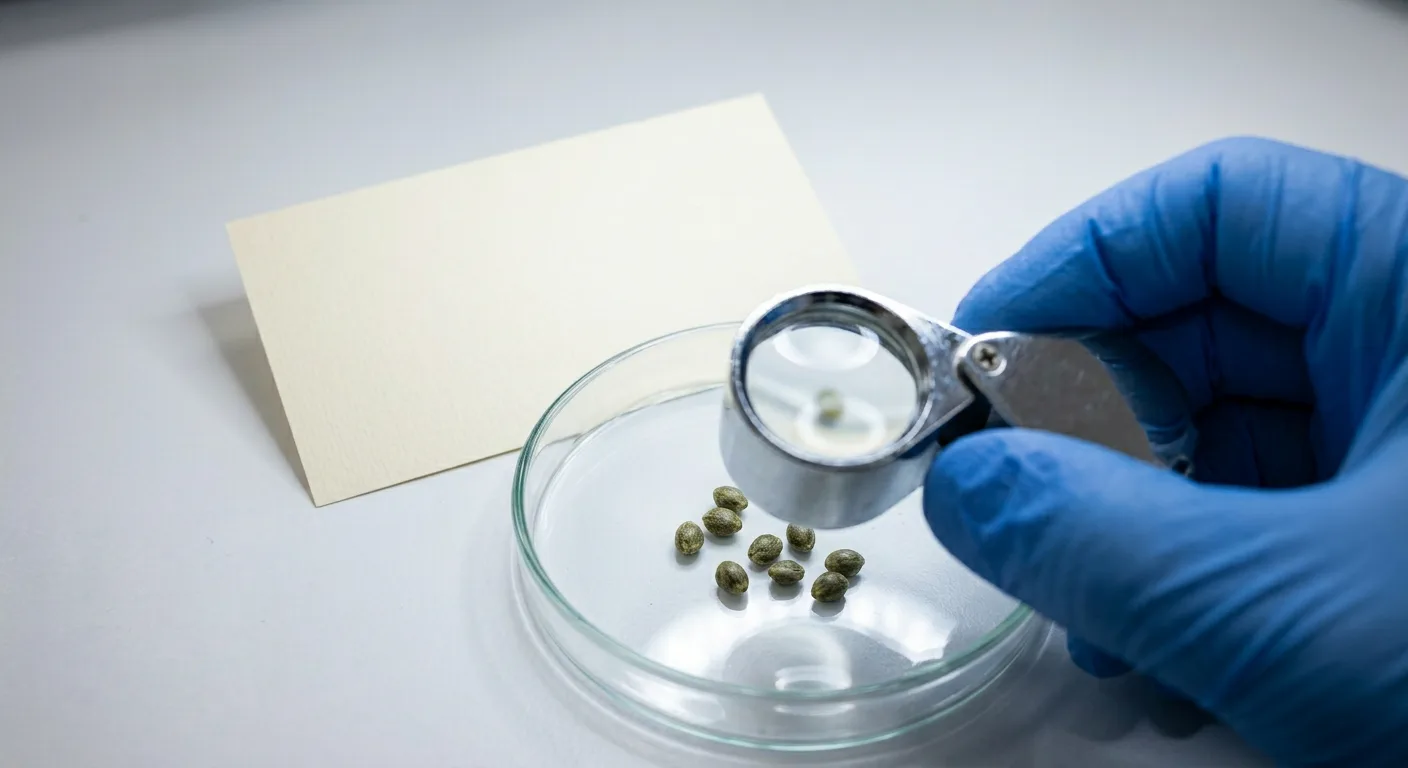
The industry gap between 'exclusive' marketing language and actual genetic transparency is significant. Understanding what good sourcing disclosure looks like helps you evaluate any seed bank's claims with clear eyes.
What a Transparent Genetics Sourcing Statement Includes
Seed banks serious about genetic quality communicate specific, verifiable information rather than vague claims. Look for these elements when evaluating any bank's catalog:
- Named parent strains with generation notation (F1, F2, IBL)
- Named or credited breeders — not just the bank's brand
- Documented pheno selection criteria (what traits were selected for, over how many generations)
- Honest description of phenotypic variance to expect
- Germination guarantees backed by real policy, not just marketing copy
Our genetics sourcing follows these standards. Every strain in the catalog can be traced to its parent genetics, and our germination guarantee backs the quality with a real commitment. When you order OG Kush Feminized Seeds (26% THC), you're getting a strain with a lineage that's been documented and discussed in the cannabis community for decades — not a rebranded mystery cross.
Classic Strains as a Transparency Benchmark
One of the best ways to evaluate a seed bank's genetic integrity is to look at how they handle classic, well-documented strains. The genetics of strains like White Widow, Northern Lights, and Sour Diesel are extensively documented in the community. If a bank's version of these classics performs consistently with community expectations, their more specialized genetics are more likely to be what they claim.
Strains like our White Widow Feminized Seeds (25% THC), Sour Diesel Feminized Seeds (24% THC), and Northern Lights x Big Bud Feminized Seeds (20% THC) are built on genetics that have been validated by decades of community grows. There's no mystery in the lineage — and that's the point.
The Pheno Hunt Factor: When Variance Is the Point
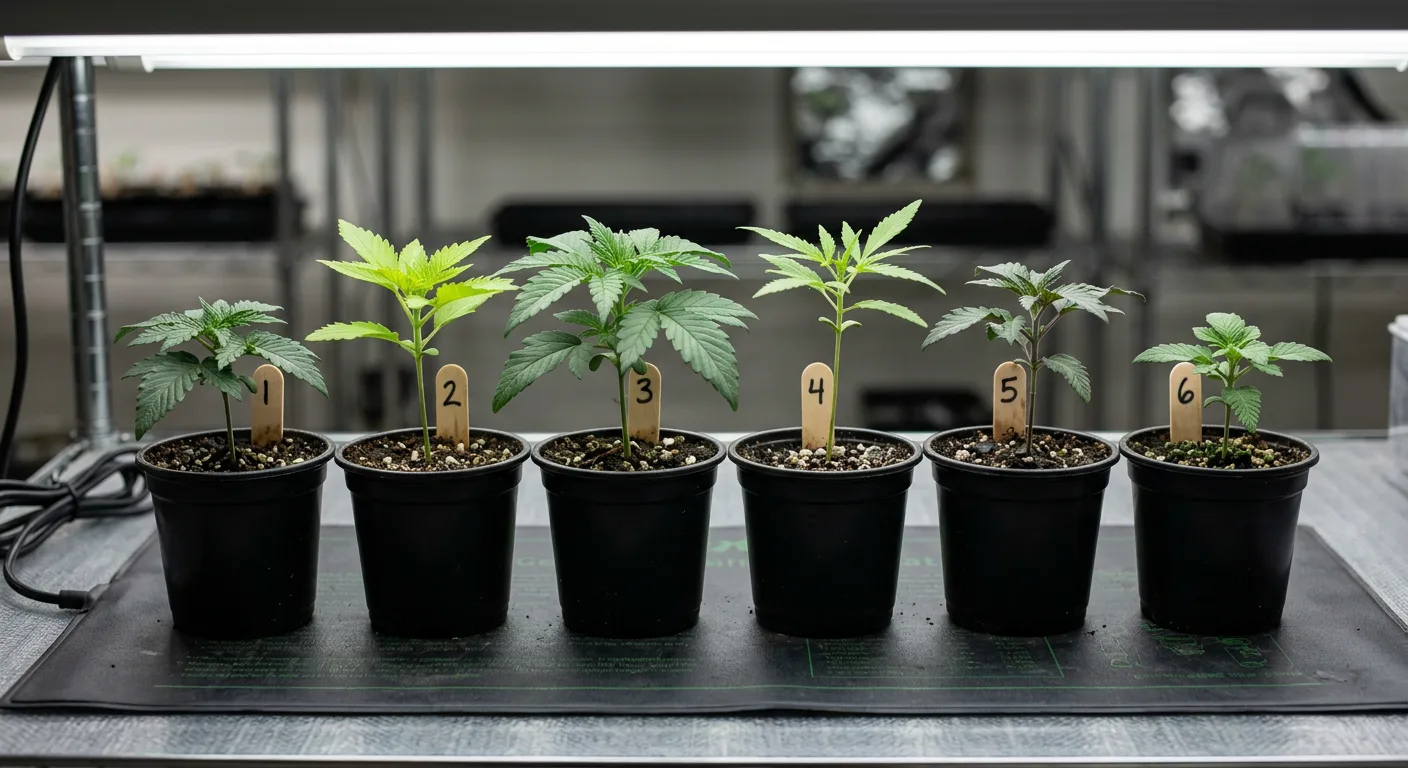
One significant advantage of open-source genetics that rarely gets discussed in seed bank marketing is that variance is often exactly what breeders and advanced growers want. If you're running a pheno hunt to find a specific expression — a particular terpene combination, an unusual color phenotype, a specific growth structure — you want variety, not uniformity.
The math of pheno hunting: In a pack of 12 highly stable seeds, you might find 10 very similar plants and 2 that differ slightly. In a pack of 12 community genetics with intentional variance, you might find 6 meaningfully different expressions. For the breeder, the second pack offers far more selection opportunity per dollar spent.
Understanding the mechanics of pheno hunting — what to look for, how to select keepers, and how to document phenotype expressions — is as important as which genetics you buy. Our detailed guide on how breeders verify and test feminized seed genetics covers the technical side of this selection process.
Open-Source Genetics That Have Earned Their Reputation
Several open-source or widely distributed genetics have built reputations that rival or exceed commercial exclusives through sheer community grow volume. Strains like Gorilla Glue #4, Wedding Cake, Gelato 33, and Zkittlez started as community-circulated genetics before becoming commercial products. The irony is that many commercial 'exclusives' today are built on genetics that began as open-source community projects.
Similarly, strains like Super Lemon Haze Feminized Seeds (23% THC) and Purple Kush Feminized Seeds (27% THC) represent genetic lines with deep community documentation. Thousands of growers have run these genetics across different climates, training methods, and nutrient programs — generating a library of environmental adaptation data that no proprietary breeding program's internal testing can match.
If you're also weighing seed type decisions alongside genetics source decisions, our pillar guide on autoflower vs feminized seeds covers that foundational choice in depth.
Decision Framework: A Practical Buying Guide
Use this framework to determine whether exclusive or open-source genetics make sense for your specific situation before you spend a dollar.
Step 1: Define Your Primary Goal
- Production consistency → Lean toward well-documented stabilized genetics
- Breeding project → Open-source with known lineage is preferable
- Pheno hunting for personal use → Open-source or moderately priced community genetics
- Unique flavor profile → Evaluate true exclusives, verify claims rigorously
- Learning to grow → Classic well-documented strains at accessible price points
Step 2: Verify the Exclusivity Claim
Run the five-step verification process outlined earlier. If the genetics pass verification — named breeder, traceable parents, community grow data — proceed. If they fail any step, the premium isn't justified.
Step 3: Calculate Your Real Cost per Successful Plant
Price per seed is misleading without accounting for germination rate and phenotypic success rate. A $10 seed with 70% germination and 60% acceptable phenotypes costs you effectively $24 per usable plant. An $80 seed with 95% germination and 90% consistent expression costs you $94 per usable plant. The gap narrows — but premium genetics rarely close it entirely unless consistency has direct production value for you.
Use our grow cost calculator to run these numbers against your specific setup and production goals before committing to a genetics purchase.
Step 4: Match Genetics Complexity to Your Skill Level
High-variance community genetics reward skilled growers who can identify and select phenotypes. Beginners benefit from stable, predictable genetics that produce consistent results with less selection work. The grow planner tool can help you map out your season and make genetics choices that fit your timeline and skill level.
Practical starting point: If you're running your first five grows, choose well-documented stable genetics over either high-variance open-source or expensive exclusives. Master the cultivation fundamentals first — the genetics become more important once your technique stops being the limiting variable.
The Decision Matrix at a Glance
| Your Situation | Recommended Source | Price Expectation | Why |
|---|---|---|---|
| First-time grower | Classic documented strains | $10–$25/seed | Predictable, community-tested, lower risk |
| Pheno hunting for breeding | Open-source community genetics | $5–$20/seed | Variance is useful; lineage is traceable |
| Commercial production run | Verified stable genetics (exclusive or classic) | $20–$60/seed | Consistency has production value |
| Collecting unique terpenes | True exclusive (verified) | $40–$100/seed | Only if novelty is genuinely documented |
| Outdoor auto run | Quality autoflower genetics | $10–$30/seed | Autoflower market has strong open-source options |
| Breeding project | Open-source IBL parents | $5–$20/seed | Known genetics make crosses predictable |
The Real Value Question: What Are You Actually Buying?
Strip away the marketing language, and every seed purchase is really a question about information and labor. You're buying the genetic information encoded in the seed, and you're paying for the labor that shaped that information into its current form.
Open-source genetics make that information widely available at low cost, betting that distributed cultivation will improve the genetics faster than any centralized breeding program. Commercial exclusives charge for the labor of centralized breeding, selection, and stabilization — when that labor is real, the charge is fair.
The problem the industry has created is that 'exclusive' is now a marketing word as often as it is a biological reality. Your job as a sophisticated seed buyer is to demand the evidence that distinguishes one from the other.
The best genetics for your grow aren't the most expensive or the most exclusive — they're the genetics that have been honestly represented, match your growing goals, and come from a source that stands behind their product with transparent lineage information and real purchase guarantees.
For strains where the genetics are as well-documented as the growing techniques they reward, the classics remain excellent choices. Black Widow Feminized Seeds (26% THC), Quantum Kush Feminized Seeds (30% THC), and Skunk Special Feminized Seeds (24% THC) represent genetic lines with decades of community validation — no inflated exclusivity premium required.
And if you're evaluating specific strain characteristics before buying, our plant diagnosis tool and yield estimator can help you model expected outcomes against your specific setup before committing to a genetics choice.
Frequently Asked Questions
Are exclusive seed bank strains worth the premium price?
Only when the exclusivity is genuine — meaning documented multi-generation breeding, named breeders, traceable parent genetics, and verifiable phenotype stability. Rebranded bulk genetics sold as 'house exclusives' are never worth their premium. Use the five-step verification process in this guide before paying more than $30 per seed for any 'exclusive' strain.
What does exclusive genetics actually mean when buying cannabis seeds?
It should mean genetics developed through an in-house breeding program using proprietary parent stock, selected across multiple generations, and unavailable elsewhere. In practice, it sometimes just means a seed bank bought bulk genetics and applied their own branding. The difference is significant — one represents years of real breeding work, the other is a marketing label.
How can I tell if a seed bank strain is truly exclusive or just rebranded genetics?
Ask for the specific parent strains and the generation notation. Search the strain name and specs in growing communities like r/microgrowery or Rollitup. Compare the strain's exact specs — flowering time, THC%, yield — against major wholesale producers' catalogs. If multiple banks sell strains with identical specs under different names, you're looking at rebranded wholesale product.
Is the open-source cannabis genetics movement better than commercial seed banks?
Not categorically — it depends on your goals. Open-source genetics offer more phenotypic diversity, traceable lineages, community-validated performance data, and lower prices. Commercial genetics offer (when legitimate) higher consistency and access to unique parent stock. Experienced growers often use both: open-source for pheno hunting and breeding, commercial stable genetics for production runs.
What are the best open-source cannabis genetics for home growers?
Genetics with extensive community grow documentation tend to be the most reliable starting points — White Widow, Northern Lights, OG Kush, Sour Diesel, and Skunk lines have thousands of documented grows across diverse environments. This community testing history is itself a form of quality assurance that proprietary exclusive strains with limited grow records can't match.