Clementine Strain Feminized Seeds
By Ivan K., DSS Genetics · Updated April 2026

Clementine Strain Feminized Seeds
SKU: DSS-CLST-FEM-5PK
Pack Size
Quantity
Disclaimer: For informational purposes only — not medical advice. Consult a healthcare professional before use.
About This Strain
Clementine Strain Feminized Seeds — Complete Strain Profile
Clementine Strain Feminized Seeds – Strain Overview
Clementine is a 70% sativa-dominant hybrid born from two citrus-forward legends: Tangie × Lemon Skunk. This breeding cross pulls the tropical, orange-zest brightness of Tangie together with the sharp, fuel-edged lemon bite of Lemon Skunk, producing a strain that smells like a freshly peeled citrus fruit left on a sun-warmed countertop. With THC landing consistently between 18–22%, it hits hard enough to satisfy experienced consumers while remaining approachable for intermediate growers who want a rewarding crop.
What separates Clementine from the crowded field of citrus-themed sativas is its remarkable consistency — both in the nose and in the effect. The high is clean, sociable, and motivating without the ceiling-fan anxiety that plagues less refined sativas. Growers who want a genuine daytime strain with sativa structure and reliable feminized genetics will find Clementine earns a permanent spot in their rotation. It belongs in any serious best sativa collection.
Effects and Medical Benefits
The Clementine experience opens fast — within minutes of the first exhale, a warm cerebral pressure builds behind the eyes and spreads across the forehead. That initial wave isn't jarring; it's more like the feeling of stepping outside on a bright morning after a full night of sleep. The mental noise quiets, focus sharpens, and a genuine sense of optimism takes hold.
As the high settles into its middle phase, the indica genetics from Lemon Skunk's lineage soften any edge without pulling the experience toward sedation. The body feels light and functional, not heavy. Creative tasks, social conversations, and physical activity all feel more rewarding during this window, which most users report lasting 2–3 hours at moderate doses.
Users commonly report these effects:
- Euphoria — a clean, bright mental lift that arrives within the first few minutes and doesn't feel forced or racey
- Uplifting mood shift — persistent elevation in outlook that makes this a strong choice for daytime social use
- Energetic drive — the 70% sativa genetics push physical motivation without the jittery edge of some pure sativas
- Relaxed focus — the 30% indica undercurrent keeps the mind from spinning, creating a grounded but alert headspace
On the medical side, Clementine is frequently chosen for relief from:
- Depression — the euphoric onset offers a reliable, fast-acting mood shift
- Stress — mental clarity clears rumination without causing drowsiness
- Anxiety — low-to-moderate doses ease social anxiety; experienced users find it quiets generalized worry
- Fatigue — the energizing sativa profile makes it a practical midday option when sedating strains would interfere with daily function
Clementine's CBD content sits at 0.3–0.6%, a modest but non-trivial level that contributes meaningful support through the entourage effect. The interaction between that CBD fraction, the dominant terpene profile, and the 18–22% THC helps smooth the high's edges — explaining why Clementine consistently produces a cleaner, more manageable experience than its THC percentage alone would suggest.
Aroma, Flavor and Terpene Profile
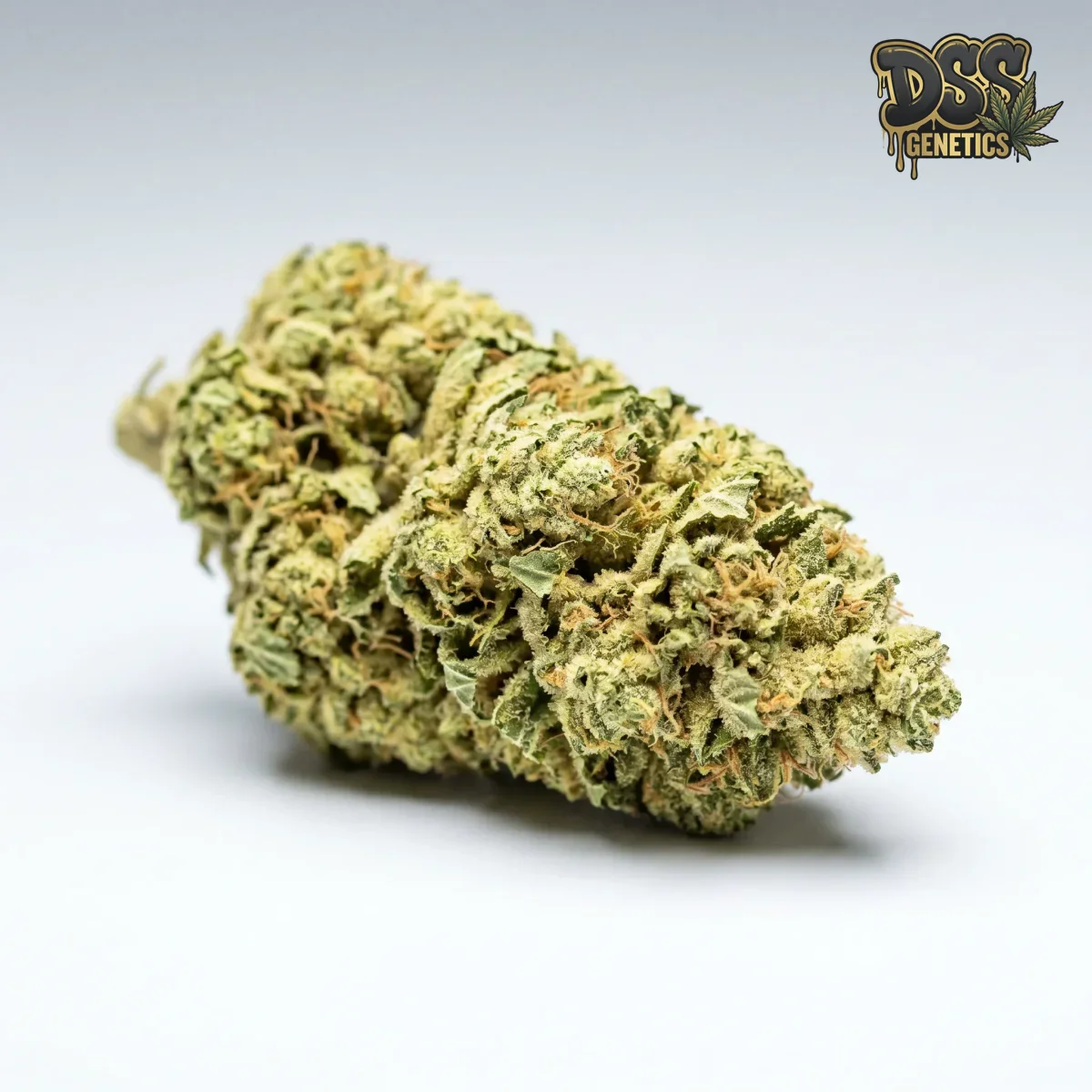
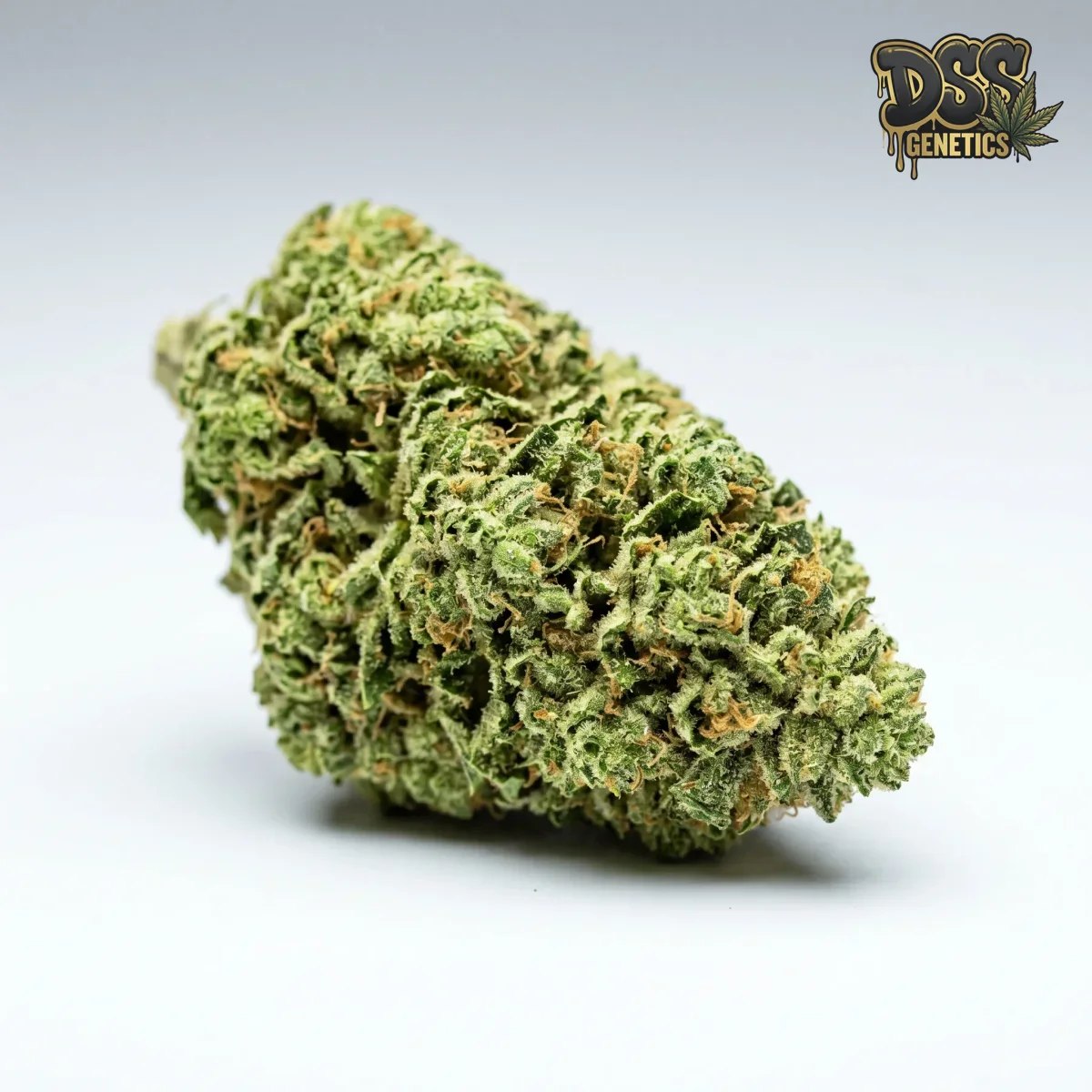
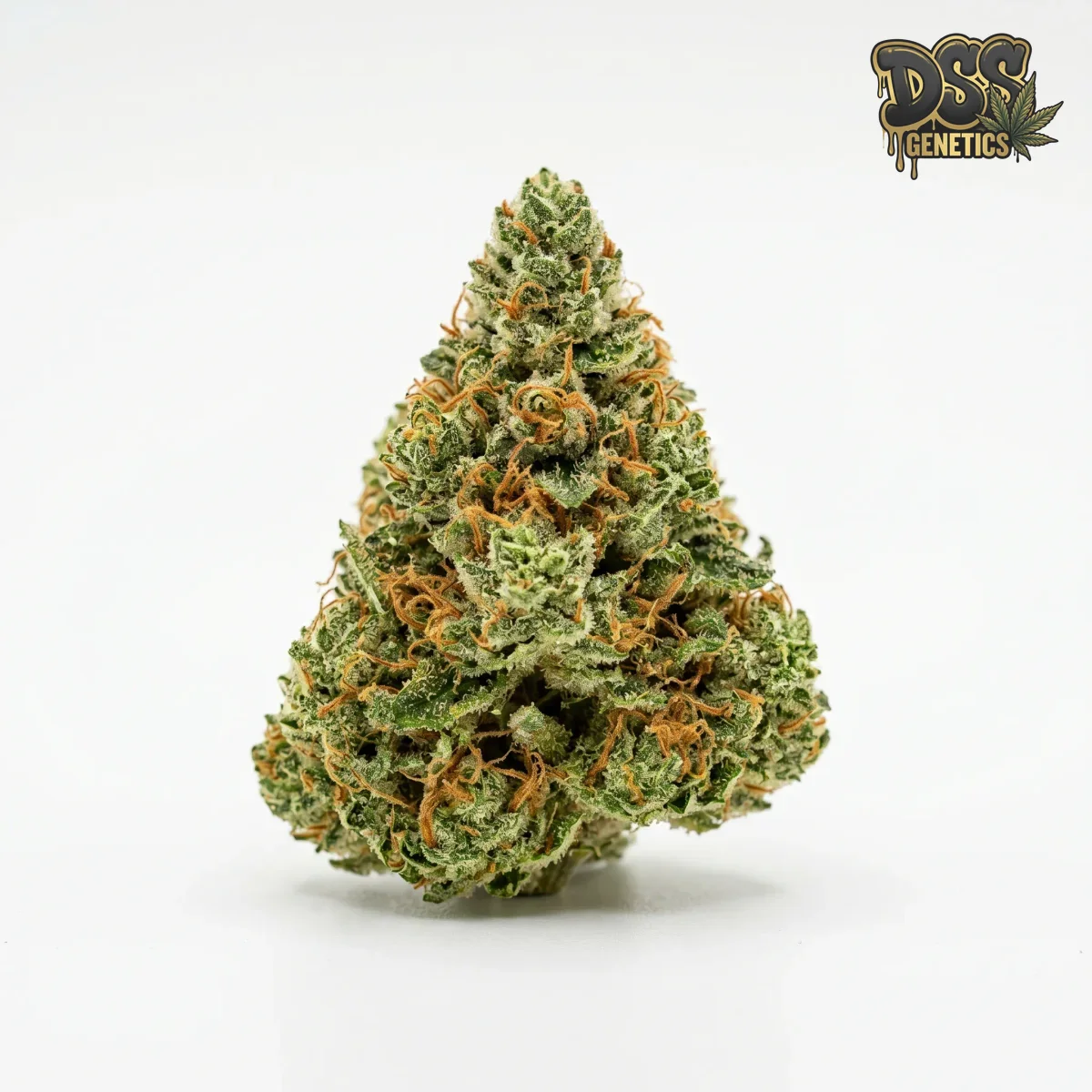
Crack open a jar of cured Clementine buds and the first impression is unmistakable: ripe clementine orange, the kind with a little sweetness under the peel and a faint green herbal note at the back. It's not a simple, one-dimensional citrus blast — there's depth here. A thread of berry sweetness weaves through the citrus, and underneath both sits a damp, earthy skunkiness inherited directly from Lemon Skunk. That contrast between bright top notes and dark, funky base notes is what makes this strain's aroma genuinely addictive.
On the inhale, the flavor leans sweet and lemony with a clean, almost candy-like citrus quality. The exhale brings the earthier, slightly skunky side forward, with a faint herbal finish that lingers pleasantly on the tongue. Berry notes appear most clearly in the mid-palate transition between inhale and exhale — blink and you'll miss them, but they add a roundness that prevents the profile from feeling sharp or one-note.
Terpinolene is the primary terpene driving Clementine's fresh, almost piney-citrus brightness. It's the least common of the major cannabis terpenes, which makes strains that feature it prominently feel genuinely distinct from the THC-forward, myrcene-heavy majority. Terpinolene carries floral, herbal, and slightly woody facets alongside its citrus signature — contributing to the complexity that separates Clementine's nose from a simpler lemon candy strain. It's also associated with uplifting, anti-anxiety effects that align directly with what this strain delivers in practice.
Limonene layers in the unmistakable sweet citrus peel brightness that gives Clementine its name-appropriate identity. Beyond aroma, limonene has been studied for its potential to elevate mood and reduce cortisol response — a functional match for the strain's reputation as a stress and depression remedy. When you smell that sharp, clean lemon note cutting through the earthier base, that's limonene doing its work.
Pinene contributes a subtle forest-air crispness that prevents the citrus profile from becoming cloying. More practically, pinene may counteract some of the short-term memory effects associated with higher-THC strains and supports bronchodilation — meaning the airway opens slightly, which many users experience as a cleaner, more comfortable inhale. It's a supporting player in the aroma but a meaningful one in how the high feels.
Ocimene rounds out the terpene picture with its sweet, herbaceous, and faintly tropical character. It's the terpene most responsible for the warm, almost floral softness that sits beneath Clementine's sharper citrus notes. Ocimene is present in many fragrant herbs and flowers, and its inclusion in this profile helps explain why Clementine smells less like a cleaning product and more like actual fruit.
Growing Clementine Strain Seeds
Clementine is rated moderate difficulty — not because it's fragile, but because its sativa-dominant structure and stretch during early flower require growers who know how to manage canopy height before it becomes a problem. In our experience across dozens of grows, the biggest mistake new growers make with this strain is underestimating the stretch. Clementine can double in height during the first two to three weeks of flowering, so what looks like a comfortable medium-sized plant in late veg will surprise you if you're not watching.
Indoors, temperature control matters more with this strain than with most indica-leaning genetics. Clementine performs best between 70–82°F during the light period and no lower than 62°F during the dark period. Temperature swings greater than 15°F between day and night cycles can stress the plant during late flower, reducing terpene expression — and with a strain where the aroma is half the value, that's a yield hit worth avoiding. Relative humidity should sit at 50–60% through the vegetative stage, then drop to 40–50% once buds begin stacking in weeks 4–5 of flower.
Outdoors, Clementine's sativa heritage shines. It thrives in Mediterranean-type climates and anywhere with long, warm summers and low fall rainfall. The plant's medium structure stays manageable in most garden settings, and the open bud architecture — a gift from Tangie's genetics — means it handles light humidity better than denser indica-dominant varieties. That said, if you're growing in a humid climate, watch the canopy carefully as harvest approaches.
This strain responds exceptionally well to training. What we've found over repeated grows is that applying LST during weeks 2–4 of veg and running a SCROG net before the flip dramatically increases bud site count without adding significant grow time. The natural branching structure of Clementine adapts well to a horizontal canopy, and those extra bud sites translate directly into the yield numbers this strain is capable of reaching.
Feeding-wise, Clementine is a moderate-to-heavy feeder during flower. It doesn't need aggressive nitrogen loads in veg — aim for balanced growth rather than pushing for maximum leaf mass. Once flowering is triggered, shift the focus toward phosphorus and potassium. By week 4–5 of flower, nitrogen should be tapered significantly. Overfeeding nitrogen in late flower is the most common cause of the harsh, grassy-tasting smoke that can undercut Clementine's otherwise excellent flavor.
Key growing tips for Clementine:
- Control the stretch early: Apply LST or SCROG techniques at the start of veg — waiting until after the flip makes canopy management significantly harder with this sativa-dominant structure
- Watch your temps: Keep the grow room between 70–82°F during lights-on; temperature swings above 15°F at night will suppress terpene production in late flower
- Dial in your nutrient timing: Taper nitrogen aggressively from week 4 of flower onward and push phosphorus and potassium through week 7 for full bud development
- Indoor growers: A 4×4 tent is the minimum comfortable space for two plants at full stretch — review our indoor growing guide for tent sizing and lighting recommendations
- Outdoor growers: Plant after the last frost in a full-sun position; Clementine's open canopy structure makes it well-suited to outdoor gardens in temperate and warm climates, with harvest typically arriving in early to mid-October
Yield and Flowering Time
Clementine flowers in 56–63 days — right in the 8–9 week window that makes it practical for growers running 4–5 cycles per year indoors. Indoor yields land at 0.8–1 oz/ft² under optimized conditions, with trained plants in a properly dialed environment regularly hitting the upper end of that range. Outdoor plants are genuinely impressive producers, delivering 13–15 oz/plant when given adequate space, full sun, and a full growing season. For a sativa-dominant strain, that outdoor yield figure is above average and reflects the vigor Lemon Skunk contributes to this cross. Growers chasing volume alongside quality should explore the high-yield collection for additional options in this class.
To maximize your harvest:
- Trichome monitoring: Begin checking trichomes under magnification at day 50 — harvest when 70–80% of trichomes are milky white with 10–20% turning amber for the peak balance of potency and terpene expression this strain is known for
- Late-flower humidity: Drop relative humidity to 38–45% in the final two weeks to protect the open bud structure and encourage resin production in the final push
- Nutrient flush: Flush with plain pH-balanced water for the final 7–10 days indoors to clear salt buildup and ensure the clean, citrus-forward flavor profile comes through in the final smoke
- Drying and curing: Dry slowly for 10–14 days at 60–65°F with 55–60% RH — Clementine's terpenes are volatile and rush out of fast-dried buds, leaving behind a flat, one-dimensional flavor that doesn't do this strain justice
Why Buy Clementine Strain Seeds from DSS Genetics?
Every Clementine seed ships with a full germination guarantee — if a seed fails to sprout when you follow our germination guide, we replace it. No hoops, no arguments. Orders ship discreetly in discreet, unmarked packaging that gives nothing away about the contents.
- Germination guaranteed — every seed is backed by our replacement policy, so your investment is protected from day one
- Discreet shipping — plain, unmarked packaging on every order
- Spend $100+ and get free premium seeds — automatically added to qualifying orders
- Properly stored genetics — seeds are held at controlled temperature and humidity from the moment they arrive in our facility until the moment they leave for your door, preserving germination rates and genetic integrity
Frequently Asked Questions
Is Clementine a good strain for daytime use?
Clementine is one of the better daytime strains available at this THC range. The 70% sativa genetics drive an energetic, uplifting effect that supports focus and social engagement without the heavy body sedation that makes indica-dominant strains impractical during work hours. Most users report staying fully functional through the duration of the high, with no significant crash. If you're specifically looking for strains that address fatigue or depression during the day without disrupting productivity, Clementine is worth prioritizing.
How difficult is Clementine to grow?
We rate Clementine as moderate difficulty. The main challenge isn't disease sensitivity or nutrient pickiness — it's managing the sativa stretch during early flower. Growers who go into the grow with a training plan and adequate vertical space handle it without issue. If you're new to cannabis cultivation and want to build confidence first, check out our easy-to-grow strains before tackling Clementine. Intermediate growers who've managed one or two previous grows will find this strain genuinely rewarding and not overwhelming.
What terpenes are in Clementine and what do they do?
Clementine's terpene profile is built around four primary compounds: Terpinolene, which drives the bright, fresh citrus and herbal top notes while contributing to the strain's uplifting character; Limonene, which delivers the classic lemon-peel brightness and is associated with mood elevation and stress reduction; Pinene, which adds a clean piney crispness and may help counteract short-term memory effects from THC; and Ocimene, which provides sweet, tropical softness that rounds out the sharper citrus notes. Together, these four terpenes explain both the distinctive aroma and the clean, functional character of the high.
How long does Clementine take to flower and what yields can I expect?
Medical Disclaimer: This information is for educational purposes only and should not be considered medical advice. Always consult a healthcare professional before using cannabis for medical purposes. Individual results may vary.
Frequently Asked Questions
Clementine Strain — Common Questions Answered
What is Clementine Strain?
Clementine Strain is a sativa-dominant cannabis strain (70% Sativa / 30% Indica) bred from Tangie x Lemon Skunk. It produces THC levels of 18–22% and CBD levels of 0.3–0.6%. Known for its euphoric, uplifting, energetic effects and sweet, earthy, citrus flavor profile.
Is Clementine Strain easy to grow?
Clementine Strain is moderately challenging to grow. Beginners can succeed with some research, but it benefits from basic knowledge of pH management and nutrient schedules. Growing difficulty: Moderate. It thrives in temperate climates and reaches a medium plant size.
How long does Clementine Strain take to flower?
Clementine Strain has a flowering time of 56–63 days. Switch to a 12/12 light cycle to initiate flowering. Expected yields are 0.8 to 1 oz/ft² indoors and 13 to 15 oz/plant outdoors.
What are the effects of Clementine Strain?
Clementine Strain delivers euphoric, uplifting, energetic effects. Many growers report it helps with depression, stress, anxiety, fatigue. With THC levels of 18–22%, it provides a moderate to strong experience suitable for most users.
What does Clementine Strain smell and taste like?
Clementine Strain's dominant terpenes are Terpinolene, Limonene, Pinene, Ocimene, which give it a sweet, earthy, citrus, lemon, berry, skunky flavor and aroma profile. Limonene adds citrusy brightness and may elevate mood.
Can I grow Clementine Strain indoors and outdoors?
Yes, Clementine Strain performs well both indoors and outdoors. Indoor yields average 0.8 to 1 oz/ft², while outdoor grows can produce 13 to 15 oz/plant. It prefers temperate conditions. Its medium height is manageable in most indoor setups.
What does "feminized" mean for Clementine Strain seeds?
Feminized Clementine Strain seeds are bred to produce only female plants, which are the ones that develop smokable buds. This eliminates the need to identify and remove male plants, saving time and maximizing your grow space. Over 99% of feminized seeds will produce female plants.
Grower Reviews
Real grow experiences from our community

Get 10% Off Your First Order
Join our newsletter for exclusive deals, growing tips, and new strain drops.