Lemon Haze Seeds - Feminized Marijuana
By Ivan K., DSS Genetics · Updated April 2026

Lemon Haze Seeds - Feminized Marijuana
SKU: DSS-LHSFM-FEM-5PK
Pack Size
Quantity
Disclaimer: For informational purposes only — not medical advice. Consult a healthcare professional before use.
About This Strain
Lemon Haze Seeds - Feminized Marijuana — Complete Strain Profile
Lemon Haze Seeds - Feminized Marijuana Feminized Seeds – Strain Overview
Lemon Haze is an 80% sativa-dominant hybrid bred from two legendary parents: Lemon Skunk and Super Silver Haze. That cross fuses Lemon Skunk's sharp citrus resin production with Super Silver Haze's soaring cerebral energy, landing at 17–23% THC with just 0.1–1% CBD. The result is a strain that punches above its weight in both potency and flavor complexity.
What sets Lemon Haze apart from the crowded sativa market is the rare combination of functional, creative energy and a terpene profile so vividly citrusy it smells like peeling a fresh lemon over a pine forest. It's a go-to choice for growers who want a genuine sativa experience — not a watered-down hybrid — and it earns its place in any best sativa collection. Be warned though: this strain demands skill and attention. It rewards the patient grower with exceptional harvests.
Effects and Medical Benefits
Lemon Haze doesn't hit you all at once — it builds. Within the first five minutes you'll notice a warm pressure behind the eyes and a quiet sharpening of focus, like everything suddenly came into clearer resolution. That early mental clarity then expands into a fully energized, creative headspace that can sustain hours of work, conversation, or artistic output without the scattered anxiety that lesser sativas deliver.
The 20% indica genetics act as a subtle floor beneath the soaring sativa ceiling. You won't be couch-locked, but there's enough body softness to keep the experience smooth rather than jittery — particularly in the 17–19% THC range. At the upper end of 23%, the ride intensifies and the body component becomes more pronounced, making dose awareness important for newer consumers.
Users consistently report these effects:
- Creative flow — ideas connect rapidly, ideal for writing, music, or visual art
- Energetic motivation — daytime-appropriate uplift without stimulant jitteriness
- Focused clarity — sustained concentration across long tasks or social settings
- Gentle euphoria — mood elevation that feels earned, not forced
On the medical side, Lemon Haze is frequently chosen by patients seeking daytime relief from:
- Chronic pain — the sativa energy offsets the fatigue that often accompanies pain management
- Stress — the mood lift actively displaces anxious mental loops
- Anxiety — most effective at moderate THC doses; high doses may increase anxiety in sensitive users
- Depression — the energizing, creative high pulls users out of low-energy, low-motivation states
The minor CBD content (0.1–1%) contributes meaningfully through the entourage effect. Even at sub-1% levels, CBD works synergistically with Limonene and Pinene to modulate the sharper edges of high-THC sativa experiences, potentially softening anxiety responses while preserving the mental clarity Lemon Haze is known for.
Aroma, Flavor and Terpene Profile
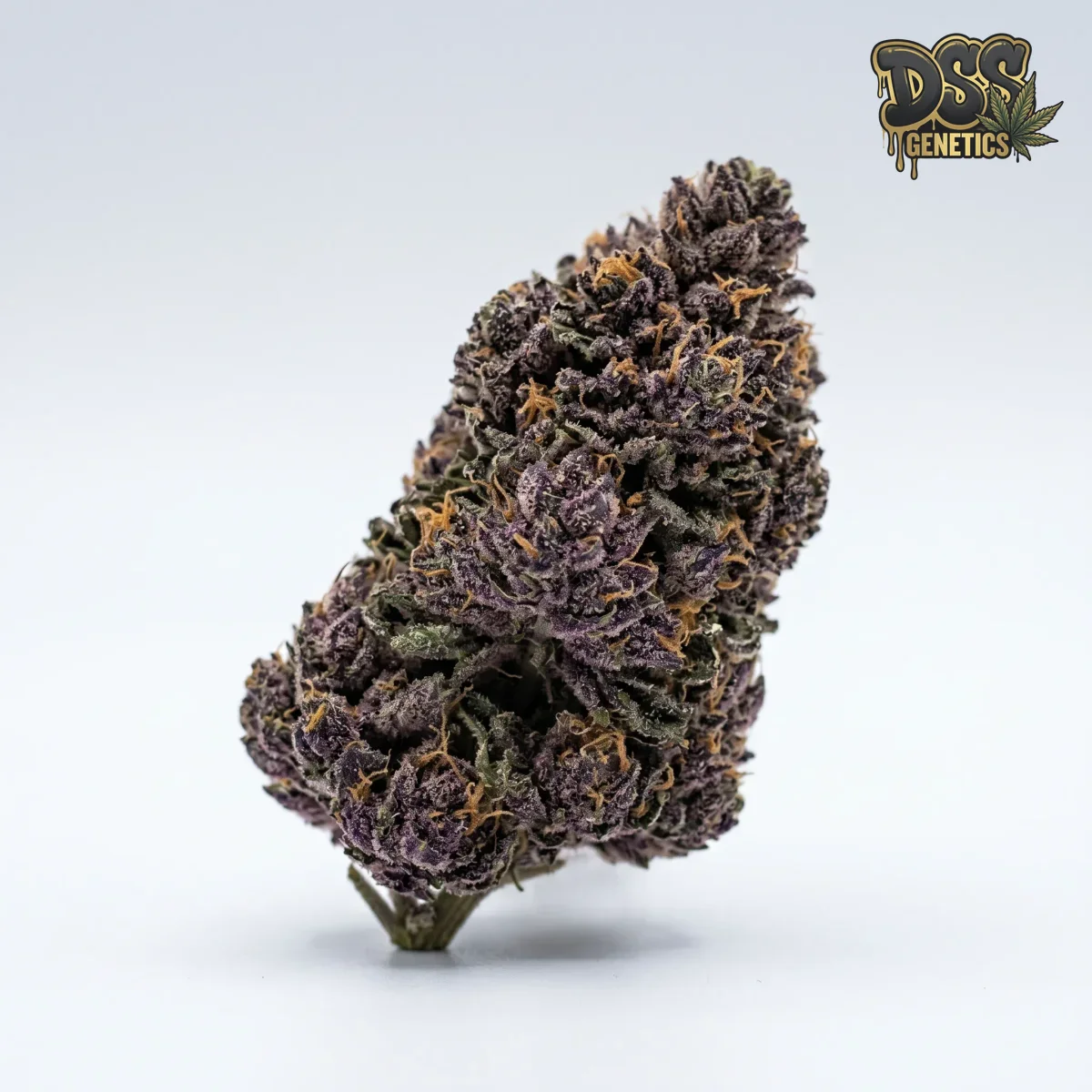
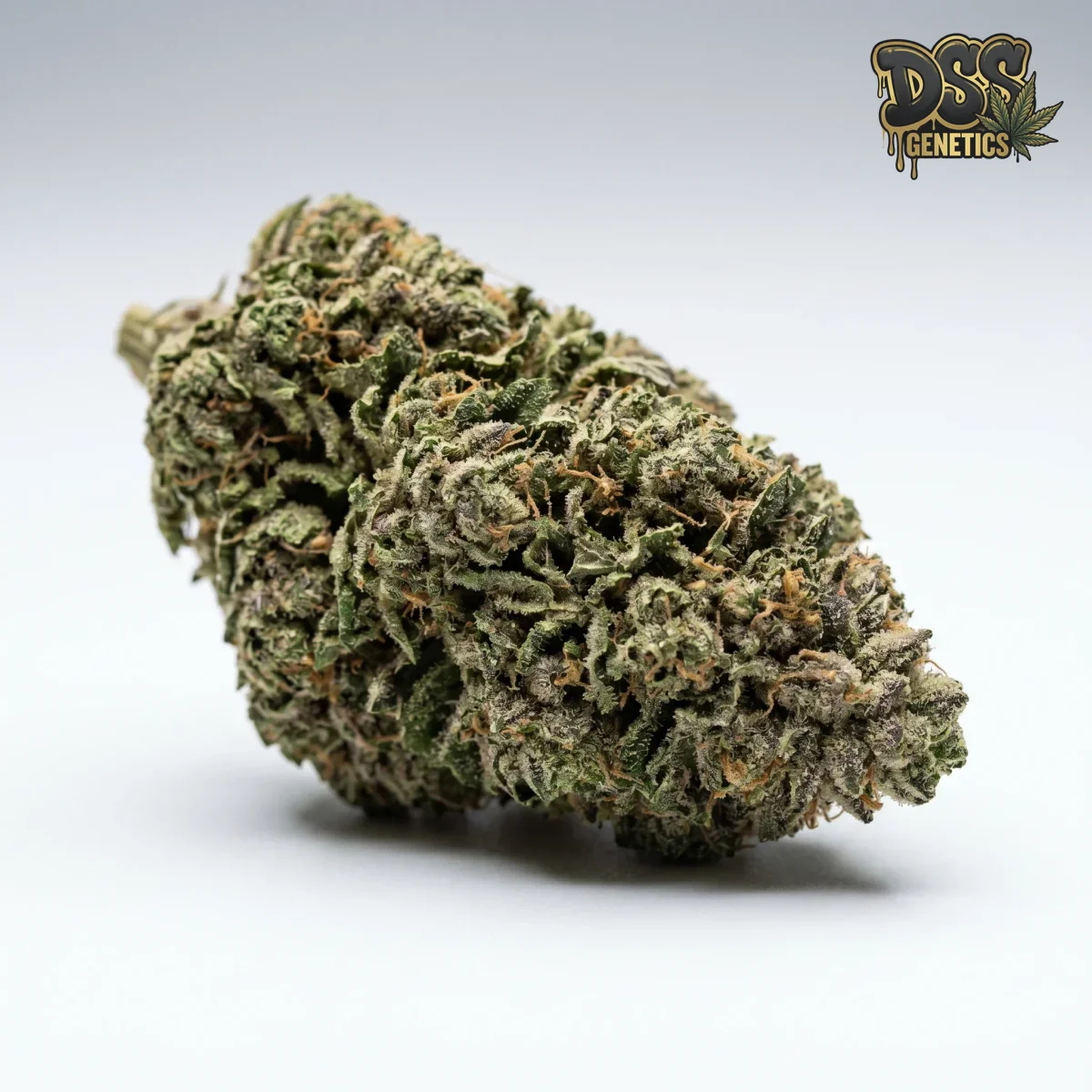
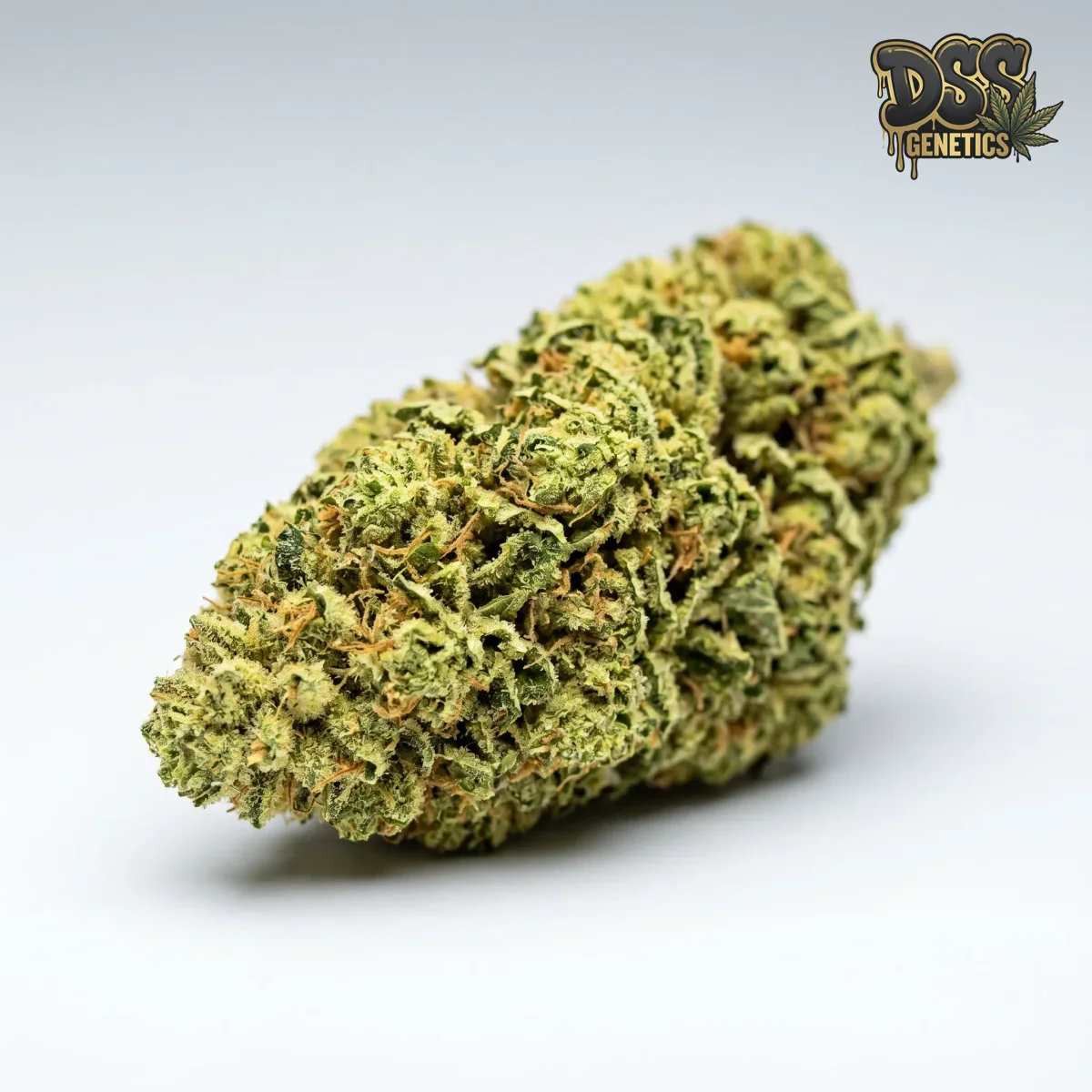
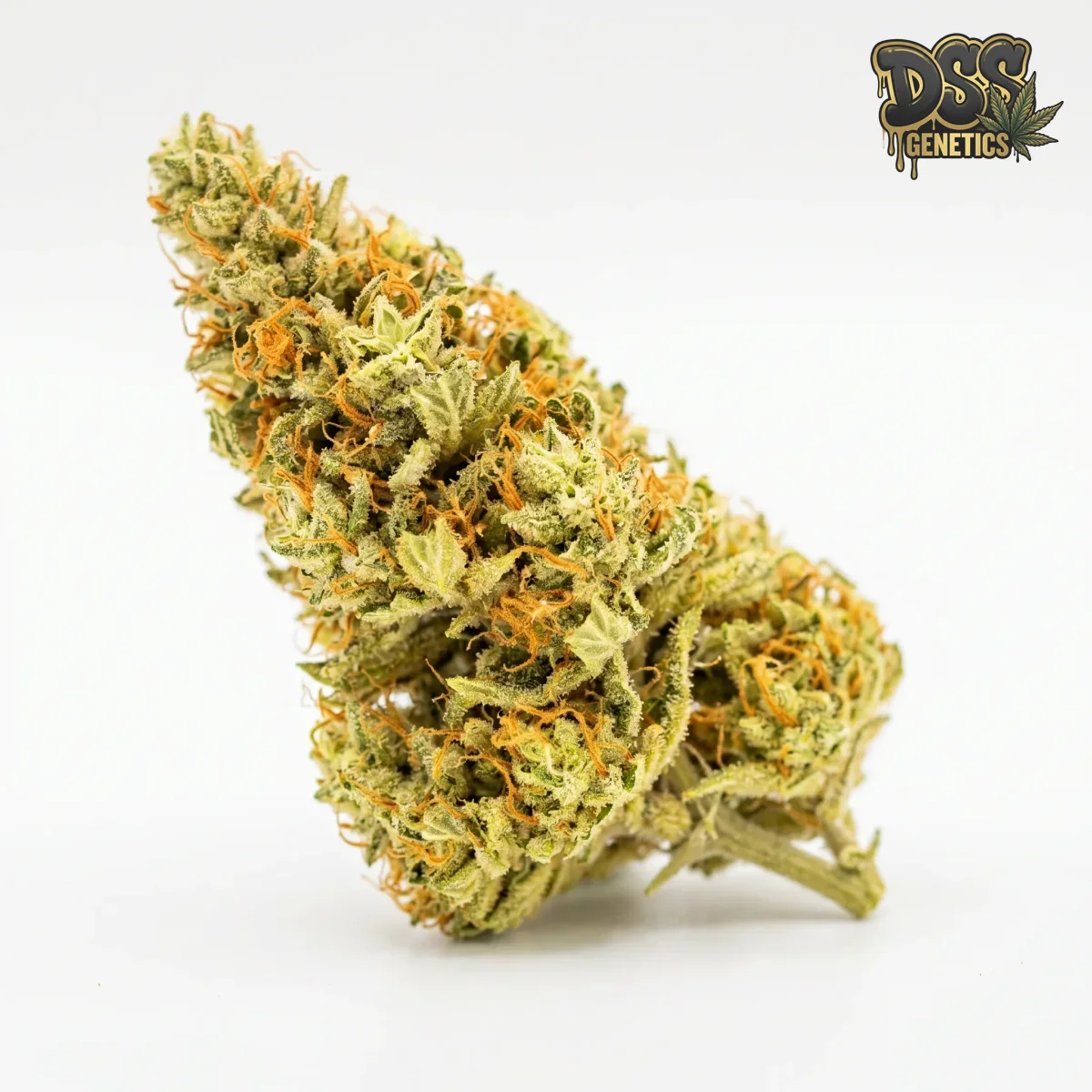
Opening a jar of cured Lemon Haze flower is an experience that stops people mid-sentence. The aroma hits in layers — the first wave is bright, almost aggressively citrusy, like fresh lemon zest scraped off the rind. A half-second later, a spicy, skunky undercurrent rises from beneath, grounding all that citrus brightness with something earthier and more complex. There's pine in there too, subtle but persistent, adding a clean forest note that keeps the profile from tipping into candy-sweet territory.
On the inhale, the flavor is sweet and citrusy with a clean lemon-drop quality. The exhale is where the character deepens — spicy, pungent, with a slight skunky finish that lingers on the palate. It's a profile that rewards slow consumption; rushing it flattens the nuance.
Four terpenes drive this profile, each contributing a distinct layer:
Terpinolene sits at the top of the Lemon Haze terpene stack, and its presence explains a lot about why this strain smells so uniquely multi-dimensional. Terpinolene is one of the rarest primary terpenes in cannabis — most strains carry only trace amounts — but when it leads a profile it brings fresh, floral, pine-like, and slightly citrusy notes simultaneously. Research suggests terpinolene has antioxidant and mild sedative properties, though its primary role here is aromatic: it's the compound that makes Lemon Haze smell like a living thing rather than a synthetic flavoring.
Limonene is the terpene most responsible for the sharp, clean lemon character that gives this strain its name. Beyond aroma, Limonene has a well-documented relationship with mood elevation and stress reduction — it's one of the reasons Lemon Haze's effects feel particularly uplifting compared to other high-THC sativas. Studies suggest Limonene may also have anxiolytic properties, making it biochemically aligned with the strain's reported benefits for anxiety and depression.
The fresh, resinous quality you notice when breaking apart Lemon Haze buds comes largely from Pinene. This terpene delivers clean pine and herbal notes that add structural sharpness to the citrus-forward profile. Pinene is also notable for its potential to counteract some THC-induced short-term memory impairment — a genuinely useful property in a strain that's often used for focused, productive work.
Ocimene rounds out the profile with sweet, herbal, and slightly woody characteristics. It's a supporting terpene here, but it provides the connective tissue between Limonene's sharp citrus and Terpinolene's complex floral notes — without Ocimene's presence, the profile would feel less cohesive. Ocimene also carries potential antifungal properties, which may partly explain Lemon Haze's above-average resistance to certain environmental pathogens when grown well.
Growing Lemon Haze Seeds - Feminized Marijuana Seeds
Lemon Haze is rated difficult, and that rating is honest. This isn't a strain that forgives neglect or inconsistent environmental management. Its Super Silver Haze genetics carry that strain's famously tall, stretchy sativa structure and sensitivity to feeding errors — both deficiencies and toxicities will show up faster here than in more forgiving hybrids. That said, growers who invest in dialing in their environment will be rewarded with harvests that are genuinely impressive in both volume and quality.
Indoors, temperature management is critical. Lemon Haze thrives in the 70–80°F (21–27°C) range during lights-on periods and shouldn't drop below 65°F (18°C) during lights-off. Humidity control is equally non-negotiable: keep relative humidity at 50–60% during the vegetative stage, then reduce to 40–50% in early flower and 35–40% in the final three weeks. The dense bud structure combined with the plant's sativa vigour creates microclimates within the canopy where moisture can accumulate — airflow is your primary defence against botrytis.
The stretch during the first three weeks of flower is substantial. Plants can double or even triple in height from the moment you flip to 12/12, so indoor growers must either start the flowering stage when plants are still relatively short or implement aggressive canopy management early. Low-stress training during the vegetative stage is highly recommended to keep the canopy manageable and ensure light penetration to lower bud sites.
What we've found over dozens of grows with Haze-heavy genetics like this: the single biggest mistake growers make is overfeeding nitrogen into the flowering stage. Lemon Haze needs a firm nitrogen taper from week one of flower — keep it nitrogen-heavy in veg, but flip your nutrient program aggressively when you switch the lights. Plants that carry too much nitrogen into flower produce airy, loosely structured buds and are far more susceptible to late-flower pathogen issues.
Outdoors, Lemon Haze thrives in Mediterranean-style climates with long, warm summers. It prefers daytime temperatures of 75–85°F (24–29°C) and needs a dry late-season to ripen properly — sustained rain or high humidity in the final four weeks can ruin an otherwise excellent outdoor crop. In climates where autumn arrives early, consider a greenhouse or polytunnel setup to protect the finishing buds. Check our full outdoor growing guide for site selection and environmental planning tips.
Hydroponic cultivation suits Lemon Haze well. The strain responds readily to the precise nutrient control that hydroponic systems offer, and the faster uptake rates can translate to tighter internode spacing and slightly denser bud structure than soil grows. DWC and recirculating drip systems both perform well with this strain.
Key growing tips for Lemon Haze:
- Canopy training: Implement LST or SCROG techniques aggressively in veg — Lemon Haze's sativa structure will overwhelm a small space without intervention
- Feeding precision: Follow your nutrient schedule closely; reduce nitrogen from day one of flower and ramp phosphorus and potassium through weeks 4–8
- Humidity discipline: Drop relative humidity to 35–40% in the final three weeks of flower — dense buds with Haze genetics are prime candidates for botrytis
- Indoor light intensity: Lemon Haze rewards high light levels — use a full-power indoor growing setup with adequate canopy clearance to drive resin production
- Outdoor timing: In temperate climates, start seeds in early spring to give plants maximum vegetative time before autumn triggers flowering — see our outdoor growing guide for regional timing recommendations
Yield and Flowering Time
Lemon Haze finishes its flowering stage in 65–70 days — roughly 9.5 to 10 weeks. That's longer than most photoperiod hybrids, which is the trade-off for this strain's sativa depth and terpene complexity. Indoor growers working with well-trained plants in optimized conditions can expect 2 to 2.3 oz/ft², which puts it firmly in the high-yield bracket for a sativa-dominant strain. Outdoors, mature plants produce an exceptional 24–32 oz/plant — a figure that makes the extra vegetative investment worthwhile for outdoor cultivators.
For growers comparing yield-to-effort ratios, it's worth noting that Lemon Haze's outdoor yield range overlaps with many strains listed in our high-yield collection, despite its sativa genetics typically being associated with lower per-plant productivity than indicas. The key is giving outdoor plants sufficient vegetative time — plants that are large and well-established before flowering begins will hit the top of that 32 oz range.
To maximize your harvest:
- Trichome monitoring: Target 70–80% milky trichomes with 15–20% amber for the characteristic Lemon Haze cerebral-energetic effect; more amber shifts the profile toward sedation
- Late-flower humidity: Maintain 35–40% RH in the final three weeks — this protects yield integrity and concentrates terpene production in the final push
- Nutrient flush: Flush with plain water 10–14 days before harvest to clear residual salts and allow the natural terpene and cannabinoid profile to express fully
- Drying and curing: A slow dry at 60–65°F with 55–60% RH for 10–14 days, followed by a minimum 4-week jar cure, is essential for preserving the delicate citrus and floral terpenes that define this strain's character
Why Buy Lemon Haze Seeds - Feminized Marijuana Seeds from DSS Genetics?
Every Lemon Haze seed in our catalog comes backed by our full germination guarantee — if your seed doesn't sprout following standard germination practice, we replace it. No argument, no hassle. Orders ship discreetly in discreet, unmarked packaging that gives nothing away about the contents, and every seed is stored under controlled conditions from production to dispatch to protect viability across shipping distances and climates.
- Germination guaranteed — every seed is covered; if it doesn't sprout, we make it right
- Discreet shipping — plain, unmarked packaging on every order
- Spend $100+ — receive complimentary premium seeds added to your order automatically
- Proper cold-chain storage — seeds maintained at optimal temperature and humidity from warehouse to your door, preserving maximum germination rates
Frequently Asked Questions
Is Lemon Haze difficult to grow for beginners?
Lemon Haze is rated difficult and that rating should be taken seriously. The stretch during early flower, sensitivity to nitrogen management, and strict humidity requirements in late flower make it a strain that punishes inattention. If you're new to growing, we strongly recommend starting with an easy-to-grow strain to build your environmental management skills before attempting Lemon Haze. Experienced growers who invest in dialling in temperature (70–80°F), humidity (35–40% in late flower), and a precise nutrient program will be rewarded with one of the most characterful harvests available.
How long does Lemon Haze take to flower and what yields can I expect?
Lemon Haze flowers in 65–70 days from the switch to 12/12 lighting indoors — expect roughly 9.5 to 10 weeks. Indoor yields reach 2 to 2.3 oz/ft² under optimized conditions with proper canopy training. Outdoor plants are capable of 24–32 oz/plant in warm, long-season climates. For tips on timing your harvest correctly, read our flowering stage guide and harvest timing guide.
What terpenes are in Lemon Haze and what do they do?
Lemon Haze carries four primary terpenes: Terpinolene, which provides the multi-layered floral and pine complexity; Limonene, responsible for the sharp lemon citrus character and mood-elevating properties; Pinene, which adds clean
Medical Disclaimer: This information is for educational purposes only and should not be considered medical advice. Always consult a healthcare professional before using cannabis for medical purposes. Individual results may vary.
Frequently Asked Questions
Lemon Haze Seeds - Feminized Marijuana — Common Questions Answered
What is Lemon Haze Seeds - Feminized Marijuana?
Lemon Haze Seeds - Feminized Marijuana is a sativa-dominant cannabis strain (80% Sativa / 20% Indica) bred from Lemon Skunk x Super Silver Haze. It produces THC levels of 17–23% and CBD levels of 0.1–1%. Known for its creative, energetic, focused effects and sweet, citrus, lemon flavor profile.
Is Lemon Haze Seeds - Feminized Marijuana easy to grow?
Lemon Haze Seeds - Feminized Marijuana is considered an advanced-level strain that requires experience with training techniques, environmental control, and nutrient management for best results. Growing difficulty: Difficult. It thrives in temperate climates and reaches a medium plant size.
How long does Lemon Haze Seeds - Feminized Marijuana take to flower?
Lemon Haze Seeds - Feminized Marijuana has a flowering time of 65–70 days. Switch to a 12/12 light cycle to initiate flowering. Expected yields are 2 to 2.3 oz/ft² indoors and 24 to 32 oz/plant outdoors.
What are the effects of Lemon Haze Seeds - Feminized Marijuana?
Lemon Haze Seeds - Feminized Marijuana delivers creative, energetic, focused effects. Many growers report it helps with pain, stress, anxiety, depression. With THC levels of 17–23%, it provides a moderate to strong experience suitable for most users.
What does Lemon Haze Seeds - Feminized Marijuana smell and taste like?
Lemon Haze Seeds - Feminized Marijuana's dominant terpenes are Terpinolene, Limonene, Pinene, Ocimene, which give it a sweet, citrus, lemon, skunky, spicy, pungent flavor and aroma profile. Limonene adds citrusy brightness and may elevate mood.
Can I grow Lemon Haze Seeds - Feminized Marijuana indoors and outdoors?
Yes, Lemon Haze Seeds - Feminized Marijuana performs well both indoors and outdoors. Indoor yields average 2 to 2.3 oz/ft², while outdoor grows can produce 24 to 32 oz/plant. It prefers temperate conditions. Its medium height is manageable in most indoor setups.
What does "feminized" mean for Lemon Haze Seeds - Feminized Marijuana seeds?
Feminized Lemon Haze Seeds - Feminized Marijuana seeds are bred to produce only female plants, which are the ones that develop smokable buds. This eliminates the need to identify and remove male plants, saving time and maximizing your grow space. Over 99% of feminized seeds will produce female plants.
Grower Reviews
Real grow experiences from our community
Get 10% Off Your First Order
Join our newsletter for exclusive deals, growing tips, and new strain drops.