Tangie Feminized Seeds
By Ivan K., DSS Genetics · Updated April 2026

Tangie Feminized Seeds
SKU: DSS-TANGI-FEM-5PK
Pack Size
Quantity
Disclaimer: For informational purposes only — not medical advice. Consult a healthcare professional before use.
About This Strain
Tangie Feminized Seeds — Complete Strain Profile
Tangie Feminized Seeds – Strain Overview
Tangie is a legendary sativa-dominant hybrid (70% sativa / 30% indica) born from the cross of California Orange and Skunk — a pairing that resurrected the classic tangerine-forward cannabis character of the 1990s and propelled it into the modern era. With THC ranging from 13–22% and a terpene stack dominated by Terpinolene, Limonene, Ocimene, and Pinene, Tangie delivers an aroma so saturated with fresh-peeled citrus that it earned a cult following almost immediately after its reintroduction by DNA Genetics in Amsterdam.
This is not a strain you grow when you want predictable and easy. Tangie rewards growers who pay attention — dialing in humidity, managing its vigorous vertical stretch, and coaxing its signature citrus resin to its peak. The payoff is a harvest that sits firmly in the best sativa category: bright, aromatic, and unmistakably alive. If you've ever smelled a Tangie plant in full flower and walked away unchanged, you weren't paying attention.
Effects and Medical Benefits
Tangie's high opens fast and opens bright. Within minutes of the first exhale, a wave of mental clarity sweeps through — the kind that makes a blank notebook feel like an invitation rather than a problem. This isn't the scattered, anxious energy of a poorly bred sativa; it's clean, directional, and grounded just enough by its 30% indica genetics to stay comfortable.
As the session progresses, the euphoria deepens without pulling toward sedation. Creative tasks — writing, music, visual art, brainstorming — feel fluid and rewarding under Tangie's influence. The energetic component keeps motivation high without pushing into jitteriness, making it an ideal daytime strain when you need to be productive and present simultaneously.
Users consistently report these effects:
- Happy and uplifted — a genuine mood elevation that hits quickly and holds steady throughout the experience
- Euphoric warmth — not overwhelming, but a sustained sense of well-being that colors the entire session
- Creative flow — lateral thinking and free association come easily; ideas arrive without the usual friction
- Clean, sustained energy — alert and engaged without the crash that characterizes stimulant-driven focus
Medicinally, Tangie's bright sativa profile makes it a strong candidate for daytime symptom management:
- Stress — the mental lift actively interrupts ruminative thought patterns and breaks tension cycles
- Depression — the euphoric, motivating quality gives a gentle but real push against low-mood inertia
- Fatigue — energizing without the edge, making it useful for mid-afternoon energy slumps or chronic tiredness
Tangie's CBD content (0.01–1%) is modest, but its Limonene and Ocimene content contribute meaningful anxiolytic and anti-inflammatory activity through the entourage effect — meaning the sum of this strain's chemistry is therapeutically richer than its THC number alone suggests.
Aroma, Flavor and Terpene Profile
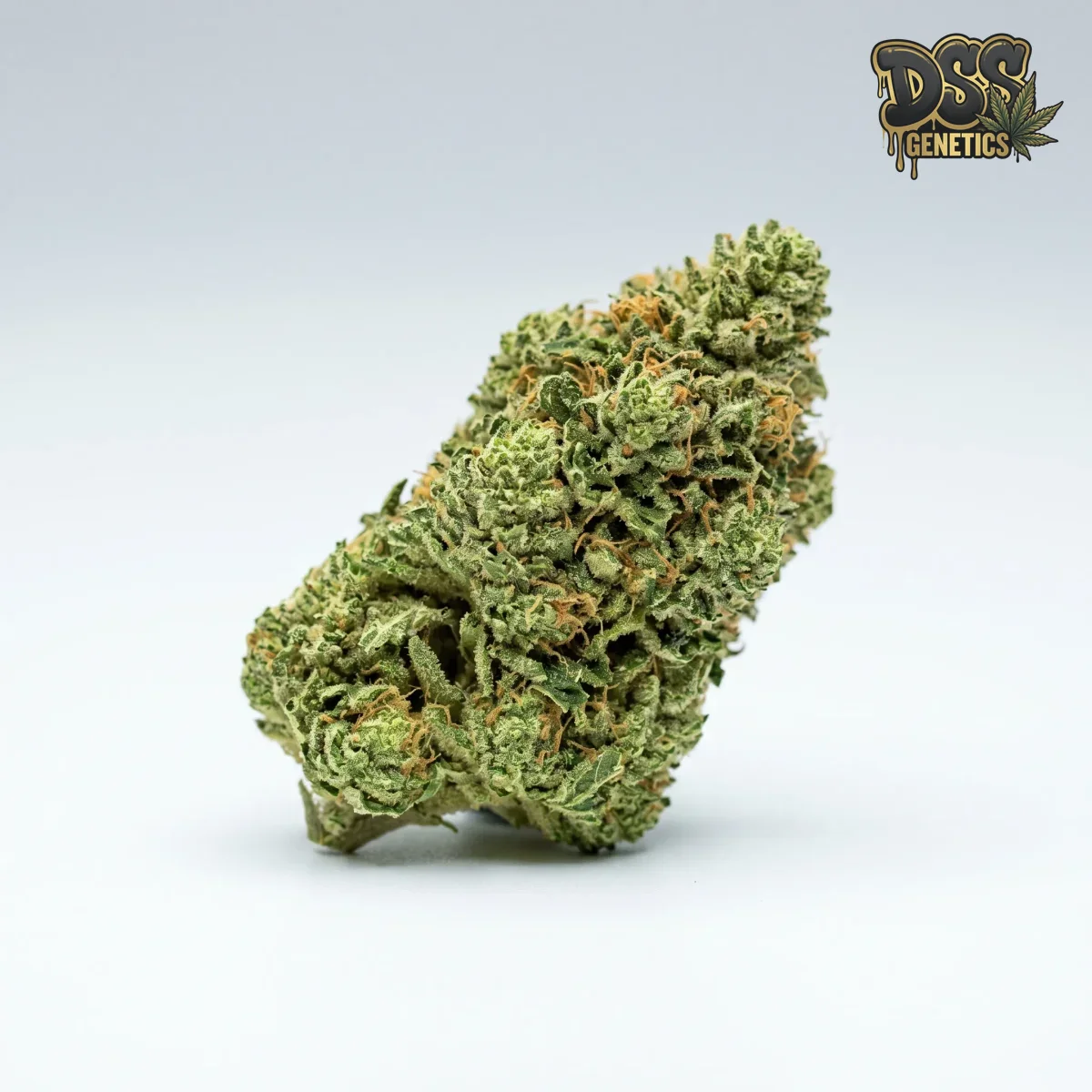
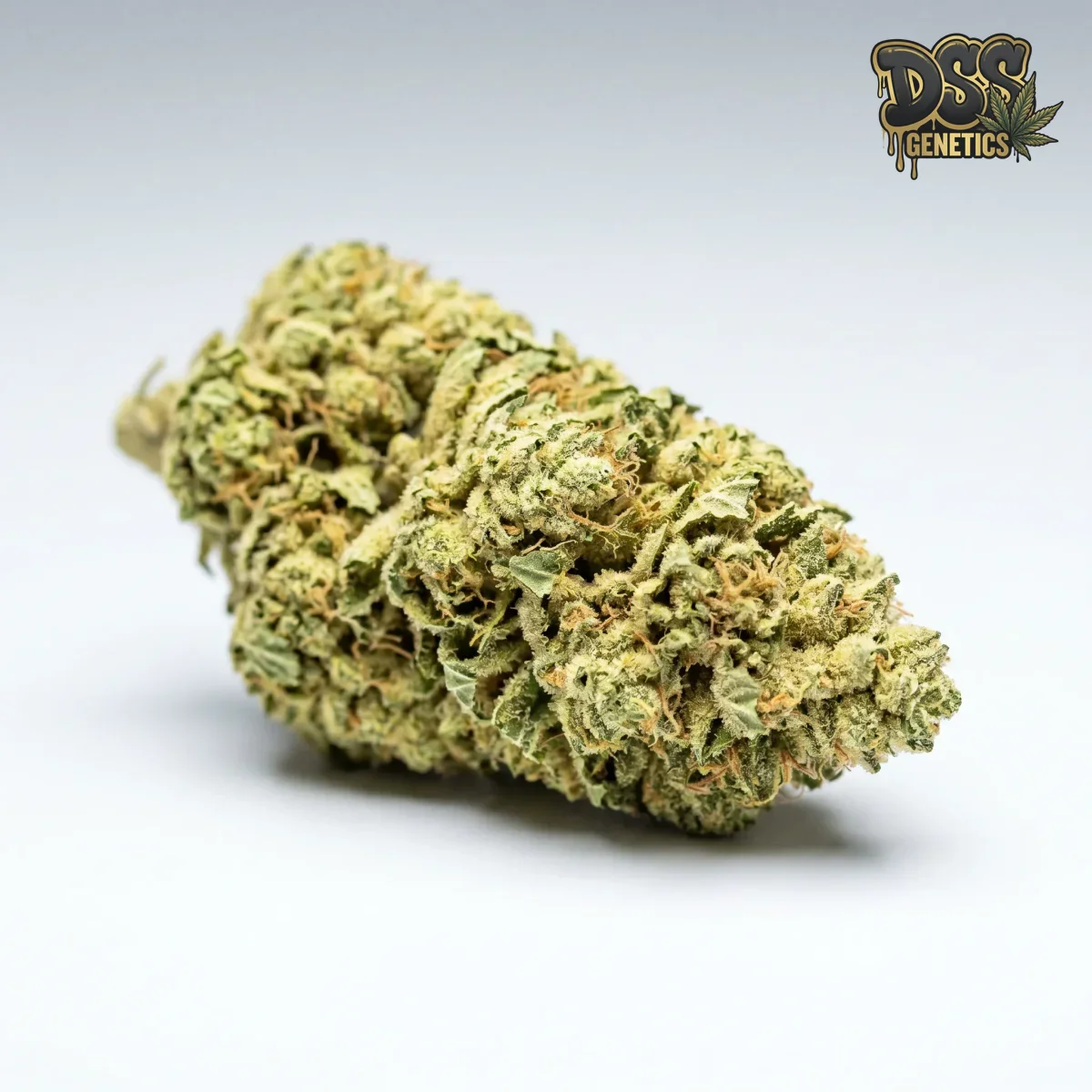
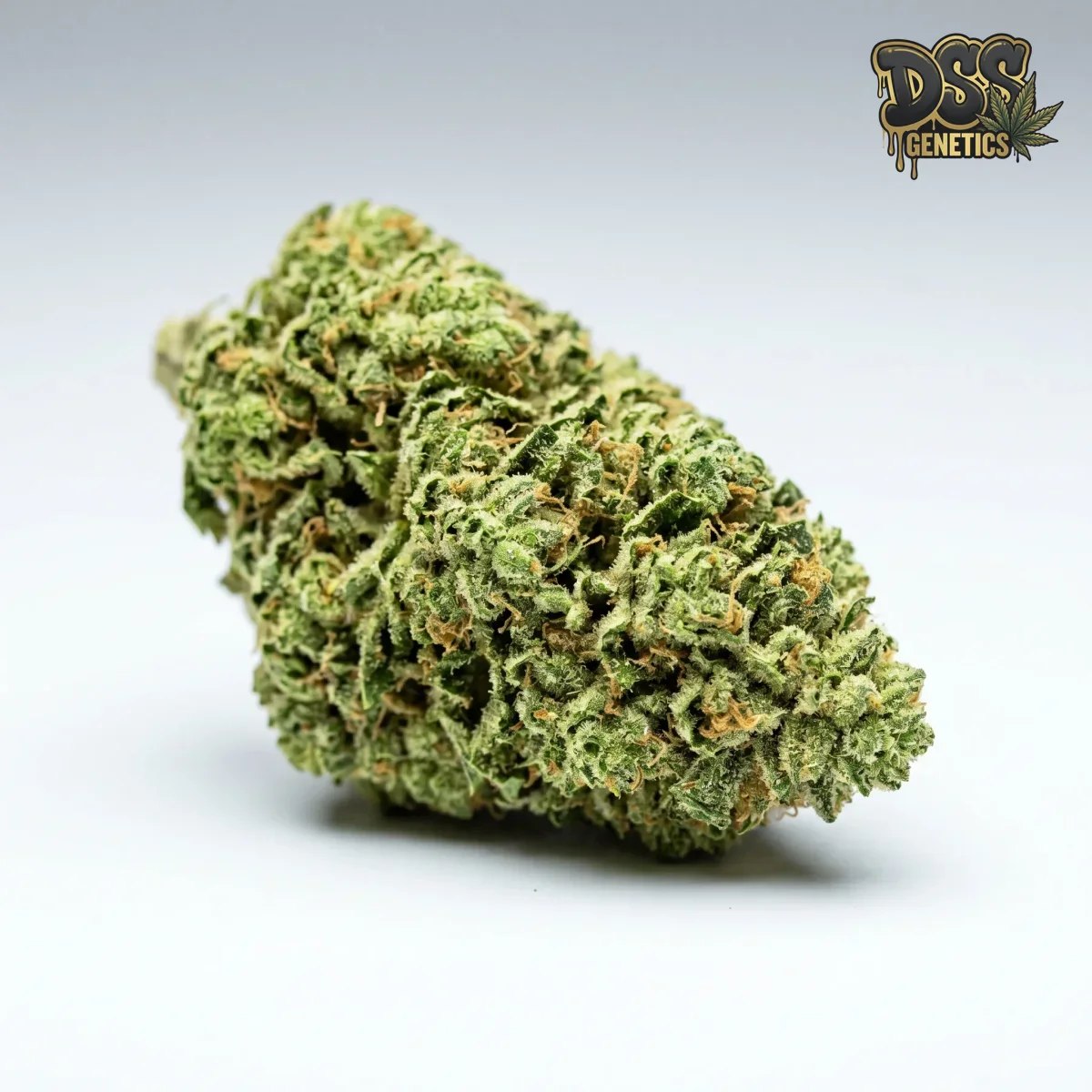
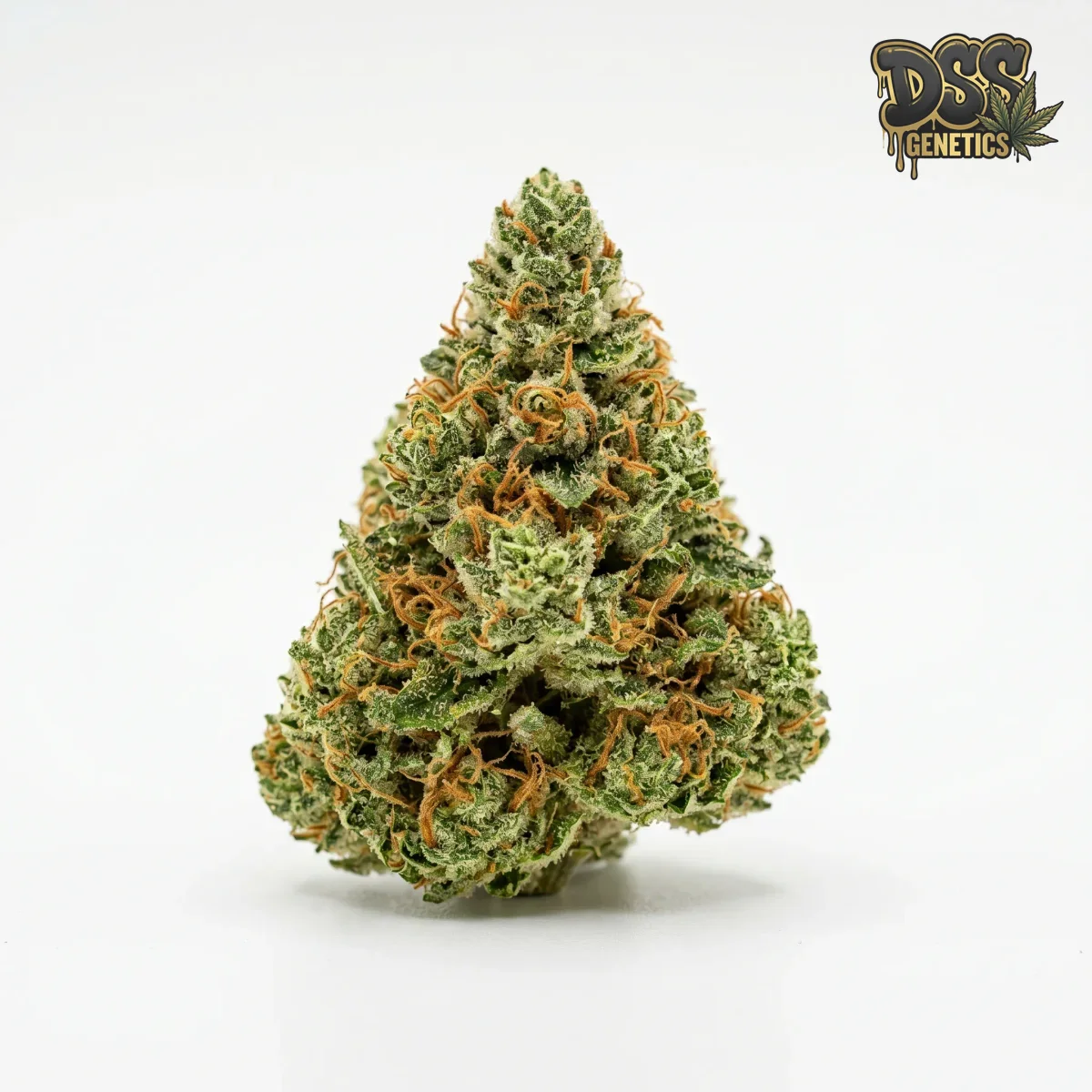
Open a jar of properly cured Tangie and the room changes. It's not a subtle strain — the citrus hits immediately, sharp and sweet like someone just split a mandarin orange at arm's length. Underneath that brightness there's a skunky undercurrent from its Skunk lineage, earthy and grounding, and a tropical berry sweetness that only emerges as the aroma opens up over a few minutes. On the inhale, the flavor mirrors the nose: sweet citrus with a faintly tart edge, a whisper of pine, and an exhale that finishes earthy and clean.
What makes Tangie's sensory profile exceptional isn't any single note — it's the layering. The skunky earthiness prevents it from smelling like candy. The tropical berry keeps it from smelling purely agricultural. And the citrus ties it all together into something that feels cohesive, vivid, and completely its own.
Terpinolene is the anchor of Tangie's aroma. This is the terpene responsible for the fresh, almost floral citrus quality that makes Tangie so immediately recognizable — it carries herbal and slightly piney dimensions that add complexity beneath the obvious fruit-forward character. Terpinolene also carries mild sedative and antioxidant properties studied in preclinical research, and it's relatively rare as a dominant terpene, which is part of why Tangie smells like nothing else on the shelf.
Limonene amplifies the citrus character Terpinolene establishes, but it does so with a sharper, more aggressive zestiness — think lemon pith rather than sweet mandarin. Beyond aroma, Limonene is one of the most researched terpenes for mood elevation and stress reduction, which directly supports Tangie's reputation as a strain that genuinely lifts spirits. Its antifungal properties also offer some minor protection during the grow.
Pinene adds the bright, clean note that keeps Tangie's aroma from going too sweet or too skunky. It's the terpene you smell when you walk into a forest after rain — fresh, resinous, and clean. In this profile, Pinene sharpens the citrus and integrates the earthier tones from the Skunk genetics into something cohesive. Research suggests Pinene may help counteract short-term memory impairment associated with THC, which is relevant for a daytime strain like Tangie.
Ocimene is the tropical wildcard in this profile. Sweet, herbaceous, and slightly woody, it introduces the berry and tropical fruit dimensions that make Tangie's flavor more complex than straight citrus. Ocimene is volatile — it contributes most to the fresh aroma of living or freshly harvested plant material, which is part of why Tangie in flower smells particularly explosive. It's also been studied for antiviral and anti-inflammatory properties, adding another layer to the strain's therapeutic character.
Growing Tangie Seeds
Tangie is rated difficult, and that rating is honest. This strain demands experience not because it's fragile, but because it's vigorous and opinionated — it will stretch aggressively, develop a large canopy, and respond poorly to neglect during its longer-than-average flowering window. Growers who treat Tangie like a set-and-forget strain will get mediocre results. Growers who engage with it actively will be rewarded with some of the most aromatic buds they've ever produced.
Indoors, temperature management is critical. Tangie performs best between 68–80°F (20–27°C) during the day, with a slight drop of 5–8°F overnight during flowering to encourage resin production and deepen color development. Humidity should be maintained at 50–60% RH during the vegetative stage, then dropped to 40–50% RH as flowering progresses. In the final two weeks, dropping to 35–40% RH reduces mold risk and encourages the plant to push more trichome production as a stress response.
The sativa genetics drive a pronounced stretch during the first three weeks of flowering — expect plants to double or even triple in height from their vegetative size if left unmanaged. For indoor growers, this means the vegetative stage should be kept short (3–4 weeks maximum) unless you're working with significant ceiling height. Training hard during veg is essential to keeping the canopy manageable and light distribution even.
Outdoor cultivation is where Tangie truly opens up. In a warm, Mediterranean-style climate with long summers, outdoor plants can reach impressive sizes and take full advantage of their sativa genetics, producing massive colas with extraordinary aromatic intensity. The natural sunlight spectrum during late summer and early fall enhances Limonene and Terpinolene expression in ways artificial lighting can't fully replicate.
What we've found over dozens of grows with Tangie is that the single biggest mistake growers make is under-training during the stretch. Plants that aren't bent, topped, or tied down early develop a Christmas tree structure that creates shading problems and uneven bud development. The second biggest mistake is pushing nutrients too hard during early flowering — Tangie prefers a measured transition from nitrogen to phosphorus and potassium, not a sudden switch.
Key growing tips for Tangie feminized:
- Train early and train hard: Use LST, topping, or ScrOG during veg to control the sativa stretch and build an even canopy that maximizes light exposure across all bud sites
- Manage the stretch: Switch to 12/12 lighting when plants are roughly half your desired final height indoors — the stretch will take them the rest of the way; reference our indoor growing guide for ceiling height planning strategies
- Dial in nutrients carefully: Tangie is not a heavy feeder by sativa standards; follow a gradual nitrogen taper starting at week 2 of flower and consult our nutrient guide for the precise phosphorus-to-potassium transition timing
- Humidity control is non-negotiable: Dense sativa buds late in the Tangie flower cycle are susceptible to botrytis — keep late-flower RH below 45% and ensure strong airflow through the canopy
- Outdoor growers, plan for late harvest: Tangie's 63–70 day flowering window means outdoor plants in most climates will finish in mid-to-late October; review our outdoor growing guide for harvest window and frost protection strategies
Yield and Flowering Time
Tangie feminized flowers in 63–70 days — a range that sits on the longer side for a commercial feminized strain, but one that's entirely justified by the aromatic and visual quality of the finished product. Growers who harvest early to save time will shortchange both potency and terpene development; patience during those final days is rewarded with significantly richer aroma and a smoother, more complete high.
Indoor yields reach 1.5–2 oz/ft² under optimized conditions — 600W HPS or equivalent LED, well-trained canopy, and dialed-in environmental controls. Outdoor plants are genuinely impressive producers: 17–25 oz/plant in a good season, which places Tangie among the more generous sativa-dominant strains in terms of outdoor potential. For growers chasing maximum outdoor production, explore our high-yield strains collection to see how Tangie compares.
To maximize your harvest:
- Trichome monitoring: Begin checking trichome color at day 60 — harvest Tangie when trichomes show 80–90% milky white with just 5–10% amber for the clearest, most energetic high; more amber shifts the effect toward relaxation and reduces the signature cerebral brightness
- Late-flower humidity: Drop RH to 35–40% in the final 10–14 days to protect dense buds from botrytis and to encourage additional resin development as the plant responds to the drier conditions
- Flush timing: If growing in soil, begin flushing 10–14 days before your target harvest date to clear residual nutrient salts that can muddy the flavor profile — Tangie's delicate citrus terpenes are particularly sensitive to heavy mineral taste
- Dry and cure with intention: Tangie's Terpinolene and Ocimene content is volatile — a slow dry at 60–65°F and 58–62% RH for 10–14 days followed by a minimum 4-week cure in sealed glass preserves the citrus aroma that makes this strain worth the effort
Why Buy Tangie Seeds from DSS Genetics?
Every Tangie feminized seed ships with our full germination guarantee — if it doesn't sprout under proper conditions, we replace it, no questions, no friction. Orders ship discreetly in plain, unmarked packaging that gives nothing away. We store all seeds in controlled-temperature, humidity-stable conditions from production to dispatch, because a seed's viability is only as good as how it was handled before it reached you.
- Germination guaranteed — every seed is backed by our replacement promise if it fails to germinate under proper conditions
- Discreet shipping — plain, unmarked packaging on every order
- Spend $100 or more — receive free premium seeds added to your order automatically
- Climate-controlled storage — seeds are held at optimal temperature and humidity from warehouse to your door, protecting viability and genetics
Frequently Asked Questions
Is Tangie suitable for beginner growers?
Tangie is rated difficult and is best suited to growers who have completed at least one or two previous grows. Its vigorous sativa stretch, longer flowering time, and sensitivity to humidity and nutrient management make it a challenging but deeply rewarding project for experienced cultivators. If you're newer to growing, we recommend starting with an easy-to-grow strain to build your fundamentals before tackling Tangie. Once you're comfortable managing plant training and environmental controls, come back — Tangie is absolutely worth the effort.
How strong is Tangie? What's the THC content?
Tangie tests between 13–22% THC, which is a wide range that reflects how significantly growing conditions influence the final potency. Plants grown outdoors in full sun with optimal nutrition tend to hit the upper end of that range. Indoor grows under 600W+ lighting with proper late-flower environmental management can also approach 20–22%. The effects are bright and energetic rather than overwhelming — the cerebral quality of Tangie's high means even mid-range THC percentages deliver a pronounced experience. If you're looking for the absolute ceiling of potency, explore our highest-THC strains.
What does Tangie smell and taste like?
Tangie's aroma is dominated by fresh citrus — specifically mandarin orange and tangerine peel — with a skunky earthiness underneath from its Skunk lineage and tropical berry sweetness that deepens as buds cure. The flavor follows the nose closely: citrus-forward on the inhale, earthy and clean on the exhale, with a faint pine edge from the Pinene content. The primary terpenes driving this profile are Terpinolene (floral citrus and herbal), Limonene (sharp zesty citrus), Pinene (clean pine), and Ocimene (tropical berry, sweet and herbaceous).
How long does Tangie take to flower
Medical Disclaimer: This information is for educational purposes only and should not be considered medical advice. Always consult a healthcare professional before using cannabis for medical purposes. Individual results may vary.
Frequently Asked Questions
Tangie — Common Questions Answered
What is Tangie?
Tangie is a sativa-dominant cannabis strain (70% Sativa / 30% Indica) bred from California Orange x Skunk. It produces THC levels of 13–22% and CBD levels of 0.01–1%. Known for its happy, euphoric, creative effects and sweet, earthy, citrus flavor profile.
Is Tangie easy to grow?
Tangie is considered an advanced-level strain that requires experience with training techniques, environmental control, and nutrient management for best results. Growing difficulty: Difficult. It thrives in temperate climates and reaches a medium plant size.
How long does Tangie take to flower?
Tangie has a flowering time of 63–70 days. Switch to a 12/12 light cycle to initiate flowering. Expected yields are 1.5 to 2 oz/ft² indoors and 17 to 25 oz/plant outdoors.
What are the effects of Tangie?
Tangie delivers happy, euphoric, creative, energetic effects. Many growers report it helps with stress, depression, fatigue. With THC levels of 13–22%, it provides a moderate to strong experience suitable for most users.
What does Tangie smell and taste like?
Tangie's dominant terpenes are Terpinolene, Limonene, Pinene, Ocimene, which give it a sweet, earthy, citrus, berry, skunky, tropical flavor and aroma profile. Limonene adds citrusy brightness and may elevate mood.
Can I grow Tangie indoors and outdoors?
Yes, Tangie performs well both indoors and outdoors. Indoor yields average 1.5 to 2 oz/ft², while outdoor grows can produce 17 to 25 oz/plant. It prefers temperate conditions. Its medium height is manageable in most indoor setups.
What does "feminized" mean for Tangie seeds?
Feminized Tangie seeds are bred to produce only female plants, which are the ones that develop smokable buds. This eliminates the need to identify and remove male plants, saving time and maximizing your grow space. Over 99% of feminized seeds will produce female plants.
Grower Reviews
Real grow experiences from our community
Get 10% Off Your First Order
Join our newsletter for exclusive deals, growing tips, and new strain drops.