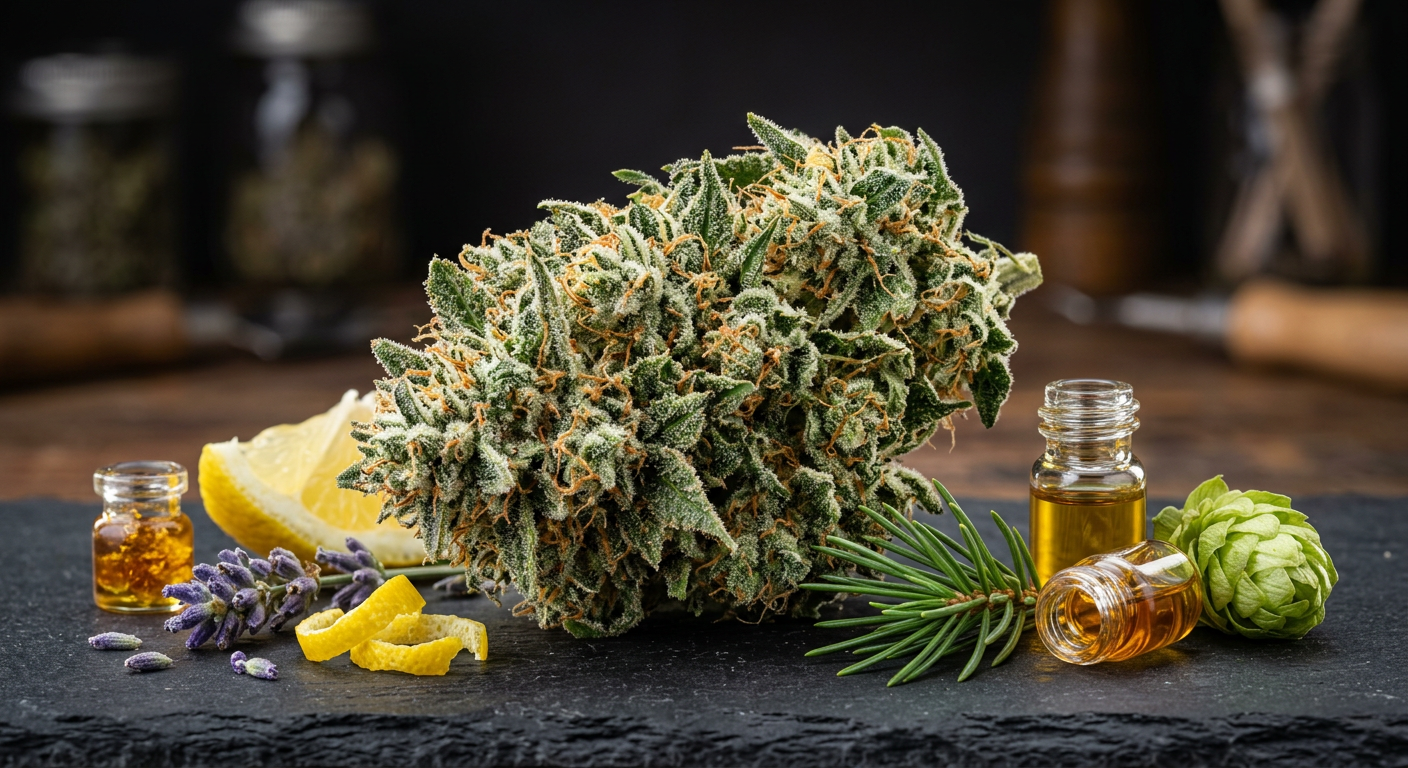
1. What Is Pinene? Chemistry and Natural Sources
Pinene is one of the most abundant terpenes on Earth — and one of the most underappreciated in cannabis cultivation. It belongs to the monoterpene class, with the molecular formula C₁₀H₁₆, and it exists in two structural isomers: alpha-pinene (α-pinene) and beta-pinene (β-pinene).
These two forms share the same molecular weight but differ in structure, which gives them subtly different aroma profiles and biological behaviors. Alpha-pinene is by far the more common of the two in cannabis.
Where Does Pinene Come From in Nature?
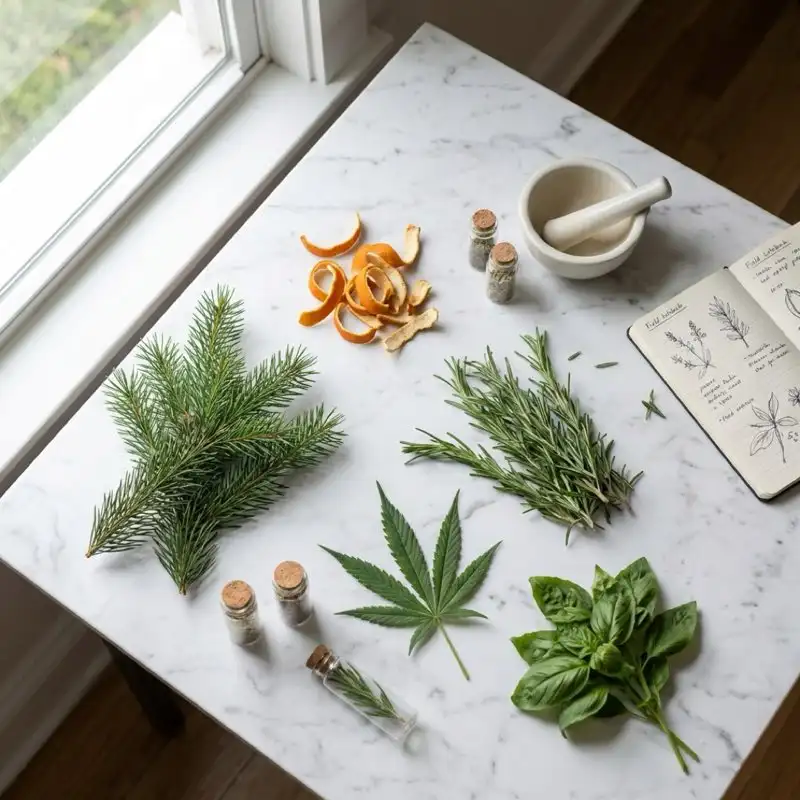
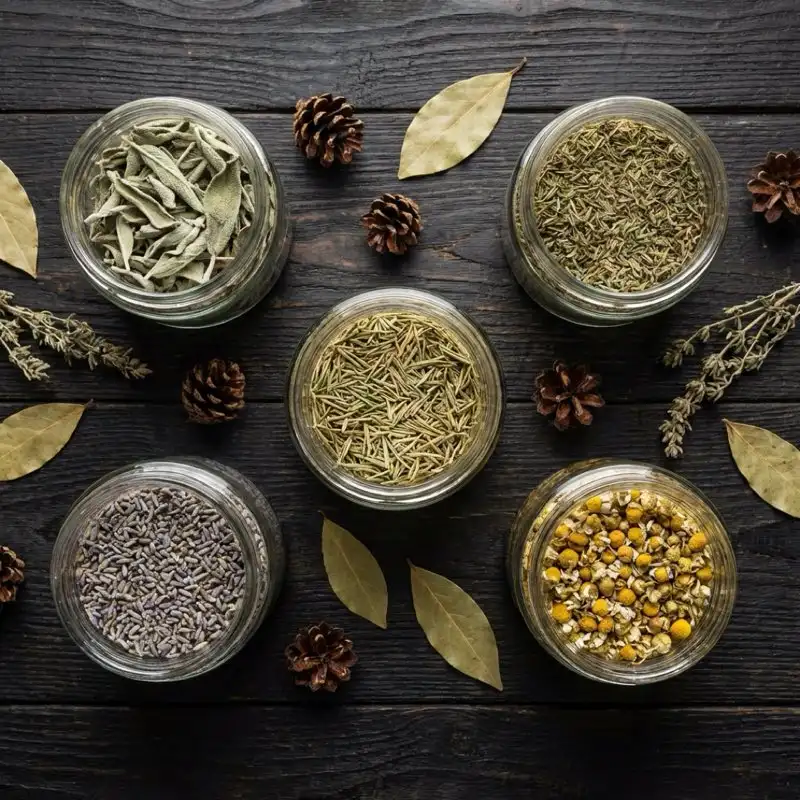
Pinene is the primary terpene responsible for the sharp, resinous scent of conifer forests. You encounter it every time you walk through a pine forest, peel an orange, or crush a sprig of rosemary.
- Pine trees (the namesake source, especially Pinus species)
- Rosemary and sage
- Eucalyptus and turpentine
- Orange peel and other citrus rinds
- Basil, dill, and parsley
- Cannabis — where it ranks among the top five most commonly detected terpenes
In the plant kingdom, pinene serves as a natural insect repellent and antimicrobial defense. Cannabis plants synthesize it in trichome glands alongside cannabinoids like THC and CBD, which is exactly why it plays a role in the plant's overall effect profile.
2. Pinene and the Cannabis High: The Entourage Effect
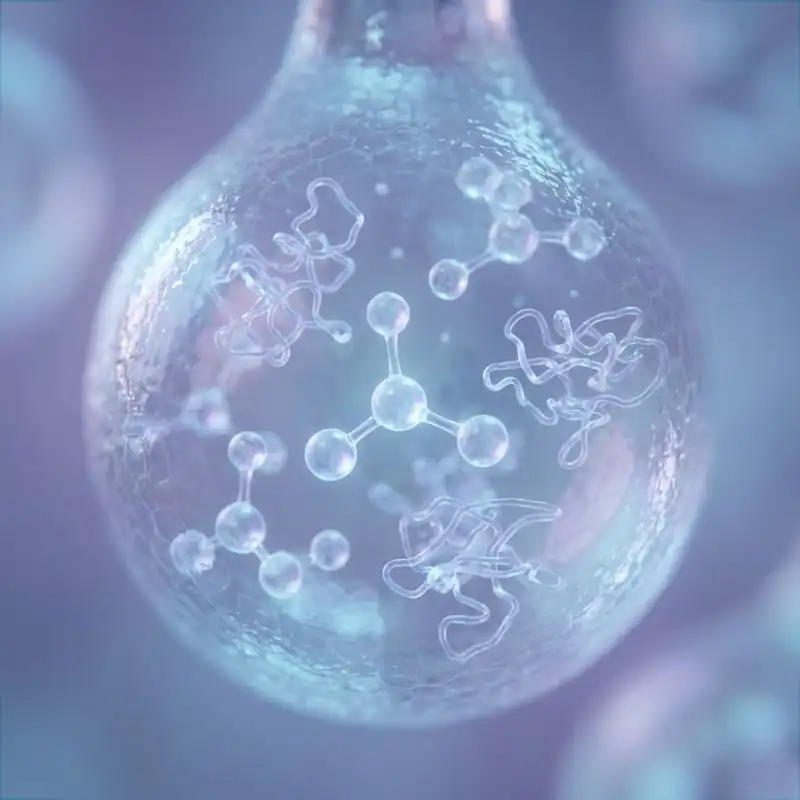
The entourage effect is the widely accepted model suggesting that cannabinoids, terpenes, and flavonoids work together synergistically — producing effects that neither compound could achieve alone. Pinene is a key player in this interaction.
How Pinene Modifies the THC Experience
High-pinene strains are frequently described as producing a clear-headed, alert effect rather than a heavy, sedative one. Many experienced consumers specifically seek out pinene-dominant varieties when they want to remain functional and focused.
- Pinene may partially counteract short-term memory impairment associated with THC
- It is associated with increased alertness and mental clarity
- It tends to complement uplifting, energetic sativa-leaning effects
- In balance with myrcene, it can contribute to a more rounded, complex experience
This is not a medical claim — individual responses vary enormously. But the terpene chemistry is real, and understanding it helps you choose and grow strains more intentionally.
Pinene in Sativa vs Indica Profiles
Pinene appears across both indica and sativa genetics, but it is most concentrated in strains with haze, diesel, or tropical heritage. Varieties like New York Power Diesel express strong pinene signatures alongside the fuel-forward terpene profile that diesel genetics are famous for.
Meanwhile, tropical strains like Swazi — descended from pure African landrace genetics — carry pinene as part of a complex, multi-terpene bouquet shaped by thousands of years of natural selection.
3. The Science: Receptor Interactions and Key Research

Pinene's effects are not just folklore. Researchers have investigated its biochemical activity with growing interest over the past two decades.
How Alpha-Pinene Works in the Body
Alpha-pinene acts as an acetylcholinesterase inhibitor — meaning it slows the breakdown of acetylcholine, a neurotransmitter central to memory, attention, and learning. This is the same mechanism targeted by certain pharmaceutical drugs used in cognitive research.
- It crosses the blood-brain barrier efficiently due to its small molecular size
- It interacts with GABA-A receptors, which influence anxiety and sedation
- It demonstrates bronchodilatory properties in preclinical research, potentially opening airways
- Anti-inflammatory activity has been observed in multiple in vitro studies
Notable Research Findings
A 2011 review by Dr. Ethan Russo in the British Journal of Pharmacology highlighted pinene as a terpene with significant entourage effect potential, specifically citing its ability to mitigate THC-induced memory effects. A 2015 study published in Molecules confirmed robust anti-inflammatory and antimicrobial properties of alpha-pinene in isolated models.
Research is still evolving, and human clinical trials remain limited. But the preclinical data is compelling enough that pinene is now a focal point in cannabis chemotype research worldwide.
4. Aroma and Flavor Profile: What Pinene Actually Tastes Like
If you have ever smelled a fresh pine forest after rain, you already know alpha-pinene. It is sharp, green, resinous, and unmistakably clean — like the air itself has been scrubbed.
Breaking Down the Sensory Profile
- Alpha-pinene: Fresh pine, resinous wood, sharp green herbs, slight citrus edge
- Beta-pinene: Warmer, woodsy, with hints of hops and green spice
- Combined: Creates a crisp, foresty, slightly medicinal aroma that cuts through heavier terpene notes
On the palate, pinene delivers a clean, slightly herbal sharpness on the inhale. It tends to brighten and lift flavor profiles that might otherwise feel heavy or one-dimensional.
How Pinene Interacts With Other Terpenes in Flavor
Pinene pairs naturally with limonene, where it adds a resinous edge to citrus brightness. In diesel strains, it cuts through the fuel-heavy notes of terpinolene and caryophyllene, creating that distinctive sharp-and-complex character.
In strains like Super Lemon Haze, the interplay between pinene and limonene is especially pronounced — delivering a flavor experience that feels almost effervescent and zesty on every exhale.
5. Top Cannabis Strains High in Pinene
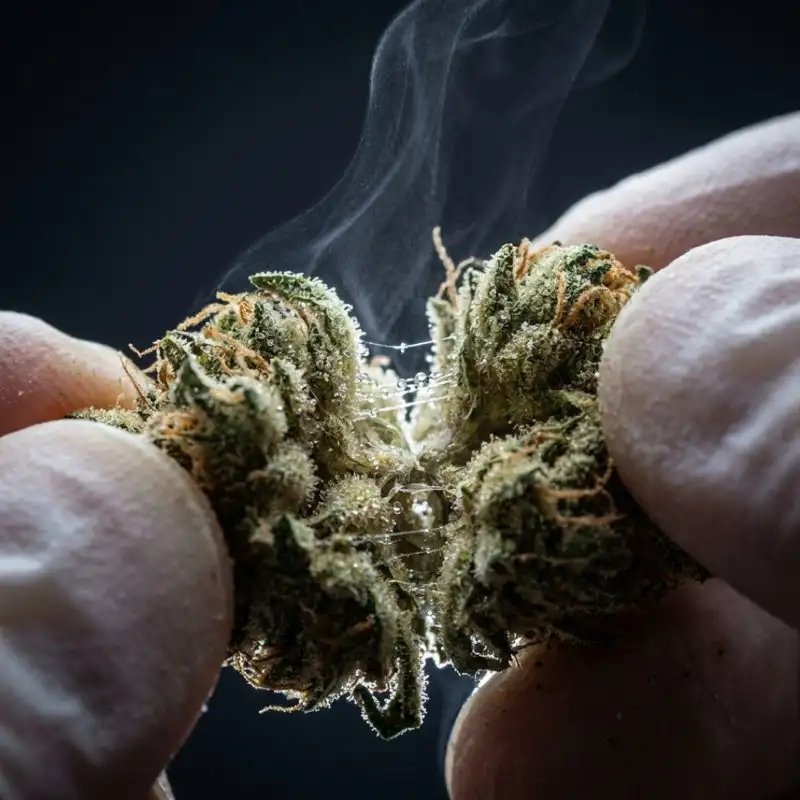
Not all cannabis strains produce meaningful levels of pinene. Terpene expression is highly strain-specific and also influenced by growing conditions. The following genetics are known for consistent, notable pinene expression.
Haze and Diesel Genetics
Northern Lights x Amnesia Haze combines the resinous depth of Northern Lights with the soaring, piney brightness of Amnesia Haze genetics. The result is a strain where pinene works alongside terpinolene and ocimene to build a vivid, cerebral aroma profile.
Sour Diesel is one of the most pinene-expressive strains in the DSS catalog. Its legendary fuel-and-pine aroma is largely the result of pinene interacting with caryophyllene and myrcene in a tightly defined terpene ratio.
Tropical and Exotic Genetics
- Papaya — a tropical indica-leaning variety where pinene adds a sharp green note beneath the sweet, fruity core
- Swazi — landrace African genetics with a complex, resinous terpene profile shaped by natural selection
- Purple Power — a sativa-dominant variety that develops notable pinene alongside its berry and floral notes, especially in cooler finishing temperatures
Skunky and Classic Genetics
Super Skunk demonstrates how pinene can anchor an otherwise pungent, funky terpene profile. Here it adds a resinous backbone that gives the strain's famous skunk aroma its lasting, complex character.
Want to explore the full range of terpene-rich genetics? Browse the complete DSS Genetics seed catalog for strains with well-documented aroma profiles.
6. How to Maximize Pinene During the Grow
Genetics set the ceiling for pinene production — but your growing conditions determine how close you get to that ceiling. Experienced cultivators use several proven strategies to push terpene expression to its maximum.
Environmental Factors That Boost Pinene
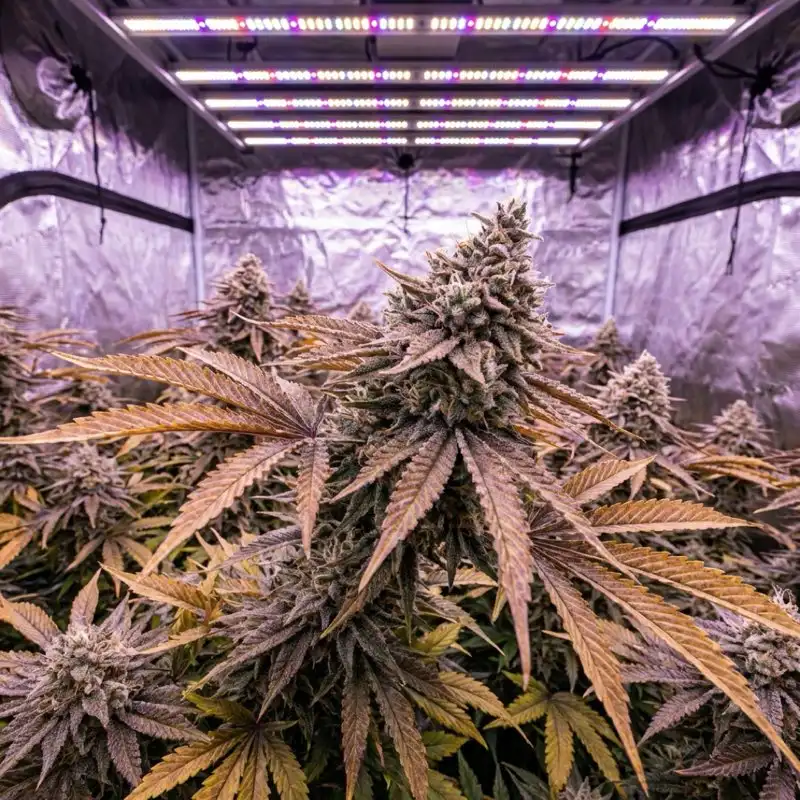
- Temperature: Keep daytime temps at 72–78°F (22–26°C). Excessive heat above 85°F degrades volatile terpenes during flowering
- Humidity: Target 40–50% RH during late flower to stress trichome production positively without risking mold
- Light intensity: Higher PPFD levels (800–1,000 µmol/m²/s) during flowering stimulate terpene biosynthesis
- Light spectrum: UV-B exposure in the final 2–3 weeks has been shown in multiple studies to increase total terpene content
Soil and Nutrient Strategies
Living organic soil consistently outperforms synthetic-heavy grows for terpene richness. The microbial ecosystem in quality living soil produces auxins and other compounds that directly enhance terpene biosynthesis pathways.
- Reduce nitrogen significantly after week 3 of flowering — excess N suppresses terpene production
- Add silica supplements to strengthen trichome stalks and improve terpene retention
- Phosphorus and potassium at proper ratios during mid-to-late flower support resin gland development
- Consider compost teas with kelp and humic acid during the vegetative phase
Harvest Timing
Pinene is highly volatile and begins to degrade as trichomes shift from cloudy to amber. For maximum pinene content, target the 10–20% amber trichome window — or even earlier if you are specifically chasing the freshest, most piney aroma expression.
A jeweler's loupe at 30x magnification or a digital microscope at 60x will give you the clarity you need to nail harvest timing with precision.
7. Preserving Pinene During Drying and Curing
This is where most growers lose their hard-earned terpene profile. Pinene has a boiling point of approximately 155°C (311°F) and a relatively low vapor pressure, meaning it escapes readily at elevated temperatures or under improper drying conditions.
Drying Best Practices
- Dry slowly at 60–70°F (15–21°C) with 55–60% RH — a slow dry of 10–14 days preserves far more terpenes than a fast dry
- Never use heat or forced hot air to speed the drying process
- Hang whole branches rather than trimming first — the leaves slow moisture loss and protect terpene integrity
- Keep the drying space completely dark — UV light degrades terpenes and cannabinoids
- Maintain gentle airflow (not directed at buds) to prevent mold without accelerating evaporation
Curing for Maximum Pinene Retention
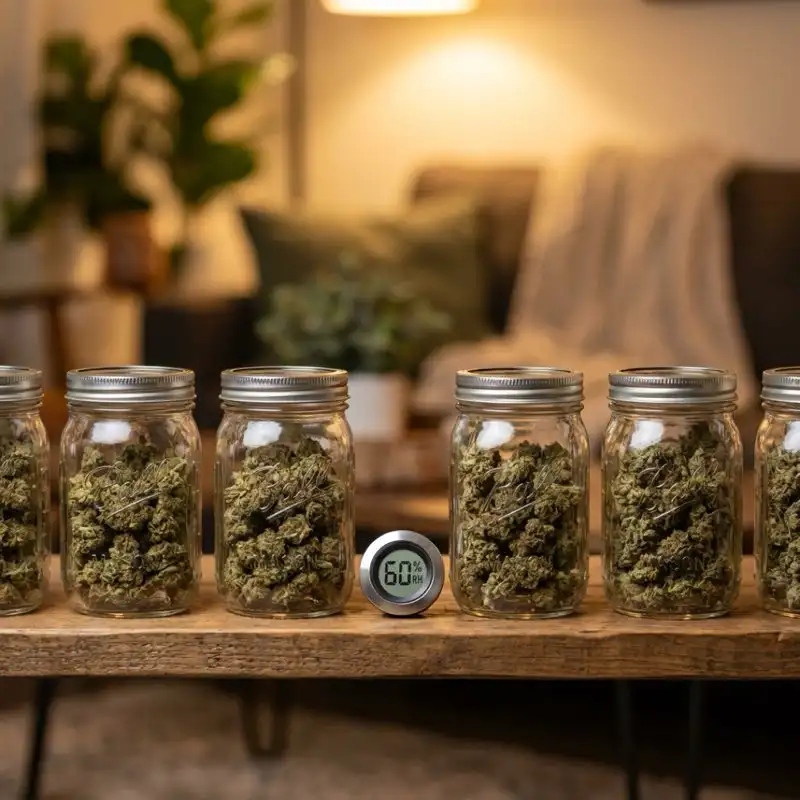
Curing in glass mason jars at 58–62% RH (using Boveda or Integra packs) is the gold standard. During the first two weeks, burp jars twice daily for 15–20 minutes to allow CO₂ and excess moisture to escape.
After two weeks, reduce burping to once per day, then once every few days. A proper cure of 4–8 weeks allows chlorophyll to break down fully while locking in the volatile terpene compounds that define your strain's character.
8. Pinene vs Other Major Cannabis Terpenes
Understanding pinene is most useful when you can compare it to the other dominant terpenes it competes and cooperates with in cannabis chemistry.
Quick Comparison: Major Cannabis Terpenes
- Myrcene: Earthy, musky, sedating — often dominant in indica-heavy strains; contrasts with pinene's alertness
- Limonene: Citrusy, uplifting, mood-elevating — frequently pairs with pinene to create bright, energetic profiles
- Caryophyllene: Spicy, peppery, interacts with CB2 receptors — adds depth and warmth beneath pinene's sharpness
- Linalool: Floral, lavender-like, calming — balances pinene's intensity in complex chemotypes
- Terpinolene: Fresh, piney, floral — the most direct "competitor" to pinene in similar aroma space
Pinene is unique in that it tends to sharpen and clarify other terpene profiles rather than dominate them. Strains like New York Power Diesel illustrate this perfectly — pinene is present but works in concert with the diesel terpene stack rather than overriding it.
Chemotype Thinking for Advanced Growers
Rather than categorizing cannabis by indica/sativa alone, many experienced growers now think in terms of terpene chemotypes. A high-pinene, high-limonene chemotype will behave very differently from a high-myrcene, high-caryophyllene one — regardless of plant structure.
This is why exploring the full DSS Genetics catalog with terpene profiles in mind can completely transform how you select, grow, and evaluate your harvests.
9. Common Misconceptions About Pinene
Despite growing mainstream awareness, several persistent myths about pinene continue to circulate in grower communities. Here is what the evidence actually shows.
Myth 1: "If It Smells Like Pine, It Is High in Pinene"
Not necessarily. Terpinolene also produces pine-adjacent aromas, and ocimene can contribute fresh, green notes that read as piney to the untrained nose. True pinene dominance requires lab testing — specifically gas chromatography (GC) or high-performance liquid chromatography (HPLC) analysis.
Myth 2: "Pinene Only Appears in Sativa Strains"
This is false. While pinene is especially common in haze and diesel genetics, it appears across the full genetic spectrum. Papaya is an indica-leaning strain that expresses measurable pinene levels. Terpene production is a genetic trait, not a morphology-linked one.
Myth 3: "All Pinene Is Lost After Decarboxylation"
Decarboxylation at 220–245°F (105–118°C) does volatilize some pinene, but significant amounts remain — especially with low-temperature or slow decarbing methods. The key is avoiding high heat for extended periods.
Myth 4: "Pinene Content Does Not Change After Harvest"
Terpene content is highly dynamic post-harvest. Improper drying or curing can reduce pinene by 50% or more compared to freshly harvested material. This is why post-harvest technique is just as important as genetics and growing conditions for preserving your strain's true terpene signature.
6. Frequently Asked Questions
What does pinene smell like in cannabis?
Pinene produces a sharp, fresh, resinous pine aroma in cannabis — similar to walking through a conifer forest. Alpha-pinene is the dominant form and smells clean and herbal, while beta-pinene adds a warmer, slightly woody and hop-like quality. Together they create a crisp, green, slightly citrusy scent that cuts through heavier terpene profiles in complex strains.
Which cannabis strains are highest in pinene?
Strains with haze, diesel, and tropical landrace genetics tend to produce the highest pinene levels. Notable high-pinene varieties include Sour Diesel, Northern Lights x Amnesia Haze, New York Power Diesel, Super Lemon Haze, and Swazi. However, terpene content varies by phenotype and growing conditions, so lab testing of specific batches is the most reliable way to confirm pinene levels.
How does pinene affect the cannabis experience?
Pinene is associated with clear-headed, alert, and focused effects — in contrast to sedating terpenes like myrcene. It is believed to partially counteract the short-term memory effects of THC by inhibiting acetylcholinesterase, the enzyme that breaks down the memory-linked neurotransmitter acetylcholine. Many consumers describe high-pinene strains as more energetic and mentally clear, though individual responses vary significantly.
How can I preserve pinene during drying and curing?
Pinene is volatile and degrades rapidly with heat, light, and improper humidity. To preserve it: dry slowly for 10-14 days at 60-70°F (15-21°C) with 55-60% RH in a dark space with gentle airflow. Then cure in sealed glass jars at 58-62% RH, burping daily for the first two weeks. A full cure of 4-8 weeks will protect terpene integrity while allowing chlorophyll to break down, resulting in a much smoother and more aromatic final product.
Is pinene only found in sativa-type cannabis strains?
No, this is a common misconception. Pinene appears across both indica and sativa genetics. While it is especially prevalent in haze, diesel, and tropical varieties, indica-leaning strains like Papaya also express notable pinene levels. Terpene production is determined by genetics and growing conditions — not by plant morphology or the traditional indica/sativa classification system.