Why Cannabis Dinner Parties Are the Hottest Trend in 2026
A cannabis dinner party combines gourmet cuisine with precisely dosed THC-infused courses to create an immersive social dining experience. It replaces the wine pairing model with cannabis, emphasizing flavor, terpene harmony, and controlled dosing across a multi-course meal.
Cannabis-infused dining has moved far beyond the brownie tray on a dorm room desk. In 2026, legalization across much of North America and evolving cultural attitudes have turned the weed dinner party into the most talked-about entertaining format in food-forward social circles. Professional outfits like The Herbal Chef — operating since 2014 with licensed, lab-tested, full-spectrum extracts — have proven that cannabis and fine dining belong together.
Companies like Cultivating Spirits now host cannabis supper club events across Colorado, Los Angeles, and Las Vegas, offering three-course pairing dinners guided by a Cannabis Sommelier. The concept has gone mainstream. But you don't need a professional chef — you just need a solid plan.
This guide walks you through every step of how to host a cannabis infused dinner party — from building your guest list to calculating THC dinner course dosing, pairing terpenes with food flavors, and handling the social nuances that make these gatherings memorable (and safe). We've drawn on our experience with strain genetics, terpene profiles, and edible formulation to create the most complete resource available.
Step 1: Build Your Guest List and Set Expectations
Start by curating an intimate guest list of 4-8 people you trust, then communicate clearly about the infused nature of the meal well before the event so every attendee can give informed consent and share their experience level.
Keep It Intimate
A cannabis dinner party is not a rager — it's an intimate gathering. As Venue Report's hosting guide emphasizes, "Ditch the big crowds and go for a more intimate gathering with your closest pals." Six to eight guests is the sweet spot. It keeps dosing manageable, conversation flowing, and lets you give each person attention if they need it.
Communicate Early and Clearly
Send invitations at least two weeks in advance. Your invite should clearly state:
- The dinner will include THC-infused courses
- Every course will have a non-infused "classic" option available
- Guests should not drive home — arrange rideshares or overnight stays
- The approximate total THC per person (e.g., "up to 10mg across all courses")
Gather Tolerance Information
Include a short questionnaire with your invitation. Ask each guest:
- Have you consumed cannabis edibles before?
- What's your typical edible dose (if applicable)?
- Any dietary restrictions or allergies?
- Would you prefer infused, non-infused, or a mix of both?
Pro Tip: Create a simple shared document or form — not a group chat. People are more honest about their tolerance privately than in front of friends. This information is critical for your dosing plan.
Step 2: Design Your Cumulative Dosing Strategy
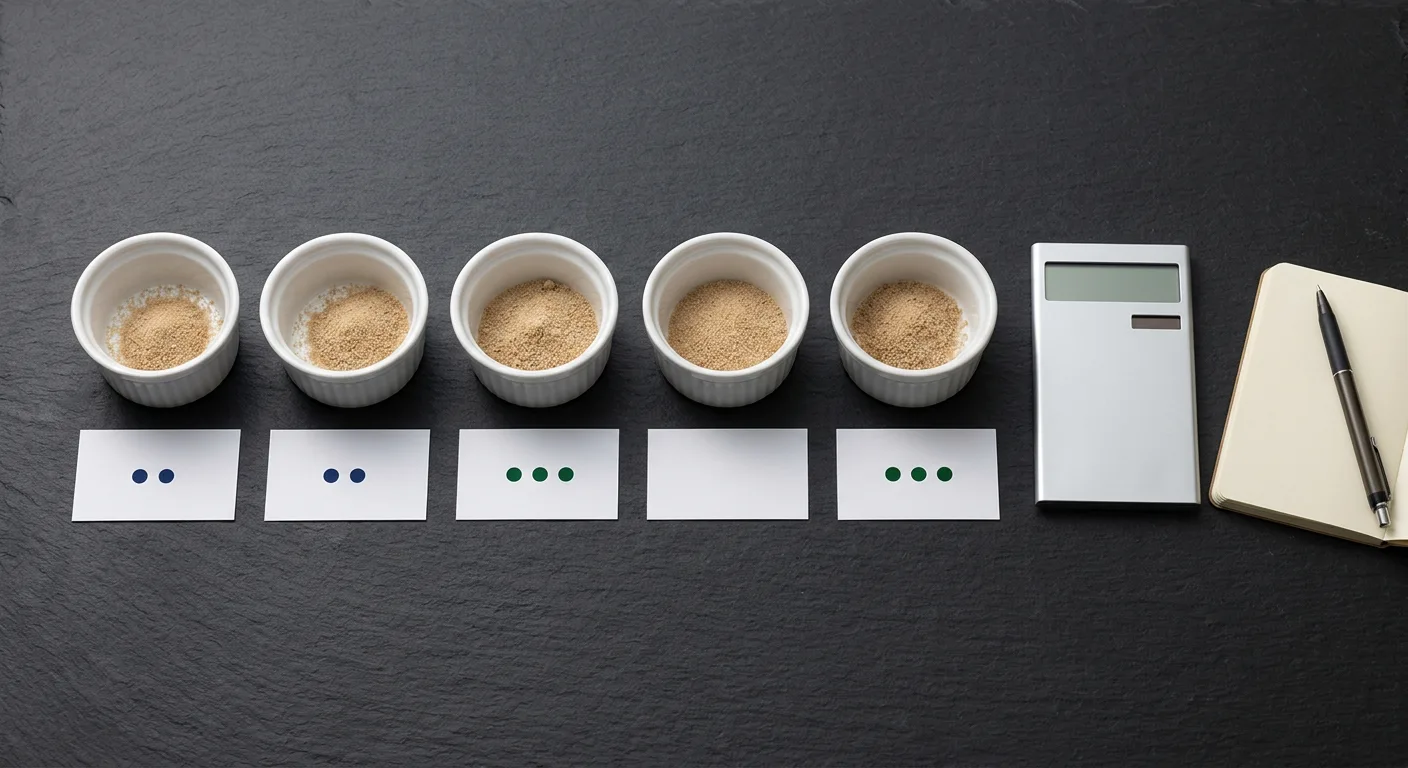
The most important element of a cannabis dinner party is a cumulative dosing plan that distributes THC across courses so no single dish overwhelms guests, and the total stays within a safe, enjoyable range per person.
Understanding Edible Onset and Duration
Unlike smoking or vaping, edibles are processed through the liver, converting delta-9-THC into 11-hydroxy-THC — a metabolite that research suggests may cross the blood-brain barrier more readily, producing a more potent and longer-lasting effect. This is why cannabis dinner party dosing per course matters so much.
Key pharmacokinetic benchmarks for your planning:
- Onset: 30-90 minutes after ingestion (45 minutes is typical on a non-empty stomach)
- Peak effects: 1.5-3 hours after ingestion
- Total duration: 4-8 hours depending on dose and metabolism
The Tiered Dosing Model
Here's our recommended dosing framework for a 5-course dinner. The goal is a gentle, building experience — never a sudden spike.
| Course | Beginner (5mg total) | Moderate (10mg total) | Experienced (20mg total) |
|---|---|---|---|
| Appetizer | 1mg | 2mg | 4mg |
| Soup/Salad | 1mg | 2mg | 4mg |
| Main Course | 1.5mg | 3mg | 5mg |
| Palate Cleanser | 0mg (non-infused) | 0mg (non-infused) | 0mg (non-infused) |
| Dessert | 1.5mg | 3mg | 7mg |
As Zamnesia's cannabis dinner guide notes, "5mg of THC per serving" is a common rule of thumb per course, which would yield 15mg across three courses. We find that's slightly aggressive for mixed-tolerance groups. Our tiered model lets you customize per guest.
Key Takeaway: How much THC per person at a dinner party? For most mixed-tolerance groups, 10mg total across all courses is the responsible target. Use our edible dosage calculator to dial in exact amounts based on your infused butter or oil potency.
Dosing Multiple Tolerance Levels at One Table
The easiest approach: prepare infused sauces, dressings, drizzles, or compound butters as additions rather than cooking THC into the base dish. This way, the core dish is non-infused, and each guest adds their dose via a labeled condiment.
For example, serve a non-infused risotto and offer an infused truffle butter on the side — 2mg per half-teaspoon pat. Beginners take one pat. Experienced guests take two. Everyone eats the same beautiful dish.
Step 3: Match Terpenes to Your Menu Flavors
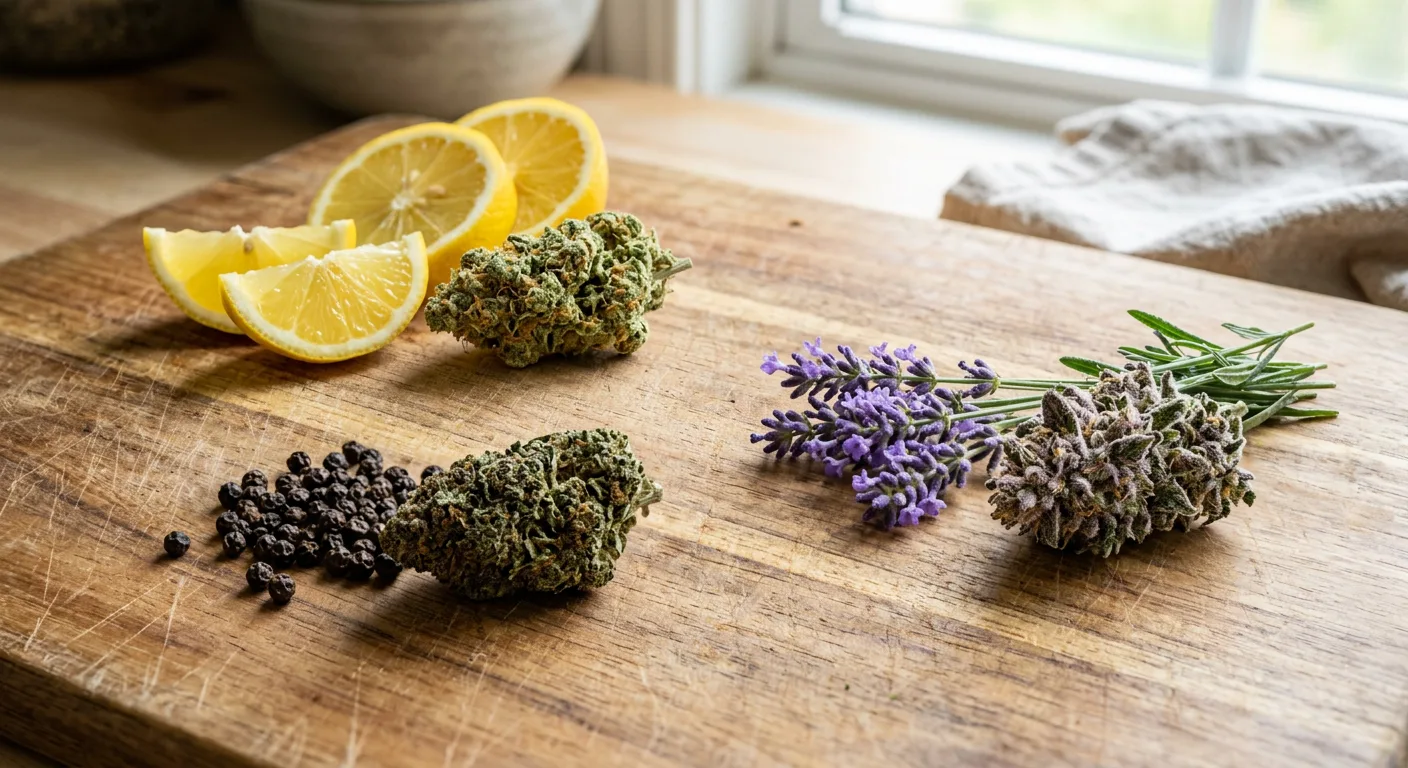
Terpene-to-food pairing is the art of matching dominant terpene profiles in cannabis strains with complementary flavors in your dishes, creating synergy between the herb and the cuisine on both a flavor and experience level.
What Are Terpenes and Why Do They Matter for Cooking?
Terpenes are aromatic compounds found in cannabis (and all plants) that drive flavor, aroma, and — according to the entourage effect theory — influence the character of the high. When you cook with cannabis, terpene preservation determines whether your infusion adds depth to a dish or just tastes "weedy." For a deeper understanding, see our guide on how to read a cannabis terpene lab report.
The Terpene-to-Course Pairing Chart
| Terpene | Flavor Profile | Best Paired With | Recommended Strains |
|---|---|---|---|
| Limonene | Citrus, lemon, orange zest | Citrus appetizers, seafood ceviche, lemon desserts | Super Lemon Haze (23% THC), Tangerine Haze (18% THC) |
| Beta-Caryophyllene | Black pepper, clove, spice | Grilled meats, spicy curries, savory mains | OG Kush (26% THC), GSC (Girl Scout Cookies) |
| Linalool | Lavender, floral, sweet herbs | Floral desserts, lavender crème brûlée, herbal teas | Lavender Jones, Amnesia Haze Autoflower (17% THC) |
| Myrcene | Mango, earthy, musky | Tropical fruit courses, rich stews, mango sorbet | Granddaddy Purple, Papaya (25% THC) |
| Pinene | Pine, rosemary, herbal | Roasted vegetables, herb-crusted proteins, pesto | Jack Herer, Blue Dream |
| Humulene | Hoppy, herbal, woody | Craft beer reductions, earthy soups, mushroom dishes | White Widow (25% THC), Headband |
For an in-depth look at specific terpenes, explore our guides on pinene in cannabis and humulene in cannabis.
Expert Note: Terpenes degrade at high temperatures. Most terpenes begin evaporating above 315°F (157°C). When making infused butters or oils, keep temperatures below 200°F (93°C) during decarboxylation and infusion to preserve maximum terpene content. Add infused ingredients at the end of cooking — as a finishing oil, drizzle, or garnish — whenever possible.
Strain Selection for Your Menu
Choose strains based on the experience arc you want your dinner to create, not just THC percentage:
- Appetizer course: A sativa-leaning strain with limonene or pinene for uplifting, social energy. Super Lemon Haze or Durban Poison work beautifully here.
- Main course: A balanced hybrid with caryophyllene for a savory, grounding transition. White Cookies (22% THC) or Wedding Cake match rich main dishes.
- Dessert: An indica-leaning strain with linalool or myrcene for a relaxing finish. Purple Kush (27% THC) or Gelato pair wonderfully with sweet courses.
If you're growing your own supply for the dinner, our grow planner can help you time your harvest, and our germination guarantee ensures your investment in seeds pays off.
Step 4: Plan Your Infused Dinner Menu (5-Course Sample)
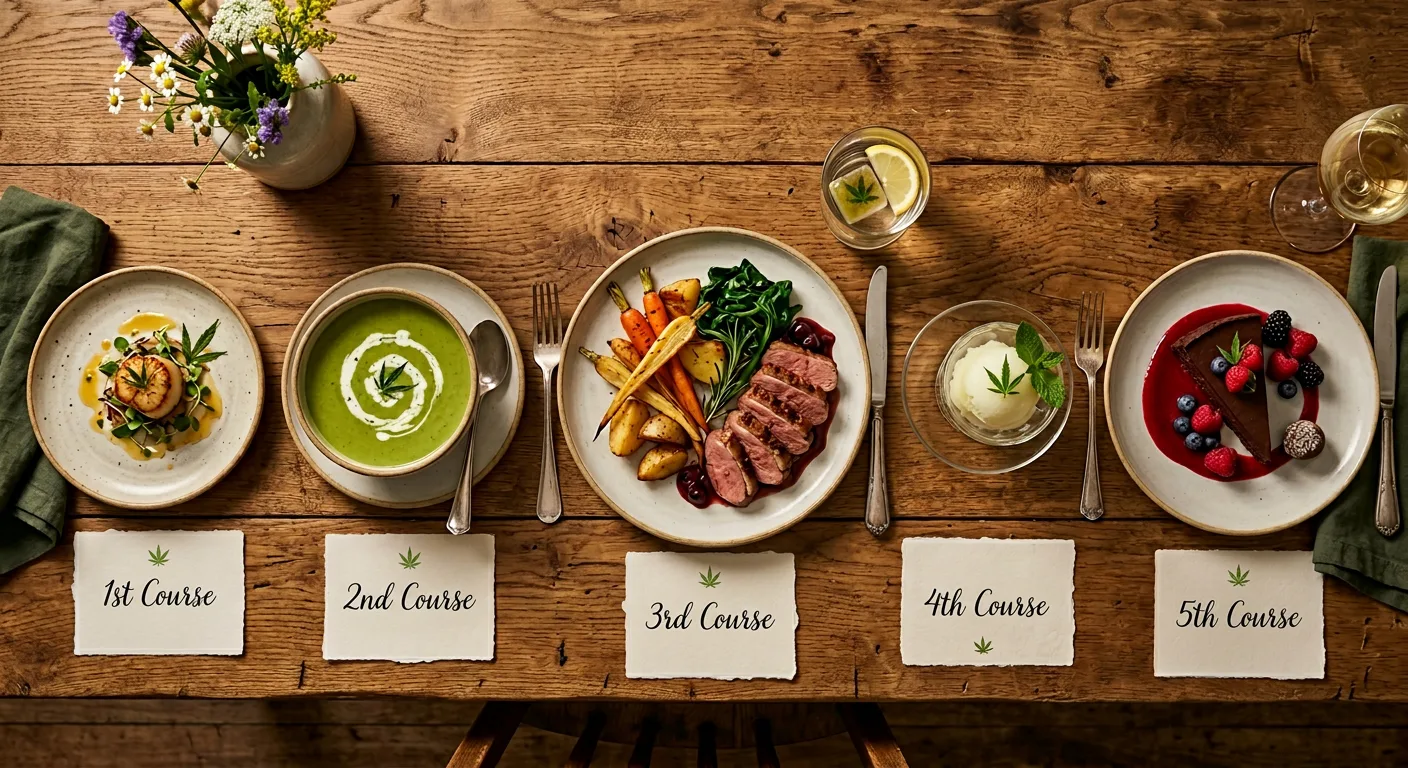
A well-structured infused dinner menu alternates between infused and non-infused courses, front-loads lighter doses, and builds toward a comforting, relaxing dessert — all while showcasing terpene-food harmony.
Sample 5-Course Cannabis Dinner Menu
Below is a complete edible dinner party menu idea designed for a moderate-tolerance group at 10mg total THC per person. Adjust doses up or down using the tiered model from Step 2.
Course 1 — Citrus Shrimp Ceviche with Infused Lemon Oil (2mg THC)
Fresh shrimp ceviche with mango, avocado, and jalapeño, finished with a limonene-rich cannabis-infused lemon olive oil. Pair with a Super Lemon Haze-derived infusion. Serve with non-infused tortilla chips. The citrus in the ceviche mirrors the limonene in the oil, creating seamless flavor integration.
Course 2 — Roasted Butternut Squash Soup with Infused Sage Butter (2mg THC)
Velvety butternut squash soup topped with a coin of pinene-forward cannabis-infused sage compound butter that melts into the soup tableside. The herbal, woody terpenes complement the earthy sweetness of the squash. Use a Jack Herer or Blue Dream-based infusion for pine-forward notes.
Course 3 — Herb-Crusted Lamb Chops with Caryophyllene Chimichurri (3mg THC)
Pan-seared lamb chops with a rosemary-garlic crust, served with an infused chimichurri made from caryophyllene-dominant cannabis oil, fresh parsley, oregano, and red pepper flakes. The peppery spice of caryophyllene amplifies the chimichurri's heat. OG Kush or GSC infusions work best here. Serve alongside non-infused roasted root vegetables and garlic mashed potatoes.
Course 4 — Grapefruit-Mint Sorbet Palate Cleanser (0mg THC)
A completely non-infused intermezzo. The tart grapefruit and cool mint reset the palate and, more importantly, give guests 30-45 minutes to feel the cumulative effects of the first three courses before the final infused dessert. This is your dosing safety valve.
Course 5 — Lavender-Honey Panna Cotta with Infused Berry Compote (3mg THC)
Silky panna cotta infused with culinary lavender, topped with a warm mixed berry compote made with cannabis-infused honey. The linalool in a Purple Kush or Lavender Jones-based honey harmonizes with the floral lavender notes. Garnish with fresh mint and a light dusting of powdered sugar. Serve alongside cannabis-infused coffee or a non-infused herbal tea.
Key Takeaway: The non-infused palate cleanser in Course 4 isn't just a culinary tradition — it's a critical safety feature. It creates a natural 30-45 minute pause that lets guests assess how they feel before adding the final 3mg in dessert.
Vegetarian and Vegan Adaptations
Every course above can be adapted for plant-based diets:
- Course 1: Replace shrimp with hearts of palm ceviche
- Course 2: Use infused coconut oil instead of sage butter (vegan)
- Course 3: Substitute lamb with grilled cauliflower steaks — the chimichurri works beautifully on both
- Course 5: Replace panna cotta with coconut milk panna cotta set with agar-agar
Step 5: Prepare Your Infused Ingredients in Advance
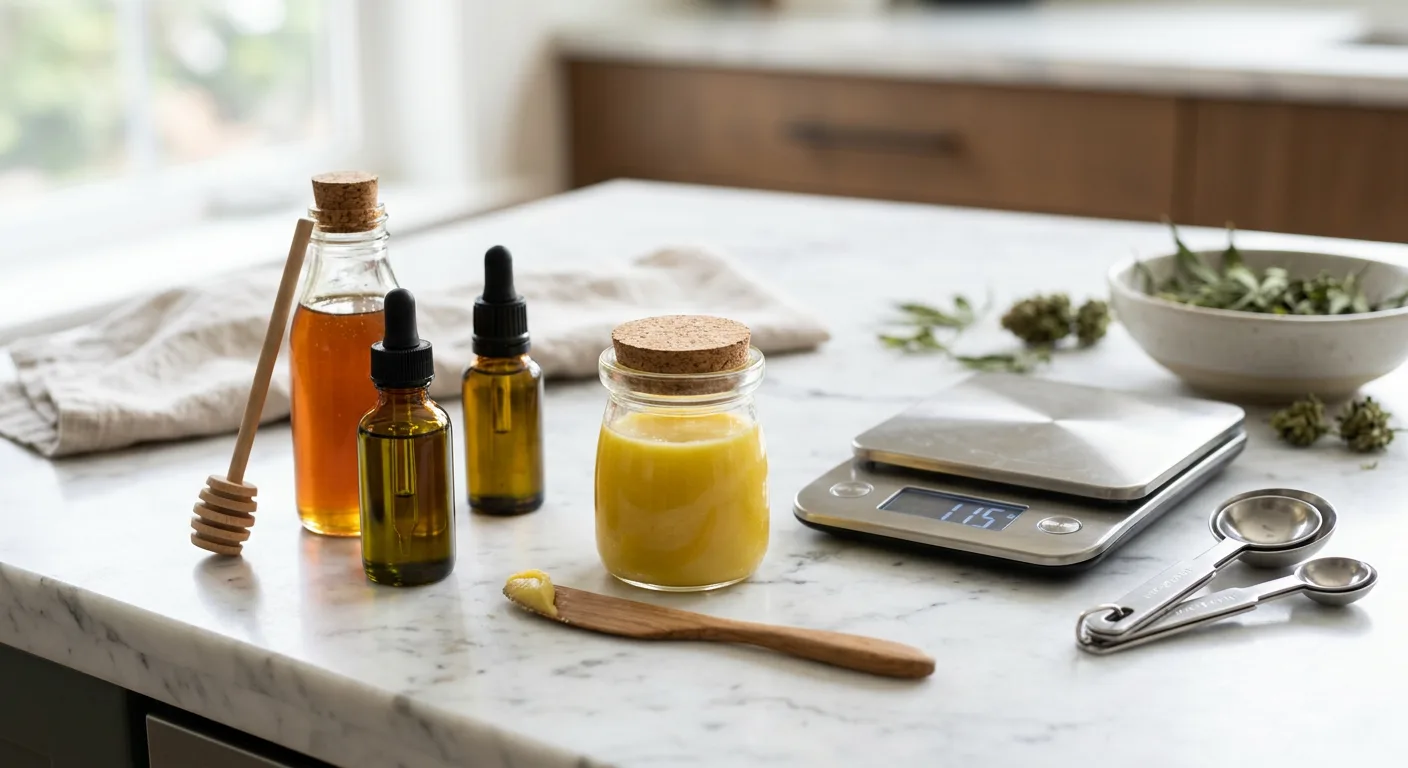
All cannabis-infused base ingredients — butter, oils, honeys, and tinctures — should be prepared and potency-tested 2-3 days before your dinner party, giving you time to calculate exact per-serving doses and make adjustments.
The Core Infused Pantry
You need a small arsenal of infused staples. Prepare these ahead of time:
- Cannabutter: The workhorse of cannabis cooking. Use for compound butters, sauces, and baking. Aim for a known potency (e.g., 5mg THC per teaspoon).
- Infused olive oil: Ideal for drizzles, vinaigrettes, and finishing. Preserves terpenes better than butter at low infusion temperatures.
- Cannabis honey: Our cannabis-infused honey guide covers the full process. Perfect for desserts, teas, and glazes.
- Cannabis tincture: Alcohol or MCT-based tinctures allow precise, drop-by-drop dosing into any dish. This is your most flexible tool for per-plate dose adjustments.
Calculate Your Potency
Precise dosing requires knowing how much THC is in your starting material. Here's the formula:
Total THC (mg) = Weight of flower (g) × THC% × 10 × Extraction efficiency
Typical extraction efficiency for butter or oil infusion is 60-80%. For example: 3.5g of flower at 20% THC × 10 × 0.7 (70% efficiency) = 490mg THC in your entire batch. If that batch makes 49 teaspoons of cannabutter, each teaspoon contains approximately 10mg THC.
Use our edible dosage calculator to skip the math and get precise per-serving numbers based on your specific flower and infusion method.
Warning: Never guess your dosing. Inconsistent potency is the number-one cause of overconsumption at cannabis dinner parties. If you haven't tested your infusion, start with half the amount you think is correct and adjust from there. When in doubt, under-dose — you can always offer a "booster" infused honey drizzle to guests who want more.
Decarboxylation: The Non-Negotiable Step
Raw cannabis contains THCA, which isn't psychoactive until heated. Decarboxylation converts THCA into THC. Grind your flower, spread it on a parchment-lined baking sheet, and bake at 240°F (115°C) for 40 minutes. This temperature preserves most terpenes while achieving 95%+ decarboxylation.
Step 6: Time Your Courses Around Onset Windows
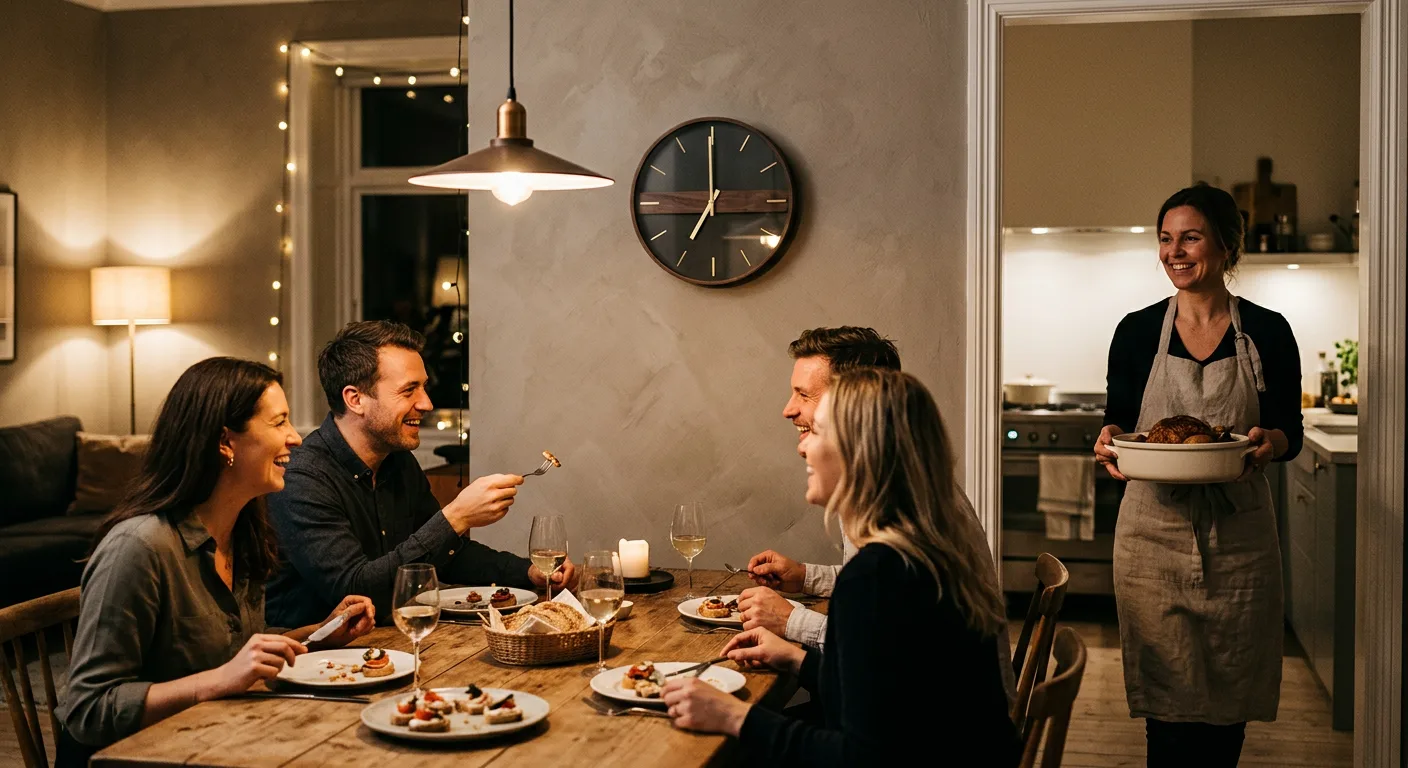
Proper course timing is the structural backbone of a safe cannabis dinner party. Space infused courses 45-60 minutes apart, and use non-infused elements (palate cleansers, bread courses, conversations) to naturally extend the intervals between THC servings.
A Suggested Timeline
| Time | Activity | THC |
|---|---|---|
| 7:00 PM | Guests arrive; welcome drinks (non-infused mocktails or low-dose 2mg cannabis cocktail) | 0-2mg |
| 7:30 PM | Course 1: Appetizer (infused) | 2mg |
| 8:15 PM | Course 2: Soup/Salad (infused) | 2mg |
| 9:00 PM | Course 3: Main Course (infused) | 3mg |
| 9:30 PM | Course 4: Palate Cleanser (non-infused) — this is your check-in moment | 0mg |
| 10:15 PM | Course 5: Dessert (infused) | 3mg |
| 10:45 PM+ | After-dinner socializing, board games, music | — |
Notice the 45-minute gap between Courses 1 and 2, and the 45-minute gap between Courses 2 and 3. The palate cleanser at 9:30 creates a natural pause before the final infused course. By the time dessert arrives, guests will be feeling courses 1-3 at varying stages of onset.
Pro Tip: Use the palate cleanser as a group check-in. Casually ask how everyone's feeling. If someone seems more affected than expected, suggest they skip the infused dessert option and enjoy the non-infused version instead. Frame it as normal — "The classic version is just as delicious."
Why Timing Matters More Than Dose
A person who eats 10mg across 3.5 hours will have a dramatically different experience than someone who eats 10mg in 30 minutes. The staggered approach means THC from the appetizer is peaking as the main course is being digested, creating a smooth, rolling experience rather than a sudden wall of effects.
Step 7: Set the Scene and Create the Right Atmosphere
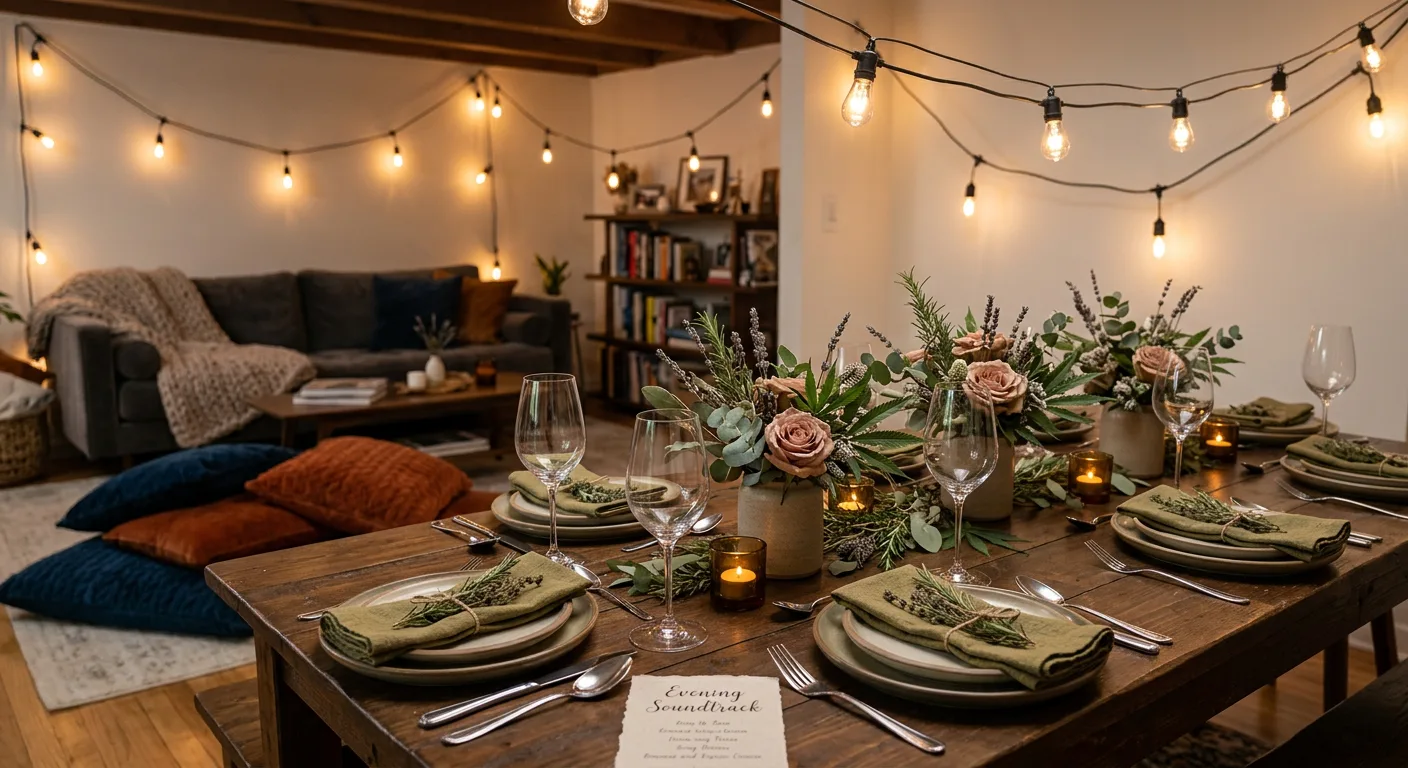
The atmosphere of a weed dinner party should be warm, comfortable, and intentionally relaxed — think ambient lighting, comfortable seating, curated music, and a vibe that puts even first-timers at ease.
Lighting and Decor
- Use warm, dimmable lighting — Edison bulbs, string lights, or candles (real or LED)
- Skip heavy scented candles that compete with food and cannabis aromas; opt for unscented or herb-based centerpieces
- Venue Report's hosting guide suggests ditching candles entirely and using "budding florals" — fresh herb arrangements with rosemary, lavender, and mint double as decor and aroma enhancers
Music
Curate a playlist in advance. Start with upbeat, social music during appetizers (jazz, funk, light electronic), then transition to mellower sounds (downtempo, acoustic, ambient) as the evening progresses and the indica-leaning dessert course settles in. Keep volume conversational — background, not foreground.
Comfortable Post-Dinner Spaces
Plan for after the meal. Cannabis dinners tend to extend into long, relaxed evenings. Set up:
- A cozy living room area with cushions and blankets
- Board games, card games, or art supplies (cannabis enhances creativity for many people)
- A quiet room for anyone who wants to decompress alone
Skip the Alcohol
This is one of the most consistent recommendations across every cannabis dinner guide, and we agree firmly. As Zamnesia's hosting guide notes, mixing alcohol and edibles dramatically increases the risk of negative experiences. THC and alcohol potentiate each other — the combination can lead to nausea, dizziness, and an unpredictable high.
Instead, offer:
- Craft mocktails with fresh herbs and citrus
- Sparkling water with fruit infusions
- Low-dose cannabis beverages (2-5mg) as a welcome drink option
- Herbal teas and cannabis-infused coffee after dessert
Warning: If a guest insists on having alcohol, that's their choice — but reduce or eliminate their THC dosing. Never combine full-dose edibles with alcohol. This is a firm rule for responsible cannabis entertaining.
Step 8: Master Cannabis Dinner Party Etiquette
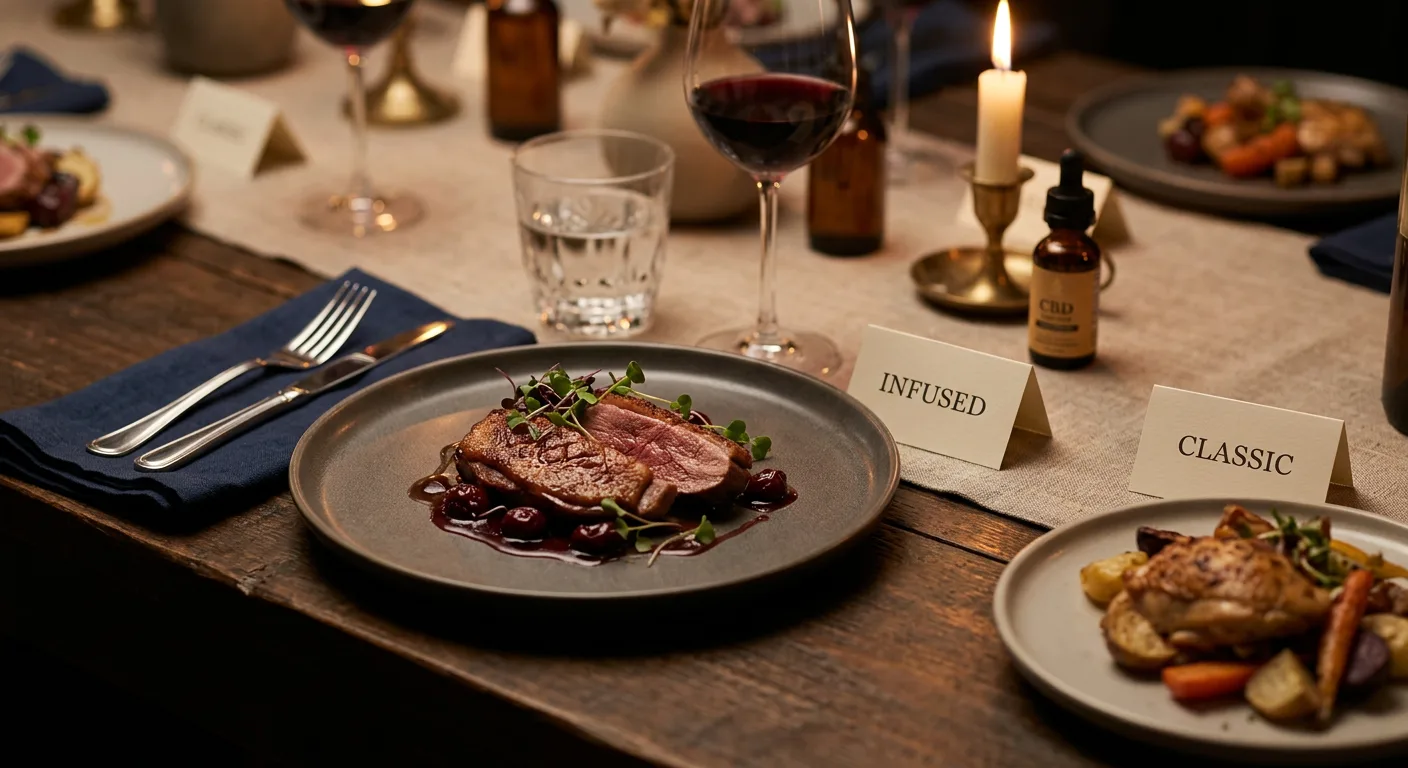
Cannabis dinner party etiquette centers on three principles: informed consent, clear labeling, and respect for individual boundaries. Every guest should know exactly what they're consuming, how much THC is in it, and that opting out of any course is perfectly welcome.
The Label Everything Rule
This is non-negotiable. Every dish, condiment, drizzle, and beverage at your table must be clearly labeled:
- "Infused — 2mg THC per serving" on infused dishes
- "Classic — Non-Infused" on standard versions
- Strain name and dominant terpene on infused condiments (e.g., "OG Kush Chimichurri — Caryophyllene — 3mg")
- Ingredients list for allergy-sensitive guests
Consent Is Ongoing
Consent doesn't end at the invitation. Check in before each infused course. A simple "Ready for the next one, or would you prefer the classic version?" makes everyone feel empowered. Never pressure someone to consume, and never surprise anyone with THC in a dish they believed was non-infused. Serving someone cannabis without their knowledge is illegal in every jurisdiction and morally unconscionable.
Respect Tolerance Differences
Some guests will be seasoned edible consumers. Others may have never tried cannabis. Your job as host is to create an environment where both feel equally welcome. Practical tips:
- Never comment on someone choosing the non-infused option
- Don't compare doses between guests ("Oh, you can only handle 5mg?")
- Celebrate the food first, cannabis second — this is a dinner party, not a tolerance contest
- If a guest wants to consume more, the "booster" condiment model handles this elegantly
The "No Driving" Policy
As Venue Report's guide stresses, plan for safe departures before the first course is served. Options include:
- Pre-arranged rideshare accounts (you can prepay Uber/Lyft credits for guests)
- Designated non-consuming drivers
- Guest bedrooms, pull-out couches, or air mattresses for overnight stays
- Walking-distance guest list (the ideal scenario)
Key Takeaway: The best cannabis dinner party etiquette and tips all flow from one principle: treat your guests as autonomous adults. Provide information, provide choices, provide safety nets — and then let everyone have a wonderful time.
Step 9: Handle Overconsumption and Keep Everyone Safe
Even with careful dosing, someone may consume more THC than they're comfortable with. Prepare a simple "comfort kit" in advance and know the calming strategies that can help a guest who's feeling overwhelmed.
Build a Comfort Station
Set up a discreet area (a side table or kitchen counter) with:
- CBD oil or CBD tincture (25-50mg doses) — research suggests CBD may modulate THC's psychoactive effects through interaction with CB1 receptors
- Whole black peppercorns — chewing 2-3 peppercorns introduces beta-caryophyllene, a terpene that binds to CB2 receptors and some users report helps reduce THC-induced anxiety (this folk remedy has been referenced by researchers including Dr. Ethan Russo in his work on the entourage effect)
- Cold water and lemon slices
- Light, non-infused snacks (crackers, fruit, bread)
- A cozy blanket and a quiet room
How to Help an Overwhelmed Guest
If someone reports feeling too high, anxious, or nauseous:
- Reassure them. Remind them that no one has ever fatally overdosed on cannabis and that the feeling is temporary — typically 2-4 hours for edibles
- Move them to a calm space. Lower the lights, reduce noise, offer a blanket
- Offer CBD. A 25-50mg sublingual CBD dose may help within 15-20 minutes
- Offer peppercorns. 2-3 whole black peppercorns chewed slowly
- Hydrate. Water with lemon, not sugary drinks
- Don't leave them alone. Have someone sit quietly with them — presence without pressure
For deeper understanding of how cannabis affects appetite and comfort, see our guide on cannabis appetite stimulation and the science behind the munchies.
Pro Tip: Brief one trusted friend as your "co-host" before the dinner. If you're in the kitchen plating Course 3, they can be checking on guests in the dining room. A co-host also ensures no single person bears all the responsibility for everyone's experience.
Cannabis Dinner Party Planning Checklist
Use this complete checklist to ensure nothing falls through the cracks as you prepare for your cannabis dinner party. Check off each item as you go.
2-3 Weeks Before
- Finalize guest list (4-8 people)
- Send invitations with clear cannabis disclosure
- Collect tolerance information and dietary restrictions
- Select strains for each course based on terpene profiles
- Plan your menu (infused and non-infused versions of each course)
- Order any specialty ingredients
3-5 Days Before
- Decarboxylate cannabis flower
- Prepare infused butter, oil, and/or honey
- Calculate potency per teaspoon/tablespoon using our edible dosage calculator
- Test your infusions with a small personal dose to verify potency
- Prepare any make-ahead components (stocks, marinades, compote)
Day Of
- Prep all courses, keeping infused components separate until plating
- Create labels for every dish ("Infused — Xmg THC" or "Classic")
- Set up comfort station with CBD, peppercorns, water, snacks
- Arrange the dining space: lighting, music playlist, seating
- Confirm rideshare plans or sleeping arrangements for all guests
- Brief your co-host on the dosing plan and emergency protocol
During the Dinner
- Announce each course: name, ingredients, THC content, and strain/terpene pairing
- Offer non-infused option before serving each infused course
- Check in with guests during palate cleanser course
- Monitor pacing — maintain 45-60 minute gaps between infused courses
- Keep water and non-infused snacks accessible at all times
Advanced Tips: Elevating Your Cannabis Supper Club
Once you've mastered the basics, these advanced techniques will take your cannabis entertaining from impressive to unforgettable — drawing on techniques used by professional cannabis chefs and supper clubs nationwide.
Create Printed Menus with Terpene Notes
Print elegant menu cards for each place setting that include the course name, ingredients, THC dose, strain used, and dominant terpene. This serves as both a label and a conversation starter. Guests love learning why a particular strain was chosen for a dish.
Offer a "Flight" Welcome Experience
Before dinner, present a terpene flight: three small jars, each containing a different strain's flower for guests to smell (not consume). Walk them through the aroma profiles and explain how each will appear in a specific course. Cultivating Spirits uses this Cannabis Sommelier approach in their professional pairing dinners, and it sets a sophisticated, educational tone.
Use Microdose Amuse-Bouches
An amuse-bouche — a single-bite appetizer before the first course — is a perfect vehicle for a 1mg "hello dose" that lets guests calibrate their sensitivity. A tiny smoked salmon blini with 1mg infused crème fraîche, for example, is elegant and functional.
Grow Your Own Supply
The ultimate control over strain selection, terpene profiles, and freshness comes from growing your own cannabis. Strains with distinct, food-friendly terpene profiles make the best cooking material. Consider:
- Super Lemon Haze (23% THC) — limonene-dominant, perfect for citrus course infusions
- OG Kush (26% THC) — caryophyllene-rich, ideal for savory main course pairings
- Purple Kush (27% THC) — myrcene and linalool notes for dessert infusions
- Zkittlez — fruity terpene profile for tropical or fruit-based courses
- California Orange Bud (15% THC) — citrus-forward, moderate potency makes dosing easier for beginners
Our grow planner and yield estimator can help you plan a harvest timed to your dinner party date. Check our legalization map to confirm home cultivation is legal in your area.
Frequently Asked Questions
How much THC per person should I serve at a cannabis dinner party?
For a multi-course cannabis dinner party, aim for 5-10mg total THC per person across all courses. Beginners should stay at 5mg total (split as 1-2mg per infused course), while experienced consumers can go up to 15-25mg total. Always start low and space courses 45-60 minutes apart to account for edible onset times. Use our edible dosage calculator for precise per-serving calculations.
How far apart should I space courses at a cannabis-infused dinner?
Space infused courses 45-60 minutes apart to allow edible onset effects to begin before serving the next dose. This prevents guests from consuming too much THC before feeling the first course. Non-infused palate cleansers between courses help extend timing naturally and give guests a chance to assess how they feel.
Should I offer non-infused options at a cannabis dinner party?
Yes, always offer a non-infused "classic" version of every course. Some guests may want to skip a course or reduce their intake based on how they're feeling. Clearly label all dishes as "infused" (with exact mg) or "classic" so everyone can make informed choices throughout the meal.
What do I do if a guest consumes too much THC at my dinner party?
Move the guest to a quiet, comfortable space. Offer water, light snacks, and CBD oil (25-50mg sublingual), which research suggests may help moderate THC's psychoactive intensity. Black peppercorns — chewed or sniffed — contain beta-caryophyllene, a terpene that some users report helps reduce THC-related anxiety. Reassure them the feeling is temporary and will pass within 2-4 hours.
Can I pair specific cannabis strains with food flavors?
Absolutely. Terpene-to-food pairing is the foundation of elevated cannabis dining. Match limonene-rich strains (like Super Lemon Haze) with citrus dishes, caryophyllene-dominant strains (like OG Kush) with spicy or savory plates, and linalool-heavy strains (like Purple Kush) with floral or herbal desserts. This creates flavor harmony between the cannabis infusion and the cuisine. Read our terpene lab report guide to learn more about identifying dominant terpenes.
Sources & References
This article was researched and fact-checked using 6 verified sources including 1 industry source, 5 community resources.
- Hosting A Cannabis Dinner Party — zamnesia.com [Industry]
- Cannabis-Infused Dinner Party Guide | Venue Report — venuereport.com [Community]
- 3-Course Cannabis Pairing Dinner | Cultivating Spirits — cultivatingspirits.com [Community]
- Cannabis-Infused Modern Cuisine & Dining | The Herbal Chef — theherbalchef.com [Community]
- California Cannabis Pairing Dinners | Cultivating Spirits — cultivatingspirits.com [Community]
- Why Cannabis Dinners Are the Hottest Trend: Fun, Flavor & Unforgettable Experiences — Dine with Roilty — chefroilty.com [Community]