Why Cannabis Makes You Hungry: The Munchies Aren't Random
Cannabis appetite stimulation occurs because THC hijacks the brain's endocannabinoid system, flipping hunger-suppression neurons into hunger-promotion mode while simultaneously heightening the smell and taste of food. This neurological override is why even a full stomach can feel empty after a few puffs.
In 2015, a Yale School of Medicine study published in Nature revealed something researchers didn't expect. The POMC neurons in the hypothalamus — cells that normally signal fullness — were being activated by THC to promote feeding instead. The lead author, Tamas Horvath, described it as "pressing a car's brakes and accelerating instead."
That finding reshaped how scientists and clinicians think about weed for appetite. It also explained why cannabis has remained one of the most reliable appetite stimulants for patients battling wasting conditions — from HIV/AIDS cachexia to chemotherapy-induced nausea — for over three decades of documented clinical use.
This deep-dive guide covers the full spectrum of marijuana munchies science: from CB1 receptor biology and appetite-driving terpenes to the best strains for appetite stimulation, precise dosing protocols, and real clinical data. Whether you're growing for personal medical use or simply want to understand why your fridge empties after every session, this is the definitive resource.
The Endocannabinoid System and Hunger: CB1 Receptor Biology
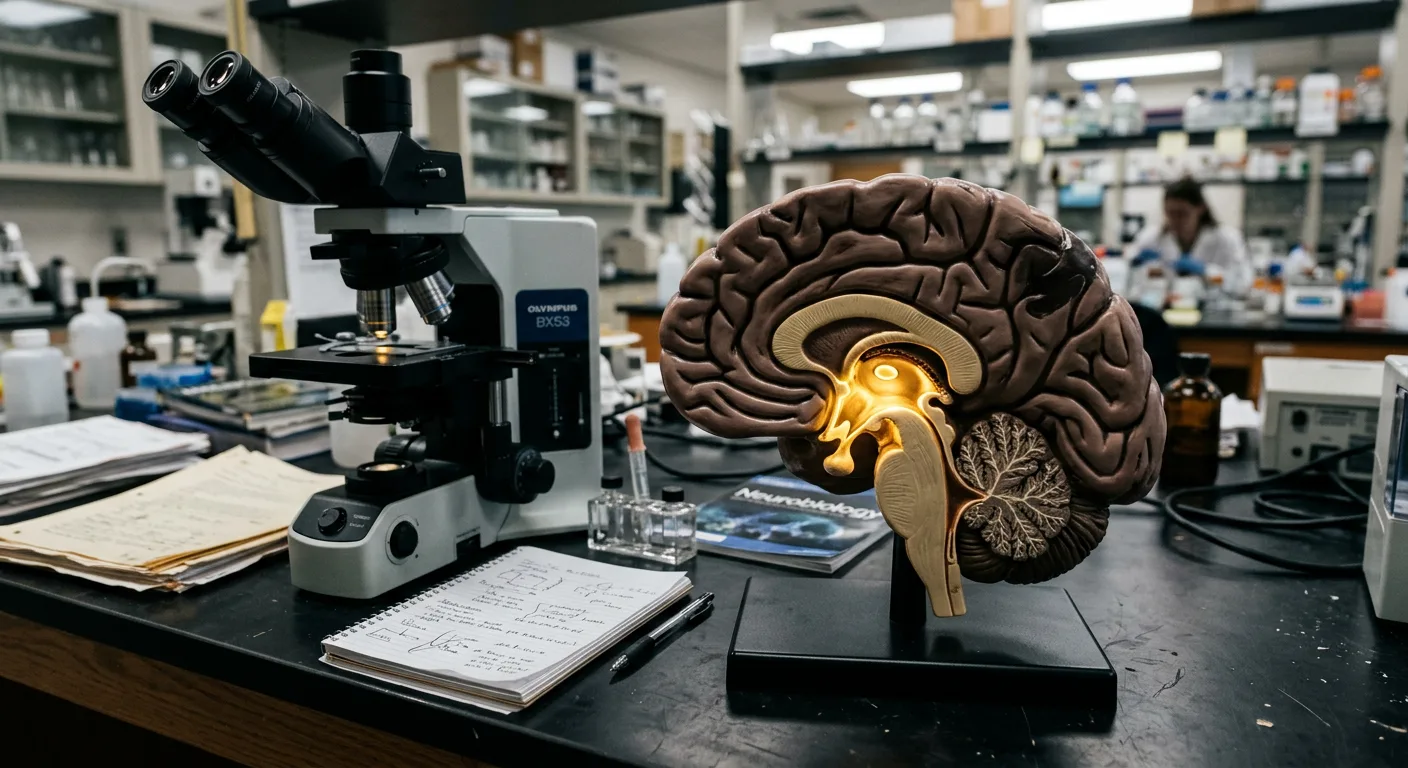
The THC appetite stimulation mechanism centers on CB1 receptors — the most abundant G-protein-coupled receptors in the mammalian brain. When THC binds to CB1 receptors in the hypothalamus, it triggers a cascade of neurochemical events that override normal satiety signals and amplify hunger drive.
How CB1 Receptors Regulate Appetite
Your body produces its own cannabinoids — anandamide (AEA) and 2-arachidonoylglycerol (2-AG) — that naturally bind to CB1 receptors to regulate feeding behavior. These endocannabinoids rise before meals and drop after eating, creating a hunger-satiety cycle.
THC disrupts this cycle by acting as a far more potent and persistent CB1 agonist than anandamide. While anandamide is rapidly broken down by the enzyme FAAH, THC lingers on the receptor for hours, continuously stimulating appetite pathways.
Research Insight: A 2014 study in Nature Neuroscience found that THC activates CB1 receptors on the olfactory bulb, making mice significantly more sensitive to food odors. The treated mice ate more, and their food-seeking behavior increased by 300% compared to controls. The same olfactory enhancement is why food smells irresistible when you're high.
The Four Neurological Pathways THC Uses to Drive Hunger
- Hypothalamic POMC neuron flip: THC converts satiety neurons into hunger-signaling neurons (Yale, 2015)
- Olfactory enhancement: CB1 activation in the olfactory bulb intensifies smell sensitivity by up to 300%
- Dopamine release in the nucleus accumbens: THC increases dopamine output during eating, making food more rewarding
- Ghrelin stimulation: Cannabis triggers the release of ghrelin, the "hunger hormone," from the stomach lining
Understanding how THC works at the receptor level explains why low-dose THC can stimulate appetite without heavy intoxication — a principle that guides modern medical dosing protocols.
Why CBD Alone Doesn't Stimulate Appetite
CBD is a negative allosteric modulator of CB1, meaning it changes the receptor's shape and reduces THC's binding efficiency. This is why high-CBD, low-THC products rarely trigger munchies. For appetite stimulation, you need meaningful THC content — typically above 10% in flower, or 2.5+ mg in edible form.
Key Takeaway: THC drives appetite through at least four distinct brain pathways simultaneously — POMC neuron reversal, olfactory enhancement, dopamine reward, and ghrelin release. This multi-pathway mechanism is why cannabis is one of the most effective appetite stimulants known to medicine.
Terpenes That Amplify the Munchies Effect
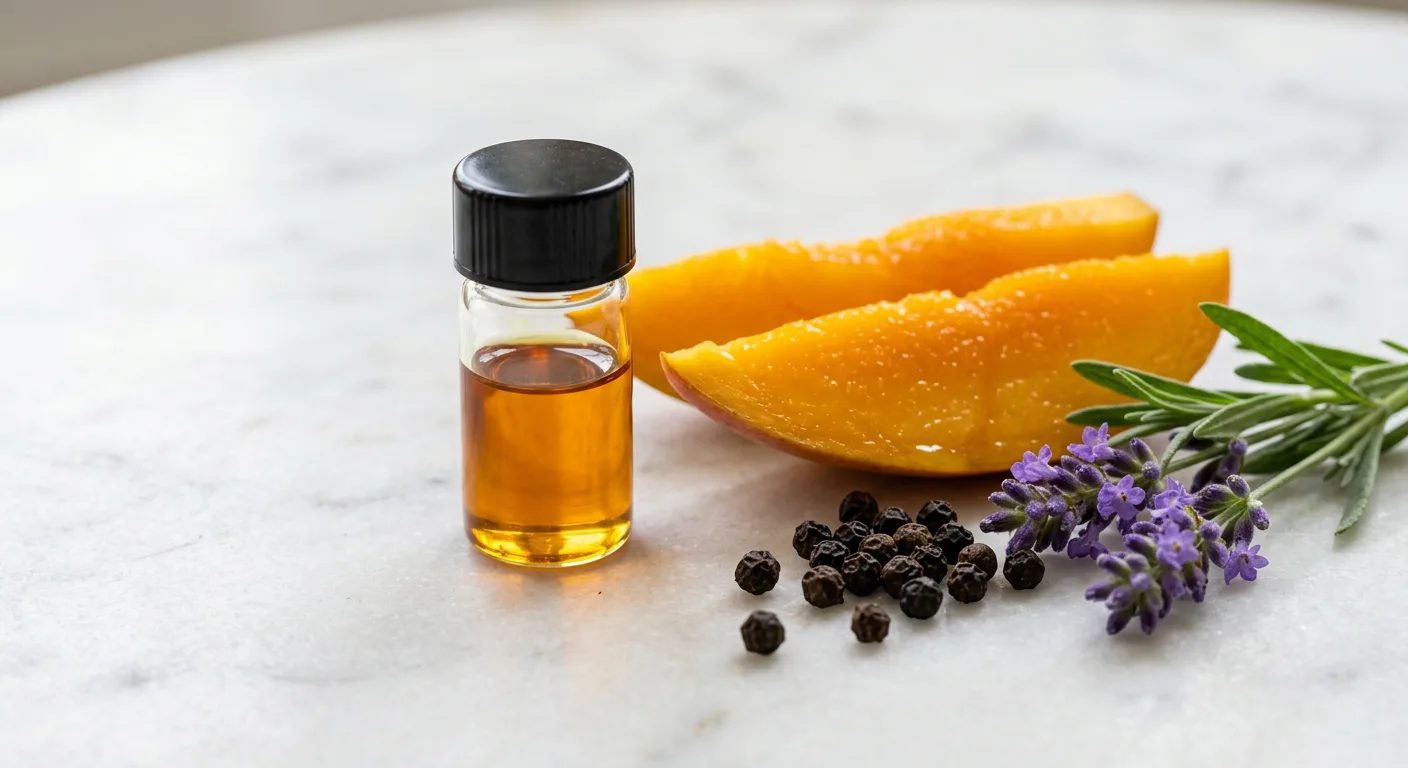
Specific terpenes in cannabis work alongside THC to enhance appetite stimulation. Myrcene and beta-caryophyllene are the two most studied appetite-promoting terpenes, while humulene — paradoxically — may suppress appetite and should be avoided in appetite-focused strains.
Appetite-Promoting Terpenes
| Terpene | Aroma | Appetite Effect | Mechanism | Common Strains |
|---|---|---|---|---|
| Myrcene | Earthy, musky | Strong appetite boost | Enhances THC absorption; sedation promotes eating | OG Kush, Northern Lights, Granddaddy Purple |
| Beta-Caryophyllene | Spicy, peppery | Moderate appetite boost | Activates CB2 receptors; reduces GI inflammation | GSC, Sour Diesel, Bubba Kush |
| Limonene | Citrus | Moderate appetite boost | Reduces nausea; elevates mood around food | Super Lemon Haze, Tangie, Lemon Skunk |
| Linalool | Floral, lavender | Indirect appetite support | Reduces anxiety that suppresses appetite | Amnesia Haze, Lavender, Purple Kush |
The Humulene Exception
Humulene is an appetite suppressant. Research published in Planta Medica showed humulene reduced food intake in animal models. Strains high in humulene — like certain Sour Diesel and GSC phenotypes — may counteract THC's appetite effects. If appetite stimulation is your goal, check terpene lab reports and favor myrcene-dominant profiles.
Grower's Tip: Harvest timing affects terpene content. Harvesting at peak milky trichomes (rather than amber) tends to preserve higher myrcene levels. Use our harvest timing guide to dial in the perfect window for appetite-focused terpene profiles.
Best Strains for Appetite Stimulation: 12 Proven Picks
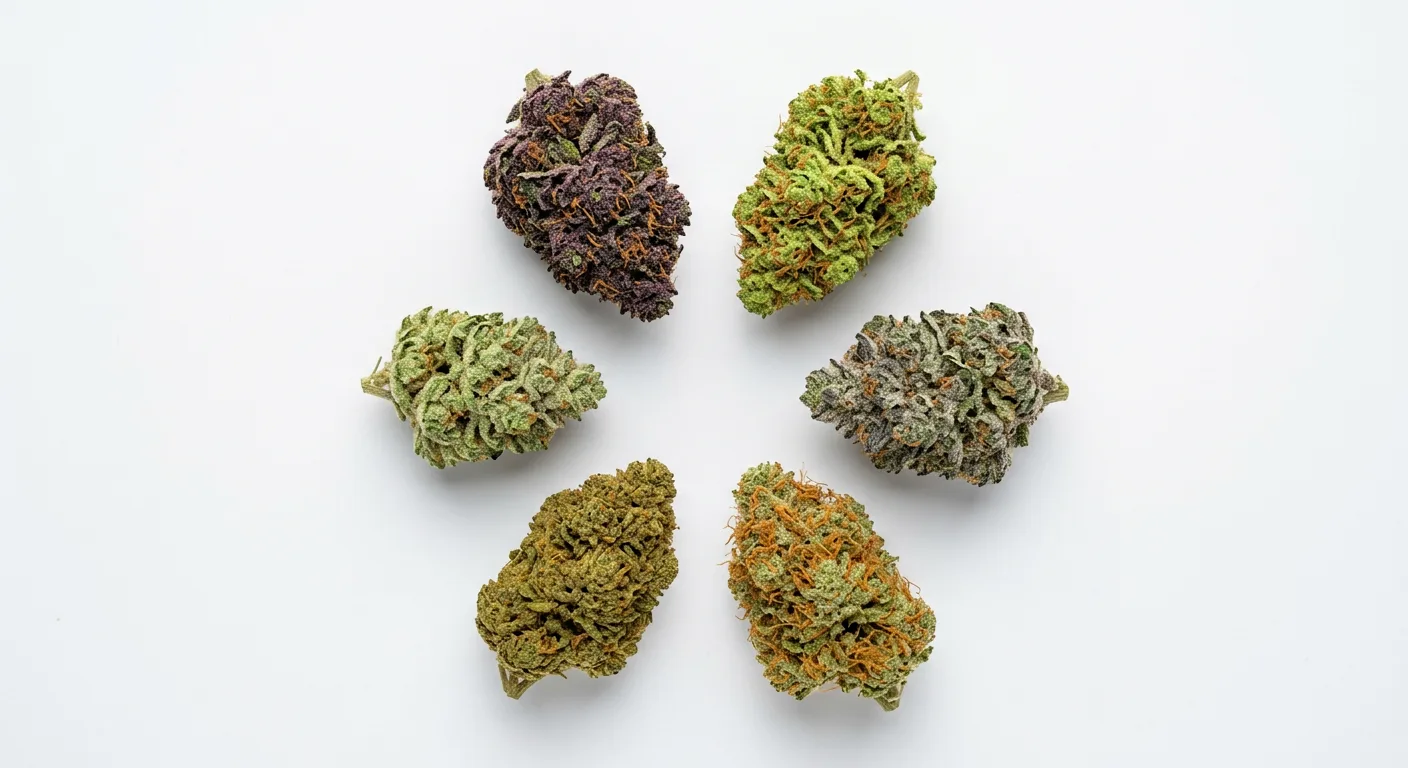
The best strains for appetite stimulation combine high THC (18%+), myrcene-dominant terpene profiles, and indica or indica-hybrid genetics. These 12 strains are consistently reported by patients and recreational users alike as the most reliable munchie-inducers available.
Indica-Dominant Appetite Powerhouses
1. OG Kush — The Gold Standard
THC: 26% | Terpenes: Myrcene, limonene, caryophyllene
OG Kush is arguably the most widely recommended strain for appetite stimulation worldwide. Its heavy myrcene content and potent THC levels create deep relaxation paired with intense food cravings. The earthy, fuel-tinged flavor profile primes the palate, and the body high keeps you comfortable enough to eat even through nausea. Grow your own with our OG Kush Feminized Seeds.
2. Granddaddy Purple (GDP)
THC: 20–23% | Terpenes: Myrcene, pinene, caryophyllene
GDP's grape-and-berry aroma makes food taste extraordinary. It's one of the most prescribed strains in California dispensaries for chemotherapy patients dealing with appetite loss. The heavy indica effects promote relaxation without complete sedation.
3. Purple Kush
THC: 27% | Terpenes: Myrcene, caryophyllene, linalool
A pure indica with an exceptionally high THC ceiling. Purple Kush provides a body-melting high that transitions naturally into hunger. Patients report consistent appetite stimulation within 15–20 minutes of consumption. Available as Purple Kush Feminized Seeds.
4. Northern Lights x Big Bud
THC: 20% | Terpenes: Myrcene, caryophyllene, pinene
This classic cross combines Northern Lights' legendary relaxation with Big Bud's body-heavy effects. The result is a deeply soothing high that reliably triggers appetite. Easy to grow and generous yielding — ideal for patients cultivating their own medicine. Check out Northern Lights x Big Bud Feminized Seeds.
Hybrid Strains With Strong Munchie Reputation
5. Girl Scout Cookies (GSC)
THC: 25–28% | Terpenes: Caryophyllene, limonene, myrcene
GSC is legendary for producing savage munchies. The sweet, doughy flavor profile makes food feel like a logical extension of the experience. Its euphoric, full-body high reduces nausea while simultaneously amplifying hunger.
6. Wedding Cake
THC: 24–27% | Terpenes: Limonene, caryophyllene, myrcene
A cross of GSC and Cherry Pie, Wedding Cake carries its parent's appetite-stimulating genetics with an added layer of relaxation. The rich, tangy vanilla exhale primes taste buds for food, and the balanced high supports eating without anxiety.
7. Papaya
THC: 25% | Terpenes: Myrcene, linalool, caryophyllene
Named for its tropical fruit aroma, Papaya is an indica-dominant hybrid that consistently drives appetite. The sweet, mango-like flavor enhances food enjoyment, while its calming effects reduce the stress and nausea that often accompany appetite loss. Available as Papaya Feminized Seeds.
8. Cookies Kush
THC: 18% | Terpenes: Myrcene, caryophyllene, limonene
A more moderate-THC option for patients who want appetite stimulation without overwhelming psychoactivity. Cookies Kush delivers reliable munchies at a manageable intensity. Grow your own with Cookies Kush Feminized Seeds.
Sativa-Leaning Options for Daytime Appetite
9. Sour Diesel
THC: 24% | Terpenes: Caryophyllene, myrcene, limonene
Sour Diesel provides energetic appetite stimulation — ideal for patients who need to eat during the day without sedation. The cerebral high enhances food appreciation, and the diesel-citrus flavor sharpens sensory perception. Try Sour Diesel Feminized Seeds for home cultivation.
10. Super Lemon Haze
THC: 23% | Terpenes: Limonene, caryophyllene, myrcene
This sativa-dominant strain is excellent for patients experiencing nausea-related appetite loss. Limonene is a proven anti-emetic terpene, and the zesty lemon flavor stimulates salivation and appetite. Available as Super Lemon Haze Feminized Seeds.
11. Amnesia Haze
THC: 22% | Terpenes: Myrcene, limonene, linalool
A classic European coffeeshop strain known for inducing deep, prolonged munchies despite its sativa genetics. The euphoric high reduces food anxiety and promotes joyful eating. For an easier-to-grow version, try Amnesia Haze Autoflower Seeds.
12. Banana Kush
THC: 18% | Terpenes: Myrcene, limonene, caryophyllene
The tropical banana-vanilla flavor profile makes this strain a favorite among patients who struggle with food aversion. The mellow, giggly high creates a positive emotional state around eating. Available as Banana Kush Autoflower Seeds.
Key Takeaway: For maximum appetite stimulation, choose strains with 18%+ THC, myrcene as the dominant terpene, and indica or indica-hybrid genetics. For daytime use, sativa-leaning strains like Sour Diesel and Super Lemon Haze can stimulate appetite without heavy sedation.
Medical Conditions That Benefit From Cannabis Appetite Stimulation

Cannabis for loss of appetite has documented clinical evidence across multiple wasting and eating-related conditions. The FDA-approved synthetic cannabinoid dronabinol (Marinol) has been prescribed for appetite stimulation since 1985, establishing a strong regulatory precedent for whole-plant cannabis use.
Cancer and Chemotherapy-Induced Appetite Loss
Cannabis for cancer appetite is one of the most well-studied medical applications. A 2018 systematic review in the Annals of Oncology found that 73% of cancer patients using THC-based treatments reported improved appetite, compared to 45% on placebo. Chemotherapy drugs like cisplatin and doxorubicin frequently cause severe nausea, vomiting, and taste distortion — all of which directly suppress appetite.
THC addresses multiple aspects simultaneously: it reduces nausea via CB1 receptors in the brainstem's vomiting center, enhances taste and smell perception, and triggers ghrelin release to restore physiological hunger signals.
HIV/AIDS Wasting Syndrome
Dronabinol received FDA approval specifically for HIV-associated anorexia in 1992. Clinical trials showed patients gained an average of 2.2 kg (4.8 lbs) over 12 weeks. More recent observational studies with whole-plant cannabis showed even greater efficacy — patients using smoked cannabis gained an average of 3.5 kg (7.7 lbs) over the same period, likely due to the entourage effect of terpenes and multiple cannabinoids working together.
Eating Disorders: Anorexia Nervosa and ARFID
Research on strains for eating disorders is still emerging but promising. A 2017 pilot study at the University of Haifa found that low-dose THC (1 mg sublingual) increased caloric intake by 22% in anorexia nervosa patients without producing significant anxiety or psychoactive effects. The key for eating disorder patients is ultra-low dosing — enough to engage CB1 appetite pathways without triggering the anxiety that often accompanies anorexia.

Additional Conditions Responsive to Cannabis Appetite Stimulation
- Crohn's disease and IBD: Inflammation reduces appetite; caryophyllene-rich strains address both symptoms
- PTSD-related appetite loss: See our guide on best strains for PTSD
- Depression-related anorexia: Mood-lifting strains can restore interest in food
- Chronic pain conditions: Pain itself suppresses appetite; pain relief restores it
- Geriatric appetite loss: Age-related anorexia affects 15–30% of elderly patients
- Post-surgical recovery: Appetite stimulation accelerates healing and tissue repair
Dosing for Appetite Stimulation: Less Is Often More
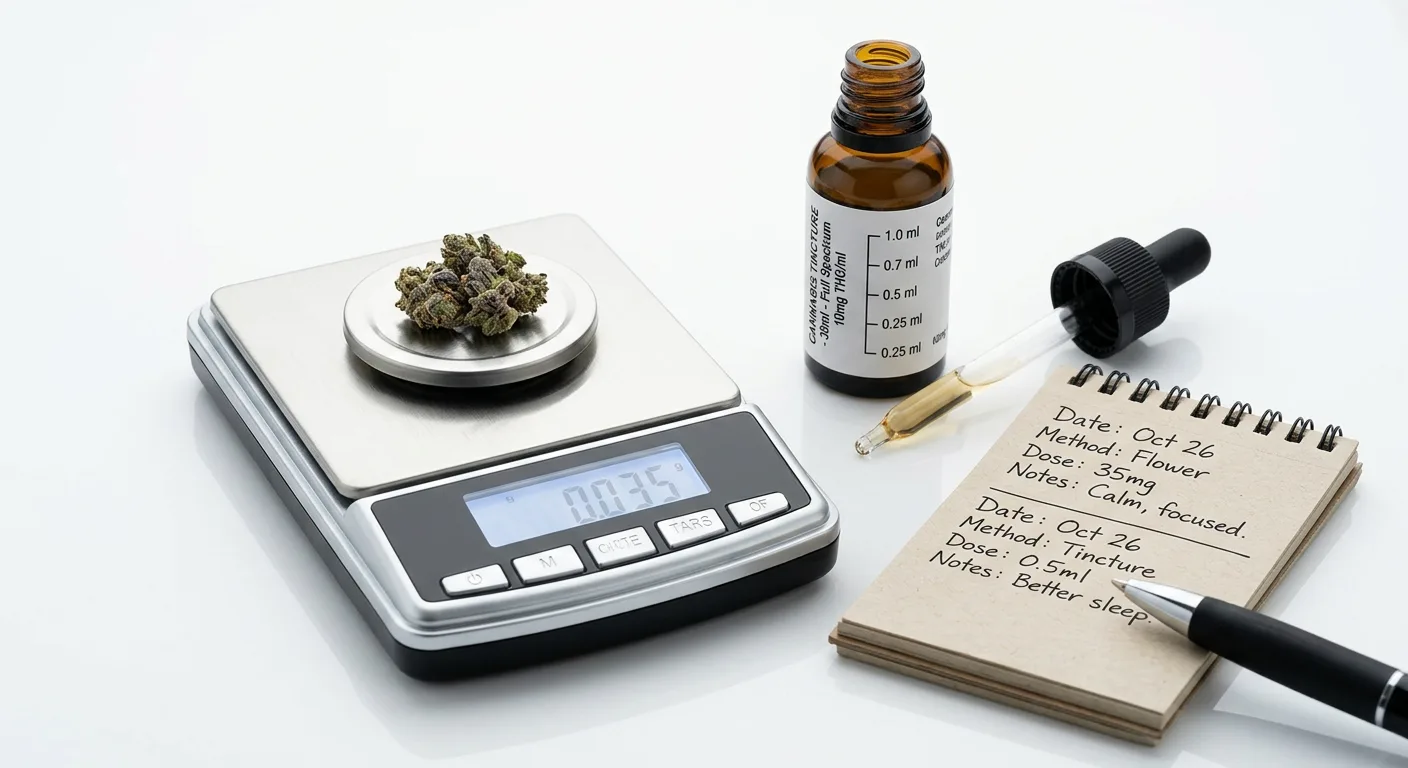
Effective cannabis dosing for appetite typically requires less THC than dosing for pain or insomnia. Research shows that 2.5–5 mg of THC is the optimal starting range for appetite effects, with diminishing returns above 10 mg as sedation and anxiety can actually suppress eating behavior.
Dosing by Consumption Method
| Method | Starting Dose | Onset | Duration of Appetite Effect | Best For |
|---|---|---|---|---|
| Smoked flower | 1–2 puffs | 2–10 minutes | 1–2 hours | Quick pre-meal stimulation |
| Vaporized flower | 1–2 puffs | 2–10 minutes | 1–2 hours | Lung-conscious patients |
| Edibles | 2.5 mg THC | 30–90 minutes | 4–6 hours | Sustained appetite through meals |
| Tincture (sublingual) | 2.5 mg THC | 15–30 minutes | 3–4 hours | Precise dosing; eating disorders |
| RSO/oil capsule | 5 mg THC | 45–120 minutes | 5–8 hours | Cancer/HIV wasting; all-day coverage |
Dosing Tip: Use our Edible Dosage Calculator to determine the right amount based on your tolerance and body weight. For appetite stimulation, start at the low end — you can always take more, but overshooting often causes couch-lock that makes meal preparation impossible.
The Biphasic Effect: Why Too Much THC Kills Your Appetite
THC has a biphasic dose-response curve for appetite. Low doses (2.5–10 mg) stimulate hunger through ghrelin release and POMC neuron activation. High doses (20+ mg) can trigger anxiety, nausea, and dysphoria — all of which suppress eating.
A 2017 study in Psychopharmacology confirmed this pattern: participants given 7.5 mg THC showed significant appetite increase, while those given 12.5 mg showed no appetite improvement and reported more negative side effects. The sweet spot for most patients sits between 5–10 mg.
Start Low
Begin with 2.5 mg THC or 1 puff of flower 30–60 minutes before your target meal.
Assess at 30 Minutes
Note whether you feel mild hunger cues or sensory enhancement (food smells better). If not, take one additional puff or 2.5 mg more.
Eat Within the Window
Have food prepared and accessible. The appetite window for smoked/vaped cannabis is strongest 15–45 minutes post-consumption. Don't wait.
Log and Adjust
Track which strain, dose, and timing produced the best appetite response. Tolerance develops — rotate strains every 2–3 weeks to maintain efficacy.
Cannabis vs. Pharmaceutical Appetite Stimulants
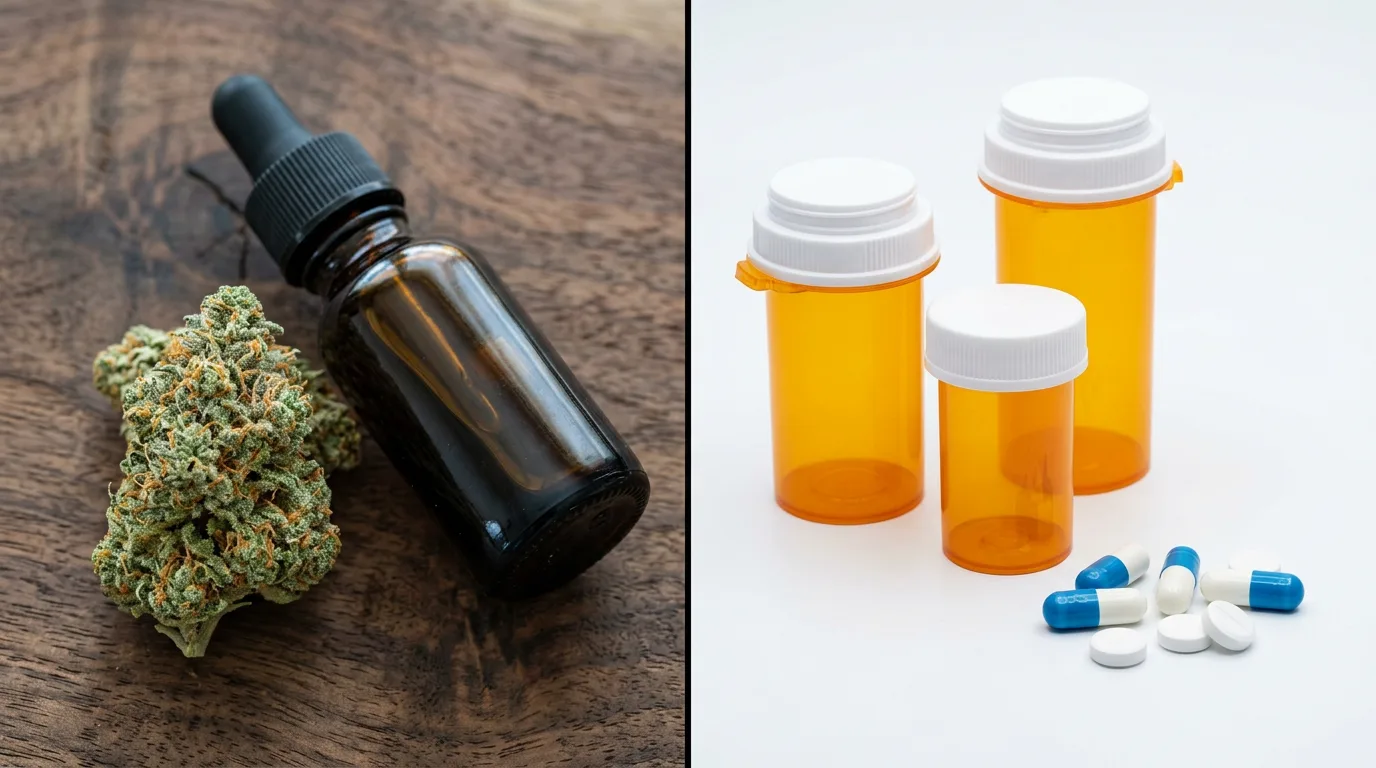
Cannabis compares favorably to FDA-approved appetite stimulants in both efficacy and side-effect profile. Dronabinol, megestrol acetate, and mirtazapine are the three most commonly prescribed pharmaceutical alternatives, each with significant limitations that whole-plant cannabis avoids.
| Factor | Whole-Plant Cannabis | Dronabinol (Marinol) | Megestrol Acetate (Megace) | Mirtazapine (Remeron) |
|---|---|---|---|---|
| Mechanism | Multi-pathway CB1 + terpene + entourage effect | Synthetic THC; CB1 only | Progestational hormone | Antihistamine (H1) + serotonin |
| Onset | 2–90 min (method-dependent) | 30–60 minutes | Days to weeks | 1–2 weeks |
| Weight Gain Evidence | 3.5 kg in 12 weeks (HIV studies) | 2.2 kg in 12 weeks | 3–5 kg; mostly fluid/fat | 1–3 kg; variable |
| Major Side Effects | Dry mouth, psychoactivity, tolerance | Dizziness, confusion, psychoactivity | Blood clots, adrenal suppression, death risk | Sedation, weight gain from fluid |
| Cost (Monthly) | $50–150 (home-grown: $5–15) | $600–1,200 | $200–800 | $10–50 generic |
| Legal Status | State-dependent; federally Schedule I | FDA-approved; Schedule III | FDA-approved | FDA-approved |
Clinical Insight: A 2022 meta-analysis in Cannabis and Cannabinoid Research found that whole-plant cannabis was 1.6 times more effective than dronabinol alone for appetite stimulation. Researchers attributed this to the entourage effect — terpenes like myrcene and caryophyllene enhancing THC's receptor binding and adding independent gastrointestinal benefits.
For patients growing their own medicine, the cost advantage is dramatic. A single OG Kush plant can yield 400–600 grams indoors, providing months of appetite-stimulating medicine for the cost of seeds and electricity. Use our Grow Cost Calculator to estimate your specific expenses.
Growing Appetite-Stimulating Strains at Home
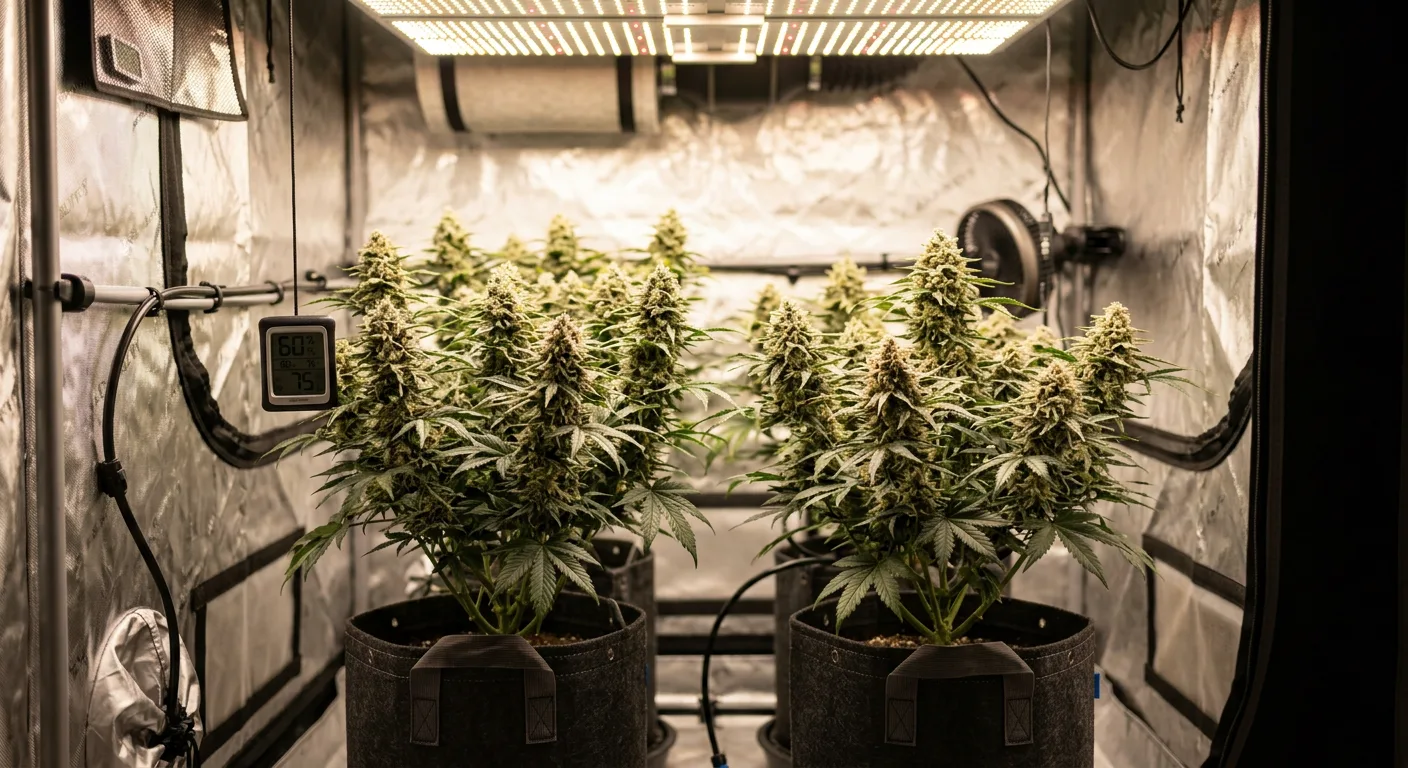
Growing cannabis for appetite stimulation at home gives patients full control over strain selection, terpene preservation, and cost. The most reliable appetite strains tend to be indica-dominant, forgiving to grow, and generous in resin production — making them excellent choices for beginner cultivators.
Best Beginner-Friendly Appetite Strains to Grow
- Northern Lights x Big Bud: Extremely forgiving; resistant to mold and pests; massive yields of myrcene-rich flower
- Cookies Kush: Compact plant ideal for small tents; moderate THC for controlled appetite effects
- Banana Kush Autoflower: Seed to harvest in 10–11 weeks; no light schedule changes needed
- Skywalker OG Autoflower: 23% THC autoflower with heavy indica effects and reliable munchies
Terpene Preservation During Harvest and Cure
Myrcene — the primary appetite-driving terpene — has a boiling point of just 167°C (332°F). Improper drying or curing can destroy up to 55% of your terpene content. To preserve appetite-stimulating terpenes:
- Dry at 60°F/60% RH for 10–14 days (the "60/60 rule")
- Cure in glass jars with Boveda 62% humidity packs
- Store long-term in cool, dark conditions per our long-term storage guide
- Vaporize at 170–185°C (338–365°F) to release myrcene without destroying it
Growing Tip: Use our free Grow Planner to schedule your cultivation around treatment cycles. If you're growing for chemotherapy appetite support, plan to have cured flower ready 2 weeks before your next treatment round begins.
Side Effects and How to Manage Them

Cannabis appetite stimulation comes with manageable side effects. The most common include dry mouth, overconsumption of unhealthy foods, short-term memory impairment, and — at higher doses — anxiety that paradoxically suppresses the appetite you're trying to stimulate.
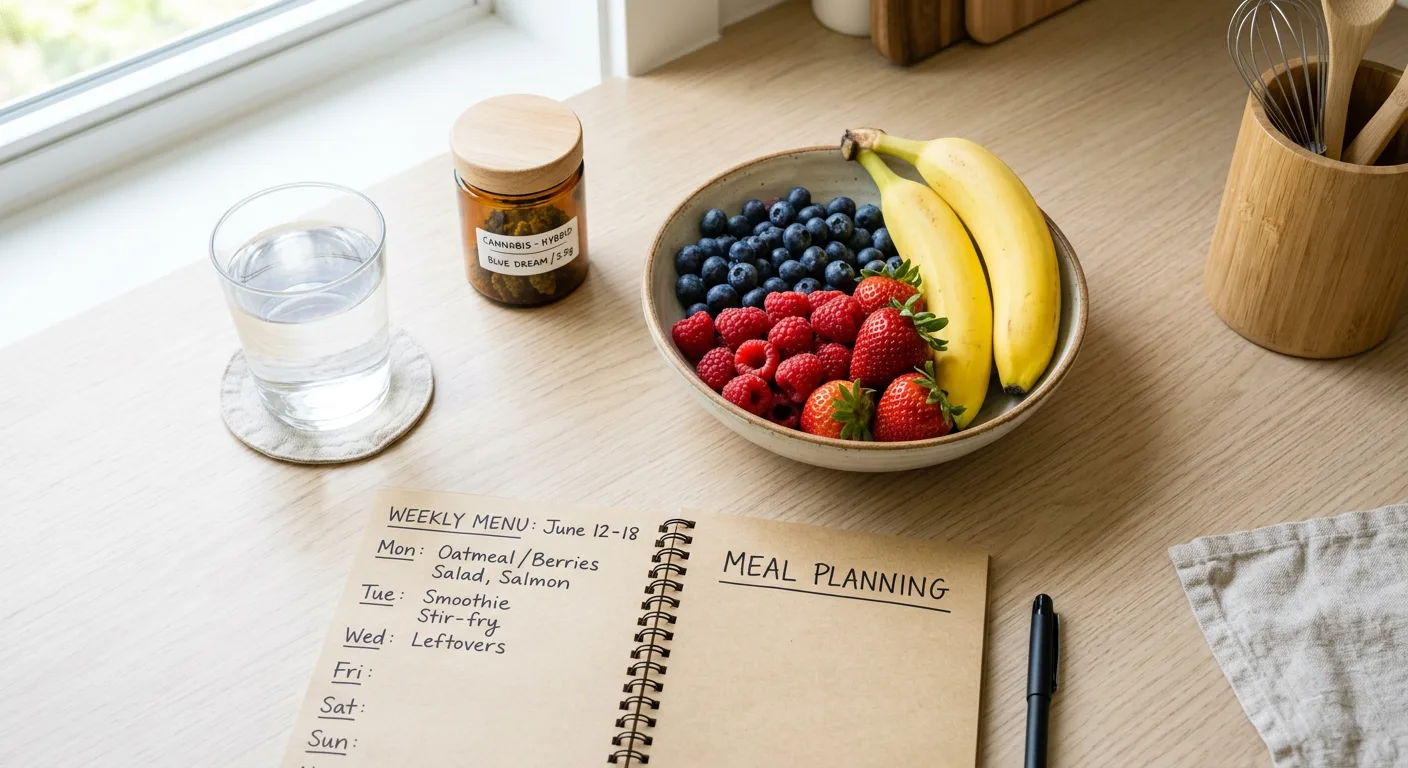
Common Side Effects and Solutions
| Side Effect | Prevalence | Management Strategy |
|---|---|---|
| Dry mouth (cottonmouth) | 80%+ | Hydrate before and during sessions; sugar-free lozenges |
| Unhealthy food cravings | 60–70% | Pre-prepare healthy meals; keep junk food out of the house |
| Overconsumption/weight gain | Variable | Set portion sizes before consuming; use a food journal |
| Tolerance buildup | Develops over weeks | Rotate strains every 2–3 weeks; take 48-hour tolerance breaks |
| Anxiety (high doses) | 10–20% | Reduce dose; add CBD; choose myrcene-heavy indicas |
| Sedation | 30–50% (indica strains) | Use sativa hybrids for daytime; save indicas for evening meals |
Caution: Patients using cannabis for appetite stimulation during cancer treatment should discuss potential drug interactions with their oncologist. THC can affect the metabolism of certain chemotherapy drugs through cytochrome P450 enzyme inhibition, particularly CYP3A4 and CYP2C9 pathways.
Tolerance Management for Long-Term Medical Users
CB1 receptor downregulation occurs with daily use, typically within 7–12 days. This means the same dose produces progressively weaker appetite stimulation. Three evidence-based strategies counteract tolerance:
- Strain rotation: Different terpene profiles engage slightly different neurological pathways, maintaining novelty at the receptor level
- 48-hour micro-breaks: CB1 receptor density begins recovering within 48 hours of cessation; even short breaks restore sensitivity
- Adding CBD: Small amounts of CBD (5–10 mg) alongside THC can modulate CB1 receptor behavior and partially prevent downregulation
The Science of Why Food Tastes Better When You're High
THC doesn't just make you hungry — it fundamentally alters how your brain processes food flavors and textures. Research reveals that cannabis enhances the palatability of food through three distinct sensory mechanisms that create the euphoric eating experience known as the munchies.
Olfactory Enhancement
The 2014 Nature Neuroscience study from the University of Bordeaux demonstrated that THC fits into CB1 receptors on the olfactory bulb — the brain region processing smell. This binding increased odor detection sensitivity and food-seeking behavior in mice. The researchers confirmed that blocking CB1 receptors in the olfactory bulb alone was enough to eliminate THC's appetite-stimulating effects.
This explains why many cannabis users describe food aromas as "overwhelming" or "incredible" after consumption — the smell signal reaching the brain is genuinely amplified at the neural level.
Taste Receptor Modulation
A 2009 study in the Proceedings of the National Academy of Sciences found endocannabinoid receptors on the tongue itself. When activated by THC, these receptors increased sensitivity to sweet flavors specifically. This may explain why cannabis users overwhelmingly crave sweet and carb-heavy foods — the reward signal from sugar is literally enhanced at the taste bud level.
Dopamine Reward Amplification
THC increases dopamine release in the nucleus accumbens by 150–200% during eating (compared to baseline). Food becomes not just sustenance but a source of intense pleasure. This dopamine surge is the same mechanism behind the "food is so amazing right now" subjective experience and is one reason why cannabis is so effective for patients who've lost all interest in eating.
Key Takeaway: Cannabis makes food taste better through three measurable mechanisms: amplified smell sensitivity, enhanced sweet-taste perception, and 150–200% more dopamine release during eating. This isn't imagination — it's documented neuroscience.
Practical Guide: Using Cannabis for Pre-Meal Appetite Stimulation
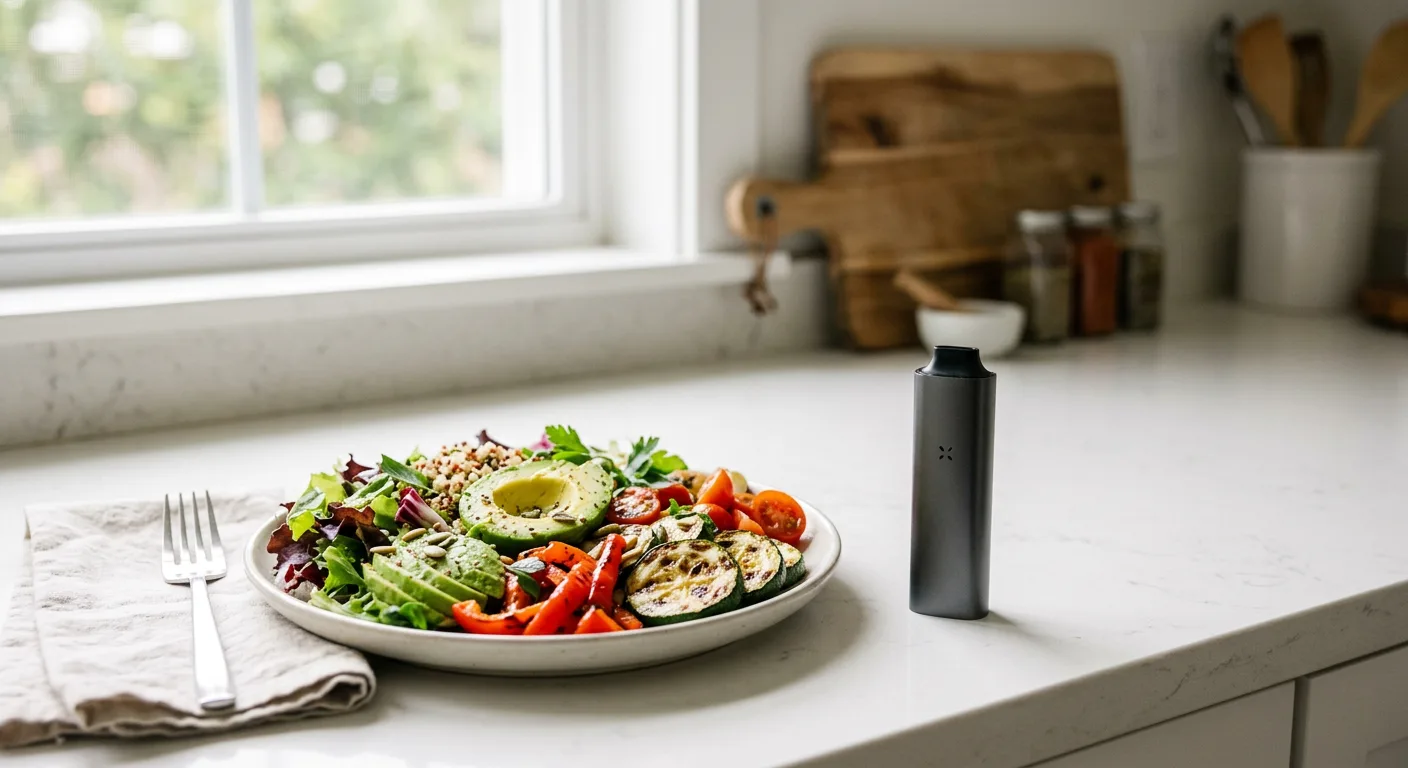
Timing, strain selection, and meal preparation all affect how effectively cannabis stimulates your appetite. Following a structured pre-meal protocol maximizes the hunger response while minimizing sedation and overconsumption.
The 30-Minute Pre-Meal Protocol
Prepare Your Meal First
Cook or plate your food before consuming cannabis. Trying to cook while high often leads to forgotten tasks, burning food, or defaulting to junk food.
Choose Your Strain and Method
For quick onset, vaporize a myrcene-dominant strain at 175°C (347°F). For sustained appetite, use a 2.5–5 mg edible or sublingual tincture 60–90 minutes before your meal.
Consume 1–2 Puffs (Inhaled) or Wait for Edible Onset
Start with the minimum effective dose. Wait 10 minutes. If hunger cues haven't started, take one additional puff. Do not exceed 3 puffs for appetite purposes.
Engage Your Senses
Smell your food. Look at the colors on your plate. THC has already enhanced your olfactory and visual processing — use it. This sensory engagement amplifies the appetite response.
Eat Slowly and Mindfully
The dopamine reward from each bite is enhanced. Eating slowly lets you appreciate this without overloading your stomach. Stop when comfortably full — the enhanced reward signal can override natural satiety cues.
Important for Eating Disorder Patients: If you're using cannabis for anorexia nervosa or ARFID, work with a therapist who specializes in eating disorders alongside your cannabis protocol. THC can reduce food anxiety, but it works best as part of a comprehensive treatment plan — not a standalone solution.
Healthy Munchie Meal Ideas
Cannabis-enhanced appetite doesn't have to mean empty calories. Pre-planning nutrient-dense meals capitalizes on the heightened flavor perception:
- Fruit platters with nut butter: Enhanced sweetness perception makes fruit taste extraordinary
- Avocado toast with everything seasoning: Healthy fats + complex flavors that THC amplifies
- Smoothie bowls: Easy to eat, nutrient-dense, and the cold temperature feels great with dry mouth
- Homemade trail mix: Pre-portioned to prevent overconsumption; satisfies sweet and salty cravings
- Soup or bone broth: Ideal for patients with chewing difficulties or severe nausea; hydrating and calorie-dense
Frequently Asked Questions
What is the best cannabis strain for appetite stimulation?
OG Kush is widely considered the best overall strain for appetite stimulation due to its high THC content (26%), myrcene-dominant terpene profile, and balanced body effects. For daytime appetite, Sour Diesel offers similar munchies with less sedation. For medical patients, Cookies Kush provides reliable appetite effects at a more moderate 18% THC level. The best strain depends on your tolerance, timing needs, and whether sedation is desired or problematic.
How does THC increase appetite in the brain?
THC increases appetite through four simultaneous mechanisms: it reverses POMC satiety neurons in the hypothalamus to signal hunger instead of fullness, enhances olfactory sensitivity by binding CB1 receptors in the olfactory bulb, increases dopamine release by 150–200% in the brain's reward center during eating, and stimulates ghrelin (the hunger hormone) release from the stomach lining. This multi-pathway approach is why cannabis is one of the most effective appetite stimulants available.
Can CBD stimulate appetite like THC?
No. CBD is a negative allosteric modulator of CB1 receptors, meaning it actually reduces CB1 activation rather than stimulating it. Pure CBD products rarely trigger appetite increases. However, CBD may indirectly support appetite by reducing nausea, anxiety, and pain — conditions that suppress eating. For direct appetite stimulation, THC content of 10% or higher (in flower) or 2.5+ mg (in edibles) is necessary.
What is the right THC dose for medical appetite stimulation?
Research indicates 2.5–5 mg of THC is the optimal starting dose for appetite stimulation, with the maximum benefit typically occurring between 5–10 mg. Doses above 10–15 mg often cause anxiety and sedation that paradoxically suppress appetite (the biphasic effect). For inhaled cannabis, 1–2 puffs of a strain with 18%+ THC is usually sufficient. Medical patients should start low and increase gradually, using a journal to track which doses produce the best eating response.
Is cannabis more effective than Marinol (dronabinol) for appetite?
Clinical evidence suggests whole-plant cannabis is approximately 1.6 times more effective than synthetic dronabinol (Marinol) for appetite stimulation. Researchers attribute this to the entourage effect — terpenes like myrcene and caryophyllene enhance THC's receptor binding while providing independent anti-nausea and anti-inflammatory benefits. Whole-plant cannabis also offers faster onset when inhaled, lower cost (especially home-grown), and more patient-controlled dosing compared to the fixed-dose Marinol capsules.