Why Cannabis for Migraines Is Gaining Scientific Traction
Over 1 billion people worldwide experience migraines, making it the third most common illness on Earth. Cannabis for migraines has moved from folk remedy to a serious research subject, with clinical data now showing that cannabinoids interact directly with the neurotransmitter pathways responsible for migraine pain, nausea, and photophobia.
A landmark 2016 study from the University of Colorado found that inhaled cannabis reduced migraine frequency from 10.4 to 4.6 headaches per month — a 55.7% decrease. A 2019 Washington State University study using the Strainprint app reported that inhaled cannabis reduced self-reported headache severity by 47.3% and migraine severity by 49.6%.
Yet not every strain or consumption method works equally well. The difference between effective weed migraine relief and a worsened headache often comes down to cannabinoid ratios, terpene profiles, dosing timing, and personal triggers. This guide covers the neuroscience, strain selection, and practical protocols that separate genuine relief from guesswork.
Cannabis interacts with the same serotonin and CGRP pathways targeted by prescription migraine medications. Choosing the right strain, ratio, and timing is critical — the wrong approach can actually trigger rebound headaches.
Migraine Neurobiology: Why Cannabis Targets the Right Pathways
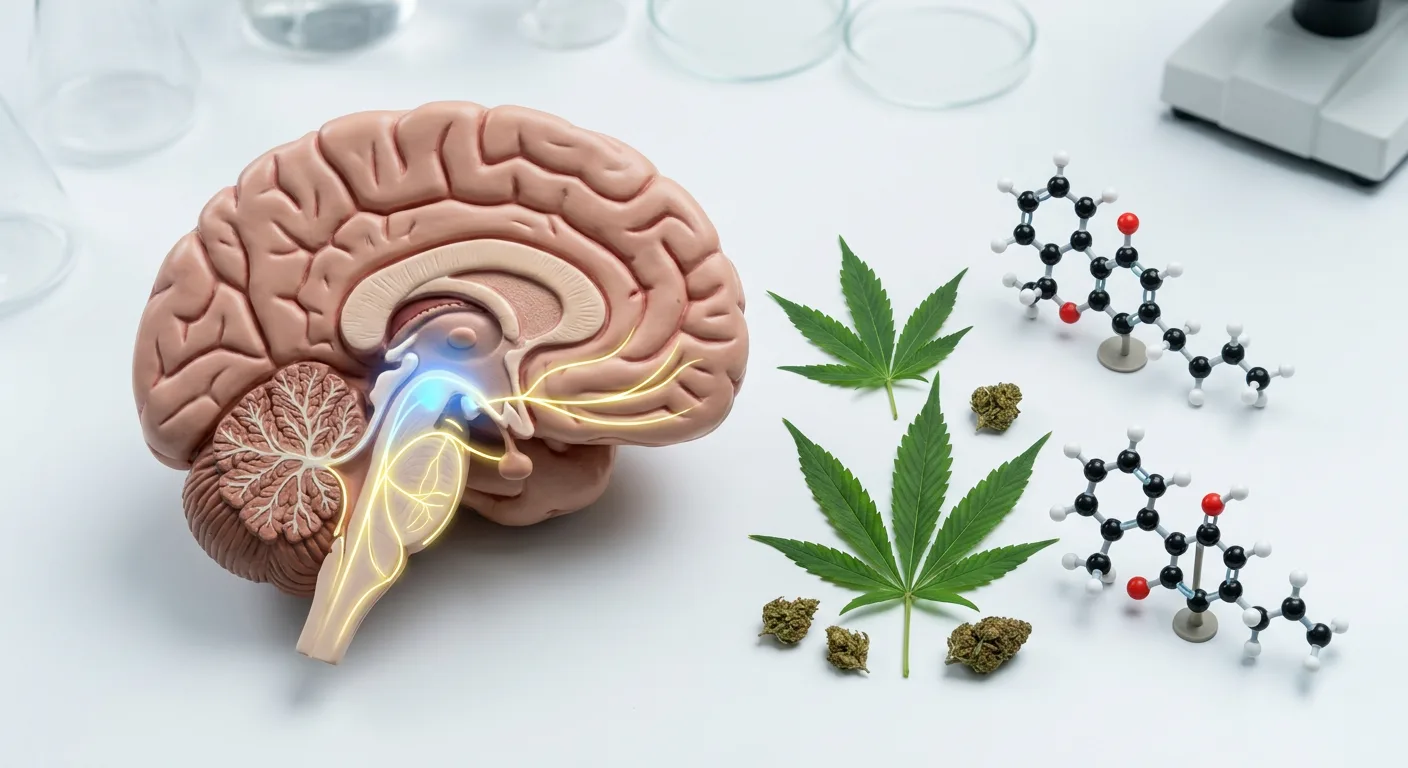
Cannabis may help migraines because the endocannabinoid system (ECS) directly modulates serotonin (5-HT) signaling, CGRP release, and neuroinflammation — the three core mechanisms driving migraine pathology. THC and CBD each engage these pathways through different receptor interactions.
The Serotonin (5-HT) Connection
Migraines involve dysfunctional serotonin signaling. During an attack, serotonin levels spike then rapidly drop, causing blood vessel dilation and trigeminal nerve activation. Triptans — the gold-standard migraine drugs — work by binding 5-HT1B/1D receptors to constrict vessels.
THC activates CB1 receptors on serotonergic neurons, modulating 5-HT release in a dose-dependent manner. CBD acts as a partial agonist at 5-HT1A receptors, the same receptor family targeted by triptans. This dual mechanism is why balanced THC:CBD formulations often outperform either cannabinoid alone for marijuana headache relief.
CGRP and Neurogenic Inflammation
Calcitonin gene-related peptide (CGRP) is the key inflammatory mediator in migraines. Elevated CGRP causes meningeal vasodilation, mast cell degranulation, and pain sensitization. The newest class of prescription drugs — CGRP monoclonal antibodies like erenumab — block this pathway directly.
Preclinical research shows that anandamide (the body's own endocannabinoid) inhibits CGRP release from trigeminal neurons. When the ECS is underactive — a state Dr. Ethan Russo calls "clinical endocannabinoid deficiency" (CED) — CGRP goes unchecked. Supplementing with phytocannabinoids may restore this balance.
The Clinical Endocannabinoid Deficiency theory proposes that migraines, fibromyalgia, and IBS share a common root: insufficient endocannabinoid tone. A 2004 and updated 2016 review by Dr. Russo found accumulating evidence supporting CED as a unifying mechanism for these treatment-resistant conditions.
The Trigeminovascular System and CB1 Receptors
CB1 receptors are densely concentrated in the periaqueductal gray (PAG) and trigeminal nucleus caudalis — two brain regions central to migraine pain processing. When THC or anandamide activates these receptors, it dampens pain signal transmission along the trigeminovascular pathway.
This is why inhaled cannabis can abort an active migraine within minutes: it delivers cannabinoids directly to the bloodstream, reaching these brain regions 5–10 times faster than oral methods.
Preventive vs. Acute Cannabis Use for Migraines
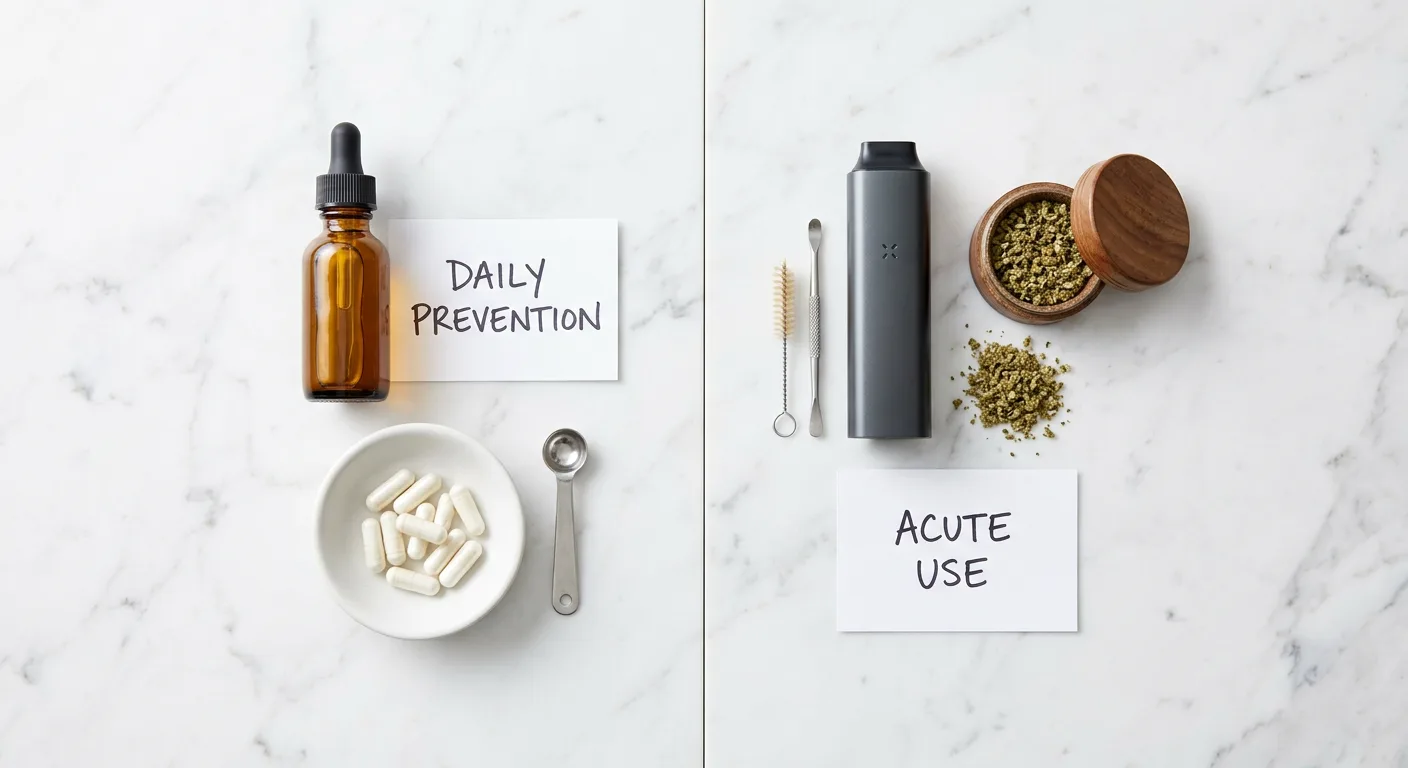
Cannabis for chronic migraine management splits into two strategies: preventive (reducing attack frequency over weeks) and acute (stopping a migraine once symptoms begin). Each requires different strains, dosing, and timing for optimal results.
Preventive (Prophylactic) Use
Daily low-dose cannabis aims to maintain endocannabinoid tone and reduce attack frequency. The Colorado study's 55.7% reduction came from patients using cannabis regularly, not just during attacks.
- Low THC doses: 2.5–5 mg twice daily
- CBD-forward ratios (2:1 or 4:1 CBD:THC)
- Oral or sublingual delivery for steady blood levels
- Consistent daily timing for best results
- Track frequency with a migraine diary for 8+ weeks
Acute (Abortive) Use
During an active migraine, speed matters. Inhaled cannabis (vaporized flower) delivers cannabinoids to the brain within 2–5 minutes. The WSU Strainprint study found that concentrates reduced migraine severity more than flower alone, but tolerance built faster with concentrates.
- Inhalation for fastest onset (2–5 minutes)
- Moderate THC: 10–20 mg per session
- Include myrcene-rich strains for anti-inflammatory synergy
- Address nausea simultaneously with limonene terpenes
- Avoid combustion — smoke irritation can worsen headaches
Overusing high-THC cannabis for acute attacks more than 10 days per month can cause medication overuse headache (MOH), the same rebound effect seen with triptans and NSAIDs. Rotate strains, take tolerance breaks, and work with a healthcare provider to develop a sustainable protocol.
CBD vs. THC for Migraines: Ratios That Work
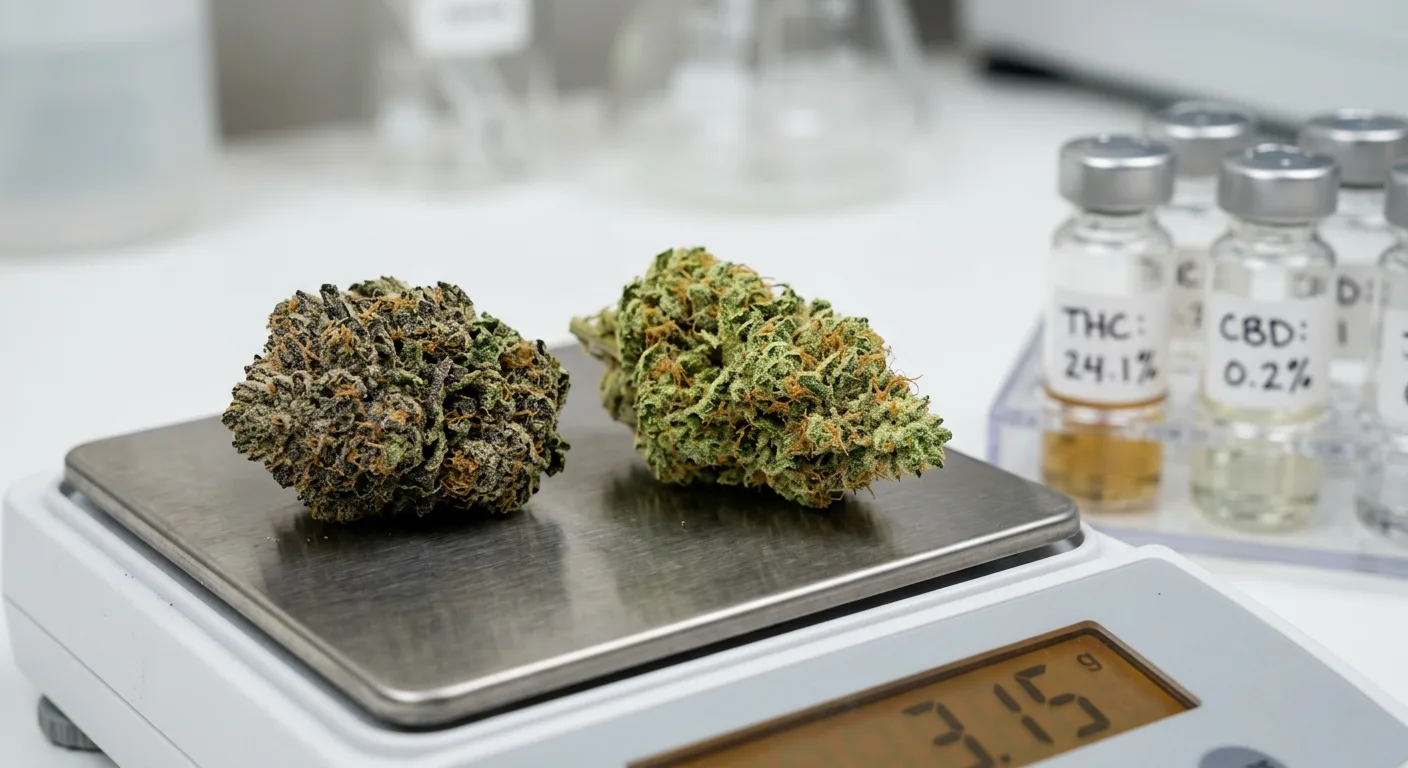
Research suggests balanced CBD:THC ratios (1:1 to 2:1) provide the most effective migraine relief by combining THC's pain-blocking action with CBD's anti-inflammatory and anti-nausea properties. Pure CBD may work preventively, while THC is essential for acute pain.
| Ratio (CBD:THC) | Best For | Onset | Duration | Psychoactive? |
|---|---|---|---|---|
| 20:1 CBD-dominant | Daily prevention, mild tension headaches | 30–90 min (oral) | 4–6 hours | No |
| 4:1 CBD-forward | Prevention with mild acute relief | 15–60 min | 4–6 hours | Minimal |
| 1:1 Balanced | Moderate migraines, nausea, aura phase | 5–15 min (inhaled) | 2–4 hours | Mild-moderate |
| 1:2 THC-forward | Severe acute migraines with pain | 2–5 min (inhaled) | 2–3 hours | Moderate |
| THC-dominant | Breakthrough acute attacks | 2–5 min (inhaled) | 1.5–3 hours | Strong |
A 2017 study presented at the European Academy of Neurology Congress found that a 200 mg daily dose of THC:CBD (9% THC, high CBD) reduced migraine attacks by 40.4% — comparable to amitriptyline (40.1%), a common prescription preventive. Notably, the cannabis group reported 43.5% less pain intensity during acute attacks.
For most migraine patients, a 1:1 or 2:1 CBD:THC ratio offers the best balance of pain relief, nausea control, and manageable psychoactivity. Pure THC strains risk tolerance buildup and rebound headaches; pure CBD alone may not stop severe acute attacks.
Understanding how THC interacts with your endocannabinoid system is essential for dialing in the right ratio. Start low, increase gradually, and track your response over multiple migraine cycles before settling on a protocol.
Terpenes for Migraine Relief: The Overlooked Factor
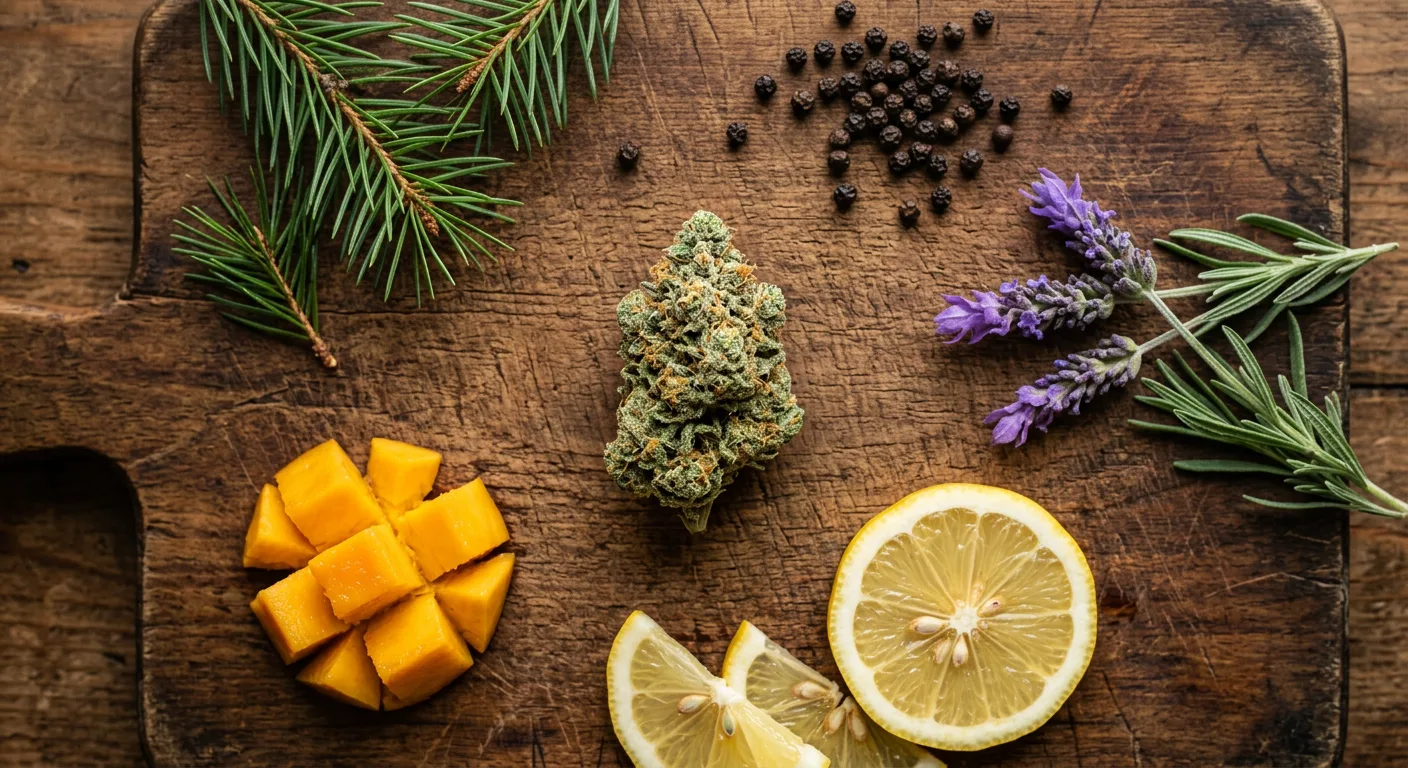
Terpenes contribute significantly to cannabis migraine relief through independent anti-inflammatory, analgesic, and anxiolytic mechanisms. Myrcene, beta-caryophyllene, linalool, and alpha-pinene are the four most relevant terpenes for migraine sufferers.
Myrcene: The Anti-Inflammatory Backbone
Myrcene is the most common terpene in cannabis and a potent anti-inflammatory. It inhibits prostaglandin E2 production — the same pathway targeted by ibuprofen. Myrcene also enhances THC's blood-brain barrier penetration, accelerating pain relief onset.
Strains with myrcene levels above 0.5% tend to produce deep body relaxation. For nighttime migraine management, myrcene-dominant cultivars help patients sleep through residual postdrome symptoms. Learn how myrcene compares to linalool for sedation in our linalool vs myrcene sleep guide.
Beta-Caryophyllene: The Dietary Cannabinoid
Beta-caryophyllene (BCP) is unique: it binds CB2 receptors directly, making it a functional cannabinoid disguised as a terpene. BCP reduces neuroinflammation without psychoactivity, making it ideal for daytime migraine prevention.
Our deep dive into caryophyllene strains for inflammation covers why BCP-rich cultivars are especially valuable for chronic migraine patients dealing with ongoing neuroinflammatory processes.
Alpha-Pinene: Clarity Under Pain
Migraine patients often fear cannabis will worsen cognitive fog. Alpha-pinene counteracts THC's short-term memory impairment by inhibiting acetylcholinesterase, preserving mental clarity even at moderate THC doses. This makes pinene-rich strains ideal for daytime acute use.
Read our full pinene grower's guide or explore how pinene may counter THC's memory effects.
Linalool: Calming the Nervous System
Linalool modulates glutamate and GABA transmission, reducing the cortical hyperexcitability that triggers migraines with aura. Strains high in linalool are particularly effective for migraines accompanied by anxiety, light sensitivity, or sleep disruption.
| Terpene | Migraine Mechanism | Aroma | Best Use Case |
|---|---|---|---|
| Myrcene | Inhibits PGE2, enhances THC uptake | Earthy, musky | Nighttime acute relief, sleep |
| Beta-caryophyllene | CB2 agonist, anti-neuroinflammatory | Peppery, spicy | Daytime prevention |
| Alpha-pinene | Preserves cognition, anti-inflammatory | Pine, fresh | Daytime acute use |
| Linalool | GABAergic, reduces cortical excitability | Floral, lavender | Aura phase, anxiety migraines |
| Limonene | Anti-nausea, serotonin modulation | Citrus, lemon | Nausea-dominant migraines |
When reading terpene lab reports (COAs), look for strains where myrcene + caryophyllene together exceed 1% of dry weight. This combination provides the strongest entourage effect for migraine-related inflammation.
Best Cannabis Strains for Migraines: 12 Expert Picks
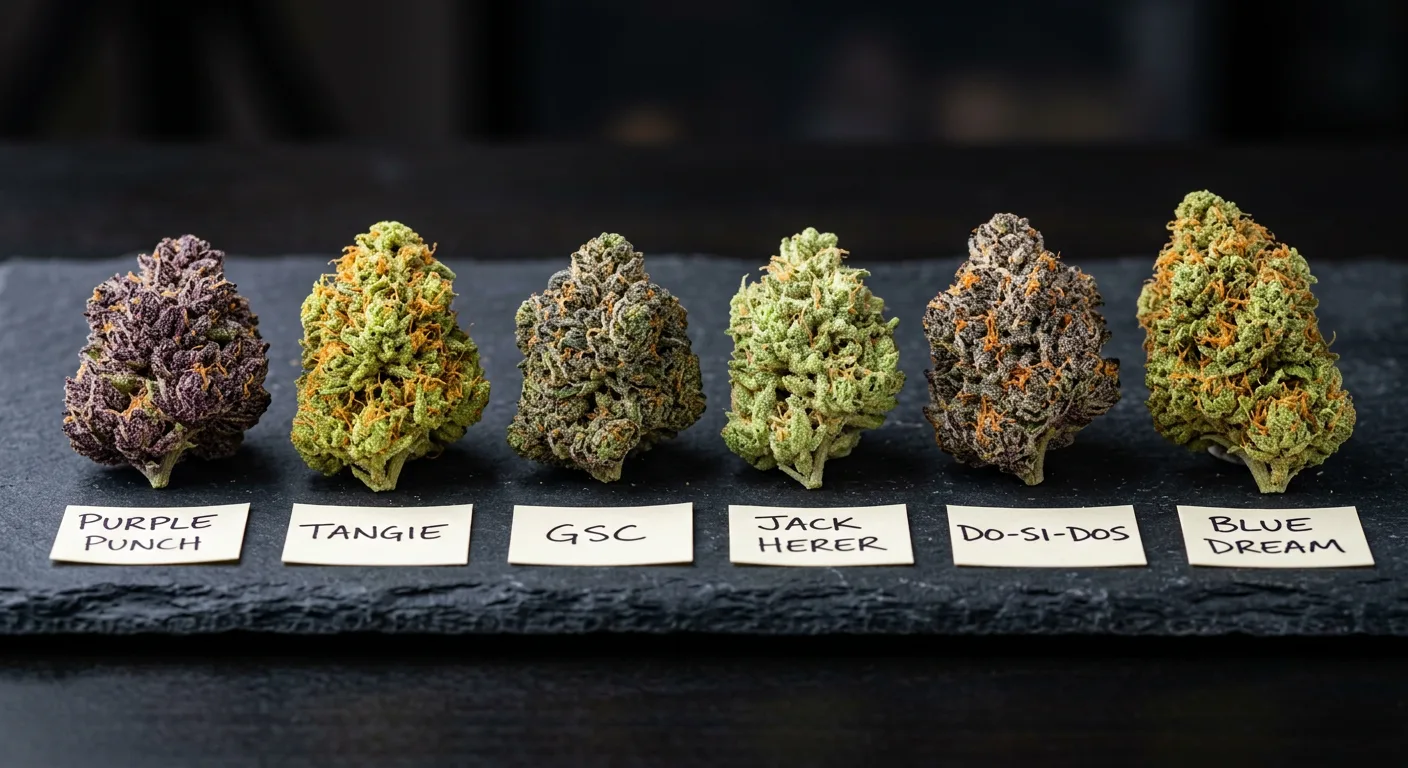
The best cannabis strains for migraines combine moderate-to-high THC with rich terpene profiles featuring myrcene, caryophyllene, and linalool. Below are 12 strains chosen for their specific cannabinoid-terpene synergy with migraine neurobiology, including cultivars from multiple genetic lineages.
1. ACDC (CBD-Dominant — We Don't Carry This One)
ACDC is a sativa-dominant phenotype of Cannatonic with CBD:THC ratios reaching 20:1. At 14–19% CBD and under 1% THC, it's the gold standard for non-psychoactive daily migraine prevention. Dominant terpenes: myrcene, pinene, caryophyllene.
- THC: 1–6% | CBD: 14–19%
- Best for: Daily prevention, tension headaches, workplace-friendly relief
- Why it works: High CBD engages 5-HT1A receptors; pinene preserves mental clarity
2. OG Kush
OG Kush is consistently cited by migraine patients as a top-tier acute relief strain. At 26% THC with a terpene profile heavy in myrcene, limonene, and caryophyllene, it delivers fast pain reduction with mood elevation that combats migraine-related depression.
- THC: 26% | Type: Hybrid (indica-leaning)
- Best for: Severe acute migraines, evening use
- Why it works: High myrcene enhances THC penetration; limonene targets nausea
3. Harlequin (CBD-Rich — We Don't Carry This One)
Harlequin offers a reliable 5:2 CBD:THC ratio, making it the go-to for patients wanting mild psychoactivity alongside robust anti-inflammatory action. Its terpene profile is rich in myrcene and pinene.
- THC: 7–10% | CBD: 10–15%
- Best for: Aura-phase intervention, daytime prevention
- Why it works: Balanced ratio modulates serotonin without heavy sedation
4. Northern Lights x Big Bud
Northern Lights x Big Bud is a deeply sedating indica cross at 20% THC with an exceptionally myrcene-heavy profile. Northern Lights genetics have been used for headache relief since the 1980s, and the Big Bud cross adds heavy yields for home growers building a migraine medicine garden.
- THC: 20% | Type: Indica-dominant
- Best for: Nighttime migraines, sleep recovery from postdrome
- Why it works: Deep myrcene sedation plus full-body pain relief
5. Blue Dream (We Don't Carry This One)
Blue Dream is the most popular medical cannabis strain in the United States for good reason. Its balanced hybrid effects at 17–24% THC deliver pain relief without couch-lock. High myrcene, pinene, and caryophyllene create a well-rounded entourage effect.
- THC: 17–24% | Type: Balanced hybrid
- Best for: Moderate migraines, daytime functional use
- Why it works: Pinene keeps you clearheaded; caryophyllene fights inflammation
6. White Widow
White Widow has been a migraine staple since its creation in the 1990s. At 25% THC with a spicy, earthy terpene profile, it balances cerebral stimulation with physical relaxation — perfect for patients who need relief without full sedation.
- THC: 25% | Type: Balanced hybrid
- Best for: Moderate-to-severe migraines, versatile timing
- Why it works: Caryophyllene-dominant terpene profile activates CB2 receptors
7. Granddaddy Purple (We Don't Carry This One)
GDP's combination of high myrcene, linalool, and moderate THC (17–23%) makes it one of the best strains migraine aura sufferers reach for. The linalool content specifically targets cortical hyperexcitability that precedes aura symptoms.
- THC: 17–23% | Type: Indica
- Best for: Migraines with aura, severe nausea, sleep disruption
- Why it works: Linalool calms cortical spreading depression; myrcene adds body relief
8. Sour Diesel
Sour Diesel at 24% THC is the energizing migraine strain. Its limonene-forward terpene profile directly combats the nausea and lethargy that accompany many attacks, while caryophyllene provides anti-inflammatory support.
- THC: 24% | Type: Sativa-dominant
- Best for: Morning migraines, nausea-dominant attacks, functional relief
- Why it works: Limonene is a potent anti-emetic; fast-acting cerebral onset
9. Cannatonic (We Don't Carry This One)
Cannatonic typically tests at a near-perfect 1:1 CBD:THC ratio (6–9% each). It's the research community's favorite for studying cannabis tension headache relief because the balanced ratio modulates pain without significant psychoactivity.
- THC: 6–9% | CBD: 6–12%
- Best for: Tension-type headaches, first-time cannabis users, daily prevention
- Why it works: 1:1 ratio maximizes entourage effect at minimal impairment
10. Purple Kush
Purple Kush brings serious potency at 27% THC with a sedating, myrcene-rich profile. This is the heavy hitter for patients whose migraines resist lighter interventions — particularly those with comorbid insomnia.
- THC: 27% | Type: Pure indica
- Best for: Severe migraines, treatment-resistant attacks, nighttime only
- Why it works: Maximum pain suppression through high CB1 activation
11. Girl Scout Cookies (GSC) (We Don't Carry This One)
GSC's complex terpene profile — caryophyllene, limonene, humulene, and linalool — addresses multiple migraine symptoms simultaneously. At 19–28% THC, it provides powerful full-body relief with euphoric mood enhancement.
- THC: 19–28% | Type: Hybrid (indica-leaning)
- Best for: Multi-symptom migraines (pain + nausea + mood disruption)
- Why it works: Four terpenes each target a different migraine mechanism
12. Super Lemon Haze
Super Lemon Haze at 23% THC is loaded with limonene and terpinolene — a rare combination that simultaneously fights nausea and delivers uplifting energy. For patients who get migraines at work and need to remain productive, this is the strain.
- THC: 23% | Type: Sativa-dominant
- Best for: Workplace-compatible acute relief, nausea, brain fog
- Why it works: Limonene-heavy profile is the strongest anti-nausea terpene combination
Growing your own migraine relief strains guarantees you know exactly what's in your medicine. Use our grow planner tool to map out a rotation that keeps fresh medicine available year-round, and check our germination guarantee before placing your seed order.
Targeting Specific Migraine Symptoms with Cannabis
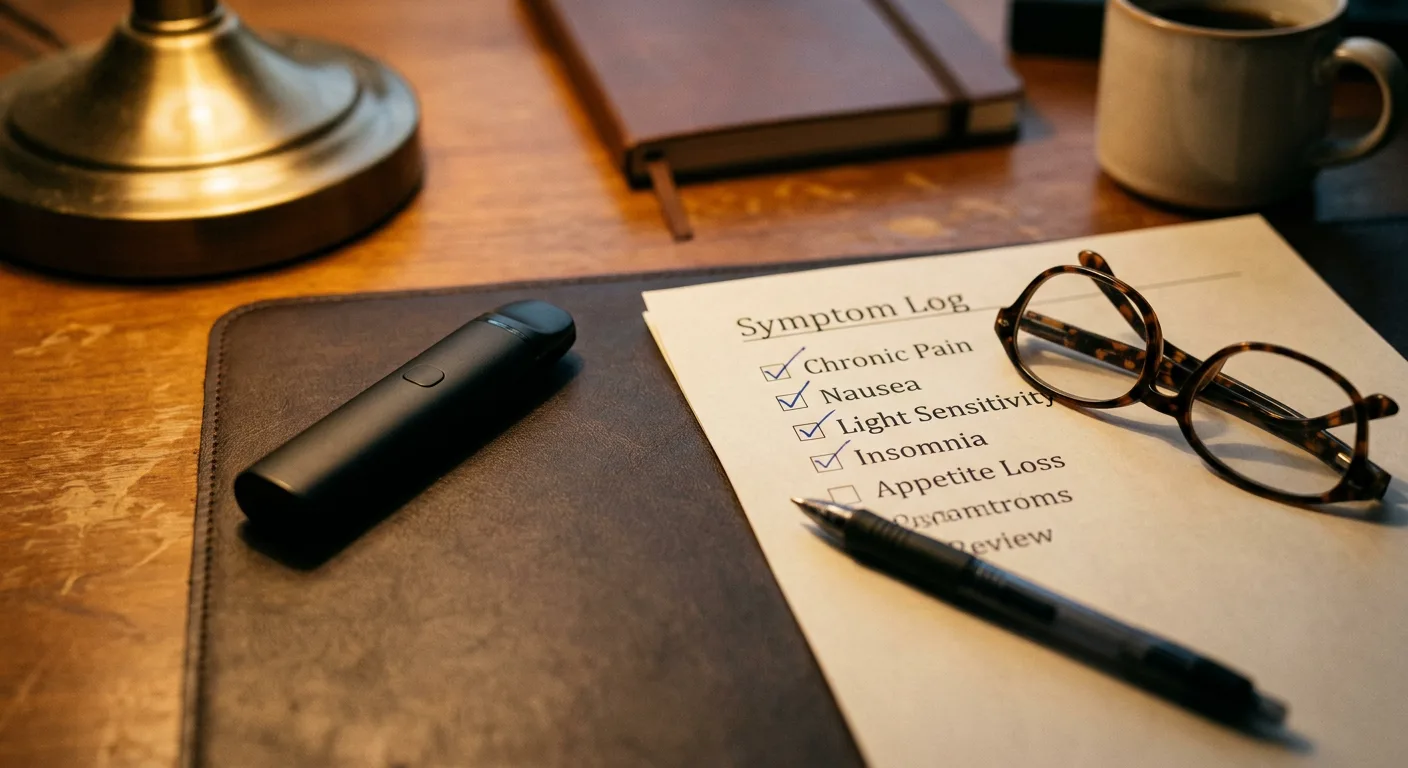
Different migraine symptoms respond best to different cannabinoid-terpene combinations. Rather than treating "migraine" as a monolithic condition, target your specific symptom cluster for maximum relief.

Pain
Migraine pain originates from trigeminal nerve activation and meningeal inflammation. THC directly suppresses pain signaling at CB1 receptors in the PAG and thalamus. For maximum pain relief, choose indica-dominant strains above 20% THC with high myrcene. Northern Lights x Amnesia Haze (24% THC) combines sedating NL genetics with potent Haze cerebral effects for comprehensive pain management.
Nausea and Vomiting
Up to 80% of migraine patients experience nausea, and 50% vomit during attacks. THC is a powerful anti-emetic — it was one of the first FDA-approved uses of synthetic THC (dronabinol). Limonene-rich sativas like Sour Diesel and Super Lemon Haze add terpene-level anti-nausea action. Also see our best strains for nausea guide.
Aura and Visual Disturbances
Cortical spreading depression (CSD) — a wave of neuronal depolarization — causes migraine aura. Linalool and CBD both reduce cortical excitability. For strains migraine aura patients should explore, prioritize CBD-forward ratios (2:1 or higher) combined with linalool-rich genetics like Granddaddy Purple or Lavender strains.
Photophobia and Sound Sensitivity
Sensory hypersensitivity during migraines involves thalamic sensitization. Low-dose THC (2.5–5 mg) combined with pinene-rich strains can reduce this sensitization without causing the cognitive fog that worsens the experience. White Widow's balanced profile is a strong choice here.
Postdrome ("Migraine Hangover")
The 24–48 hours after a migraine attack involve fatigue, cognitive difficulty, and lingering neck pain. Low-THC, high-myrcene strains like Purple Power (10% THC) provide gentle relief without the risk of triggering a rebound. Check our best strains for relaxation for more gentle postdrome options.
Cannabis Tension Headache vs. Migraine: Different Approaches
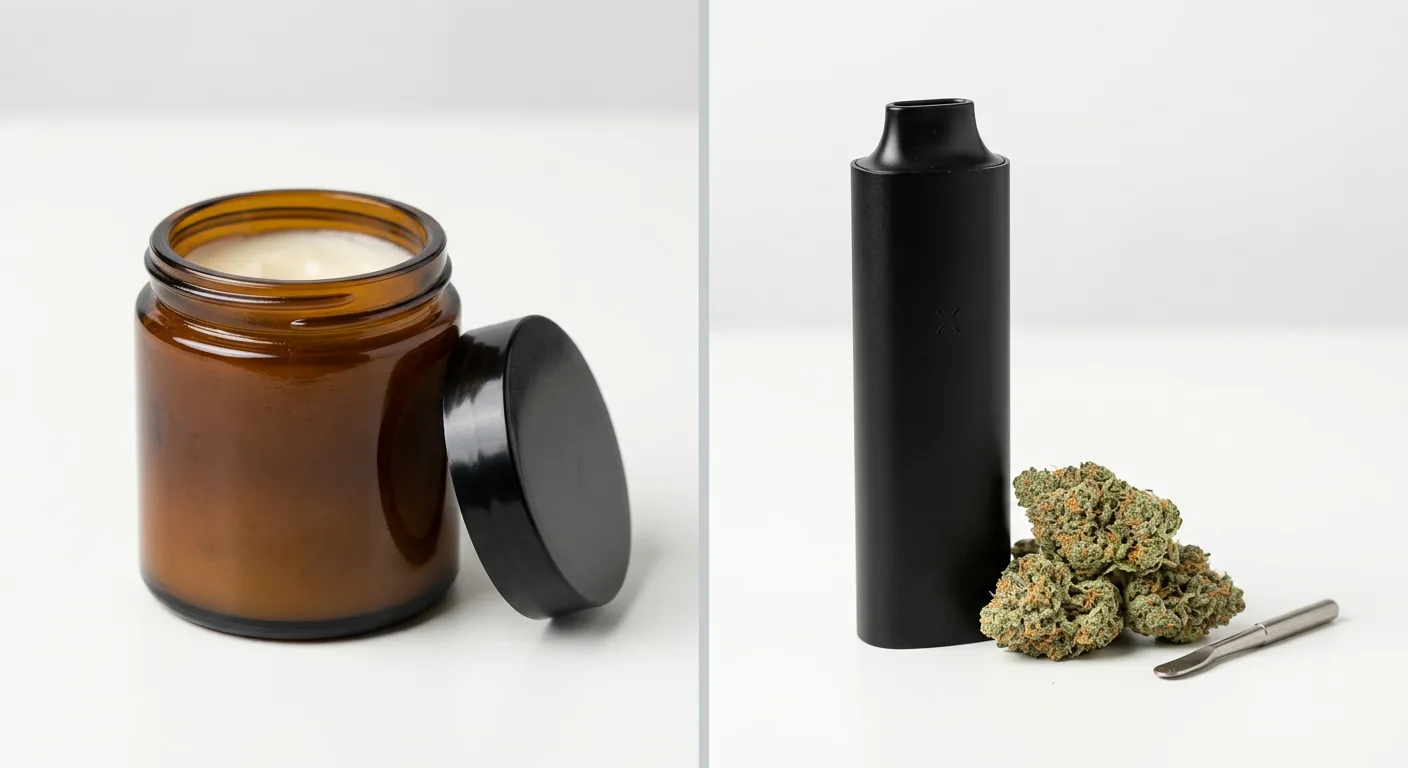
Cannabis for tension headaches requires a different protocol than cannabis for migraines. Tension headaches involve muscular contraction and myofascial pain rather than neurovascular dysfunction, so the ideal strain profile shifts toward muscle relaxants and anxiolytics over pure analgesics.
| Factor | Migraine Protocol | Tension Headache Protocol |
|---|---|---|
| Primary mechanism | Neurovascular, CGRP, 5-HT | Muscle contraction, stress response |
| Ideal THC range | 15–27% | 10–18% |
| Best CBD ratio | 1:1 to 2:1 | 2:1 to 4:1 |
| Key terpenes | Myrcene, caryophyllene, linalool | Linalool, myrcene, bisabolol |
| Delivery method | Vaporized for acute; oral for prevention | Topical to neck/temples + low-dose oral |
| Timing | At first aura/prodrome sign | At first muscle tightness |
For cannabis tension headache relief, consider topical cannabis balms applied directly to the trapezius and temporal muscles. Combine with a mild oral dose of a strain like Swiss Miss (15% THC), which offers gentle relaxation without overwhelming sedation.
A 2021 study published in the Journal of Integrative Medicine found that transdermal CBD reduced tension headache frequency by 33% over 30 days when applied to the cervical spine area twice daily. This topical approach avoids first-pass metabolism entirely, delivering cannabinoids directly to inflamed muscle tissue.
Dosing, Timing & Delivery for Marijuana Migraine Prevention
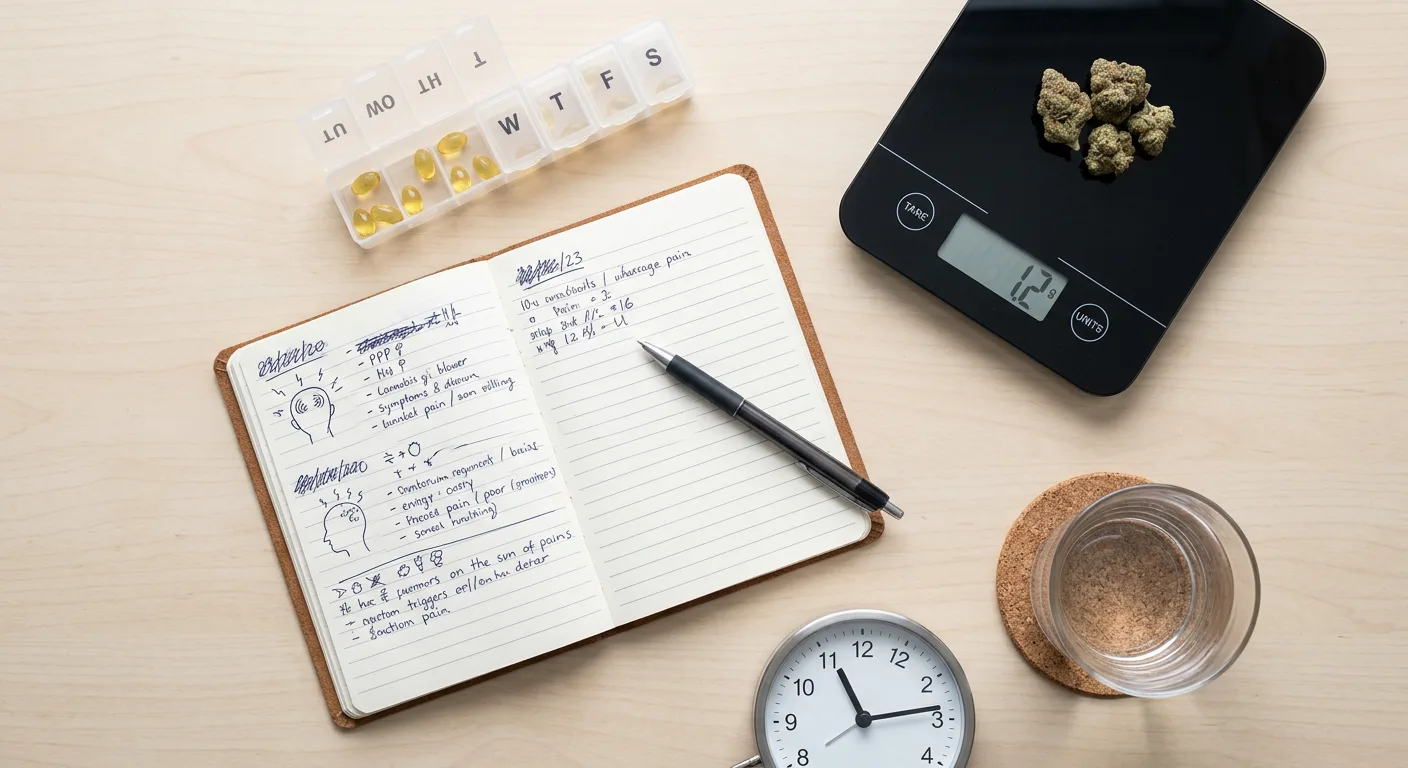
Effective marijuana migraine prevention requires consistent microdosing, strategic timing around prodrome symptoms, and choosing delivery methods that match your symptom timeline. The goal is maintaining stable cannabinoid blood levels rather than chasing acute relief.
The Migraine Timeline: When to Dose
Prodrome Phase (2–48 Hours Before)
Mood changes, food cravings, neck stiffness, and yawning signal an approaching migraine. Take a sublingual CBD:THC tincture (2:1 ratio, 5–10 mg CBD + 2.5–5 mg THC) at the first prodrome sign. This window offers the best chance of preventing a full attack.
Aura Phase (5–60 Minutes Before Pain)
If aura develops despite prodrome dosing, switch to inhaled cannabis for rapid onset. Vaporize a linalool-rich strain at low temperature (340–360°F / 170–180°C) to maximize terpene delivery. Two to three small puffs, waiting 10 minutes between each.
Attack Phase (Active Migraine)
During full-blown pain, use higher-THC strains (20%+) via vaporizer. Dose every 15–20 minutes until pain reduces by at least 50%. Most patients find relief within 3–4 inhalations. If nausea prevents inhalation, use a sublingual tincture or suppository.
Postdrome Phase (After Attack)
Switch to low-THC or CBD-dominant strains. Gentle myrcene-rich indica at 10–15% THC helps with residual pain and promotes recovery sleep without risking rebound. Use our edible dosage calculator if using oral preparations during this phase.
Daily Microdosing Protocol
For chronic migraine patients (15+ headache days per month), daily microdosing aims to raise baseline endocannabinoid tone. Start at 1–2.5 mg THC twice daily, increasing by 1 mg per week until migraine frequency drops. Most patients stabilize at 5–10 mg THC daily in divided doses.
Keep a detailed migraine diary that tracks: strain name, THC/CBD percentage, terpene profile (from the COA), dose in mg, time of dosing relative to migraine phase, and symptom severity at 30-minute intervals. After 8–12 weeks, clear patterns emerge showing which strains work best for your specific migraine subtype.
Avoiding Cannabis-Related Migraine Triggers
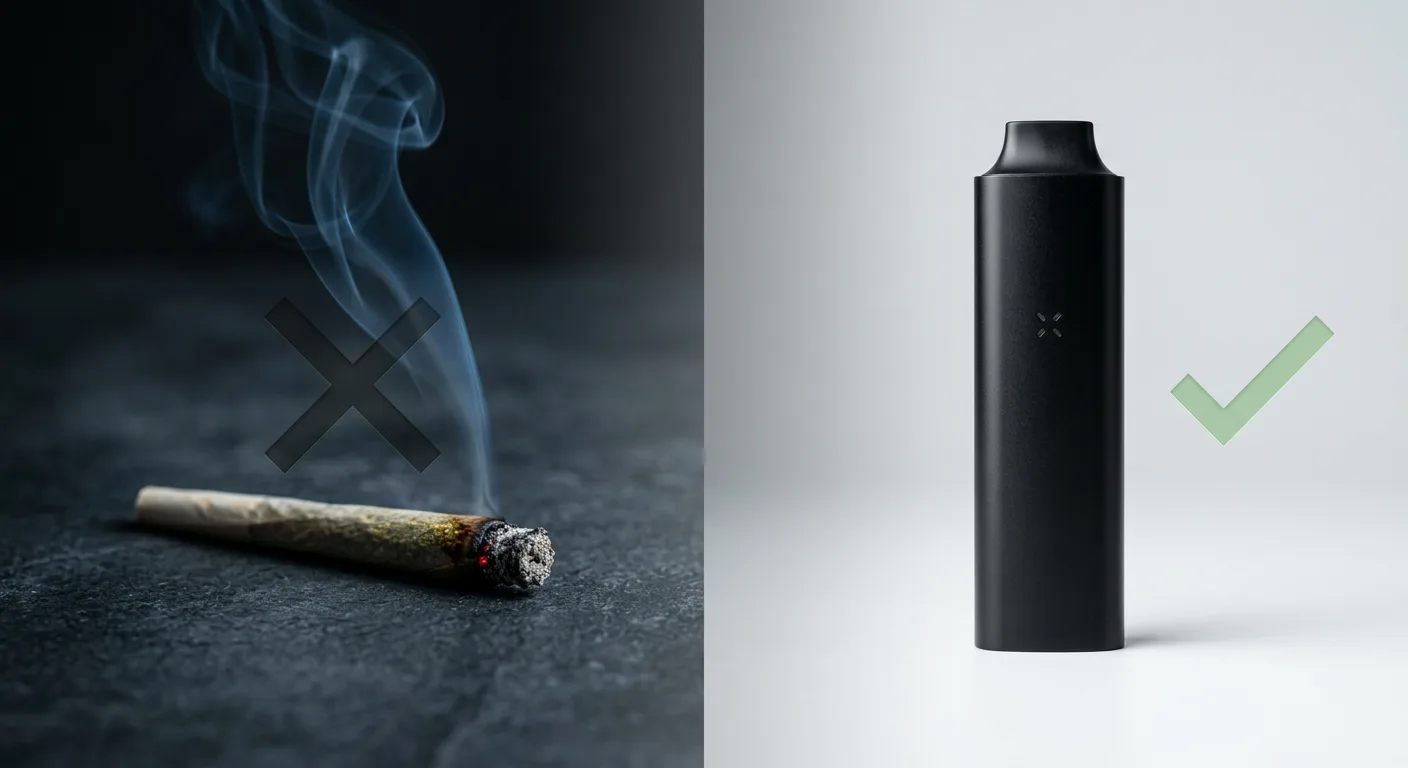
While cannabis can relieve migraines, certain consumption patterns and strain characteristics can trigger attacks in susceptible individuals. Avoiding these triggers is as important as choosing the right strain.
Smoke vs. Vapor
Combustion releases carbon monoxide, benzene, and particulate matter — all potential headache triggers. A 2018 study found that vaporizer users reported 40% fewer respiratory symptoms than smokers. For migraine patients, dry herb vaporization is non-negotiable: it delivers cannabinoids without combustion byproducts.
Dehydration
Cannabis causes dry mouth by binding cannabinoid receptors in salivary glands. Dehydration is a major migraine trigger. Drink 16–20 oz of water before and during cannabis use. Electrolyte-enhanced water is preferable for chronic migraine patients.
Histamine-Rich Strains
Some patients report that certain strains worsen headaches. This may relate to histamine: aged or poorly cured cannabis can develop elevated histamine levels. Proper curing technique — explored in our water activity curing science guide — reduces histamine-producing microbial activity.
Pesticide and Contaminant Exposure
Myclobutanil, a common cannabis fungicide, converts to hydrogen cyanide when heated — a potent headache trigger. Growing your own cannabis eliminates this risk entirely. If purchasing, demand full panel testing including pesticide residues.
Cannabis withdrawal can trigger migraines in daily users. If you need to stop or reduce use, taper by 10–20% per week rather than quitting abruptly. Sudden cessation after heavy use can cause rebound migraines lasting 1–2 weeks.
Known Strain-Specific Triggers
- Very high THC (above 28%): Can cause vasodilation headaches in some patients
- High-terpinolene strains: Anecdotal reports of triggering migraines in a subset of users
- Sativa "raciness": Anxiety from overly stimulating strains can initiate tension-type patterns
- Edible overconsumption: THC metabolite 11-hydroxy-THC at high doses can worsen headaches
Growing Your Own Migraine Medicine: Practical Considerations
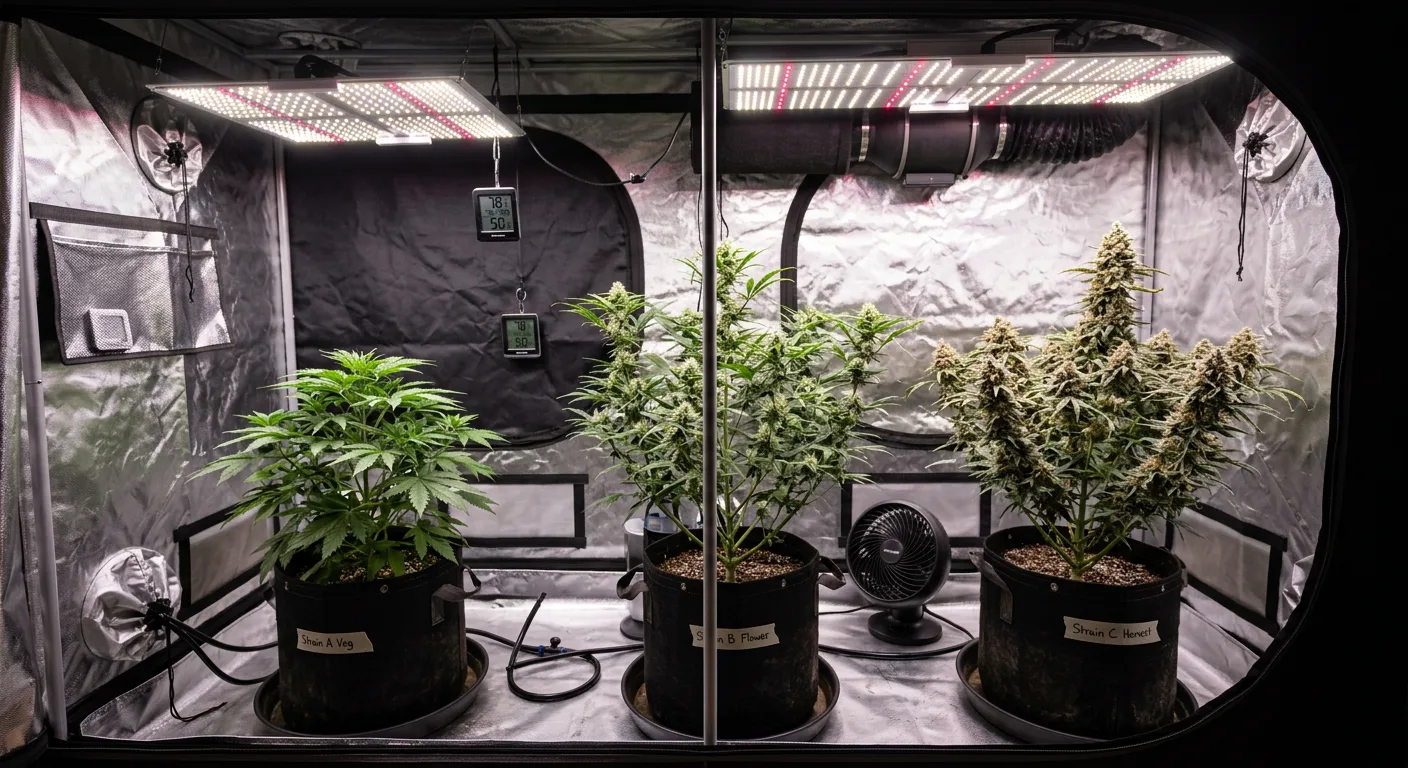
Home cultivation gives migraine patients full control over strain genetics, growing conditions, terpene preservation, and curing quality — factors that directly impact therapeutic effectiveness. The best cannabis strains for migraines are only effective if grown, harvested, and cured correctly.
Strain Selection for Your Medicine Garden
Plan a rotation of 2–3 strains covering different migraine phases:
- Daytime acute strain: Sativa-leaning with pinene + limonene — Sour Diesel or Super Lemon Haze
- Evening/nighttime strain: Indica with high myrcene — Northern Lights x Big Bud or Purple Kush
- Low-THC daily prevention: Purple Power at 10% THC for gentle daily microdosing
Harvest Timing for Maximum Terpenes
Terpenes degrade faster than cannabinoids during late flowering. For migraine-specific medicine, harvest when 70–80% of trichomes are milky with only 10–20% amber. This preserves peak terpene content. Our harvest timing guide covers trichome assessment in detail.
Curing for Terpene Preservation
Aggressive drying destroys volatile terpenes like myrcene and pinene — the exact compounds you need for migraine relief. Dry at 60°F/60% RH for 10–14 days, then cure in glass jars at 0.55–0.65 water activity. Our long-term storage guide explains how to maintain terpene integrity for 12+ months.
Growing cannabis for migraines is not just about genetics — it's about preserving the terpene-cannabinoid synergy through careful harvest timing, gentle drying, proper curing, and clean storage. Rushed post-harvest handling can reduce your medicine's effectiveness by 30–50%.
What Current Research Says About Cannabis and Chronic Migraine

Cannabis chronic migraine research is rapidly evolving. Here's a summary of the most significant clinical findings published between 2016 and 2024, with their limitations noted.
Key Clinical Studies
- Rhyne et al. (2016), Pharmacotherapy: 121 patients; migraine frequency decreased from 10.4 to 4.6/month. 85% reported decreased frequency. 12% used cannabis to abort active migraines. Limitation: retrospective chart review, no placebo control.
- Cuttler et al. (2019), Journal of Pain: 1,300+ sessions tracked via Strainprint app. Inhaled cannabis reduced headache ratings by 47.3% and migraine ratings by 49.6%. Men reported greater reductions than women. Concentrates outperformed flower. Limitation: self-reported data, no placebo arm.
- Aviram & Samuelly-Leichtag (2017), European Academy of Neurology: THC:CBD combination (200 mg/day) reduced migraine attacks by 40.4% — comparable to amitriptyline (40.1%). Pain intensity during attacks decreased by 43.5%. Limitation: Phase II trial with small sample size.
- Stith et al. (2020), Complementary Therapies in Medicine: Analysis of 12,293 sessions found that cannabis flower with higher THC and lower CBD was associated with greater headache/migraine relief. Limitation: observational, self-selected population.
Limitations of Current Evidence
No randomized, double-blind, placebo-controlled trials (the gold standard) have been completed specifically for cannabis and migraines as of early 2025. Most evidence comes from observational studies and patient-reported data. Several RCTs are currently underway, with results expected by 2026–2027.
How Cannabis Compares to Standard Treatments
| Treatment | Prevention Efficacy | Acute Efficacy | Major Side Effects | Onset |
|---|---|---|---|---|
| Cannabis (inhaled) | 40–56% frequency reduction | 47–50% severity reduction | Cognitive impairment, dry mouth, tolerance | 2–5 min |
| Triptans | Not used preventively | 59–70% pain-free at 2 hours | Chest tightness, MOH risk, vasoconstriction | 15–30 min |
| CGRP mAbs (erenumab) | 50% reduction in 50% of patients | Not designed for acute use | Constipation, injection site reactions | Weeks |
| Topiramate | 26–44% frequency reduction | Not used acutely | Cognitive dulling, weight loss, paresthesia | Weeks |
| Amitriptyline | 40% frequency reduction | Not used acutely | Weight gain, sedation, dry mouth | 2–4 weeks |
Cannabis occupies a unique niche: it works for both prevention and acute treatment, addresses multiple symptoms simultaneously (pain, nausea, sleep, mood), and has a more favorable side effect profile than most pharmaceuticals — though cognitive impairment and tolerance remain real concerns.
Frequently Asked Questions
What is the best cannabis strain for migraines with aura?
For migraines with aura, choose strains high in linalool and CBD that reduce cortical excitability. Granddaddy Purple, ACDC (20:1 CBD:THC), and Cannatonic (1:1 ratio) are top choices. The linalool modulates GABA transmission, calming the cortical spreading depression that causes visual aura symptoms. Start dosing during the prodrome phase — before aura develops — for best results.
Can cannabis cause migraines or make them worse?
Yes, in certain circumstances. Smoking (combustion) introduces irritants that trigger headaches. High-THC strains above 28% can cause vasodilation headaches in sensitive individuals. Overusing cannabis more than 10 days per month risks medication overuse headache (MOH). Dehydration from cannabis use is also a common trigger. Vaporizing, staying hydrated, and limiting use frequency reduces these risks significantly.
Is CBD or THC better for migraine relief?
Neither alone is optimal. Research suggests balanced CBD:THC ratios (1:1 to 2:1) provide the best migraine relief. THC is essential for acute pain blocking via CB1 receptors, while CBD adds anti-inflammatory action through 5-HT1A receptor activation and reduces THC side effects. A 2017 clinical trial found 200 mg/day of a THC:CBD combination reduced migraine frequency by 40.4% — matching the prescription drug amitriptyline.
How quickly does cannabis work for an active migraine?
Inhaled cannabis (vaporized flower or concentrate) reaches peak blood concentration in 2–5 minutes, with migraine relief typically beginning within 5–15 minutes. Oral methods take 30–90 minutes. Sublingual tinctures fall between at 15–30 minutes. For acute migraines, inhalation is strongly preferred due to speed — every minute matters when CGRP-driven inflammation is escalating.
How do I choose between indica and sativa for migraines?
The indica/sativa distinction is less important than the specific cannabinoid-terpene profile. That said, indica-dominant strains high in myrcene and linalool tend to work best for nighttime migraines with severe pain and insomnia. Sativa-dominant strains high in pinene and limonene are better for daytime attacks where you need to remain functional. Check the strain's lab-tested terpene profile rather than relying solely on indica/sativa classification.