Nearly 21 million American adults experienced at least one major depressive episode in 2023, and roughly one-third of them found no relief from first-line pharmaceutical treatments. That staggering treatment gap is driving a quiet but measurable shift: more patients and clinicians are asking whether cannabis for depression deserves a seat at the table alongside SSRIs, therapy, and lifestyle interventions.
This guide digs into the neuroscience, the strains, the terpene data, and the honest risks. We will walk through exactly what researchers know in 2025—and what they do not—so you can make informed decisions about whether THC and CBD belong in your mental health toolkit.
The Neurobiology of Depression and Where Cannabis Fits
Depression involves far more than a "serotonin shortage." Understanding its biological complexity is the first step to evaluating whether cannabis can meaningfully intervene. Modern neuroscience points to multiple overlapping systems that break down in major depressive disorder (MDD).
Beyond the Serotonin Hypothesis
For decades, the "monoamine hypothesis" dominated psychiatry: depression equals low serotonin. SSRIs were designed on this model. But a landmark 2022 umbrella review in Molecular Psychiatry found no consistent evidence that serotonin levels or serotonin activity differ between depressed and non-depressed individuals.
Current models point to a more complex picture:
- Neuroinflammation: Elevated pro-inflammatory cytokines (IL-6, TNF-α) appear in roughly 30% of MDD patients
- HPA axis dysregulation: Chronic cortisol elevation damages hippocampal neurons and suppresses neurogenesis
- Dopamine circuit dysfunction: Reduced dopamine signaling in the nucleus accumbens drives anhedonia—the inability to feel pleasure
- Endocannabinoid deficiency: Lower levels of anandamide (AEA) and 2-AG have been measured in depressed patients
- BDNF depletion: Brain-derived neurotrophic factor, critical for synaptic plasticity, drops in chronic depression
The endocannabinoid system (ECS) acts as a master regulator across all five pathways listed above. CB1 receptors modulate serotonin and dopamine release, while CB2 receptors regulate neuroinflammation. This dual role is why cannabis researchers see the ECS as a promising—but complicated—therapeutic target for depression.
The Endocannabinoid System and Mood
Your body produces its own cannabinoids. Anandamide, sometimes called the "bliss molecule," binds to CB1 receptors in the prefrontal cortex, amygdala, and hippocampus—the same regions that malfunction in depression. The enzyme FAAH breaks down anandamide quickly, and genetic variants that produce less FAAH are associated with lower anxiety and greater emotional resilience.
When external cannabinoids from cannabis enter this system, they can temporarily amplify or disrupt these natural mood-regulation pathways. That is both the promise and the peril of using cannabis for depression.
How THC and CBD Interact With Mood Circuits
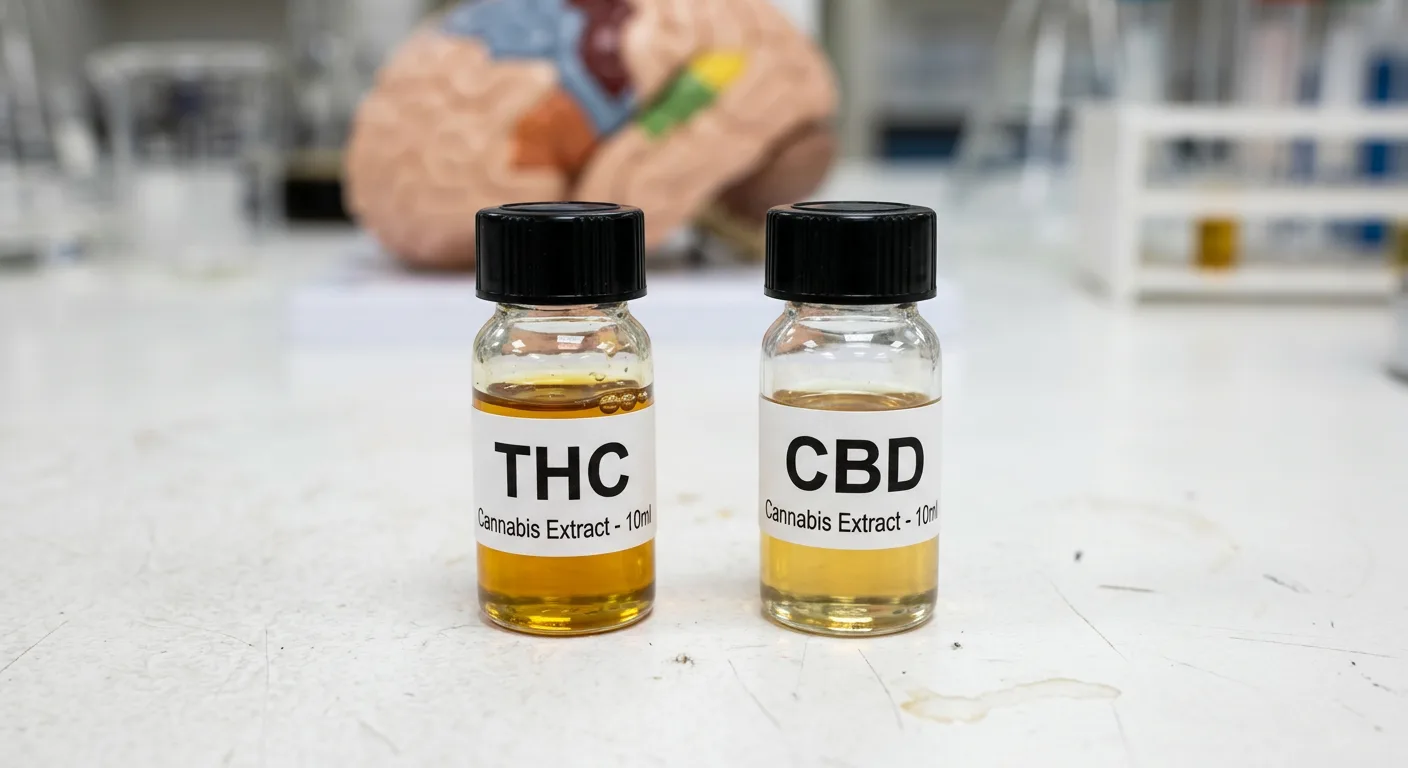
THC and CBD affect depression-related brain circuits through different mechanisms. THC directly activates CB1 receptors to boost dopamine, while CBD modulates serotonin receptors and reduces inflammation without producing euphoria. Their combined effect depends heavily on dose and ratio.
THC: The Dopamine Connection
Delta-9-THC is a partial agonist at CB1 receptors. At low doses (2.5–5mg), it triggers dopamine release in the mesolimbic pathway—the same "reward circuit" that underperforms in anhedonic depression. A 2017 study from the University of Illinois at Chicago showed that 7.5mg of THC reduced negative emotional responses to stress tasks, while 12.5mg increased them.
This dose-response curve is crucial. The relationship between THC dosage and mood follows an inverted-U pattern:
- Low dose (1–5mg): Anxiolytic, mild euphoria, improved motivation in some individuals
- Moderate dose (5–15mg): Mixed results—mood lift in tolerant users, anxiety in naive users
- High dose (15mg+): Increased risk of dysphoria, paranoia, and amotivation
Critical point: The biphasic nature of THC means that the same compound that lifts mood at low doses can worsen depression at high doses. "Start low and go slow" is not just a cliché—it is a pharmacological necessity for mood-related use.
CBD: The Serotonin Modulator
CBD does not bind strongly to CB1 or CB2 receptors. Instead, it acts as a positive allosteric modulator of the 5-HT1A serotonin receptor—the same receptor targeted by the anti-anxiety drug buspirone. A 2019 animal study in Neuropharmacology found that CBD produced rapid antidepressant-like effects by increasing BDNF expression in the prefrontal cortex.
CBD also inhibits FAAH, the enzyme that breaks down anandamide. By slowing anandamide degradation, CBD may indirectly raise endocannabinoid tone—a gentler approach than THC's direct receptor activation.
The Entourage Effect and Mood
Neither THC nor CBD works in isolation the way it does in whole-plant cannabis. Terpenes, minor cannabinoids like CBG, and flavonoids all modify the overall effect. This "entourage effect" is why strain selection matters more for depression than simply choosing a THC percentage.
For depression, the cannabinoid ratio matters more than raw potency. A 15% THC strain with 5% CBD and high limonene may outperform a 30% THC isolate for sustained mood improvement.
Terpenes That Matter for Depression: Limonene, Linalool & Beyond
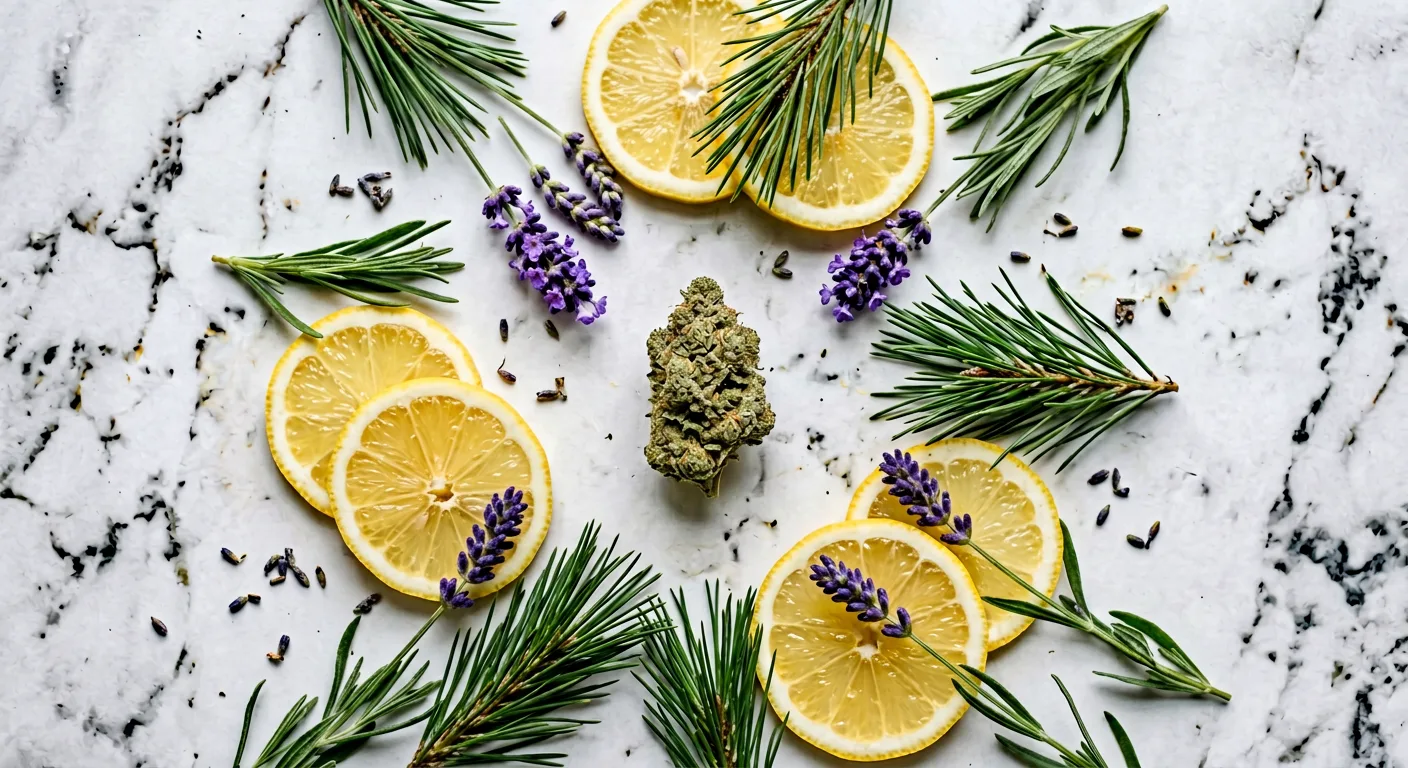
Terpenes are aromatic compounds that shape the emotional character of each cannabis strain. For depression, three terpenes stand out in preclinical research: limonene for mood elevation, linalool for anxiety relief, and beta-caryophyllene for neuroinflammation. Terpene profiles may matter as much as cannabinoid content.
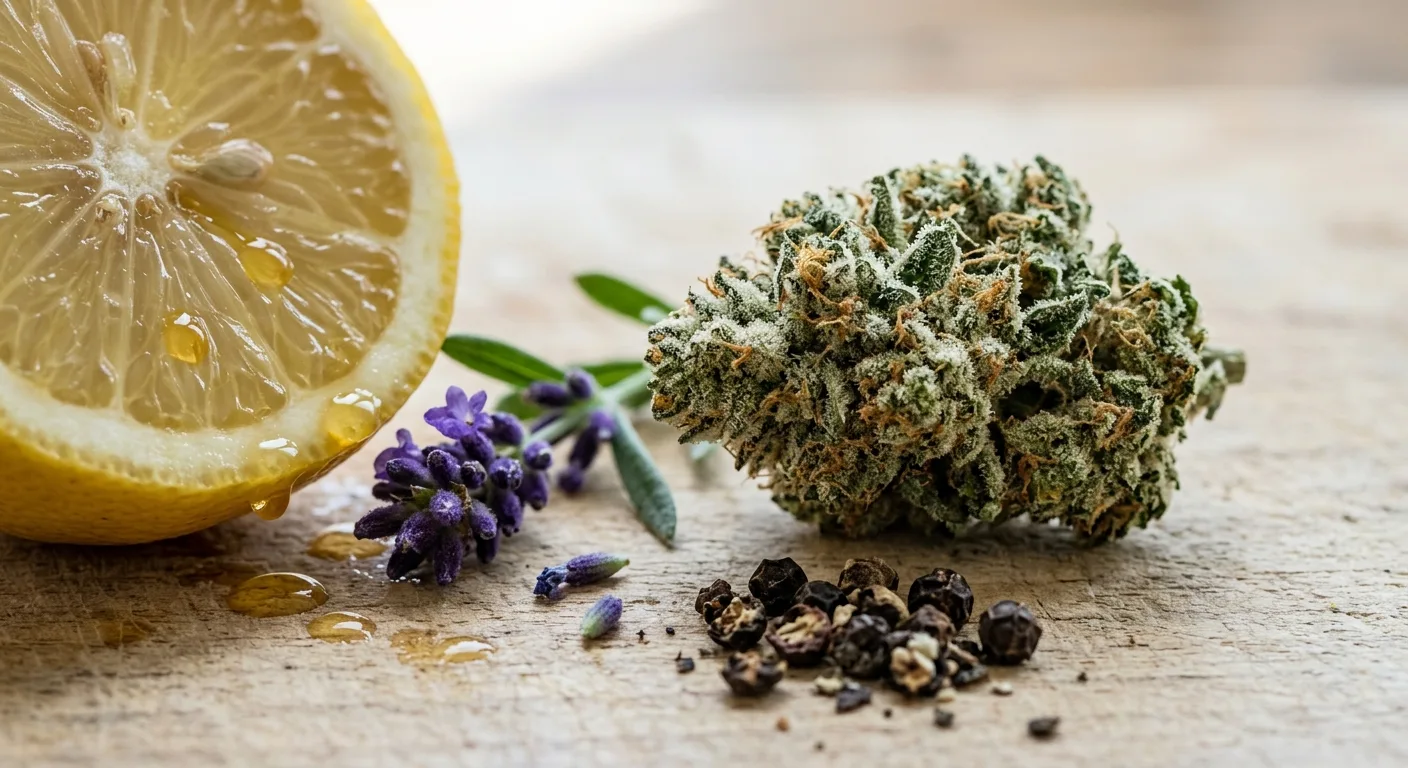
Limonene: The Mood Elevator
Limonene is the citrus-scented terpene abundant in lemon peels, orange rinds, and certain cannabis strains. A 2013 study published in Behavioural Brain Research found that limonene inhalation produced antidepressant-like effects in mice through serotonin and dopamine modulation. Japanese researchers have also demonstrated that citrus fragrance exposure normalizes neuroendocrine hormone levels and immune function in depressed patients.
Strains to look for with high limonene content:
- Super Lemon Haze (23% THC) — classic limonene-dominant profile
- Tangerine Haze (18% THC) — citrus-forward with moderate potency
- Sour Diesel (24% THC) — limonene combined with myrcene and caryophyllene
Linalool: The Calming Agent
Linalool gives lavender its signature scent and appears in notable concentrations in certain cannabis cultivars. A 2018 review in Frontiers in Behavioral Neuroscience confirmed linalool's anxiolytic properties, noting it enhances GABAergic transmission—the same mechanism targeted by benzodiazepines, but without the addiction potential.
For depression with comorbid anxiety (which affects roughly 60% of MDD patients), linalool-rich strains offer a dual benefit. Learn more about how linalool compares to myrcene for relaxation.
Beta-Caryophyllene: The Anti-Inflammatory Cannabinoid-Terpene
Beta-caryophyllene is unique among terpenes because it directly activates CB2 receptors, technically making it a dietary cannabinoid. A 2014 study in Physiology & Behavior demonstrated its antidepressant-like activity in mice, mediated through CB2 activation and subsequent reduction in neuroinflammation.
This makes it especially relevant for the estimated 30% of depression cases linked to elevated inflammatory markers. Explore our deeper guide on caryophyllene strains for inflammation.
| Terpene | Aroma | Primary Mechanism | Evidence Level | Strains to Explore |
|---|---|---|---|---|
| Limonene | Citrus, lemon | Serotonin/dopamine modulation | Preclinical + limited human | Super Lemon Haze, Tangerine Haze, Jack Herer |
| Linalool | Floral, lavender | GABAergic enhancement, 5-HT1A | Preclinical + aromatherapy trials | Lavender, Do-Si-Dos, Amnesia Haze |
| Beta-Caryophyllene | Peppery, spicy | CB2 activation, anti-inflammatory | Preclinical (robust) | GSC, OG Kush, Sour Diesel |
| Pinene (alpha) | Pine, forest | Acetylcholinesterase inhibition, alertness | Preclinical | Blue Dream, Jack Herer, Snoop's Dream |
| Myrcene | Earthy, musky | Sedation, muscle relaxation | Preclinical | OG Kush, Granddaddy Purple, Blue Dream |
Understanding how to read terpene content on lab results is essential. Our guide on reading cannabis terpene COAs walks you through it step by step.
THC:CBD Ratios for Mood Regulation: Finding the Sweet Spot
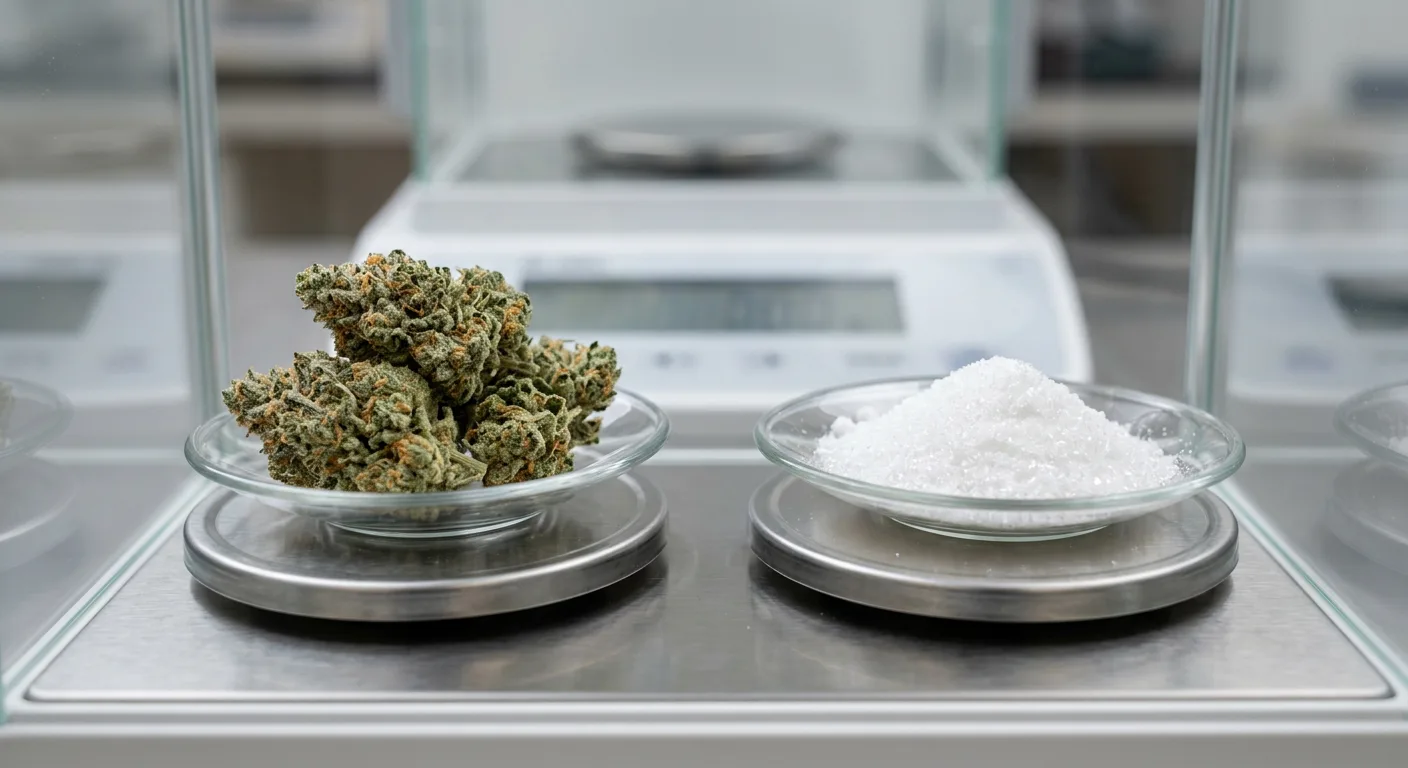
The ratio of THC to CBD in a cannabis product profoundly shapes its effect on mood. Research and patient surveys consistently show that balanced ratios (1:1 to 2:1 CBD:THC) produce the most reliable antidepressant-like effects with the fewest adverse reactions. Pure THC products carry higher risk.
Ratio Recommendations by Symptom Cluster
| Symptom Profile | Suggested Ratio (THC:CBD) | Starting Dose | Notes |
|---|---|---|---|
| Anhedonia (can't feel pleasure) | 1:1 or 2:1 THC:CBD | 2.5mg THC + 2.5mg CBD | THC's dopamine boost addresses reward deficit |
| Anxious depression | 1:2 or 1:4 THC:CBD | 2.5mg THC + 5–10mg CBD | CBD buffers THC anxiety; linalool strains preferred |
| Low energy / fatigue | 1:1 with sativa terpenes | 2.5–5mg THC + 2.5–5mg CBD | Limonene and pinene support alertness |
| Insomnia-dominant depression | 1:1 or slight THC dominance | 5mg THC + 5mg CBD | Evening use; myrcene-rich strains |
| Inflammatory depression | 1:2 CBD:THC or CBD-only | 10–25mg CBD + optional THC | Caryophyllene + CBD for CB2 activation |
Practical approach: If you are new to cannabis for mood support, start with a 1:1 product at 2.5mg of each cannabinoid. Wait 2 hours if using edibles or 15 minutes if inhaling before increasing. Use our edible dosage calculator to dial in precise amounts.
Why High-THC Strains Alone Are Not Ideal
A 2020 observational study using the Strainprint app (over 1,800 sessions) found that cannabis users reported an average 50% reduction in depression ratings after use. However, the effect was short-lived, and higher-THC products were more likely to produce a "rebound" worsening of mood the following day.
CBD mitigates this pattern by reducing THC's psychotomimetic effects, supporting serotonergic tone, and blunting the cortisol spike that sometimes follows high-THC consumption. When selecting genetics to grow for mood support, consider our curated list of depression-supportive cultivars.
Best Cannabis Strains for Depression: 12 Evidence-Informed Picks
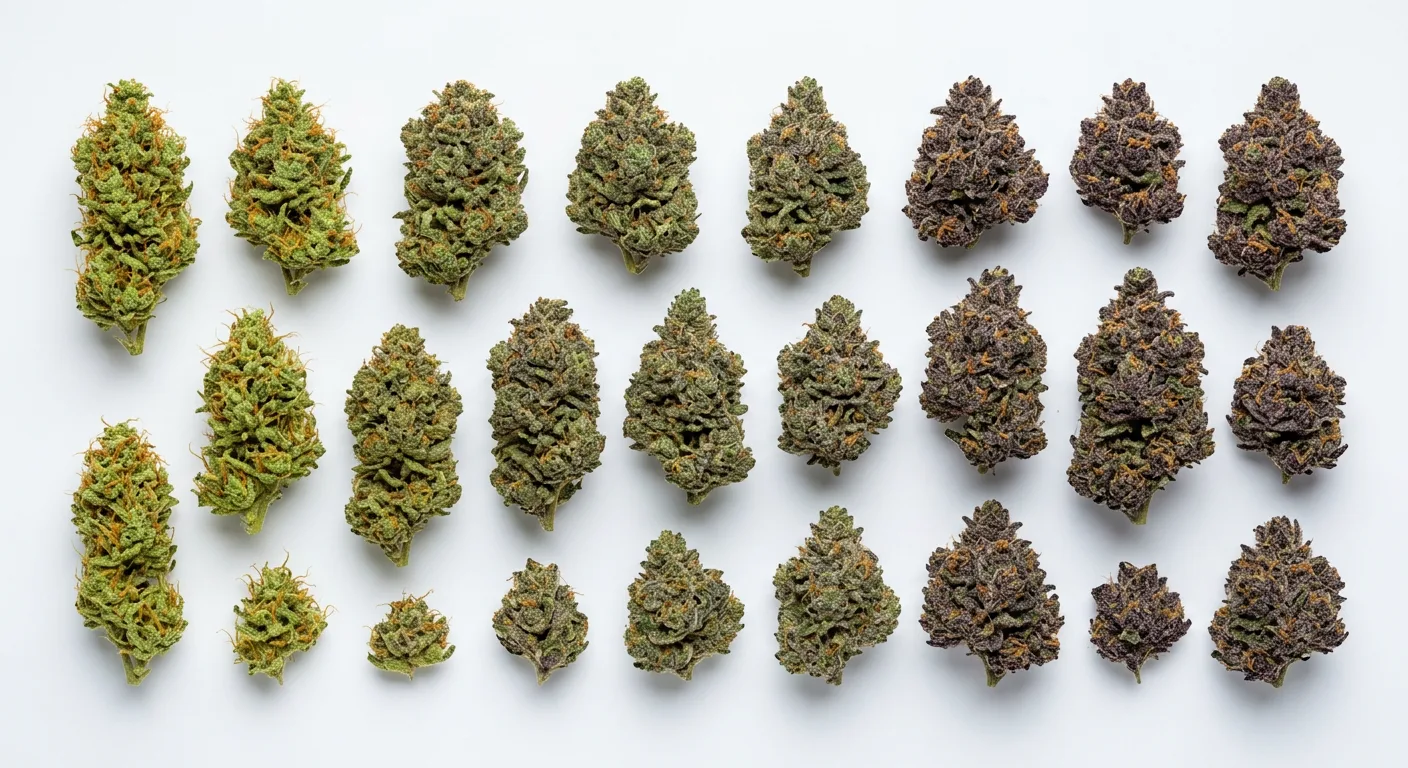
These 12 strains were selected based on their cannabinoid ratios, dominant terpene profiles, and alignment with the neurobiological mechanisms discussed above. The list includes both widely recognized cultivars and genetics from our seed catalog, chosen on merit rather than marketing.
Uplifting Daytime Strains
1. Jack Herer (18–24% THC) — Named after the cannabis activist, this sativa-dominant cultivar is rich in terpinolene, pinene, and limonene. Users consistently report clear-headed euphoria and creative motivation. The pinene content may also support cognitive clarity—learn more in our pinene guide.
2. Super Lemon Haze (23% THC) — A two-time Cannabis Cup winner with a limonene-dominant terpene profile. The citrus aroma is not just pleasant—it reflects the very terpene most strongly linked to mood elevation in preclinical studies. Energizing and social without excessive raciness.
3. Durban Poison (17–21% THC) — This pure South African sativa landrace is high in terpinolene and known for a uniquely functional, productive effect. Its moderate THC level makes it forgiving for mood-focused users who want energy without anxiety.
4. Sour Diesel (24% THC) — A sativa-dominant legend featuring limonene, myrcene, and caryophyllene. The fast-onset cerebral effect is favored by patients who describe their depression as "stuck" or foggy. Higher potency requires careful dosing.
The four daytime strains above share a common theme: moderate-to-high THC, prominent limonene or pinene, and sativa-leaning genetics that promote energy and engagement rather than sedation.
Balanced Hybrid Strains
5. Blue Dream (17–24% THC) — Perhaps the most recommended strain for depression across patient surveys. Blue Dream combines pinene, myrcene, and caryophyllene in a profile that users describe as gently euphoric without heavy sedation. Its balanced hybrid effect suits both morning and afternoon use.
6. Jillybean (18% THC) — An underrated hybrid with a sweet orange-mango terpene profile. Jillybean is known for producing genuinely happy, social effects. Its moderate THC level makes it approachable for those sensitive to higher-potency options.
7. Harlequin (7–15% THC, 8–15% CBD) — One of the most reliable high-CBD strains available. Harlequin's near-1:1 ratio exemplifies the balanced approach that research supports for anxious depression. The clear-headed effect allows daytime functioning while still modulating mood.
8. Blueberry Haze (20% THC) — This cross brings together Blueberry's myrcene-rich relaxation and Haze's cerebral limonene lift. The result is a balanced mood enhancer that avoids both couch-lock and overstimulation.
Evening and Wind-Down Strains
9. Granddaddy Purple (17–23% THC) — For depression that peaks at night with insomnia and restless thoughts, GDP's heavy myrcene and linalool content provides deep physical relaxation. Best reserved for 2–3 hours before bed.
10. OG Kush (26% THC) — A high-potency hybrid with a complex terpene profile including myrcene, limonene, and caryophyllene. OG Kush delivers a euphoric onset that transitions into calm relaxation. Its potency demands respect—start with a single small inhalation.
11. ACDC (1–6% THC, 14–20% CBD) — For patients who want zero impairment, ACDC delivers high CBD with negligible psychoactivity. It addresses the neuroinflammatory and serotonergic components of depression without any euphoria or cognitive disruption.
12. Northern Lights x Amnesia Haze (24% THC) — This cross blends Northern Lights' legendary relaxation with Amnesia Haze's mood-lifting terpenes. The result is a potent but balanced evening option that users describe as euphoric without feeling wired.
Growing for mood: If you are cultivating specifically for depression support, prioritize terpene preservation. Harvest when trichomes are mostly cloudy (not amber) to maximize THC-to-CBN ratio and preserve volatile terpenes. Our guide on when to harvest for maximum potency covers the visual cues in detail.
Strains to Approach With Caution
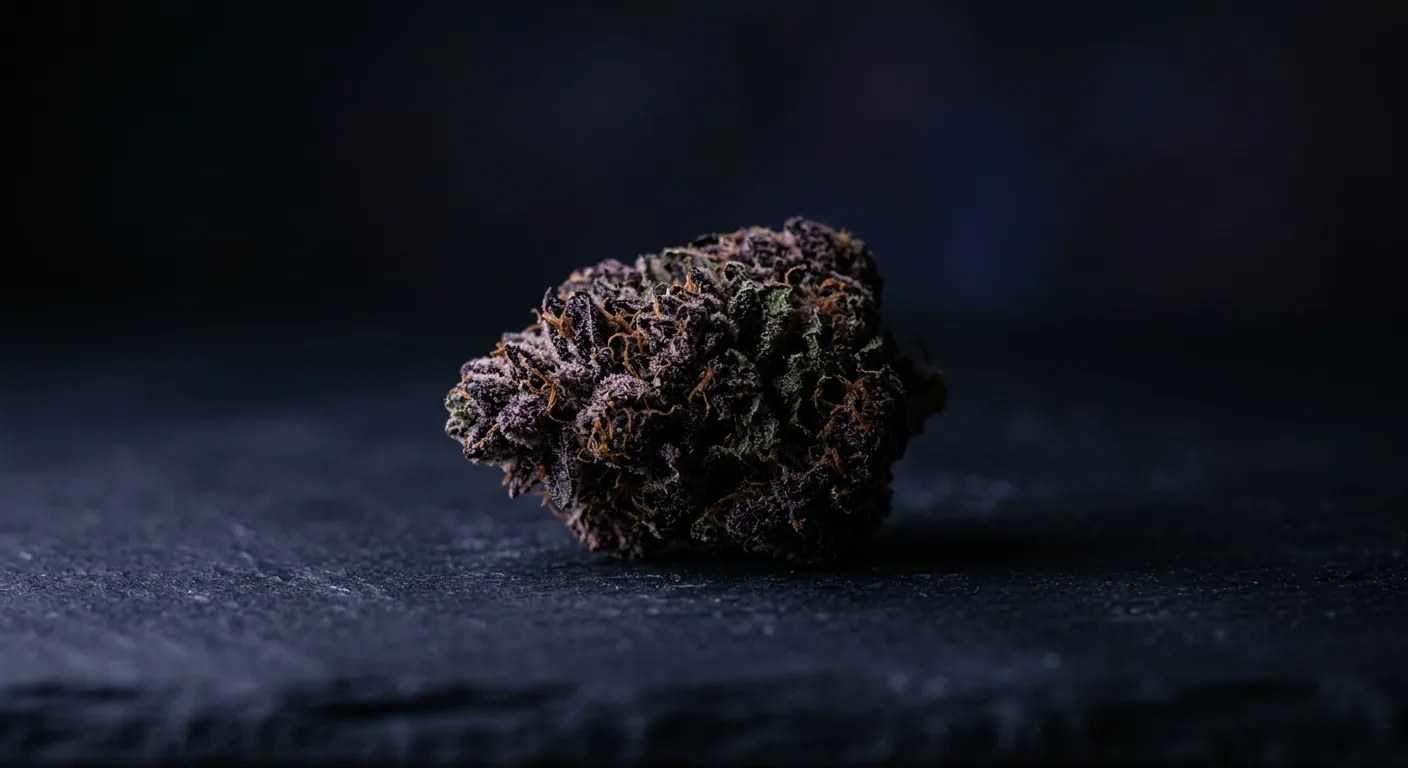
Not every cannabis strain is well-suited for depression. Ultra-high-THC strains without CBD, heavy sedatives that worsen fatigue, and genetics prone to producing anxiety should be approached carefully by anyone managing mood disorders.
Characteristics That May Worsen Depression
- Very high THC (28%+) with zero CBD: Increases risk of anxiety, paranoia, and next-day mood crash
- Heavy myrcene-dominant indicas: Can deepen fatigue and amotivation in patients with atypical depression
- Strains high in THC-V: May suppress appetite, problematic for patients already experiencing weight loss
- Landrace indica strains with high CBN: Excessive sedation can mimic depressive withdrawal
This does not mean these strains are "bad." It means they require more careful context. A heavy indica might be exactly right for a patient whose primary symptom is insomnia, but counterproductive for someone struggling with daytime fatigue and low motivation.
Potential Risks: When Cannabis Makes Depression Worse
Cannabis is not universally beneficial for depression. Heavy use, high-potency products, adolescent exposure, and certain psychiatric comorbidities all increase the risk of worsening outcomes. Honest risk assessment is essential for anyone considering cannabis as a mood tool.
The Amotivational Syndrome Concern
Chronic heavy cannabis use has been associated with reduced dopamine synthesis capacity in the striatum. A 2016 PET imaging study published in Psychopharmacology found that long-term daily cannabis users showed blunted dopamine release compared to controls—the exact neurochemical pattern seen in anhedonic depression.
This creates a paradox: low-dose cannabis may temporarily boost dopamine, but chronic heavy use may deplete the same system over time.
Cannabis Use Disorder and Depression
Approximately 9% of cannabis users develop Cannabis Use Disorder (CUD), and the rate is higher among people with pre-existing depression. CUD is characterized by:
- Inability to cut back despite wanting to
- Using more than intended
- Continued use despite worsening mood
- Withdrawal symptoms (irritability, sleep disruption, appetite changes) when stopping
Key risk factors for negative outcomes: Daily use exceeding 1g, THC concentrations above 25% without CBD, onset of use before age 18, personal or family history of bipolar disorder or psychosis, and using cannabis as a sole coping mechanism without therapy or other interventions.
Interactions With Antidepressants
Both THC and CBD are metabolized by cytochrome P450 enzymes in the liver—the same enzyme family that processes SSRIs, SNRIs, and tricyclic antidepressants. CBD in particular inhibits CYP2D6 and CYP3A4, which can raise blood levels of medications like fluoxetine, sertraline, and amitriptyline.
Anyone currently taking antidepressants should discuss cannabis use with their prescribing physician. This is not optional caution—it is a real pharmacokinetic concern.
Monitoring Your Mental Health: A Practical Framework
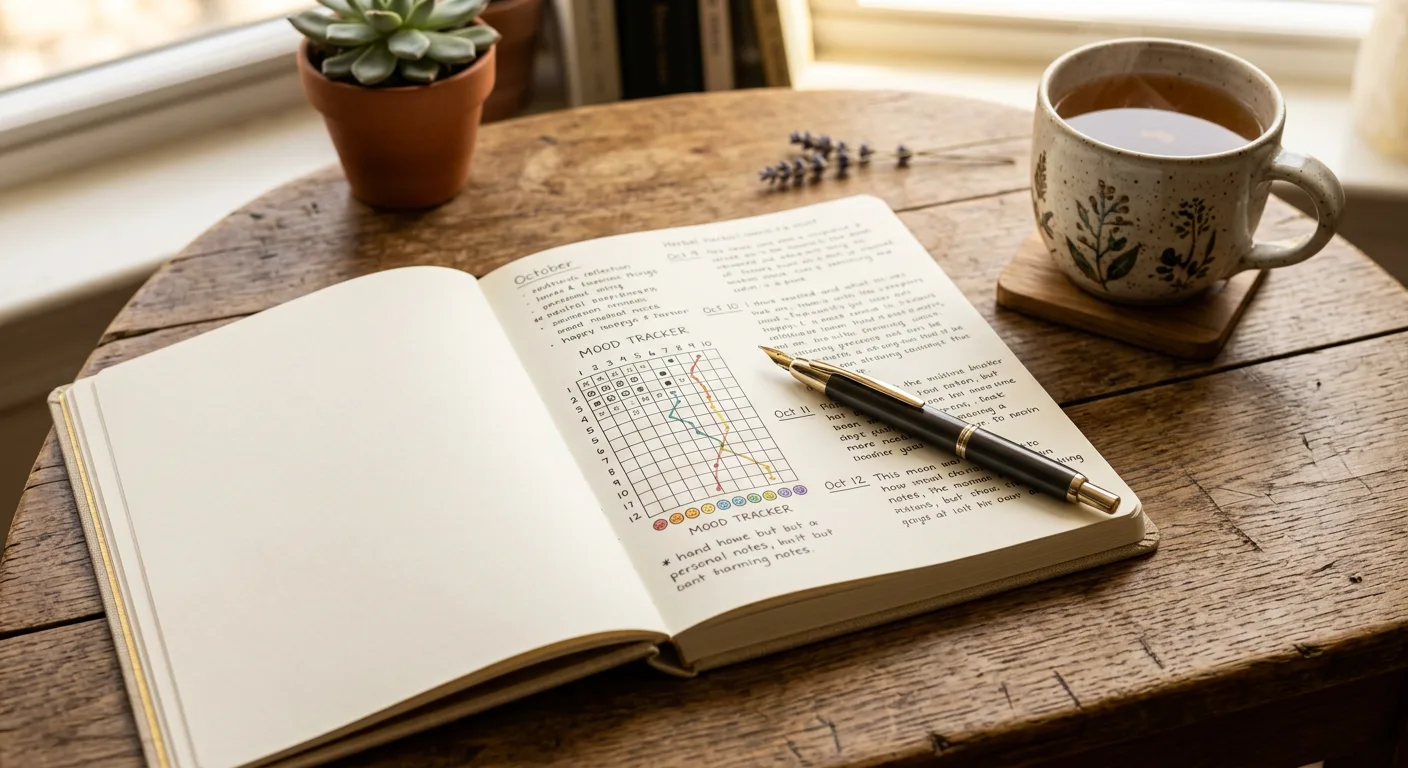
If you decide to explore cannabis for depression, systematic self-monitoring is the difference between informed use and guesswork. Track your baseline, your inputs, and your outcomes over time using a structured method.
The Four-Week Tracking Protocol
Establish a Baseline (Week 0)
Before using cannabis, score your mood daily for one week using the PHQ-9 (a free, validated depression screening tool) or a simple 1–10 scale. Record sleep quality, energy, appetite, and social engagement.
Start Low, Track Everything (Weeks 1–2)
Begin with a 1:1 THC:CBD product at 2.5mg each. Log the strain name, terpene profile (if available), dose, time of use, and mood rating 30 minutes, 2 hours, and the morning after. Note any adverse effects.
Titrate and Compare (Week 3)
Adjust one variable at a time—ratio, dose, or terpene profile. Never change multiple variables simultaneously. Compare to your baseline. If mood is worsening or flat, reassess before continuing.
Evaluate the Full Picture (Week 4)
Look at trends, not individual days. Is your average mood score higher? Is sleep improving? Has social engagement increased? Stable or declining scores suggest cannabis is not providing net benefit for your specific depression profile.
Red Flags That Require Immediate Attention
- Suicidal ideation or self-harm thoughts (call 988 Suicide & Crisis Lifeline)
- Increasing use frequency without increased benefit
- Using cannabis to avoid emotions rather than process them
- Worsening social withdrawal or relationship conflicts
- Inability to function at work or in daily tasks without using
- New or worsening anxiety, paranoia, or panic attacks
Grow journal as mood journal: If you are cultivating your own medicine, your grow journal can double as a mental health tracker. Note which phenotypes, harvest timings, and cure lengths produce the best mood effects. Our grow planner tool helps structure this process.
Combining Cannabis With Therapy and Lifestyle Interventions
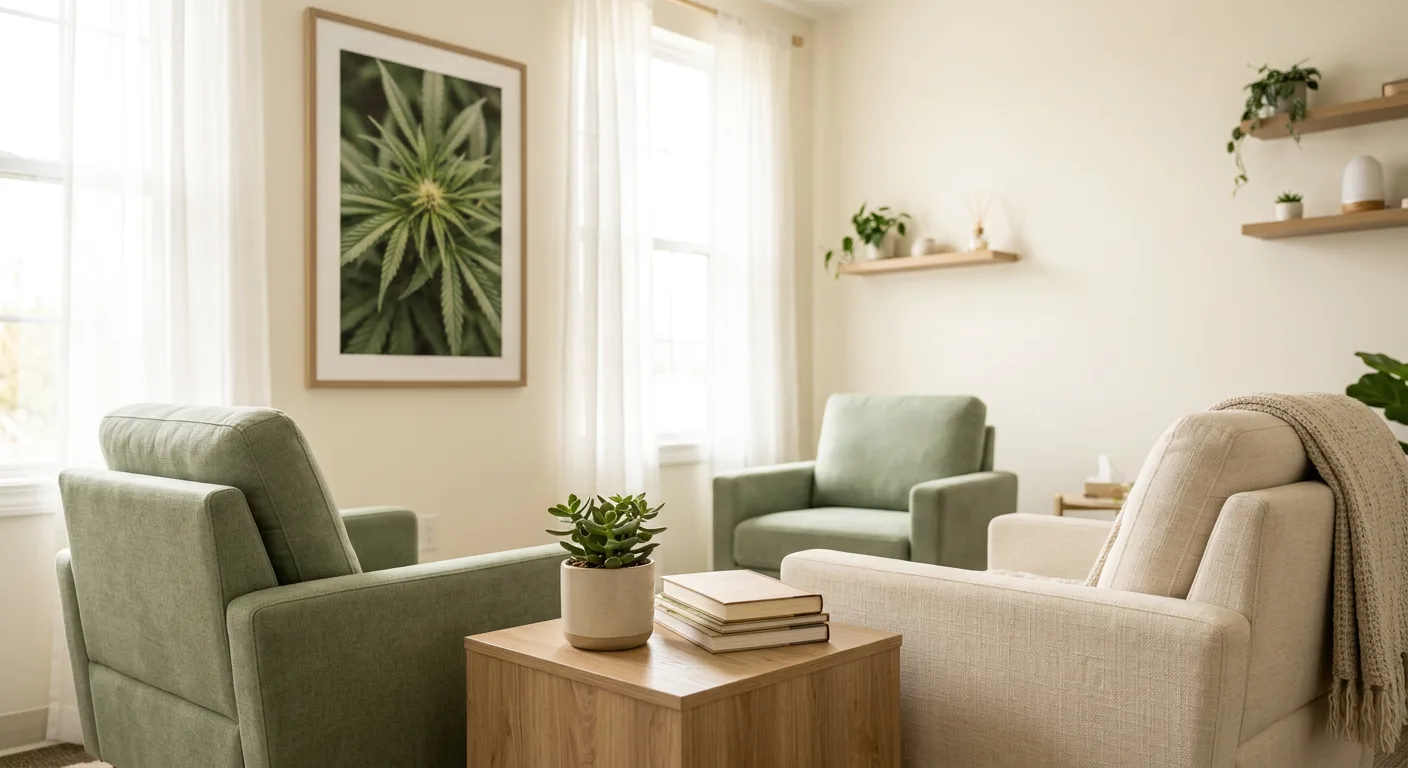
Cannabis works best for depression when used as one component within a broader treatment plan—not as a standalone cure. Evidence supports combining it with cognitive-behavioral therapy, exercise, sleep hygiene, and social engagement for the most durable mood improvements.
Cannabis-Assisted Therapy: An Emerging Model
A small but growing number of therapists are incorporating cannabis into treatment sessions, similar to the psychedelic-assisted therapy model. The concept: a low dose of cannabis may lower emotional defenses and increase access to difficult feelings during a guided session, particularly for patients who feel emotionally "numb" or disconnected.
This is not self-medication. It requires a trained therapist, structured protocols, and careful attention to set and setting.
Lifestyle Synergies
Research on depression consistently shows that certain lifestyle factors amplify the benefits of any treatment, including cannabis:
- Exercise: 30 minutes of moderate exercise 3–5 times per week raises endocannabinoid levels naturally. A 2023 British Journal of Sports Medicine meta-analysis found exercise as effective as SSRIs for mild-to-moderate depression
- Sleep regulation: Consistent sleep/wake times restore circadian cortisol rhythms. Cannabis can help initiate sleep but may suppress REM if used nightly
- Sunlight exposure: 20 minutes of morning sunlight boosts serotonin precursors and resets the circadian clock
- Social connection: Uplifting sativa strains used before social activities may reduce avoidance behavior, but relying on cannabis to socialize can become its own trap
Cannabis should augment a depression management plan—not replace one. Patients who combine controlled cannabis use with therapy and exercise report better outcomes than those using cannabis alone, according to multiple observational studies.
What the Latest Research Actually Says (2023–2025)

The evidence base for cannabis and depression is growing but remains mostly observational and preclinical. No large randomized controlled trials have been completed specifically for cannabis as a depression treatment. Here is what the strongest recent studies show.
Key Studies and Their Findings
Cuttler et al., 2018 (Journal of Affective Disorders): Analyzed over 12,000 self-reported sessions via the Strainprint app. Found that cannabis use was associated with significant acute reductions in depression ratings (average 50% reduction). However, baseline depression scores increased over time in chronic users, suggesting tolerance or worsening of underlying condition.
Sachs et al., 2015 (Addictive Behaviors): In a systematic review, the authors found that heavy cannabis use was prospectively associated with a modest increase in depression risk (OR 1.17), while occasional use showed no significant association. The dose-frequency relationship was more predictive than THC content.
Haj-Dahmane & Shen, 2014 (Biological Psychiatry): Demonstrated in rodent models that chronic stress reduces endocannabinoid signaling in the dorsal raphe nucleus (a serotonin hub), and that restoring endocannabinoid tone with low-dose cannabinoids normalized serotonin firing. This supports the "endocannabinoid deficiency" hypothesis of depression.
Lowe et al., 2023 (Cannabis and Cannabinoid Research): A Canadian observational study of 7,362 patients found that medical cannabis users reported significant improvements in depression, anxiety, and sleep over a 3-month period. Effects were most pronounced in users of balanced THC:CBD products.
What We Still Do Not Know
- No Phase III clinical trials have tested smoked or vaporized cannabis for MDD
- Optimal strain-specific terpene profiles have not been validated in controlled human studies
- Long-term effects (2+ years) of medical cannabis on depression trajectories are unknown
- Whether cannabis-responsive depression represents a unique subtype (e.g., endocannabinoid-deficient) is unconfirmed
- Interaction effects with specific antidepressants need systematic study
The clinical evidence gap is not evidence of absence. The regulatory barriers to cannabis research—particularly involving smoked/vaporized flower—have historically made it nearly impossible to conduct the kinds of trials that would definitively establish efficacy. The situation is improving with DEA rescheduling efforts and expanded research licensing, but definitive answers are likely 5–10 years away.
Where to Check Legal Status
Cannabis legality varies significantly by state and directly affects what products you can access. Use our cannabis legalization map to check current laws in your area, and review our overview of hemp THC state bans in 2026 for the latest policy changes.
Growing Your Own: Seed Selection for Mood-Focused Cultivation

Growing your own cannabis gives you full control over genetics, terpene preservation, and harvest timing—all of which directly impact the mood-related effects of your final product. Selecting the right seeds is the critical first step.
What to Prioritize in Seed Selection
- Genetic stability: Choose feminized seeds from reputable sources with a germination guarantee to ensure consistent phenotype expression
- Terpene potential: Select genetics known for limonene, linalool, or caryophyllene dominance
- Moderate THC (15–24%): This range allows for effective mood modulation without overwhelming the endocannabinoid system
- CBD content: If growing high-CBD strains is not possible, plan to blend harvests from a THC-dominant and CBD-dominant plant
For growers who want autoflower convenience with mood-relevant genetics, Amnesia Haze Autoflower (17% THC) delivers the Haze family's uplifting terpene profile in a faster, easier-to-manage format.
If you are new to growing, our seedling care guide covers the first critical weeks, and the yield estimator helps you plan how much to grow based on your intended use.
Post-Harvest Terpene Preservation
Terpenes are volatile. Aggressive drying, excessive heat, or poor curing can destroy the limonene and linalool that make a strain mood-supportive. Key practices include:
- Dry at 60°F/60% RH for 10–14 days
- Cure in glass jars with humidity packs at 58–62% RH
- Store in cool, dark conditions for long-term potency retention
Frequently Asked Questions About Cannabis and Depression
Can cannabis help with depression?
Some research suggests low-to-moderate doses of THC and CBD may temporarily improve mood by modulating endocannabinoid, serotonin, and dopamine systems. However, results vary widely by individual, dose, and strain. Cannabis is not an FDA-approved depression treatment, and heavy or chronic use may worsen symptoms in some people. Always consult a healthcare professional before using cannabis for depression.
What is the best THC:CBD ratio for depression?
Research and patient reports suggest a balanced 1:1 THC:CBD ratio or a CBD-dominant 2:1 CBD:THC ratio may offer mood benefits with fewer side effects like anxiety or paranoia. Starting low at 2.5–5mg THC and titrating slowly is recommended. High-THC products without CBD may increase anxiety in sensitive individuals.
Which terpenes are best for depression?
Limonene has the strongest preclinical evidence for mood elevation, with studies showing anxiolytic and antidepressant-like effects in animal models. Linalool shows calming and serotonergic activity. Beta-caryophyllene activates CB2 receptors and may reduce neuroinflammation linked to depression. Look for lab-tested strains rich in these terpenes.
Can cannabis make depression worse?
Yes, in certain situations. Heavy daily use, very high-THC strains without CBD, and adolescent use are associated with increased depression risk. Cannabis can cause amotivational symptoms, disrupt sleep architecture, and create psychological dependence. People with bipolar disorder or psychotic features should be especially cautious. Professional guidance is strongly recommended.
Is sativa or indica better for depression?
The sativa/indica distinction is based on plant morphology, not chemistry. What matters more is the cannabinoid ratio and terpene profile. Strains high in limonene with moderate THC tend to be more uplifting regardless of classification. Many patients report sativa-dominant hybrids with energizing terpene profiles work best for daytime mood support, but individual response varies significantly.